Risk Improvement Program PPM Services for Insurers – Targeted Remediation & Premium Stability
Insurers, brokers and portfolio owners use this risk improvement PPM service to turn scattered survey findings into targeted remediation and more stable premiums. The programme organises recommendations, inspections and maintenance into a single register with priorities, owners and evidence, based on your situation. You finish with a live schedule of PPM tasks tied to key perils, completed works tagged back to original recommendations, and evidence packs that support renewal discussions with underwriters. Exploring how this framework fits your portfolio can be the next practical step.



Author
Izzy Schulman

For insurers, brokers and property owners, open recommendations and weak maintenance evidence turn renewal into a difficult conversation. Survey findings, fire risk assessments and contractor reports often sit in separate silos, making it hard to show how day‑to‑day work actually changes risk.
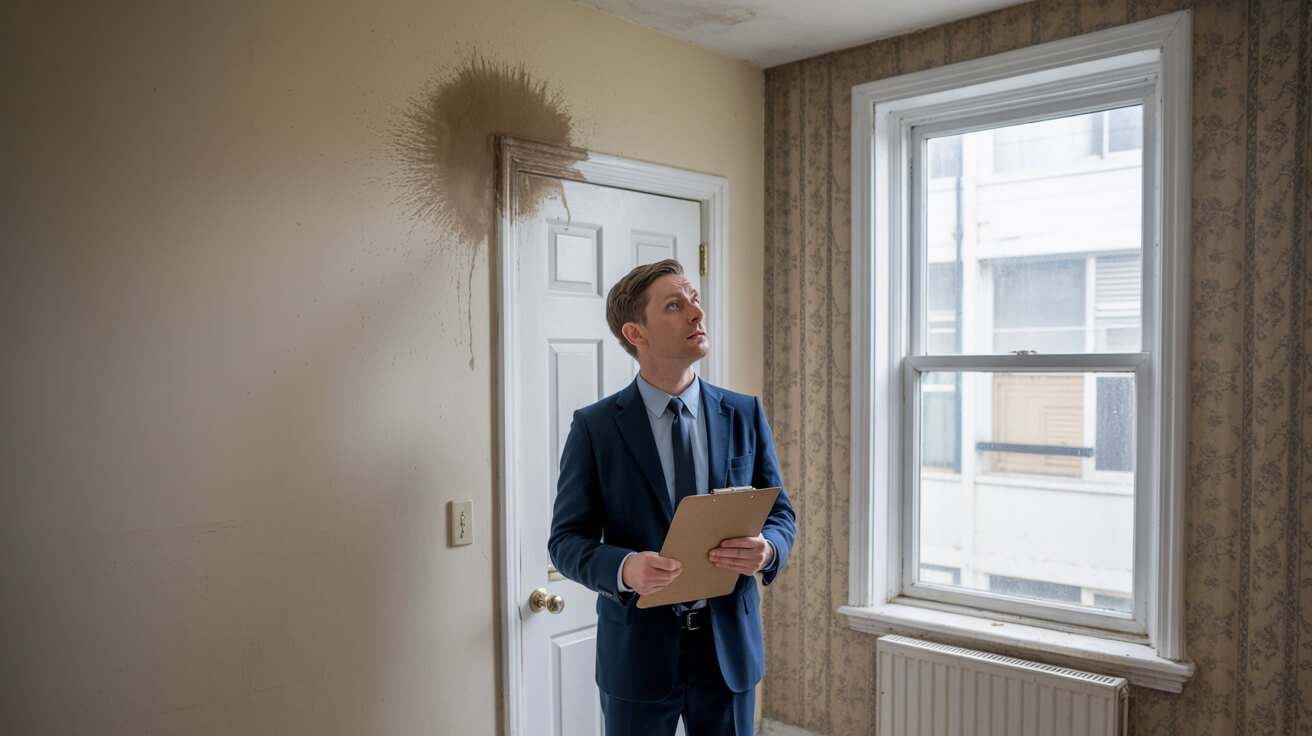
A structured risk improvement programme built around planned preventative maintenance closes that gap. It links findings to actions, assigns ownership and records completion in a way underwriters recognise, so spend looks like targeted remediation rather than general upkeep and your portfolio’s risk story becomes clearer at renewal.
- Turn survey findings into prioritised, insurer‑visible actions
- Link spend to specific perils and recommendations across sites
- Present clear evidence packs that support calmer renewal discussions</p>
Need Help Fast?
Locked out, leak at home, or electrical issue? All Services 4 U provides 24/7 UK locksmith, plumbing, electrical.
Testimonial & Clients Who Trust Us
With 5 Star Google Reviews, Trusted Trader, Trust Pilot endorsements, and 25+ years of experience, we set industry standards for excellence. From Dominoes to Mears Group, our expertise is trusted by diverse sectors, earning us long-term partnerships and glowing testimonials.
Worcester Boilers

Glow Worm Boilers

Valliant Boilers

Baxi Boilers

Ideal Boilers

What an Insurer-Led Risk Improvement Program Actually Means
A risk improvement programme for insurers is a managed route from recommendation to verified closure, not just another survey report.
You face pressure to keep portfolios insurable in a market that rewards proof and penalises gaps. A programme built around planned preventative maintenance (PPM) takes risks already identified in surveys, fire risk assessments and inspections, and turns them into prioritised actions with owners, deadlines and evidence. At renewal, you can show what was found, what was done and how exposure has changed, instead of defending a stack of unlinked reports.
In that context, PPM becomes a scheduled regime of inspections, testing and maintenance tied directly to the perils insurers care about most: fire, escape of water, roof and fabric condition, electrical safety and security. When those tasks are designed and recorded properly, they prevent minor deterioration becoming claims and give underwriters a clear view of real‑world control on the ground.
All Services 4U sits between engineering reports, managing‑agent workflows and insurer expectations as a multi‑trade property and compliance contractor. The service converts existing duties into a risk improvement plan that your board, broker and underwriter can all recognise, without forcing you to rebuild your operating model.
Arrange a short consultation and have this programme mapped onto your portfolio.
Why Open Recommendations and Weak PPM Evidence Create Renewal Friction
Open recommendations and weak maintenance evidence turn renewal into a debate about uncertainty rather than a discussion about price and appetite.
Underwriters and brokers now look past high‑level statements such as “the buildings are well maintained”. They want to know which survey recommendations are still open, which ones are conditions precedent or high priority, and whether you can evidence completion for the rest. When your records show attendance but not outcome, you invite questions about whether the underlying risk condition has actually changed.
The gap between spend and the risk story
You may have spent heavily on works, yet still see pressure on terms because the spend does not clearly map back to specific risks and recommendations. If a roof project cannot be linked to historic ingress incidents or survey findings, it is hard for an underwriter to treat it as a resolved exposure rather than general upkeep.
A risk improvement programme tags works to the originating recommendation, peril and property, so you can present spend as targeted remediation that materially alters risk, not just general maintenance.
Why fragmented records worry underwriters
From an insurer’s perspective, inconsistent inspection logs, contractor reports and PPM records across sites make portfolio risk harder to compare. If one block has a digital fire alarm log and neat close‑out notes while others rely on ad hoc PDFs, it is difficult to form a consistent view of risk quality. That uncertainty can lead to heavier subjectivities, higher deductibles, tighter conditions or reluctance to commit capacity.
How a risk improvement program changes the conversation
When you reorganise recommendations, PPM tasks and remediation into a single register with clear status and evidence, renewal meetings become more straightforward. You can show which actions are complete, which are in train, which are awaiting funding, and what that means for the year ahead. All Services 4U designs that register and the supporting evidence packs so you answer those questions calmly instead of scrambling for documents.
How Targeted Remediation Should Be Prioritised Across a Property Portfolio
Targeted remediation is about fixing the risks that genuinely move your loss profile and insurance relationship, not just the ones that shout loudest.
Once inspection and survey findings are on the table, you face more potential actions than time or budget. A risk improvement programme gives you a way to triage those actions so you focus first on high‑consequence defects and insurer‑visible exposures, while still managing the wider maintenance backlog.
Start with loss‑critical perils
For most residential and mixed‑use portfolios, the same themes dominate loss experience and insurer concern. You usually see repeated issues around:
- Fire protection impairments
- Escape of water events
- Roof and fabric failures
- Electrical faults and overloaded systems
- Weak access control or locking arrangements
When you sort findings by peril and potential impact, you see quickly which actions reduce the likelihood or impact of these repeat issues, instead of spreading effort evenly across everything.
Rank by urgency and insurer visibility
Not every defect is equal in the eyes of an underwriter. A missing door closer on a fire escape, a history of untested shut‑off valves on a high‑rise water system, or an unaddressed electrical observation on a main distribution board will carry more weight than cosmetic issues. A good programme scores each item for urgency, severity and policy relevance so you can explain why some works are brought forward and others are phased.
Align capability, scope and handback
You reduce both technical and insurance risk when remediation scopes, contractor competence and sign‑off expectations are aligned. That means defining the fix in practical terms, ensuring the contractor is qualified for that class of work, and capturing before‑and‑after evidence plus any re‑test or re‑inspection. All Services 4U helps you build these rules once and apply them consistently across blocks and suppliers.
What Good PPM Evidence, Fire Protection Maintenance, and Impairment Control Look Like
Good PPM evidence shows that critical systems are under control over time, not just that someone visited site on a given date.
PPM is often in place, but the way it is recorded can make it hard to demonstrate effectiveness. Insurers and auditors tend to look for two things: completion of the required tasks to a recognised standard, and reasonable assurance that the control is working afterwards.
PPM that underwriters recognise
For general building services and plant, strong PPM records typically include a clear asset list, a maintenance regime referenced to an accepted task set, dates and outcomes of visits, and notes on any defects or follow‑on works raised. When you show that life‑safety, electrical, water hygiene, roof and drainage tasks are delivered to a consistent standard and cadence, you reduce questions about whether reasonable‑care duties have been met.
Fire protection and impairment control
Fire alarms, emergency lighting, fire doors, suppression systems and smoke control are often treated as a separate risk conversation. If those systems are not tested, serviced and restored from impairments in a controlled way, potential claim severity and life‑safety concerns rise quickly. A risk improvement programme defines how you log tests, document any failure or impairment, set temporary measures, and record restoration, so you can evidence that each impairment was actively managed.
Turning maintenance logs into renewal evidence
Raw logbooks and service sheets are rarely in a form that a broker or underwriter can use without heavy rework. All Services 4U takes the data you already hold and shapes it into portfolio‑level summaries, site snapshots and system‑specific extracts. You keep operational detail for day‑to‑day management, while also gaining an insurer‑ready view of how PPM, remediation and control effectiveness fit together.
How Valuation Accuracy and Underinsurance Affect Premium Stability
Valuation accuracy is part of risk improvement because underinsurance and stale sums insured can undermine premium stability even when physical risks are improving.
You may invest in remediation and maintenance, yet find that premiums are still under pressure because declared values do not reflect current rebuild costs or asset configurations. In that situation, insurers and lenders are left balancing improved hazard controls against uncertainty about potential loss size.
Why values belong in the same conversation as hazards
From an insurer’s viewpoint, both risk quality and credible values are needed to set terms. If the portfolio is materially under‑declared, even strong PPM and remediation do not fully resolve concerns about adequacy of cover, contribution at claim stage, or expectations around fair outcomes. When you treat valuation review as part of the same improvement programme, you show that both dimensions are being addressed.
Embedding valuation checks into the program
You do not need a full revaluation every year for every asset. Instead, you can build simple triggers and review cycles into the governance model: scheduled reassessment for high‑value or complex buildings, checks after major works, and portfolio‑wide uplift reviews where cost indices have moved significantly. All Services 4U helps you integrate those touchpoints so valuation work is proportionate, documented and clearly linked to renewal readiness.
By linking hazard controls and declared values in one narrative, you give underwriters and brokers a more transparent basis to discuss terms and reduce avoidable uncertainty.
Program Governance: Tracking Owners, Deadlines, and Proof of Closure
Programme governance is what stops risk improvement from becoming another initiative that fades when attention moves elsewhere.
Across any portfolio, authority, budget, access, technical scope and insurance responsibilities are spread between owners, managing agents, facilities teams, contractors and advisers. Without a simple governance model, even well‑designed programmes stall as actions cross hand‑offs and lose visibility.
One governance model across sites
You make progress faster when every site follows the same basic rules for how risks are logged, ranked, assigned and reported. A central register that holds recommendations, remedial actions, PPM tasks and valuation checks with status, owner and due date gives you that baseline. The technical content can vary by building; the language and workflow stay consistent.
Action tracking and escalation
Once actions are in a shared register, you can define how overdue items are escalated. High‑risk fire or electrical actions might trigger automatic escalation to a senior sponsor when they approach or pass due dates, while lower‑risk items move through standard reminder cycles. Clear thresholds for “critical”, “urgent” and “routine” help you focus attention where delay would have the greatest insurance or safety consequence.
Interfaces with your broker and insurer
Governance also needs to recognise how your broker and insurer fit into the picture. If you share periodic snapshots of progress against survey recommendations, high‑risk PPM findings and valuation work, renewal discussions feel more predictable and less adversarial. All Services 4U can prepare those snapshots and join renewal‑readiness calls so you are not translating the underlying data alone.
If you want your next renewal to be supported by a clear, defensible action log rather than ad hoc updates, this part of the service is what makes that shift.
Accreditations & Certifications







Typical Deliverables, Timelines, and Where the Service Fits in Existing Workflows

You reduce friction when the programme is designed to plug into the way you already run property, compliance and insurance, rather than replacing everything.
You already have surveys, PPM contracts, action lists and insurance records. The aim is to connect and strengthen those components so they work as one risk improvement engine, with a consistent story from hazard through to evidence.
What you receive
A typical engagement gives you a defined set of artefacts you can reuse across renewals and internal reporting, including:
- A portfolio‑level risk and action register
- Site‑specific action lists ranked by peril, urgency and insurance relevance
- Close‑out evidence templates for contractors and in‑house teams
- Board, broker and underwriter‑ready summary reports
These deliverables turn scattered surveys and maintenance records into a single, repeatable way of telling your risk story.
How we work alongside your teams
All Services 4U works with owners, managing agents, facilities and compliance leads rather than over the top of them. We review existing records, agree priorities, and help set expectations with contractors about the evidence you now require. Where you already use a CAFM or digital logbook, we design the process so data flows from those systems into the risk improvement view, avoiding duplicate input wherever possible.
A low‑friction starting point
You do not need to commit to a full portfolio rollout on day one. Instead, you can start with a focused diagnostic on one block, one peril class such as fire or escape of water, or one cluster of high‑risk recommendations. That smaller scope demonstrates how governance, PPM evidence and remediation tracking work in practice, and gives you something concrete to show internally before expanding.
If you want to see what this looks like against one of your own sites rather than in theory, the next step is to book a short consultation so this approach can be mapped onto a real building.
Reliable Property Maintenance You Can Trust
From routine upkeep to urgent repairs, our certified team delivers dependable property maintenance services 24/7 across the UK. Fast response, skilled professionals, and fully insured support to keep your property running smoothly.

Book Your Free Consultation With All Services 4U Today
A short consultation is often the fastest way for you to understand where you stand today and what would change your renewal conversations most.
During the call, you can walk through your current position: upcoming renewal dates, recent insurer surveys, open actions, known high‑loss themes, and how PPM and remediation records are being held. All Services 4U will listen first, then set out where the biggest gains are likely to come from, whether that is closing specific recommendations, tightening PPM evidence, tackling key buildings or addressing valuation questions.
You leave the call with a clear view of practical starting options, the information you already hold that can be reused, and the areas where better documentation or targeted works will make the most difference to how your risk is presented. You then decide whether to begin with a one‑site or one‑peril diagnostic, or to move more directly into a wider programme.
If you want your next renewal to be supported by a clearer risk story and stronger evidence, book your free consultation with All Services 4U today.
Frequently Asked Questions
Why does a risk improvement programme matter before renewal pressure starts to build?
A risk improvement programme shows insurers your property risks are known, tracked, and being reduced with evidence.
Renewal pressure rarely begins when the renewal invitation lands. It starts earlier, when surveys flag defects, remedial actions drift, certificates sit in separate folders, and nobody can show a clean line from issue to closure. In a residential or mixed-use portfolio, that usually means the same exposures keep resurfacing: escape of water, roof deterioration, fire door defects, electrical observations, weak access control, or damp and mould complaints. The operational issue is serious enough. The insurance issue becomes harder when your team cannot prove what changed after the problem was identified.
A strong risk improvement programme replaces scattered paperwork with one working control chain. A finding becomes an action. That action gets a priority, owner, deadline, and evidence standard. Closure means more than a contractor marking a job complete. It means the risk is demonstrably reduced, or clearly recorded as still open with interim controls in place.
Renewal pressure builds in the gaps between what was found, what was fixed, and what you can still prove.
For your board, that means fewer decisions based on assumption. For your broker, it means fewer last-minute chases. For your insurer, it means less uncertainty. For your residents, it often means issues are resolved before they become repeat complaints. RICS guidance on planned maintenance and lifecycle planning consistently supports the same practical point: buildings are managed better when condition, follow-through, and evidence sit in one disciplined system rather than in memory, inboxes, and disconnected reports.
How is a risk improvement programme different from another survey report?
A survey report describes exposure. A risk improvement programme shows how your team is controlling it.
That distinction matters because a portfolio can hold current FRA reports, roof surveys, EICRs, damp investigations, and water hygiene records and still look poorly controlled if the resulting actions are unclear, overdue, or unsupported by closure evidence. Insurers do not gain much comfort from document volume on its own. They respond better when the records show movement from recommendation to correction.
In practical terms, a report says, here is the defect. A risk improvement programme says, here is the defect, here is the risk rank, here is the owner, here is the target date, here is the closure evidence, and here is the residual risk if anything remains open. Residual risk simply means the part of the exposure that still exists after the initial action has been taken.
That gives your team much better answers to the questions that actually shape renewal conversations:
- Which fire actions remain overdue?
- Which sites show repeated water ingress?
- Which electrical observations still need remedial work?
- Which insurer recommendations have no closure proof?
- Which blocks are carrying the highest renewal risk?
If you want renewal discussions to feel controlled rather than defensive, that is the level of visibility that matters.
How does this help different stakeholders across the portfolio?
It gives each stakeholder a version of the same truth, instead of six competing versions.
Your board needs a defensible risk picture with cost and priority. Your property managers need a live action list they can actually work from. Your broker needs a clean narrative for underwriters. Your insurer wants evidence that recommendations are not sitting idle. Your lender or valuer may also want comfort that fire, electrical, and building safety actions are not undermining mortgageability or refinance timing.
A simple structure usually works best:
| Stakeholder | What they need to see | What builds confidence |
|---|---|---|
| Board or RTM directors | Open risks, cost, deadlines | Clear action ownership and evidence |
| Broker | Renewal narrative and progress | Fewer gaps, fewer follow-up questions |
| Insurer | Risk reduction, not just activity | Closure proof and interim controls |
| Lender or valuer | Safety and certification status | FRA progress, EICR and CP12 currency |
That is where a portfolio review becomes commercially useful. If your current findings, works, and certificates do not yet form one usable control chain, a renewal-readiness diagnostic across one site or one insurer survey trail is often the safest place to start. It gives your team a practical route to order without creating another layer of admin for its own sake.
How does planned preventative maintenance reduce claim frequency and premium volatility across a property portfolio?
Planned preventative maintenance reduces losses by catching defects earlier and proving your portfolio is being controlled.
Insurers do not just price the incident that already happened. They also price the chance that the same category of incident will happen again. When a portfolio relies too heavily on reactive maintenance, known weaknesses are allowed to mature into repeat events. Roof failures are only addressed after water has entered. Electrical defects stay open until an inspection is overdue or a distribution board fails in service. Fire protection issues drift until they become urgent. By then, the operational cost is higher and the insurance story is weaker.
A disciplined PPM regime changes that pattern. It gives your team earlier intervention, more predictable maintenance spend, and stronger evidence that the estate is not sliding into unmanaged deterioration. SFG20 has long supported structured maintenance intervals and asset-led tasking for exactly that reason. The principle is simple: inspect the right systems at the right cadence and you catch deterioration before it becomes a loss driver.
How does PPM reduce claim frequency in real operational terms?
It reduces the number of avoidable incidents that become insurer-notified losses.
Across residential and mixed-use portfolios, the first gains usually appear around repeat loss categories:
- Escape of water from ageing pipework, valves, tanks, or plant
- Roof and rainwater goods deterioration
- Fire alarm and emergency lighting impairment
- Electrical defects and overdue remedials
- Weak physical security in common parts or access routes
A maintained roof does not guarantee zero leaks. A serviced fire alarm system does not guarantee zero faults. But your probability of repeat failure becomes easier to control, and that matters commercially. Underwriters tend to worry when the same event keeps happening with no visible change in controls. PPM gives you a way to show that the controls did change.
For property managers, that means fewer repeat call-outs. For boards, it means less budget shock. For insurers, it means the portfolio starts to look managed rather than merely busy. If you want to test where your own programme is working, reviewing one repeated loss category such as escape of water often reveals the answer quickly.
Why does PPM also reduce claim severity, not just claim count?
Because a maintained building usually limits the spread of damage once an incident occurs.
A leak in a building with clear isolation points, accessible plant information, maintained valves, and competent emergency records is usually less destructive than the same leak in a building where nobody knows how to isolate the system quickly. The same logic applies to fire and life-safety systems. A documented impairment procedure is very different from an undocumented one. A maintained drainage route performs very differently in heavy rain than one that has been ignored for months.
This is where severity reduction starts to affect premium volatility. When losses are smaller, more contained, and better evidenced, the insurer sees a different risk profile. That does not guarantee softer terms every time, but it does improve the quality of the conversation.
Swiss Re and other property-risk literature repeatedly draw the same distinction between prevention and resilience. In plain English, that means an incident may still happen, but the resulting damage can be materially smaller if systems are maintained properly and your team can respond quickly.
Where do portfolios usually get PPM wrong?
They measure activity instead of control.
A portfolio can look busy on paper and still feel unstable to an insurer. Site visits happened. Work orders were raised. Jobs were closed. Yet the same issues keep coming back, because nobody tied maintenance activity to actual risk reduction.
That is usually where fragmented delivery causes damage. One contractor inspects. Another attends. A third issues a certificate. Your team then has to rebuild the story by hand. NICEIC guidance around electrical competence and Gas Safe expectations around certified gas work both reinforce the wider point: maintenance only becomes commercially credible when the task, competence, outcome, and proof stay linked.
A sharper review uses four questions:
- Did this task target a known loss driver?
- Did it reduce the chance of repeat failure?
- Did it limit likely damage severity?
- Can your team prove that quickly?
If those answers are unclear, the portfolio may still be spending money without improving its risk profile. That is often the moment to run a focused PPM and renewal diagnostic on one block, one asset group, or one claims-heavy peril before the next renewal cycle tightens the pressure.
How do targeted remediation works satisfy insurer requirements better than vague maintenance close-outs?
Targeted remediation satisfies insurer requirements by proving a critical defect was actually corrected, not merely attended.
That difference matters because insurers rarely gain comfort from broad phrases such as works completed or site attended. They need to know whether a material risk was fixed and whether the record proves it. Where that proof is weak, repudiation risk increases. Repudiation risk simply means the chance that part of a claim is reduced, disputed, or declined because the insurer believes the required precautions were not met or cannot be evidenced clearly.
In property portfolios, the issue is rarely lack of effort. It is weak handback. A contractor may have attended. The invoice may have been paid. But if the file does not clearly show what defect existed, what standard applied, what was done, and how the outcome was checked, the commercial record remains fragile.
The Insurance Act 2015 sharpened the market’s attention on fair presentation and evidence-backed risk disclosure. In practice, that means vague assurances do very little for you when the insurer asks harder questions later.
What does strong remediation look like in an insurer-facing file?
It starts with the original finding and ends with verified closure.
If a fire door survey identifies failed closers, damaged seals, and excessive gaps, strong remediation is not a note saying door adjusted. It is a scoped correction linked to the original survey item, completed by a competent contractor, and supported by dated evidence that the door no longer presents the same defect.
That same standard should apply across high-loss categories:
| Risk area | Weak close-out | Strong close-out |
|---|---|---|
| Fire doors | “Door attended” | Survey item, photos, hardware replaced, post-work check |
| Roof defects | “Leak patched” | Defect mapped, repair completed, drainage checked, dated photos |
| Electrical | “Issue resolved” | Observation linked, remedial cert, test result, engineer notes |
| Water ingress | “Leak fixed” | Source confirmed, repair tested, residual note recorded |
| Security | “Lock changed” | Product specification, install proof, dated site photos |
That is not paperwork for the sake of paperwork. It is what allows your broker, insurer, board, or lender to follow the logic of the correction without guesswork. If your team wants a practical starting point, reviewing one open insurer recommendation and checking whether the close-out would survive insurer scrutiny is usually an immediate reality check.
Why do vague close-outs create coverage and renewal problems?
Because they leave too much room for doubt at the worst possible moment.
A labour invoice with a generic description may satisfy accounts. It does not satisfy an underwriter or claims handler trying to decide whether a required precaution was actually fulfilled. The same applies to work orders with no photos, no post-work test, and no link back to the original defect.
That weakness creates drag in three places. First, it slows renewal discussions because your broker has to fill in the missing story. Second, it weakens your claim position if the same issue later contributes to a loss. Third, it damages board confidence because senior stakeholders can see that completion status and real closure are not the same thing.
BS 5839, BS 5266, and BS 8214 all reinforce the wider point: life-safety systems are not managed by assumption. They are managed by inspection, action, testing, and evidence. The same commercial principle applies well beyond fire.
Where does this usually break down inside a portfolio?
At the handover between technical finding and commercial record.
Surveyors identify the issue correctly. Contractors may even fix it competently. But the closure evidence is inconsistent, not linked back to the original finding, or filed in a way that no insurer, board member, or lender can follow without a manual rebuild. That is where your portfolio ends up carrying avoidable insurance and governance risk even though the work may have been done.
A stronger operating rule is simple: if the close-out would not satisfy an insurer query, it is not fully closed. That protects more than claims defensibility. It protects renewal confidence, lender assurance, and internal decision-making as well.
If your portfolio is holding open recommendations with patchy handback, a remediation evidence review across one high-risk category is often a safer first move than commissioning more surveys. It gives your team a cleaner route into action, and it is exactly the kind of disciplined delivery model All Services 4U is built to support: one defect chain, one evidence standard, one commercial record.
Which maintenance tasks and evidence packs do insurers usually expect to see in a property risk improvement programme?
Insurers usually expect loss-critical maintenance records supported by evidence that shows current control and credible follow-through.
The exact mix depends on building type, occupancy, height, claims history, and insurer wording, but the pattern is consistent enough to plan around. Most underwriters and risk surveyors are not looking for every maintenance record your estate has produced. They want proof that the systems most likely to drive loss are being inspected, maintained, and escalated properly when they fail.
That means your evidence pack must do two jobs at the same time. It must show that the right tasks are happening at the right cadence, and it must show what happened when those tasks identified a problem. A certificate on its own is rarely enough. A stack of unrelated logs is rarely enough. What matters is whether the pack makes the control story easy to follow.
Which tasks usually matter first in insurer reviews?
The first areas of interest are usually tied to fire, escape of water, electrical safety, roof condition, security, and water hygiene.
In many portfolios, that means records around:
- Fire alarm testing and servicing
- Emergency lighting testing and duration checks
- Fire door inspections and remediation
- Roof and gutter inspections, especially after severe weather
- Electrical inspection, testing, and remedial closure
- Water hygiene controls and HSG274-linked temperature or flushing records
- Security upgrades or maintenance where theft risk is relevant
Where HRB duties or lender scrutiny sit in the background, Building Safety Act 2022 obligations, safety case inputs, Golden Thread records, and EWS1-related files also become commercially relevant. In those cases, the insurer may not be the only audience. Your lender, valuer, and board may all be reading from the same evidence chain.
A useful pack usually feels less like an archive and more like a controlled operating file. If your broker cannot explain it quickly, it is probably not insurer-ready yet.
What should an insurer-ready evidence pack actually include?
It should connect task, location, result, competence, and follow-up in one usable structure.
At a minimum, the strongest packs usually contain:
| Evidence component | Why it matters | What weakens it |
|---|---|---|
| Site or asset reference | Shows what system was checked | No link to building or asset |
| Date and cadence | Shows whether the control is current | Unclear cycle or expired record |
| Competence record | Shows the task was done by the right person | Anonymous or unclear contractor |
| Result or certificate | Shows the technical outcome | Pass-fail only, no detail |
| Photos or validation | Shows real-world condition | No visual proof or re-check |
| Action note or residual risk | Shows honesty about open items | Silence on unresolved defects |
SFG20 can help give your maintenance regime a structured backbone. HSG274 strengthens water hygiene credibility. NICEIC and Gas Safe references help where contractor competence matters. The point is not to overwhelm the file with authority names. It is to show that your controls are rooted in recognised maintenance, safety, and competence standards.
Where do evidence packs most often fail?
Usually in linkage, not in volume.
Your team may already hold the survey, the work order, the completion photo, and the certificate. The problem is that they live in different systems, contractor inboxes, and site folders. That forces a broker, insurer, or board member to rebuild the chronology by hand. Once that happens, the portfolio starts to look harder to trust.
Another common weakness is documenting low-value attendance in detail while leaving high-loss items under-evidenced. That often means neat records for routine visits but weak proof around roof defects, fire actions, alarm impairments, escape-of-water controls, or security upgrades.
The market rewards clarity more than quantity. If your evidence is technically present but commercially unusable, you are carrying avoidable renewal drag. A practical next move is to test one peril pack, such as fire, roof, or water ingress, and see whether it would satisfy an insurer without your team having to explain the story manually. If the answer is no, that usually tells you exactly where the real work starts.
How can you build an insurer-ready maintenance and remediation plan without adding more admin to your team?
You build an insurer-ready plan by controlling defects, works, evidence, and reporting through one shared operating model.
Most teams do not struggle because they are inactive. They struggle because every audience gets answered separately. Operations holds one version. The board sees another. The broker gets a hurried summary. The insurer receives a bundle of attachments without a clean logic. That creates repeated handling, inconsistent language, and unnecessary pressure every time a question arrives.
A better model starts with inspections, incidents, and recurring faults, then moves them into one action-and-evidence framework. Each item carries a site reference, peril category, priority, owner, target date, evidence standard, and closure status. Once that structure exists, your team can use the same data for operational control, board assurance, insurance dialogue, lender checks, and resident communication.
How do you make that plan workable across multiple sites?
Standardise the control fields, not the buildings themselves.
Your buildings do not need identical templates. They do need a common language for risk control. Every material action should answer the same core questions:
- What is the issue?
- Which site or asset is affected?
- Which peril does it relate to?
- How urgent is it?
- Who owns it?
- What evidence proves closure?
- What remains open if it is not fully resolved?
That approach reduces admin because it removes ambiguity at source. Surveyors know how to log findings. Contractors know what good close-out looks like. Property managers know what status means. Boards and brokers can read from the same record instead of asking your team to rebuild the file in different ways for different audiences.
A simple sequence usually works:
| Stage | What happens | Why it saves time later |
|---|---|---|
| Capture | Findings and incidents logged consistently | Stops fragmentation early |
| Prioritise | Rank by peril, urgency, and insurer relevance | Improves budget and access decisions |
| Assign | Fix owner, date, and evidence standard | Cuts chasing and confusion |
| Verify | Check closure against the original defect | Improves defensibility |
| Report | Use one dataset for all audiences | Prevents duplicate admin |
That is also where one control chain becomes commercially powerful. Your insurer, board, and property team may ask different questions, but they should be reading from the same underlying truth.
Why do so many plans create noise instead of control?
Because they are built for reporting season instead of day-to-day operations.
If the plan only appears when renewal is close, the rest of the year will still run through disconnected systems and contractor habits. That means your team spends months working one way and then scrambles later to produce a coherent insurance story. The real admin burden comes from that scramble, not from the plan itself.
This is also where generic contractor models often fail you. The works may get done, but if the evidence comes back in inconsistent formats, your managing agent or compliance team becomes the unpaid integrator. Chasing missing photos, vague close-outs, absent certificates, and incomplete notes is what consumes time.
A stronger delivery model uses one evidence standard from the start. That is why a property maintenance partner that can connect planned maintenance, targeted remediation, and renewal-ready reporting in one workflow usually creates less admin, not more. If you want to test it without overcommitting, reviewing one insurer survey chain, one high-risk block, or one peril category is a low-friction place to begin.
What is the safest first move if your records are fragmented today?
Start narrower than the problem feels.
Most organisations do not need a full rebuild on day one. A defensible starting point is to review one site, one peril, or one insurer recommendation trail and test whether the chain from defect to closure proof actually works. Fire actions, roof condition, and escape of water history usually reveal evidential weaknesses quickly.
If you are the person expected to explain open risks to a board, broker, or underwriter, that kind of focused diagnostic is often the most useful next step. It creates clarity without pretending the whole estate needs to be rebuilt overnight, and it gives your team a route into control that feels deliberate rather than forced.
Why is combining planned preventative maintenance with targeted remediation commercially stronger than relying on reactive maintenance alone?
Combining planned maintenance with targeted remediation gives you better cost control, better evidence, and fewer expensive surprises.
Reactive maintenance always looks cheaper in the short term because it delays visible spend. That is exactly why it becomes expensive later. It postpones detection, lets deterioration mature, and turns manageable defects into urgent incidents. By the time your team is forced to act, the repair is usually less efficient, the disruption is wider, and the evidence is weaker.
A combined model changes the economics. Planned maintenance identifies the defect pattern early. Targeted remediation fixes the issues that actually drive loss, non-compliance, or commercial concern. Together, they do more than keep buildings operational. They create a more stable risk and budget story across the estate.
For your board, that means fewer surprise spend requests. For finance teams, it means cleaner reserve logic. For property managers, it means fewer repeat calls and less firefighting. For insurers, it means confidence that known defects are not being left to worsen. For lenders and valuers, it supports a more credible picture of asset stewardship.
Why does reactive-only thinking create avoidable commercial drag?
Because it waits for visible failure before treating the issue as important.
Take repeated leak incidents. Under a reactive-only model, your team pays every time damage appears. Temporary repairs are raised. Residents are updated. Costs rise. But the root pathway may never be properly investigated or closed. The spend continues without materially changing the loss pattern.
The same logic applies to fire actions, electrical defects, and security issues. If each problem is only addressed when it becomes urgent, the estate pays repeatedly through attendance costs, disruption, management time, complaint handling, and reputational wear. That is not efficiency. It is delayed cost.
RICS service charge guidance and wider asset management practice both support the value of planned intervention and lifecycle awareness because they make expenditure more defensible. The gain is not only lower direct cost. It is stronger justification for why the spend happened and what risk it reduced.
Where does the commercial gain show up first?
Usually in the indicators that senior stakeholders notice fastest.
- Fewer repeat emergency call-outs
- Better forecasting of maintenance spend
- Cleaner renewal and claims files
- Lower disruption for residents or occupiers
- Stronger board reporting and decision support
There is also a quieter benefit that matters just as much. You protect credibility. When the same category of defect returns again and again, boards, residents, insurers, and lenders start drawing conclusions about the quality of control. Even when the technical problem is fixable, the repeated pattern damages confidence.
A combined model tells a different story. It shows that your organisation is not just reacting. It is learning, prioritising, correcting, and proving. That matters in every high-scrutiny environment because confidence often rests as much on visible discipline as on the defect itself.
Why does this matter now rather than later?
Because delay compounds both physical deterioration and commercial weakness.
Buildings can absorb unmanaged drift for longer than most teams expect. The market becomes much less patient when repeated losses, overdue actions, and weak evidence begin appearing together. At that point, you are no longer just solving maintenance problems. You are trying to restore confidence under time pressure.
That is why the safest next move is rarely a vague promise to improve over time. It is usually a focused review of one renewal-sensitive site, one repeated peril, or one cluster of open actions. That gives you a practical route into action without pretending the whole estate changes overnight.
If you are responsible for protecting asset value, defending a budget, supporting a broker, or answering renewal questions, the better commercial position is to move while the defects are still manageable and the evidence can still be organised. That is the point where a measured review, a maintenance diagnostic, or a targeted remediation plan still feels strategic rather than forced, and it is where All Services 4U can make the difference between a portfolio that looks busy and one that looks controlled.
- What an Insurer-Led Risk Improvement Program Actually Means
- Why Open Recommendations and Weak PPM Evidence Create Renewal Friction
- How Targeted Remediation Should Be Prioritised Across a Property Portfolio
- What Good PPM Evidence, Fire Protection Maintenance, and Impairment Control Look Like
- How Valuation Accuracy and Underinsurance Affect Premium Stability
- Program Governance: Tracking Owners, Deadlines, and Proof of Closure
- Typical Deliverables, Timelines, and Where the Service Fits in Existing Workflows
- Book Your Free Consultation With All Services 4U Today
- Frequently Asked Questions
- Related PPM Services
Case Studies


Related Articles

Your Guide To Identifying And Treating Minor Mould Outbreaks

Why Planned Preventative Maintenance (Ppm) Saves Money And Ensures Compliance