

Drainage Maintenance PPM Services for Property Managers – CCTV Surveys, Jetting & Gully Cleaning
Property and estate managers use drainage PPM to cut repeat blockages, protect basements and control spend across shared assets. A risk-based programme combines CCTV surveys, jetting, gully cleaning and structured reporting, adjusted to site layout and failure consequence based on your situation. You end up with a documented schedule, clear condition evidence and a traceable record of what was found, done and recommended, with actions tied to specific assets. It’s a practical way to move drainage from recurring disruption to predictable, managed risk.

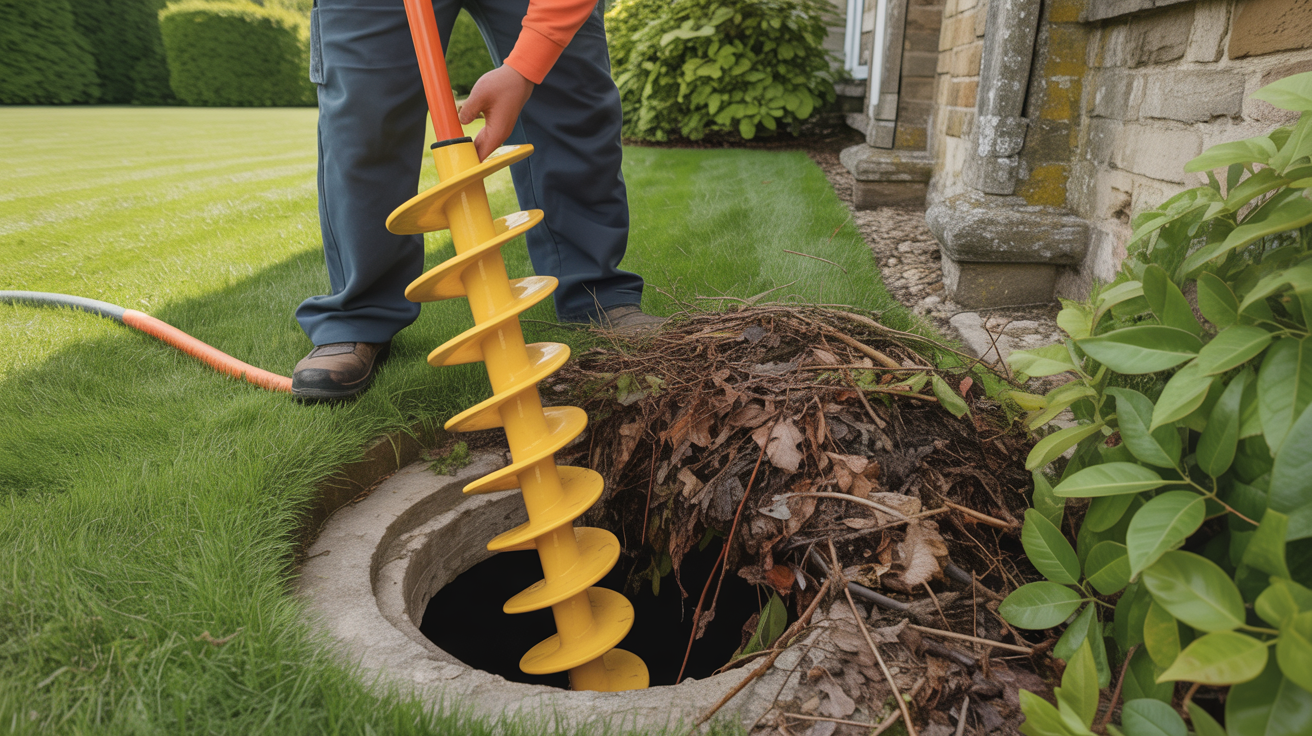

Author
Izzy Schulman

If you manage blocks, estates or mixed-use sites, repeat drainage issues can quietly drain budget and time. Smells, backing-up and ponding often return because only the symptom is cleared. A structured PPM approach gives you a way to control that pattern.
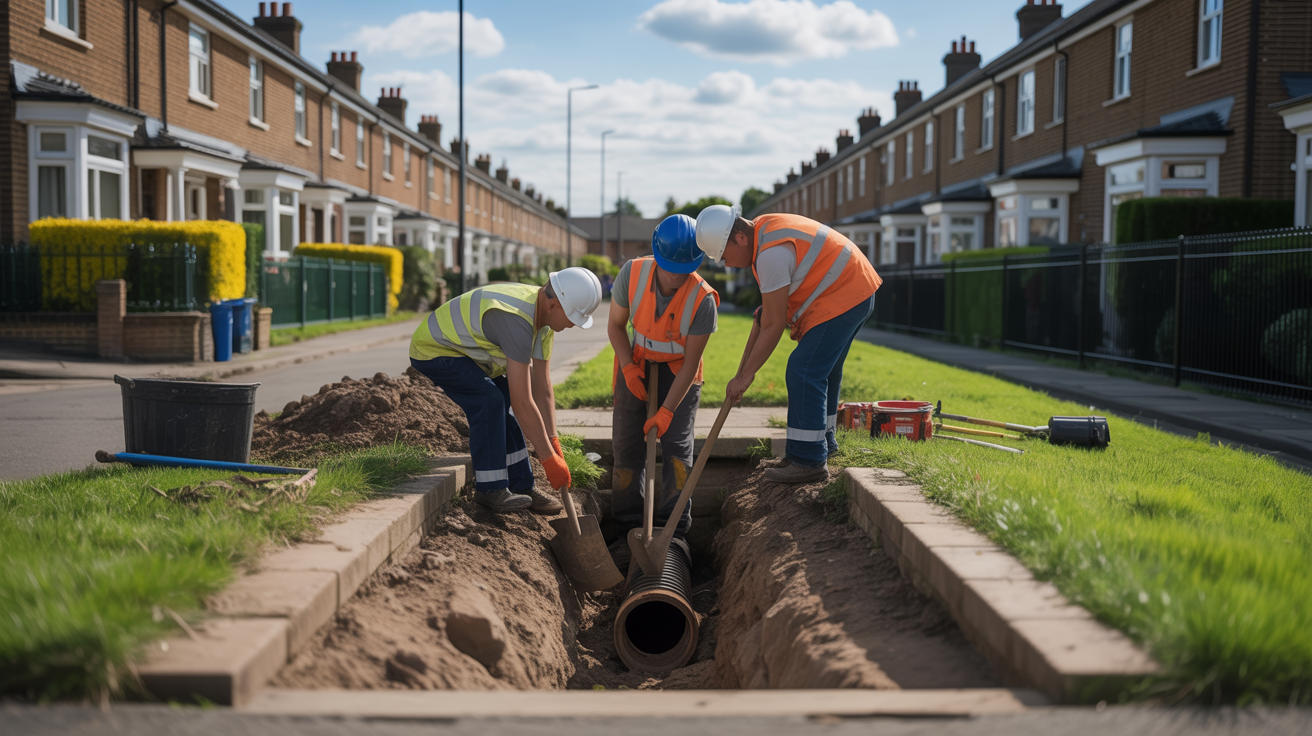
By moving from ad hoc callouts to a risk-based schedule of inspections, jetting, CCTV surveys and usable reporting, you start to understand where and why lines fail. That evidence lets you set sensible intervals, justify spend, and show stakeholders that drainage risk is being actively managed.
- Reduce repeat blockages and emergency drainage spend across key assets
- Get condition evidence that supports budgets and stakeholder conversations
- Align jetting, CCTV and gully cleaning to real site risk</p>
Need Help Fast?
Locked out, leak at home, or electrical issue? All Services 4 U provides 24/7 UK locksmith, plumbing, electrical.
Testimonial & Clients Who Trust Us
With 5 Star Google Reviews, Trusted Trader, Trust Pilot endorsements, and 25+ years of experience, we set industry standards for excellence. From Dominoes to Mears Group, our expertise is trusted by diverse sectors, earning us long-term partnerships and glowing testimonials.





Worcester Boilers

Glow Worm Boilers

Valliant Boilers

Baxi Boilers

Ideal Boilers

Drainage PPM gives you a planned, evidence-led way to control repeat failures across shared property assets.
A drainage maintenance PPM programme gives you a structured alternative to ad hoc drain callouts. Instead of waiting for smells, backing-up, ponding, or another out-of-hours unblock, you put your network onto a review cycle that reflects how your site actually behaves.
That usually means routine visual checks of chambers and gullies, high-pressure jetting where deposits are building up, periodic CCTV surveys where condition evidence matters, and clear records after every visit. You still need reactive cover, because planned maintenance reduces emergencies but does not remove the need for fast support when a live issue appears.
There is no single UK interval that suits every block, estate, or mixed-use site. A sensible programme is risk-based. It looks at your drainage layout, tree cover, occupancy, food use, flood consequence, blockage history, and whether vulnerable areas such as basements, car parks, or entrances sit downstream of a likely failure point.
At All Services 4U, we build drainage PPM around that risk picture instead of forcing one blanket cycle across very different properties. You get a more usable schedule, clearer reporting, and a stronger basis for budget decisions, resident updates, and contractor control.
Review one repeat-problem site first and turn recurring drainage issues into a documented plan.
Reactive drainage spend usually repeats because the symptom is cleared while the cause stays in the ground.
If your drainage only gets attention when something blocks, your spend usually comes back around the same assets for the same reasons. The job may close. The failure pattern often does not.
Closed jobs do not always mean reduced risk
A cleared line can still hold the conditions that caused the problem in the first place. Partial restrictions, root ingress, displaced joints, poor falls, grease build-up, and silt loading can all remain after a quick reactive visit. That is why the same run often reappears in your log weeks or months later.
The cost sits in more places than the invoice
Your drainage overspend rarely appears as one dramatic line item. It usually spreads across emergency attendance, repeat labour, resident communication, access coordination, complaint handling, clean-up, and follow-on remedials. If you manage occupied property, the operational drag can become as frustrating as the contractor cost itself.
Recurrence weakens internal confidence
When you need to explain repeated drainage invoices to a board, landlord, or client without condition evidence, you are explaining activity rather than control. Planned maintenance changes that conversation. You move from justifying another callout to showing why the asset was reviewed, what was found, and what happened next.
Repeat blockages should trigger investigation when the pattern points to a system problem rather than a one-off obstruction.
The most expensive drainage decision is often paying again for the same incomplete answer. Once recurrence appears, your next step should be diagnosis, not another hopeful clearance.
Practical escalation triggers
You should usually escalate to CCTV when the same line blocks repeatedly within the year, when a problem returns soon after proper jetting, or when attendance notes stay vague about cause. The same applies when more than one fixture or area is affected together, because that often points to a downstream issue or a shared run rather than a single isolated obstruction.
What CCTV changes
Instead of relying on another assumption-based clearance, a CCTV drain survey shows you where the issue sits and what type of defect you are dealing with. That matters because the right next step depends on the finding. A deposit problem needs a different response from a cracked section, root ingress, a displaced joint, deformation, or partial collapse.
A line can flow today and still fail again under normal use or the next heavy rain. Early defects often keep passing water while continuing to catch wipes, paper, silt, grease, or roots. CCTV turns repeat guesswork into condition evidence, which lets you decide whether the right answer is cleaning, repair, lining, excavation, or closer monitoring.
A risk-based schedule works better than a fixed cycle because drainage load and failure consequence vary sharply by site.
The right frequency is not the same for every property you manage. A quiet residential block, a mixed-use scheme with food outlets, and a basement-heavy development with known ponding risks should not all sit on the same regime.
A practical baseline for most managed sites
A sensible starting point is annual inspection of key drainage assets, at least yearly gully review and cleaning, extra visits around leaf-fall or known debris periods, jetting on a six to 12 month cycle where history or usage justifies it, and CCTV condition surveys every three to five years for the wider network. Higher-risk or repeatedly problematic systems often need tighter review.
What usually shortens the cycle
Tree roots, older clay runs, repeated odours, heavy surface-water loading, food-related waste, basement consequence, and prior flooding all justify more frequent attention. If your site has already shown you where it struggles, the schedule should reflect that evidence instead of resetting to a generic annual visit.
How cleaning and surveying work together
Jetting and gully cleaning preserve flow capacity by removing the deposits that narrow the system over time. CCTV tells you whether the issue is only deposit-related or whether the pipe itself is damaged or badly aligned. Used together, they stop you from over-cleaning low-risk assets and under-investigating repeat-problem runs.
If you need to justify intervals internally, start with one risk-based matrix instead of one blanket frequency.
Good reporting turns drainage maintenance from a contractor activity into a management record you can actually use.
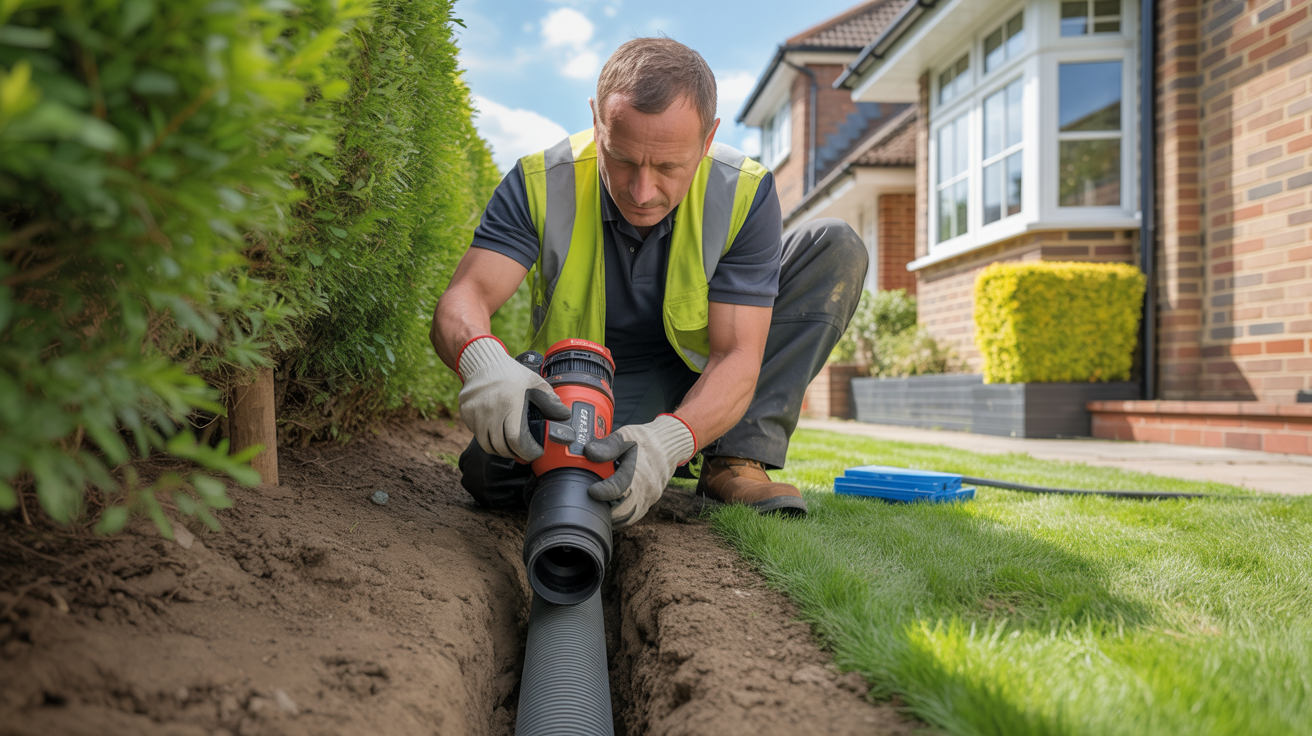
You need more than proof that someone attended. You need a dated record of condition, actions, findings, and next steps that you can use later without rebuilding the story from old emails and invoices.
What a useful drainage report contains
A usable report links the visit to a specific asset or area, records what was inspected, notes what was found, shows what was done, and sets out any recommended follow-up. Photos help when they clarify condition or completed work. CCTV outputs become far more useful when they identify location, defect type, severity, and the practical implication for your site.
Why records matter after the visit
Your maintenance records help you compare recommendations, track hotspots, and support budget discussions with something stronger than memory. They also strengthen your position if an insurer, client, or internal stakeholder later asks whether an issue was sudden, recurring, or linked to known deterioration. In other words, records do not just close jobs. They protect decisions.
Governance matters when findings need action
The weakest point in many drainage programmes is not the visit itself. It is what happens after the visit. If recommendations are not assigned, dated, tracked, and used to revise the schedule, the same evidence gap returns later in another form. A good PPM programme closes that loop.
If one basement line floods twice in a season, you need more than two invoices and a memory of the second attendance. You need a dated trail that shows what was found, what was done, and why the next step changed.
Some properties need a more proactive drainage programme because the site conditions make recurrence more likely and failure more disruptive.

A standard regime stops being enough when the consequence of failure is higher than the apparent size of the defect. That is when a more proactive drainage plan starts to protect your operations, not just your pipework.
Higher-risk sites tend to share the same features
Older networks, tree-lined estates, basement-served buildings, mixed-use schemes, food-led occupiers, and sites with known ponding or surcharge history usually justify earlier intervention. In those settings, a small restriction can quickly become resident disruption, flood exposure, access problems, or repeated complaint handling. The real question is not whether the line can be cleared again. It is whether you should still be relying on repeat clearance as the main strategy.
The warning signs usually arrive before a major incident
Repeated odours, slow external drainage, standing water near gullies, recurring attendance to the same run, or complaint clusters around one area are all signals that your current regime may be too light. If you already know the hotspots by memory, you are overdue to turn that local knowledge into a documented drainage plan with clear review points and escalation rules.
Accreditations & Certifications






A structured delivery model gives you clearer accountability, cleaner records, and fewer handover gaps between planned work and urgent escalation.
The service model matters as much as the technical task list. If inspection, cleaning, reporting, and escalation sit in separate silos, your records and decisions usually fragment with them.
How we build the programme
We start with the asset picture you already have, even if it is incomplete. That means site history, known hotspots, visible drainage assets, prior callouts, and any drawings, photos, or reports you already hold. From there, we define the first review cycle, identify where cleaning is justified, and flag where CCTV is the right diagnostic step.
How we reduce disruption and lost time
A structured programme lets you phase work around occupied buildings, access constraints, and operational windows. It also keeps one trail from inspection to recommendation to action, which reduces duplicated mobilisation and conflicting interpretations of the same drainage issue. That matters when you need to explain the plan to residents, boards, or client teams without turning the process into a technical argument.
At All Services 4U, we use that model to help you move from recurring callouts to a more stable, evidence-backed maintenance rhythm across one site or a wider portfolio.
Reliable Property Maintenance You Can Trust
From routine upkeep to urgent repairs, our certified team delivers dependable property maintenance services 24/7 across the UK. Fast response, skilled professionals, and fully insured support to keep your property running smoothly.

Book Your Free Consultation With All Services 4U Today
A focused drainage review gives you a practical way to move from repeat incidents to a proportionate plan. You do not need a full portfolio brief to start. One repeat-problem block, one basement risk area, or one cluster of recent callouts is enough to define the next useful step.
Bring your site list, hotspot notes, recent drainage incidents, previous invoices, and any drawings or photos you already hold. We will review the pattern, separate symptom from root-cause risk, and show you where planned cleaning, CCTV, or repair planning makes the most sense.
You leave with a clearer view of scope, likely intervals, reporting needs, and whether you need a baseline review, targeted jetting, gully cleaning, or condition-led investigation first. That gives you a decision you can explain internally and act on before the next avoidable failure.
Book your free consultation today.
Frequently Asked Questions
What should a drainage maintenance PPM service cover across your property portfolio?
A drainage maintenance PPM service should cover shared drainage assets, repeat inspection routines, cleaning cycles, defect escalation, and reporting that helps your team make decisions.
If you oversee residential blocks, mixed-use schemes, estates, or higher-scrutiny buildings, drainage maintenance works best when it is treated as a control system rather than a callout convenience. The objective is not simply to clear what is blocked today. The objective is to understand where risk is building, document what changed, and intervene before the next visible failure reaches residents, boards, brokers, or lenders.
For Property Managers, that means fewer repeat complaints and a cleaner audit trail. For an RTM chair or board member, it means a more defensible explanation of why money is being spent. For a housing association compliance lead, it means clearer evidence that nuisance, hygiene, and building-condition risks are being managed in a structured way. For an asset manager or finance director, it means drainage can be discussed as planned asset protection rather than unpredictable leakage from the reactive budget.
A line that still flows can still be moving you toward the next complaint.
Which assets should sit inside the planned drainage scope?
The service should include the drainage assets that can create operational disruption, complaint pressure, hygiene concerns, or insurance friction when they are neglected. In most managed portfolios, that includes foul drainage runs, surface-water drainage points, gullies, catchpits, channels, inspection chambers, manholes, basement-adjacent drainage, low points in external circulation areas, and any location already known for repeat attendance.
That scope matters because drainage failure is rarely democratic. A blocked branch line in one place may be inconvenient. A neglected chamber close to a basement entrance, loading zone, or bin store can escalate quickly into internal disruption, odour issues, clean-up cost, and resident dissatisfaction. The practical rule is simple: if an asset can create standing water, surcharge, foul odour, or shared disruption, it belongs in the planned maintenance picture.
Older estates often need tighter definition because historic layouts, clay runs, and partial repairs produce irregular performance. Tree-lined sites may need special attention because root pressure changes the risk profile over time. Mixed-use buildings can create heavier grease, debris, or loading stress. Properties with vulnerable residents or high footfall need added caution because visible drainage problems turn into trust problems quickly.
A useful starting split looks like this:
| Asset group | Why it matters | Typical consequence if ignored |
|---|---|---|
| Shared foul runs | Carries waste from multiple areas | Backup, odour, repeat blockages |
| Surface-water gullies | Clears rainwater from external areas | Ponding, slips, complaints |
| Chambers and manholes | Visibility into condition and flow | Hidden build-up, weak diagnosis |
| Basement-adjacent drainage | High consequence location | Water ingress, disruption, cost |
How should a planned visit actually work on site?
A planned visit should create a decision trail, not just a timestamp. That means the operative or specialist should inspect accessible assets, clear where the schedule requires it, note build-up or deterioration, identify patterns, and decide whether the finding belongs in routine maintenance, further investigation, or repair planning.
The strongest programmes do not stop at “left flowing.” They connect what was seen to what should happen next. If a gully repeatedly silts after leaf fall, the answer may be more frequent cleaning. If one line repeatedly surcharges after proper clearance, the answer may be jetting or CCTV. If one chamber shows signs of structural weakness, the answer may be defect planning rather than another standard clean.
That operational logic is consistent with SFG20 thinking: recurring building risks should be managed through defined tasks, review intervals, and evidence-led adjustment rather than memory alone. It also fits the wider maintenance discipline encouraged in professional asset management, where a service visit should either reduce uncertainty or reduce risk, and ideally both.
A well-run visit usually includes:
- inspection of visible drainage points and accessible chambers
- clearance of debris, silt, leaf matter, or local obstruction
- notation of odour, surcharge signs, slow discharge, or damage
- comparison with prior history where hotspots are known
- recommendation for jetting, CCTV, repair, or revised frequency
Why does the reporting standard matter as much as the visit itself?
Because weak reporting turns a useful visit into a forgettable one. If your file only says “attended, cleared, left flowing,” your team still has to reconstruct what happened when the same area causes trouble later. That wastes time and weakens control.
A proper drainage record should identify the asset or location, summarise what was found, state what was done, flag anything unresolved, and show the recommended next action. That gives Property Managers something credible to brief upward, your resident services team something factual to reference, and your board or landlord something they can understand without interpreting contractor shorthand.
For resident-facing organisations, stronger reporting also supports complaint handling. For insurers, it helps distinguish isolated events from unmanaged deterioration. For lenders and valuers, it supports the broader condition narrative of the building. For legal advisers, it creates a cleaner chronology if nuisance, disrepair, or service quality concerns later expand.
Which features separate a real programme from a dressed-up reactive contract?
The clearest test is whether repeat patterns change the management response. If the same hotspot appears three times and the service still behaves as though each attendance is unrelated, you do not have a disciplined PPM regime. You have reactive work wearing a planned label.
A real programme should adjust frequency, escalate diagnostics, refine asset lists, and improve budget predictability when patterns emerge. It should become more useful over time because the site is being learned, not just visited.
For a prudent next step, many teams start by reviewing one troublesome block or estate zone, mapping the shared drainage assets properly, then setting a schedule for the highest-risk points first. That gives you a manageable starting position and a stronger basis for scaling later. If you want a maintenance partner that can help your team move from recurring disruption to visible control, that is the right point to begin the conversation with All Services 4U.
- Drainage PPM gives you a planned, evidence-led way to control repeat failures across shared property assets.
- Reactive drainage spend usually repeats because the symptom is cleared while the cause stays in the ground.
- Repeat blockages should trigger investigation when the pattern points to a system problem rather than a one-off obstruction.
- A risk-based schedule works better than a fixed cycle because drainage load and failure consequence vary sharply by site.
- Good reporting turns drainage maintenance from a contractor activity into a management record you can actually use.
- Some properties need a more proactive drainage programme because the site conditions make recurrence more likely and failure more disruptive.
- A structured delivery model gives you clearer accountability, cleaner records, and fewer handover gaps between planned work and urgent escalation.
- Book Your Free Consultation With All Services 4U Today
- Frequently Asked Questions
- Related PPM Services
Case Studies


Related Articles

Your Guide To Identifying And Treating Minor Mould Outbreaks

Why Planned Preventative Maintenance (Ppm) Saves Money And Ensures Compliance