Reactive Maintenance PPM Services for Property Managers – 247 Emergency Response & Make-Safe
Property managers and managing agents need reactive maintenance and PPM that stabilise emergencies fast and stop the same faults coming back. All Services 4U runs emergency response, make-safe visits and planned maintenance as one joined-up workflow, based on your situation. You get clear triage, documented make-safe actions and owned handover into permanent repair, so risk, cost and disruption are visibly controlled across the portfolio. It’s a straightforward way to see where your current model is leaking time, money and control.



Author
Izzy Schulman

When something fails at 9pm, you are not buying a callout, you are protecting people, assets and reputation. Property managers need reactive maintenance, emergency response and make-safe work that actually control risk rather than just close tickets.

A joined-up model links 24/7 triage, on-site make-safe actions and planned maintenance, so fewer faults escalate into repeat visits, complaints and hidden admin costs. All Services 4U focuses on workflow, not just attendance, so you see where failures start, how they are contained and how permanent repairs are owned.
- Faster, clearer control from first report to make-safe
- Fewer repeat callouts and lower secondary damage costs
- Documented handover into planned repairs you can track</p>
Need Help Fast?
Locked out, leak at home, or electrical issue? All Services 4 U provides 24/7 UK locksmith, plumbing, electrical.
Testimonial & Clients Who Trust Us
With 5 Star Google Reviews, Trusted Trader, Trust Pilot endorsements, and 25+ years of experience, we set industry standards for excellence. From Dominoes to Mears Group, our expertise is trusted by diverse sectors, earning us long-term partnerships and glowing testimonials.
Worcester Boilers

Glow Worm Boilers

Valliant Boilers

Baxi Boilers

Ideal Boilers

When Something Fails at 9pm, What Service Do You Actually Need?
You need one maintenance model that controls urgent risk now and stops the same failure coming back later. At All Services 4U, we treat emergency attendance, reactive property repairs, and PPM as one joined-up operating system, so you get faster control at night, clearer follow-through the next day, and fewer avoidable callouts over time.
If you manage residential or mixed-use property, you do not experience emergency response, reactive maintenance, and planned work as separate services. You experience one live portfolio and one expectation: act quickly, keep people safe, protect the asset, and leave a clear record behind.
Reactive maintenance starts after failure. PPM targets the same assets before failure gains momentum. Emergency response is the urgent end of that reactive property cycle, where safety, security, habitability, or major asset damage is at stake. Make-safe work sits within that response. It removes immediate danger or stops conditions worsening, even when the permanent repair needs parts, access, or approval.
When those lines blur, routine faults get treated like emergencies, genuine emergencies get under-classified, and temporary fixes stay live too long.
Book your free consultation and see exactly where your current model is losing control.
Why Small Delays Become Expensive Portfolio Problems
The first invoice is almost never the full cost of the fault.
A delayed response rarely stays limited to the original defect. A leak becomes drying, reinstatement, complaints, rearranged access, and insurer queries. A failed entrance door becomes a security risk, an out-of-hours attendance, and more management time the next morning. A communal lighting fault becomes a safety issue and another visit because the first attendance only treated the symptom.
Where the real cost appears
Your biggest losses usually sit in consequence, not attendance.
If you only track the repair cost, you miss the admin wrapped around it. Your team chases updates, approves temporary measures, explains delays, handles escalations, and rebuilds the incident trail for landlords, boards, or occupiers. That hidden workload scales quickly across a busy portfolio.
Deferred planned work also distorts budget confidence. Spend can look controlled in the short term while larger liability builds in the background.
Why planned work protects the budget
Planned maintenance changes the timing of cost before the defect turns into disruption.
PPM does not replace reactive maintenance. It reduces how often urgent failures happen, how severe they become, and how much secondary damage they cause. The goal is not to service everything. It is to identify the assets where failure has real consequences and get ahead of them before they start generating repeat reactive spend.
That is the real decision test: what did this incident actually cost your team, and how often could that chain have been prevented?
How a Good 24/7 Response Workflow Should Run From Call to Permanent Repair
A strong emergency service does more than attend quickly.
When an incident lands out of hours, speed matters. Sequence matters just as much. The right outcome is not just a van on site. It is a controlled workflow from first report to permanent repair, with clear ownership at each stage.
How triage should work
Good triage decides risk, trade, access, and escalation before dispatch.
A useful triage process captures more than the fault description. You need to know what is happening, what risk exists now, what utilities or shared services are affected, whether vulnerable occupants are involved, whether the site is secure, and whether the issue is genuinely emergency, urgent, or routine.
That classification determines who attends, what authority they carry, what temporary measures are acceptable, who needs notifying, and what evidence must be captured on arrival.
What make-safe should include
Make-safe means stabilise the risk, not blur the job into a false completion.
If the full repair cannot be completed on first attendance, the site should still be left in a controlled state. That may mean isolating an unsafe circuit, stopping water ingress, securing an entrance, restricting access to a hazardous area, or protecting the building until the permanent remedy is arranged.
What matters is clarity. You should be able to see what was found, what was done to control the risk, what remains unresolved, and what the next step is.
How permanent repair is handed over
The handover from emergency attendance to permanent remediation must be owned, dated, and visible.
This is where weaker services usually fail. The immediate risk is reduced, but the permanent repair sits in limbo. Photos are incomplete. The resident note is vague. The cause is unclear. No one can see who owns the next action.
If a communal leak is reported late on a Friday, the night visit may isolate the supply and stop further damage. By Monday morning, you should already have photos, a cause note, a follow-on work order, and a named owner for the permanent repair. If your team is still reconstructing the incident from texts and missed calls, the handover has already failed.
A better model treats every incident as both a live event and a learning point. The permanent repair is raised with clear scope, the evidence is attached while details are fresh, and the asset history is updated so the next recurrence does not start from zero.
Which Assets Should Stay Reactive, and Which Need Planned Attention?
Not every asset deserves the same maintenance strategy.
The right maintenance mix comes from consequence, not habit. Some failures are inconvenient but manageable. Others create safety, compliance, security, or habitability issues the moment they happen. Those higher-consequence assets should not be left to chance.
What should sit in PPM first
Assets with high failure impact usually need scheduled attention before fault.
In most residential and mixed-use properties, that means life-safety systems, water services, communal electrical infrastructure, access control, building fabric risk points, and plant whose failure affects multiple occupiers at once. If a failure creates immediate risk, major disruption, or likely secondary damage, planned maintenance belongs upstream of reactive response.
The same applies where governance pressure is high. If you need a clear audit trail or evidence for insurers, lenders, or building safety stakeholders, planned attention becomes part of risk control rather than routine housekeeping.
What can remain reactive
Low-consequence assets can still be handled sensibly on a fault-led basis.
Where replacement is simple, disruption is tolerable, and safety or compliance impact is limited, a reactive approach can be reasonable. The issue is not using reactive maintenance. The issue is letting assets default into reactive mode without checking whether that choice still makes sense for the building, the occupiers, and the real cost of failure.
How to make the rule defensible
Your maintenance mode should be a documented decision, not an inherited accident.
That means keeping an asset register, ranking assets by consequence, and agreeing which ones belong in PPM, which need condition-led review, and which are acceptable to run reactively. Once that rule exists, contractor performance becomes easier to judge because you are comparing outcomes against an intentional plan.
Ask for a maintenance review built around asset criticality, not a generic checklist.
What Makes an Out-of-Hours Service Defensible to Clients, Insurers, and Regulators?

Attendance alone is not defensible evidence.
If an incident is reviewed later, you need more than proof that someone turned up. You need a record showing what happened, what risk existed, what immediate control was applied, and what permanent action was required after the first visit.
What evidence must exist
A useful incident record should stand on its own the next morning.
That usually means timestamps, site findings, photos, isolation details, temporary measures, communication notes, and a clear next-step owner. If the job involved life safety, electrical danger, water ingress, or a security issue, the evidence standard should rise, not drop, because the visit happened out of hours.
How temporary fixes are controlled
Temporary controls need deadlines and escalation, not vague reassurance.
A make-safe is often the right first move. It becomes a governance problem when it stays invisible. You should be able to see how long the temporary measure is expected to remain, what approval is needed for the permanent repair, who owns the handoff, and when the next update is due.
That level of control matters to insurers, lenders, accountable persons, and client teams because it shows the building is being managed, not just patched.
What residents and stakeholders should see
Transparency lowers friction when people understand what happened and what comes next.
Residents do not need technical language. They need to know what was fixed, whether the area is safe, what remains outstanding, and when further work will happen. Boards and clients need the same chain in management language: risk, action, evidence, next step.
That is how a maintenance service becomes defensible. It leaves a clear trail for operational review, complaints handling, audit, and renewal discussions without creating extra admin for your team.
What Should You Expect From a 24/7 Emergency Make-Safe Partner?
A real out-of-hours partner gives you control, not just contactability.
Choosing a partner is not the same as buying a phone line. You are testing whether the provider can run a consistent workflow across your buildings, priorities, and reporting standards.
What should be live out of hours
You should expect real triage, real authority, and real evidence capture from the first call.
That means one reporting route, a consistent method for classifying emergency, urgent, and routine work, and clear attendance rules by priority. It also means the people attending out of hours work to the same competence, safety, and reporting standards as the daytime team.
If the night service can only patch, reassure, and push the problem into a vague morning queue, you do not have a true emergency partner. You have a contact point with vans behind it.
What service standards must be written down
If service categories, limits, and handoff rules are not defined, you cannot govern the contract properly.
You should be able to compare providers on repair categories, attendance expectations, make-safe scope, communication points, follow-on ownership, evidence requirements, and escalation thresholds. Coverage maps alone do not tell you whether the operating model is reliable.
Before you appoint a partner, test whether the service can handle common portfolio faults such as leaks, power issues, drainage failures, fire system faults, insecure entrances, and communal safety hazards without creating a reporting mess afterwards.
What good handover looks like
The night team and the daytime team should feel like one service, not two disconnected vendors.
The strongest handovers include photos, site status, temporary controls, resident notes, job references, and a named owner for the next action. This is where we make the difference practical at All Services 4U. We do not stop at attendance. We structure the follow-through so you know what has been stabilised, what still needs approval, and what outcome you are waiting for next.
You should come out of every out-of-hours incident with less uncertainty, not more.
Accreditations & Certifications







Which KPIs Tell You the Service Is Stable, Not Just Busy?
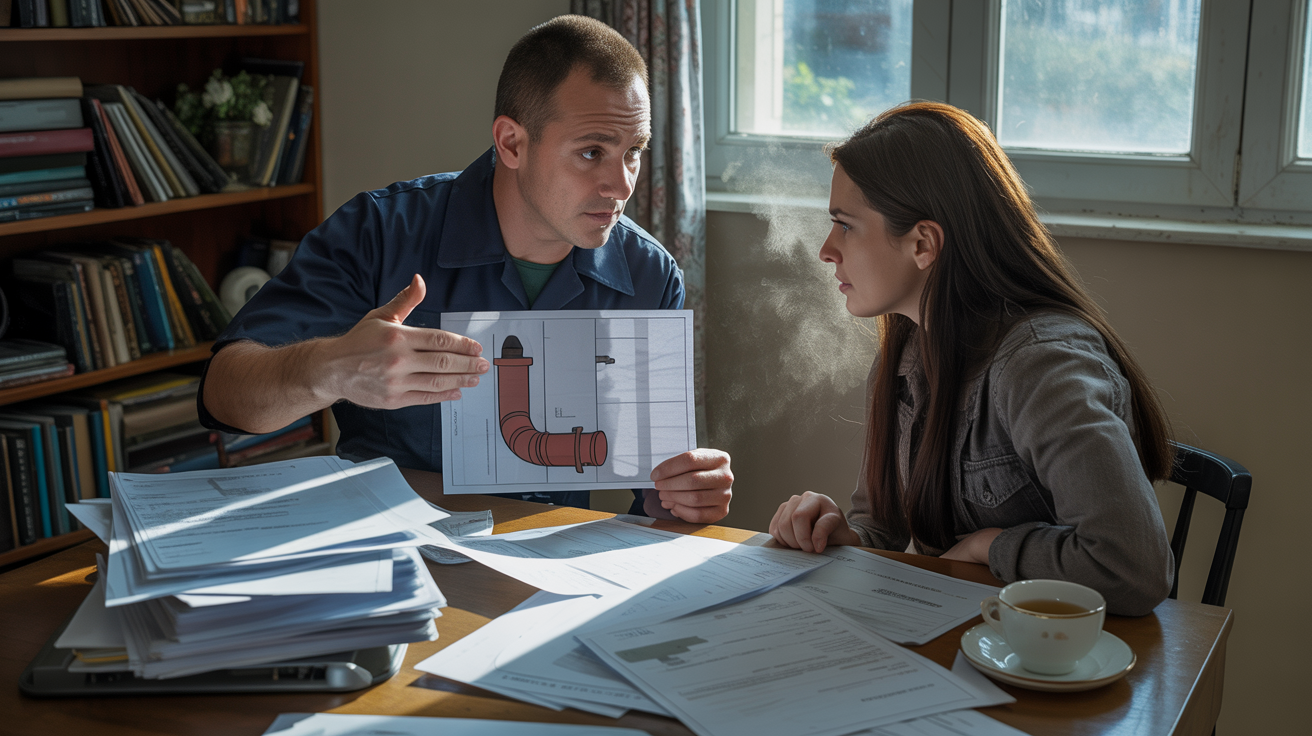
The right scorecard measures outcomes, not motion.
Fast attendance matters, but it is only one part of control. A contractor can move quickly and still create repeat failures, cost inflation, and management noise if diagnosis, closure quality, and planned follow-through are weak.
Reactive performance signals
Reactive KPIs should show whether you are firefighting less, not just answering faster.
Look at priority-based attendance performance, time to restore or complete, first-time fix where appropriate, reattendance rate, repeat-fault rate, and emergency work order volume. Those measures show whether issues are being contained properly or simply revisited in cycles.
PPM performance signals
PPM KPIs should prove that planned work is protecting the portfolio.
Planned task completion, overdue task volume, compliance completion, defect generation from inspections, and the trend in reactive demand all matter. If planned work is being completed but emergency volume does not shift, your maintenance strategy needs a tougher review.
How to compare providers like for like
Provider comparison only works when scope, categories, and evidence rules are normalised first.
The table below keeps the comparison simple.
| KPI area | Reactive signal | PPM signal |
|---|---|---|
| Speed | Attend and make safe by priority | Complete planned tasks when due |
| Quality | First-time fix and repeat-fault rate | Defect quality and follow-on accuracy |
| Control | Evidence completeness and handover clarity | Overdue work and compliance closure |
| Outcome | Emergency volume trend | Reactive demand reducing over time |
If you want a comparison that means anything, fix the scope first. Then compare quality, coverage, governance, and value against the same baseline.
Reliable Property Maintenance You Can Trust
From routine upkeep to urgent repairs, our certified team delivers dependable property maintenance services 24/7 across the UK. Fast response, skilled professionals, and fully insured support to keep your property running smoothly.

Book Your Free Consultation With All Services 4U Today
You get a clearer view of where emergency demand, reactive volume, and weak planning are costing you control.
Bring the issues putting the most pressure on your portfolio. We review repeat faults, out-of-hours incidents, weak handovers, gaps in planned coverage, and the assets most likely to keep generating avoidable disruption.
You leave with a clearer service picture, a cleaner decision path, and a practical view of how your maintenance model should operate. If you are reviewing suppliers, we also help you compare service scope, escalation design, reporting quality, and KPI structure on a like-for-like basis.
Book your free consultation today and leave with a decision-ready maintenance plan.
Frequently Asked Questions
What should property managers do after a make-safe visit before the issue drops back into your queue?
You should turn every make-safe visit into a dated, owned follow-on action before the next working day begins.
A make-safe visit removes immediate danger. It does not remove the wider repair risk. If a contractor has stopped a leak, isolated unsafe electrics, secured a failed entrance door, or made a communal area safe, your next concern is straightforward: what remains open, who owns it, and when is the permanent repair due? If that is unclear by the next morning, the same issue often returns as a complaint, a repeat attendance, or an ageing action on a board report.
That is where many reactive maintenance problems start. Out-of-hours attendance gets treated as completion. The site is safer than it was. The note is brief. Everyone assumes the matter is under control. Then the office opens to a thin handover, no dated follow-on order, no resident message, and no single owner for the permanent fix. What looked contained at 11pm becomes an avoidable management problem by 9am.
HSE guidance on managing contractors supports the same logic: temporary controls need follow-through, not assumption. In property maintenance terms, that means your emergency maintenance handover should capture the known cause, the immediate action taken, the remaining restriction, the permanent repair needed, the next trade if required, and the target date for close-out.
What should your next-morning handover include?
Your handover does not need to be long. It needs to be usable.
- Current site status
- Remaining risk or operational restriction
- Permanent repair required
- Named owner for follow-on works
- Target completion date
- Resident or occupier update issued
That is the minimum workable standard for a make-safe visit follow-on. A short record done properly is far more useful than a longer note written after the detail has gone stale. If your team has to reconstruct the event from missed calls, partial contractor messages, and resident complaints, the cost is already rising.
A temporary repair without a dated next step is only a repeat call waiting for daylight.
Where do teams usually lose control after out-of-hours attendance?
They usually lose control in the gap between attendance and planning. The hazard has been reduced, but the permanent works order has not been raised properly. Access has not been booked. A specialist trade has not been nominated. Resident communication has not been issued. The incident exists, but the path to closure does not.
That gap creates operational drag fast. Your morning team loses time chasing basic facts. Residents hear different versions of the same event. The managing agent sees another urgent item sitting open with no confidence around completion. If damage worsens or a temporary measure fails, the insurer may also ask what happened after first attendance and whether reasonable follow-on action was taken.
What does good control look like by 9am?
By 9am the next working day, you should know whether the issue is safe now, what permanent work is needed, whether parts or specialist attendance are required, who is communicating with occupiers, and when the next visit will happen. That is the difference between emergency attendance and reactive maintenance control.
For high-intent buyers, this is not admin polish. It is risk reduction. A clear emergency maintenance handover helps reduce repeat attendance, complaint exposure, and confusion at renewal or audit. If you want your next board pack to show control rather than churn, this is one of the first standards worth tightening.
All Services 4U typically helps here by building the handover into the operating model, so a make-safe visit does not end as an orphaned note. It becomes a controlled route from immediate attendance to permanent repair, with the evidence and ownership already in place.
How can you tell whether rising emergency callouts reflect bad luck or a repair cycle that is not correcting the root cause?
Rising emergency callouts stop being bad luck when the same assets, locations, or fault types keep returning in a pattern.
Every portfolio gets genuine surprises. Storm damage happens. Components fail unexpectedly. Drainage can block at the worst possible time. The question is not whether emergency callouts exist. The question is whether your buildings are teaching you something that your maintenance strategy is still ignoring.
If the same communal lighting circuit fails every few months, the same riser leaks after heavy rain, or the same entrance door keeps driving security attendance, that is not random noise. It is usually a repair cycle without root-cause correction. The work is happening, but the portfolio is not becoming more stable.
RICS planned maintenance guidance is useful here because it shifts the focus from volume of activity to asset performance. Instead of asking, “How many emergencies did we attend?”, ask, “Which assets keep generating disruption, cost, and resident frustration?” That question exposes whether your planned maintenance versus emergency callouts picture is healthy or only busy on paper.
Which pattern should you test first?
Start with four filters:
- Asset type
- Building or location
- Fault category
- Repeat interval
You do not need a large analytics programme to do this well. You need enough job-history discipline to see recurrence clearly. If three separate leak callouts are really one unresolved roof defect, your current reporting is not just weak. It is hiding preventable spend.
A useful control metric is repeat attendance within 30, 60, or 90 days by asset class. Another is emergency callout rate per block against planned maintenance completion. If PPM completion still looks healthy while emergency demand rises, the issue is often not volume of planned tasks. It is poor task content, weak inspection quality, or the wrong threshold for replacement.
What does a weak maintenance strategy usually look like in practice?
It often looks busy rather than broken. Response times are acceptable. Contractors attend. Jobs close. Yet the same failures come back, the same blocks absorb disproportionate management time, and the same defect types keep moving from out-of-hours attendance into more expensive remedials.
That creates pressure in places buyers feel immediately. Open actions age. Emergency costs stack up. Residents lose confidence in the phrase “this has been dealt with.” Boards start asking why spend keeps rising without a visible drop in disruption. At renewal, insurers may look less at one incident and more at the pattern behind it.
Before you assume the portfolio is simply unlucky, test the signal properly:
| Signal | What it usually indicates | What should change |
|---|---|---|
| Same asset failing repeatedly | Symptom repair only | Rescope, redesign, or replace |
| Same block driving callouts | Local inspection regime too weak | Increase targeted PPM |
| High out-of-hours follow-ons | Temporary attendance logged as closure | Tighten next-day ownership |
| Good PPM stats, poor outcomes | Tasks completed without risk reduction | Rebuild task content |
What should you do when the pattern is obvious?
Do not start with another generic instruction to “monitor it closely.” Start with a repeat-fault review. Look at where emergency demand, planned maintenance content, and remedial decision-making are not joining up. That is where most portfolios recover the fastest value.
If your team is tired of explaining the same failure twice, that is usually the point to stop treating repeat incidents as isolated jobs. All Services 4U can support that kind of portfolio diagnostic by tracing repeat attendance, fault history, and handover quality so you can see whether the issue is poor inspection, weak repair scope, or delayed replacement.
Which repair categories should already have a written property maintenance playbook before the first out-of-hours call comes in?
You should already have written playbooks for faults that are common, safety-critical, or likely to spread disruption across a building.
Most emergency confusion is predictable. Teams do not usually struggle because the incident is unimaginable. They struggle because the response rules were never agreed before the phone rang. That is why a property maintenance playbook matters. It reduces delay, protects consistency, and stops every urgent incident from becoming a fresh debate about who should act, what evidence is required, and when escalation should happen.
The highest-priority categories are usually obvious in residential, mixed-use, and compliance-led portfolios. Active leaks. Unsafe electrics. Fire alarm faults. Emergency lighting failures. Insecure communal doors. Drainage backups. Dangerous fabric defects in shared areas. Lift incidents that affect safe access or building continuity. None of those should depend on memory or improvisation.
This is not just common sense. NHS estate response models, social housing good-practice frameworks, and fire safety management standards all support the principle of predefined response pathways. In plain terms: decide the rule before the incident, not during it.
Which incident categories should sit at the top of the list?
These usually deserve written playbooks first:
- Burst pipes and active leaks
- Communal power loss or electrical danger
- Fire alarm or emergency lighting faults
- Failed door entry, locks, or insecure access points
- Drainage backups
- Dangerous defects in shared areas
The exact order will depend on your stock profile. A high-rise residential block needs stronger fire and building safety routing. A mixed-use site may place more weight on access control and continuity. A BTR or PBSA environment may need faster resident communication because confidence can erode more quickly when disruption is visible.
What should a good playbook contain?
A good playbook is short enough to use under pressure and specific enough to prevent drift. It should answer:
- What triggers the playbook?
- What is the immediate make-safe?
- Who must be notified?
- What evidence is mandatory?
- What causes escalation?
- What must be confirmed by the next morning?
That final point is where many teams still lose control. First attendance only covers the first half of the incident. By the next working day, your team should know whether a specialist trade is booked, whether parts are needed, whether access has been arranged, and who is updating residents or occupiers.
A simple operating view often helps:
| Incident type | First action | Next-day control point |
|---|---|---|
| Leak | Isolate and contain | Confirm source repair and drying plan |
| Fire fault | Restore or log impairment | Confirm status and service follow-on |
| Insecure door | Secure access | Confirm hardware replacement date |
| Electrical hazard | Isolate and make safe | Confirm testing and remedial scope |
Why do written playbooks matter commercially as well as operationally?
Because they reduce avoidable variation. Without a written playbook, one contractor captures evidence well and another does not. One duty manager escalates promptly and another waits. One office issues a resident update and another sends nothing useful until complaints arrive. That inconsistency is what turns emergency maintenance into reputational noise.
If your provider cannot show you a clear property maintenance playbook for the incidents you see most often, you are relying too heavily on individual judgement. If you want fewer open actions ageing after out-of-hours attendance, this is one of the cleanest standards to fix. All Services 4U often helps clients start with the top five incident playbooks first, then test them against real building history so the guidance reflects the risks your portfolio actually carries.
Why do resident updates matter so much in reactive property maintenance when the technical repair is the part your team is judged on?
Resident updates matter because poor communication turns a repair issue into a trust issue, even when the technical response is right.
Residents do not experience a repair as a workflow. They experience it as disruption, uncertainty, and a judgement about whether the building is being managed well. A leak may be contained correctly. Unsafe electrics may be isolated quickly. An entrance door may be secured within the hour. But if residents do not know what happened, whether they are safe now, and what happens next, the issue still feels unmanaged.
That creates secondary workload fast. Calls increase. Complaints stack up. Frontline teams repeat the same explanation multiple times. Boards and clients then read that volume as service failure, even when the contractor did the right thing onsite. In complaint review or Ombudsman-facing contexts, silence is rarely neutral. It often reads as poor control.
TPAS guidance and social housing complaint handling standards both point in the same direction: communication is part of service quality, not a cosmetic extra. In occupied buildings, reactive maintenance without resident-ready communication leaves too much room for uncertainty to fill the gap.
What should a resident update cover first?
A useful first update usually answers four questions:
- What happened?
- What has been done now?
- Is the area safe?
- What happens next, and when?
That is enough to reduce most uncertainty. It also protects your own office because it creates one early, consistent account while the facts are still fresh. If the same incident later reappears in a complaint log, your record is already clearer.
People rarely complain about hearing the truth early. They complain about being left to guess.
Where does the communication failure usually begin?
Usually in the handover between the attending contractor and the office. The contractor knows what they found, but the note is too thin. The office knows a resident update is needed, but the record is not strong enough to support clear wording. The result is vague language: the matter has been attended, further works may be required, we will update you in due course. None of that answers what residents actually want to know.
Specific language works better. Was the leak isolated? Is the communal entrance secure now? Has emergency lighting been restored? Is another visit booked? Are access arrangements still needed? Those details reduce complaint risk because they remove ambiguity early.
Because communication failure is not only a resident-experience issue. It is a governance issue. Poor resident updates increase complaint handling load, create reputational noise for boards and managing agents, and weaken your defensibility if the issue later reaches formal review. In vulnerable households or high-sensitivity settings, weak updates also create avoidable welfare risk.
That is why the best resident communication process is built into the repair workflow rather than bolted on afterwards. If your team still relies on someone translating contractor notes into plain English each time, that is usually the first operating standard worth rebuilding.
All Services 4U can support that by making resident-ready wording, callback responsibility, and next-step clarity part of the reactive maintenance process itself. If your team wants fewer complaint chases and more confidence at close-out, that is where a calmer service usually starts.
How should decision-makers compare two reactive maintenance providers when both claim 24/7 cover, planned maintenance, and strong response times?
You should compare control, evidence, and close-out discipline, not just availability claims.
On a proposal page, most providers sound similar. They all offer reactive maintenance. They all promise emergency response. They all say they can deliver PPM. The difference usually appears after first attendance: how the incident is classified, what evidence is captured, who owns the follow-on repair, how resident communication works, and what your team receives the next working day.
That is why a reactive maintenance provider comparison should start with operating standards, not headline promises. Public procurement guidance, social housing assurance expectations, and insurer-driven audit logic all point the same way: the strongest service model is the one that can classify, evidence, escalate, and close work consistently.
A fast response without a disciplined control model can still leave you with open actions ageing, weak audit trails, and a thin position when residents, insurers, or board members start asking questions.
What should you test beyond response times?
At minimum, test these areas:
- How emergencies are classified
- What make-safe includes and excludes
- What evidence must be captured onsite
- Who owns permanent repair handover
- How vulnerable residents are handled
- What lands in your inbox by the next working day
Those details reveal whether a provider has a real operating standard or only a persuasive proposal. One provider may promise more. Another may define better. For most portfolios, the safer decision is usually the one that reduces ambiguity after the incident, not the one that sounds most expansive before it.
What does a useful comparison sheet look like?
A side-by-side comparison is far more useful when it tests control language rather than marketing language.
| Area | Strong provider signal | Weak provider signal |
|---|---|---|
| Triage | Defined P1-P4 rules and escalation path | Generic urgent response wording |
| Evidence | Photos, timestamps, notes, owner, next step | Minimal notes and no evidence standard |
| Handover | Permanent works raised with dated owner | Temporary attendance treated as closure |
| Governance | KPI review, exceptions, audit trail | Broad reporting claims only |
| Resident handling | Standard plain-language update process | Communication improvised case by case |
That table matters because it exposes false equivalence. Two bids may both claim 24/7 response. Only one may have a genuine method for preventing repeat attendance, reducing insurer queries, and giving your board a credible account of what happened.
What should the final decision hinge on?
It should hinge on whether the provider helps your team look more in control six months after mobilisation, not just more reassured on bid day. If your next board pack needs to show fewer ageing actions, cleaner evidence, and less repeat disruption, ask which provider is most likely to make that visible.
All Services 4U can support that review process with a weighted service-model comparison that tests control, evidence, and operational discipline rather than letting two very different delivery models hide behind the same 24/7 label.
When should you move from ad hoc contractor use to a single operating standard that joins reactive maintenance, emergency response, and planned maintenance?
You should move when your team spends more time coordinating failure than preventing it.
Ad hoc contractor use can work for a time. It feels flexible. It may even look cheaper in the short term. Your team can call around, solve the immediate issue, and move on. The problem begins when flexibility turns into fragmentation: too many suppliers, too many repeat incidents, too many jobs attended but not truly closed, and too much evidence spread across inboxes, portals, and memory.
That is usually the shift point. You are no longer only paying for repairs. You are paying in duplicated diagnosis, repeat mobilisation, inconsistent resident communication, weak reporting, and rising effort from staff who keep stitching the service together manually. The cost appears first as noise, then as budget pressure.
RICS planned maintenance guidance supports a more joined model because planned work, reactive work, and emergency response should learn from each other. If repeat failures never change your planned maintenance content, your operating model is not reducing disruption. It is recording it.
What signs show the current model has run out of road?
The shift usually becomes visible when:
- Emergency demand is rising
- Repeat faults are common
- Contractors are managed one by one
- PPM reports look healthy but disruption is not falling
- Reporting varies across buildings
- Evidence gaps appear at renewal, refinance, or audit
Those are not just service irritations. They are signs that your portfolio lacks a single operating standard across blocks. That affects control, cost, and confidence at the same time.
What should a joined model improve first?
It should improve consistency before complexity. The first wins are usually:
- One priority framework
- One evidence standard
- One route from emergency to permanent repair
- One view of repeat faults
- One reporting structure across sites
That is how the service starts to feel calmer. Not because it becomes bureaucratic, but because fewer things are left loose. Your team spends less time translating one provider’s notes into another provider’s format. Boards get a clearer view. Finance teams see more predictable patterns. Residents experience fewer repeat disruptions.
Because once the portfolio starts showing evidence gaps at renewal, repeated callouts in the same blocks, and open actions ageing without clean ownership, you are already absorbing the cost of delay. The safer move is rarely a wholesale reset overnight. It is a phased shift into a joined operating model that targets the biggest sources of churn first.
If you want your buildings to look controlled to residents, credible to insurers, and defensible to boards, that shift is less about buying more maintenance and more about buying a better system for turning incidents into closure. All Services 4U can help map that transition in phases, so your team can see where one operating standard will pay back fastest without forcing unnecessary disruption on day one.
- When Something Fails at 9pm, What Service Do You Actually Need?
- Why Small Delays Become Expensive Portfolio Problems
- How a Good 24/7 Response Workflow Should Run From Call to Permanent Repair
- Which Assets Should Stay Reactive, and Which Need Planned Attention?
- What Makes an Out-of-Hours Service Defensible to Clients, Insurers, and Regulators?
- What Should You Expect From a 24/7 Emergency Make-Safe Partner?
- Which KPIs Tell You the Service Is Stable, Not Just Busy?
- Book Your Free Consultation With All Services 4U Today
- Frequently Asked Questions
- Related PPM Services
Case Studies


Related Articles

Your Guide To Identifying And Treating Minor Mould Outbreaks
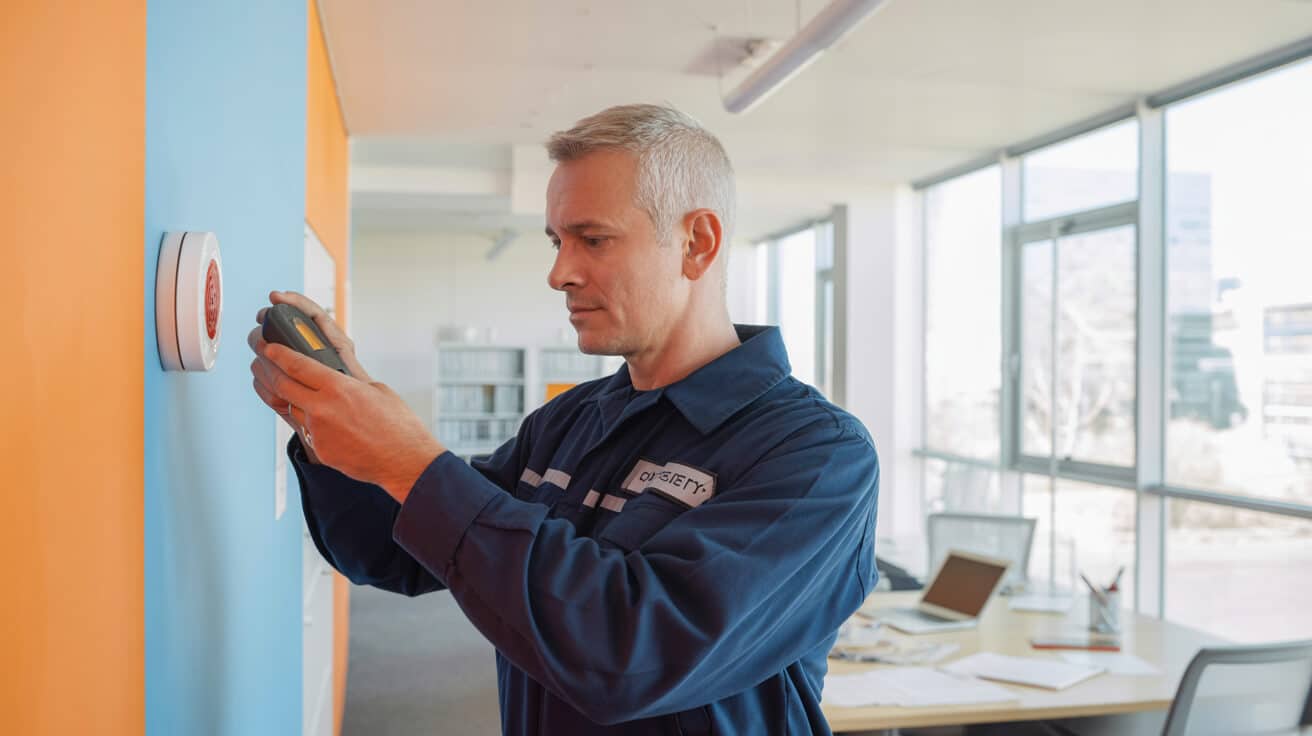
Why Planned Preventative Maintenance (Ppm) Saves Money And Ensures Compliance