SLA Management & KPI Dashboard PPM Services for Property Managers – Real-Time Compliance Tracking
Property managers with multi-site portfolios need real-time SLA and PPM visibility to control compliance risk, not delayed reports. A tailored dashboard tracks due, overdue and evidence-missing tasks across properties, assets and contractors, with drill-down views and exception alerts, based on your situation. You end up with one defensible workflow where timing, ownership and proof are aligned to your contracts and audit expectations. A short consultation can clarify which part of your portfolio should move to live PPM control first.


Author
Izzy Schulman

Managing planned maintenance across multiple properties, contractors and service schedules quickly becomes risky when you only see performance at month end. Overdue tasks, missing evidence and unclear ownership can turn into compliance breaches, board questions and insurer pressure before anyone has a clear view.

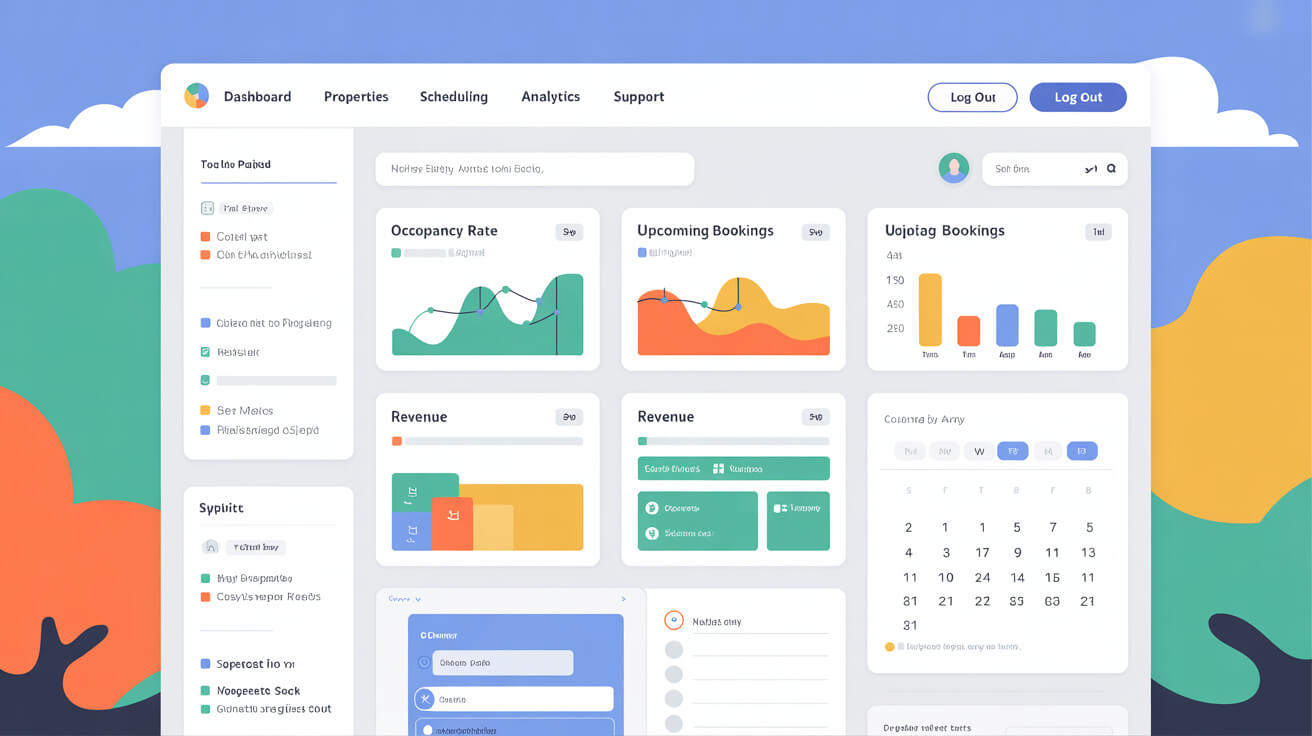
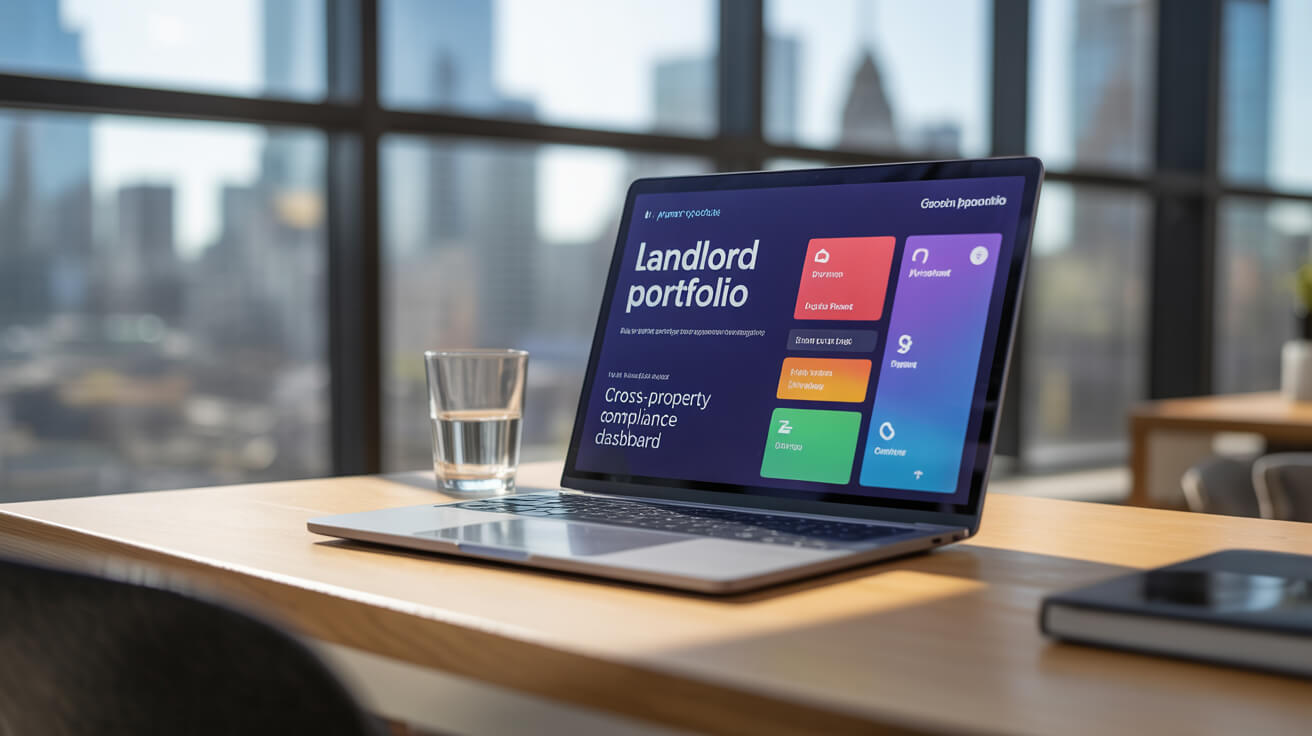
A real-time PPM SLA dashboard gives property teams one live picture of what is due, overdue and at risk, with drill-down from portfolio to work order. Built around your contracts, asset classes and reporting needs, it turns fragmented updates into a single control workflow your team can actually use.
- Live visibility of due, overdue and evidence-missing tasks
- Drill-down from portfolio to property, asset, contractor, work order
- Evidence-led reporting that stands up to audits and client scrutiny</p>
Need Help Fast?
Locked out, leak at home, or electrical issue? All Services 4 U provides 24/7 UK locksmith, plumbing, electrical.
Testimonial & Clients Who Trust Us
With 5 Star Google Reviews, Trusted Trader, Trust Pilot endorsements, and 25+ years of experience, we set industry standards for excellence. From Dominoes to Mears Group, our expertise is trusted by diverse sectors, earning us long-term partnerships and glowing testimonials.
Worcester Boilers

Glow Worm Boilers

Valliant Boilers

Baxi Boilers

Ideal Boilers

What “Real-Time” PPM SLA Tracking Actually Means for a Property Manager
Real-time PPM SLA tracking gives you enough visibility to stop breaches before they become board, audit, insurer, or resident problems.
If you manage multiple properties, contractors, and compliance duties, month-end reporting lands too late to protect you. You need a live view that shows what is on track, what is due soon, what is overdue, and what is still missing evidence.
A useful dashboard does more than display a portfolio percentage. You need to move from portfolio to property, building, asset class, contractor, and work order without jumping between trackers. You also need risk-based visibility, so a delayed life-safety check does not sit beside a low-impact task as if both carry the same consequence.
We build this around the way your team already operates. We focus on live exception views, clear escalation points, and evidence that holds up when your client, board, insurer, or auditor asks what is happening right now.
Book a consultation if you want to identify which part of your portfolio needs live PPM control first.
Why Manual PPM Tracking Leaves Property Teams Chasing Breaches
Manual PPM tracking breaks down because it shows you what happened, not what needs attention next.
Spreadsheets, inboxes, contractor PDFs, and local trackers create lag. By the time your team has reconciled different versions of the same schedule, overdue work has already aged, contractor drift has already spread, and the conversation has already moved from prevention to explanation.
Timing breaks first
When service windows are tracked manually, near-breaches are easy to miss. A planned visit can sit in a vague status. A rebook can slip outside the original due window. A statutory task can remain “in progress” long after it should have triggered action. Control is usually lost through small delays that stack up.
Ownership becomes blurred
If one team owns the contract, another owns the property relationship, and contractors control the site updates, nobody sees the full picture. That creates the familiar problem where several people know something is wrong, but nobody is clearly accountable for fixing it before the SLA expires.
Evidence is chased last
Weak close-out is one of the biggest hidden risks in planned maintenance. A task may be marked complete while photographs, readings, certificates, or notes are still missing or stored elsewhere. That creates false confidence inside your team and weakens your position the moment performance is challenged.
That is why a real-time dashboard is not just a reporting upgrade. It is a control upgrade. You move from fragmented updates to one visible workflow where timing, ownership, and proof are managed together.
Which SLA Fields and KPI Views Matter Most in a PPM Dashboard
A PPM dashboard only works when contract language becomes measurable and operational.
Before you build charts, you need clean definitions. Every planned task should carry a due window, a completion target, a priority, an asset classification, a contractor assignment, and an evidence requirement. If those fields are loose, the dashboard may look polished while hiding weak control underneath.
Contract fields that create control
Start with the fields that determine whether a job is compliant or not. These usually include due date, service window, contractor, property, asset type, criticality, current status, exception reason, and evidence status. Once those fields are consistent, the dashboard can compare what was promised against what is actually happening.
KPI views your team can act on
The most useful first set is usually small. Focus on on-time completion, overdue count, due-soon volume, backlog age, breach count, and evidence-complete close-outs. Those views tell you whether work is landing on time, what is about to drift, and whether completed work is actually defensible.
A drill-down structure that matches real operations
Your team should move through one clear path: portfolio, then property, then building, then asset class, then contractor, then work order. Extra dimensions should work as filters, not as separate reporting worlds. That keeps the dashboard usable and stops people rebuilding side spreadsheets because the main view does not answer practical questions.
At this stage, All Services 4U typically maps your current schedules and reports against these core fields, so you can see whether you need cleaner definitions, tighter status logic, or stronger evidence rules before rollout.
Book a consultation if you want your current reporting pack translated into a live dashboard structure your team can actually use.
How Live Alerts and Escalations Reduce Missed Maintenance Deadlines
Live alerts matter because they shorten the gap between drift and correction.
A dashboard becomes valuable when it helps your team act before a task turns red. Due-soon thresholds, ownership rules, and escalation routes need to sit behind the reporting layer. If the only signal appears after breach, you still have a dashboard. You do not have control.
Due-soon thresholds that support intervention
You need more than overdue counts. Due-soon views show which tasks are approaching deadline inside the next seven, 14, or 30 days, depending on risk and service type. That gives planners and contract managers time to resequence work, chase access, or escalate capacity issues while recovery is still realistic.
Exception workflows that fit the reason for drift
Not every exception needs the same response. A missed access case needs different action from incomplete evidence, recurring failure, or poor contractor attendance. The dashboard should route each issue type to the right owner with a clear next step instead of treating every breach as one generic problem.
Escalations that can be defended later
If your board, client, or auditor asks when an issue first became visible, you should be able to show the alert, the owner, the action taken, and the closure note. That is where the dashboard supports governance as well as operations. It shows that visibility led to management, not just awareness.
We configure these workflows to match your reporting cadence and decision structure, so the dashboard fits the way your team already escalates instead of creating a parallel process nobody trusts.
How Better Evidence Capture Strengthens Contractor Accountability
Evidence-by-design turns proof of work into part of delivery, not an admin task chased afterwards.
In contractor-led PPM, performance discussions often fail because “completed” means different things to different people. One side means attended. Another means fixed. Another means verified, photographed, certified, and ready for audit. A strong dashboard removes that ambiguity by defining what proof must exist before a task can move to closed.
Proof is captured at the point of work
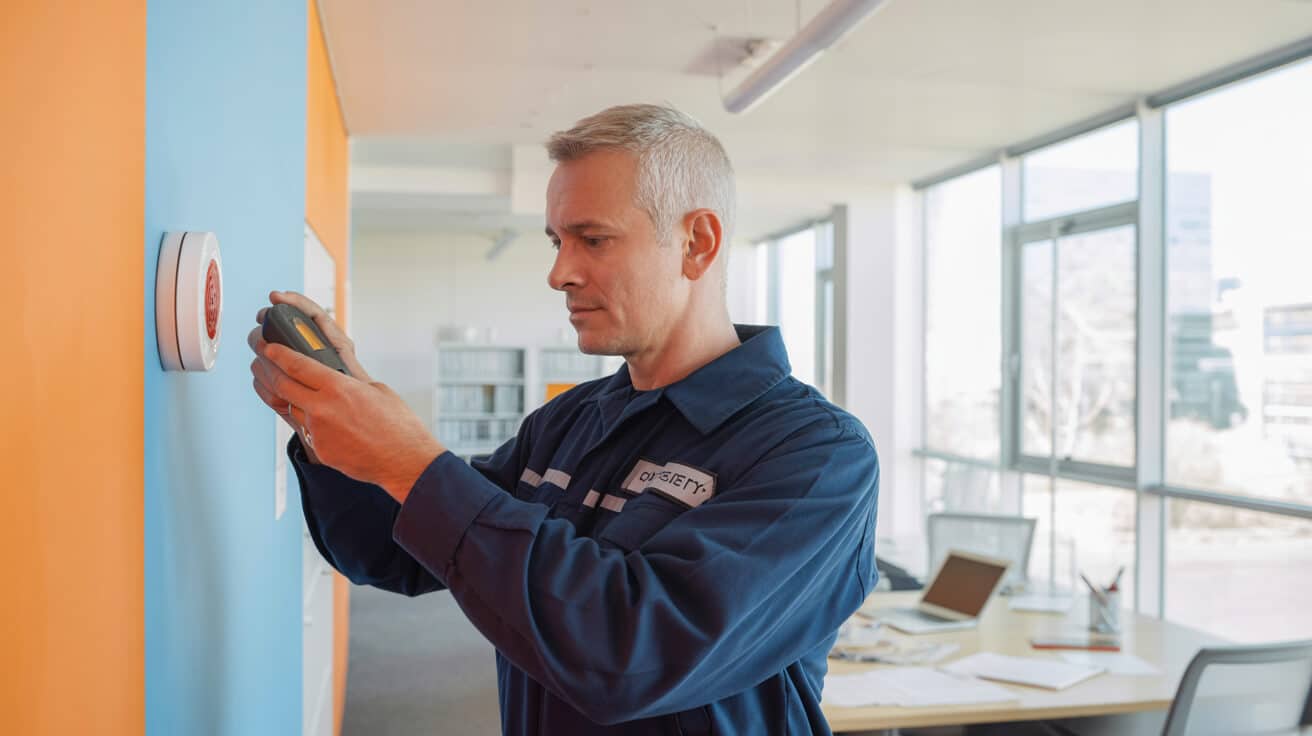
Technicians record completion notes, photographs, readings, certificates, and relevant observations as part of the work order itself. Those records are linked to the asset, the date, and the contractor, so you are not wasting time chasing attachments after the visit.
Verification protects the quality of close-out
For higher-risk or statutory work, a job should not become fully complete until the required evidence has been checked. That may mean confirming a certificate is attached, a test result is recorded, or the supporting photographs match the work claimed. This is how you cut paper compliance and raise confidence in the numbers you report upward.
Contractor review becomes fairer and firmer
When every job carries a consistent evidence trail, supplier conversations improve. You can see who is meeting standard, where repeat weaknesses sit, and which completed tasks still fail verification. That makes contractor accountability more objective and easier to defend commercially.
This is one of the clearest areas where All Services 4U adds value. We do not treat evidence as a filing problem. We treat it as part of the operating model that supports compliance, governance, and stronger supplier control.
How a Multi-Site Dashboard Should Fit Your Existing Property Operations

A dashboard should strengthen your operating rhythm without forcing a disruptive replacement of your current systems.
Most property teams and Property Managers already rely on a mix of CAFM, CMMS, contractor portals, local trackers, and board reporting templates. The goal is not to rip that all out. The goal is to create one live control layer that makes the data more useful, more trustworthy, and easier to act on across your portfolio.
Built around your portfolio and service mix
Your first rollout does not need to cover everything. It can start with high-risk service lines, a smaller property group, or the contractor streams where performance is already under pressure. That keeps scope realistic and makes the first phase easier to prove internally.
Designed to work with current workflows
Where possible, the dashboard should use your existing asset records, work-order statuses, contractor assignments, and governance routes. That lowers adoption friction and reduces the risk of building a reporting model that looks good in a demo but gets ignored day to day.
Phased implementation with clear checkpoints
A sensible deployment usually starts with a diagnostic, then a pilot, then a wider rollout once the definitions, alerts, and evidence rules are working. That staged approach also helps you deal with imperfect data. You do not need perfect records on day one. You need a structure that makes gaps visible and manageable.
If you want the dashboard to support control rather than add another reporting burden, the implementation model matters just as much as the technology behind it.
Accreditations & Certifications








What to Look For Before You Choose an SLA Dashboard Approach

The right dashboard approach should help you prevent breaches, not simply describe them more neatly.
Before you choose a provider or platform direction, test whether the approach is built around real maintenance control. A strong solution makes obligations measurable, shows live exceptions by risk, supports contractor accountability, and produces evidence your stakeholders can trust.
Signs the approach is decision-ready
You should be able to see live overdue and due-soon work, drill to the task level, compare contractor performance, and confirm whether evidence is complete. If a demo cannot show that journey clearly, it is unlikely to support your team when pressure rises.
Signs the approach will fit your estate
Look for flexible status logic, asset hierarchy alignment, contractor segmentation, and phased onboarding. If the model assumes one clean workflow for every building type and service line, it may struggle the moment it hits a mixed portfolio with real operational variation.
Signs the rollout risk is under control
A credible first phase should be narrow enough to implement cleanly and useful enough to prove value. That usually means defined KPI logic, agreed exception rules, one pilot scope, and visible success measures rather than a vague promise of better reporting.
By this stage, you should know whether you need a dashboard partner, a definition clean-up, an evidence redesign, or all three. That clarity is what stops a reporting project from becoming another stalled initiative.
Reliable Property Maintenance You Can Trust
From routine upkeep to urgent repairs, our certified team delivers dependable property maintenance services 24/7 across the UK. Fast response, skilled professionals, and fully insured support to keep your property running smoothly.

Book Your Free Consultation With All Services 4U Today
A short, practical consultation gives you a clearer route from reporting frustration to live control.
If you are dealing with missed deadlines, weak contractor visibility, patchy evidence, or reporting that arrives too late to change anything, we start by isolating the pressure point that matters most. We review how your current PPM obligations are tracked, where your SLA logic is weak, and which exceptions need to become visible sooner.
The session is most useful when you bring a live contract, a representative PPM schedule, and a recent performance or audit report. We use that material to test whether your current definitions, statuses, evidence rules, and escalation routes are strong enough to support a real-time dashboard.
After the session, you leave with a clearer view of what the first phase should cover. That may include a scoped pilot, a cleaner KPI framework, tighter evidence rules, sharper alert thresholds, or a documented rollout path that fits your current systems and governance model.
That gives you a practical picture of success for your portfolio: fewer aged overdue jobs, earlier intervention on at-risk work, stronger close-out evidence, and clearer contractor accountability.
Book your free consultation with All Services 4U and define the first live control view your portfolio actually needs.
Frequently Asked Questions
What should a live PPM dashboard show first when you need control, not another report?
A live PPM dashboard should show on-time completion, ageing overdue work, due-soon tasks, evidence-complete close-outs, and breach exposure first.
Most dashboards fail because they open with activity, not exposure. Property Managers see totals, charts, and percentages, but not the jobs that will cause trouble next week. In property maintenance, the first screen should help your team answer three practical questions without scrolling: what is on track, what is drifting, and what looks closed but still cannot be defended. If a statutory check is marked complete but the certificate is missing, the asset tag is wrong, or the close-out photo does not match the job, you do not have control. You have admin theatre.
For a property manager, that first screen should cut through noise. For a board, it should show where risk is concentrating. For an insurer or lender, it should show whether your records would hold up under pressure. SFG20 supports this logic because planned maintenance only becomes useful when tasks, intervals, and evidence are disciplined enough to drive action, not just month-end commentary.
Control starts where excuses run out.
Which measures belong on page one?
The best first-page layout usually splits into headline exposure and exception pressure.
The headline layer shows whether the portfolio is stable. The exception layer shows where your team needs to intervene today. That means you are not just tracking completions. You are tracking whether completions are credible, whether overdue work is ageing, and whether due-soon tasks are likely to slip into breach.
A practical first-page set usually includes:
- On-time completion rate: by due date
- Overdue work: by age band
- Due-soon tasks: over the next 7, 14, or 30 days
- Evidence-complete closure rate:
- Breach count: by contractor, site, or service line
- Backlog age profile: to show shallow versus structural delay
That mix matters because one healthy completion percentage can hide a weak control model. A contractor may post solid volume while fire alarm servicing, emergency lighting tests, or water hygiene checks drift into older overdue bands. A dashboard that cannot separate those conditions is giving comfort at exactly the wrong moment.
What does that reveal in real property operations?
It reveals whether your maintenance operation is actually in command of the portfolio or simply recording movement. A scheduler needs to know which due-soon tasks need intervention before no-access or parts issues create a formal miss. A supervisor needs to know which close-outs are missing proof before invoices are approved. A compliance lead needs to know which statutory tasks are ageing into a board problem.
Before the comparison below, the core distinction is simple: a control dashboard tells you where to act now, while a reporting dashboard tells you what already went wrong.
| Reporting view | Control view | Why it matters |
|---|---|---|
| Total completed jobs | On-time plus overdue age | Shows whether delay is spreading |
| Closed status count | Evidence-complete closure | Tests whether closure is defendable |
| Month-end totals | Due-soon risk over 7 to 30 days | Supports early intervention |
| One portfolio average | Exposure by contractor, site, service line | Shows where pressure is building |
Why does this matter beyond the maintenance team?
Because weak first-page design becomes a governance problem very quickly. The Building Safety Act 2022 sharpened the expectation that higher-risk buildings and safety-related obligations must be visible, traceable, and defensible. Even outside higher-risk stock, the same commercial truth applies. Boards want assurance. Insurers want proof. Lenders want confidence that condition, safety, and compliance are not drifting behind the monthly pack.
If your current dashboard still rewards volume over verified closure, start smaller and sharper. Review one high-risk workstream, one current reporting set, and one recent month of close-outs. If you need a board-safe live view your team can actually run from, a focused reporting-gap diagnostic on one critical service line is usually the fastest place to begin.
- What “Real-Time” PPM SLA Tracking Actually Means for a Property Manager
- Why Manual PPM Tracking Leaves Property Teams Chasing Breaches
- Which SLA Fields and KPI Views Matter Most in a PPM Dashboard
- How Live Alerts and Escalations Reduce Missed Maintenance Deadlines
- How Better Evidence Capture Strengthens Contractor Accountability
- How a Multi-Site Dashboard Should Fit Your Existing Property Operations
- What to Look For Before You Choose an SLA Dashboard Approach
- Book Your Free Consultation With All Services 4U Today
- Frequently Asked Questions
- Related PPM Services
Case Studies


Related Articles

Your Guide To Identifying And Treating Minor Mould Outbreaks
Why Planned Preventative Maintenance (Ppm) Saves Money And Ensures Compliance