Tribunal Defence Evidence Packs – What Wins Section 20 & Disrepair Cases
Landlords, managing agents and in‑house teams facing Section 20 or disrepair disputes need defence packs that read as proof, not paperwork. All Services 4U maps the tribunal’s core questions, builds a dated chronology and reshapes your documents into a clear, navigable bundle, based on your situation. You finish with an issues-led index, coherent timeline and evidence anchored to each decision the panel must make, giving your legal team a structure they can trust. It’s a practical way to turn a worrying file into a focused, defensible case.



Author
Izzy Schulman

When Section 20 or disrepair claims land, landlords and managing agents are often left with chaotic files, long email chains and no clear story. Tribunals, however, decide cases on focused issues, timelines and proof, not on who shouts loudest or submits the biggest bundle.
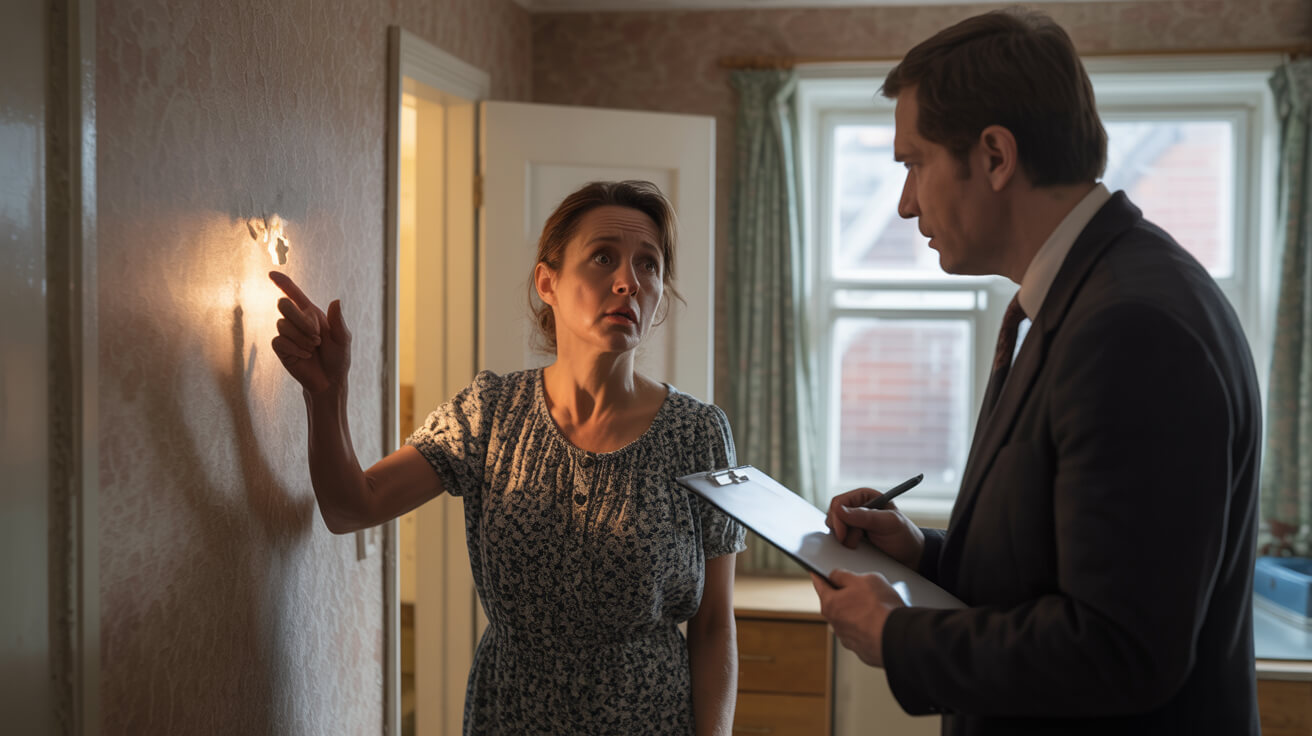
The advantage goes to the party who can reduce a dispute to the key questions, line up evidence in sequence and present it in a structure the tribunal can navigate quickly. All Services 4U helps you do exactly that by rebuilding your case around issues, chronology and clear supporting documents.
- Clarify the exact questions your tribunal panel must decide
- Build a dated chronology that shows notice, actions and outcomes
- Reshape existing files into a concise, tribunal‑ready defence pack</p>
Need Help Fast?
Locked out, leak at home, or electrical issue? All Services 4 U provides 24/7 UK locksmith, plumbing, electrical.
Testimonial & Clients Who Trust Us
With 5 Star Google Reviews, Trusted Trader, Trust Pilot endorsements, and 25+ years of experience, we set industry standards for excellence. From Dominoes to Mears Group, our expertise is trusted by diverse sectors, earning us long-term partnerships and glowing testimonials.
Worcester Boilers

Glow Worm Boilers

Valliant Boilers

Baxi Boilers

Ideal Boilers

Start with the issues the tribunal must decide first
You build a stronger defence pack and cut the risk of adverse findings when every document answers a specific tribunal question.
That means reducing the case to the decisions the panel actually has to make, not every grievance or email in the history of the block. If you are an in‑house team, managing agent or landlord, you want a worrying file turned into a short list of questions and clear evidence for each one.
In a Section 20 dispute, the tribunal is usually asking whether:
- Section 20 was triggered and which consultation route applied.
- The prescribed consultation steps were followed.
- The costs are reasonably incurred and of a reasonable standard.
- The sums are recoverable under the lease.
In a disrepair dispute, the core questions are duty, notice, breach, causation and loss, rather than “who is more sympathetic”.
Once those issues are fixed, you can line up evidence against each of them. You stop arguing about everything and start proving the few things that matter. That alone can turn an unmanageable bundle into a focused plan you and your legal team can actually run with.
All Services 4U sets this issues map out in plain language at the front of the pack, so you, your solicitors and the tribunal are looking at the same questions from the first page.
If you want a low‑risk way to start, you can ask for a short, time‑boxed issues and evidence review on one live case before you commit to full bundle preparation.
Build the case in sequence so the bundle reads as proof
A tribunal reads your case more quickly and fairly when the evidence follows a clear, dated story.
We design your pack so that someone new to the dispute can understand what happened from the documents alone. They can see when you were on notice and what you did next without digging through every email chain. That means building a proper chronology first, then attaching documents to it, not the other way round.
Chronology before documents
A dated chronology is the backbone of a strong defence pack, and we build or rebuild this for you.
For Section 20, your timeline should track, in order:
- When the Section 20 trigger was identified and which route applied.
- When each notice was drafted, approved and served.
- When observations were received and answered.
- When tenders were obtained, compared and recommended.
- When the contract was let and any variations agreed.
- When works were carried out, signed off and demanded.
For disrepair, it should show:
- First report and each follow‑up complaint.
- Inspection dates, diagnoses and risk ratings.
- Work orders, attendances and no‑access visits.
- Missed targets, escalations and temporary measures.
- Current condition and planned next steps.
We anchor key documents to dates on that skeleton so they earn their place in the bundle. You see repetition, gaps and contradictions early enough to fix them, rather than discovering them under cross‑examination.
Bundles that are easy to navigate
A tribunal‑ready pack is not just complete; it is easy to use.
We keep a single index at the front, continuous pagination, and clear sectioning for core categories such as:
- Lease and tenancy extracts.
- Consultation documents and service proofs.
- Procurement records and contract awards.
- Invoices, valuations and apportionment schedules.
- Repair logs, photos and survey reports.
- Complaint records and contact‑centre logs.
- Witness statements and any expert evidence.
Witness statements point to bundle page numbers, not vague references. This structure makes late changes safer and every review faster. If your existing file feels chaotic, we can reshape it into this format without you having to start again.
Diagnose why apparently strong cases still lose
Many defensible cases fail because the proof is incomplete, unclear or in the wrong shape, not because the underlying story is hopeless.
We look at your material through the same lens a tribunal will use, so you see where risk sits in evidential form, not just as vague unease.
Broken proof, not bad facts
Cases often collapse even when the works were necessary or the repairs were reasonable, simply because the proof is missing or hard to rely on. Typical problems include:
- No clear proof of service for key notices or letters.
- No copy of the specific lease or tenancy clauses relied on.
- No inspection notes or survey reports, only emails.
- Undated or context‑free photos that cannot be tied to events.
- Witness statements that describe events without pointing to primary records.
You may feel you know the works were essential or the timescales were fair. The tribunal needs you to prove that with documents it can trust.
We run your file against these proof points and flag exactly where you are exposed, where you already look strong, and what can still be cured in time.
Blurred responsibility
Where freeholder, RTM company, managing agent, surveyor and contractor all play a part, decisions and records easily fall between the cracks. If you cannot show who was authorised to approve scope, consultation route, contractor choice or repair decisions, the panel may see a governance problem as well as an evidential one.
We draft a short “responsibility chain” for you, usually as a simple one‑page chart, showing who decided what and when. Responsibility is clear, witness evidence can be focused rather than defensive, and you reduce the risk of internal blame‑shifting after the event.
When volume hides gaps
Volume is not the same as coverage. Large email trails and complaint logs can give everyone a false sense of security.
Ten angry emails can matter less than one dated survey, one clear repair order or one record of service. The practical test is simple: could someone new to the case understand what happened, when you were on notice, and what you did next from the documents alone?
We road‑test your bundle using that question and highlight where the story breaks. You then decide whether to close those gaps, narrow the issues, seek dispensation, or adjust settlement strategy with your legal team.
Match each document to the legal test you need to prove
You defend more confidently when every core document is linked to a specific legal test.
We organise your material so that each key exhibit sits under a heading that mirrors what the tribunal has to decide, rather than the order in which files arrived in your inbox. That makes cross‑examination easier to withstand because every important answer is supported by a clear, dated exhibit.
Section 20: consultation, reasonableness, recoverability
For a Section 20 matter, each important document should be tied to a legal element. In practice that means:
- Lease and regulations: whether Section 20 was triggered and which consultation route applied.
- Notices and service proofs: whether you complied with the prescribed consultation steps.
- Observations and responses: whether leaseholders had a real opportunity to comment.
- Tenders, specifications, minutes and awards: whether costs and standard of work are reasonable.
- Demands and apportionment schedules: whether sums are recoverable and caps respected.
If you cannot point to at least one strong exhibit for each of those questions, you know where effort should go before a hearing. We capture this in a short matrix that maps “question → evidence”, usually as a one‑page grid, which makes life easier for you, your solicitors and the tribunal.
Disrepair: duty, notice, breach, causation, loss
For disrepair, you need documents that show the repairing duty, when notice became clear, what you did about it and how quickly, whether any delay or failure was yours, whether the defect caused the conditions complained of, and what impact there was on habitability, belongings or health.
Repair logs, inspection notes, photos, relevant medical material, and evidence of temporary measures all fit into this picture. Grouped against those headings, the same documents become far more persuasive and far easier for everyone to follow.
Once you see your bundle as a set of answers to defined legal tests, decisions about defending, narrowing, seeking dispensation or settling become evidence‑led rather than instinctive. You can bring All Services 4U in for a targeted review of a live file or for complete bundle preparation support.
Prioritise the evidence that persuades in Section 20 cases

Section 20 disputes are usually won or lost on a relatively small set of documents.
A tribunal may read everything in your file, but it will lean heavily on a handful of items when deciding consultation, reasonableness and recoverability. We make sure those items are present, clear and easy to find.
Core Section 20 documents
For qualifying works and qualifying long‑term agreements, the tribunal will usually expect to see, at minimum:
- The relevant lease provisions setting out what can be recovered and how.
- The full consultation trail: notices, service proofs, any schedules and enclosures.
- Observations received from leaseholders and your documented responses.
- Tender or estimate records, including any comparative analysis.
- The actual contract or agreement, plus any variations.
- Invoices, valuations and the apportionment schedule showing what each leaseholder is asked to pay.
We use a standardised checklist to test your file against this minimum set, then show you clearly what is missing, what is incomplete and what already supports your position. If you can lay these documents out cleanly, with dates and page references, you already look organised and credible.
Dispensation and prejudice
Where there have been consultation defects and you are seeking dispensation, the question shifts from “did you get it wrong?” to “did anyone actually suffer relevant prejudice?”. You then need evidence on urgency, alternative options, whether leaseholders were denied a real opportunity to influence scope or contractor choice, and what financial impact that had in practice.
We help you keep this material in a dedicated section: a brief explanation of what went wrong, what you did instead, what opportunity may have been lost, and what you can realistically offer or accept by way of conditions or reduction. A short, honest narrative supported by documents is usually more persuasive than a defensive insistence that nothing went wrong.
If you have one pending project where consultation slipped, you can use a single dispensation‑focused review with us to decide whether to seek dispensation, narrow the claim, or adjust recovery expectations.
Build a disrepair pack that proves notice, response, causation and impact

Disrepair hearings turn on whether you can show notice, response, causation and impact in documents, not just in oral evidence.
We design your pack so that those four ideas are obvious from the first few pages, even to someone who has never seen the property.
Chronology and condition evidence
For claims about damp, mould, leaks and delays, the strength of your defence often rests on a clear dated story of the defect. You need to show where and what the problem was, how severe it was, and how it changed over time.
Dated photos and videos, wide enough to show location and context, paired with inspection notes, survey reports and follow‑up images, usually carry more weight than dramatic but unlabelled pictures. A room‑by‑room or defect‑by‑defect summary helps the tribunal see the pattern without getting lost.
We assemble this evidence into a structured chronology so that your witnesses can tell a consistent story and the tribunal does not have to guess.
Notice and response
Next, you need to show when you knew or should have known. That means logs of first report and repeat complaints, copies of letters, emails and contact‑centre notes, plus records of inspections and contractor attendances.
Alongside that, you should record when appointments were offered, when access was refused or missed, what was done on each visit and what follow‑up was arranged. Many delay arguments turn entirely on these details.
We reconcile call‑centre logs, repair records and contractor systems into a single coherent timeline, so you can see and explain where delay really came from and where you acted promptly.
Impact and loss
Finally, you need to address impact. That may include the loss of use of rooms, damage to belongings, increased costs, or effects on health and wellbeing, and the steps you took in response: temporary measures, decants, cleaning, equipment and advice.
We build a short section in your bundle that pulls these strands together—defect, notice, response and impact—so it is easier to argue that you acted reasonably even if outcomes were not perfect. Having that synthesis drafted and evidenced in advance reduces last‑minute pressure on your legal team.
If this is the point in a case where everything feels muddled, you can ask us to focus only on rebuilding the disrepair timeline and impact section, leaving you and your lawyers to decide next steps.
Accreditations & Certifications








Control the records, images and authority trails that decide credibility

Panels pay close attention to who was in charge, what was sent, and whether your story holds together on the page.
We treat those questions as design problems, not afterthoughts. That means building clear responsibility trails, service proofs and consistency checks into the pack itself.
Responsibility chain
Where multiple organisations and teams are involved, your bundle should show clearly who carried what responsibility at each stage. A simple table naming the decision‑maker for scope, consultation route, procurement, repair strategy and complaint responses is often enough.
We draft that chain for you from mandates, minutes and instructions, then cross‑check it against the chronology and witness evidence. It reassures the tribunal that somebody was actually in charge of key decisions and helps you direct questions to the right person rather than leaving gaps opponents can exploit.
Service and dispatch proof
In Section 20, service of notices is a recurring weak point. In disrepair, service of responses and key letters can be equally important. You therefore need mailing logs, portal exports, proof of posting where used and copies of what was sent.
If you rely on electronic platforms, you also need a way to show when notices, updates or appointments were actually delivered or accessed. We identify what your existing systems can prove, what they cannot, and how best to present that material so a judge or tribunal member can follow it without needing a tutorial on your software.
Where records are incomplete, we help you reconstruct what you reasonably can from partial logs and surrounding documents, and explain the limits of that reconstruction openly.
Contradiction and integrity checks
Before you finalise a pack, you need an internal contradiction check. That means comparing the chronology, witness statements, notices, invoices, logs and photos to make sure dates line up, descriptions match and there are no obvious conflicts.
We run this as a structured phase in our work rather than a last‑minute skim. Where the record is genuinely incomplete and information has to be reconstructed, we help you explain that openly instead of trying to pass it off as contemporaneous.
A clean, honest bundle is usually stronger than a perfect‑looking one that appears to have been assembled after the event.
Reliable Property Maintenance You Can Trust
From routine upkeep to urgent repairs, our certified team delivers dependable property maintenance services 24/7 across the UK. Fast response, skilled professionals, and fully insured support to keep your property running smoothly.

Book your free consultation with All Services 4U today
You can get a clearer view of a live case with a focused tribunal‑readiness consultation than by rereading the file alone. All Services 4U offers a free, structured review that concentrates on the issues, the evidence and the timetable that matter most to you.
The consultation is a focused video or phone session using an actual case rather than a hypothetical example. We work alongside your in‑house or external lawyers, so your legal strategy stays in their hands while we optimise the evidential spine that supports it.
In that consultation, we look at your lease or tenancy terms, any Section 20 material, repair logs, photos, complaint history and whatever chronology you already have. We then show you where your case is strong, where it is fragile and what is realistically curable before deadlines.
You will leave with:
- a cleaned, dated chronology that you, your witnesses and your lawyers can follow;
- a documented responsibility chain for key decisions and approvals;
- a prioritised action list that shows what to fix before the hearing and what can safely wait.
If your timetable is tight, we focus on the workstreams that shift outcomes fastest: clarifying the issues the tribunal must decide, building the dated story, proving service and aligning witness statements with the documents you already have.
You do not need to polish the file before you speak to us. Bring a real case—a lease, a Section 20 file, a damp and mould history, or a mixed service charge and disrepair dispute—and we will work from what is actually on your desk.
Take pressure off your next hearing and book your free consultation with All Services 4U today.
Frequently Asked Questions
What evidence carries the most weight in a Section 20 tribunal case?
The strongest Section 20 evidence shows lease authority, consultation compliance, and service charge recovery in one clean line.
In a Section 20 tribunal case, the evidence that carries the most weight is rarely the thickest bundle. It is the material that lets the panel answer the main questions quickly. Can the cost be recovered under the lease? Was the Section 20 consultation handled properly? Were the works and the price reasonable? If your file proves those three points in that order, your position usually looks stronger from the start.
For a board director, that is about protecting recoverability without exposing the company to avoidable challenge. For a property manager, it is about building a tribunal-ready file before the dispute hardens. For a finance lead, it is about showing that service charge recovery is supported by proper records, not assumptions. That is where many cases turn. The building may have needed the work. The contractor may have done the job well. But if the lease basis, notice trail, and decision record are weak, the tribunal may still question the charge.
A strong Section 20 case feels organised before anyone argues it.
The useful test is simple. Could someone new to the matter open your file and understand, within minutes, why the works were needed, why the consultation route was valid, and why the amount claimed is recoverable? If not, the evidence may exist, but it is not yet doing its job. LEASE materials are often helpful because they keep attention on consultation mechanics and recoverability instead of broad assumptions about fairness.
If your team is preparing for scrutiny, the safest position is not just having the documents. It is having them sequenced so the tribunal does not need to reconstruct your logic for you.
What should the tribunal see first in a Section 20 consultation file?
The first pages should answer the legal and practical questions without delay. In most Section 20 consultation disputes, that means putting the following items at the front:
- Lease extracts: that show the service charge machinery, repair covenant, consultation wording, and apportionment basis
- Section 20 notices: with dates, copies served, and proof of service
- Observation records: showing what leaseholders said and how those comments were considered
- Tender comparison material: showing price, scope, and the reason for the chosen route
- Approval records: showing who made the decision and under what authority
- Invoices and service charge schedules: showing the sums demanded and how they were divided
That is the evidence that usually carries weight because it answers the tribunal’s likely sequence of thought. First, is the charge recoverable? Second, was the consultation process followed? Third, was the decision reasonable? If those answers are scattered, your file feels weaker than it may actually be.
A short front-end contents map also helps. It does not need to be ornate. It just needs to link each issue to each exhibit clearly.
Why does lease authority often matter more than background correspondence?
Because without lease authority, the rest of the file may not get you where you need to go. A long chain of emails about roof leaks, contractor access, or resident concerns can explain the background. It does not prove that the cost is recoverable through the service charge.
That is why the lease extract deserves front-page priority. The tribunal usually wants to know the basis for recovery before it gets drawn into wider narrative. If the lease wording is buried, incomplete, or detached from the claimed cost headings, the case can start to wobble early.
This is also where many boards and managing agents lose time. They know the works were necessary. They know the building was under pressure. But necessity is not the whole test. The panel is also looking at the legal route by which the money is being claimed back. In a Section 20 case, that route matters as much as the practical story.
How does a tribunal decide whether your major works decision was reasonable?
A tribunal will usually look for evidence that the decision-making process was rational, proportionate, and documented. That does not always mean the cheapest contractor had to win. It means your records should show why the chosen contractor, scope, and timing made sense.
This is where tender comparison material carries real weight. A clean schedule showing contractor price, scope differences, exclusions, programme issues, and known risks often does more than pages of narrative explanation. The RICS Service Charge Residential Management Code is useful in this space because it reinforces the need for reasoned decision-making and proper record keeping.
A practical comparison can help:
| Evidence type | What it proves | Why it matters |
|---|---|---|
| Lease clause extract | The charge can lawfully be recovered | Supports service charge recovery |
| Notice and service proof | Section 20 consultation steps were followed | Protects consultation compliance |
| Observation response log | Leaseholder comments were considered | Supports fairness and process |
| Tender comparison | The chosen route was reasoned | Supports reasonableness |
| Apportionment schedule | The cost was divided properly | Protects recoverability |
That table is important because many Section 20 files overproduce context and underproduce decision proof.
Where does a strong Section 20 bundle usually gain credibility fastest?
It gains credibility when the file answers obvious questions before they are asked. Where is the lease authority? Where is the consultation proof? Where is the reason for the chosen contract sum? Where is the service charge apportionment? If the answer is immediate, your tribunal bundle starts to feel reliable.
It also helps to define terms briefly for non-lawyers involved in the hearing. Apportionment means how the lease divides the cost between contributors. Dispensation means the tribunal may allow recovery despite a defect in consultation. Those short explanations stop the hearing file from becoming unnecessarily technical for directors and managers who still need to stand behind it.
If your current Section 20 consultation file is broad but not precise, the sensible next move is often a focused review that tests lease authority, notice proof, tender logic, and service charge recovery before the hearing date narrows your options. That is usually how careful operators protect board confidence, reduce legal spend, and keep a recoverable position looking recoverable.
How should you structure a tribunal-ready disrepair evidence pack for damp, mould, leaks, and delay?
A tribunal-ready disrepair evidence pack should show notice, condition, action, delay, and outcome in one dated chain.
In a disrepair claim, the key problem is rarely just whether damp, mould, leaks, or delay happened. The harder question is whether your records prove when you knew, what you did, what slowed progress, and what the condition looked like over time. A tribunal-ready evidence pack needs to answer those points in a sequence that feels stable, not stitched together at the last minute.
That matters because disrepair claim evidence is often split across repairs software, contractor notes, emails, complaints logs, and survey reports. Each record may be accurate in isolation. The trouble starts when dates drift, labels change, or completion notes say one thing while photos suggest another. The file then stops looking like a response history and starts looking like a control problem.
For resident services managers, the pressure usually sits in complaints, vulnerability, and resident communication. For maintenance coordinators, it is more often access, repeat visits, and repair status. For legal teams, the central risk is chronology failure. Shelter commentary, Housing Ombudsman spotlight work on damp and mould, and HHSRS themes all point in the same direction: once notice is established, delay and response quality become central.
A damp and mould case usually turns on sequence before it turns on argument.
A strong tribunal-ready evidence pack therefore does not begin with opinion. It begins with dated facts that support a clean account of what happened and when.
When should your disrepair chronology start?
It should start at the first credible point of notice. That may be the first resident report, the first inspection, or the first internal record showing awareness. In most cases, you should not pick a convenient date. You should pick the earliest date the file can honestly support.
A workable chronology usually includes:
- First notice date:
- Inspection date:
- Action date:
- Access attempt date:
- Survey date:
- Outcome or reinspection date:
That sequence matters because a disrepair claim often becomes a timing dispute. Did you know? Did you inspect promptly? Did access fail? Did the diagnosis change? Did the condition improve? If your chronology answers those questions clearly, the rest of the pack becomes easier to trust.
What should sit behind the chronology in a tribunal-ready evidence pack?
The most useful structure is usually practical rather than elaborate. After the chronology, the pack often works best in this order:
- Core defect summary: , often room by room
- First report and complaint records:
- Inspection and survey documents:
- Repair orders and attendance logs:
- Access records:
- Dated photographs:
- Impact material: , such as room loss, belongings damage, or health-linked evidence where relevant
- Witness statements: tied to exact exhibits
That structure mirrors how a tribunal often tests a disrepair claim. What was reported? What condition was found? What action followed? Why did time pass? What was the effect? The Housing Ombudsman’s damp and mould focus is helpful here because it reinforces the importance of response quality, not just repair logging.
Which records usually carry the most weight in damp, mould, and leak disputes?
The strongest records are often everyday operational records that have been named, dated, and assembled properly. These are usually the core documents:
| Record | What it proves | Why it carries weight |
|---|---|---|
| First report log | When notice was given | Shows when duty to respond began |
| Inspection notes | What was actually seen | Supports diagnosis and credibility |
| Access history | Why delay happened | Supports or weakens delay defence |
| Photo sequence | How the condition changed | Makes condition evidence easier to trust |
| Reinspection record | Whether the problem was resolved | Shows outcome, not just activity |
A photograph alone can be powerful. A dated photograph tied to a room, inspection note, and follow-on action is much more powerful. The same is true for attendance logs. A contractor visit note matters more when it links clearly to the complaint, the diagnosis, and the next step.
Why do disrepair files often weaken even when repairs were attempted?
Because activity is not the same as coherence. A team may have attended more than once. Works may have been raised. Residents may have received updates. But if the file cannot reconcile those actions into one stable story, the tribunal may focus on confusion rather than effort.
This is especially common in damp and mould disputes. One record may say condensation. Another may imply a roof leak. A complaint response may say the issue was resolved. A later survey may say it was ongoing. Those are not always fatal contradictions, but they do need to be explained. If they are left sitting side by side without comment, they can look like weak control.
It helps to explain one term plainly here. Relevant prejudice in this context means actual disadvantage caused by delay or poor response, not mere frustration. In a disrepair claim, that can mean prolonged exposure, repeated failed visits, room loss, or avoidable deterioration.
How do you turn a repair history into a tribunal-ready evidence pack?
The fastest route is usually not writing more material. It is reconciling what you already have. One chronology. One naming system. One explanation for delay. One exhibit path for each major point. That is what gives a disrepair evidence pack real utility.
If your file already contains the right ingredients but feels too fragmented for a hearing, a structured review can usually show where notice is clear, where delay needs explanation, where access changes the picture, and where your disrepair claim evidence needs better assembly. That is often the safest path if you want to defend the file with confidence, reassure the board that the case is controlled, and show residents that the response is being tested properly rather than simply archived.
Where do landlords, RTMs, and managing agents most often lose otherwise arguable tribunal cases?
They usually lose through missing proof, conflicting records, and files that answer the wrong question.
Most arguable tribunal cases are not lost because every fact runs against the landlord, RTM company, or managing agent. They are lost because the evidence file fails at the exact point where the tribunal expects clarity. In Section 20 consultation disputes, that often means no proof of service, weak lease extracts, or poor records of how observations were handled. In disrepair claim evidence, it usually means no stable first-notice trail, no dated progression photos, or no reliable explanation for delay.
That is why this issue is different from asking which evidence carries the most weight. This is not about the best documents in a strong case. It is about the recurring ways a case with some merit still starts to collapse. The RICS Residential Management Code is often a useful benchmark because it highlights what organised management and defensible records should look like. Where those basics fall away, credibility goes with them.
For a board, this becomes a control problem. For a managing agent, it becomes a file discipline problem. For a solicitor, it becomes an avoidable cost problem because time is spent repairing records instead of advancing the case. A tribunal bundle can survive imperfections. It struggles much more when key records contradict each other or prove the wrong point.
Where do Section 20 consultation cases usually fail first?
They often fail in one of three places: recoverability, consultation proof, or reasonableness support.
A team may have a large project file, contractor correspondence, and full payment records. But if the lease clause is unclear, if the notice trail is patchy, or if the tender logic is not evidenced, the file may look busy rather than persuasive. That matters because a Section 20 consultation dispute turns on structure and proof, not just operational effort.
Typical failure points include:
- No clear lease clause extract:
- No reliable proof of service:
- No response record for leaseholder observations:
- No documented reason for the chosen tender route:
- No clean apportionment schedule:
Each of those gaps can turn a plausible position into a vulnerable one.
Where do disrepair claim evidence files usually fail first?
In disrepair, the common collapse points are slightly different. The issue is usually not whether the condition was serious enough to deserve attention. It is whether your file can show the timing and quality of the response.
The most common weak points are:
- No clear first-notice record:
- No stable chronology:
- No access history:
- No dated photo sequence:
- No reconciliation between complaint records and repair history:
Housing Ombudsman reports have repeatedly highlighted that record keeping, communication, and chronology discipline are not side issues. They are often the central issue. A resident may tolerate delay more than a tribunal will tolerate confusion.
Why do internal contradictions damage tribunal credibility so quickly?
Because they suggest the records are being controlled after the event rather than as part of live management. A repair order may show completion on one date. A complaint response may imply the issue remained unresolved for weeks after. An invoice may point to another attendance entirely. Each item might be explainable, but if that explanation is not surfaced, the tribunal may see disorder rather than nuance.
This is where many organisations underestimate the danger. The contradiction often starts as ordinary admin drift. A status update not corrected. A visit recorded against the wrong reference. A completion marked too early. Operationally, that may feel minor. In a hearing, it can become a credibility fault line.
How should you triage a file before it causes more damage?
The best triage is direct and unsentimental. Start with the legal question. Then ask what single document proves each part of the answer. Once that is done, separate the problems into two groups: curable gaps and high-risk gaps.
A useful triage pattern is:
| Gap type | Example | Why it matters |
|---|---|---|
| Curable | Poor naming or indexing | Slows navigation but can be fixed |
| Curable | Missing chronology summary | Weakens clarity but is repairable |
| High risk | No proof of service | Threatens Section 20 consultation compliance |
| High risk | No first-notice record | Weakens disrepair response defence |
| High risk | Date conflicts across key records | Damages trust in the whole file |
That distinction matters because teams often spend too long polishing low-risk defects while leaving serious evidence problems untouched.
If your case feels broadly right but uneasy under scrutiny, it usually needs disciplined triage rather than reassurance. A focused review can show whether you have a navigation problem, a proof problem, or a real merits problem. That is often the point where prudent operators protect service charge recovery, preserve tribunal credibility, and show the board they are responding like decision-makers rather than archivists.
How do you prove that a consultation defect caused real prejudice rather than technical irritation?
You prove real prejudice by showing what meaningful opportunity was lost and why that loss could have changed the outcome.
In a Section 20 consultation dispute, a defect in process does not automatically end service charge recovery. The tribunal will often look beyond the technical flaw and ask whether leaseholders suffered relevant prejudice. In plain terms, that means real disadvantage, not simple irritation or anger about paperwork. The practical question is whether proper consultation could have made a material difference to price, scope, timing, contractor choice, or decision quality.
That is why this issue should stay separate from the broader question of where arguable cases fail. Here, the real focus is prejudice analysis. The authority that often sits at the centre of that analysis is Daejan Investments Ltd v Benson. The case matters because it forces attention onto practical loss, not just procedural imperfection. If your Section 20 consultation file contains a defect, the next question is not only what went wrong. It is what leaseholders were actually prevented from doing.
For directors and finance leads, this is often where the scale of service charge recovery risk becomes clearer. A technical fault may look severe internally. But if no real alternative route was lost, the position may still be defensible. The reverse is also true. A defect that looks minor on paper can become dangerous if it blocked meaningful scrutiny or a lower-cost alternative.
What is the difference between a consultation defect and relevant prejudice?
A consultation defect is the procedural error itself. That might mean notice timing, service method, missing content, or a flaw in how leaseholder observations were handled. Relevant prejudice is the actual disadvantage caused by that flaw.
The distinction matters because the tribunal is not only asking whether the process was imperfect. It is asking whether the imperfection changed anything important. If that distinction is not made clearly in the bundle, the tribunal has to make the analytical separation on its own. That is rarely the safest position.
A clean prejudice analysis should therefore say:
- What the defect was
- What opportunity leaseholders should have had
- What practical effect, if any, was lost
- Whether the result could realistically have changed
That is how you move the case from procedural noise to practical assessment.
Which evidence best supports a prejudice argument?
The most useful evidence is evidence that deals in alternatives, not abstractions. That often includes:
- Alternative contractor pricing: , where available
- Scope comparisons: showing whether works could have been reduced or phased
- Leaseholder observations: and records showing how they were or were not considered
- Programme records: showing urgency, deterioration, or access constraints
- Decision notes: showing what options were available at the time
That matters because prejudice is not proved by saying leaseholders were upset. It is proved by showing that the consultation defect removed a meaningful chance to influence an outcome that could genuinely have been different.
When does dispensation become the real battleground?
It becomes central when the defect is real, cannot sensibly be cured, and the issue shifts to whether service charge recovery should still be allowed. Dispensation is the tribunal’s permission to recover costs despite a consultation defect. That is not a fallback phrase to drop into the file casually. It needs a clear explanation supported by records.
A strong dispensation analysis usually addresses:
- Why the defect happened
- What urgency or practical pressure existed
- What opportunity remained for leaseholder input
- Why the claimed prejudice is limited or unsupported
This is where LEASE commentary and the Daejan line of reasoning are useful because they keep the focus on practical consequence.
How do you make a prejudice analysis easier for the tribunal to trust?
The answer is to keep it structured and exhibit-led. Avoid broad statements like “the result would have been the same.” Instead, show why. Use dated documents. Show the available options. Explain the timeline. Tie every assertion to a page in the tribunal bundle.
A practical review table can help:
| Issue | What you need to show | Why it matters |
|---|---|---|
| Defect | What step in Section 20 consultation failed | Defines the dispute clearly |
| Lost opportunity | What leaseholders could not do | Frames relevant prejudice |
| Alternative outcome | What might realistically have changed | Tests service charge recovery risk |
| Residual input | What opportunity still existed | Supports dispensation argument |
That approach helps boards see real exposure instead of just legal jargon. It helps solicitors narrow the dispute. It helps managing agents stop treating the matter as a technical embarrassment and start treating it as a proof exercise.
If your team is weighing whether to defend the point hard, narrow the issue, or seek dispensation, a focused review of relevant prejudice is usually the safest commercial step. That gives you a clearer view of whether the defect is mainly procedural irritation or a genuine threat to service charge recovery, board confidence, and tribunal defensibility.
When does expert or survey evidence justify the cost in a tribunal dispute?
Expert evidence earns its keep when it proves causation, necessity, or scope that ordinary records cannot prove well enough.
Expert evidence is not valuable because it sounds authoritative. It is valuable when there is a technical question at the heart of the tribunal dispute that your ordinary file cannot answer reliably. In practice, that usually means a question about causation, scope, necessity, or reasonableness. If the issue is mainly poor record keeping, service defects, or file inconsistency, a specialist report may add cost without solving the real problem.
That distinction matters. Some cases become slower and more expensive because expert evidence is commissioned too early or too broadly. Instead of narrowing the issue, it opens fresh arguments. The RICS expert witness guidance is useful here because it stresses independence, defined scope, and clarity of instruction. In some settings, CPR Part 35 principles are also worth understanding as a discipline point, even where tribunal procedure is more flexible than court practice.
For a finance director, this is a proportionality question. For a solicitor, it is a strategy question. For a board, it is a governance question because an expensive report that answers the wrong issue can create false reassurance.
Which tribunal disputes usually justify technical evidence?
Expert or survey evidence is more likely to justify the cost when the dispute turns on matters such as:
- What is causing the damp or mould:
- Whether a roof replacement was necessary:
- Whether fire door replacement scope was excessive or justified:
- Whether recurring leaks point to a systemic defect:
- Whether major works pricing was outside a reasonable technical range:
Those are questions ordinary repair logs and attendance notes may not settle. A contractor may record what was done. A surveyor or expert may be needed to explain why the issue exists, whether the chosen remedy was proportionate, and whether a different scope would have been technically defensible.
How should you test whether expert evidence is worth the spend?
A simple cost test usually helps:
- Is there a live technical issue the existing records cannot resolve?
- Would expert evidence narrow the dispute rather than widen it?
- Is the value of the claim or exposure large enough to justify the fee?
- Can the instruction be framed tightly?
If the answer to those questions is mainly yes, expert evidence may be proportionate. If the issue is really chronology, access, service proof, or weak internal control, the better spend may be on a disciplined evidence review instead.
That is especially important in damp and mould disputes. A broad report that simply says “further investigation is needed” may add very little. A narrower report answering whether the defect stems from penetrating damp, thermal bridging, poor ventilation, or resident use can carry real weight.
How should you frame the instruction so the report helps rather than drifts?
The best instructions are specific. They ask the expert to answer defined questions, not to produce a general commentary on the building. For example:
- What is the most probable cause of the damp affecting these rooms?
- Was the specified fire door scope necessary to achieve compliance?
- Was roof replacement justified on the evidence available at the time?
- Were the challenged rates materially outside a reasonable market range?
That is much stronger than asking for “an expert report on condition.” Precision matters because it keeps costs under control and makes the final report more useful in the tribunal bundle.
When is expert evidence usually poor value?
It is often poor value where the problem is procedural, not technical. That includes:
- Weak Section 20 consultation proof:
- Broken chronology:
- Missing first-notice records:
- Poor pagination or naming:
- Contradictions between internal documents:
In those cases, the file usually needs discipline before it needs specialists. Housing Ombudsman themes, RICS guidance, and tribunal practice all support the same broad lesson: evidence works best when it answers the actual dispute. Technical volume is not a substitute for file clarity.
A short comparison can help with the decision:
| Situation | Expert evidence likely useful? | Why |
|---|---|---|
| Disputed damp causation | Yes | Technical source may decide liability |
| Section 20 service defect | Usually no | Procedural issue, not technical |
| Fire door scope challenge | Often yes | Necessity and compliance may need specialist view |
| Weak access history | No | Administrative proof problem |
If you are deciding whether to spend on expert evidence, the safest next step is often to test the file first. That lets your team see whether the real gap is technical, procedural, or evidential. That is how disciplined operators avoid paying for expert volume when what they really need is a sharper case, a better tribunal bundle, and a more defensible position under insurer, lender, or board scrutiny.
How can you make a tribunal bundle easier for solicitors, directors, and the panel to use under pressure?
A tribunal bundle works better when every issue points to one chronology, one index, and one stable exhibit path.
A tribunal bundle is not just a storage file. It is the route through which your case is understood. If the chronology appears in different versions, if photographs are duplicated under changing labels, or if witness statements refer to exhibits that are hard to find, the file starts to feel unreliable. That costs confidence before anyone reaches the substance.
For solicitors, poor structure drives cost because time gets spent cleaning, cross-checking, and re-ordering material. For directors, it creates avoidable anxiety because the case feels unstable. For the panel, it makes decision-making harder than it needs to be. The First-tier Tribunal Procedure Rules may not prescribe every design choice in a bundle, but the principle is straightforward: material that is easy to navigate is easier to test and easier to trust.
That is why tribunal bundle discipline matters so much in BOFU situations. By this point, you are not looking for general commentary. You are looking for a tribunal-ready file that your board can stand behind, your legal team can use efficiently, and the panel can follow without friction.
How should you structure a tribunal bundle so it works under pressure?
The best structure is usually simple and consistent. In most cases, you want:
- One issue summary:
- One master chronology:
- One index with stable pagination:
- One exhibit schedule with consistent naming:
- One clear division between Section 20 consultation material and disrepair claim evidence where both appear:
That order helps because it separates case themes without breaking the logic of the file. A mixed dispute often becomes harder than necessary when recoverability issues, damp evidence, complaint logs, and witness statements are all mixed together without pathways.
A practical opening structure often looks like this:
| Section | What it does | Why it helps |
|---|---|---|
| Issue summary | Defines the live dispute | Gives directors and the panel a starting point |
| Chronology | Anchors dates and sequence | Reduces contradiction risk |
| Section 20 evidence | Supports consultation and service charge recovery | Keeps recoverability issues clear |
| Disrepair evidence | Shows notice, action, delay, and outcome | Keeps condition issues separate |
| Witness and expert material | Supports the factual and technical case | Stops duplication and drift |
That kind of order makes the tribunal bundle easier to use under pressure because it answers the basic question: where do I go for this point?
Which navigation checks catch the most avoidable problems?
A short pre-hearing review usually catches the issues that make a file feel rushed. Check:
- Index and pagination:
- Chronology consistency:
- Witness statement cross-references:
- Photo naming and date labels:
- Authority and approval trail:
- Explanation notes for any missing documents:
This matters because many hearing problems are navigation problems before they become legal problems. A file that is hard to move through can make even strong evidence feel weaker.
Why should the bundle be board-safe as well as hearing-ready?
Because the board still has to make decisions around risk, spend, and settlement. A board-safe bundle does not hide complexity. It makes status, exposure, and next steps obvious. Directors should be able to see what the dispute is about, what the pressure points are, what gaps have already been cured, and what still needs a decision.
That does not mean reducing everything to a bland summary. It means making sure the tribunal bundle supports two audiences at once: decision-makers and advocates. The same file should let a director understand the risk and let a solicitor run the case without rebuilding the evidence architecture from scratch.
Where should you position your next step if the file feels large but weak?
If your current tribunal bundle feels heavy but unconvincing, the problem is often structure rather than substance. The answer is not usually more documents. It is better sequencing, cleaner explanation, and tighter issue-to-exhibit links.
A useful final discipline is to ask:
- Can each live issue be answered by a clear document trail?
- Can a director understand the risk in one reading?
- Can counsel find each exhibit quickly?
- Can the panel follow the bundle without guessing?
If the answer is not yet yes, a tribunal bundle review is often the lowest-friction next move. It gives your team a cleaner route to hearing readiness, stronger board confidence, and a file that looks like it is being led by careful operators rather than rescued at the last minute. That is usually the difference between appearing prepared and actually being prepared, which is exactly where All Services 4U should be supporting your next move.
- Start with the issues the tribunal must decide first
- Build the case in sequence so the bundle reads as proof
- Diagnose why apparently strong cases still lose
- Match each document to the legal test you need to prove
- Prioritise the evidence that persuades in Section 20 cases
- Build a disrepair pack that proves notice, response, causation and impact
- Control the records, images and authority trails that decide credibility
- Book your free consultation with All Services 4U today
- Frequently Asked Questions
- Related PPM Services
Related PPM Services
- Risk Management
- How to Prevent Insurance Claim Repudiation
- Damp Mould Risk
- Electrical Risk
- Fire Safety Risk Management
- Gas Safety Risk Management
- Insurance Risk
- Lender Risk
- PPM Strategies That Reduce Insurance Premiums
- Regulator Risk
- Resident Complaint & Ombudsman Risk Management
- Free Property Risk Heatmap Template
- Structural Risk
Case Studies


Related Articles

Your Guide To Identifying And Treating Minor Mould Outbreaks

Why Planned Preventative Maintenance (Ppm) Saves Money And Ensures Compliance