Drainage Maintenance PPM Services UK – CCTV Surveys, Jetting, Gully Cleaning – Part H Compliance
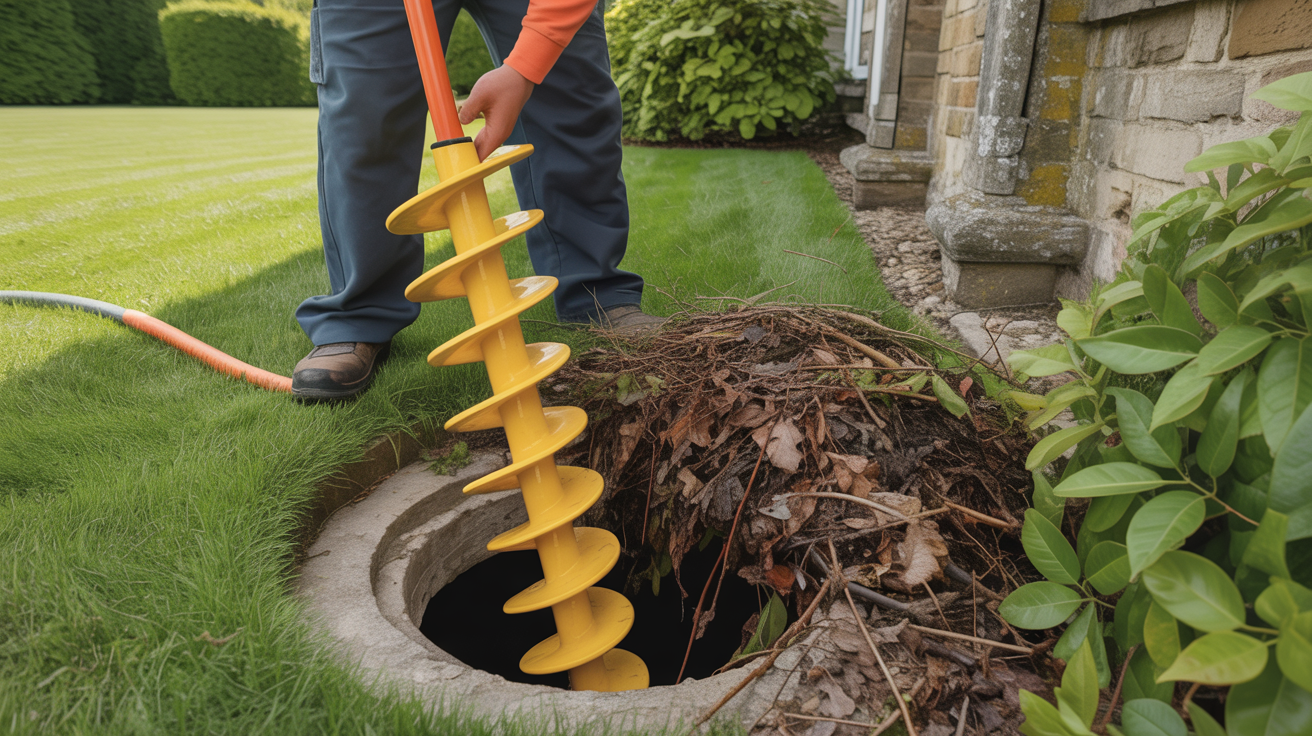
Property and estates teams responsible for UK drainage can use a structured PPM programme to control blockages, disruption and Part H-related risk across their sites. CCTV surveys, jetting and gully cleaning are coordinated into a single plan built around asset condition, usage and consequence of failure, based on your situation. You end up with defined assets, visit frequencies, task rules and reports that show what was inspected, what was cleaned, what condition it is in and what should happen next, with scope and responsibilities agreed upfront. It becomes easier to move from reactive call-outs to an accountable, evidence-led drainage programme.


Author
Izzy Schulman

If you manage residential blocks, mixed-use estates or public-facing property, drainage failures usually surface as complaints, disruption and rising call-out bills. The pipework and gullies stay out of sight, but you still carry the operational, financial and compliance consequences when they fail.

A planned preventative maintenance programme turns that hidden risk into a defined, governable system. By mapping the assets you own, setting risk-based visit frequencies and coordinating CCTV surveys, jetting and gully cleaning, you can justify spend, reduce incidents and show that drainage is being managed in a way that supports Part H outcomes.
- Reduce repeat blockages, flooding and emergency call-out costs
- Make drainage scope, responsibilities and pricing easier to govern
- Support functional, hygienic, inspectable drainage in line with Part H expectations</p>
Need Help Fast?
Locked out, leak at home, or electrical issue? All Services 4 U provides 24/7 UK locksmith, plumbing, electrical.
Testimonial & Clients Who Trust Us
With 5 Star Google Reviews, Trusted Trader, Trust Pilot endorsements, and 25+ years of experience, we set industry standards for excellence. From Dominoes to Mears Group, our expertise is trusted by diverse sectors, earning us long-term partnerships and glowing testimonials.
Worcester Boilers

Glow Worm Boilers

Valliant Boilers

Baxi Boilers

Ideal Boilers

Drainage Maintenance PPM Services UK for Part H Confidence
A drainage PPM gives you a risk-based plan before blockages turn into disruption, complaints and disputed cost.
If you manage residential blocks, mixed-use sites, estates or public-facing property, drainage risk usually stays hidden until something fails. You still carry the consequences. Residents complain. Occupiers lose access. Internal teams chase emergency contractors. Costs rise faster than the records.
A planned drainage programme changes that. You start with the assets you actually own and control, then build a schedule around condition, usage and consequence of failure. That usually brings CCTV surveys, jetting and gully cleaning into one coordinated system, with reporting that shows what was inspected, what was cleaned, what condition it is in and what should happen next.
Part H is mainly about drainage design, installation and performance, not a universal servicing timetable. It still matters here because it expects drainage to remain functional, hygienic and accessible for inspection, clearing and repair. As with building envelope PPM, a well-built PPM helps you show that your drainage is being managed in a way that supports those outcomes.
If you need a practical starting point, ask us to map the highest-risk assets first and build the plan from evidence rather than guesswork.
What Reactive Drainage Misses Until Costs Escalate
Reactive drainage shows you where failure has surfaced, not where risk is building.
When drainage is handled only through call-outs, you pay for the symptom in front of you. You rarely get a clear picture of the run, the asset condition or the pattern behind repeat incidents. That is why the same site can keep producing blocked stacks, flooded gullies, bad smells or standing water without anyone feeling fully in control.
Hidden operational and financial cost
A low-cost clearance can turn into an expensive event once you add clean-up, staff time, access control and occupier disruption. By the time water backs up into occupied areas or across entrances, the real cost is already far higher than a planned visit would have been.
Early warning signs that deserve action
Slow-draining gullies, odours after rainfall and small areas of ponding are not background noise. They are often early signs of silt, fat, roots or structural defects reducing capacity before a full blockage appears.
Repeat issues usually point to something deeper
If the same line keeps blocking, you are rarely looking at bad luck. You are usually looking at a defect, a misuse issue or a run that needs condition evidence rather than another one-off clean.
If you manage a mixed-use block with retail at ground level, one blocked surface-water line can move from standing water to access complaints and an urgent out-of-hours call in a single wet weekend. A planned review of that run, before autumn pressure builds, gives you a better decision than waiting for the next failure to make it for you.
What a Drainage PPM Scope Should Include
A proper drainage PPM replaces vague promises with defined assets, defined tasks and defined outputs.
You should be able to look at the scope and see exactly what is covered, what is excluded and what information comes back to you after each planned visit. That is what makes the service governable, comparable and budgetable.
Assets in scope
Your schedule should identify the drainage assets it is maintaining.
- Foul drainage runs
- Surface-water lines
- Combined runs where present
- Manholes and inspection chambers
- Gullies and catchpits
- Channel drains and downpipe connections
- Interceptors, grease assets or pump stations where relevant
That asset list creates the boundary for the programme and stops scope drifting later.
Planned tasks and trigger rules
A good scope separates routine work from condition-led work. Visual inspections, CCTV surveys, jetting and gully cleaning should be defined clearly, along with the rule for what happens when defects are found.
A useful decision path is simple. Some findings are monitor items. Some need targeted cleaning. Some justify repair planning or urgent escalation. Without that triage, PPM becomes a label rather than a working system.
Mobilisation and responsibilities
At the start of the contract, you should expect a first-pass asset register, access constraints, permit needs, communication routes and a process for logging unknown assets discovered on site. You should also see attendance windows, escalation paths and any assumptions that affect price or delivery.
That is where pricing becomes more reliable. When the scope, exclusions and access needs are written down early, your comparisons become fairer and later variations become easier to justify.
If you want a simpler procurement path, ask All Services 4U for a scope that ties assets, tasks and reporting into one accountable programme.
What CCTV Surveys, Jetting and Gully Cleaning Should Deliver
CCTV, jetting and gully cleaning solve different problems, so they should never be treated as the same visit.
A strong drainage PPM uses each tool for a specific job. One gathers condition evidence. One restores flow inside buried pipework. One protects surface-water capture at ground level. When those roles are clear, you stop buying activity and start buying outcomes.
CCTV surveys: condition and connectivity evidence
CCTV surveys show you where lines run, how they connect and where defects are developing. That includes displaced joints, fractures, root ingress, heavy build-up and sections the camera cannot safely pass.
A useful CCTV output does more than send footage. It tells you what was inspected, what was confirmed, what remains uncertain and whether the right next step is monitor, clean or repair.
Jetting is the planned cleansing part of the programme. It removes silt, fat, scale and debris from defined pipe runs so the system can carry flow properly again.
Within a PPM, it should be scheduled, not improvised. You need agreed inclusions, suitable methods, pre-checks, post-checks and a short record showing what was cleared and whether further investigation is needed.
Gully cleaning: protecting surface-water performance
Gully cleaning removes silt and debris from the pot or sump, checks that the outlet is flowing and records whether each gully was completed, inaccessible or defective.
That matters because surface-water failures are often the first incidents residents and occupiers actually see. A blocked gully does not stay an invisible problem for long.
If you need one supplier to turn surveys, cleaning and next-step decisions into one clear workstream, book a drainage review and we will show you how the tasks fit together on your site.
How to Set Visit Frequencies by Risk Rather Than Habit

There is no single legal interval for private drainage, so your schedule needs to be justified by site risk.
That matters for two reasons. First, one-size-fits-all maintenance is hard to defend. Second, copying an inherited calendar often means you either overspend on low-risk assets or ignore the areas most likely to fail.
The main drivers of frequency
Your site frequency should reflect what actually creates drainage risk.
- Blockage or flooding history
- Pipe age and condition
- Trees and leaf fall
- Food, grease and silt load
- Roof area and rainfall exposure
- Consequence of failure for occupiers or operations
Those factors explain why a quiet residential block and a mixed-use estate with food outlets should not share the same visit pattern.
Sensible baselines and seasonal changes
Lower-risk assets can usually start with lighter-touch scheduling and longer gaps between deeper condition checks. Higher-risk locations often justify more frequent inspections, more regular gully work or tighter cleansing cycles before autumn and winter.
The baseline is only a starting point. The defensible position is not this is the interval we always use. It is this is the interval the risk profile currently supports.
When the plan should change
Your schedule should be reviewed after repeat incidents, new CCTV findings, site-use changes, extension works or unusual weather events that expose weak points. That is how a PPM stays evidence-led rather than becoming another routine that no longer matches the site.
We help document that review logic so you can explain it clearly to boards, landlords, auditors, insurers and internal stakeholders.
How PPM Supports Part H Performance and Governance
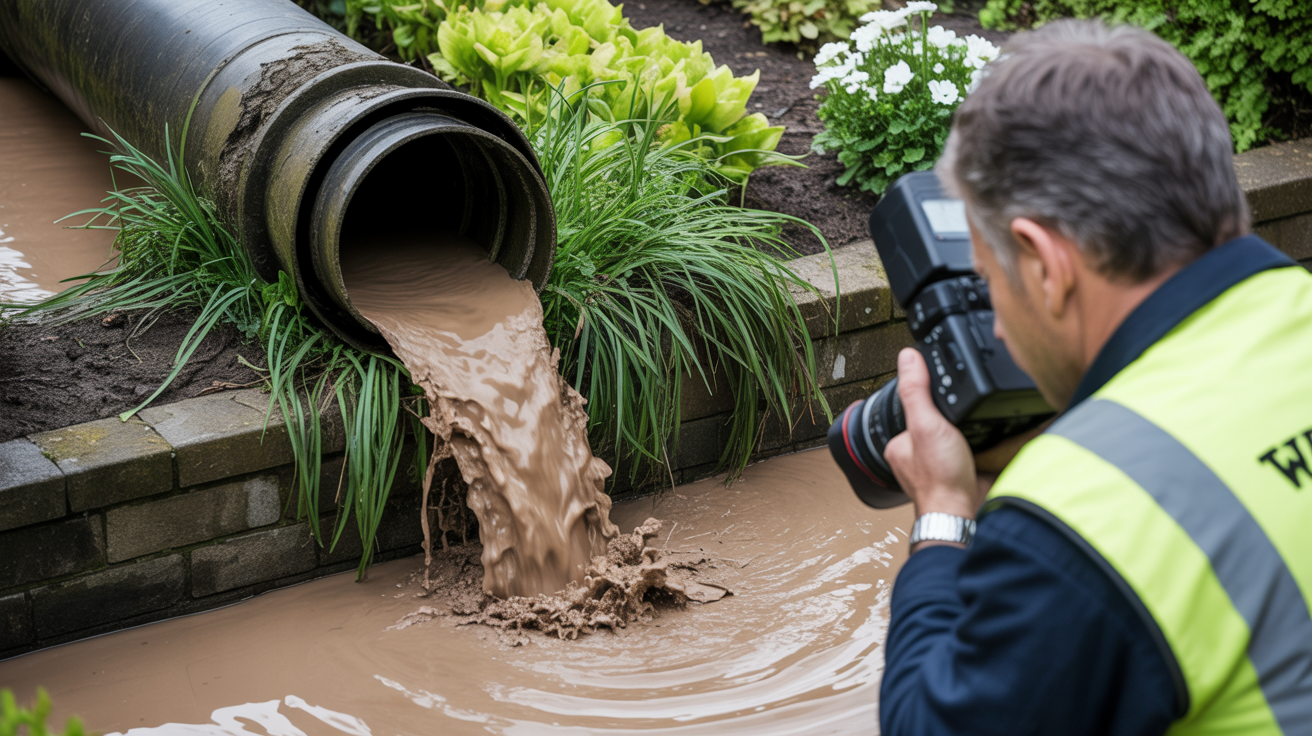
Part H sets the performance expectation, and planned maintenance helps you show the system still meets it in use.
Drainage should keep carrying foul water and rainwater safely. It should remain hygienic. It should stay accessible for inspection, clearing and repair. Those are practical performance outcomes, not just design-stage ideas, and they become much harder to demonstrate if the system is never inspected or recorded until something goes wrong.
Regular inspections, cleansing and targeted repairs help you show that foul and surface-water systems are being maintained so they can continue to do what they were built to do. If access points are blocked, runs are repeatedly failing or known defects are left untouched, your governance position becomes weaker.
Giving boards, insurers and auditors a better answer
After an incident, the same questions come back. What was installed. What was inspected. What was found. What was done. What was escalated. A drainage PPM with logs, exception reporting and clear next-step notes gives you a better answer than isolated job tickets with no context.
Reducing risk without overstating the law
Planned maintenance is not a compliance certificate, and it should never be presented that way. Its value is that it helps you show a reasonable, risk-based system for monitoring drainage performance and acting on evidence before defects become harder to defend.
That is where governance and operations meet. You are not just cleaning drains. You are creating a clearer decision trail for the people who carry the risk.
Accreditations & Certifications






What Evidence You Should Receive After Each Visit
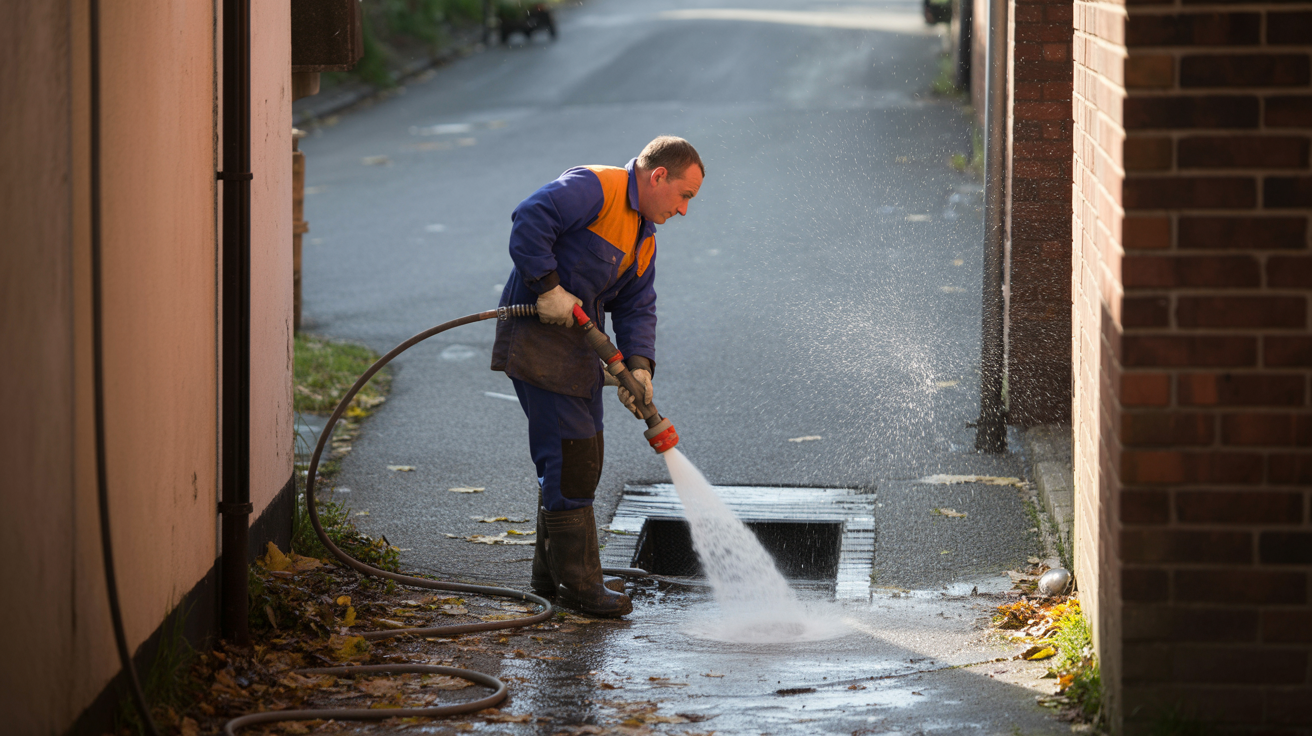
Good drainage evidence should let you file it, find it and act on it without rewriting it.
Every planned visit should leave you with enough information to answer three simple questions: what was attended, what was done and what needs to happen next. If the reporting cannot do that, it adds admin instead of reducing risk.
Survey, cleaning and completion records
You should expect records that cover the essentials.
- Asset or location reference
- Date of attendance
- What was inspected or cleaned
- Condition findings or limits
- Flow restored or not restored
- Next action recommendation
That core record should be simple enough for a property manager to use and detailed enough for a compliance file.
Waste and exception reporting
Where waste or debris leaves site, you should receive basic duty-of-care paperwork. You should also see exceptions clearly: missed assets, access failures, urgent defects and items needing further investigation.
Those exceptions are often more valuable than the routine completions because they shape the next decision.
What a usable handover pack should answer
A strong handover pack should help an independent reviewer understand what was intended, what was actually serviced, whether the asset appears to function correctly now and how the next review or remedial step should be managed.
When those outputs are formatted so they drop straight into your asset files, CAFM records, board packs or insurer files, you reduce internal friction and improve response time the next time questions arise.
Reliable Property Maintenance You Can Trust
From routine upkeep to urgent repairs, our certified team delivers dependable property maintenance services 24/7 across the UK. Fast response, skilled professionals, and fully insured support to keep your property running smoothly.

Book Your Free Consultation With All Services 4U Today
A short consultation should leave you with clearer priorities, clearer scope and a clearer next step.
When you speak to All Services 4U, we map your property type, drainage responsibilities, known trouble spots and missing records. We then help you decide whether the right first move is a baseline condition survey, a targeted clean on a high-risk area or a full drainage PPM proposal.
You leave with:
- a clearer picture of your highest-risk assets
- a sensible next-step recommendation
- a clearer view of scope, records and reporting expectations
That gives you something practical to review before you commit.
If your drainage records are limited, the safest first move is usually a focused visit on the asset with the highest consequence of failure. That gives you evidence first and helps you build the wider programme on facts, not assumptions.
Book your free consultation with All Services 4U today.
Frequently Asked Questions
What should a drainage planned preventative maintenance programme include for Part H drainage compliance?
A drainage planned preventative maintenance programme should map assets, define tasks, set evidence standards and assign escalation rules for Part H drainage compliance.
If Part H drainage compliance matters to your team, the schedule cannot stop at “attend quarterly” or “clean as required.” Approved Document H is about safe, effective drainage that remains serviceable, hygienic and capable of inspection, maintenance and clearing. That means your drainage PPM needs structure, not just frequency.
Most failures start as small signals. Ponding near an entrance. A repeat foul blockage behind one block. Gullies that silt faster every autumn. The problem is rarely that nobody noticed. The problem is that nobody turned those signals into a controlled asset picture. When that happens, your planned drainage maintenance quietly becomes reactive spend with nicer wording.
Activity is not control. A schedule only matters when it removes guesswork.
A stronger drainage planned preventative maintenance scope usually starts with a minimum asset register. That register should identify foul-water runs, surface-water runs, manholes, inspection chambers, gullies, channels, interceptors where relevant, key downpipe interfaces, known blockage hotspots, access limits, ownership boundaries and any exclusions. If a new contractor cannot read the file and understand the site without rebuilding the picture from memory, the scope is still too weak.
What minimum asset fields should your drainage PPM define?
Your drainage PPM should define enough detail that works, evidence and decisions can be repeated consistently.
A practical minimum usually includes:
- asset type
- location reference
- drainage function, such as foul or surface water
- access point or chamber reference
- service task type
- service interval
- known defect history
- ownership or boundary note
- escalation trigger
That sounds simple. It is. Simple wins because it survives handover, contractor change and board scrutiny.
| Scope field | Weak version | Usable version |
|---|---|---|
| Asset | Site drainage | Surface-water gully at Block A entrance |
| Access | Not stated | Chamber in rear car park, permit needed |
| Task | Routine maintenance | Jetting and visual inspection |
| History | None | Repeat silting each autumn |
| Next step | Not stated | Reinspect after leaf-fall peak |
For a managing agent or RTM chair, this creates oversight. For a contractor, it removes ambiguity. For a finance lead, it separates recurring maintenance from defect-led work. That is a much stronger operating position than paying for repeat attendance and hoping the file makes sense later.
What should each planned drainage visit actually produce?
Each drainage visit should leave a decision-ready record, not a vague attendance note.
A useful output should confirm the asset attended, task completed, condition observed, immediate result, exceptions and next action. If CCTV is used, the footage should be tied to a location and explained in plain English. If jetting is completed, the note should identify the run and say whether flow was restored. If gullies are cleaned, the record should confirm which gullies were serviced and whether any outlet or structural concern remains.
That evidence stack matters because the next question is usually not technical. It is operational. What was done, what was found, and what now needs approval? When your drainage records answer that quickly, your wider team moves faster and with less noise.
If your current planned drainage maintenance still depends on contractor memory or rewritten notes, a scoped baseline review is usually the safest first move. All Services 4U can help your team set the asset logic and reporting standard before the next blockage, complaint or renewal query turns a manageable issue into an expensive one.
When should you schedule drainage CCTV surveys, jetting and gully cleaning across different asset risk bands?
You should schedule drainage CCTV surveys, jetting and gully cleaning by risk band, failure consequence and site evidence, not inherited habit.
This is where many drainage PPM programmes drift. One calendar gets copied across every block, estate or mixed-use site because it feels tidy, much as building envelope PPM can be misapplied when different risks are treated the same. It rarely is. A quiet residential site with low debris loading does not behave like a mixed-use property with basement sensitivity, tree cover, food waste risk or repeated foul blockage history. When both follow the same pattern, one is over-serviced and the other is under-protected.
Part H drainage compliance does not give you one universal cycle for every private system. The smarter route is condition-led scheduling, which aligns with CIRIA-style risk thinking: maintain according to exposure, consequence and evidence. That gives your team a better basis for budget, operations and insurance conversations because the schedule reflects what the site actually does.
Which risk factors should tighten or relax your drainage frequency?
Your drainage frequency should move when site conditions change, not when paperwork gets recycled.
The strongest frequency drivers usually include tree cover, debris loading, grease or misuse risk, repeat blockage history, flood consequence, age of the run, access difficulty and occupier sensitivity. If one blocked line would disrupt multiple dwellings or trading units, that line deserves more attention than a low-impact run with stable history.
A useful starter model looks like this:
| Risk band | Typical site traits | Typical starting approach |
|---|---|---|
| Low | Stable history, low debris, low consequence | Periodic inspection and seasonal review |
| Medium | Some leaf fall or occasional blockage history | Seasonal gully cleaning and targeted jetting |
| High | Repeat blockage, flood consequence, heavy loading | Shorter inspection cycle plus early CCTV |
| Critical | Vulnerable occupiers, trading risk, repeated failure | Tight cycle, trigger-based review and repair planning |
This is not a legal prescription. It is a defensible operating model. Your actual cycle should reflect the evidence from your site.
What is a sensible starter schedule for drainage PPM?
A sensible starter schedule focuses first on assets where failure would hurt most.
That often means high-risk entrance gullies, repeat-problem foul runs, drainage serving lower-ground plant spaces, and any area with a recent history of ponding, overflow or resident complaints. Gullies exposed to seasonal debris may need a more frequent cleaning schedule than buried runs with stable performance. CCTV surveys usually sit behind repeat symptoms, suspected structural concerns or pre-planned diagnostic reviews, not as a blanket exercise everywhere.
A practical belief shift helps here: more visits do not always mean better control. Better targeting does. If your team can explain why one asset is on a tighter cycle and another is not, you have a drainage PPM that is easier to defend and easier to improve.
If you need a grounded first step, a highest-risk asset review usually works better than a portfolio-wide guess. All Services 4U can assess the pressure points first, then build a planned drainage maintenance cycle that reflects real risk rather than inherited habit.
Why do drainage records matter when boards, insurers, auditors or residents start asking questions?
Drainage records matter because they prove what was known, what was done and what should have happened next.
When a drainage issue escalates, the immediate fault is only part of the problem. The bigger pressure often comes after the event. Someone wants the sequence. Was the issue known? Was it inspected? Was it cleaned, monitored or escalated? If the file only shows an invoice and a note saying “attended and cleared,” your team is forced to rebuild the story under pressure.
That is weak risk control. RICS-style asset management logic points in the opposite direction: decisions should be evidence-backed over time. In drainage terms, that means a record should connect the asset, the task, the finding, the outcome and the next step. Without that chain, repeated spend looks less controlled, recurring complaints are harder to explain, and avoidable deterioration is easier to miss.
What should a strong drainage record answer straight away?
A strong drainage record should answer the next person’s questions before they need to ask them.
At minimum, the file should show:
- what asset was attended
- what work was completed
- what condition was found
- whether the issue was resolved or only reduced
- what should happen next
- who owns that next action
That is the core checklist. It works because it is portable. A property manager, compliance lead, broker or tribunal advisor can all read it without translation.
| Record test | Weak file | Strong file |
|---|---|---|
| Asset identified | “Blocked drain” | Chamber and run reference |
| Work identified | “Cleared” | Jetting, CCTV, clean or repair step |
| Condition recorded | Sparse | Defect type or observed condition |
| Outcome recorded | Assumed | Restored, partial relief or unresolved |
| Follow-up recorded | Missing | Monitor, repair, escalate or re-attend |
How do records reduce avoidable cost and delay?
Good records stop the same issue being rediscovered by a different person every month.
That saves time, but more importantly it protects judgment. A finance team can see when repeat reactive spend starts to look like deferred repair. A board can tell whether a pattern is local or systemic. A resident-facing colleague can explain the position without sounding vague. A legal adviser can see chronology instead of loose fragments.
Weak records create cost in slow motion. They slow approvals, muddy insurance conversations, complicate renewals and make a manageable issue look poorly controlled. That is why a record standard is not admin housekeeping. It is part of the maintenance strategy.
If your current drainage file still needs rewriting before anyone can use it, that is the signal to reset the standard. All Services 4U can help your team tighten the reporting format so drainage records support operations, audits and board decisions without creating another layer of work.
Which evidence should follow drainage CCTV surveys, jetting and gully cleaning so your file stands up later?
Drainage evidence should show the asset, prove the work, describe the condition, log exceptions and state the next action clearly.
This is where many contractors lose value after doing the actual work. The attendance happens. The file does not. A few unlabeled stills, a generic service note and no recommendation leave your organisation with the same uncertainty it had before the visit. That is not a handover. It is a loose end.
A better evidence hierarchy makes the drainage system legible. First, identify the asset. Second, prove the work completed. Third, describe the condition found. Fourth, record any exception or gap. Fifth, state the next step and timing. That order matters because it mirrors how decisions are actually made.
What should your evidence hierarchy include after each drainage visit?
Your evidence hierarchy should move from identity to action to decision.
A practical standard usually includes:
- asset or location reference
- service date and attendance record
- work completed
- visual proof or CCTV stills where relevant
- condition finding
- exception, exclusion or access issue
- recommendation and timescale
That structure works across planned drainage maintenance and reactive attendance because it gives each file the same spine.
| Evidence level | What it should show | Why it matters |
|---|---|---|
| Asset reference | Exact run, chamber or gully | Stops vague filing |
| Proof of work | Cleaning, jetting or survey completed | Confirms attendance value |
| Condition note | Silt, root ingress, fracture, free flow | Supports diagnosis |
| Exception log | Inaccessible, missed, partial, unclear | Prevents silent gaps |
| Next step | Monitor, repair, escalate or review | Drives action |
Where should authority and traceability matter most?
Authority matters most where the file may be tested later by someone outside the visit.
Environment Agency expectations around duty of care are relevant when waste or debris is removed. That does not mean every handover needs pages of ceremony. It means traceability matters. If material leaves site, the paperwork should support that fact. The same logic applies to CCTV interpretation and jetting outcomes. The person reading the record later should not have to guess what the evidence means.
Here is the belief inversion that often sharpens buying decisions: the cheapest drainage visit can become the most expensive if the handover creates another round of internal work. A clean, decision-ready evidence pack reduces friction for your team long after the contractor has left.
If you want to raise the reporting standard without overcomplicating the process, All Services 4U can help set a practical evidence hierarchy for drainage CCTV surveys, jetting and gully cleaning that holds up under board, insurer and audit scrutiny.
When does drainage maintenance stop being a cleaning issue and become a repair issue?
Drainage maintenance becomes a repair issue when repeat cleaning stops solving the problem or evidence shows a defect behind the symptom.
That line matters because repeated cleaning can look productive while quietly wasting money. Jetting is useful when the issue is local debris, silt, grease or temporary restriction. Gully cleaning restores surface-water capacity when the outlet is otherwise sound. But neither activity corrects a displaced joint, cracked pipe, root ingress, poor fall or deformation. Once those conditions appear, the issue has moved from restoration to correction.
Water UK guidance supports the broad logic here: recurring blockage patterns need root-cause thinking, not endless symptom treatment. In practice, that means repeat attendance at the same location should trigger a stronger diagnostic response, usually starting with CCTV or a more targeted condition review.
Which signs show you are in a clear-and-repeat loop?
You are likely in a clear-and-repeat loop when the same symptoms return faster than the maintenance logic can explain.
Typical warning signs include:
- the same run blocks repeatedly
- flow slows again soon after jetting
- ponding returns after surface cleaning
- CCTV shows roots, fractures, deformation or standing water
- complaints cluster around one location
- callout spend keeps rising without a stable fix
| Sign | Likely meaning | Next move |
|---|---|---|
| Repeat foul blockage | Ongoing obstruction or defect | CCTV review |
| Fast recurrence after jetting | Root cause still active | Condition-led diagnosis |
| Root ingress visible | Physical entry point | Repair planning |
| Standing water in run | Poor fall or deformation | Investigate repair scope |
| Repeat ponding | Capacity or outlet issue | Survey and redesign check |
How should you explain this internally without overcomplicating it?
The clearest explanation is this: cleaning restores capacity, while repair corrects failure in the system itself.
A short scenario makes the difference obvious. If a gully silts up each autumn and returns to normal after cleaning, that is a maintenance issue. If a foul run is jetted three times in six months and blocks again because roots have entered through a failed joint, that is not maintenance control. That is deferred repair dressed up as responsiveness.
That distinction helps different decision-makers for different reasons. Finance can separate planned spend from remedial liability. A board can stop approving repeated attendance that never changes the outcome. A property manager can explain why another clean is not the right answer.
If your team suspects repeated drainage maintenance is masking a deeper defect, a targeted defect-versus-maintenance diagnostic is often the safest next step. All Services 4U can help turn recurring symptoms into documented causes, then map the proportionate repair path before the next avoidable failure lands in your inbox.
Who should own drainage decisions internally, and how should you start if your records are weak?
Drainage decisions should sit with one named operational owner, supported by a clear approver, contractor and escalation route.
This is the governance issue that gets missed most often. Drainage touches too many teams to survive on informal ownership. Property management sees the complaint, FM schedules the work, finance sees the spend, compliance cares about the evidence, and resident-facing teams deal with the frustration. If nobody owns the full picture, the issue travels sideways until a failure forces a decision.
The safest model is simple. Name one day-to-day owner for drainage coordination. Define who approves remedials or scope changes. Confirm which contractor delivers planned drainage maintenance and reactive work. Set an escalation route for repeat failures, insurer relevance or health-and-safety concerns. Once those four points are visible, the issue becomes manageable.
Strong ownership does not remove risk. It stops risk being passed around in circles.
What ownership model works best in practice?
The best ownership model is usually operational, not theoretical.
A practical structure often looks like this:
| Role | Core responsibility | Trigger to escalate |
|---|---|---|
| Named owner | Holds asset picture and open actions | Repeat failure or evidence gap |
| Approver | Signs off repair, budget or scope change | Cost or risk threshold reached |
| Contractor | Delivers planned and reactive works | Access issue or defect found |
| Escalation route | Handles insurer, board or compliance pressure | Material incident or repeated defect |
This keeps the model lean. It also makes your records more useful because every action has somewhere to go next.
If your records are weak, where should you start first?
Start with the highest-consequence drainage asset, not a portfolio-wide guess.
That usually means the entrance gully that floods, the foul line with repeated callouts, the drainage near vulnerable occupiers, or the run serving critical occupied space. Gather what already exists: old invoices, contractor notes, previous CCTV, complaint history, site drawings if available. Then test whether that material creates a real picture or only the illusion of one.
From there, commission a baseline attendance with the evidence standard agreed in advance. That gives you three things quickly: a usable asset reference, a cleaner split between maintenance and repair, and a reporting format your wider team can reuse.
A broad promise to “sort the drainage later” is rarely the safe buying path. A focused review usually is. If you want a low-friction next step, All Services 4U can help you review the highest-risk drainage asset first, reset the reporting standard and give your team a decision-ready starting point that a responsible owner would be comfortable standing behind.
- Drainage Maintenance PPM Services UK for Part H Confidence
- What Reactive Drainage Misses Until Costs Escalate
- What a Drainage PPM Scope Should Include
- What CCTV Surveys, Jetting and Gully Cleaning Should Deliver
- How to Set Visit Frequencies by Risk Rather Than Habit
- How PPM Supports Part H Performance and Governance
- What Evidence You Should Receive After Each Visit
- Book Your Free Consultation With All Services 4U Today
- Frequently Asked Questions
- Related PPM Services
Case Studies


Related Articles

Your Guide To Identifying And Treating Minor Mould Outbreaks

Why Planned Preventative Maintenance (Ppm) Saves Money And Ensures Compliance