PPM Services for Build-to-Rent (BTR) UK – Investor Compliance & Tenant Satisfaction
UK BTR investors, boards and operators need PPM services that protect portfolio value, evidence compliance and keep residents satisfied across complex buildings. A whole‑building, evidence‑driven regime plans safety‑critical and business‑critical tasks, with clear owners, frequencies and records, based on your situation. Success looks like stable income, defensible governance and digital maintenance evidence that stands up to regulators, insurers and external advisers, with scope and responsibilities agreed. Exploring this approach now makes future decisions on risk, budget and service levels more controlled.



Author
Izzy Schulman

Why BTR portfolios need whole‑building, evidence‑led PPM
UK BTR portfolios carry complex safety, reputational and income risks that simple, reactive maintenance cannot manage. Investors, boards and operators need a way to protect asset value, satisfy regulators and keep tenants safe without relying on last‑minute fixes or patchy records.

Whole‑building, evidence‑led Planned Preventive Maintenance gives every critical system a structured plan and a clear audit trail. By treating PPM as a governance and ESG tool as well as an engineering function, you gain more predictable costs, stronger compliance stories and calmer conversations with stakeholders.
- Protect income, asset value and resident safety across BTR schemes
- Replace reactive fixes with structured, auditable maintenance routines
- Align governance, ESG narratives and day‑to‑day building operations
Need Help Fast?
Locked out, leak at home, or electrical issue? All Services 4 U provides 24/7 UK locksmith, plumbing, electrical.
Testimonial & Clients Who Trust Us
With 5 Star Google Reviews, Trusted Trader, Trust Pilot endorsements, and 25+ years of experience, we set industry standards for excellence. From Dominoes to Mears Group, our expertise is trusted by diverse sectors, earning us long-term partnerships and glowing testimonials.
Worcester Boilers

Glow Worm Boilers

Valliant Boilers

Baxi Boilers

Ideal Boilers

PPM services for UK BTR: protect value, prove compliance
Planned Preventive Maintenance for UK BTR is a whole‑building, evidence‑driven regime that protects your asset, proves compliance and keeps residents safe. It also supports stable long‑term income by managing performance, risk and lifecycle costs in a structured way rather than reacting to failures.
Strong portfolios are built on quiet, consistent routines, not heroic last‑minute fixes.
In practice, BTR‑grade PPM has to work for investors, boards, operators and residents at the same time. It must be robust enough to satisfy regulators and insurers, simple enough for on‑site teams to run consistently, and transparent enough that you can explain it in plain English to leaseholders, tenants and committees. A partner such as All Services 4U can help you turn those expectations into a practical, repeatable regime instead of another set of “we really should…” intentions that never quite land.
What “whole‑building, evidence‑first PPM” really means in BTR
Whole‑building, evidence‑first PPM in BTR means every safety‑critical and business‑critical element sits on a structured plan, with proof against each visit. Instead of isolated jobs, your buildings run on an agreed maintenance system that covers both what gets done and how it is recorded.
In a BTR context, that means plant rooms, life‑safety systems, lifts, roofs and façades, amenity spaces, car parks and systems like access control, CCTV and automatic doors are all covered by inspections, tests, servicing and lifecycle works scheduled in advance, with clear owners, frequencies and standards. For professionally managed blocks, those activities are backed by digital records: each task is logged, time‑stamped and linked to the relevant asset, with certificates and, where useful, before‑and‑after photos.
The record becomes as important as the visit itself because it is what regulators, fire authorities, investors and external advisers will ultimately rely on when assessing risk and accepting your assurances. In larger schemes, that evidence also lets you move from anecdote to pattern‑spotting, so you can justify targeted upgrades or design changes rather than simply running harder on the same treadmill.
Why investors, boards and operators need a shared PPM definition
A clear, shared definition of BTR‑grade PPM gives your investors, boards and operators a reliable way of talking about the same thing. Without it, you quickly end up with dangerous gaps and mismatched assumptions.
If your teams do not share that definition, development may assume “the managing agent will sort it”, operations may inherit unrealistic maintenance assumptions from design, and asset managers may present board papers that underplay technical risk because the underlying data is patchy or inconsistent.
A common language for PPM helps break this cycle. It lets you ask precise, testable questions such as:
- Which systems are on statutory schedules and which are on best‑practice ones?
- Where is the single source of truth for completed checks and open actions?
- How does this building’s maintenance regime differ from a standard block‑managed leasehold asset?
When everyone understands that PPM is about protecting income, value and people – not just ticking off tasks – decisions about scope and budget become more rational. You can debate risk, trade‑offs and service levels with facts in front of you, rather than relying on comfort phrases like “we are broadly compliant” or “we have never had a problem before”.
BTR PPM as a governance and ESG tool, not just an engineering function
Treating PPM as part of governance and ESG, rather than just engineering, gives your BTR portfolio a more defensible storey with regulators and long‑term investors. It shows that you treat safe, well‑managed housing as a non‑negotiable foundation rather than a cost to trim.
For institutional owners, PPM now sits squarely in the governance and ESG conversation. Clear maintenance plans and records are part of demonstrating that you:
- Take your duties under fire, gas, electrical and water‑safety law seriously.
- Provide safe, well‑managed homes that meet fitness and quality standards.
- Have a realistic view of upcoming capex and do not rely on deferring essential works.
Frameworks that assess environmental and social performance increasingly look for evidence that residential assets are being run safely and responsibly. PPM is one of the most practical levers you control. Framing it that way moves it out of the “nice to have” bucket into “core to your licence to operate”, and helps align sustainability work (for example, plant efficiency and MEES trajectories) with day‑to‑day maintenance rather than treating them as separate projects.
These perspectives reflect how many BTR investors and operators now use PPM to meet their obligations and protect portfolio value. They are not a substitute for legal or regulatory advice on your specific situation; you should always take qualified professional advice on duties and enforcement risk.
The hidden cost of reactive or DIY maintenance in BTR
Reactive or DIY maintenance in BTR quietly increases your risk, your costs and your stress, even if headline contractor invoices look low. Once buildings become larger and more complex, the apparent savings from “only paying when something breaks” are usually outweighed by failures, complaints and unplanned capex.
Once you look beyond individual jobs and track patterns over years, you often see that reactive models are not only more expensive in total but also much harder to defend to external stakeholders. The hidden cost is volatility and exposure, not just pounds on a spreadsheet.
Where reactive maintenance undermines your business case
Reactive maintenance tends to look affordable in year one and unaffordable by year ten, as failures compound and assets age badly. The problem is seldom one big decision; it is the cumulative effect of hundreds of small deferrals and work‑around fixes.
You typically see:
- Higher call‑out volumes and out‑of‑hours premiums.
- Repeated failures on the same systems because root causes are not addressed.
- Shortened asset life for plant, lifts and roofs due to lack of routine care.
- Unplanned capex spikes when deferred issues finally tip into major failures.
In a 300‑unit BTR block, even a modest uplift in failures can translate into dozens of extra resident complaints, partial voids during serious works and more pressure at each renewal and refinancing. As those patterns repeat across a portfolio, you are no longer saving money – you are simply shifting it into a more volatile, less controllable bucket that undermines your business case.
Why “scaling PRS habits” breaks in BTR
Carrying private rented sector maintenance habits into BTR usually works until the first serious incident or cluster of complaints exposes the gaps. What was once tolerable in small, low‑rise stock becomes unacceptable in large, complex buildings.
Many BTR portfolios were built by owners with a history in traditional private rented housing. It is very common to see single‑let or small‑block maintenance habits carried into BTR:
- Relying on residents to report problems rather than detecting them in advance.
- Using a loose panel of local contractors with variable scopes and records.
- Treating annual gas checks and occasional EICRs as the whole of compliance.
In a ten‑unit converted house, that is risky but often survivable. In a 250‑unit tower with shared plant, smoke control, multiple lifts and extensive common parts, it is not. The density of residents, the complexity of systems and the scrutiny on high‑rise living mean that these informal models simply do not scale.
Governance, service charges and human strain
Reactive patterns do not only hit residents; they also strain your teams, governance and relationships with leaseholders and investors. Over time, that strain becomes visible in service‑charge disputes and staff turnover, as well as in line‑item costs.
You commonly see that:
- Property managers and on‑site staff end up firefighting instead of planning.
- Finance teams struggle to justify costs when scopes differ from visit to visit and records are thin.
- Service charge challenges and disputes become harder to defend because there is no clear, pre‑agreed plan showing what “good” looks like.
Over time, that firefighting culture affects staff morale and retention. It also consumes senior time in a way boards rarely see until an incident or dispute forces everyone to reconstruct what “should” have happened. A BTR‑specific PPM regime shifts your people from reactive casework to managed risk, which is easier to scale and easier to explain to auditors, committees and residents.
How reactive models feed into insurance, lenders and capex
Reactive maintenance history often translates into tougher conversations with insurers and lenders, even when day‑to‑day operations feel under control. From their perspective, unplanned failures and weak records are leading indicators of future loss.
External stakeholders tend to pay attention to:
- The number and nature of claims and near‑misses.
- The evidence that risks such as fire, water escape and structural deterioration are being actively managed.
- The stability and predictability of operating expenditure and capex.
If your building history shows a trail of unplanned failures, incomplete records and inconsistent scopes, it becomes harder to argue for favourable terms or to convince counterparties that income is robust. Structured PPM does not eliminate scrutiny, but it gives you a coherent storey and data trail to support your case rather than leaving you reliant on reassurance alone.
If you recognise these reactive patterns in your own blocks, that is usually a good moment to commission a focused PPM review rather than wait for the next renewal or incident to force the issue.
Our evidence‑first PPM model purpose‑built for BTR
![[ALTTOKEN]](https://allservices4u.co.uk/app/uploads/2026/01/01-PPM-Services-for-Build-to-Rent-BTR-UK-Investor-Compliance-Tenant-Satisfaction.jpg)
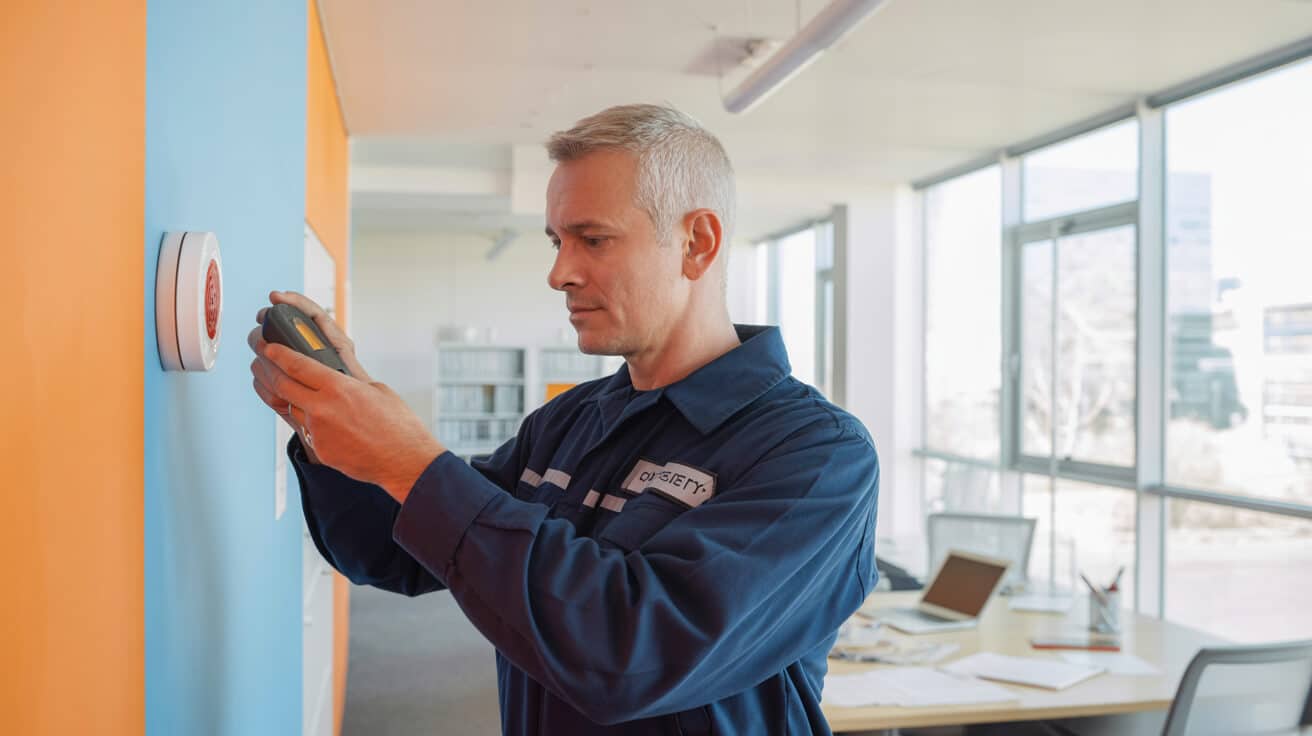
An evidence‑first PPM model treats every maintenance task as something that must be proven, not just done, and it is tailored to the realities of UK BTR through a building type PPM approach rather than copied from generic commercial templates. All Services 4U’s approach is designed to give your asset, operations and compliance teams one coherent framework to work from, whether you run a single flagship scheme or a national portfolio.
The aim is to combine the discipline of institutional FM with the responsiveness and resident focus that modern BTR brands promise, without burdening your in‑house teams with unmanageable complexity.
Building PPM from the asset up, not from a generic template
Building PPM from the asset up means starting with how your buildings are actually designed and used, not with a standard spreadsheet. That asset‑level view makes the regime more relevant, more defensible and easier to explain internally.
The starting point is always the actual building: its plant, life‑safety systems, vertical transport, amenities and fabric. For each element you define:
- What must be done to stay safe and compliant.
- What should be done to protect asset life and resident experience.
- How often tasks should occur, based on regulation, standards and risk.
- Who is responsible and what “done properly” means in that context.
This produces a schedule that reflects the criticality of systems (for example, a smoke‑ventilation fan versus decorative lighting) and the way residents actually use the building. It avoids the twin traps of over‑servicing low‑risk assets and under‑servicing those that carry your biggest downside. For multi‑phase developments, you can also build in lessons learned from earlier phases so each new building starts with a stronger baseline.
You might, for example, use early‑phase data to refine fan‑coil unit servicing intervals or to adjust fire‑door inspection routes before rolling the building out at scale. That kind of feedback loop is difficult to achieve with generic, template‑driven maintenance plans.
What “evidence‑first” looks like day to day
Evidence‑first PPM makes the maintenance record part of the job, not an optional afterthought. A task is only complete when the visit and findings can be defended on paper and in systems.
In an evidence‑first regime, a typical PPM visit generates:
- A time‑stamped job log referencing the asset and task.
- Readings or measurements where relevant (for example, temperatures or test results).
- A short narrative of findings and actions taken.
- Copies of any relevant certificates or service sheets.
- Photos where visual condition matters (for example, fire doors, roofs, plant rooms).
That data is captured digitally, checked for completeness and stored in a way that can feed your CAFM, compliance, golden‑thread or reporting platforms. When you need to prove what was done, who did it and what they found, you are not chasing paper or digging through email chains.
Owners who adopt this pattern often find that recurring issues become easier to diagnose and justify. For example, identifying that repeated lift entrapments tie back to a particular component or that roof leaks cluster around a specific design detail can support targeted remedial works and stronger conversations with warranty providers, designers or insurers.
Risk‑based priorities and portfolio‑level consistency
A risk‑based, evidence‑first model gives you both a consistent portfolio standard and room for individual buildings to reflect their own risk profiles. That makes it easier to manage at scale without losing local relevance.
Across a portfolio, consistency matters as much as depth. A robust model gives you:
- Standard task templates and checklists so the same system is treated the same way across sites.
- A shared language for asset criticality (for example, life‑safety, business‑critical, amenity).
- Comparable metrics for completion rates, defects found and repeat faults.
At the same time, the regime allows for local nuance – the specific lift mix in one building, the way heat interface units are configured in another, or the presence of unusual amenities. That balance of consistency and context is what institutional owners need from a building type PPM approach to manage risk sensibly without drowning in exceptions. All Services 4U builds this dual view into its PPM design so you can see both the portfolio picture and the real world on the ground.
Mobilising without disrupting operations
Transitioning from a fragmented model to an evidence‑first one should reduce disruption over time, not add to it. A careful mobilisation gives you that path.
A well‑run mobilisation typically:
- Audits existing data, certificates and plant lists to build or verify the asset register.
- Confirms statutory tasks and best‑practice tasks and maps them into a calendar.
- Agrees communication plans with site teams and residents for planned works.
- Sets up reporting templates and review cadences with asset and operations leaders.
By designing this as a joint exercise between your teams and the PPM provider, you keep ownership of risk and standards while benefiting from a tested delivery model. All Services 4U can work alongside existing managing agents and FM providers, or take on a more central role where that makes sense. Either way, the objective is the same: a BTR‑specific, evidence‑first PPM regime that is practical to operate and defensible under scrutiny.
If you want to explore this without committing portfolio‑wide, it is often sensible to start with a diagnostic and pilot on a single flagship or higher‑risk asset and then scale from there.
Compliance engine: FSO, BSA, EICR, CP12 and L8 covered by design
A credible BTR PPM regime must be able to show, in black and white, how it delivers your duties under fire safety, building safety, gas, electrical and water regulations. That starts with mapping law and recognised guidance onto specific tasks, not just relying on certificates that arrive once a year or when someone remembers to ask for them.
If you cannot quickly demonstrate how inspections, tests and remedials line up with these duties, your “system of maintenance” will be difficult to defend when regulators, fire authorities, insurers or health and safety inspectors start asking questions.
Translating duties into concrete inspections, tests and records
Translating legal and regulatory duties into specific inspections, tests and records is what turns abstract compliance into something you can manage. It also makes it much easier to brief internal teams and external contractors.
For each major regime, you need to be able to answer simple questions:
- Fire safety: Which systems (fire alarms, emergency lighting, fire doors, smoke control, signage, escape routes) are checked, how often, by whom and against which standard? Where are the logs and what happens when defects are found?
- Building Safety Act and higher‑risk buildings: How does your maintenance record support the safety case and golden thread – for example, documenting work on fire‑stopping, façade elements, structural components and fire‑safety systems in a way that is traceable over the building’s life?
- Gas safety: How are annual checks on plant and in‑flat appliances scheduled, chased, completed and recorded? How are missed appointments and no‑access cases escalated and resolved?
- Electrical safety: How often are landlord installations inspected and tested? How is in‑flat electrical safety managed? What about emergency lighting and any portable appliances you provide?
- Water hygiene and Legionella: What are your regular temperature checks, flushing, cleaning and sampling regimes? How are anomalies escalated and resolved and how do you document completed corrective actions?
A compliance‑aware PPM provider will design schedules, forms and workflows that answer these questions clearly, with supporting evidence ready for regulators, fire authorities, health and safety inspectors and auditors. All Services 4U builds this mapping into its BTR PPM frameworks so that proofs are generated automatically as work is done, not reconstructed after an event.
Keeping your “system of maintenance” defensible
Keeping your system of maintenance defensible means aligning it with recognised standards and documenting the reasoning behind your choices. That way, if you are asked to justify your approach, you can show that it is both structured and considered.
Most UK regimes do not prescribe precise frequencies for every task. Instead, they expect you to put in place a “suitable system of maintenance” and to be able to defend it as reasonable. Aligning your PPM with recognised standards and guidance is one of the clearest ways to do that.
That might mean, for example:
- Weekly bell tests and periodic servicing for fire alarms in line with relevant fire‑alarm standards.
- Monthly and annual testing cycles for emergency lighting.
- Periodic inspection intervals for electrical installations that reflect building use and risk.
- Water‑hygiene tasks drawn from accepted Legionella‑control guidance.
When inspectors or consultants review your arrangements, they are not just looking for paperwork; they are asking whether the pattern and quality of tasks are likely to keep people safe. A structured, standard‑referenced regime, backed by proper records, is much easier to defend than a patchwork of ad hoc visits. It also gives your legal and insurance advisers a firmer footing if you ever have to explain your approach after an incident.
Competence, adaptation and golden‑thread readiness
Competence and adaptability are as important as check‑lists in any serious compliance engine. Regulators and investigators will look at who carried out work and whether you adapted your regime when new information arose.
A robust engine includes:
- Clear competency requirements for different tasks (for example, specialist qualifications for gas and electrical work; training and experience for fire‑door inspectors and water‑hygiene technicians).
- Ongoing checks that contractors maintain those competencies, with evidence retained and easy to retrieve.
- Periodic reviews of scopes and frequencies in light of incidents, new guidance or enforcement trends.
For higher‑risk buildings, all of this needs to feed into your golden‑thread and safety‑case work. Maintenance and inspection data should be structured so that it can be queried, reported and shared with the Building Safety Regulator when needed. Evidence‑first PPM turns that from an abstract requirement into something your teams can actually run: clear tasks, competent people and auditable records that support your official submissions.
Accreditations & Certifications








Tenant experience: hotel‑grade uptime, residential‑grade care
![[ALTTOKEN]](https://allservices4u.co.uk/app/uploads/2026/01/03-PPM-Services-for-Build-to-Rent-BTR-UK-Investor-Compliance-Tenant-Satisfaction.jpg)
Tenant experience in BTR depends heavily on how consistently your building works and how clearly you communicate when it does not. Uptime and straightforward explanations have more impact on satisfaction and retention than most cosmetic improvements.
Residents rarely talk about PPM, but they notice its absence very quickly. In BTR, where you invite comparison with hospitality‑style service, maintenance is one of the main levers you control over satisfaction, reviews and retention. Designing PPM around tenant experience as well as technical risk allows you to reduce complaints and make it easier for teams to deliver on your brand promises.
Linking PPM directly to resident experience
Linking PPM directly to resident experience means mapping your maintenance regime onto the moments that shape tenants’ view of the building. That perspective helps ensure schedules support, rather than undermine, what residents care about most.
From a resident’s perspective, a well‑run BTR building looks like this:
- Lifts and access control work when they should.
- Heating, hot water and ventilation are reliable, especially in winter peaks.
- Gyms, lounges, co‑working spaces and other amenities are open and usable when promised.
- Common parts are clean, well‑lit and feel safe.
- When works are needed, communication is clear and disruption is minimised.
Every one of those outcomes depends on proactive care. A structured PPM plan allows you to time inspections, servicing and minor repairs in a way that supports that experience – for example, grouping tasks to reduce repeat visits, scheduling disruptive works during quieter periods and dealing with emerging issues before they turn into failures that residents see and feel.
Reducing friction rather than adding it
A good PPM regime should reduce friction for residents and staff, not add to it. The way you plan and communicate visits is as important as the engineering work itself.
Operational teams often worry that more PPM means more visits, more resident complaints about access and more diary pressure. In practice, reactive regimes produce the most awkward interactions: last‑minute evening callouts, multiple failed access attempts for the same flat and prolonged outages while parts are sourced.
Well‑planned maintenance has a different feel. Residents receive advance notice, time windows are realistic and visits are coordinated. Many issues are found and resolved at convenient times rather than at the worst possible moment. Staff spend more time delivering planned work and less time apologising. Over time, that shift changes the tone of your online reviews and the tenor of conversations at resident meetings.
Using feedback to keep PPM relevant
Using resident feedback to tune PPM keeps the regime grounded in the way people actually live in and use the building. It prevents the schedule from drifting into a purely technical exercise.
No matter how carefully you design a schedule, real‑world use will throw up surprises. BTR residents work unusual hours, building amenities are used in patterns that may not match design assumptions and certain systems will prove more fragile than expected.
By linking resident feedback, complaint themes, response times and amenity‑usage data back into your PPM planning, you can adjust frequencies, refine scopes and focus attention where it matters most. That keeps the regime from becoming a rigid engineering exercise and ensures it continues to support the lived experience you want your brand to stand for.
All Services 4U builds feedback loops into its PPM reporting so your teams can see, for example, which assets drive the most reactive calls, which amenities generate the most praise or complaints and where maintenance timing is causing unnecessary friction. That makes it easier to justify small tactical changes that have large impacts on day‑to‑day satisfaction.
Data, reporting and stakeholder confidence for investors, insurers and lenders
Structured PPM data gives investors, insurers and lenders a clearer view of asset condition, risk control and income durability. When you can show how buildings are maintained rather than simply assert that they are, conversations about risk and value become more grounded and less adversarial.
For BTR to work as an institutional asset class, stakeholders need confidence in those three areas. PPM data is one of the few sources that can illuminate all three if it is structured and used well, rather than sitting as static attachments in multiple systems.
What external stakeholders really want to see
External stakeholders want to see that your buildings are being managed deliberately over time, not just patched when things break. They are looking for patterns that indicate control, not perfection.
When insurers, lenders or valuers look at a BTR scheme, they are not only interested in rent rolls and photos. They often want to understand:
- How you manage building‑safety, fire, gas, electrical and water risks over time.
- Whether there is a backlog of maintenance or a pattern of failures that could affect future cash flow.
- How predictable your capex and operating‑expense profiles are over the next five to ten years.
Evidence‑first PPM gives you a way to answer these questions with more than assertions. You can show completion rates for statutory tasks, detail how quickly defects are resolved and evidence that safety‑critical systems are inspected and maintained on coherent schedules. You can also identify where targeted investment would reduce risk or operating volatility, rather than making case‑by‑case pleas for spend.
It is common to see that once a building has a year or two of structured PPM data behind it, negotiations with insurers and lenders become more focused on real numbers and trends rather than broad assumptions about “high‑risk” stock.
Turning maintenance history into valuation insight
Turning maintenance history into valuation insight means using your records to reduce the amount of uncertainty a valuer or investment committee has to price in. The fewer unknowns they face, the easier it is for them to take a balanced view.
Income‑based valuation approaches explicitly account for risk and the need for future expenditure. If valuers and investment committees suspect that a building has been under‑maintained, or if they cannot see how maintenance is managed, they are more likely to assume higher risk and future cost – and to price accordingly.
On the other hand, a clear PPM record can:
- Demonstrate that key systems have been consistently looked after.
- Show that you have visibility of upcoming lifecycle works.
- Reduce uncertainty about future disruption and cost.
That does not guarantee a higher valuation, but it can reduce the discount applied for unknowns. At scale, across a portfolio of BTR assets, that reduction in perceived uncertainty is often worth much more than the incremental cost of doing PPM properly. For asset managers, this becomes a tangible lever in investment‑committee discussions, rather than a line item that is only seen as overhead.
Bringing boards, residents and regulators into the same data storey
Using one coherent PPM dataset to support boards, residents and regulators avoids multiple versions of the truth and reduces the effort needed to answer difficult questions. It makes your maintenance regime easier to trust from the outside and easier to manage from the inside.
The same data that feeds insurers and lenders can support better internal and resident‑facing conversations:
- Boards get dashboards that show how operational risks are trending, rather than periodic anecdotal updates.
- Operations teams can benchmark buildings against each other, spot recurring issues and make a more compelling case for targeted capex.
- Residents can be given high‑level, non‑technical information about the safety checks and improvement works being carried out, supporting trust in the building and its management.
All Services 4U designs PPM reporting so that outputs can be sliced for each of these audiences without having to rebuild everything from scratch. That reduces duplicated effort and makes it more likely the data will be used, not just stored. It also means that when regulators or external auditors ask for evidence, you are providing views drawn from the same underlying dataset that already supports your board and resident communications.
Delivery, SLAs, pricing and engagement options for BTR portfolios
Delivery model, service levels and commercial structure are as important to PPM success as the technical content of the tasks. You need an arrangement that fits your governance, works with your existing systems and gives you a controllable path from where you are today to a fully evidence‑first regime.
The goal is not to impose a completely new way of working overnight, but to move from fragmented, contractor‑led maintenance to a structured, owner‑led system that you can scale and measure.
Service levels for BTR PPM should mirror the discipline you expect in other parts of your FM model. Clear definitions make it easier to hold suppliers to account and to explain to residents what good looks like.
On complex residential and mixed‑use assets, you already track response times, completion rates and resident satisfaction. PPM should plug into that framework rather than sit off to one side. A well‑designed service will define:
- Response and fix times for different priority levels.
- Minimum completion rates and quality standards for planned tasks.
- Evidence requirements for every visit.
- Clear escalation routes when issues or access problems arise.
By agreeing these metrics up front, you make it easier to manage performance and to explain to boards and residents what they can expect. All Services 4U builds those SLAs and KPIs into its BTR PPM contracts so they are not an afterthought and can be reported alongside your other FM and customer‑experience measures.
Commercial models that reflect total cost, not just fees
Commercial models for PPM should reflect the total cost of risk and delivery, not just the visible fee line. Looking only at unit rates can push you back towards the reactive patterns you are trying to move away from.
BTR owners and managing agents typically consider a mix of options:
- Fixed‑scope PPM contracts, often on multi‑year terms.
- Blended models that combine planned tasks with agreed reactive response.
- Phased onboarding where a subset of assets or systems are brought into the regime first.
Whichever model you choose, the key is to compare it against your total cost of ownership, not just the line‑item fee. That means factoring in emergency works, unplanned capex, claims history, management time and the opportunity cost of resident dissatisfaction or delayed leasing. A PPM provider who understands BTR will help you articulate those comparisons in a way that finance teams find credible, so the discussion is about risk‑adjusted value, not just headline day rates.
Integration, governance and low‑risk starting points
Integration and governance determine how quickly a new PPM regime becomes part of “how you do things here” rather than an add‑on project. Low‑risk starting points help you build confidence without over‑committing.
Most BTR operators already use some form of CAFM, compliance or resident‑app infrastructure. A workable PPM partnership needs to recognise that and integrate sensibly: pushing and pulling the right data without creating another silo.
From a governance perspective, you should be looking for:
- Clear standards for vetting, onboarding and supervising contractors.
- Documented QA processes for works and records.
- Regular joint reviews to refine scopes, frequencies and reporting.
If you are wary of a big‑bang change, there are several pragmatic ways to start:
Step 1 – Run a focused diagnostic
Pick one or two representative buildings and review existing PPM, compliance records and incident history. The aim is to identify quick wins, structural gaps and areas where better evidence would materially reduce risk.
Step 2 – Pilot an evidence‑first PPM regime
Introduce a structured, evidence‑first schedule on a flagship or higher‑risk building, with agreed SLAs and reporting. Measure impact on failures, complaints, claims handling and internal workload over a defined period.
Step 3 – Scale with governance built in
Use what you learn from the pilot to refine task lists, communication patterns and reporting, then roll the approach out to additional buildings. Keep governance simple but firm: clear owners, regular reviews and a single source of truth for PPM data.
All Services 4U supports each of these stages, from targeted diagnostics to full portfolio mobilisation, so you can move at a pace that fits your risk appetite and internal capacity.
Reliable Property Maintenance You Can Trust
From routine upkeep to urgent repairs, our certified team delivers dependable property maintenance services 24/7 across the UK. Fast response, skilled professionals, and fully insured support to keep your property running smoothly.

Book Your Free Consultation With All Services 4U Today
All Services 4U helps BTR owners, investors and operators design and run evidence‑first PPM regimes that protect assets and prove compliance. A short consultation is often enough to see where your current approach could safely be strengthened and how that would support tenant experience and income stability.
What you can use a consultation for
A focused consultation is a low‑risk way to test whether a BTR‑specific PPM model would materially improve your position. It is designed to be practical, not theoretical.
You can use a consultation to:
- Review PPM and compliance on one or two representative buildings and identify priority gaps.
- Compare your existing maintenance pattern with what a BTR‑specific, evidence‑first regime would look like.
- Discuss live challenges such as upcoming insurance renewals, refinancing exercises or Building Safety Act milestones.
- Explore how a PPM partner might work alongside your current managing agents and FM providers without duplication.
The aim is not to sell you a pre‑packaged solution, but to give you a clear, practical view of your options so you can brief your board, investment committee or colleagues with confidence. Any recommendations can be taken forward with All Services 4U, with existing contractors or through a formal procurement process – you stay in control.
What happens next and how to keep control
The next step after a consultation is a concise, usable summary, not a hard sell. You can then decide whether any further move makes sense for you.
After the consultation, you will receive a short summary of findings and options. You can use that internally – for board papers, risk‑register updates or capex planning – whether or not you choose to move forward with All Services 4U. There is no automatic trigger into procurement; any further step is entirely up to you.
If you do decide to explore a pilot or wider engagement, All Services 4U will work with you to:
- Define success measures that matter for your organisation.
- Agree a mobilisation timeline that respects resident relationships and existing contracts.
- Clarify how data will flow between your systems and ours, so you maintain a single source of truth.
If you are responsible for BTR assets and recognise the risks of reactive or fragmented maintenance, a conversation costs nothing and may give you exactly the clarity you need to decide your next move with confidence. When you are ready, you can use that first discussion to benchmark one flagship building and see how an evidence‑first PPM model would perform against your current approach.
Frequently Asked Questions
Explore our FAQs to find answers to planned preventative maintenance questions you may have.
How should UK BTR landlords rethink PPM if they’re unhappy with “standard” contractors?
If you’re running BTR and still getting “man in a van” thinking, you’re buying risk, not maintenance.
In a BTR block, you’re not just fixing taps and boilers; you’re stewarding a single high‑value asset that has to stay safe, insurable and refinanceable under the Fire Safety Order and the Building Safety Act. When a generalist contractor treats your building like a scatter of ASTs, you feel it as:
- Constant firefighting instead of steady, predictable PPM
- Patchy evidence when your broker, lender or board ask, “Prove this is under control”
- Tenants paying premium rent, but getting basic buy‑to‑let service
The mental shift is this: PPM is not a cost line, it’s your risk‑control system. Good partners talk in regimes (fire, gas, electrical, water hygiene, structure, safety case), know the British Standards, and can show you exactly how every planned visit reduces a real‑world risk the insurer or regulator cares about.
If you recognise that mismatch, that’s usually the moment to stop “swapping one cheap contractor for another” and bring in someone like All Services 4U to design a whole‑building PPM regime that matches the level of capital you’ve actually got at stake.
What are the biggest red flags your current contractor is still in small‑landlord mode?
You don’t need a full audit to see if a supplier is out of their depth on BTR PPM. A few tell‑tale patterns are enough:
- They talk about “jobs” and “callouts” but never about regimes (fire, L8, BSA, Golden Thread).
- Evidence arrives as scattered PDFs and photos, not structured against assets and standards.
- They chase in‑flat repairs hard but quietly defer common‑part work that actually carries your biggest risk.
- They can’t explain how PPM ties into your insurer conditions precedent or your lender’s expectations.
If that’s what you’re living with today, you’re not just dealing with annoyance; you’re carrying unpriced regulatory, insurance and refinancing exposure.
You don’t fix that with a marginally cheaper day rate. You fix it by changing the brief: “We’re BTR. We want a partner who thinks like a Tier‑1 risk manager and executes like a Tier‑2 contractor.” That’s where a firm like All Services 4U can step in: multi‑trade delivery under a compliance and evidence spine that’s built for institutional‑grade assets, not accidental landlords.
How is “asset‑wide” BTR PPM different from the service you’re probably getting now?
For a typical small landlord model, the question is, “Who’s fixing Flat 12A?”. For BTR done properly, the question is, “Can we prove this entire building is safe and resilient, 24/7?”.
That means:
- Whole‑asset scope: – plant rooms, smoke control, lifts, roofs, fire doors, risers, CCTV, access control, EV chargers, gyms, co‑working, car parks and all common parts sit on defined frequencies and methods.
- Risk‑based planning: – intervals set by statute, standards and insurer requirements, not “when tenant X has shouted for the third time”.
- Evidence by design: – every visit leaves logs, readings, photos and certificates tied to the right asset and standard, dropped into your CAFM or binder without you chasing.
If your current property maintenance still looks like a repairs line with a few annual checks bolted on, you’re effectively running your BTR block like a large HMO. That gap is exactly where a specialist like All Services 4U earns its keep: treat the building like a hotel‑grade asset with commercial‑FM discipline, not as a pile of individual tenancies.
When does it make sense to move from “fixing” to a full PPM reset?
Most landlords don’t change anything after the first annoying contractor failure. They move when one of three triggers hits:
- Insurance pain: – surveyor flags missing logs, premiums jump, or a claim is queried because proof is thin.
- Finance pain: – valuation or refinance slowed by questions on EWS1, FRA actions, or Safety Case.
- Reputation pain: – residents paying BTR rents see repeated failures and start feeding stories to the press or social channels.
If you’re already feeling one of those, you’re spending time and energy arguing about symptoms, not running a system. A PPM reset with a partner like All Services 4U isn’t about gold‑plating; it’s about designing a single, defendable operating model for the building that meets your duty as a BTR owner and stops you getting dragged into drama every quarter.
When you’re ready to be seen by your board, residents and insurers as the landlord who actually runs their assets like long‑term businesses, that’s the right moment to talk.
Which PPM regimes should BTR owners prioritise if they want to de‑risk fast?
If you can’t fix everything at once, fix the regimes that carry the most legal and financial heat.
For UK BTR assets, most of your exposure clusters into a handful of maintenance streams. Get these right and your risk profile changes quickly; leave them fuzzy and you’re hoping nothing goes wrong at the wrong time.
The regimes that usually matter most to insurers, lenders and regulators are:
- Fire and life‑safety systems
- Building Safety Act / HRB obligations (where applicable)
- Gas safety
- Electrical safety
- Water hygiene (L8)
- Roof/structure and envelope
You don’t need a 200‑page strategy deck to start; you need to be able to pull clear, current evidence for each regime without a three‑day email chase.
How should BTR PPM handle fire and life‑safety if you want to sleep at night?
If there’s one place you cannot tolerate contractor guesswork, it’s your fire and life‑safety regime.
For a BTR block, the bare minimum is a documented, repeatable system of maintenance for:
- Fire alarms and detection to BS 5839
- Emergency lighting to BS 5266
- AOVs and smoke/heat vents in line with your fire strategy
- Fire doors and compartmentation to BS 8214 / EN 1634
- Extinguishers, signage and escape routes
Each inspection or test should leave:
- a dated entry in a logbook or digital system,
- a raised job for anything that fails, and
- close‑out proof (photos, certificates, commissioning sheets).
That’s not a “nice to have”. It is the spine of your Regulatory Reform (Fire Safety) Order position and your Building Safety Act narrative. If your current contractor is still dropping handwritten notes and loose PDFs into your inbox, you’re the one who will be explaining that to an investigator, not them.
Partners like All Services 4U are built to run this as a single fire‑safety stream: testing, remedials and evidence all in one view, so you can show an insurer, regulator or in‑house safety team a clean 12–24‑month storey for the building on demand.
How does PPM plug into Safety Case and Golden Thread obligations for HRBs?
If your BTR is a higher‑risk building, your PPM doesn’t live in a silo – it has to feed the Safety Case and Golden Thread.
Practically, that means:
- Planned maintenance for fire‑stopping, compartmentation, façades, smoke control and structural elements that are listed in your Safety Case.
- Changes and defects (breached risers, penetrations, door swaps, façade works) logged with enough detail to land back into your building safety file.
- Risk assessments and close‑out always traceable to a point in the building and a known control measure.
If your FRA, PPM records and Safety Case can’t tell the same storey about a single riser cupboard, the regulator will not give you the benefit of the doubt.
An operator like All Services 4U can sit across your trades and align them with your Safety Case requirements, so your PPM programme becomes the engine that keeps the Safety Case truthful, not a parallel universe you dread reconciling once a year.
Where do gas, electrical and water hygiene sit in a BTR risk ladder?
From an insurer’s point of view, gas, electrical and water are the quiet failures that bite hardest when records are poor.
A practical minimum for BTR is:
- Gas: – annual CP12s for communal plant and any landlord‑supplied appliances; no‑access process documented; “at risk” situations logged and escalated.
- Electrical: – periodic EICRs on landlord supplies (often ≤ five years, tighter where risk is higher); emergency lighting tests monthly and annually; PAT on landlord equipment where appropriate.
- Water hygiene (ACoP L8 / HSG 274): – current Legionella risk assessment; sentinel temperature checks; flushing of little‑used outlets; TMV servicing and descaling where thresholds fail.
If your logs in any of those areas are thin, your insurer will mark that building down before you’ve even discussed premiums.
When you engage a BTR‑literate contractor like All Services 4U, you’re not just asking “can you test our systems?”. You’re saying “can you make sure no BTR building in our portfolio is one missing log away from a refused claim?” – and then holding them to it with portfolio‑wide evidence.
How can you quickly see whether your BTR regimes are actually defensible?
You can get a surprisingly honest view with three simple checks:
- Can someone in your business pull complete fire, gas, electrical and water hygiene evidence for the last 12–24 months in under an hour?
- Do FRA actions, PPM records and (if relevant) Safety Case entries line up, or are there obvious contradictions?
- Could you hand your current PPM history to an insurer or regulator tomorrow without editing it first?
If the answer to any of those is “not yet”, you’ve got a live risk, not just an admin issue. That’s usually the moment it pays to sit down with a partner like All Services 4U, map your current regimes across a single BTR risk ladder, and decide where to strengthen first instead of waiting for the next crisis to pick for you.
What’s the smartest way for dissatisfied landlords to replace underperforming Tier‑2 contractors without making the same mistake twice?
If you just swap names on the van and keep the same brief, you’ll get the same pain with a different logo.
The pattern is familiar: you get burned by a cheap reactive contractor, you jump to their slightly shinier competitor, and six months later you’re still firefighting repairs, chasing certificates and arguing about invoices. The only thing that changes is your level of exhaustion.
The smarter move is to change the terms of engagement, not just the supplier:
- Stop buying “reactive cover + statutory tests”.
- Start buying “BTR asset risk management with multi‑trade delivery and evidence baked in”.
That’s the difference between a Tier‑2 contractor and a Tier‑1/Tier‑2 hybrid partner. You’re not asking, “Can you answer the phone at 3am?”; you’re asking, “Can you keep this building safe, insurable and refinanceable and prove it in writing?”
What should you ask for in a new brief so you don’t repeat the same contractor failure?
You don’t need a 40‑page spec to reset the relationship; you need a crisp set of non‑negotiables.
For BTR, that might look like:
- Scope clarity: – whole‑building responsibility across landlord M&E, life‑safety, common parts and specified in‑flat works, not just “whatever the helpdesk throws at you”.
- Regime mapping: – a clear schedule that shows how every PPM task ties to a law, British Standard, insurer condition or Safety Case control.
- Evidence standard: – every visit leaves time/geo‑stamped photos, readings, logs and certificates against the right asset ID. No evidence, no close.
- Data integration: – deliverables must plug into your CAFM, compliance binder or safety file, not just arrive as email attachments.
- Portfolio reporting: – regular dashboards across buildings, not just job‑level views.
When you ask a potential contractor to respond to that brief, you’ll immediately see who is still thinking like small‑landlord maintenance and who can actually support BTR‑grade operations. All Services 4U leans into that kind of specification: design the PPM and evidence system first, then layer trades and SLAs underneath it.
How can you stress‑test a new partner before you hand them the whole portfolio?
The most confident move you can make is to prove the model on one building under real pressure.
A good pilot brief might be:
- One building with a mix of PPM, FRA actions and known pain (e.g. damp, leaks, lifts).
- Full responsibility for fire, gas, electrical, water hygiene and roof inspections.
- Evidence standard enforced: no job closed without agreed proof.
- Clear reporting cadence: monthly risk and evidence summary to board or asset owner.
You’re not testing just “can they fix things?”. You’re testing “can they run this building like it’s already in front of an insurer, lender or regulator and still keep us out of trouble?”.
That’s exactly how All Services 4U prefers to start: take the hardest building or the one under most scrutiny, build a full PPM and evidence regime around it, and then use that blueprint to uplift the rest of your portfolio once you’ve seen the difference in black and white.
How do you know you’ve actually upgraded, not just rotated suppliers?
Three outcomes tend to show you’ve moved up a level rather than sideways:
- Evidence friction drops: – internal teams stop spending evenings hunting for CP12s, EICRs, FRA logs and roof photos every time an auditor or broker calls.
- External conversations change: – insurers, lenders, lawyers and residents start commenting on how clean your records and responses are, not just the speed of the plumber.
- Your time moves upstream: – you spend more effort on strategy and asset planning, less on refereeing disputes between residents, agents and contractors.
When you reach that point, you haven’t just “found a better contractor”; you’ve built a different system. That’s when a partner like All Services 4U stops being a line in your OPEX and becomes part of how you explain, with a straight face, that you’re a serious BTR landlord who manages risk like a grown‑up business.
How do BTR landlords build an evidence trail that actually stands up to insurers, lenders and tribunals?
If your evidence lives in random inboxes and engineer notebooks, you don’t have a defence, you have a storey.
Insurers, lenders, regulators and tribunals care far less about what you say happened and far more about whether your records show consistent, timely, competent maintenance tied to recognised standards. That’s the line between “unfortunate incident, paid claim” and “avoidable loss, repudiated claim”.
A BTR‑worthy evidence trail has three layers:
- Asset‑level: – each significant system (fire alarm, AOV, riser, pump, roof zone, plant, riser cupboard) has an ID and history.
- Regime‑level: – every PPM stream (fire, gas, electrical, L8, roof, façade) is documented with frequencies, scopes and last/next dates.
- Event‑level: – each visit leaves photos, readings, tests and outcomes that make sense to a third party.
If you can’t currently show that stack to an outsider without a long apology, you’re still playing defence with your guard down.
What does “audit‑grade” evidence look like in day‑to‑day property maintenance?
You don’t need a space‑age platform to get this right; you need discipline and a partner who takes it seriously.
For each critical visit (PPM or reactive) on key systems, you should expect to see:
- Job reference tied to a known asset and location.
- Date/time stamps and operative identity.
- Photos before and after, especially where safety or water ingress is involved.
- Readings and test results (e.g., fire alarm panel tests, emergency lighting durations, flue gases, L8 temperatures).
- Clear pass/fail outcomes and any follow‑on actions raised.
- Attachments: certificates, commissioning sheets, manufacturer’s sign‑offs where relevant.
If that sounds like overkill, ask yourself how much time and money you lost the last time an insurer or tribunal asked you to prove what work had been done before a fire, leak or injury. The cost of rebuilding the record after the fact is always higher than building it as you go.
All Services 4U bakes this into the way its engineers work: evidence capture is part of the job, not an optional extra. That’s why your binders start to look less like scrapbooks and more like something you can put in front of professionals who do this all day.
How does a strong evidence trail change conversations with insurers and lenders?
When the evidence is thin, every serious incident or renewal becomes a negotiation, and you’re negotiating from weakness.
With an evidence‑rich history, conversations shift noticeably:
- Insurers: see a pattern of controlled risk and working systems, not a scramble to cover gaps. That opens the door to better terms or at least fewer surprises.
- Lenders and valuers: stop getting stuck on EWS1, FRA actions and “unverified” safety measures, because you can hand them structured proof, not a pile of PDFs.
- Lawyers and tribunals: have less scope to argue about negligence when your records show you followed recognised standards with competent people and timely remedials.
The point isn’t to win every argument; it’s to be the landlord who walks into those conversations prepared instead of hopeful. When you pair that with a contractor like All Services 4U, you’re not begging them to believe “we do things properly”; you’re handing over binders that tell the storey for you.
What first step makes the biggest difference to your evidence position?
The most effective first move isn’t a huge tech procurement; it’s a targeted evidence audit on one building.
Pick a representative or high‑risk asset and ask three things:
- For each key regime (fire, gas, electrical, water, roof, façade), can we pull a clean 12–24‑month record?
- Where are the obvious gaps (missing months, no photos, no test values, no follow‑on remedials)?
- How long would it take to rebuild this if a regulator or insurer demanded it tomorrow?
You’ll quickly see whether the issue is tooling, contractor behaviour, internal process – or all three. That’s the moment to bring in a partner like All Services 4U to design a simple, repeatable evidence standard you can roll across the rest of your portfolio, instead of hoping “the next contractor” somehow figures it out on their own.
How can BTR owners link PPM to rent, reputation and long‑term asset value instead of seeing it as pure cost?
If PPM is only ever presented as “spend”, it will always lose to short‑term budgeting.
The truth is, your planned property maintenance has three direct financial levers in BTR:
- Rent and occupancy: – residents paying premium rents expect premium reliability and safety.
- Insurance and finance: – insurers and lenders price in your risk and competence.
- Capex and life‑cycle: – roofs, M&E plant and safety systems either die on your terms or on theirs.
When you treat PPM as the way you control those levers rather than as an unavoidable bill, the conversation with your board, investors and even residents changes.
How does stronger PPM show up in your rent roll and reviews?
Residents in BTR blocks are not just paying for floor space; they’re paying for experience and perceived safety.
Robust PPM tends to show up as:
- Fewer service failures (lifts, hot water, heating, access) that force you into rent concessions or goodwill gestures.
- Lower complaint volumes feeding into reviews, social media and resident forums.
- More leverage when you adjust rents, because you can point to stability and responsiveness rather than apologising for recurring failures.
Weak PPM, especially around damp/mould and fire‑related perception, is exactly how you end up on the wrong side of the press, the Ombudsman and your own marketing.
A contractor like All Services 4U helps here not just by fixing things, but by giving you data you can surface in resident communications – “what we test, how often, and how quickly we close issues” – which is a lot more convincing than vague assurances.
How does BTR‑grade PPM influence premiums, refinancing and valuations?
Insurers and lenders are as allergic to uncertainty as residents are to silence.
When your PPM is thin or patchy, risk professionals see:
- Higher likelihood of serious incidents.
- Lower chance of early detection or controlled failure.
- Weaker ability to demonstrate due diligence if something goes wrong.
That often translates into:
- Higher premiums or unfriendly terms.
- More conditions attached to policies or loans.
- Delays or discounts at valuation stage.
On the other hand, a well‑run PPM regime with strong evidence gives brokers and valuers something solid to work with. They can write a different storey about your building: one where risks are known, managed and documented.
That’s why step‑changing your PPM with a partner such as All Services 4U isn’t just an operations decision; it’s a capital decision. It supports the storey your capital providers want to hear: this asset is looked after, not just lived in.
How do you talk about PPM value in board and investor language, not engineer language?
When you’re in front of a board or investors, “we service plant and test alarms” is white noise. What lands is:
- “This is how we’ve reduced unplanned outages across the portfolio.”
- “This is how we’ve removed X high‑severity FRA actions and reduced insurer queries.”
- “This is how our evidence position supports refinance at target LTVs.”
- “This is our ten‑year life‑cycle view on key systems and the capex we’re avoiding.”
If your current contractor can’t supply the data to back those statements, you’re stuck telling a storey with no numbers. When you work with a BTR‑fluent provider like All Services 4U, you can start presenting PPM as exactly what it is: one of the main tools you’ve got to protect rent, reduce risk capital costs and avoid nasty, reputation‑shaping surprises.
At that point you stop defending the PPM budget and start treating it like an asset in its own right – one that your best residents, your insurers and your investors all quietly expect you to have mastered.
- Why BTR portfolios need whole‑building, evidence‑led PPM
- PPM services for UK BTR: protect value, prove compliance
- The hidden cost of reactive or DIY maintenance in BTR
- Our evidence‑first PPM model purpose‑built for BTR
- Compliance engine: FSO, BSA, EICR, CP12 and L8 covered by design
- Tenant experience: hotel‑grade uptime, residential‑grade care
- Data, reporting and stakeholder confidence for investors, insurers and lenders
- Delivery, SLAs, pricing and engagement options for BTR portfolios
- Book Your Free Consultation With All Services 4U Today
- Frequently Asked Questions
- Related PPM Services
Case Studies


Related Articles

Your Guide To Identifying And Treating Minor Mould Outbreaks
Why Planned Preventative Maintenance (Ppm) Saves Money And Ensures Compliance