PPM Services by Building Type UK – Sector-Specific Compliance & Schedules
Asset managers, landlords and managing agents across UK estates use sector-specific PPM services to keep mixed portfolios safe, legal and defensible. A single compliance spine for fire, gas, electrical, water and fabric is tailored to each building type and risk profile, based on your situation. You end up with building-level asset lists, task sets and evidence trails that stand up to regulators, insurers, lenders and boards, with clear ownership and auditability. It becomes straightforward to move from scattered jobs and certificates to one coherent maintenance story.


Author
Izzy Schulman

How sector-specific PPM regimes protect UK building portfolios
For UK landlords, RTM boards and managing agents, a generic “service everything once a year” contract no longer satisfies regulators, insurers or owners. Different building types carry different risks, occupancies and expectations, so their planned preventive maintenance needs to be designed, not assumed.

By building a single compliance spine and then tailoring tasks, frequencies and evidence to each sector and building type, you turn scattered jobs and certificates into a live, auditable maintenance story. This approach helps you answer tough questions from regulators, insurers, lenders and boards with clear logs, schedules and ownership.
- Align PPM tasks and frequencies with real building risk
- Turn loose certificates into one coherent, auditable maintenance record
- Support claims, finance and governance with defensible maintenance evidence
Need Help Fast?
Locked out, leak at home, or electrical issue? All Services 4 U provides 24/7 UK locksmith, plumbing, electrical.
Testimonial & Clients Who Trust Us
With 5 Star Google Reviews, Trusted Trader, Trust Pilot endorsements, and 25+ years of experience, we set industry standards for excellence. From Dominoes to Mears Group, our expertise is trusted by diverse sectors, earning us long-term partnerships and glowing testimonials.
Worcester Boilers

Glow Worm Boilers

Valliant Boilers

Baxi Boilers

Ideal Boilers

PPM Services by Building Type in the UK
PPM services by building type in the UK means building a single compliance spine for fire, gas, electrical, water and fabric, then tailoring tasks and frequencies to how each building is actually used, including more specific regimes such as HMO PPM services where occupation patterns and duties demand it. Instead of a generic “service everything once a year” contract, you design regimes that reflect risk, occupancy and use, then capture evidence you can put in front of regulators, insurers, lenders and, crucially, dissatisfied landlords and owners who have been let down by one-size-fits-all contractors. In practice that spine starts with legal duties and core risks that apply everywhere, then adjusts scope and intervals for each building category. Rather than relying on a static spreadsheet, you link tasks to law, standards, manufacturer guidance and current fire risk assessments, so every check has a clear reason and a clear owner. The information here is general background, not legal advice; your PPM must always be set by competent persons and formal risk assessment.
All Services 4U is a multi‑trade maintenance provider working across residential, commercial, education, healthcare and industrial estates, helping landlords, RTM boards, managing agents and housing providers turn scattered jobs and certificates into one coherent, auditable maintenance storey.
What planned preventive maintenance really means in practice
Planned preventive maintenance is a structured, calendar‑driven programme of inspections, testing and servicing that keeps your assets safe, legal and reliable instead of waiting for failures, complaints or claims. You agree which assets will be checked, how often, by whom and to what standard, then drive that programme from a calendar or CAFM system so everyone can see what is due, what is overdue and what has been completed with proof.
For UK duty‑holders, the real test is not whether a PPM spreadsheet exists, but whether it reflects current law, standards and manufacturer guidance, and whether you can trace every task to a log, certificate or work order. For example, a lift regime should combine thorough examinations, routine servicing and prompt close‑out of any high‑risk advisories. A water regime should combine risk assessment, temperature checks, flushing and periodic inspections, with frequencies and scope adjusted for building type, including student accommodation PBSA. All Services 4U helps you turn that theory into building‑specific asset lists and task sets rather than a one‑size‑fits‑all template that looks tidy on paper but fails under scrutiny.
Why building type changes the PPM regime
Different building types share a common backbone of duties, but their use, occupancy and risks change what “good” looks like. Building type changes the PPM regime because use, occupancy and risk profile differ even when the legal backbone is similar. A high‑rise residential block with sleeping risk and vulnerable residents, an office tower, a supermarket and a warehouse all need fire, gas, electrical and water regimes, but what “good” looks like for each of them is not the same. A high‑rise residential block needs a very different fire and structural maintenance regime from a small office. A warehouse with racking, forklifts and process plant needs different checks from a high‑street retail unit. Education and care homes healthcare PPM settings add their own sector expectations on top of generic health and safety law.
A clear PPM framework turns a pile of certificates into a live, defensible maintenance storey.
Sector differences show up in three main ways:
- Extra expectations: – sectors such as education and healthcare layer guidance over core law.
- Occupancy patterns: – offices, retail, warehouses and housing load systems in different ways.
- Tolerance for failure: – a minor disruption in one setting can be critical in another.
Taken together, these differences are a simple checklist you can use to review whether your existing PPM makes sense for each building type rather than treating every asset as identical.
The Cost of Getting Compliance Wrong
The cost of getting compliance wrong is usually far higher than the cost of designing building‑specific PPM properly. Missed, weak or undocumented checks do not just create safety risk; they hand regulators, insurers, lenders, tribunals and dissatisfied landlords a reason to say “no” when you most need support, whether that is at claim time, in court or during a key refinancing.
When checks are missed, done poorly or left undocumented, the impact shows up as enforcement, claims difficulties, unplanned shutdowns, lost tenders and reputational damage that can take years to repair. Landlords and owners who have already suffered a refused claim or service‑charge challenge know how quickly costs escalate once external scrutiny begins. Seeing those consequences clearly is often what unlocks internal support from boards, asset managers and finance directors for a more robust, evidence‑based PPM regime.
How weak PPM turns into enforcement, claims and lost income
Weak PPM turns into enforcement, claims and lost income when you cannot answer basic questions about what was done, when and by whom, or when paperwork does not match site conditions. Once regulators or insurers start asking for evidence, it is too late to rebuild the history.
Regulators and enforcement bodies rarely start with prosecutions; they start with questions. Those questions are usually simple: when was this last inspected, who did it, what did they find, and what did you do about it? If you cannot answer confidently, or inspection reports and site observations do not line up, enforcement escalates quickly. Improvement notices, prohibition notices and, in serious cases, prosecution and personal liability can follow for those in control.
Insurance and claims tell a similar storey. After a fire, a serious leak, a lift incident or a legionella outbreak, insurers will scrutinise your maintenance history. If alarms were not serviced as recommended, if roof inspections were skipped, if water checks were inconsistent, it becomes much easier for an insurer to reduce or reject a claim. That can leave you carrying the full cost of reinstatement, business interruption and third‑party claims. A well‑designed PPM programme is therefore a financial control as much as a safety measure.
How poor maintenance evidence undermines finance, transactions and governance
Poor maintenance evidence undermines finance, transactions and governance by weakening your storey about risk and condition when lenders, valuers, buyers and boards look beyond income at the real state of your buildings. Deal teams now expect structured, building‑level proof rather than general assurances that “maintenance is up to date”.
When you seek finance or sell assets, technical due diligence will expose hidden backlogs in roofs, services or life‑safety systems, often resulting in price chips or tighter terms. Lenders increasingly look beyond income streams at building safety, condition and resilience. If you cannot show that lifts, fire precautions and key plant are looked after to recognised standards, loan terms, covenants or valuations can be affected.
Boards and non‑executive directors are also expected to understand building risk, particularly after high‑profile safety failures, including in sheltered retirement settings. They need to see calendars, completion rates, high‑risk exceptions and clear ownership, not just a stack of certificates. All Services 4U designs PPM and reporting so you can move from anecdote to data: you know, at any point, which tasks are done, which are overdue, and which are linked to high‑risk hazards. For landlords and owners who have already experienced an insurance dispute or tribunal challenge, tightening your PPM and evidence now is often the cheapest way to prevent a repeat.
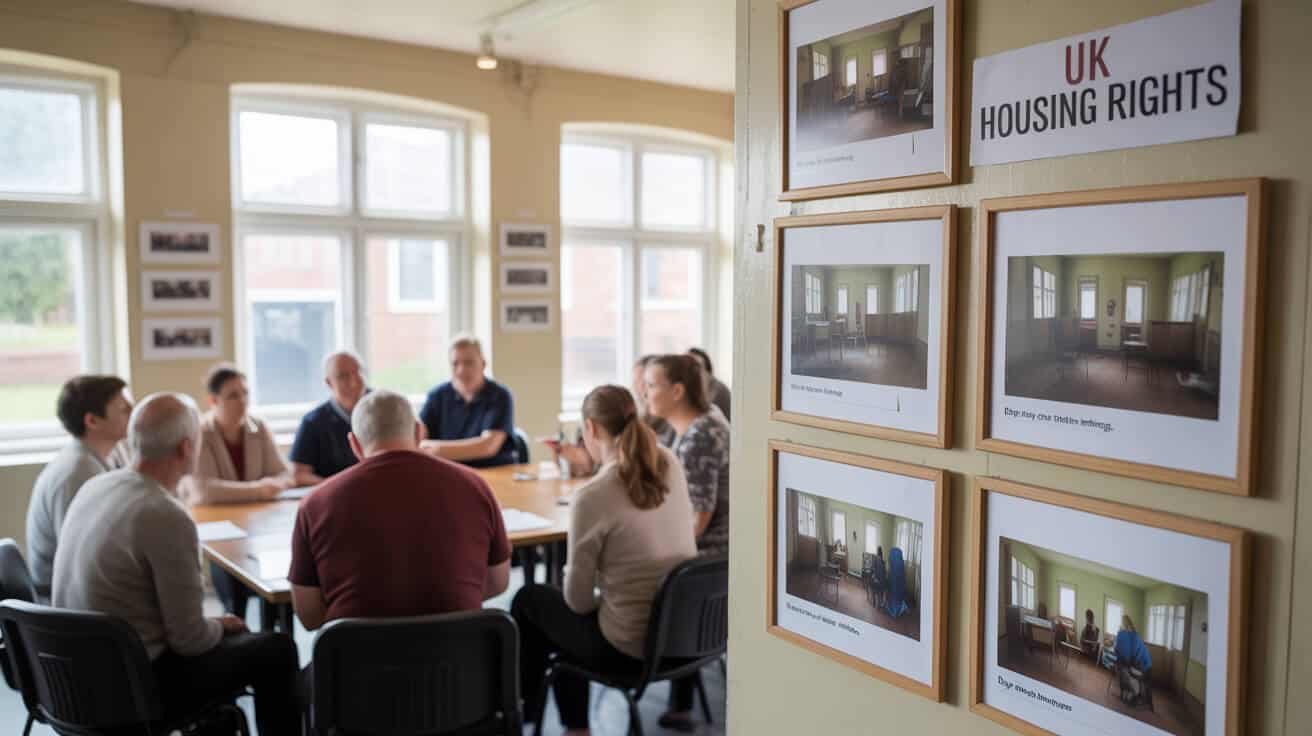
Sector‑Specific PPM for Residential Blocks
![[ALTTOKEN]](https://allservices4u.co.uk/app/uploads/2026/01/02-PPM-Services-by-Building-Type-UK-Sector-Specific-Compliance-Schedules.jpg)
Sector‑specific PPM for residential blocks means aligning your maintenance calendar with landlord duties in the common parts and, where relevant, higher‑risk building safety requirements, so you can show residents, RTM directors, insurers, lenders and tribunals that you are managing risk in a structured, transparent way. Instead of a generic annual “service contract”, you create a block‑specific schedule that covers life safety, key services and fabric at sensible frequencies, with a clear split between landlord and leaseholder responsibilities, and this becomes even more important in settings such as sheltered housing PPM. For RTM/RMC boards, managing agents and freeholders, this means moving from “we think it is serviced” to a clear, building‑by‑building plan you can explain. If your last contractor handed over a generic “annual service” and left you to defend FRA actions, claims or service‑charge challenges alone, this is where you change that storey. The plan should cover fire precautions, lifts, gas and electrical systems, water hygiene, roofs and fabric, and be adjusted for height, complexity and vulnerability. Service‑charge budgeting and resident communication then build on evidence rather than guesswork.
What a good PPM calendar looks like for a block of flats
A good PPM calendar for a block of flats turns landlord duties in the common parts into a visible plan: you can show RTM directors, leaseholders, residents and lenders exactly which systems are being checked, how often and by whom, and how that links to safety, service charges and long‑term asset value.
For a typical block, the heart of the calendar is the common parts. This usually includes regular testing and servicing of fire detection or warning systems where fitted, monthly or periodic checks of emergency lighting, inspection and maintenance of fire doors and escape routes, and routine servicing and statutory examination of passenger lifts. Gas plant serving multiple dwellings needs proper annual safety checks and servicing by registered engineers. The landlord’s electrical installation in stairwells, risers and plant rooms needs periodic inspection and testing at intervals set by risk and standard practice.
In practice, a residential PPM calendar often covers:
- Life safety: – fire alarms, emergency lighting, fire doors and escape routes.
- Services: – communal gas plant, landlord electrics and water systems.
- Fabric: – roofs, gutters, drainage, external elements and common areas.
Together, these clusters give you a simple framework for reviewing whether your current plan is complete. Water systems then need their own programme: a suitable and sufficient legionella risk assessment, regular temperature monitoring, flushing of little‑used outlets, and periodic inspection of tanks and calorifiers. Roofs, gutters and drainage should be inspected at sensible intervals and after major storms. All of these can be plotted on an annual calendar, with multi‑year items noted well in advance so service‑charge budgeting keeps pace with reality. All Services 4U helps you turn a generic list of tasks into a month‑by‑month picture that suits each block’s risk profile.
How the Building Safety Act changes PPM for higher‑risk residential buildings
For higher‑risk residential buildings, the Building Safety Act makes your PPM regime part of a formal Safety Case, not just a housekeeping exercise. Accountable persons must be able to show how planned maintenance controls the specific fire and structural risks identified for each block and how records form part of the “golden thread” of information. Higher‑risk residential buildings – typically taller blocks above defined height or storey thresholds – now sit in a much stricter regime. Accountable persons must compile and maintain a safety case that shows how fire and structural risks are identified, controlled and monitored over time. Planned maintenance is a key part of that storey. It is no longer acceptable merely to have certificates on file; you must be able to show that the PPM regime is directly linked to the risks identified in your assessments.
In practice, that often means more frequent and intrusive inspection of fire doors, compartmentation, smoke control, risers and cladding interfaces. It may involve more structured routines for testing alarms, sprinklers, dry risers or other fire systems, as well as coordinated programmes linking inspections, remedial works and resident communication. Records must be accessible, current and connected to decisions. All Services 4U can work with your fire engineers and consultants to embed their recommendations into live, deliverable maintenance plans rather than one‑off reports.
Using PPM to manage residents, service charges and disputes
Using PPM to manage residents, service charges and disputes means turning your maintenance storey into something leaseholders and tenants can see and understand, so they are less likely to assume neglect or over‑charging and more likely to accept that essential work is justified.
Well‑designed residential PPM pays off in human terms. Residents experience fewer failures in lifts, lighting or heating, which means fewer complaints and emergency callouts. Communication improves when you can explain, in plain language, why certain checks are done, how often and at whose cost. When service‑charge demands are challenged, a clear audit trail of planned tasks, completed works and linked risks makes it easier to demonstrate that expenditure is reasonable and necessary.
Intrusive works are always sensitive. Programmes such as fire‑stopping surveys, door upgrades or riser inspections can cause disruption, noise and worry. Building these into your PPM calendar, with enough lead time to consult residents and schedule access, reduces friction. All Services 4U supports this by aligning high‑impact works with other visits where possible, and by providing clear summaries you can share with residents and directors so everyone understands what is happening and why. For landlords and RTM boards who have already faced complaints or tribunal challenges on service‑charge reasonableness, a clear, sector‑specific PPM calendar is often the difference between prolonged dispute and a quick resolution.
Sector‑Specific PPM for Offices and Commercial Workplaces
Sector‑specific PPM for offices and commercial workplaces, including mixed use PPM, extends the residential compliance spine into a busier plant room and more demanding working environment where uptime, comfort and energy performance sit alongside safety and statutory duties. Facilities and asset teams must combine life safety, comfort, productivity, ESG goals and insurer expectations into one integrated maintenance calendar rather than a stack of separate contracts that nobody fully owns or understands.
In this setting, the core duties around fire, gas, electrical and water remain, but you also need to think about heating, ventilation and cooling systems, small power and data, lifts, access control and, in many cases, building management systems. Tenants and staff notice temperature, air quality and lighting issues quickly, so your PPM has to support both safety and experience while giving asset managers and insurers confidence that plant is under control.
How office PPM differs from residential block maintenance
Office PPM differs from residential maintenance because building services are more complex, loads are higher during working hours, and staff and visitors expect comfort and uptime as well as safety. The estate team is judged on downtime, complaints, energy bills and inspection results, not just on whether certificates are on file.
In an office, staff and visitors are present mainly during the day, and building services are often more extensive and more heavily loaded than in a block of flats. Heating, ventilation and cooling systems must be kept in efficient, safe working order, both to meet health and safety expectations and to achieve energy targets. That can mean regular philtre changes, checks on airflow and refrigerant circuits, and periodic inspections of larger air‑conditioning systems by suitably qualified professionals.
Emergency lighting typically covers a wide range of spaces, including open‑plan floors, meeting rooms and back‑of‑house areas, and needs both short functional tests and periodic full‑duration tests. Electrical distribution boards, small power and lighting circuits need inspection and testing at intervals appropriate to the environment and load. Access control, CCTV and alarm systems require their own maintenance routines. All Services 4U helps you group these systems into sensible service visits so you are not constantly breaking into operations while still meeting safety and compliance expectations.
Factoring occupancy, agile working and sustainability into the calendar
Factoring occupancy, agile working and sustainability into the calendar means accepting that how people use the space changes over time and adjusting maintenance tasks so they remain proportionate and effective rather than blindly following an outdated template.
Modern workplaces are rarely static. Hot‑desking, hybrid working and re‑stack projects mean occupancy density changes, affecting how hard systems are worked and how risks evolve. A floor now used as a project space or call‑centre may impose different demands on electrical and cooling systems from the same floor used as cellular offices. Your PPM regime should be reviewed after major layout or use changes, not left untouched for a decade.
At the same time, many organisations now have energy and carbon targets, including commitments around energy performance certificates or net‑zero timelines. Maintenance tasks can support these goals: verifying that controls are correctly set, that sensors and actuators work as intended, that insulation is intact and that plant is running efficiently. All Services 4U can embed these optimisation tasks into your PPM programme so that energy performance is not treated as a separate, ad‑hoc project. When office layouts or use change – for example, after a refurbishment or major fit‑out – we can review and update your PPM schedule so new systems are fully documented and maintained from day one, supporting both asset managers and insurers.
Accreditations & Certifications







Sector‑Specific PPM for Retail and Public‑Facing Spaces
![[ALTTOKEN]](https://allservices4u.co.uk/app/uploads/2026/01/05-PPM-Services-by-Building-Type-UK-Sector-Specific-Compliance-Schedules.jpg)
Sector‑specific PPM for retail and public‑facing spaces must reflect higher footfall, varied opening hours and a different pattern of risk, where a single failure can hit safety, trading and brand reputation at the same time. In these buildings, your PPM has to keep customers, staff and the public safe while protecting trading hours and stock, which demands close coordination between estate, operations and brand teams.
Retail and leisure environments often combine landlord systems, tenant fit‑outs and brand standards, all under the scrutiny of insurers and auditors. Your maintenance plans therefore need to be clear about responsibilities and sensitive to how and when work is delivered, especially where public areas are involved.
Managing life‑safety, access and plant around trading hours
Managing life‑safety, access and plant around trading hours means planning inspections and tests so you stay within statutory intervals and insurer expectations without damaging sales, confusing customers or breaching brand standards.
Retail properties share the usual fire, electrical and water duties, but the way PPM is delivered needs to reflect trading patterns. Fixed‑wire testing, sprinkler inspections, smoke control checks and other intrusive tasks are difficult to perform during opening hours without causing disruption or concern. At the same time, statutory intervals and insurer expectations do not pause for peak season. The answer is careful planning: bundling tasks into well‑defined shutdown windows, agreeing night or early‑morning access, and ensuring that any temporary disabling of life‑safety systems is carefully controlled and logged.
Public areas require more visible, frequent attention, and in settings that overlap with public buildings PPM, floors, stairs, ramps and handrails need checking and maintenance to minimise slip and trip hazards. Doors, shutters and glazed fronts must open and close safely. Signs and escape routes need to remain clear and illuminated. In food retailers or hospitality, refrigeration plant, cold rooms and extraction systems must be maintained to protect both safety and stock. All Services 4U can work with your store operations and centre management teams to agree PPM routines that respect trading requirements while still delivering reliable compliance.
Coordinating landlords, tenants, brands and insurers
Coordinating landlords, tenants, brands and insurers is usually where retail PPM either works well or fails. Responsibilities are split between multiple parties; unless your PPM plans reflect that split, you end up with gaps, duplication and disputes when something goes wrong.
Retail estates often have complex responsibility splits: landlords own and maintain common parts and landlord plant; tenants maintain their demised areas; brands impose their own standards; insurers add conditions; managing agents coordinate. If PPM is designed in isolation by each party, gaps and overlaps emerge. One of the most valuable things you can do is map who is responsible for which systems and spaces, then ensure that each party’s PPM plan reflects that map.
This mapping should feed into your maintenance calendars and records. Third‑party inspections, brand audits and certification visits can be plugged into the same framework so they reinforce rather than duplicate effort. When an incident occurs – a customer fall, a fire, a refrigeration failure – your ability to demonstrate that each responsible party followed a clear, reasonable plan becomes critical. All Services 4U’s role is to bring coherence: we help you build and deliver PPM that is understood by landlords, tenants, brand teams and insurers, with evidence a claims handler or court can follow. If your estate is already under pressure from insurers or brand auditors, getting this coordination right can be the quickest way to restore confidence.
Sector‑Specific PPM for Education and Healthcare Estates
Sector‑specific PPM for education and healthcare estates blends core building‑services duties with additional expectations around safeguarding, infection control and vulnerable users. Heads of estates and compliance leads must translate sector guidance into practical calendars your teams and contractors can deliver safely in live teaching and clinical environments.
Schools, colleges, universities, hospitals, clinics and care homes are subject to the same basic law as other premises, but they are judged by additional standards and by inspectors whose primary focus is the safety and wellbeing of pupils, patients and other vulnerable people. That extra scrutiny must be reflected in how you design and evidence PPM.
Turning sector guidance into actionable PPM schedules
Turning sector guidance into actionable PPM schedules means starting from asset registers and risk assessments, then overlaying the education and healthcare documents that inspectors expect you to follow, so you end up with a calendar your estates and clinical or teaching staff recognise as both compliant and workable.
Education and healthcare guidance sets out clear expectations on estate management, but it does not always translate directly into a task list. Estates teams are expected to keep up to date with guidance on building condition, asbestos, fire safety, water hygiene, gas and electrical systems, ventilation, safeguarding and more. In healthcare, additional technical documents cover medical gases, specialist ventilation and critical power supplies. That can feel overwhelming without a way of turning principles into calendar entries.
A structured approach starts with asset registers and risk assessments and then overlays sector guidance. For example, all schools need a regime for fire detection, emergency lighting, heating, water hygiene and electrical testing; a hospital adds clinical plant, theatres and more extensive backup systems. PPM tasks might then be grouped by risk: life‑safety systems at the top, then clinical or teaching‑critical systems, then fabric and amenity. All Services 4U can support your in‑house estates team by developing schedules that reference the right sector documents but remain practical and deliverable on the ground.
Managing safeguarding, access and workforce impacts
Managing safeguarding, access and workforce impacts means accepting that you cannot just “send a contractor” into any area at any time. Your PPM must build in controls around vetting, supervision, infection control and disruption to care or teaching.
In live education and healthcare environments, you cannot simply send contractors anywhere at any time. Safeguarding rules, infection‑control measures, privacy and dignity concerns, and the need to keep core services running all shape how maintenance is planned and delivered. Intrusive works may need to be concentrated into evenings, weekends, holidays or carefully controlled shutdown windows. Supervision, vetting and induction of contractors matter as much as the technical content of the work.
Your PPM calendar should therefore include not just the what and when, but the how and under what controls. Clear communication with clinical and teaching staff is essential so they can plan around works and raise concerns early. Engagement with safety representatives and unions can avoid misunderstandings when tasks affect workloads or patient care. All Services 4U has experience working in sensitive settings and can help you design PPM that respects safeguarding and service requirements while still meeting statutory and sector expectations. This, in turn, helps you present a stronger, evidence‑based position to inspectors and boards.
Sector‑Specific PPM for Industrial and Logistics Assets
Sector‑specific PPM for industrial and logistics assets must integrate building compliance with production and distribution realities, so safety and throughput reinforce rather than undermine each other. Warehouses, factories and logistics hubs rely on a mix of property infrastructure and process plant; your PPM must keep people safe and assets reliable without constantly derailing shifts, lines and deliveries.
These environments often operate long hours with high material throughput, significant mechanical handling and, in some cases, hazardous materials or processes. That creates additional duties and expectations beyond the standard building-services spine, including hrb high rise considerations, and places a premium on planning maintenance windows carefully to satisfy both internal risk teams and external insurers.
Integrating building services, lifting equipment and process plant
Integrating building services, lifting equipment and process plant into one PPM plan means accepting that property and operations share responsibility. If you split them completely, critical assets fall between gaps and nobody can show a complete picture when something goes wrong.
Industrial environments bring additional duties on top of the standard building‑services spine. Lifting equipment such as cranes, hoists, forklifts and tail‑lifts require specific inspection and examination regimes. Racking and storage systems need regular inspection to prevent collapse or falling stock. Pressure systems, boilers and compressors must be examined and maintained to prevent dangerous failures. Machine guards, emergency stops and other safety devices need regular checking and prompt repair.
In many estates, these risks cluster around:
- Lifting and storage: – cranes, forklifts, racking, tail‑lifts and dock levellers.
- Pressurised systems: – boilers, air receivers, compressors and related controls.
- Machine safety: – guards, interlocks, emergency stops and local exhaust ventilation.
These elements should not sit in separate silos. Instead, they should be integrated into a single PPM plan that also covers fire precautions, emergency lighting, exit routes, water hygiene and electrical distribution. Responsibilities at the interface between property and process plant must be clearly defined, so no asset falls between estates and operations. All Services 4U can help you create this integrated view, working with your health and safety, engineering and operations teams to ensure that building‑related tasks support your wider process safety framework and recognised lifting and pressure system examination expectations.
Scheduling PPM around shifts, peaks and insurer expectations means planning realistic windows where critical inspections can happen safely without derailing production, and then using your evidence to support constructive discussions with insurers and risk engineers.
In many industrial and logistics settings, production or throughput is running almost continuously. Shutting down a line or a critical area for maintenance can be extremely costly. That pressure leads some organisations to defer inspections or servicing repeatedly, which gradually builds risk. A more sustainable approach is to plan maintenance windows aligned with campaign runs, shift handovers or seasonal lulls, and to design tasks so they can be completed safely within those windows.
Insurers and external risk engineers will often visit critical sites and may specify risk improvements or minimum inspection expectations. They will pay close attention to fire protection, explosion risks, dust and fume extraction, hot works controls, housekeeping and segregation of hazards. Being able to show a coherent PPM plan, records of completed tasks and a track record of acting on high‑risk findings can materially improve those discussions.
When PPM, operations and risk teams share one calendar, safety and productivity stop pulling in opposite directions.
If your next insurer survey is approaching, tightening these schedules and evidence now can make the difference between a straightforward renewal and a long list of expensive risk requirements that frustrate both asset managers and landlords.
Reliable Property Maintenance You Can Trust
From routine upkeep to urgent repairs, our certified team delivers dependable property maintenance services 24/7 across the UK. Fast response, skilled professionals, and fully insured support to keep your property running smoothly.

Book Your Free Consultation With All Services 4U Today
All Services 4U helps you design and run sector‑specific PPM that insurers, lenders, residents, boards and regulators recognise as robust, so you can replace generic, contractor‑led regimes with a clear, building‑type framework that actually reflects your risks. Booking a free consultation is a straightforward first step if you want to test how far your current approach would stand up under external scrutiny. A free consultation is the simplest way to see where your current regimes are strong, where obvious gaps exist, and how a building‑type approach could reduce risk, emergencies and cost without over‑servicing. Because the discussion is focused on your estate and evidence rather than on selling a particular contract, you retain control of how quickly you change and which providers you use.
What you can cover in your consultation
Your consultation is a focused conversation about your estate, your risks and your maintenance evidence, not a sales pitch, and in an hour or less you can usually surface the biggest opportunities to de‑risk your PPM and make it more defensible.
In a typical session, you will walk through your portfolio at a high level: what kinds of buildings you are responsible for, which systems cause the most concern, and which regulations or inspections are driving pressure. You can bring example schedules, certificates or reports; you do not need everything to be perfect. The aim is to identify patterns, not to audit you line‑by‑line. From there, All Services 4U will outline how a sector‑specific “compliance spine” could look for your estate, where your current approach is close to best practice, and where small changes would deliver the greatest risk reduction.
You will also discuss engagement options. Some organisations only want help designing or benchmarking PPM schedules and then continue to use their existing contractors. Others prefer a single multi‑trade delivery model where All Services 4U manages and delivers most or all PPM tasks. You remain in control of scope and pace. The consultation is not a commitment to place work; it is a chance to get a clear, independent view of your position.
What you take away and how to move forward
What you take away from the consultation is clarity: where you stand now, what needs attention before key renewal or inspection dates, and which steps are realistic in your context, whether you run a single block, a mixed portfolio or a national estate.
After the call, you can expect a short, plain‑English summary highlighting the main gaps or opportunities identified, grouped by building type. Where helpful, this can include illustrative calendars or matrices showing how tasks, frequencies and responsibilities could be structured. If you wish to proceed, All Services 4U can then help you prioritise actions into a realistic mobilisation plan, balancing statutory deadlines, operational constraints and budget.
If you are not ready for a full engagement, you can still use the consultation output to brief your internal teams, refine your own schedules or challenge existing suppliers more confidently. When you are ready to go further, All Services 4U will be familiar with your estate and able to move quickly.
If you would like compliant, sector‑specific PPM that stands up to residents, regulators, insurers and boards, now is a sensible time to act, especially if you have renewal, inspection or budget cycles on the horizon. If you are already dealing with a refused claim, a difficult Section 20 challenge or a Building Safety Act safety case, this is also a low‑risk way to test a different model without committing to a full retender. Book your free consultation with All Services 4U, bring one or two representative buildings to the table, and let us help you turn fragmented maintenance into a single, clear framework that works across your estate.
Frequently Asked Questions
Explore our FAQs to find answers to planned preventative maintenance questions you may have.
1. “How often should key PPM tasks really be carried out in UK residential blocks?”
Keep:
- The core answer sentence: it rightly insists on law/standards/OEM/risk rather than “what the last contractor did.”
- The weekly/monthly/annual/multi‑year breakdown – it’s clear, practical, and maps neatly to how RTM boards, property managers and compliance leads actually think about PPM.
- The self‑check question (“can you point to a law, standard…”) – that’s a strong belief inversion and moves the reader from habit to defendability.
- The matrix – excellent quick-scan view across fire/lifts/gas/electrics/water/roof.
Improve:
- Add one short, explicit nod to landlord/owner risk in the lead answer line. For example, swap:
…not ‘what the last contractor did.’
for
…not ‘what the last contractor did’ – because that’s not what insurers, lenders or tribunals will test.
- Drop the qualifier “For a typical block” in the sub‑answer and anchor it to persona:
For a typical RTM block or managed residential building…
- Consider adding one line that hints at financial upside, not just risk:
Once you lock this down for one block, you also stop paying for redundant tasks that no law, standard or risk assessment can justify.
2. “How do the Fire Safety Order and Building Safety Act actually shape your PPM, beyond buzzwords?”
Keep:
- The framing that those Acts define duties, not tick‑lists – that’s exactly how regulators and good legal counsel think.
- The bullet run‑through of FSO, BSA, Gas Safety, EICR/EAWR, L8 and HFHH/Awaab – this is tight and accurate for YMYL territory.
- The line “The calendar is your answer to what ‘reasonably practicable’ means” – very strong.
Improve:
- In the gas/electrical bullets, add a quiet hint at PRS/LTA/Section 11 to speak to landlords/owners explicitly:
For landlords and RTM companies, fixed installations and communal plant also sit under LTA s.11 and PRS duties, so ‘we didn’t schedule it’ isn’t a defence.
- In the BSA/HRB subsection, add one sentence that ties to lenders/valuers as well as BSR:
Safety Case quality now bleeds straight into mortgageability and valuation conversations; valuers and lenders increasingly want to see that your PPM isn’t just a generic M&E contract with ‘HRB’ written on the top.
- For the AP/BSM persona, sharpen the final paragraph slightly:
…you’ve got a repeatable model to apply across your HRB stack
add
…and a much cleaner storey if the Building Safety Regulator, an insurer or a coroner ever needs to read it.
3. “What’s the downside of keeping a single generic PPM regime across very different buildings?”
Keep:
- The opening “on paper…it quietly accumulates risk” – this lands well with board/NED/compliance personas.
- The four failure bullets (life safety, silos, imported intervals, weak evidence) – these mirror real insurer and FRA feedback.
- The “two contrasting buildings” self‑test – simple and actionable.
Improve:
- Call out one concrete YMYL consequence earlier – e.g. HFHH / damp / Awaab:
Under “life safety doesn’t scale with risk”, add a sibling sentence:
The same pattern shows up in damp and mould too – high‑risk residents and blocks being treated exactly like low‑risk stock, which now looks weak against HFHH, Awaab and the RSH Safety & Quality Standard.
- Insert a short, aspirational phrase aimed at landlords/asset managers:
Right‑sizing PPM is how you move from ‘we tried’ to ‘we can evidence that we did the right thing, at the right intensity, for this building.’
4. “How should PPM differ between offices, retail and industrial estates…?”
Keep:
- The trio breakdown (offices / retail & leisure / industrial & logistics) – this is clear, and the priority/outcome/planning lens is strong.
- The critique of discipline-led patterns (HVAC, lifts, fire each having their own idea of ‘good’) – that’s exactly what happens in practice.
- The “single cross‑sector PPM framework” bullets – this is your consultancy‑grade value prop.
Improve:
- Add one sentence directly hitting estate managers and FM consultants:
If you’re an estate manager or FM consultant trying to keep brokers, occupiers and boards aligned, that single framework becomes your common language – not five vendor calendars you’re forever trying to reconcile.
- In the last paragraph of this answer, explicitly bridge to frameworks/procurement:
…then formalise it into your specs and framework tenders
maybe extend with:
…so procurement stops buying isolated packages and starts buying against a PPM design you actually own.
5. “How can you stress‑test whether your current PPM regime would stand up to insurers, lenders and tribunals?”
Keep:
- The “assume a serious event has already happened” acid test – very strong mindset shift.
- The four reviewer themes (building‑specific, evidence completion, alignment, consistency) – that’s what adjusters and expert witnesses look for in practice.
- The suggested next step (pick one priority property and assemble 3–5 years of data) – pragmatic.
Improve:
- Bring landlords/owners into the opening question explicitly:
If you’re the landlord, AP, RTM chair or asset manager, would you be happy to hand over everything you have…?
- Under “alignment with law, standards and risk”, add a single line on finance personas:
Finance directors and service charge accountants also care here – this is what makes your spend defensible at tribunal or in front of an auditor, not just ‘approved at the time.’
- At the end, add a quiet “time pressure” hint:
Doing that work once now, before a claim or dispute, is almost always cheaper than trying to reconstruct the storey under legal or insurance time pressure later.
6. “What should you bring into a PPM and compliance consultation so it moves the needle…?”
Keep:
- The “bring reality, not a polished deck” line – good expectation setting.
- The prep list (1–3 buildings, real PPM view, key reports, evidence of pain, upcoming pressure) – that’s a great session brief for a BOFU consultation.
- The closing identity statement (“the person who runs property maintenance as a deliberate discipline”) – that’s the right ego hook.
Improve:
- In the building list, explicitly call out landlords/owners and insurers/lenders:
Add to the “problem child” bullet:
…especially if an insurer has raised concerns, a lender has queried valuation, or you’ve had repeated damp/fire complaints.
- In “evidence of pain”, add one line for lawyers/tribunal advisors:
If you’ve ever had legal advice querying your evidence trail, bring that too – it’s a shortcut to understanding where your storey feels thin.
- Soften the last sentence very slightly for persona variety:
…booking that consultation and putting a handful of real buildings under the microscope is the cleanest first step you can take
could be followed with:
Whether you’re a landlord, RTM board, HA compliance lead or FM, that’s the moment you stop hoping your PPM is ‘probably fine’ and start knowing where you stand.
Cross‑cutting tweaks
Across all FAQs, you’re already speaking well to:
- RTM / RMC chairs
- Property managers
- Compliance heads
- AP/BSMs
- Asset managers and finance
- Insurer/lender/legal
For dissatisfied landlords/owners specifically, you can lightly increase their presence without bloating:
- Add “landlords/owners” into 2–3 more first sentences or bullets (you mostly say “landlords, RTM boards, asset managers and FMs” already – this is close).
- Drop one short line somewhere about “replacing fragmented Tier‑2 contractors with a risk‑managed, evidence‑first partner” to align with the way they experience the problem.
You don’t need to rework structure or length; you’re at the polish/targeting stage.
- How sector-specific PPM regimes protect UK building portfolios
- PPM Services by Building Type in the UK
- The Cost of Getting Compliance Wrong
- Sector‑Specific PPM for Residential Blocks
- Sector‑Specific PPM for Offices and Commercial Workplaces
- Sector‑Specific PPM for Retail and Public‑Facing Spaces
- Sector‑Specific PPM for Education and Healthcare Estates
- Sector‑Specific PPM for Industrial and Logistics Assets
- Book Your Free Consultation With All Services 4U Today
- Frequently Asked Questions
- Related PPM Services
Related PPM Services
- Planned Preventive Maintenance
- Build To Rent BTR
- Care Homes Healthcare
- Education Schools Universities
- Heritage Listed
- Hospitality Hotels
- Higher Risk Buildings
- Industrial Warehouses
- Mixed Use
- Offices
- Public Buildings
- Residential Blocks
- Retail Properties
- Sheltered Housing
- Sheltered Retirement
- Social Housing
- Student Accommodation Pbsa
Case Studies


Related Articles

Your Guide To Identifying And Treating Minor Mould Outbreaks
Why Planned Preventative Maintenance (Ppm) Saves Money And Ensures Compliance