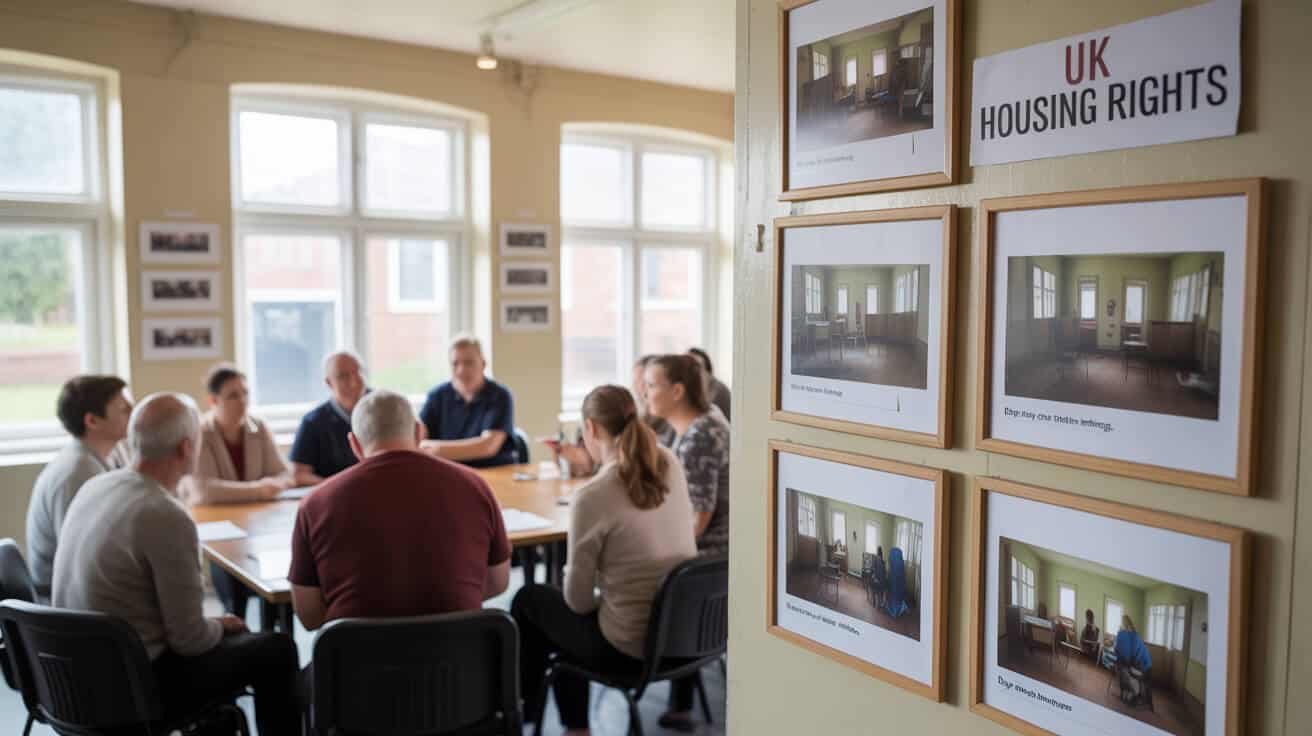
PPM Services for Care Homes UK – CQC Compliance, TMV3 & Vulnerable Residents
UK care home owners and managers need a PPM regime that protects vulnerable residents and stands up to CQC scrutiny. A structured calendar of safety-critical checks, servicing and records across fire, water, TMV3, lifting and clinical systems reduces risk and inspection pressure, depending on your building and residents’ needs. By the end, you have a mapped asset register, clear maintenance frequencies and an evidence trail that shows what was done, when and by whom, with duties linked back to relevant regulations. It’s a practical way to move from firefighting to calm, defensible compliance.


Author
Izzy Schulman

Structuring a CQC-ready PPM regime for UK care homes
For UK care homes, a loose collection of maintenance jobs is no longer enough. Vulnerable residents, stricter regulation and insurer expectations mean you need a planned, defensible PPM regime that shows how your building is kept Safe, Effective and Well-led.

Instead of reacting to leaks, alarms or boiler failures, a CQC-ready PPM service turns every safety-critical asset into a scheduled task with clear records. With the right structure, you gain visibility of risks, due dates and gaps so you can act early and face inspections with confidence.
- Protect residents who cannot recognise or escape danger
- Turn scattered maintenance tasks into one coherent, risk-based schedule
- Present calm, clear evidence during CQC inspections and serious reviews
Need Help Fast?
Locked out, leak at home, or electrical issue? All Services 4 U provides 24/7 UK locksmith, plumbing, electrical.
Testimonial & Clients Who Trust Us
With 5 Star Google Reviews, Trusted Trader, Trust Pilot endorsements, and 25+ years of experience, we set industry standards for excellence. From Dominoes to Mears Group, our expertise is trusted by diverse sectors, earning us long-term partnerships and glowing testimonials.
Worcester Boilers

Glow Worm Boilers

Valliant Boilers

Baxi Boilers

Ideal Boilers

What does a CQC‑ready PPM service look like for UK care homes?
A CQC‑ready planned preventative maintenance (PPM) service for a UK care home is a planned calendar of safety‑critical checks, servicing and records that keeps residents safe and inspections calm. Instead of reacting to failures, your team works to agreed frequencies for high‑risk systems and can show at any time what was done, when and by whom.
Safety is what residents feel day to day; compliance is how you prove you planned it that way.
A robust PPM regime is now one of the main ways you demonstrate that your premises are Safe, Effective and Well‑led. Rather than firefighting leaks, alarms and boiler breakdowns, you work to a predictable schedule for fire alarms, emergency lighting, boilers, TMV3 mixing valves, hoists, nurse call, water hygiene and other safety‑critical systems. Each visit is defined in advance, produces a safer environment and leaves behind the paperwork CQC expects.
The consequence of not having this structure is simple: higher risk of avoidable harm, tougher inspections, potential enforcement and much weaker footing if an insurer, coroner or serious incident review asks what you did to keep residents safe.
All Services 4U can structure and deliver this regime for you, so your team focuses on care while our services handle the technical detail, testing and documentation behind the scenes.
Why PPM matters more in care homes than in other settings
PPM matters more in care homes than in many other buildings because your residents may be unable to protect themselves, recognise danger or call for help. A blocked fire door, a failed TMV3 valve or a missed water hygiene check can harm someone who cannot move quickly, cannot understand warnings or cannot safely use taps or showers without support.
In practice, this means regulators and insurers judge care homes more strictly than ordinary housing or commercial property. CQC inspectors want to see that you systematically identify risks, plan how to control them and keep that control under review. A good building type PPM service supports this by mapping each asset and task back to specific regulations and guidance – for example the Fire Safety Order, water hygiene guidance and Building Regulations Part G for hot water – and then making sure there is an evidence trail every time work is done.
A documented PPM approach also improves your own governance. It gives you a live view of what is in date, what is coming due and where gaps might be appearing, so you can allocate budget and staff time before issues become serious instead of reacting when something has already gone wrong.
How PPM supports CQC’s “Safe, Effective, Well‑led” key questions
PPM supports CQC’s key questions because it shows you run your building in a planned, not reactive, way. “Safe” is about preventing avoidable harm; “Effective” is about using the right systems and equipment; “Well‑led” is about having robust oversight and learning from issues rather than repeating them.
When your PPM records show that alarms are tested weekly, emergency lighting is function‑tested monthly and duration‑tested annually, TMV3 valves are serviced and hot water temperatures checked, and hoists and lifts are inspected on schedule, you are providing direct, concrete evidence for these key questions. When the same records feed into internal reviews and action plans, you show CQC that you are learning and improving, not just ticking boxes.
During an inspection, being able to open a digital binder or folder and calmly walk an inspector through your PPM evidence gives you a major advantage. It shifts the conversation from isolated defects to how your whole system of maintenance protects vulnerable residents and supports a well‑run service, rather than relying on last‑minute explanations.
Which assets must your care home include in its PPM regime?
Your care home’s PPM regime must include every asset that could harm or significantly discomfort residents if it fails, not just boilers and alarms. That means covering fire safety, water systems, lifting and support equipment, electrical installations and all the fixtures that keep vulnerable people safe, comfortable and dignified.
If you only maintain the obvious “plant room” equipment, you leave big gaps in how you protect residents and staff. To design your regime, you start from a simple question: “What could hurt someone here if it failed?” In a care home that list is long. Fire systems, water systems, lifts, hoists, medical gases if used, nurse call, access control and even window restrictors all belong in your PPM model, each with its own schedule and test method.
A well‑structured provider such as All Services 4U can help you turn this risk‑based thinking into a clear asset register and PPM calendar for each care home, so nothing important falls between the cracks.
Core safety‑critical assets in a care home PPM schedule
The core safety‑critical assets in your care home PPM schedule usually fall into a few main groups. These systems are most tightly linked to immediate resident safety and legal duties, so they need firm frequencies and clear evidence every time they are checked or serviced.
You will normally expect to include:
- Fire safety systems: – fire detection and alarm, emergency lighting, fire doors, compartmentation, smoke control or automatic opening vents, extinguishers.
- Water and hot water systems: – boilers, calorifiers, water tanks, expansion vessels and distribution pipework in hot and cold systems.
- TMV3 mixing valves: – thermostatic mixing valves on resident baths, showers and basins in line with healthcare scald‑control guidance.
- Electrical safety: – fixed electrical installation (EICR), distribution boards, RCDs and portable appliance testing where appropriate.
- Lifting and transfer equipment: – passenger lifts, platform lifts, stairlifts, hoists, slings, stand aids and bath lifts within LOLER and PUWER duties.
- Clinical and support equipment: – bed rails, profiling beds, pressure care mattresses, nurse call systems and any oxygen or gas installations.
Each of these asset groups is directly connected to a known risk: fire, scalding, electrocution, falls, entrapment, or failure of essential care equipment. By capturing them all in one register with risk and frequency tags, you turn a scattered set of tasks into one coherent maintenance programme rather than a series of disconnected jobs.
Supporting assets that still matter for CQC and resident experience
Supporting assets are those that might not be life‑threatening if they fail immediately, but which still drive CQC judgments and resident experience. CQC will look not only at whether residents are safe but also whether they live in a comfortable, dignified environment and whether your service responds promptly when things go wrong.
Common examples include:
- Comfort and environment: – space heating, local room heating, general and night lighting, and mechanical or natural ventilation.
- Access and security: – automatic doors, door closers, access control, security systems, window restrictors and garden gates.
- Hygiene and domestic: – sanitary fittings, kitchen equipment, dishwashers, laundry machines, macerators and waste handling equipment.
For example, a failed window restrictor in a room used by someone with dementia or cognitive impairment can become a safeguarding issue; a broken automatic door may create an access barrier; repeated failures in laundry or kitchen equipment may raise concerns about infection control or food hygiene. Inspectors often look at how quickly you restore these services and whether that speed comes from a planned, well‑led approach or last‑minute reactive calls.
Including these items in your PPM regime with reasonable frequencies shows that you are not only meeting minimum safety standards but also actively supporting residents’ dignity, independence and comfort. If you want reassurance that nothing has been missed, a structured asset survey from a provider like All Services 4U can confirm that every asset is tagged with the right risk level and maintenance interval.
How should you manage TMV3 servicing and hot water safety for vulnerable residents?
![[ALTTOKEN]](https://allservices4u.co.uk/app/uploads/2026/01/02-PPM-Services-for-Care-Homes-UK-CQC-Compliance-TMV3-Vulnerable-Residents.png)
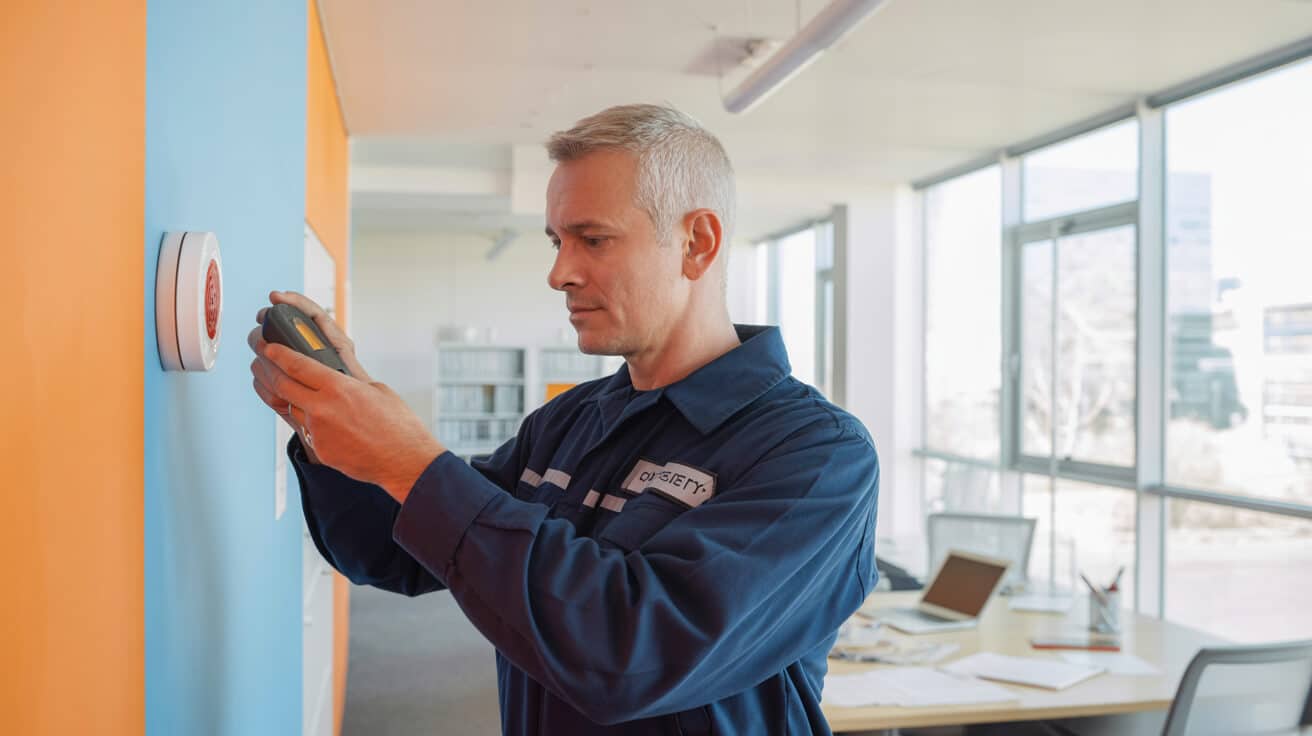
You manage TMV3 servicing and hot water safety in a care home by combining correct valve specification, regular inspection and testing, temperature monitoring and clear records that show how you control scald risk for vulnerable residents. TMV3 valves must be maintained in line with healthcare‑grade guidance and manufacturer instructions because many residents cannot safely manage hot taps themselves.
Hot water safety is one of the most sensitive areas in a care home, because residents often have thin or fragile skin, slower reaction times and reduced mobility. A short exposure to excessively hot water can cause serious burns, and residents may not be able to withdraw quickly or call for help. That is why healthcare guidance and Building Regulations Part G emphasise safe outlet temperatures and the use of thermostatic mixing valves meeting the TMV3 performance standard in high‑risk settings.
Your PPM regime should bring these elements together: choosing TMV3‑compliant valves for the right outlets, installing them correctly, inspecting them at set frequencies based on risk assessment and manufacturer guidance, testing both temperature and fail‑safe performance, and recording the results in a way that CQC and other regulators can easily understand.
What TMV3 valves do and where they must be used
TMV3 valves are thermostatic mixing valves tested and approved to a healthcare performance specification, designed to mix hot and cold water to a safe, stable temperature even when supply temperatures or pressures vary. They are specifically intended for high‑risk users such as elderly, disabled and young people, who may not react in time to prevent scalding.
In a UK care home, this usually means TMV3 valves are installed on bath, shower and basin outlets used by residents who receive support with personal care, or who may have limited ability to understand or respond to hot water. Many providers extend TMV3 protection to most or all resident bathrooms as a risk‑reduction measure. To stay aligned with guidance, you keep stored hot water temperatures high enough for legionella control and rely on the TMV3 valves to mix down to safe outlet temperatures at the point of use.
A good PPM contractor will help you map which outlets must be TMV3‑protected, which can be left as normal taps, and how this links to your water hygiene and risk assessments so that scald prevention and legionella control work together rather than against each other.
Frequencies, tests and records for TMV3 and hot water safety
TMV3 servicing and hot water safety checks are only effective if they happen often enough, are carried out competently and leave a clear trail of evidence. In a care setting, that usually means regular inspection and testing at intervals set by your risk assessment, manufacturer guidance and healthcare recommendations, with closer control for the most vulnerable residents or high‑risk outlets.
In practical terms you would normally:
Step 1 – Check outlet temperatures at agreed intervals
Measure and log the temperature at resident baths, showers and basins to confirm they sit within your safe temperature band. Note any readings outside limits and who took them, so trends and problem outlets are easy to spot.
Step 2 – Test fail‑safe performance of TMV3 valves
Periodically simulate cold‑supply failure to ensure the valve rapidly shuts down hot flow or limits temperature, and record response behaviour along with any adjustments or component changes made.
Step 3 – Strip, clean and recalibrate valves periodically
At longer intervals, strip and clean valves to remove scale or debris, replace cartridges or seals if needed and recalibrate set points so performance remains within specification across the full stroke of the valve.
Step 4 – Record findings and trigger remedials
For every visit capture the outlet or valve ID, temperatures, tests performed, parts replaced, engineer details and any follow‑up actions or re‑tests. Make sure your PPM system flags overdue checks or failed tests until they are resolved and signed off.
Digital PPM systems and structured evidence binders maintained by a partner such as All Services 4U can simplify this by showing, at the press of a button, which TMV3 valves were serviced when, what the results were and what you did when something fell out of tolerance. For a CQC inspector, that level of clarity is a strong indicator that you understand and manage scald risk in a systematic, resident‑focused way.
How does PPM link to CQC, health and safety law and Building Regulations?
PPM links to CQC, health and safety law and Building Regulations because it is how you show that your care home is safe “so far as is reasonably practicable”, controls known risks such as fire, legionella and scalding, and applies a building type PPM approach that follows technical standards set out in guidance and Approved Documents. Without planned maintenance and records, it is very difficult to prove compliance even if you are doing work reactively.
At a legal level, health and safety law expects you to identify hazards, assess risks and implement reasonably practicable controls. In a care home, those controls rely heavily on building systems: alarms, doors, hot water, ventilation, lifting equipment and similar infrastructure. CQC then builds on this by asking whether your premises are safe, whether you have appropriate equipment and whether you lead and manage risks well.
Building Regulations, especially Parts B (Fire), G (Sanitation and hot water), L (Energy) and M (Access), set technical standards for how premises should be designed and operated. PPM is where all of these strands come together in daily practice: the schedule and tasks that keep you aligned with law, regulation and guidance over the long term rather than for a single inspection.
The easiest time to prove you are in control is before anything has gone wrong.
How CQC uses PPM to judge “Safe, Effective and Well‑led”
CQC’s “Safe” key question has direct links to your PPM regime, because inspectors are looking for systematic control of risks such as fire, scalding, slips and trips, water hygiene and equipment failure. Well‑documented maintenance, inspection and testing cycles for alarms, fire doors, emergency lighting, water systems, TMV3 valves, hoists, lifts, nurse call systems and electrical installations show that you are addressing these risks in a structured way rather than reacting to incidents.
“Effective” and “Well‑led” are also influenced by maintenance. If equipment is frequently out of service, your delivery of care will suffer; if PPM tasks and remedials are not tracked and reviewed at leadership level, you will struggle to demonstrate strong governance. Inspectors often ask to see how issues from maintenance records feed into improvement plans, risk registers and board‑level reporting.
Many generic commercial FM providers treat care homes like offices, with minimal reference to CQC language or vulnerable residents. CQC will not. Aligning your PPM calendar and evidence folders to CQC’s key lines of enquiry lets you explain not just what has been done but how your approach to maintenance reflects a well‑run, learning service.
Legal and technical drivers: health and safety law, water hygiene and Building Regulations
Behind your PPM schedule sit several legal and technical frameworks that shape what must be done and how often. At a high level:
- Health and safety law: – sets a duty to manage risks “so far as is reasonably practicable” for employees, residents and visitors.
- Water hygiene guidance: – expects legionella risk assessments, temperature control, flushing and inspection regimes for hot and cold systems.
- Building Regulations: – Part G for hot water safety and scald control, Part B for fire precautions, Part M for access and Part L for energy and commissioning.
- Lifting and work equipment rules: – influence servicing and thorough examination of hoists, slings and lifts under LOLER and PUWER.
For each duty you can draw a simple line: Legal / technical requirement → PPM task → evidence item. For example:
- Fire safety duties lead to FRA actions, weekly alarm tests, monthly and annual emergency lighting tests and fire door inspections, with fire logbooks, certificates and door survey reports as evidence.
- Water hygiene duties lead to temperature logging, flushing, TMV3 servicing and any required sampling, backed by temperature logs, service sheets and corrective action records.
- Lifting‑equipment duties lead to scheduled maintenance and statutory thorough examinations of hoists and lifts, evidenced by reports of thorough examination and service records.
A care‑focused PPM provider such as All Services 4U works with these frameworks in mind when designing schedules and task sheets, so your maintenance programme is not just “what we usually do in commercial sites” but specifically calibrated for care home law and guidance. That makes it far easier to show regulators, insurers and courts that you met your duties in the way you operated your premises.
This information is general and does not constitute legal advice; for specific questions about your duties you should take advice from a qualified professional.
Accreditations & Certifications






What evidence and documentation do CQC inspectors expect to see?
![[ALTTOKEN]](https://allservices4u.co.uk/app/uploads/2026/01/05-PPM-Services-for-Care-Homes-UK-CQC-Compliance-TMV3-Vulnerable-Residents.jpg)
CQC inspectors expect to see clear, current evidence that your PPM regime is both planned and completed: certificates, test sheets, logs, asset registers, risk assessments and remedial records. They want to be able to trace quickly what was done, when it was done, who did it, what was found and how you responded if anything was unsafe.
Having “done” the maintenance is not enough if you cannot prove it. Inspectors will normally ask for water hygiene records, fire logbooks, gas safety certificates, electrical inspection reports, planned maintenance schedules, evidence of TMV3 servicing, lift and hoist inspection reports and any other documentation that relates to resident safety. They are also alert to gaps: missing months in a log, overdue certificates, unexplained defects that appear on multiple reports.
A well‑organised digital or physical binder that groups evidence by risk area – for example, Fire, Water, Gas, Electrical, Lifting Equipment and Premises – makes this process run smoothly. It also gives your own leaders confidence that nothing critical has been overlooked and that you are inspection‑ready at any time, not just when CQC calls. Using consistent formats across multiple homes makes multi‑site inspections and internal audits significantly easier to manage.
Core documents that should be ready for inspection
The core documents CQC and other regulators tend to focus on in care homes follow the same pattern: risk assessment → planned actions → evidence of completion → follow‑up where needed. It is helpful to think of them in a few groups:
- Fire safety: – current fire risk assessment, alarm and emergency lighting logbooks, servicing certificates, fire door surveys, compartmentation reports and records of remedial works.
- Water hygiene: – legionella risk assessments, temperature logs, flushing records, TMV3 servicing reports and any microbiological testing results you use.
- Gas and electrical: – gas safety certificates, boiler and plant service records, electrical installation condition reports and portable appliance testing where it is appropriate.
- Lifting and equipment: – lift and hoist inspection reports, thorough examinations, service records for pressure care equipment, bed rails and similar items.
Where issues were identified, you should be able to show work orders, completion notes and – ideally – before and after photos or readings. Having this all indexed by site and asset type keeps inspections focused on the strengths of your regime rather than on gaps in your filing.
Using digital PPM systems and binders to stay inspection‑ready
Digital PPM systems and evidence binders can transform how readily your care home can prove compliance. Instead of searching through multiple paper folders or email trails, you can philtre by site, asset type, date range or risk area and immediately see the status of tests and servicing.
For a CQC inspection, that means you can quickly answer questions like, “When were the TMV3 valves last serviced?” or “Show me your weekly fire alarm tests for the last three months,” without leaving gaps or appearing uncertain. For your own governance, it allows you to monitor overdue actions and upcoming renewals and address them before they turn into non‑compliance or premium increases at insurance renewal.
If your current maintenance records are fragmented or mostly paper‑based, a practical next step is to ask a PPM partner such as All Services 4U to help you structure and migrate them into a binder format that matches how regulators think: by risk, by asset and by date, not just by contractor or invoice. That way, when the next inspector or insurer calls, you can show a calm, complete picture of how your premises are maintained.
How do safe working practices protect residents during maintenance visits?
Safe working practices protect residents during maintenance visits by controlling who enters the care home, how they behave on site, how they manage tools and materials and how they respect residents’ dignity, privacy and infection control. In an occupied care setting, maintenance is not just a technical activity; it is also a safeguarding and care quality task linked to CQC’s Safe, Caring and Responsive questions.
Residents in care homes often have reduced mobility, cognitive impairment or health conditions that make them particularly vulnerable to disruption, noise, dust, infection risks and unfamiliar people in their personal space. Maintenance workers therefore need to follow procedures that go far beyond a normal commercial environment. These include DBS checks, induction to your safeguarding and infection control policies, rules about lone working and clear expectations around consent and communication with residents and staff.
When you build these requirements into your PPM contracts and contractor inductions, you show CQC that you understand how premises work affects day‑to‑day care, not just compliance, and that you will not accept “anyone with a van” turning up on site.
DBS checks, safeguarding and lone working controls
DBS checks, safeguarding awareness and lone working controls are essential when engineers step into residents’ living spaces. Maintenance staff and engineers who may enter bedrooms, bathrooms or therapy spaces should be appropriately DBS checked, and you should keep records of that vetting. Visitors must sign in and out, wear visible identification and understand that they may not photograph residents or share personal information.
Lone working controls are also important. If a maintenance worker needs to work in an occupied bedroom or bathroom, your policies should define when a member of care staff should be present, how consent is obtained and what to do if a resident becomes distressed. These procedures protect both residents and workers, and they reassure CQC that you are thinking about safeguarding in operational detail rather than assuming “the contractor will know what to do”.
Reputable PPM providers experienced with care homes, such as All Services 4U, tend to have these controls built into their own staff management, so your team does not have to design everything from scratch.
Infection control, consent and respecting residents’ dignity
Infection control and dignity are central to how residents experience maintenance. Engineers should understand hand hygiene, use of personal protective equipment where required, cleaning up after work and how to avoid creating cross‑contamination risks, especially when working on water systems, sanitary fittings or ventilation.
They also need to respect residents’ privacy: knocking before entering rooms, checking with staff before accessing bathrooms or bedrooms and being prepared to pause or reschedule work if a resident is unwell, distressed or receiving personal care. Where intrusive works are planned, clear communication with residents and families can help manage expectations and reduce anxiety.
A simple contrast can help staff understand expectations:
- Good practice: – engineer introduced by staff, explains work in plain English, covers floors, cleans up, thanks resident.
- Poor practice: – engineer enters unannounced, moves belongings without consent, leaves dust or tools in the room.
For CQC and for families, it makes a strong impression when your maintenance contractors behave as part of the care team rather than tradespeople passing through. Embedding these expectations into your PPM specification, induction packs and performance reviews is a practical way to align premises work with your overall care ethos and reduce complaints when engineers are on site.
How should you design and procure a PPM contract for your care home?
You design and procure a PPM contract for your care home by starting from your risk register and statutory duties, translating them into asset lists, tasks and frequencies, and then choosing a contractor who can both do the work and produce CQC‑ready evidence. The contract should make clear how TMV3, water hygiene and vulnerable resident safeguards are handled alongside fire, electrical and other core systems.
A strong PPM contract is not just a list of visits and prices. It is a shared understanding between you and your provider about what is maintained, how often, to which standards and how proof will be recorded and shared. That includes service levels for emergency call‑outs, expectations about DBS checks, site conduct, lone working, communication with your staff and how remedial works beyond the PPM schedule are handled.
Taking time to get this right reduces disputes later and gives you a framework you can show to CQC inspectors, insurers and family members when they ask how you keep the building safe, especially if they have seen incidents or weaknesses in other services that relied on generic, reactive contractors.
Key elements of a CQC‑aligned PPM specification
A CQC‑aligned PPM specification for a care home should list all relevant asset types, set frequencies based on law and risk, define the standards to follow and spell out evidence requirements. It should also embed safeguarding, infection control and resident dignity into how engineers operate on site.
In practical terms you will want to cover:
- Asset coverage and registers: – clear list of fire, water, electrical, lifting, TMV3 and supporting assets for each site.
- Frequencies and standards: – defined intervals mapped to legal, guidance or manufacturer requirements, with references to relevant standards where appropriate.
- Evidence and reporting: – agreed formats for logs, certificates, photos and dashboards and how often summary reports are provided.
- Safeguarding and conduct: – DBS checks, ID, lone working rules, infection control expectations, privacy and consent protocols.
- Escalation and remedials: – how immediate risks are flagged, how remedial quotes are handled and how re‑tests are recorded and confirmed safe.
When reviewing existing contracts, common failure modes include generic office‑style specifications, vague evidence requirements, no explicit mention of TMV3 or water hygiene and very little on safeguarding or resident dignity. Refreshing your specification to address these gaps can quickly lift both compliance and resident experience.
A provider such as All Services 4U can help you build this specification by mapping each line item back to legal, regulatory and technical drivers, so the contract is both practical and defensible under CQC, insurers and, if needed, tribunals.
Choosing between reactive maintenance and a documented PPM strategy
Some care homes try to rely mainly on reactive maintenance: waiting for things to break, then calling someone out. This approach might appear cheaper in the short term but often leads to higher risk, more disruption to residents, premium hikes and weaker CQC outcomes. It is also much harder to prove to inspectors or courts that you met your duties if you have no planned schedule or systematic records.
A documented PPM strategy, in contrast, shows that you have thought ahead about which systems can harm residents if they fail, how you will manage those risks and how you will check that controls are working. It reduces emergency call‑outs, supports better budgeting and gives you a clearer basis for discussions with insurers and regulators.
If you currently operate mainly reactively, a sensible first step is to commission a PPM design and gap analysis from a provider like All Services 4U. That can highlight the quickest wins – for example, formalising TMV3 servicing, water hygiene and fire logbooks – and create a roadmap towards a full PPM contract. By the time you are ready to go to market formally, you will know exactly what you need and can evaluate bidders against those specific, care‑focused requirements instead of accepting another generic FM proposal that treats your care home like an office.
Reliable Property Maintenance You Can Trust
From routine upkeep to urgent repairs, our certified team delivers dependable property maintenance services 24/7 across the UK. Fast response, skilled professionals, and fully insured support to keep your property running smoothly.

Book Your Free Consultation With All Services 4U Today
All Services 4U helps your care home move from reactive fixes and paperwork gaps to a calm, CQC‑ready PPM regime that protects vulnerable residents, satisfies inspectors and reassures families. A free consultation gives you a structured view of where you stand, which risks matter most and how a planned maintenance programme could reduce both safety concerns and day‑to‑day disruption.
During this conversation, you can walk through your current maintenance approach, asset list and inspection history with a specialist who understands both technical systems and care regulation. You will receive clear feedback on strengths and gaps, a practical outline of what a PPM schedule for your premises might look like – including TMV3, water hygiene, fire safety, lifting equipment and digital evidence binders – and a short gap‑map showing how your current arrangements compare with CQC expectations.
What happens in your free consultation
In your free consultation, you set the agenda and focus on the areas that concern you most. Typically, you will:
- Review your current asset lists, certificates and logbooks to identify obvious gaps.
- Discuss how your PPM regime maps to CQC expectations and specific risks like TMV3 and legionella.
- Explore practical options for moving from predominantly reactive maintenance to a more planned approach.
By the end, you will have a short, plain‑English summary of where your care home stands and what a proportionate, care‑focused PPM regime could look like, along with immediate priorities you can address.
When it makes sense to speak to All Services 4U
It makes sense to speak to All Services 4U when you are responsible for vulnerable residents and know that your premises maintenance could withstand more scrutiny. Common triggers include a recent or upcoming CQC inspection, insurer questions about your evidence, recurring damp, hot water or fire safety issues, or simply the feeling that your current contractors treat your home like a generic commercial site.
If you are a landlord, registered manager, compliance lead or building safety manager, this is an opportunity to take stock before the next inspection, incident or renewal forces change on less favourable terms. A short, focused conversation now can save you significant time, stress and cost later, while giving you and your residents more confidence that your building is being looked after as carefully as the people who live in it.
If you want your care home’s PPM, TMV3 control and safety evidence to be as strong as the care your team delivers every day, All Services 4U is ready to help you take the next step.
Frequently Asked Questions
Explore our FAQs to find answers to planned preventative maintenance questions you may have.
How does a planned maintenance regime in care homes reduce safeguarding risk for vulnerable residents?
A planned maintenance regime lowers safeguarding risk by eliminating predictable building failures before they can ever reach a resident.
How your building quietly creates (or removes) safeguarding incidents
Most serious incidents in a care setting have a long runway. They very rarely begin with a dramatic event; they usually start as small issues your current contractor shrugs off:
- A fire door that no longer latches cleanly.
- An alarm zone nobody’s actually tested to BS 5839 patterns for months.
- TMV3 valves installed “to spec” but never serviced.
- Water temperatures drifting into scald or Legionella‑friendly ranges.
- Hoists and passenger lifts sliding past LOLER dates.
If you run on a purely reactive model, your residents become the early‑warning system. A person living with dementia discovers a door won’t hold back smoke at the exact moment they need it. Someone with fragile skin learns a valve has drifted when the bath runs too hot.
Planned property maintenance flips that script. You design the regime around who can be harmed, not just what can fail:
- Fire detection and emergency lighting tested and logged to BS 5839/5266.
- Fire doors inspected, recorded and prioritised by compartment risk, not “had a quick look”.
- TMV3s and outlets checked on a schedule that reflects your scald and infection risk assessment.
- Water hygiene aligned to ACoP L8/HSG274 with clear control checks.
- LOLER for hoists and lifts tied to remedials, not just a certificate file.
The safest homes are usually the ones where nothing exciting ever happens in the plant room.
That’s what safeguarding looks like in premises terms: you deliberately remove opportunities for foreseeable harm instead of relying on frontline staff to spot every drift.
What regulators and safeguarding teams really read into your regime
CQC, safeguarding teams, insurers and ombudsmen don’t care about one nice job sheet; they care about patterns:
- Are fire, scald, fall and water‑related incidents falling or repeating?
- How fast do you move from fault identified → risk controlled → defect closed, with proof?
- Do your logs show foresight and escalation, or a scramble after something went wrong?
If your honest answer is, “We call someone when it breaks and assume they’re competent,” you’ve effectively handed your safeguarding storey to the cheapest Tier‑2 on your framework.
A partner like All Services 4U lets you reclaim that storey. You move from “we react when things fail” to “we run and evidence the safety systems that keep residents alive.” For a landlord, RTM board, care group or Accountable Person, that’s the difference between hoping the next inspection is gentle and being able to walk an inspector step‑by‑step through an active, evidenced regime.
If your care culture is strong but the building side still runs on luck and good intentions, treating planned maintenance as a safeguarding control — not a discretionary spend — is where you start looking like the adult in the room when something serious happens.
How often should TMV3 valves and hot water outlets be checked in a UK care home to keep residents safe?
TMV3 valves and hot water outlets should be checked frequently enough that unsafe water never reaches a resident before you’ve already caught and corrected it.
Turning “we do them regularly” into a defensible TMV3 plan
“Regularly” is not a control; it’s a guess. Regulators, insurers and coroners look for a regime that clearly reflects your population, your building and your risk assessment.
In practice, you usually split hot‑water control into two layers: the outlets residents actually touch, and the TMV3 valves controlling them.
Outlet checks – the part residents experience first
High‑risk outlets are any taps, showers or baths used by people who:
- Need help with personal care or transfers.
- Live with dementia or limited capacity.
- Have fragile skin, impaired circulation or reduced sensation.
For those points, monthly temperature checks are a sensible floor, not a ceiling. Each check should record:
- Outlet ID and precise location.
- Date, time and measured temperature.
- Your safe band for that outlet (e.g. 41–43°C at the bath).
- Immediate actions if out of range (adjustment or temporary removal from use).
If a bath runs high, that’s not something you park for “next time the PPM engineer is in the area.” Either it’s brought back into band and re‑tested there and then, or that outlet is clearly marked and taken out of service until it’s safe.
TMV3 servicing – the control you never want to guess at
Behind those outlets sit the TMV3 valves. They typically need a 6–12‑month service interval, set by:
- Your scald and Legionella risk assessments.
- Manufacturer instructions.
- The actual behaviour of each line (do these outlets drift or stay stable?).
A real TMV3 service should include:
- Fail‑safe testing (simulating cold feed failure).
- Cleaning and descaling strainers and cartridges.
- Fine adjustment back into your target temperature band.
- Cartridge replacement when performance starts to degrade.
- Recorded pre‑ and post‑service temperatures for each valve.
If your provider can’t produce clean, valve‑level and outlet‑level records on request, you don’t have a robust system; you have a nicely branded risk.
All Services 4U will normally start by mapping high‑risk outlets, agreeing realistic outlet and TMV3 intervals for your staffing model, and then building a digital record around that. That turns scald risk from “something you hope never makes the news” into something you can calmly demonstrate control over to families, CQC and insurers whenever you’re asked.
What should you ask when replacing a maintenance contractor that keeps letting your care home or portfolio down?
You should ask questions that expose whether a contractor can protect your residents, your evidence trail and your money, not just your boiler.
Why the usual “rates and response times” questions keep landing you in the same mess
Most landlords, RTM boards and operators stay on the surface:
- “What’s your hourly rate?”
- “What’s your call‑out charge?”
- “Are you local?”
On paper those questions feel sensible. In reality, they’re how you end up tied to Tier‑2 suppliers who look cheap in a spreadsheet and cost you heavily in claims, complaints and stress.
Instead, tilt the conversation into the things that will make or break you in front of insurers, regulators and families.
“Tell me about three times you prevented harm, not just repaired damage.”
You’re looking for proof of prevention, with detail:
- A drifting TMV picked up and corrected before anyone was scalded.
- A failed fire‑door closer spotted and fixed before the next drill.
- A roof defect identified at inspection before it soaked a ceiling.
Listen for specifics — dates, sites, follow‑up actions. Vague “we always go above and beyond” doesn’t protect you in a report or courtroom.
“Show me your evidence packs for CQC, insurers and lenders.”
Ask them to walk you through anonymised examples that include:
- FRA actions tracked from “identified” to “closed” by building.
- CP12, EICR, ACoP L8, LOLER, alarm and emergency lighting logs.
- TMV3 and outlet records with exception flags and closures.
- Roof, fire door and compartmentation surveys linked to remedials.
If what they bring is a few PDFs and illegible sheets, you’re signing up to keep explaining gaps on their behalf when something serious happens.
“How do your engineers actually behave inside a live care or residential environment?”
Dig past platitudes:
- Are all engineers DBS‑checked and re‑checked?
- What safeguarding, dementia, vulnerability and communication training do they have?
- How do they handle consent and boundaries when working in occupied rooms or with vulnerable residents?
If you look after vulnerable people or leaseholders, you can’t afford a contractor who still behaves like they’re in an empty shopping centre.
“If I’m in front of my board, residents, lender or insurer, how will you make me look?”
The right answer sounds like:
- “We’ll make you look like the person who took control of risk.”
- “We’ll hand you binders and dashboards you can show to anyone with confidence.”
- “We’ll reduce the number of times you need to apologise for other people’s gaps.”
When you speak with All Services 4U, that’s the starting point. Not “how low can we get your day rate?”, but “what would it look like if your maintenance storey consistently made you look like the safe pair of hands in the room?”
How can smaller landlords and care home owners benchmark their maintenance regime without a big corporate compliance team?
You can benchmark your regime by boiling complex regulation down into one simple “safety backbone”, then checking how your actual practice compares against it.
Build a one‑page “owner’s dashboard” before you buy software or hire consultants
You don’t need a legal department to know whether you’re exposed; you need a single view that answers three questions: what’s required, what’s happening, and what proof you have.
1. List the duties that genuinely apply to your buildings
For a typical UK residential or care setting, your backbone might include:
- Fire Safety Order 2005: – FRA, alarms, emergency lighting, fire doors, compartmentation.
- HFHH Act / Awaab’s Law: – damp and mould investigation, remedial works, re‑inspection.
- Gas Safety Regs: – annual CP12s for all gas appliances and flues.
- Electrical Safety Standards 2020 / BS 7671: – EICR cycles appropriate to use.
- ACoP L8 / HSG274: – Legionella risk assessment and control regime.
- CAR 2012: – asbestos surveys, registers and plans where relevant.
Next to each, create four yes/no fields: “schedule defined?”, “in date?”, “actions tracked?”, “evidence findable in five minutes?”.
2. Check what your current contractor actually delivers against that list
For each duty, ask yourself:
- Do I know who my named contractor is and when they’re next due?
- Could I produce the last report, certificate or log without chasing them?
- Can I see how defects raised translated into works and retests?
Anywhere you can’t answer “yes”, you hold a gap. Contractors might contribute to that gap, but regulators and insurers will put your name at the top.
3. Look at how peers are judged when things go wrong
A quick scan of public sources (CQC reports, Housing Ombudsman decisions, tribunal cases, insurer case studies) shows the same storey over and over:
- Owners who could show structured foresight, timely action and decent records rarely lost total control of the outcome.
- Owners who couldn’t, paid more — through claims refused, enforcement action, compensation or reputational damage.
All Services 4U often starts with exactly this exercise for smaller landlords and independent operators: turn law and guidance into a one‑page backbone, then overlay your real evidence. No blame, no jargon — just a clear picture of where you’re robust and where you’re relying on luck and goodwill.
From there, you can decide whether you want a light‑touch advisory relationship, a full PPM and compliance bundle, or simply a structured programme to remove the handful of red flags that keep you awake at night.
How do digital maintenance records and evidence binders actually protect you with insurers, lenders and regulators?
Digital maintenance records and structured binders protect you by turning your maintenance history into a coherent defence that outside bodies can test and trust.
Why “we’re sure it was done” collapses the moment serious scrutiny arrives
After a fire, scald, major leak or structural issue, the people asking questions are rarely your contractor. They’re usually:
- Insurers and loss adjusters.
- Lenders and valuers.
- Regulators, ombudsmen or coroners.
Their questions are brutally simple:
- “Where is the FRA, and what did you do about the actions?”
- “Show us test logs for the system that failed — alarms, EL, doors, lifts, valves.”
- “Show us CP12, EICR, Legionella and LOLER records covering the relevant period.”
- “Show us how you handled previous faults or complaints about this part of the building.”
If your response is, “We’ll check what our contractor has on file,” you’ve just signalled that you don’t own your duty; the supplier does.
A digital evidence binder, built around your sites and your obligations, lets you answer differently:
- Every FRA, EICR, CP12, Legionella RA, LOLER test, door survey and roof inspection indexed by site and date.
- Test logs tied to specific assets (plant, doors, outlets) and named engineers.
- Clear trails from first fault or complaint → interim control → permanent remedial → retest and closure.
Insurers and lenders don’t expect perfection. They expect to see that foreseeable risks were recognised and managed in a structured way.
If your history currently lives in a mixture of lever arch files, contractor portals where you’re just a guest user, and unsearchable email threads, All Services 4U can pull that into a digital binder format you control. That means the next time an adjuster or valuer asks hard questions, you’re not apologising for gaps — you’re sharing a link, opening a dashboard, and walking them through your record with confidence.
Why is shifting from reactive maintenance to a planned, evidence‑led regime so time‑sensitive for landlords and care operators?
It’s time‑sensitive because the environment around you — law, insurance and public expectation — has already moved, and reactive models are now being punished rather than indulged.
Why “we’ll sort it when it breaks” has quietly become a liability strategy
Over just a few years you’ve watched three things tighten at once:
- Law and regulation: – Building Safety Act and HRB regime, Awaab’s Law, RSH Safety & Quality Standard, more assertive HSE enforcement.
- Insurance: – tougher surveys, more conditions precedent, narrower wordings, more refusals for poor evidence.
- Public and resident scrutiny: – social media, local press and resident forums amplifying every failure.
In that context, “we had a contractor, but they didn’t do what they said” stops working as a defence. As landlord, RTM, RP or AP, you are the duty holder.
A planned, evidence‑led regime shifts you into a different category:
- You can show that you treated foreseeable hazards (fire, hot water, damp, structure) as live risks, not background noise.
- You gain leverage with suppliers because performance, logs and close‑outs are visible, not hidden in van notebooks.
- You approach renewals, refinancing and regulator engagements with data, not with apologies.
Waiting “until something goes wrong” is, in effect, waiting until you have to do all this under pressure, after the worst‑case scenario has already landed on your desk.
If you’re a landlord, RTM director, managing agent, asset manager or AP and you know that right now you couldn’t put a complete, coherent evidence pack in front of an insurer or regulator within an hour, the signal is clear: the window for easy change is closing.
All Services 4U is built to make that shift practical rather than overwhelming: design the PPM spine; deliver the key statutory and risk‑driven regimes (fire, gas, electrics, water, doors, roofs, access); and put it all into binders and dashboards that belong to you. That way, when the next inspection, renewal or claim arrives, you’re not hoping your contractor steps up — you’re already in a position to show you took ownership of the building from day one.
- Structuring a CQC-ready PPM regime for UK care homes
- What does a CQC‑ready PPM service look like for UK care homes?
- Which assets must your care home include in its PPM regime?
- How should you manage TMV3 servicing and hot water safety for vulnerable residents?
- How does PPM link to CQC, health and safety law and Building Regulations?
- What evidence and documentation do CQC inspectors expect to see?
- How do safe working practices protect residents during maintenance visits?
- How should you design and procure a PPM contract for your care home?
- Book Your Free Consultation With All Services 4U Today
- Frequently Asked Questions
Case Studies


Related Articles

Your Guide To Identifying And Treating Minor Mould Outbreaks
Why Planned Preventative Maintenance (Ppm) Saves Money And Ensures Compliance