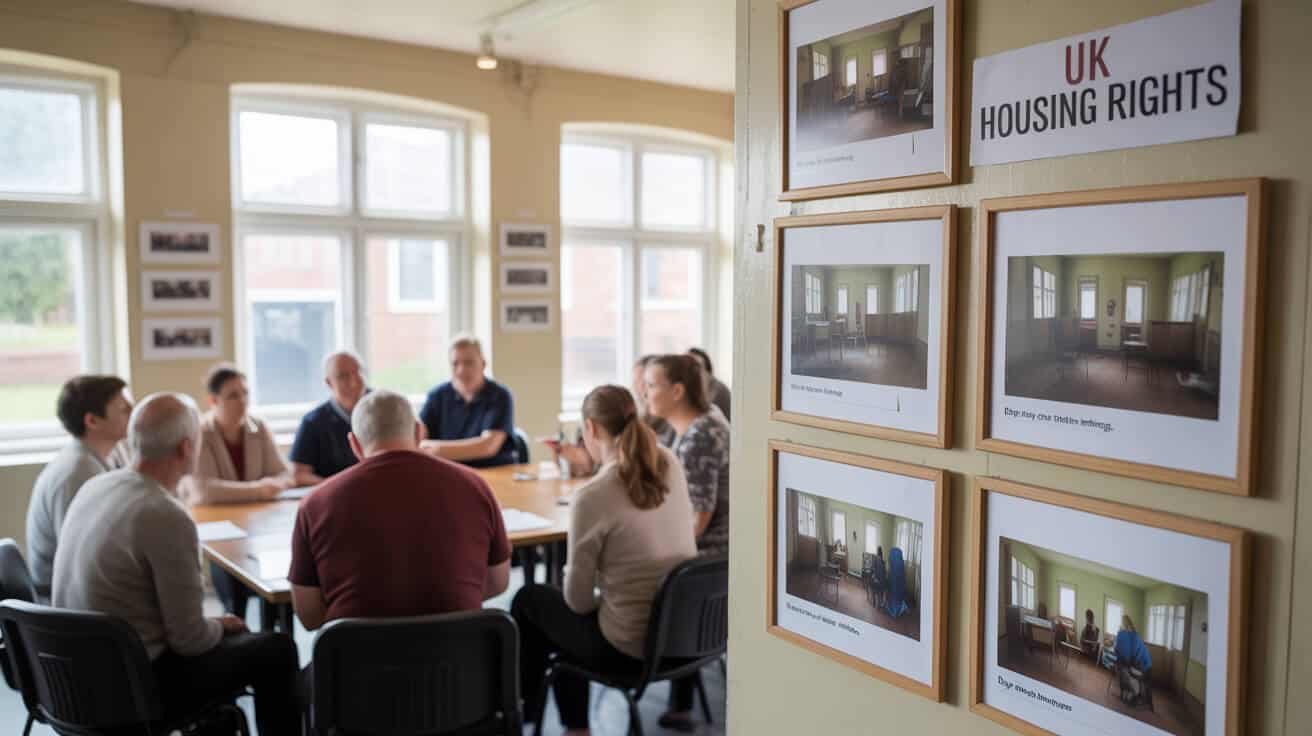
PPM Services for Education Facilities UK – Schools, Universities & Safe Learning Environments
Estates leaders, business managers and headteachers in UK schools, colleges and universities need PPM services that keep buildings safe, warm and compliant without constant firefighting. A structured, risk‑based maintenance programme turns statutory checks, servicing and minor repairs into a live schedule aligned to the academic year, depending on constraints. You end up with clear asset registers, agreed inspection frequencies and evidence that stands up to governors, Ofsted, insurers and regulators. A short discussion can confirm whether a planned programme is the right way to regain control of premises risk.


Author
Izzy Schulman

Why UK education estates need structured PPM programmes
For UK schools, colleges and universities, relying on ad hoc repairs quickly turns into cold classrooms, failed drills and awkward questions from governors or inspectors. Planned preventive maintenance gives estates and leadership teams a way to manage critical systems deliberately instead of hoping they keep working.

By mapping assets, setting risk‑based inspection frequencies and sequencing works around term dates, a good building type PPM programme reduces disruption and strengthens compliance. Working with a delivery partner such as All Services 4U helps convert legal and policy duties into practical schedules, clear records and a more defensible approach to premises risk.
- Reduce unplanned failures that disrupt teaching and exams
- Strengthen evidence for governors, Ofsted, HSE and insurers
- Spread maintenance spend more predictably across the academic year
Need Help Fast?
Locked out, leak at home, or electrical issue? All Services 4 U provides 24/7 UK locksmith, plumbing, electrical.
Testimonial & Clients Who Trust Us
With 5 Star Google Reviews, Trusted Trader, Trust Pilot endorsements, and 25+ years of experience, we set industry standards for excellence. From Dominoes to Mears Group, our expertise is trusted by diverse sectors, earning us long-term partnerships and glowing testimonials.
Worcester Boilers

Glow Worm Boilers

Valliant Boilers

Baxi Boilers

Ideal Boilers

PPM Services for Safe, Compliant Schools, Colleges and Universities
Planned preventive maintenance in education is a structured way of keeping buildings safe, warm and reliable by turning statutory checks, servicing and minor repairs into a planned programme instead of waiting for failures. Done well, it supports teaching, safeguarding, governance and education fire safety rather than distracting from them, and All Services 4U’s education PPM services help you move from reactive call‑outs to an agreed schedule of inspections, servicing and low‑level remedials that keeps critical systems working and compliance on track across single schools, multi‑academy trusts, college groups and complex university estates. Ultimately, planned preventive maintenance in education is about enabling lessons to happen without drama while giving leaders, business managers and estates teams a clear, defensible grip on premises risk.
Calm estates rarely make headlines; they just enable lessons to happen without drama.
This information is general and does not constitute legal advice; you still remain responsible for taking your own professional health and safety and legal advice where needed.
What planned preventive maintenance means in an education setting
In an education setting, planned preventive maintenance means knowing which assets you rely on, how often they should be checked and then following that timetable. Instead of hoping boilers, alarms and electrics keep going, you adopt a risk‑based schedule that reflects the academic year and your duties as an employer and duty‑holder.
In practice, that programme usually covers heating and hot water plant, ventilation and any comfort cooling, fire detection and alarms, emergency lighting, fixed electrical installations, water hygiene controls, lifts and hoists, security and access systems, playground and gym equipment, and basic building fabric. Each asset has an agreed frequency – weekly user tests, monthly checks, annual or multi‑year inspections – referenced to legislation, guidance and manufacturer recommendations so you can see what should happen when, who is responsible and how it is recorded.
How All Services 4U supports your leadership and estates teams
All Services 4U is set up to work alongside your leadership and estates teams as a practical delivery partner, not just a list of trade engineers. We help you turn legal and policy duties into an asset register and a building type PPM schedule, then provide competent, appropriately vetted engineers to carry out the work and document it in a way that stands up to scrutiny.
For a small school that may mean a simple annual plan and termly visits that complement your caretaker’s routine checks. For a trust or university, it can mean standardised programmes across multiple campuses, with local nuances around specialist spaces and usage and clear reporting for MAT COOs and estates directors. In all cases you gain clearer visibility of what is being done, when and why, plus inspection‑ready evidence for governors, Ofsted, HSE, insurers and fire authorities.
A short conversation with All Services 4U is often enough to test whether a planned programme would give your school, trust or estate a more controlled, defensible way of managing premises risk.
The Cost of Inaction: Safety, Disruption and Compliance Risk
Relying mainly on reactive repairs in a school, college or university almost always increases disruption, lifetime costs and compliance risk. It may look cheaper on paper, but when plant and systems are allowed to drift until they fail the impact is felt quickly in lost teaching time, anxious staff and difficult conversations with parents, governors or boards.
From a safety perspective, unplanned failures can easily tip into incidents or near misses: a fire alarm panel that develops a fault because it is never properly serviced, emergency lighting that fails during a drill, or water systems that are not monitored for temperature and stagnation. Even if no one is harmed, regulators will ask why basic maintenance was not kept up and why foreseeable risks were not managed more systematically.
Premises risk rarely explodes overnight; it seeps in through small, ignored gaps.
Hidden operational and financial costs of reactive-only maintenance
When you look across an academic year, the hidden costs of a purely reactive approach usually become obvious. Heating failures in winter force classes into temporary spaces or send pupils home, electrical faults interrupt ICT‑based lessons and exams, and roof leaks trigger repeated call‑outs as the same underlying issue continues unaddressed. Each incident absorbs leadership time and erodes confidence among staff, students and families.
Financially, emergency call‑outs and short‑notice remedial works are almost always more expensive than planned servicing and early intervention. Hire of temporary heaters, unplanned overtime, short‑term decants and accelerated replacement of neglected assets all add up. A risk‑based PPM programme will not remove every unplanned event, but it gives you a much better chance of spotting issues early and spreading spend in a controlled way instead of enduring repeated shocks in‑year.
How inspectors, governors and insurers view maintenance risk
External scrutiny rarely focuses only on whether a fault was fixed; it increasingly looks at how you manage premises risk overall. Inspectors and auditors expect to see a clear storey: risk assessments that identify building and plant hazards, a maintenance and inspection schedule that responds to those risks, and records showing checks, defects and remedial actions over time.
If your evidence is a stack of certificates from different contractors with no clear plan behind them, it is much harder to demonstrate that you are managing your duties “so far as reasonably practicable”. Without a structured programme, it is also harder to show insurers that you met policy conditions for education fire safety, gas, electrical systems or water hygiene. Investing in PPM with a partner such as All Services 4U is therefore not just about engineering; it is about being able to show that your organisation takes premises risk seriously and can evidence that when it matters.
What PPM Looks Like for UK Education Estates
![[ALTTOKEN]](https://allservices4u.co.uk/app/uploads/2026/01/02-PPM-Services-for-Education-Facilities-UK-Schools-Universities-Safe-Learning-Environments.jpg)
In UK education, a good PPM programme is a live, multi‑year plan that links every key asset to risk‑based inspections, servicing and minor repairs across the academic year. It starts by understanding what you own or manage, then layers in statutory checks, best‑practice servicing and low‑disruption remedials sequenced around term time so that teaching continues with minimal interruption.
For schools, colleges and universities, the core building blocks are remarkably similar, even if the volume and complexity of assets vary. The difference lies in how detailed the plan needs to be, how many stakeholders are involved and how it is governed across sites and over time.
Core systems covered in a typical education PPM programme
Most education estates group PPM scope into three broad families of systems.
- Mechanical and environmental plant – boilers, pumps, pressurisation units, flues, heat emitters, ventilation, any mechanical cooling and gas installations.
- Electrical and life‑safety systems – fixed wiring, emergency lighting, fire detection and alarms, smoke control, and often intruder alarms, access control and CCTV.
- Water, lifting and fabric – water‑hygiene controls, lifts and hoists, playground and gym equipment, roofs, gutters, doors, windows, floors, stairs, external lighting and grounds.
Keeping these families in view makes it easier to ensure nothing critical is left to chance. A robust PPM plan assigns appropriate inspection and servicing frequencies to each of these areas so you can see, at a glance, how safety‑critical systems are being managed.
From asset register to multi-year maintenance plan
The backbone of this programme is a live asset register and condition picture for each building or campus. You catalogue key plant and systems, record their age and condition, and link them to the statutory or best‑practice tasks they require. That in turn allows you to group tasks sensibly, align intrusive work with holiday periods, and model future lifecycle costs over three, five or more years.
All Services 4U can help you move from scattered records to this structured view. During a discovery phase we review existing documentation, survey key plant where needed and build a PPM matrix that shows what needs to be done weekly, monthly, termly, annually and at longer intervals. For a trust or university, that matrix can be standardised across sites, with room for local nuances, creating a single reference point for estates teams, business managers, COOs and governors when they discuss risk and budgets.
Once a clear picture exists, you can decide which elements to deliver in‑house and which to place under contract, with All Services 4U providing joined‑up support rather than a series of disconnected visits. If you want to sense‑check whether your current maintenance calendar covers these systems properly, we can review it with you in a short, no‑obligation call.
Different Needs for Primary, Secondary and University Campuses
The legal duty to provide safe, suitable premises applies across all phases, but the way you deliver PPM for a small primary school is naturally different from the way you approach a city‑centre secondary, an FE college or a university campus. Scale, complexity, patterns of use and risk profiles all change as you move through the sector, so the maintenance model should change with them.
At a simple level, you can think of the differences like this:
- Primary and special schools – compact sites, simpler plant, high safeguarding focus.
- Secondary, FE and universities – multi‑building estates, specialist spaces, longer and more intensive occupancy patterns.
Designing your PPM around these realities helps you avoid both over‑engineering and unsafe gaps.
Primary and special schools
Most primary and special schools operate from one main building and compact grounds, with a relatively straightforward mix of plant and spaces. The focus is often on keeping classrooms warm, roofs watertight, basic ventilation adequate, toilets and hygiene facilities reliable, and play areas safe. Many primaries rely heavily on a site manager or caretaker, supplemented by local authority or trust‑wide contracts for statutory checks such as boilers, fire alarms, emergency lighting, water hygiene and electrical testing, and a PPM plan here can be simple but still powerful: an annual calendar that maps out weekly user tests, monthly checks, termly playground inspections, and clustered visits in holidays for more intrusive servicing and any fabric repairs. For special schools or settings with higher levels of dependency and accessibility needs, the programme must also account for hoists, specialist equipment, additional fire‑safety precautions and more intensive water‑hygiene control, reflecting the vulnerability of the pupils in question.
Secondary, FE and university estates
Secondary schools, FE colleges and universities operate much more complex estates. They often have science laboratories, design and technology workshops, performance spaces, sports halls, catering kitchens, boarding or student residences, and high‑risk plant such as large boilers, chillers, air‑handling units and high‑level access systems. Occupancy patterns can be longer and denser, with evening use, weekend events and public access in some areas.
In these environments the PPM programme needs to account for specialist assets and controls: fume cupboards and local exhaust ventilation, stage lighting and rigging, large‑scale catering equipment, extensive security and access systems, and possibly high‑hazard research or clinical spaces. University and college groups also benefit from portfolio‑level planning, so that risks and investment needs can be compared across campuses. All Services 4U can support that by helping estates teams build standardised PPM frameworks that still allow for local variation where justified, and by providing reporting that allows boards, councils, MAT executives and trust leaders to see where attention is most needed.
By tailoring PPM to the reality of each phase, you get better protection and better value, without over‑ or under‑servicing any part of your estate.
Accreditations & Certifications






UK Statutory Compliance Built Into Your PPM Plan
![[ALTTOKEN]](https://allservices4u.co.uk/app/uploads/2026/01/03-PPM-Services-for-Education-Facilities-UK-Schools-Universities-Safe-Learning-Environments.jpg)
In UK education, statutory compliance in maintenance means turning legal duties into scheduled, evidenced checks rather than relying on a stack of ad‑hoc jobs and certificates. For education providers, including those managing Services for Education estates, a large part of PPM is about weaving those duties into everyday practice so that health and safety law, fire safety regimes, gas safety rules, electrical regulations, Legionella guidance, lifting‑equipment requirements and asbestos management are all addressed in a calm, predictable way, and the aim is not to memorise every regulation but to be confident that the right checks are planned, competent people are carrying them out, and records show what was done and when for each building and system.
Translating duties into scheduled checks
Common statutory and guidance‑driven duties translate into very practical maintenance tasks:
- Fire safety – regular alarm tests, emergency‑lighting checks, system servicing, fire‑door and escape‑route inspections, evacuation drills.
- Gas safety – safe installation, maintenance and periodic checks of appliances, pipework and flues by competent engineers.
- Electrical safety – periodic fixed‑wiring inspection and testing, verification of protective devices and, where needed, portable‑appliance checks.
- Water and lifting – Legionella regimes, temperature monitoring, flushing, tank and calorifier inspection, plus scheduled thorough examination of lifts and hoists.
Asbestos duties centre on identifying, recording and managing asbestos‑containing materials in place, with periodic re‑inspection and clear controls for works. All Services 4U can help you bring these obligations together into a single schedule, so that the right statutory inspections, tests and services are booked well before they fall due and evidence is captured in a consistent format.
What evidence good PPM generates for inspections and audits
When Ofsted inspectors, HSE officers, fire‑and‑rescue auditors, insurers, funding bodies or internal auditors look at your estate, they are not only interested in whether a check was done; they care about the system behind it. Good PPM produces logs that show planned dates, completed dates, findings, remedial actions and sign‑offs, grouped by system and by site. It also produces supporting documents such as certificates, engineer reports, test sheets, photographs and updated risk‑assessment actions.
With an integrated programme and digital reporting, you can quickly answer questions such as: when was the last thorough examination of this lift; have all high‑risk Legionella outlets been checked this month; what progress has been made on outstanding fire‑risk assessment actions; and are any EICR or gas‑safety certificates approaching expiry. All Services 4U can configure reporting so that estates teams see technical detail, while leaders, governors, trustees and MAT boards receive higher‑level summaries that support governance without dragging them into minutiae.
This kind of evidence does not guarantee positive outcomes, but it strongly signals that you are managing your duties thoughtfully and systematically.
Why All Services 4U is the Safer Alternative to DIY or Fragmented FM
Many education organisations find themselves somewhere between fully in-house maintenance and a patchwork of separate contractors for boilers, alarms, electrics, water, lifts and general repairs; each approach has strengths, but both can leave gaps in governance, continuity and documentation if they are not carefully managed, and an integrated PPM partner offers a third option: keep what works locally, but join it into a coherent, auditable system, including specialist areas such as Services for Education, that you can explain to governors, trustees, landlords and regulators, with All Services 4U designed to play that integrator role for schools, trusts, colleges and universities that want more control without building large estates teams of their own.
Three common maintenance models compared
Most education estates fall into one of three maintenance patterns, each with familiar strengths and weaknesses, and a partner such as All Services 4U focuses on the third model, helping you preserve what works while replacing ad‑hoc arrangements with a joined‑up, risk‑based programme you can describe simply in a board or inspection meeting, for example moving a London secondary that previously relied on separate fire, gas and electrical contractors to a single PPM calendar and evidence pack with fewer missed tests and calmer inspections.
- Fully in‑house: strong local knowledge and responsiveness, but high burden to maintain competence and oversight.
- Fragmented multi‑contractor: access to specialists, but complex coordination and inconsistent documentation.
- Integrated PPM partner: clearer programme and evidence, but needs set‑up and thoughtful scoping.
How All Services 4U works alongside your own people
Choosing a partner should not mean losing control of your estate. Our approach is to work with, not around, your existing teams so you keep local knowledge and oversight while gaining structure and specialist support. Site staff remain the eyes and ears of the estate, carrying out simple user checks and reporting issues; we support them with planned visits, specialist competence, DBS‑checked engineers where required and structured reporting.
We agree service scopes, response times and communication protocols up front, including safeguarding arrangements, term‑time sensitivities and exam timetables. Regular review meetings allow you to challenge performance, adjust programmes and discuss future investment needs. Because everything sits within an agreed framework, you are less reliant on individual relationships and more able to demonstrate to governors, trustees or councils that your maintenance and compliance arrangements are robust.
For many education clients, a first step is simply asking All Services 4U to review the current mix of in‑house and external arrangements and suggest a phased route towards a more integrated model that fits your governance and FM structures.
How Our PPM Programme, Pricing, Mobilisation and Digital Evidence Work
Once you decide to explore a structured PPM approach, the practical question is how to move from your current position to something more planned without overwhelming staff or budgets, and the most effective way is a phased, transparent process: understand where you are, design the right programme, mobilise it carefully, and keep it under review using clear digital evidence, with All Services 4U having refined this into a repeatable model that still leaves plenty of room for local nuance so you can start with one campus, one system or one trust and expand when you are comfortable.
Step one: discovery and PPM design
Discovery normally starts with a review of your existing asset information, statutory certificates, maintenance contracts and any condition or risk reports. Where necessary, we supplement this with targeted site surveys of key plant and systems. The aim is to build a realistic picture of what you have, how critical each asset is, and how it has been managed so far, rather than a theoretical document no one uses.
From there we design a PPM programme that sets out, in plain terms, which tasks must be done to meet statutory and guidance expectations, which actions are recommended to reduce risk or improve reliability, and which are discretionary improvements. Frequencies are aligned with risk and usage, and activities are mapped against term dates and holiday windows so that intrusive work is planned for lower‑occupancy periods wherever possible. Pricing is structured to distinguish core compliance from enhancements, giving business managers, COOs and finance directors clear levers when shaping scope and budgets.
Step two: mobilisation, digital reporting and ongoing review
Mobilisation is about turning that design into something that works on the ground without disrupting learning. That usually includes validating asset data, setting up or integrating with a digital maintenance platform, agreeing site access and safeguarding protocols, and piloting the programme on a small number of sites or systems. During this stage we keep communication tight with estates teams and leaders, smoothing out any issues with visit timing, reporting formats or responsibilities.
Once live, the digital side becomes central. Work orders, service reports, certificates and photos are stored in one organised place, giving you real‑time visibility of upcoming tasks, overdue items and recurring issues. Dashboards and regular reports can be tailored for different audiences, from technical staff to governors. Review meetings, timed around budget cycles and inspection windows, allow you to adjust the programme, extend it to more sites, or reshape it as your estate evolves. Throughout, All Services 4U remains accountable for delivering what was agreed and for helping you turn data into decisions rather than noise.
Because this approach is modular, you can start small – for example with life‑safety systems or a single campus – and expand once you have seen the benefits in reduced emergencies, clearer evidence and better conversations with stakeholders. If you work within an outsourced FM model, we can also focus initially on the sites or systems you directly control while coordinating with your existing provider.
Reliable Property Maintenance You Can Trust
From routine upkeep to urgent repairs, our certified team delivers dependable property maintenance services 24/7 across the UK. Fast response, skilled professionals, and fully insured support to keep your property running smoothly.

Book Your Free Consultation With All Services 4U Today
All Services 4U helps education organisations move from reactive maintenance and scattered paperwork to calm, planned programmes that keep estates safer, more compliant and easier to run. A free consultation is a low‑risk way to understand how that change could look for your school, trust, college, university or managed portfolio before you commit to anything.
In that session, we can review how you currently handle statutory checks and planned maintenance, what is working well and where there may be gaps, hidden risks or duplicated effort. We then outline, in plain English, how a risk‑based PPM approach might support your specific objectives – whether that is passing inspections with more confidence, reducing emergency call‑outs, smoothing costs, or supporting a wider estates, decarbonisation or ESG strategy. The consultation is free and without obligation, and you can start with a single representative site if you wish.
What you get from a free PPM consultation
A typical consultation results in a short, role‑friendly summary you can share with senior leaders, governors, boards or managing agents. That may include a high‑level asset and compliance map, an outline academic‑year maintenance calendar for one or more sites, and options for phasing any changes. We can tailor the emphasis to governance and assurance, operational detail or financial planning, depending on who you want in the room.
Because the session is exploratory, it is also a chance for you to test how we think and communicate. You can ask detailed questions about statutory regimes, coordination with your own staff or outsourced FM partner, digital tools, pricing structures and how we would handle specific constraints on your estate. Even if you decide to keep your current arrangements, the conversation should leave you clearer about your position and the choices ahead.
Simple next steps to get started
If you would like to explore this, the next step is straightforward. Choose one or two representative sites or systems, gather whatever records you already have for them, and agree who from your organisation should join the discussion. All Services 4U will then schedule a time that works around your term dates and leadership commitments so the conversation fits your reality, not the other way round.
If you remain mainly reactive today, the pattern is usually familiar: emergency failures at the worst possible moments, rising call‑out spend and anxious inspections. A brief, no‑obligation consultation is a simple way to test a different trajectory. If your aim is to give pupils and students safe, well‑run environments and to reassure regulators, governors, trustees and landlords that your estate is under control, All Services 4U is ready to help you build a planned maintenance programme that supports that.
Frequently Asked Questions
Explore our FAQs to find answers to planned preventative maintenance questions you may have.
How is education PPM different from just calling a contractor when something breaks?
Planned preventive maintenance (PPM) for education replaces constant disruption with a predictable, evidence‑led regime that protects safety, learning time and budgets.
Why does reactive-only maintenance keep letting you down?
If you’re honest about your last 12–18 months, you’ll recognise this pattern:
- Heating fails on the coldest morning of term, not in July.
- A leak appears above a classroom during a storm, not on a dry Saturday.
- A fire alarm fault triggers evacuations in exam week, not in half‑term.
Every one of those events:
- knocks teaching, residents or commercial tenants sideways;
- costs more because it’s urgent and unplanned;
- leaves you with a thin evidence trail if an inspector, insurer or tribunal asks “what exactly happened and when?”.
Reactive‑only maintenance is basically gambling with your estate. Sometimes you get lucky; more often, you burn time, money and goodwill.
A structured PPM programme changes the physics:
- Work is time‑boxed: – intrusive tasks are pushed into holidays and out‑of‑hours whenever possible; term time gets lighter checks, visual inspections and statutory tests that can’t move.
- Assets are mapped, not guessed: – boilers, panels, pumps, tanks, doors, lifts, labs, kitchens, roofs, play areas and HRB elements all sit on a live schedule instead of in someone’s head.
- Compliance is visible: – each visit creates logs, certificates and photos in one place, ready for heads of compliance, APs, boards, auditors and insurers.
- Costs stabilise: – emergency premiums reduce, visits are bundled, you can plan capex instead of watching it ambush the service‑charge budget.
For RTM chairs, managing agents and landlords, that’s governance, not just engineering. When someone asks “how do you know this building is safe?”, you’re not pointing at your favourite contractor; you’re opening a calendar and a binder.
All Services 4U normally starts by laying your academic year (or term structure) across the top of a simple grid and listing critical systems down the side: heating and hot water, fire safety, electrical, water hygiene, roofs and fabric, access and security, specialist spaces. From there, our engineers and coordinators absorb the complexity; your team retains local control and clear sight of who’s doing what, when and why.
If your current normal is “phones melt every time there’s a cold snap, heavy rain or a false alarm”, that’s your estate telling you it’s time to step off the reactive treadmill.
Which statutory and safety checks must always sit inside an education PPM plan?
You’re judged on whether your buildings are safe and whether you can prove it. A serious PPM plan pulls every statutory duty and strong‑guidance task into one live schedule instead of scattering them across emails, paper logs and people’s memories.
What UK checks are effectively non‑negotiable for schools, colleges and universities?
For most education, residential and mixed‑use estates you should expect, at minimum:
- Fire safety:
- A current fire risk assessment with a live action tracker.
- Weekly alarm tests and regular evacuation drills.
- Servicing of fire detection/alarm (BS 5839), emergency lighting (BS 5266), extinguishers, AOV/smoke control where installed.
- Fire‑door inspections and escape‑route checks, with defects logged and closed.
- Gas safety:
- Annual CP12 certificates on all relevant boilers and gas appliances.
- Combustion checks, flue integrity, ventilation, emergency isolation points verified.
- Electrical safety:
- Fixed‑wiring inspections (EICR) at suitable intervals (typically ≤5 years or risk‑based).
- RCD testing, DB torqueing, targeted portable appliance checks where risk justifies it.
- Water hygiene (Legionella):
- Up‑to‑date risk assessment and written scheme of control (ACoP L8 / HSG274).
- Sentinel temperatures, routine flushing, tank and calorifier inspections.
- Corrective actions, cleaning/descaling and sampling where risk calls for it.
- Lifts, hoists and platforms:
- Thorough examinations under LOLER every 6 or 12 months.
- Servicing and breakdown support between examinations.
- Asbestos (where present):
- Management and/or R&D surveys under CAR 2012.
- A live register and management plan.
- Re‑inspection regime and clear contractor controls (permits, briefings).
- Accessibility and physical safety:
- Routes, ramps, balustrades, handrails, glazing and signage checked against Parts M and K.
- Regular inspections of playgrounds, sports and gym equipment.
That’s before you layer on Building Safety Act and Golden Thread obligations for HRBs, or damp/mould duties under HFHH and Awaab’s Law.
The challenge isn’t that you don’t know this list. The challenge is that, right now, gas data may live on a spreadsheet, FRA actions in a PDF, EICR reports in a surveyor portal, water logs in a plant room folder. When the fire authority, RSH, BSR, an insurer or a tribunal asks “show me”, that fragmentation becomes financial and personal exposure.
All Services 4U maps each asset to its underlying duty, builds one combined calendar, and insists that visits generate standard outputs. That gives compliance officers, APs and finance directors something they can walk into a board meeting or inspection with and be believed.
How does a strong PPM regime change day‑to‑day safety, learning and reputation on your sites?
A robust PPM regime makes your estate feel boringly dependable. People don’t send thank‑you notes because boilers worked and roofs didn’t leak; they just get on with teaching, learning, living or working. That quietness is the win.
What tangible changes will staff, students, residents and stakeholders notice?
Over a year or two of consistent PPM, you can usually trace several shifts:
- Emergency incidents drop: – fewer heating failures on cold mornings, fewer roof leaks in heavy weather, fewer nuisance alarms, fewer last‑minute room closures.
- Conditions stabilise: – classrooms, lecture theatres, labs, kitchens, common rooms and corridors stay within sensible bands for temperature, light and air quality. People feel the space is “looked after”.
- Visible decay slows: – gutters don’t get to the “waterfall” stage, external lighting works, doors and windows close and latch correctly, paintwork and signage stay presentable.
- Specialist spaces feel credible: – labs, workshops, plant rooms, commercial kitchens and performance spaces look and operate like someone cares about them. Inspectors, insurers and valuers notice this immediately.
- Leadership time gets freed: – heads, bursars, RTM boards, asset managers and NEDs spend less time in emergency meetings and more time on strategy, curriculum, ESG and genuine resident engagement.
For resident services managers and call‑centre teams, this translates into fewer repeat complaints and a better storey when you do need to ask for patience. For maintenance coordinators, it means work queues become a mix of planned jobs and genuinely unpredictable events, rather than a constant diet of avoidable drama.
Externally, a steady state of “nothing embarrassing happens” is a powerful reputational asset. Regulators, parents, residents, corporate tenants and investors all read the condition of the fabric as a proxy for how the organisation is run. A well‑maintained, well‑documented estate says “we take duty of care seriously” far louder than any statement on your website.
If right now you feel one boiler failure, one damp case or one fire‑door storey away from negative press or an adverse inspection note, using PPM as a visible proof of seriousness is one of the few levers you fully control.
How does PPM make inspections, audits, claims and renewals easier to survive?
External scrutiny is painful when you’re trying to reconstruct history from inboxes, paper logs and people’s memories. A disciplined PPM regime means your evidence is already assembled, so an inspection or renewal is a walk‑through, not a forensic dig.
What storey do regulators, insurers and lenders actually want your evidence to tell?
The specifics vary, but they all look for the same simple storyline: you knew the risks, you acted, you can prove it.
Expect to be asked for:
- Education regulators and housing regulators:
- How your premises are kept safe and suitable for learners and residents.
- Concrete examples of works on fire safety, damp/mould, accessibility and hygiene.
- How complaints and concerns are logged and resolved, not just acknowledged.
- HSE, fire authorities, Building Safety Regulator:
- A current FRA with each action’s status, owner and target date.
- Records of weekly alarm tests, emergency‑lighting checks, evacuation drills, servicing visits and any impairments.
- CP12s, EICRs, L8 logs, LOLER reports, asbestos register and how contractors are briefed or controlled.
- For HRBs, Safety Case reports and Golden Thread artefacts mapping hazards, mitigations and monitoring.
- Insurers, lenders, auditors:
- Evidence that policy conditions and covenants are being met in practice.
- Up‑to‑date core reports (FRA, EICR, CP12, Legionella, roof/structure, damp/mould assessments).
- Incident dossiers with timeline, cause analysis, mitigation and proof of reinstatement.
Legal teams and tribunal representatives will ask for the same chain when defending Section 20 challenges, disrepair, HFHH actions or repudiated claims. Without a consistent PPM‑generated record, you’re arguing from memory and goodwill, not from facts.
When All Services 4U runs your PPM, those artefacts are generated and filed as part of the job, not as an optional extra. Fire‑alarm services, EICRs, CP12s, L8 rounds, door inspections and roof surveys arrive with standard formats, time/geo‑stamped photos and clear next steps.
That’s why brokers, insurers, lenders and auditors are typically more relaxed when they see us on your contractor list: they recognise the pattern of evidence and it shortens difficult conversations for everyone.
How should you scale and adapt PPM from a single school to a complex, multi‑site portfolio?
The duties are broadly consistent across building types; the failure mode is trying to run a tiny village primary, a city‑centre HRB and a multi‑campus college on the same template. You need consistent principles with flexible delivery.
What does sensible PPM look like at different scales and risk profiles?
A practical way to think about your portfolio:
Smaller sites – single schools, blocks, low‑risk stock
- Limited plant, modest heights, mostly straightforward layouts.
- Run a lean but complete regime:
- heating/hot water;
- fire alarm, emergency lighting, extinguishers, fire doors;
- basic electrical safety;
- water hygiene where risk is present;
- roofs/gutters, playgrounds and perimeter safety.
- Use tools that match capacity: a simple digital calendar, clear checklists, clean evidence folders.
This lets headteachers, small RTM boards, individual landlords and caretakers stay compliant without drowning in process.
Medium complexity – secondaries, FE colleges, larger estates
- Multiple blocks, larger plant, specialist spaces, lettings and events.
- Layer up:
- structured asset registers;
- more granular PPM task lists (LEV, gym kit, stage equipment, ICT hubs);
- tighter coordination with exams, lets and community use.
- CAFM becomes more important, but it still needs to be understandable to the people carrying phones and clipboards on site.
Here, All Services 4U typically standardises core regimes, then builds local overlays so each campus sees itself in the plan.
High complexity – universities, HA portfolios, trusts, mixed‑use with HRBs
- Many buildings, mixed regulation (education, housing, workplace), Golden Thread and Safety Cases in play.
- PPM is essentially a portfolio risk‑management system:
- common standards and naming conventions;
- strong data governance;
- clear risk dashboards by building, building type and legal framework.
- Local teams still need simple views (“what’s due this month, what’s overdue, what’s high risk?”); central teams need consolidated KPIs for boards, lenders and regulators.
We design frameworks so your portfolio can expand or reconfigure without needing to reinvent the PPM approach each time.
If you recognise yourself in “too much for a wall chart, not yet a mega‑estate”, that’s exactly where a structured but flexible partner like All Services 4U can take a weight off your internal team without turning everything into a bureaucratic machine.
How can All Services 4U help you move from reactive firefighting to a de‑risked PPM partnership without blowing up your operation?
If your estate has been run on “we’ll deal with it when it breaks” for years, it’s natural to assume a proper PPM shift will be expensive, disruptive and politically difficult. The move can be measured, staged and heavily de‑risked if it’s done with you, not to you.
What does a real‑world engagement with All Services 4U actually look like?
Most successful relationships follow three steps.
1. Baseline your reality and get honest about risk
We start with what’s real:
- Collect the latest FRA, EICR, CP12, L8 logs, LOLER certificates, asbestos reports, roof surveys, damp assessments.
- Walk one or two representative sites with you, your caretakers or FM team.
- Listen to where pressure is fiercest: term‑time failures, insurer letters, regulator visits, tenant complaints, tribunal fear.
From that we build:
- An asset and duty map: what you own, what law or standard touches it, where it sits in the building.
- A risk‑sorted list: what is urgent, what can phase over the next 12–24 months, what can sensibly wait.
- A draught PPM calendar aligned with term dates, lettings, access constraints and budget cycles.
You get a baseline you can share with boards, owners, lenders, auditors and regulators without flinching.
2. Run a contained pilot that proves value quickly
Instead of flipping your whole estate overnight, we agree a controlled pilot:
- Choose a small group of buildings and a limited discipline set (for example, fire + water hygiene, or all life‑safety systems on one flagship site).
- Agree safeguarding, access windows, communication rules and how we integrate with your CAFM or existing processes.
- Run the PPM regime for a defined period and track:
- emergency call‑outs and downtime before vs after;
- quality and usability of reports, logs, photos for both ops and governance;
- impact on residents, staff and students on the ground.
We fix the rough edges, stabilise what works and give you hard numbers, not just a feeling, to take into your next board or budget meeting.
3. Scale in line with your risk appetite, resources and politics
Once you’ve seen the pilot land, you choose the next move:
- Extend by site – another school cluster, more blocks, additional HRBs or student residences.
- Extend by discipline – add gas, electrical, roofs, fabric, soft FM, grounds.
- Extend by governance – add dashboards for boards and executives, insurer and lender dossier production, tribunal/ombudsman defence packs, Safety Case support.
For landlords and owners, that turns you into the person who can look insurers, lenders, residents and regulators in the eye with a real storey rather than a hope. For property managers, maintenance coordinators, resident liaison officers and FM teams, it replaces baked‑in chaos with a workload that still has surprises, but far fewer preventable ones.
If you can feel, viscerally, that one more winter of burst pipes, boiler failures, roof leaks and damp complaints will push everyone over the edge, the lowest‑friction move is a short diagnostic conversation. Bring a couple of buildings, your most recent reports and your biggest worries. We’ll map where you stand in hard terms and sketch what a staged PPM shift with All Services 4U could look like, so you can decide how much of that risk you want a partner to start carrying with you.
- Why UK education estates need structured PPM programmes
- PPM Services for Safe, Compliant Schools, Colleges and Universities
- The Cost of Inaction: Safety, Disruption and Compliance Risk
- What PPM Looks Like for UK Education Estates
- Different Needs for Primary, Secondary and University Campuses
- UK Statutory Compliance Built Into Your PPM Plan
- Why All Services 4U is the Safer Alternative to DIY or Fragmented FM
- How Our PPM Programme, Pricing, Mobilisation and Digital Evidence Work
- Book Your Free Consultation With All Services 4U Today
- Frequently Asked Questions
- Related PPM Services
Case Studies


Related Articles

Your Guide To Identifying And Treating Minor Mould Outbreaks
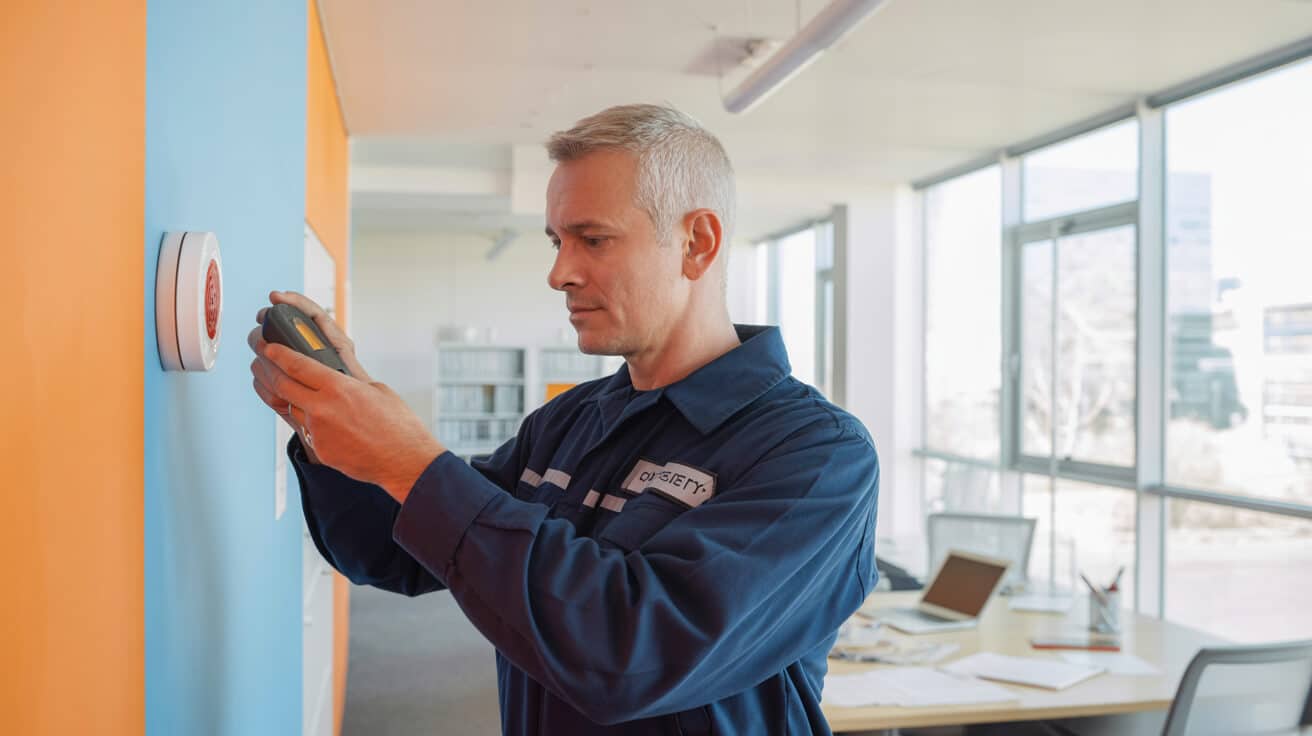
Why Planned Preventative Maintenance (Ppm) Saves Money And Ensures Compliance