Fire Safety PPM Services for Hospitality UK – Guest Safety & HMO Rules
Hospitality landlords, hotel operators and HMO owners need fire safety PPM that keeps guests safe and satisfies inspectors without constant firefighting. A structured timetable of checks, tests and servicing keeps alarms, lighting and fire doors working as designed, based on your situation and existing fire risk assessment. By the end, you have a clear pattern of daily, weekly and periodic tasks, evidence logs and contractor visits that stand up to insurers, councils and fire services. It’s a practical way to move from “we thought it was fine” to traceable control of fire safety.


Author
Izzy Schulman

How planned fire safety PPM protects UK guest accommodation
Hotels, B&Bs, guest houses and HMOs carry higher fire risk because people sleep, may not know the layout and rely on a few protected escape routes. If alarms, lighting or fire doors quietly drift out of order, guests, licences and insurance can all be exposed at once.

Fire safety PPM turns your legal duty and fire risk assessment into a repeatable routine of checks, tests and servicing that keeps precautions in efficient working order. Instead of reacting to complaints or inspectors, you follow a simple pattern that finds faults early and shows regulators you are managing fire safety deliberately.
- See how PPM fits around your fire risk assessment
- Understand typical daily, weekly and periodic fire safety checks
- Reduce reliance on memory with clear, traceable maintenance records
Need Help Fast?
Locked out, leak at home, or electrical issue? All Services 4 U provides 24/7 UK locksmith, plumbing, electrical.
Testimonial & Clients Who Trust Us
With 5 Star Google Reviews, Trusted Trader, Trust Pilot endorsements, and 25+ years of experience, we set industry standards for excellence. From Dominoes to Mears Group, our expertise is trusted by diverse sectors, earning us long-term partnerships and glowing testimonials.
Worcester Boilers

Glow Worm Boilers

Valliant Boilers

Baxi Boilers

Ideal Boilers

Fire safety PPM in hotels, B&Bs and HMOs: how it works day to day
Fire safety planned preventative maintenance (PPM) in hospitality is a structured timetable of checks, tests and servicing that keeps your alarms, lighting, doors and other fire precautions working as designed. Instead of waiting for alarms to fail, guests to complain or inspectors to appear, you schedule regular tasks, capture simple evidence and fix defects early so guests, residents, licences and insurance are not put at risk. That day‑to‑day discipline protects people, supports your legal duties as the responsible person and gives you something concrete to show insurers and regulators when they ask what you are doing about fire.
Simple, repeatable checks quietly prevent the kinds of fires that make headlines.
This page gives you a practical view of how fire safety PPM works in UK hospitality and HMOs. It is general information only, not legal advice or a substitute for a competent fire risk assessment for your specific building. Your legal duties sit with you as the “responsible person” (or Accountable Person for higher‑risk buildings); PPM is how you show you are taking those duties seriously in day‑to‑day operations.
What “planned” really means in a hospitality or HMO setting
In a hotel, guest house, hostel or HMO, “planned” means your fire checks follow a written pattern rather than whoever happens to be on shift or whichever engineer is free. You decide in advance what is checked, how often, by whom, and what evidence must be captured, then you run that pattern consistently and close issues before people are put at risk. That structure turns good intentions into a repeatable routine that stands up when someone asks how you are managing fire safety.
For a hotel, guest house, hostel or HMO, PPM is not an extra layer of theory; it is the practical side of your legal duty to keep fire precautions in “efficient working order”. In practice that usually means:
- Daily or regular visual checks of escape routes and fire alarm panels
- Weekly fire alarm tests using different manual call points over time
- Monthly emergency lighting and extinguisher visual checks
- Periodic servicing of alarms, lighting, extinguishers and other systems by a competent contractor
- Routine inspections of fire doors, self‑closers and escape route signage
All of this should follow from, and feed back into, your written fire risk assessment. That assessment identifies the hazards and people at risk in your building; your PPM regime is how you keep the chosen controls working month after month. When All Services 4U design a PPM plan with you, the starting point is usually your existing assessment and any enforcement or licencing conditions already on file.
Why sleeping accommodation is treated differently
Sleeping accommodation is treated differently because people are unconscious, may be unfamiliar with the layout and often have only one or two protected escape routes. That combination means failures in detection, warning or escape routes carry higher consequences than in many other workplaces. That is why hotels, B&Bs, guest houses, serviced apartments and HMOs are treated more strictly than many other workplaces and why local fire and housing teams pay close attention to their records.
For you, that usually translates into more frequent checks, tighter tolerances on what is acceptable, and less sympathy from regulators if something was known to be defective and not repaired. Councils and fire services expect a landlord or operator to be able to show, quickly and clearly, when a fire alarm, emergency lighting or fire door was last inspected, what was found and how it was put right. PPM gives you that traceable history instead of a verbal assurance that “it was fine last time we looked”.
How fire safety PPM fits with your fire risk assessment
Fire safety PPM fits with your fire risk assessment by turning its recommendations into specific, scheduled tasks that keep your chosen precautions working over time. The assessment sets the strategy for detection, warning and escape – where people might be harmed, what could start a fire, how it will be detected, how people will be warned, and how they will escape – and planned maintenance is the discipline that keeps that strategy real once the paperwork is filed and the building is busy again. Together, they form a complete picture of both design and operation.
A good fire risk assessor will recommend testing and servicing frequencies, but they will not stand in your plant room every week. That is your responsibility or your agent’s. When you can show that your PPM regime mirrors the assessment and that defects are logged and closed out, you are in a far stronger position with regulators, insurers and residents than a landlord relying on memory or scattered job sheets. All Services 4U’s approach is to align every scheduled task back to a specific risk assessment recommendation or legal duty so you can always answer the question “why is this being done?” with confidence.
Why reactive fire safety maintenance puts hospitality landlords and operators at risk
Reactive fire safety maintenance in hospitality and HMOs waits for alarms to beep, guests to complain or inspectors to arrive before anything happens, leaving you exposed at the very moment you most need certainty. A “call us when it breaks” approach to fire alarms, emergency lighting and fire doors assumes things are safe until they clearly are not, and it leaves you trying to defend a “we thought it was fine” position after an incident or enforcement visit. A planned PPM regime assumes components will fail over time, builds in checks to catch failures early and gives you a steady record showing systems were tested, faults were found and repairs were made in a reasonable time.
Relying on a purely reactive model often feels cheaper and simpler in the short term. In practice it shifts cost and risk into the future, where they are harder to control: breakdowns cluster at the worst possible times, inspectors arrive when fault lights have been ignored, and insurers or investigators ask uncomfortable questions about what was known and when. PPM does not prevent every failure, but it changes the pattern: issues are usually found in routine checks rather than in complaints or incidents, and you have a documented audit trail rather than fragments of memory and email.
Common failure modes with “call‑us‑when‑it‑breaks” fire safety
Common failure modes with a “call‑us‑when‑it‑breaks” model show up as recurring, small compromises that gradually become your new normal. Individually they may look minor, but together they weaken your escape routes, detection and warning strategy. When you pause and map the last year of breakdowns and complaints, you often see repeating patterns that reactive contractors simply patch over. Typical examples in hotels, B&Bs and HMOs include:
- Sounders or detectors disabled after nuisance alarms and never reinstated
- Emergency lights left on borrowed circuits or in test mode after visits
- Fire doors wedged open, closers removed or seals damaged with no follow‑up
- Plant room works isolating detection or suppression with no formal reinstatement
- Panel faults “cleared” by repeated resets instead of tracing the cause
None of these problems start out as a catastrophic failure. They begin as small, understandable compromises: a wedged door for staff convenience, a detector masked for a kitchen refit, a contractor running late and promising to return. Without a PPM schedule that deliberately re‑checks those items, these compromises harden into your new normal, and that is the version regulators and insurers will examine if something goes wrong.
The financial and reputational cost of poor fire safety maintenance
The financial and reputational cost of poor fire safety maintenance goes far beyond the invoice for a single call‑out or part. The immediate cost of a breakdown visit or a replacement component is visible on your ledger; the deeper costs of a weak maintenance regime are less obvious: higher premiums or special terms from insurers, nights lost to prohibition or restriction notices, and residents or guests sharing their experience publicly and making future lettings harder. Those secondary impacts are often far more expensive than a robust PPM programme would have been.
From a landlord or operator’s perspective, the real question is not “how much is a PPM contract?” but “what does it cost when you cannot prove systems were working?” Claims can be reduced or refused where there is no evidence of maintenance; licences can be reviewed or revoked where repeated defects appear in inspection reports; and boards will ask difficult questions when a preventable incident damages the brand. A structured PPM regime with All Services 4U does not remove risk, but it shows that you managed it in a reasonable, documented way.
Why hospitality and HMO operators are shifting to evidence‑led PPM
Hospitality and HMO operators are shifting to evidence‑led PPM because regulators, residents and insurers now expect systemic management rather than ad‑hoc fixes. Across the UK, responsible landlords and operators are moving away from ad‑hoc fire safety to evidence‑led PPM because oversight expectations have risen. Housing providers face new consumer standards; higher‑risk buildings require Safety Cases; and private landlords have already seen how damp and mould failures have changed the tone of enforcement. Fire is now viewed in the same way: systemic management, not one‑off fixes.
When you adopt PPM for fire safety, you are signalling that you understand this shift. You are also making life easier for your future self: when an inspector asks “show me your weekly tests for this alarm zone”, you can produce a clear log rather than searching email chains. If you want a low‑friction way to see where you stand, you can ask All Services 4U to review your current fire maintenance records and highlight the main gaps before enforcement or insurers do it for you.
What are your legal fire safety duties in hotels, B&Bs and HMOs?
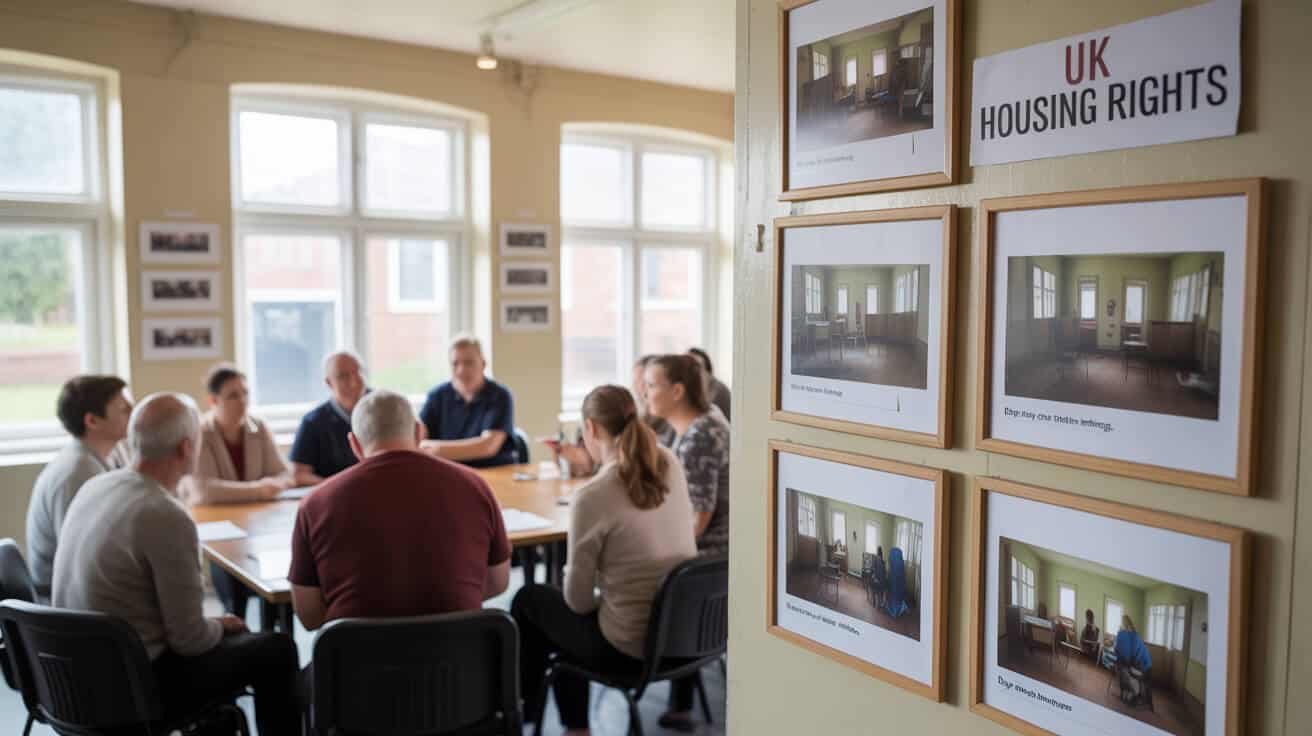
![[ALTTOKEN]](https://allservices4u.co.uk/app/uploads/2026/01/01-Fire-Safety-PPM-Services-for-Hospitality-UK-Guest-Safety-HMO-Rules.png)
Your legal fire safety duties in hotels, B&Bs and HMOs centre on assessing fire risk, putting suitable precautions in place and keeping them in efficient working order. In practice, if you provide paid sleeping accommodation in the UK you must complete and keep up to date a fire risk assessment, act on its findings, and keep alarms, lighting, doors and escape routes in efficient working order. Your core legal duty is to take reasonable steps to keep people safe from fire in your premises, and to keep your fire precautions in efficient working order and good repair. For hospitality and HMOs that usually means a mix of fire safety law, housing standards and licence conditions, all of which expect you to maintain precautions, not just instal them once. A competent fire risk assessor or specialist adviser should help you interpret how the rules apply to your particular building; your planned maintenance then shows that your fire precautions stay in line with that advice.
How fire safety law applies to hospitality and guest accommodation
Fire safety law applies to hospitality and guest accommodation by treating most paid sleeping premises as non‑domestic, with a responsible person who must manage risk and maintain precautions. If you provide sleeping accommodation to paying guests or residents, you are almost always treated as non‑domestic premises for fire safety purposes. That means you, as the employer, landlord, manager or owner, will be treated as the “responsible person” and expected to:
- Carry out and keep up to date a suitable and sufficient fire risk assessment
- Provide appropriate fire detection and warning systems, emergency lighting and means of escape
- Keep those precautions in efficient working order and good repair
- Keep records of significant findings and of maintenance, where required
Guest houses, B&Bs, small hotels and hostels are generally expected to meet at least the standards set out in recognised guides for sleeping accommodation, adjusted for size and layout. Where buildings are converted to HMOs or hostels, housing and fire authorities may agree additional requirements. Once you are running the business, PPM is how you show the systems you have chosen are not just installed but reliably maintained.
Extra duties for HMOs and higher‑risk residential buildings
Extra duties for HMOs and higher‑risk residential buildings arise from licencing and building safety regimes that sit alongside general fire law. Houses in multiple occupation (HMOs) attract additional duties under housing law and licencing schemes. Local authorities may specify fire alarm grades, emergency lighting standards, door requirements and inspection frequencies explicitly in licence conditions, and for higher‑risk residential buildings a named Accountable Person must prepare a Safety Case and maintain a “Golden Thread” of safety information. Those frameworks make your maintenance records a primary focus for inspectors.
In both cases, your maintenance regime is likely to be examined in detail. Inspectors will look for gaps between what the licence or Safety Case expects and what your logs show was done. They will also look for a clear link between issues found and actions taken. All Services 4U design fire PPM schedules that line up with your local HMO licence or HRB obligations so that your day‑to‑day activity and your formal duties stay aligned.
Why generic “service contracts” are not enough on their own
Generic “service contracts” are not enough on their own because annual or six‑monthly visits say little about what happens weekly or monthly between engineer attendances. Many owners assume that because they have a service contract for the fire alarm panel or a one‑page “emergency lighting service” sheet on a noticeboard, they have fulfilled their duties. In reality, regulators and insurers will often expect to see routine tests, clear fault handling and basic visual checks alongside formal services. Without those elements, gaps open up that can be hard to defend later.
They will also expect to see that faults recorded during annual services are actually resolved, not simply carried forward from one sheet to the next. A generic contract that sends an engineer once or twice a year without a clear plan for weekly and monthly checks can leave you exposed. By contrast, a properly structured PPM regime makes roles and frequencies explicit and is easier for staff to follow.
What does a compliant fire safety PPM schedule actually include?
A compliant fire safety PPM schedule for hospitality or HMOs includes a tailored set of daily, weekly, monthly and annual tasks that match your building, risk assessment and legal duties. It is a single, clear plan that sets out what needs checking, how often, by whom, and what records must be kept. The aim is to create a simple, sustainable plan that keeps critical fire precautions functioning and gives you a clear audit trail, following well‑understood patterns for alarms, lighting, doors, signage and equipment so nothing critical is left to chance.
When you ask All Services 4U to set up or refresh your fire safety PPM, we usually start by mapping your existing systems, risk assessment findings and any licence or enforcement notes. From there, we propose a schedule with practical daily, weekly, monthly and annual tasks that your team and our engineers can actually deliver in a busy hospitality or HMO environment.
Typical frequencies for key fire safety checks in hospitality and HMOs
Typical frequencies for key fire safety checks in hospitality and HMOs follow recognised patterns, adapted to your building and occupancy. Daily checks focus on obvious risks; weekly and monthly tests prove systems still operate; and annual services provide deeper assurance. The exact detail will depend on your systems and risk profile, but in practice most hospitality and HMO fire PPM regimes include:
- Daily: clear escape routes, final exit doors operable, alarm panel free of unknown faults
- Weekly: fire alarm test at one or more call points, recorded with zone and outcome
- Monthly: emergency lighting functional tests and extinguisher visual inspections
- Quarterly or six‑monthly: fire door inspections, including closers, seals and frames
- Annually: full servicing of alarms, emergency lighting, extinguishers and other fire systems
These checks are usually supported by simple checklists for on‑site staff and more detailed service sheets for engineers. The important point is not to chase a theoretical standard, but to adopt a regime that is robust, proportionate and sustainable for your particular operation.
Turning your schedule into usable task lists for staff and contractors
Turning your schedule into usable task lists for staff and contractors means translating high‑level duties into simple, practical actions that can be followed without guesswork. A schedule on its own does not keep anyone safe; people following it do. A good fire PPM plan therefore translates high‑level duties into simple, repeatable tasks that the right person can complete without ambiguity.
For example, a reception or duty manager can check that escape corridors are clear and the panel is fault‑free at the start of each shift. A nominated member of staff can carry out the weekly alarm test with a clear script and record sheet. Your maintenance team or our engineers can handle monthly and annual tests that need tools, metres or safe isolation.
All Services 4U can provide simple, property‑branded checklists for front‑line staff and digital or paper service sheets for engineering visits. We also help you decide where records will live so that, when asked, you can show a complete picture rather than scattered notebooks and emails.
Building in follow‑up and remedial work, not just routine tests
Building in follow‑up and remedial work means defining what happens when something fails a test, not just marking “fail” on a sheet. A frequent weakness in otherwise sensible schedules is the absence of clear rules for what happens when something fails a test. A compliant PPM regime does not just mark “fail” and move on; it triggers a follow‑up workflow: categorising the fault, setting a response time, and confirming completion with proof. That risk‑based response framework helps you classify faults, set response times and confirm completion with evidence. That approach is what turns PPM from a paper exercise into real risk reduction.
A non‑functional emergency light in a stair core might be treated as an urgent issue with a clear expectation for attendance and make‑safe measures. A damaged fire door closer might be flagged for prompt replacement, with a temporary control to prevent residents wedging the door open. All Services 4U build this risk‑based thinking into the PPM we deliver, so that findings lead naturally to action and sign‑off rather than being left on a list.
Accreditations & Certifications





How All Services 4U deliver fire safety PPM for hospitality and HMOs
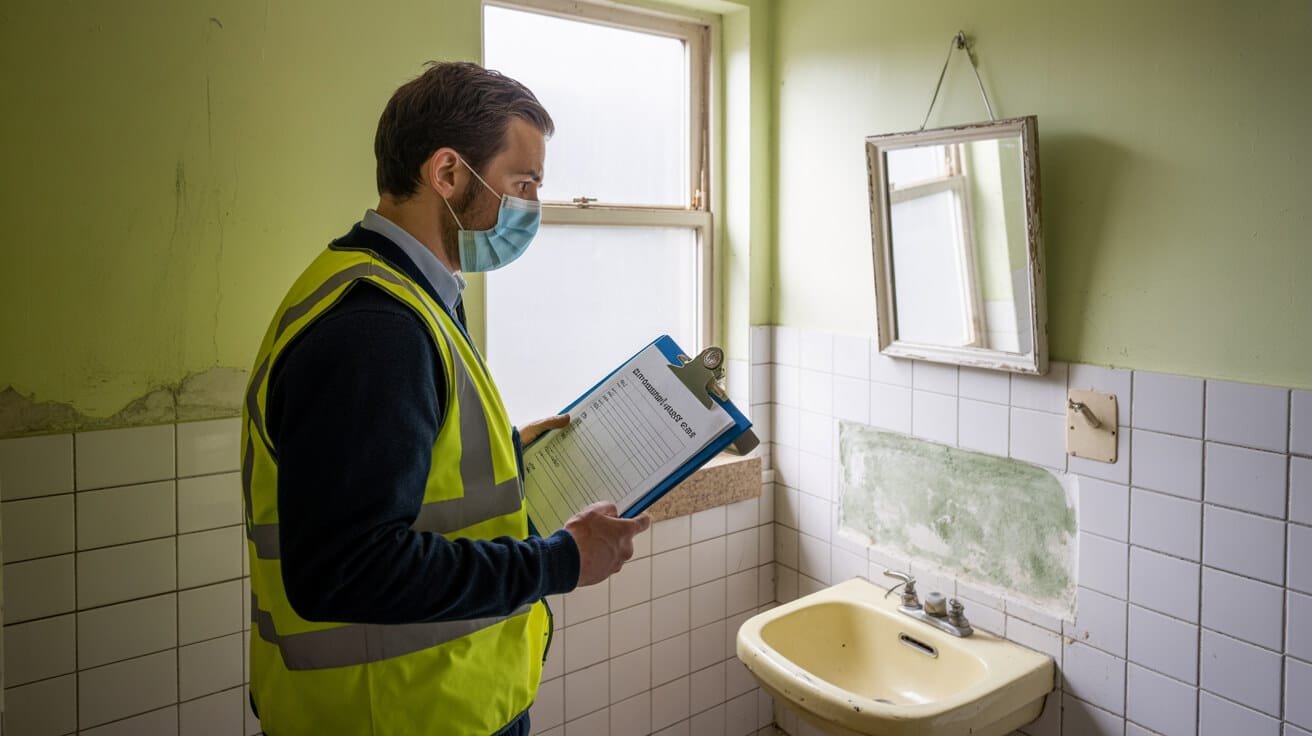
![[ALTTOKEN]](https://allservices4u.co.uk/app/uploads/2026/01/02-Fire-Safety-PPM-Services-for-Hospitality-UK-Guest-Safety-HMO-Rules.png)
All Services 4U deliver fire safety PPM for hospitality and HMOs by combining multi‑trade capability with evidence‑first workflows built for real‑world operations. You get a multi‑trade, evidence‑led fire safety PPM service designed for the realities of hotels, guest houses, hostels, serviced apartments and HMOs: one partner who can design the schedule with you, carry out specialist checks, support your staff with their daily routines, and provide the evidence packs you need for insurers, councils and the fire and housing authorities. That joined‑up model is designed to reduce both risk and administrative load.
Instead of juggling separate contractors for alarms, emergency lighting, doors and damp‑related fire risks, you can work with one team that understands the full compliance picture. The focus is not just on ticking off tasks, but on leaving you with a traceable, auditable trail that shows you are taking your responsibilities seriously.
A joined‑up team covering alarms, lighting, doors and more
A joined‑up All Services 4U team covering alarms, lighting, doors and more means fewer site visits, clearer scopes and a more coherent picture of risk across your buildings. Because All Services 4U operate across trades, your fire PPM can be aligned with other safety and maintenance needs in your building: a visit to test alarms and emergency lighting can also capture basic fire door observations, highlight obvious compartmentation breaches, or note damp and mould that might affect electrical safety. When one contractor can see how systems interact, they can also spot issues that fall between traditional trade boundaries and help you plan more effectively.
For you, that reduces the number of visits, simplifies access arrangements and gives you a clearer picture of building health. Where specialist input is required (for example, from a fire engineer on a complex system), we can coordinate it within the same evidence framework so you do not have to rebuild the storey later for an insurer or regulator.
Evidence‑first workflows built into every visit
Evidence‑first workflows built into every visit ensure that you always have a clear record of what was done, what was found and how issues were handled. Rather than relying on memory or loose paperwork, you hold structured logs that can be produced at short notice for insurers, councils or boards. Every All Services 4U fire PPM visit is designed with evidence in mind from the outset. Engineers and technicians capture:
- Time and date of attendance, with clear property and area identifiers
- Tests performed, including zones, devices and readings where relevant
- Outcomes, including pass/fail and any temporary measures put in place
- Photos where appropriate, for example failed doors or inaccessible areas
This is filed back to you in a structured way, not as a pile of unlabelled attachments. That means when you are asked “what did you do about this fault?” you can reply quickly and confidently. Over time, the same evidence becomes a planning tool to spot patterns and decide where capital upgrades will have most impact.
Supporting your internal team rather than replacing them
Supporting your internal team rather than replacing them recognises that your staff know the building and your guests best. Many hospitality and HMO clients already have capable internal teams: front‑of‑house staff who care, caretakers who know the building intimately, or maintenance officers who are stretched but committed. The role for an external partner is to provide structure, specialist competence and surge capacity, not to push out people who care. When internal and external teams work to a shared PPM framework, both compliance and day‑to‑day service usually improve.
All Services 4U can help you write simple shift checks, run toolbox talks on fire doors and escape routes, and set up practical defect‑reporting channels that feed into your maintenance system. When something is beyond your current team’s competence or capacity, our engineers can step in on a planned or urgent basis, still using the same evidence standards. If you are unsure how far your current team can go safely, a short discussion with us can help you draw those lines.
How good evidence protects you with insurers, councils and the fire service
Good evidence protects you with insurers, councils and the fire service by showing that you have a managed system, not a series of isolated repairs. When something goes wrong, those bodies look at your maintenance history to judge whether you took reasonable steps. Good quality, well‑organised evidence of fire safety PPM does not guarantee that nothing will ever go wrong, but it significantly changes the conversation if it does. If you can show a consistent pattern of checks and timely repairs, you are in a stronger position than an owner who relies on memory and scattered invoices.
From an insurer’s point of view, robust PPM reduces uncertainty about your risk profile. From an enforcing authority’s point of view, it shows you are taking your duty seriously even if improvements are still needed. For you, this can mean less severe enforcement outcomes, more constructive dialogue and a clearer path to bringing your building up to standard.
What insurers look for after a fire or major incident
After a significant fire, insurers will want to understand not only what happened on the day, but what state the systems were in beforehand. They may ask for:
- Fire alarm and emergency lighting test records over a defined period
- Evidence of FRA actions being closed out, particularly in escape routes
- Records of servicing and repairs to key systems and fire doors
- Any correspondence about known defects, including how quickly they were addressed
If you cannot provide this, they may question whether policy conditions were met. While each case depends on its facts and on the policy wording, the absence of records rarely helps. An All Services 4U PPM programme is designed so that, if you need this material at short notice, it is already structured and available rather than being assembled under pressure.
What councils and fire authorities expect to see at inspection
Fire and housing officers visiting hospitality and HMO premises will often ask not only to see certificates, but to understand how you keep standards up between annual visits. They may ask questions such as:
- Who tests your alarms each week and how is it recorded?
- How often are fire doors inspected and who carries out adjustments or repairs?
- Where are FRA findings tracked and who signs off completed actions?
- What happens when residents or staff report a fire safety concern?
When you can answer these questions confidently and back up your answers with organised records, inspections tend to be more focused and less adversarial. When answers depend on one person’s memory, or records are clearly incomplete, the inspector’s concerns naturally increase. The PPM regimes we put in place are built to stand up to this level of scrutiny.
Using PPM evidence to reassure boards and investors
Using PPM evidence to reassure boards and investors means turning detailed logs into simple, portfolio‑level views they can understand quickly. When decision‑makers see clear trends on FRA actions, certificate currency and repeat faults, they are better able to back sensible investment rather than react to headlines or isolated incidents. If you report to a board, RTM company, freeholder or institutional investor, you will also know that internal assurance is as important as external inspections. Directors and asset managers increasingly want to see concise dashboards that show, at a glance, the state of compliance and where residual risks sit across the portfolio.
All Services 4U can structure your PPM evidence into simple summary views at property or portfolio level: how many FRA actions remain, how current your key certificates are, where repeated defects are appearing, and which buildings may need capital investment rather than further patching. That converts maintenance from a reactive cost to a managed risk conversation at board level and can support your case for planned upgrades.
How pricing, mobilisation and switching from existing contractors works
Pricing, mobilisation and switching from existing contractors work best when you start with a clear picture of current spend and risk, then phase improvements in around your operation. Moving from a purely reactive fire maintenance model to a structured PPM regime does not have to mean major disruption for guests or residents. The key is to start with a clear picture of where you are now, agree reasonable priorities and then phase changes in so that safety improves while the business continues to run. Pricing should be just as transparent, so you can see what you are paying for routine checks and where additional remedial work sits.
All Services 4U typically begin with a discovery phase where we review your existing contracts, recent call‑outs, FRA reports and any enforcement or insurance correspondence. That allows us to see where money is being spent today and where risk is actually sitting. From there we propose a PPM plan and pricing model that fits the size and complexity of your operation.
Typical pricing approaches for fire safety PPM in hospitality and HMOs
Typical pricing approaches for fire safety PPM in hospitality and HMOs combine fixed prices for routine visits with clear rates for remedials and emergencies. Fire PPM pricing in hospitality and HMOs is usually built from a small number of building blocks. In broad terms, you can expect something like:
- A fixed price per visit for routine servicing of alarms, emergency lighting and extinguishers
- A schedule of rates for remedial works, parts and out‑of‑hours emergency attendance
- Optional add‑ons for fire door surveys, compartmentation surveys and damp‑related fire safety issues
For larger portfolios, these elements can be blended into a monthly or quarterly service charge that smooths costs across the year. The important point is clarity: you should be able to see exactly what is covered, what triggers extra cost, and how this compares to what you are currently spending on unplanned call‑outs and last‑minute compliance fixes.
Mobilising a new PPM regime without disrupting guests or residents
Mobilising a new PPM regime without disrupting guests or residents depends on careful timing, clear communication and an initial push to clear any backlog. Introducing a new maintenance regime into a live hospitality or HMO environment must be done with care. Guests and residents will forgive a limited amount of visible testing; they will not forgive constant false alarms, night‑time drilling or surprise outages with no explanation. Mobilisation plans should therefore be built around your occupancy patterns and sensitivity points.
Typically we will:
- Agree testing windows that avoid peak check‑in/checkout times and known quiet hours
- Coordinate notices to residents or guests where works will be intrusive
- Start with a baseline survey to clear any obvious backlog of faults
- Phase in the steady‑state PPM schedule once the worst issues are under control
Handled in this way, mobilisation improves safety quickly while minimising friction for front‑of‑house teams and residents. If you would like to understand what mobilisation might mean for your sites, All Services 4U can walk you through example timelines based on similar properties.
Moving away from underperforming contractors
Moving away from underperforming contractors often means dealing with incomplete documentation, unresolved faults and uncertainty about system status. If your interest in PPM has been driven by disappointment with existing contractors, you may also be dealing with missing records, unfinished works or unclear responsibilities. It is common to inherit part‑completed projects, undocumented panel changes or systems that “mostly work” but nobody fully understands. A structured transition process helps you understand what you have inherited, what can safely wait and what needs immediate attention, reducing the risk of simply swapping one set of problems for another.
As part of transition, All Services 4U can help you gather and rationalise whatever documentation does exist, identify gaps that genuinely need urgent attention versus those that can be managed over time, and agree a factual position about the state of systems today. From there, we can help you build a realistic improvement plan that your board or landlord can back, so you are not simply replacing one underperforming supplier with another.
Reliable Property Maintenance You Can Trust
From routine upkeep to urgent repairs, our certified team delivers dependable property maintenance services 24/7 across the UK. Fast response, skilled professionals, and fully insured support to keep your property running smoothly.

Book Your Free Consultation With All Services 4U Today
All Services 4U can help you turn fire safety from a nagging worry into a managed, evidence‑based regime that protects guests, residents, licences and insurance outcomes across your hospitality or HMO portfolio. A short, structured conversation is often enough to identify where your current approach is strong, where the gaps really are, and what a practical PPM plan would look like for your buildings.
During your free consultation, we can:
- Talk through your current fire risk assessments, licences and enforcement history
- Review how you are testing and servicing alarms, lighting, doors and other systems today
- Highlight quick wins that reduce risk without large capital spend
- Outline what a phased PPM mobilisation could look like with minimal disruption
You stay in control throughout. There is no obligation to proceed, and you can use the insights to challenge existing contractors, brief your managing agent or shape internal plans even if you are not ready to change provider yet. If you do decide to move forward with All Services 4U, we will work with you to design a fire PPM regime that your team can live with and that regulators, insurers and residents can trust.
If your fire safety maintenance currently depends on memory, individual staff or scattered invoices, this is the moment to find out what a structured, evidence‑first approach could do for you. Book your free consultation with All Services 4U and take the next step towards a fire safety regime that is as professional as the rest of your operation.
Frequently Asked Questions
Explore our FAQs to find answers to planned preventative maintenance questions you may have.
What fire safety PPM services should UK hotels, B&Bs and HMOs actually have in place?
You’re expected to run a written, evidence‑backed fire safety PPM regime that keeps alarms, lighting, doors and escape routes working – and proves it. In practice that means holding a current fire risk assessment (FRA), having suitable alarms, lighting, fire‑resisting doors and extinguishers installed, then maintaining them to a clear schedule.
Which systems belong in a typical fire safety PPM plan?
For sleeping risk, regulators and insurers will expect at least:
- Fire detection and alarm systems: – control panel, call points, detectors, sounders, interfaces
- Emergency escape lighting: – stair cores, escape routes, plant paths and final exits
- Fire‑resisting doors and self‑closers: – bedrooms, risers, plant rooms, kitchens, protected lobbies and stairs
- Portable extinguishers & suppression: – appropriate types, locations and annual servicing
- Signage, escape routes and exits: – condition of routes, signs, ironmongery, release hardware
Safe buildings are built twice: once in physical fabric, and once in the records that show it still performs.
Where All Services 4U earns its keep is turning that into a property‑specific fire maintenance plan. We map what is really fitted in each building, where it diverges from your FRA, HMO licence and brand standards, and then turn that into a practical PPM schedule your team can actually run.
How does this link back to UK fire safety law and guidance?
Your plan should visibly line up with three things:
- Regulatory Reform (Fire Safety) Order 2005: – maintain the precautions your FRA identifies
- Housing / HMO licencing conditions: – many councils write explicit expectations for alarms, doors and lighting into licences
- Relevant British Standards: – especially BS 5839‑1 (fire detection and alarm systems) and BS 5266‑1 (emergency lighting) for sleeping accommodation
If your fire safety PPM is clearly built from those three sources and your FRA, you’re in a strong place when a fire officer, insurer or licencing team asks, “Show me how you’re maintaining fire precautions in this building.”
How often should you test and service alarms, emergency lighting and extinguishers in a hotel, B&B or HMO?
Most well‑run sites follow a simple daily/weekly/monthly/annual pattern that mirrors British Standards and local licence conditions. The detail varies by building, but the expectation is regular in‑house checks backed up by planned visits from competent engineers.
What does a sensible fire safety PPM frequency pattern look like?
A pattern that tends to land well with inspectors looks like:
- Daily: – escape routes checked clear; fire alarm panel checked for unexplained faults
- Weekly: – one manual call point activated (rotating zones); audibility confirmed; entry in the logbook (BS 5839‑1)
- Monthly: – brief function tests on key emergency lighting points; visual extinguisher inspections (BS 5266‑1, BS 5306‑3)
- Quarterly / six‑monthly: – structured fire‑door inspections, prioritising bedrooms, kitchens, stair cores and plant risers
- Annually: – full servicing of alarms, emergency lighting, extinguishers and any AOV/smoke control or suppression systems
Tie that to your FRA and any HMO licence conditions and you’re largely in line with what fire officers and insurers expect to see in UK hospitality and HMO stock.
How do you keep that manageable across multiple properties?
Running that pattern off the side of someone’s desk is exactly how things start slipping. A partner like All Services 4U can:
- Turn your FRA and asset list into a 12‑month PPM calendar for each building
- Build digital and paper logbooks aligned to BS 5839‑1, BS 5266‑1 and BS 5306
- Schedule and coordinate annual and periodic engineer visits so expiry dates don’t creep past unnoticed
- Flag where policy conditions in insurance or HMO licences require tighter frequencies or extra evidence
You end up with a predictable fire maintenance rhythm inside your wider property maintenance plan, instead of last‑minute scrambles every time an inspection letter lands.
Which fire safety checks can your staff own, and which must sit with competent contractors?
Your team should handle scripted, low‑risk checks; anything involving design, fault‑finding or certification belongs with competent technicians. That split keeps you compliant, reduces liability and stops “DIY tweaks” from quietly undermining your fire strategy.
What’s a practical line between in‑house checks and contractor work?
A division many hotels, B&Bs and HMOs adopt looks like this:
Staff‑led (scripted, no tools, no re‑wiring):
- Daily walkthroughs to confirm routes and exits are clear, signed and unlocked where they should be
- Weekly activation of one call point with a test key, logging which zone sounded and the outcome
- Straightforward logbook entries – date, time, test type, outcome, any faults raised
- Visual checks that extinguishers are present, accessible and appear undamaged with gauges in the green
- Reporting any wedged, damaged, dragging or non‑closing fire doors
Contractor‑led (tools, design, component replacement, certification):
- Investigating and clearing panel faults; changing cause‑and‑effect, delays or zoning
- Full‑duration emergency lighting discharge tests and remedial electrical work
- Adjusting door closers, repairing frames, replacing hinges, seals, intumescent strips and smoke brushes
- Extinguisher pressure tests, refills, replacements and service labelling to BS 5306‑3/8
- Any new installation, modification or extension to alarm, lighting, AOV or suppression systems
That approach respects the competence requirements built into the Fire Safety Order and British Standards, and it protects your people from being pushed into jobs they’re neither trained nor insured to do.
How can All Services 4U help you formalise responsibilities?
If roles are fuzzy, things get missed. All Services 4U can help you draw a line once and then work to it:
- Design shift, daily and weekly check sheets tailored to reception, housekeeping and maintenance
- Write clear scopes of work for each engineer visit, so site teams know what to expect and what’s out‑of‑scope
- Deliver short toolbox sessions so staff know how to test without damaging kit – and when to escalate
- Create fault escalation rules – e.g. “if the panel shows detector or sounder circuit fault, call within X hours”
That gives you a simple, repeatable operating model: front‑line teams keep eyes and ears on the basics; All Services 4U handles the technical and certifiable work, and you get a clean evidence trail tying both together.
How should you structure a fire safety PPM schedule that inspectors and HMO teams will take seriously?
Inspectors, licencing teams and brand auditors want to see that your FRA has been turned into a live, workable schedule, not a one‑off report left in a folder. The schedule should be clear enough that a new manager could pick it up and run it on day one.
What does a credible schedule look like on paper?
In practice, the schedules that go down well tend to share four features:
- A one‑page matrix listing each system (alarm, lighting, doors, extinguishers, routes) against frequencies (daily/weekly/monthly/annual) and named roles
- Staff checklists: – laminated or digital – for shift leaders and caretakers with simple tick‑boxes and space for comments
- A contractor visit plan for 12 months, showing when All Services 4U (or your chosen provider) will attend each property and what will be serviced or tested
- An evidence index that points to where FRAs, service reports, door surveys, AOV reports and remedial quotes live for each building
If a fire officer asks, “Walk me through how you maintain alarms and doors here,” you can move straight from schedule → logbook → certificates without rummaging through inboxes or chasing ex‑staff.
How do you make that schedule realistic for busy hotels and HMOs?
A schedule that only works on a quiet Tuesday in February isn’t much good when you’re at 95% occupancy in August. All Services 4U will help you:
- Bolt daily and weekly checks onto existing staff routines – housekeeping routes, night audits, opening/closing checks
- Group planned works so you minimise room downtime, noise and disruption during peak seasons
- Time intrusive jobs – like fire‑door replacements or panel swaps – into low‑occupancy windows or refurbishment periods
- Factor in brand standards and guest expectations so safety and service support each other rather than compete
You end up with a schedule you can run on your busiest trading day, not just one that looks good at a desk – which is exactly what experienced enforcement officers are testing for.
What are the real‑world consequences if fire safety PPM drifts in a hotel, B&B or HMO?
When fire safety maintenance slips, you’re not just dealing with a messy logbook – you’re stacking risk on your guests, residents, licence and insurance. The obvious risk is life safety if alarms don’t sound, lighting fails or doors don’t close. The secondary risk is that, when something happens, you have nothing credible to show regulators, insurers or a coroner.
How do early warning signs of weak fire maintenance usually show up?
Long before a serious incident, failing maintenance regimes nearly always leak signals like:
- Alarm panels on permanent “mute” with unexplained fault lights left untouched for weeks
- Scrambles before inspections to reconstruct logbooks or hunt down missing certificates
- Fire doors propped open with bins or planed down because “guests complain they catch”
- Servicing dates slipping because the one person who understood the calendar left
- Formal letters arriving from councils, fire and rescue services or insurers demanding evidence on tight deadlines
Major failures are almost never surprises – they’re what happens when a long run of small warnings is ignored.
When you move to a structured regime with All Services 4U:
- Checks, faults and remedials are time‑stamped and attributable
- You can show that issues were identified, prioritised and acted on within a reasonable window for that risk
- You can hand over a coherent chain of events to boards, regulators, insurers or inquests instead of conflicting stories and guesswork
For owners, lenders and senior managers, that difference – between “we think it was done” and “here is the record” – is often the line between a painful incident you can survive and one that ends careers or collapses value.
How can All Services 4U help you move from ad‑hoc fire call‑outs to a planned PPM regime across your portfolio?
The shift is from reacting every time something beeps or breaks, to running fire safety as a planned strand of your property maintenance, with clear calendars, scopes and evidence for each building. All Services 4U is built to do that for mixed portfolios of hotels, B&Bs and HMOs.
What does a low‑friction transition into planned fire safety PPM look like?
A sensible, low‑risk route often looks like:
Desktop review and discovery
You share FRAs, certificates, call‑out history, HMO licence conditions and any enforcement or insurer letters. We highlight immediate risks, gaps and quick wins.Focused survey of one or two priority properties
Our engineers walk the building, confirm what’s actually installed, test what can be safely tested, and compare it to your paperwork and FRA.Property‑specific PPM matrix and roadmap
We design a matrix that shows, system by system, who checks what, how often, and which visits need our engineers. You see costed options and can phase work in.Pilot run on a flagship site or sample HMOs
We operate the regime for a cycle, refine checklists with your team, and prove that it works in live trading conditions.Gradual portfolio roll‑out and optimisation
We then phase additional properties in line with your budgets, occupancy and risk, feeding live data into dashboards and compliance binders for owners, boards, insurers and lenders.
What if you’ve been burned by contractors before and don’t want to jump straight into a full contract?
That’s common, and completely reasonable. You can start small:
- Choose one high‑priority building – highest revenue, biggest risk, or most regulatory pressure
- Commission a one‑off benchmark and gap analysis of your current fire maintenance against British Standards and typical HMO/hospitality expectations
- Use that independent view to challenge existing suppliers, brief your board, or shape next year’s budgets – with no obligation to move everything at once
If you like how All Services 4U works, you can extend the regime across your portfolio at your pace. If you don’t, you still walk away with a clear, practical map of what “good” fire safety PPM looks like for your buildings – and a much stronger hand when you talk to any contractor about stepping up to that level.
- How planned fire safety PPM protects UK guest accommodation
- Fire safety PPM in hotels, B&Bs and HMOs: how it works day to day
- Why reactive fire safety maintenance puts hospitality landlords and operators at risk
- What are your legal fire safety duties in hotels, B&Bs and HMOs?
- What does a compliant fire safety PPM schedule actually include?
- How All Services 4U deliver fire safety PPM for hospitality and HMOs
- How good evidence protects you with insurers, councils and the fire service
- How pricing, mobilisation and switching from existing contractors works
- Book Your Free Consultation With All Services 4U Today
- Frequently Asked Questions
- Related PPM Services
Related PPM Services
Case Studies


Related Articles

Your Guide To Identifying And Treating Minor Mould Outbreaks
Why Planned Preventative Maintenance (Ppm) Saves Money And Ensures Compliance