PPM Services for Hospitality Venues UK – Hotels, Restaurants & Guest Safety Compliance
Hospitality operators in UK hotels, restaurants and bars need PPM services that keep guests safe, meet legal expectations and prevent avoidable shutdowns. A structured maintenance regime brings fire, gas, electrics, water hygiene, lifts and key plant into one coordinated plan, based on your situation. You end up with clear schedules, completed checks and usable records that regulators, insurers and corporate owners recognise as a suitable system of maintenance. It’s a practical way to move away from reactive fixes toward calmer, more predictable trading.


Author
Izzy Schulman

Why UK hospitality venues need structured PPM services
Hotels, restaurants and bars in the UK live under constant pressure to keep guests safe, comfortable and confident while satisfying regulators, insurers and corporate owners. Relying on ad‑hoc repairs makes that harder, especially when faults appear during service or after an incident.

Planned preventive maintenance gives hospitality venues a joined‑up way to manage fire, gas, electrical, water and lift risks before they become outages or investigations. By turning duties into a clear programme of checks and records, you gain a more defensible position and fewer costly, last‑minute disruptions.
- Protect guests with consistently maintained safety‑critical systems
- Demonstrate a suitable system of maintenance to regulators and insurers
- Cut unplanned shutdowns that damage room nights and covers
Need Help Fast?
Locked out, leak at home, or electrical issue? All Services 4 U provides 24/7 UK locksmith, plumbing, electrical.
Testimonial & Clients Who Trust Us
With 5 Star Google Reviews, Trusted Trader, Trust Pilot endorsements, and 25+ years of experience, we set industry standards for excellence. From Dominoes to Mears Group, our expertise is trusted by diverse sectors, earning us long-term partnerships and glowing testimonials.
Worcester Boilers

Glow Worm Boilers

Valliant Boilers

Baxi Boilers

Ideal Boilers

PPM services for UK hospitality venues: how they protect guests, meet the law and cut unplanned shutdowns
Planned preventive maintenance (PPM) in hospitality is a structured way to keep guest‑critical systems safe, legal and reliable, instead of hoping nothing fails during service. For hotels, restaurants and bars it turns complex duties and insurer expectations into a clear calendar of checks and services that regulators, owners and corporate boards recognise as a suitable system of maintenance.
Safe venues feel calm because the work to keep them that way is never left to chance.
For your team, that means one joined‑up plan covering fire, gas, electrics, water hygiene, lifts and key plant, rather than a patchwork of ad‑hoc visits. For regulators, insurers and corporate owners, it shows that risks are identified, controlled and maintained over time, not just reacted to when something breaks. This overview is general information, not legal advice, but it helps you see where your current regime is strong – and where it may expose you.
In a hospitality setting you are judged daily on how safe, comfortable and reliable your building feels, while regulators and insurers quietly expect every certificate and logbook to be in order. PPM is the bridge between those two worlds. Instead of isolated jobs (“get the alarm fixed”, “call the gas engineer”), you have a coordinated plan that keeps alarms, emergency lighting, gas installations, electrical systems, water hygiene, lifts and related Services for Hospitality in safe working order and properly documented.
A well‑designed PPM regime also reduces avoidable disruption. When boiler services, lift inspections and kitchen‑extraction cleaning are planned around occupancy and events, you avoid last‑minute outages that close rooms, bars or covers in peak trading. Over a year, the revenue you avoid losing often outweighs the cost of the PPM programme. All Services 4U is set up to deliver this kind of integrated, hospitality‑aware PPM for single sites and multi‑site groups across the UK.
Why PPM matters so much in hospitality
PPM matters in hospitality because you host large numbers of guests who may be vulnerable, asleep or unfamiliar with your building. A nuisance fault in an office can be an irritation; in a hotel or restaurant the same fault can quickly become a safety incident, a reputational issue or both.
A planned regime takes the legal expectation to manage risk “so far as is reasonably practicable” and turns it into concrete actions: weekly fire‑alarm tests, scheduled emergency‑lighting checks, periodic electrical inspections, annual gas‑safety records, documented Legionella controls and thorough lift examinations. When these are planned, completed and recorded, you have a defensible position if something goes wrong. When they are left to memory and ad‑hoc call‑outs, you do not.
What typically sits inside a hospitality PPM scope
Most hospitality PPM scopes cover fire, gas, electrical, water, lifts, HVAC and refrigeration, plus basic building‑safety fabric. The exact mix depends on your site, but the core building‑safety systems hardly change from venue to venue.
For most hotels, restaurants and mixed‑use venues, a sensible PPM scope includes:
- Fire safety systems: detection and alarms, emergency lighting, fire doors, extinguishers and any sprinklers or suppression.
- Gas safety: boilers, water heaters and catering gas appliances, plus associated interlocks, ventilation and extraction.
- Electrical safety: fixed‑wiring inspection and testing, checks on distribution boards and RCDs, and a risk‑based portable‑appliance regime.
- Water hygiene: Legionella risk assessments, routine temperature checks, flushing regimes and inspections of tanks and calorifiers.
- Lifts and lifting equipment: passenger and goods lifts, platform lifts and other lifting devices used by staff or guests.
- HVAC and refrigeration: air‑handling units, fan‑coil units, condensers, cold rooms and other plant affecting temperature, comfort and food safety.
A mature PPM programme will also pick up building fabric (handrails, guarding, glazing, floor finishes), safety signage and items such as emergency‑escape hardware that can quickly become weak links if no one clearly owns them. Where venues include spa plant, pools or large event spaces, those are folded into the same framework so specialist risks are not left on the fringe of your maintenance plan. When those elements are within scope, near‑misses are far less likely to become incidents guests can see and feel.
The cost of relying on reactive repairs in hotels and restaurants
Relying only on reactive repairs – waiting for something to break or for a guest to complain – usually looks cheaper month by month but is more expensive and risky over a season. It conflicts with the UK expectation that you proactively manage safety and maintain systems, not just patch failures when they become obvious.
From a compliance point of view, purely reactive approaches struggle to meet general duties under health and safety law to maintain plant, systems and premises in a safe condition. When fire authorities, local councils or insurers review an incident, they look hard at whether there was a “suitable system of maintenance” in place. If your records show a string of breakdown calls and little or no planned inspection, it becomes hard to argue that you took all reasonable steps.
Operationally, reactive maintenance hits where it hurts most: during service. Boilers fail on cold weekends, lifts stop on check‑in days, cold rooms fail during deliveries. You then lose room nights, table covers or event revenue at short notice while scrambling to find engineers, often at premium rates. Once you factor in lost income, staff overtime and emergency call‑out charges, the supposed saving from avoiding PPM usually disappears.
Financially, insurers and brokers increasingly factor maintenance quality into their view of risk. Portfolios with weak or undocumented maintenance can see higher premiums, tighter conditions or more difficult claim conversations. A single fire or escape‑of‑water claim linked back to neglected systems can cost far more than a robust PPM plan ever would.
Compliance risk created by reactive maintenance
Reactive‑only maintenance creates specific compliance problems in hotels and restaurants that regulators and investigators recognise quickly. A venue that only fixes what breaks tends to have gaps where the law expects structure and records, and those gaps become visible fast after an incident.
Typical patterns include:
- Statutory tests such as fire‑risk assessments, gas safety checks, electrical inspections, Legionella reviews and lift examinations drifting past reasonable intervals.
- Near‑misses – false alarms, trips, occasional CO detector activations, intermittent lift doors – treated as isolated events, not symptoms of underlying risk.
- Documentation that is incomplete or scattered, with certificates missing, expired or buried in email trails.
- Evidence that is hard to present as a complete history when regulators, insurers or corporate owners ask for it.
If a regulator or investigator arrives after an incident, they will ask simple questions: what was your planned inspection regime, who was responsible, when was each system last checked and what defects were found and fixed? Without a PPM structure, those questions are difficult to answer convincingly, and any gaps will be interpreted in the context of your overall duty of care.
Operational and financial impact on your venue
Reactive maintenance steadily erodes profitability and guest experience, even when nothing catastrophic happens. Guests remember cold rooms, broken lifts, noisy temporary fans, out‑of‑order toilets or closed kitchen lines, and those memories often turn into poor reviews, refunds, discounts and loss of repeat business.
Your team also loses time firefighting. Duty managers and heads of department spend hours arranging emergency engineers, moving guests, calming complaints and re‑planning service around unavailable areas. Engineers, meanwhile, are always in urgent‑fix mode, with little time to step back and address root causes. By contrast, a structured PPM regime lets you convert many breakdowns into planned interventions during low‑impact windows, giving you more stable spend and a calmer operation over time.
To make this contrast easier to see, it helps to compare reactive and planned approaches side by side:
| Approach | Compliance & risk | Guest impact |
|---|---|---|
| Reactive | Harder to prove “suitable maintenance” | Failures during service, complaints |
| Planned | Clear, auditable maintenance regime | Fewer in‑service failures |
| Reactive | Evidence often incomplete or fragmented | More refunds and negative reviews |
| Planned | Records organised for audits and insurers | More predictable guest experience |
This is why many operators who move from purely reactive repairs to planned maintenance, and track the numbers properly, rarely consider going back.
What planned preventive maintenance (PPM) means for hospitality venues
![[ALTTOKEN]](https://allservices4u.co.uk/app/uploads/2026/01/00-PPM-Services-for-Hospitality-Venues-UK-Hotels-Restaurants-Guest-Safety-Compliance.png)
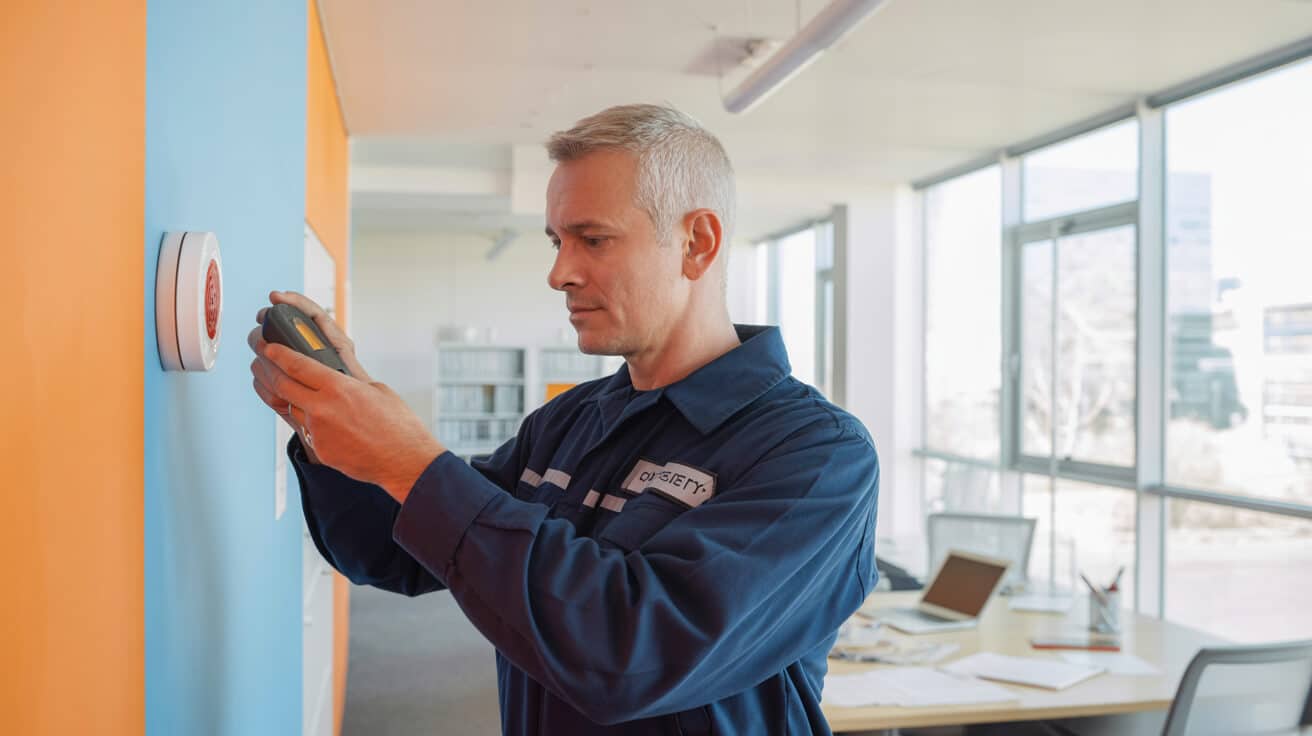
PPM for hospitality means one live maintenance calendar that pulls every safety‑critical obligation and key asset into a single, risk‑based plan. Rather than separate lists for fire, gas, electrics, water, lifts and kitchen equipment, you have a coordinated schedule that your team and contractors can see, follow and update.
The starting point is usually an asset register and a compliance map. You list the equipment and systems you rely on – boilers, distribution boards, fire panels, emergency lights, kitchen extraction, cold rooms, lifts, water systems, spa plant or pool systems if you have them – and then map each one to the relevant legal duties, standards and manufacturer guidance. From there you agree sensible inspection and servicing frequencies based on law, risk and usage, rather than on habit alone.
Good PPM is more than a static calendar. It sets clear responsibilities (who does what in‑house and which tasks sit with external contractors), safe‑system‑of‑work procedures for intrusive tasks, and a feedback loop so that defects found in inspections lead to logged remedial actions that are prioritised and closed. The plan should be visible, understandable and realistic for your site, not a generic checklist that ignores how your venue actually runs.
From certificates to a live maintenance calendar
Many venues already hold a stack of certificates: gas‑safety records, electrical reports, fire‑risk assessments, water‑hygiene reports and lift‑inspection documents. On their own, these are snapshots. PPM links them into a single picture of control that you can manage week by week, instead of rediscovering them only when someone asks.
A live maintenance calendar will typically show:
- Weekly fire‑alarm checks and monthly emergency‑lighting function tests.
- When your next full alarm and lighting services are due, per panel or zone.
- The date and scope of your last electrical‑installation condition report and when the next one should be commissioned.
- Annual gas‑safety checks, plus interim servicing for heavily used kitchen appliances or boilers.
- The pattern of Legionella checks – monthly temperatures, periodic tank inspections, flushing regimes.
- Lift‑maintenance visits alongside the required thorough examinations.
Once this is captured in a central schedule, your team can see at a glance what is due each week or month, rather than relying on memory or disparate contractor reminders. It also becomes much easier to demonstrate to third parties that maintenance is systematic rather than ad‑hoc.
Designing a PPM plan that fits your site and team
Every hospitality venue is different, so a copy‑and‑paste maintenance schedule is rarely a good fit. A branded new‑build city hotel will not need the same emphasis as a converted coaching inn or a listed country house; a high‑street restaurant trades differently from a seasonal resort with spa and pool.
Designing the right PPM plan means balancing three things:
- Legal minimums: – the statutory inspections and testing you must do to meet your duties.
- Operational risk: – where failure would most damage safety, service or revenue for your business.
- Practical capacity: – what your in‑house team and contractors can realistically achieve without constant disruption.
All Services 4U typically starts with a structured site survey, a review of existing documentation and conversations with management and maintenance teams. From there, we propose a blended programme that respects how your venue actually runs – aligning testing with quiet periods, sequencing intrusive works and phasing improvements so you can move from reactive to planned without overwhelming budgets or operations. That collaborative design phase is often where quick wins and low‑effort risk reductions are first identified.
Guest safety regulations your PPM programme must cover
There is no single “PPM law” for UK hospitality venues, but several overlapping duties still expect you to manage safety proactively and keep reliable records. Together they create a clear expectation that you plan, maintain and document how your building protects guests, staff and visitors.
At the top level, the Health and Safety at Work etc. Act places a duty on employers to protect employees and others – including guests, contractors and visitors – so far as is reasonably practicable. Supporting regulations then cover specific risks: fire safety, electricity, gas, hazardous substances, lifting equipment, workplace conditions and more. In practice that means you are expected to identify hazards, put sensible control measures in place and keep those measures in working order, with evidence that stands up to external scrutiny.
Fire‑safety law expects a suitable and sufficient fire‑risk assessment and a suitable system of maintenance for fire precautions. Gas‑safety law expects gas systems to be safe and maintained by competent (Gas Safe registered) engineers. Electrical‑safety law requires systems and equipment to be constructed and maintained to prevent danger. Water‑hygiene guidance explains how to control Legionella risk. Lifting regulations require thorough examination and maintenance of lifts and similar equipment. Food‑safety law expects equipment and premises to support safe food production and service, which in turn depends on refrigeration, extraction, hot water and drainage being reliable.
Core legal duties that drive PPM in hospitality
When you unpack these obligations for a hotel or restaurant, several themes repeat, regardless of brand or size. Seeing those themes clearly makes it easier to design maintenance that regulators, insurers and corporate owners will recognise as a suitable system.
Common threads include:
- You must identify and assess risks, for example through fire and Legionella risk assessments.
- You must implement control measures, such as alarms, emergency lighting, ventilation, guarding, safe systems of work and training.
- You must maintain those measures and keep them in efficient working order – this is precisely where PPM sits.
- You must keep suitable records and be able to demonstrate your arrangements when asked.
PPM converts broad phrases such as “maintain in an efficient state” or “keep equipment safe” into specific, timed actions with owners and evidence. Without that translation, those duties remain vague and hard to prove when you are under scrutiny, especially after an incident or complaint.
How legal duties turn into specific PPM tasks
For guest safety, the main PPM strands usually look like this in practice:
- Fire safety: – FRA reviews, weekly alarm tests, emergency‑lighting checks and routine servicing of alarms, lighting, extinguishers and fire doors.
- Gas safety: – annual gas‑safety checks on boilers and catering appliances, with servicing based on usage, flues and ventilation.
- Electrical safety: – periodic fixed‑wiring inspection and testing, plus a documented, risk‑based regime for checking portable appliances.
- Water hygiene: – Legionella risk assessments, routine temperature checks, outlet flushing, and inspection and cleaning of tanks and calorifiers.
- Lifts and lifting equipment: – scheduled maintenance and required thorough examinations of passenger and goods lifts and similar devices.
- Food‑service environments: – regular maintenance of refrigeration, cooking equipment, extraction, drainage and hot‑water systems to support food safety.
Your PPM plan should make it obvious which tasks apply at your site, how often they are carried out, who is responsible and where the records are stored. That clarity is what reduces regulatory friction and gives senior leaders confidence that obligations are being met consistently rather than intermittently.
Accreditations & Certifications





All Services 4U: integrated PPM for fire, gas, electrical, water, lifts and kitchens
![[ALTTOKEN]](https://allservices4u.co.uk/app/uploads/2026/01/05-PPM-Services-for-Hospitality-Venues-UK-Hotels-Restaurants-Guest-Safety-Compliance.jpg)
Many hospitality operators eventually reach the limit of juggling separate fire, gas, electrical, water, lift and kitchen contractors, each with different visit patterns and reporting styles. All Services 4U is designed to simplify that picture by acting as one accountable partner for all the core safety‑critical disciplines, while still working alongside your in‑house teams and any specialist providers you need to retain.
Instead of multiple small contracts and spreadsheets, an integrated PPM approach brings key disciplines into a single coordinated programme. You still see the necessary detail per system, but you gain a single view of what is due when across your estate, a single escalation route and a consistent standard of reporting. That is particularly valuable if you operate several sites, complex listed buildings or a mixture of hotels, restaurants, bars, spas and event spaces.
One accountable partner across all safety systems
With an integrated PPM service from All Services 4U, and a clear building type PPM structure behind it, you are not left wondering “who owns this?” for each safety system. You have one partner planning, delivering and evidencing your core compliance tasks, and one narrative to present to owners, auditors and insurers when they ask how you manage building-safety risks.
In practical terms that means:
- Planning weekly, monthly, quarterly and annual checks across all covered disciplines.
- Ensuring statutory inspections and tests are booked, carried out and reported on time.
- Coordinating access with your team so guest disruption is minimised.
- Flagging defects, grading their urgency and proposing proportionate remedial options.
- Keeping documentation organised, current and accessible at site and group level.
All Services 4U uses multi‑trade engineers and specialist teams who are used to working in live hotels and restaurants across the UK. Your kitchen gas interlock, extraction system, fire suppression and electrical supplies are considered together rather than as separate islands. The same thinking is applied to the relationships between boilers, calorifiers, pumps and the hot‑water systems that directly affect guest rooms, spas and back‑of‑house operations. Digital reporting and portals mean your managers can see the state of play without chasing individual engineers for updates.
How All Services 4U works with your in‑house team
An effective PPM partnership should support your people, not replace them. You keep day‑to‑day control and knowledge of your site; All Services 4U provides depth, coverage and structure that your internal team can lean on.
A typical split looks like this:
- In‑house staff handle simple checks – weekly alarms, quick visual walks and minor adjustments using agreed checklists.
- All Services 4U delivers specialist inspections, tests and servicing that need particular qualifications and calibrated equipment.
- Duty managers and heads of department receive clear schedules and help plan works around occupancy patterns and events.
- Senior leaders receive concise compliance summaries and exception reports so they can see risks and renewals at a glance.
This combination helps you avoid the pitfalls of relying on a single overstretched internal engineer on one hand, or outsourcing everything to multiple external firms with no clear ownership on the other. All Services 4U can also support you in reviewing and rationalising existing contracts so you avoid duplication, close obvious gaps and align spend with the risks that matter most.
How we deliver PPM in live hospitality environments
Delivering PPM smoothly in a busy hotel or restaurant means recognising that your venue is always “on”, not an empty plant room or a closed construction site. The practical question for most operators is not “what does the law say?” but “how do we do this without annoying guests or disrupting service?”, and any credible PPM provider should be able to answer that clearly.
The practical answer lies in aligning maintenance with your trading reality and in setting clear rules about what work can happen when. That starts before any engineer arrives: using your events calendar, occupancy patterns and key trading times as core inputs into the maintenance plan rather than constraints to fight against. From there, PPM visits and reactive work can be combined so that plant rooms, kitchens, spa areas and guest spaces are attended to in a predictable, low‑impact way.
Planning work around guests and trading
When PPM is genuinely planned around your operation, it becomes much easier for your team to support it and for guests to barely notice it is happening. You reduce last‑minute clashes and all‑systems‑off moments that cause complaints, refunds and poor reviews.
Practical rules often include:
- Scheduling intrusive works, such as full fire‑alarm tests or distribution‑board shutdowns, in defined low‑occupancy windows.
- Building quick checks like weekly alarm tests or short emergency‑lighting functions into duty routines with simple guest‑facing scripts.
- Booking lift maintenance and thorough examinations when check‑in and check‑out traffic is lowest and stairs are safely available.
- Planning kitchen and bar works around prep, service and cleaning cycles, with limits on how many units can be offline at once.
All Services 4U works with operations and maintenance teams to agree these rules site by site. For city hotels that may mean early‑morning or late‑evening visits; for resorts it may mean shoulder‑season shutdowns; for complex venues it may involve split visits or night work. The aim is the same: achieve legal and technical objectives without harming the guest experience that pays for them.
Engineers who understand hotels and restaurants
Behaviour on site matters as much as technical competence. Engineers working in guest spaces and live kitchens are part of your brand in the moment a guest walks past them, so they must work in ways that feel safe and respectful as well as competent.
Core expectations include:
- Presenting clearly and professionally, with identification visible at all times.
- Following agreed routes and access rules, especially where guests or food are present.
- Keeping work areas tidy, with tools and materials controlled and safe.
- Communicating with duty managers about progress, unexpected issues and any residual risk.
- Understanding that a guest’s perception of safety and cleanliness is shaped by how maintenance is carried out in front of them.
All Services 4U engineers are briefed during mobilisation on venue-specific rules, hospitality fire safety and front-of-house etiquette. Clear inductions, permits and method statements are used for higher-risk or more intrusive tasks. Front-of-house teams are kept informed so they can answer guest questions confidently: “We are carrying out planned safety checks this morning” lands very differently from “Something has broken again”, and that difference matters when guests decide whether to return.
Documentation, audits and commercial models for defensible PPM
However strong your PPM routines are, they will not stand up to external scrutiny unless records back them up. In the UK, when something goes wrong, investigators and insurers care not just about what you say you do, but what you can show you actually did.
Well‑designed documentation also makes management easier day to day. You know what is in date, what is due and where the gaps are at a glance, instead of discovering issues only when a regulator, insurer or owner asks a difficult question.
Documentation should therefore be built into your PPM model from the start. Each inspection, test or service visit should generate a clear record: what was done, by whom, under which procedure, what was found and what needs follow‑up. These records should link back to the asset register and forward to any remedial works. Increasingly, digital systems replace paper, but the principles stay the same: traceability, completeness and accessibility for those who need to see them.
Digital records, audit trails and insurance evidence
A defensible audit trail for hospitality PPM normally combines asset data, schedules, reports and decision logs into one coherent picture. When someone asks “show me how you maintain this system”, you can answer without a search across email inboxes and filing cabinets.
Typical components include:
- Up‑to‑date asset registers showing what you have, where it is and its key characteristics.
- Schedules of planned tasks by asset or system, with due dates and completion status.
- Certificates and reports for statutory inspections and tests, stored in an organised way.
- Logs of defects, remedial jobs and sign‑off records to show issues were addressed.
- Notes of reviews and management decisions where risk tolerances or priorities were discussed.
When auditors, regulators or insurers visit, you should be able to retrieve relevant documents quickly, show how tasks are scheduled and demonstrate how you handle overdue items. That level of control can shorten inspections, reduce follow‑up queries and strengthen your position if there is a dispute. All Services 4U can provide digital portals and structured reporting so that managers at site and group level can see this information without trawling through emails and shared drives.
Commercially, a structured PPM programme should bring clarity, not complexity. You want to know which work is non‑negotiable, which is optional and how that translates into realistic, predictable budgets over several years, rather than being surprised by spikes and gaps.
Key questions to address include:
- Which tasks are statutory minimum – essential to meet legal and insurer expectations?
- Which tasks are asset‑care – improving resilience, energy performance and asset life beyond the minimum?
- How often tasks will occur and which access and occupancy assumptions sit behind that pattern.
- What sits in the fixed price, and what is treated as a separately quoted remedial or project?
- How response times and priorities are defined for reactive support alongside PPM.
For many venues, the right answer is a layered model: a core safety‑and‑compliance bundle at a predictable cost, with optional enhancements for resilience and asset life that can be phased in. All Services 4U can help you compare your historic reactive and minor‑project spend with modelled PPM costs over several years, showing where planned work is likely to reduce unplanned failures and stabilise budgets. Contracts are then shaped around realistic scopes, clear service levels and governance mechanisms – regular review meetings, key performance indicators and straightforward variation processes – so both sides know what success looks like.
Reliable Property Maintenance You Can Trust
From routine upkeep to urgent repairs, our certified team delivers dependable property maintenance services 24/7 across the UK. Fast response, skilled professionals, and fully insured support to keep your property running smoothly.

Book Your Free Consultation With All Services 4U Today
All Services 4U helps your hotel, restaurant or venue turn scattered certificates and ad‑hoc repairs into a single, defensible PPM plan that protects guests, reassures regulators and supports insurer conversations. A short, focused review can quickly reveal where your current approach is strong, where it is fragile and which changes would make the biggest difference with the least disruption.
What happens in your free consultation
Your free, no‑obligation consultation concentrates on one representative site so you can see clearly how a structured PPM model would work in practice. The aim is to understand how you operate today, where the main risks and pain points sit, and what a realistic improvement path looks like over the next year or two.
In your consultation you will typically:
- Walk through your existing certificates, reports and contracts for fire, gas, electrical, water, lifts and kitchen equipment.
- Highlight recent issues – near‑misses, breakdowns, complaints, difficult inspections or claim experiences.
- Discuss how your venue trades across the week and year, so any proposed PPM respects real patterns and guest expectations.
From there, All Services 4U can outline a draft multi-discipline PPM calendar and engagement model tailored to your business, with scope shaped around your building type PPM needs. That may be a light-touch compliance check with targeted support, a core statutory bundle that stabilises risk quickly or a fully integrated PPM and reactive-maintenance contract across multiple sites. Consultations can be carried out on site or via video, depending on what works best for your team.
Next steps and options
After the consultation, you receive clear, practical options rather than a one‑size‑fits‑all proposal. Each option sets out what is essential to meet duties, what is advisable to improve resilience and how it is likely to affect cost, disruption and risk over time, so your decision‑makers can weigh it confidently.
You remain in control of what is phased in when, and how responsibilities are shared between your own team and All Services 4U. Some clients start with a compliance‑gap close‑out on a single property, others move straight to a multi‑site PPM programme with defined SLAs and evidence requirements. In both cases, you gain a clearer line of sight from legal and brand duties to planned actions, records and budgets.
If you are ready to move away from “fix it when it breaks” and towards calm, evidence‑based guest‑safety compliance, book your free consultation with All Services 4U today. Together, you can design a PPM regime, including relevant Services for Hospitality, that fits your venue, your budget and your obligations – and lets you focus on the hospitality your guests come for.
Frequently Asked Questions
Explore our FAQs to find answers to planned preventative maintenance questions you may have.
What does a good PPM programme look like for a UK landlord or freeholder who’s fed up with current contractors?
A good PPM programme for a landlord is one that protects asset value, keeps claims payable, and stands up in front of leaseholders and lenders – not just a diary of boiler services.
Put simply: if there was a fire, damp claim or refinancing tomorrow, you should be able to show, in minutes, that you’ve been running a structured, law‑linked maintenance regime across your buildings.
What should be in a landlord‑grade PPM plan?
You want a plan that ties every major system in every building back to three things: law, money and evidence.
1. A real asset register per building
Not just “we have a gas cert somewhere”, but a live list of:
- Fire systems (alarms, detectors, AOVs, emergency lights).
- Gas (plant, flats where you’re responsible, catering where relevant).
- Electrical (distribution boards, common‑part electrics, life‑safety supplies).
- Water (tanks, calorifiers, showers, dead legs, vulnerable loops).
- Lifts, doors, roofs, external fabric, car parks.
Each asset should show location, age, risk, last service, next due. This is what surveyors, FRAs and EICRs are implicitly asking you for.
2. Law and standard mapping
For each building and each system, you want an explicit link to:
- Fire Safety Order + FRA + applicable British Standards (BS 5839, BS 5266, BS 8214, etc.).
- Gas Safety (Installation and Use) Regs + CP12s.
- Electrical Safety Standards in the PRS + BS 7671 / EICR.
- ACoP L8 / HSG274 for Legionella.
- CAR 2012 for asbestos, if present.
- Building Regulations Parts B, C/F, J, P, Q and others where relevant.
If your current contractor can’t show that “this piece of plant is how we comply with this specific duty”, they’re leaving you to carry that argument with insurers, tribunals and lenders.
3. A defensible calendar
Your schedule should match accepted UK practice and risk, not ad‑hoc habits:
- FRA: at least annually or on material change.
- Fire alarms: weekly in‑house tests, 6–12 monthly servicing.
- Emergency lighting: monthly function tests, annual 3‑hour test.
- CP12: annual where you hold the duty.
- EICR: often every 5 years in dwellings, tighter for higher risk areas.
- L8: weekly/monthly temps, flushing, RA review and remedial programme.
- Roof/gutters: at least annual plus post‑storm checks.
- Lifts: thorough examination every 6–12 months.
A good PPM partner like All Services 4U will benchmark your cycles against guidance, FRA findings, insurer expectations and how your buildings are actually used, then tighten where exposure is obvious.
4. Finding → fix → evidence loop
Every time a survey, inspection or tenant report flags a problem, it should:
- Become a tracked action with priority and target date.
- Be assigned to a specific party (in‑house or contractor).
- Close only when there’s evidence attached: photos, certs, invoices, sign‑offs.
If your world today is separate PDFs in different inboxes and no single “risk picture”, that’s normal – but it’s exactly where landlords start getting bitten by claims, tribunals and reputational damage. That’s where bringing in a structured PPM service like All Services 4U stops being “nice to have” and becomes a rational way of protecting the portfolio you’ve spent years building.
How does planned maintenance actually protect a landlord’s insurance, mortgageability and property value?
Planned maintenance protects your insurance, lending options and asset value by giving underwriters and valuers a simple storey: this building is actively managed, not drifting toward the next headline.
If you’ve ever had a claim questioned or a valuer come back with unexpected conditions, you’ve already seen how much your maintenance history matters.
How does PPM affect landlords’ insurance outcomes?
Underwriters and loss adjusters rarely say it this bluntly, but they think in three buckets when a loss occurs:
- Was the risk foreseeable? (e.g. ageing roof, water ingress reports, repeated alarms).
- Was there a reasonable maintenance regime in place?
- Can the landlord show concrete evidence that the regime was followed?
If all you can show is a handful of call‑out invoices and a boiler service, it’s easy for an insurer to say the loss was due to gradual deterioration or negligence rather than an insured event.
When you can provide:
- FRA and action trackers.
- Alarm and emergency light logs.
- CP12s, EICR, L8 reports.
- Roof/gutter inspection photos.
- Dated remedial works with before/after evidence.
…your broker has something solid to put in front of an underwriter. It doesn’t guarantee every claim, but it dramatically reduces the room for creative reasons to decline or trim your payout.
If “landlord insurance claim refused” is one of the searches that led you here, that’s usually the moment to start building a compliance and evidence binder around your buildings so the next incident lands differently.
How does PPM support valuations and refinancing?
Valuers and lenders care about three big themes:
- Life‑safety risk: fire, structure, cladding, access, damp/mould.
- Capital expenditure horizon: roofs, services, plant, major fabric failures.
- Regulatory heat: are you likely to be on the wrong end of enforcement or major works?
A structured PPM regime, with a clear record of inspections and remedials, lets you:
- Show that big ticket items (roofs, lifts, boilers) are being actively managed.
- Prove that hazardous issues (fire doors, damp, legionella) are identified and closed, not ignored.
- Present a planned works and reserves picture rather than a vague “we’ll sort it next year”.
That’s the difference between a valuer thinking, “this is a well‑run building with manageable capex” and “this is a ticking time‑bomb that needs a risk‑loaded LTV or conditions.”
If you’ve had an EWS1, FRA or surveyor’s report land badly, one of the most effective moves you can make is to let a firm like All Services 4U translate that report into a prioritised planned maintenance and evidence plan. You protect today’s loan and make the next refinancing conversation easier.
How can a landlord tell it’s time to replace their current maintenance contractor?
You know it’s time to replace a contractor when you spend more time chasing them than they spend preventing problems, and you’d be embarrassed to hand a regulator, valuer or tribunal your current evidence trail.
Most owners stay loyal for too long because change feels risky. In reality, sticking with the wrong Tier‑2 is often the bigger risk.
What are the clearest warning signs your contractor is costing you more than they save?
You’ll recognise some of these patterns:
1. Everything is “urgent” and nothing is planned
If you only see your contractor when something has already broken – leaks, no hot water, repeated alarms – and they’ve never proposed a structured PPM calendar, you’re locked into a model that:
- Hits you hardest at peak times.
- Inflates call‑out and emergency premiums.
- Leaves you with thin or chaotic records.
2. Certificates appear late or only when chased
Gas, electrics, fire, lift, L8 – if you:
- Have to chase for certs after the work.
- Get them in unpredictable formats.
- Can’t line them up in a single view per building.
…then you don’t really own your compliance storey. Your contractor does, and they’re drip‑feeding it when pushed.
3. Different specialists blame each other in your inbox
Fire says it’s an electrical issue, electrical says it’s fire design, water blames old fabric, landlord surveyor blames poor maintenance. When there’s no one owning the integrated risk picture, you end up playing referee.
A mature partner will take your FRA/EICR/L8/survey findings and say, “Here’s how we propose to close these across trades,” not just argue over scope.
4. The same issues show up in every external report
If brand audits, FRAs, lender valuations and insurer surveys all keep highlighting the same weak roofs, doors, risers, plant rooms or damp units, that’s your answer: your current supplier can do tasks, but they can’t drive closure at system level.
At that point, the most rational move is not to sack everyone overnight, but to trial a new partner on one building or one discipline and measure:
- Response times.
- Quality of reporting.
- Ease of compiling evidence.
If the difference is obvious on one site, rolling that approach out across your portfolio with All Services 4U stops being a gamble and starts looking like overdue risk management.
How can landlords and owners use PPM to defend service charges and Section 20 decisions?
You defend service charges and Section 20 decisions best when you can show your works were necessary, proportionate, and transparently scoped – and that storey starts with your planned maintenance data.
Leaseholders don’t just argue about the bill; they argue about whether the works were really needed and whether you ran the process properly.
How does PPM support Section 20 and service-charge fairness?
Think of Section 20 in three stages, and how PPM feeds each:
1. Justification: why these works, why now?
Robust PPM records give you a clear rationale:
- Repeated FRA findings on the same fire doors or escape routes.
- EICR or L8 actions that move from “advisory” to “required”.
- Roof surveys that show progressive deterioration.
- Water ingress or damp incidents with growing frequency.
Instead of “we thought it was time to replace the roof,” you can show “here’s three years of inspections and patching that now make full renewal the sensible, cheaper‑over‑time option.”
2. Scoping and tendering: what exactly are you buying?
If your maintenance regime is organised, your specifications and tenders can:
- Reference current condition and risk explicitly.
- Describe exact locations and asset IDs.
- Tie elements directly to compliance drivers (e.g. Part B, FRA section X, L8 RA section Y).
That makes your tender matrix look and feel disciplined, not like a rushed shopping list.
3. Defence: what did you actually do and how did you record it?
After the works, your PPM and evidence system should:
- Store all certs, photos, reports and invoices against the relevant assets.
- Show before/after condition.
- Link back to the original FRA/EICR/L8/survey that triggered the project.
- Feed a simple narrative you can share with leaseholders or a tribunal.
If your current contractor leaves you building Section 20 files from email searches and loose PDFs, you’re burning time and exposing yourself. When All Services 4U runs your PPM, the same evidence we use for insurers and regulators also underpins value‑for‑money explanations to leaseholders – because it’s all drawn from a structured maintenance and risk picture, not a scramble after the event.
What’s the simplest “evidence binder” structure a landlord should have for insurers, lenders and leaseholders?
A simple, consistent binder structure helps you answer three different audiences with one set of underlying facts. You shouldn’t be reinventing the wheel every time a broker, valuer or leaseholder asks for proof.
A basic structure can sit in your DMS or portal; the point is that it’s consistent across buildings and clearly tied to your PPM regime.
What three binders matter most to landlords?
You can think of them as three lenses over the same data:
1. Insurer binder (risk and claims)
Focus: “Did you meet policy conditions and manage foreseeable risks?”
Core contents per building:
- Latest FRA and action tracker.
- Alarm and emergency lighting logs.
- CP12s, EICR, and key remedial evidence.
- Water hygiene RA, sampling/temperature logs, remedials.
- Roof/gutter inspection reports and photos.
- Incident and near‑miss logs where relevant.
This is what underwriters lean on when setting premiums and deciding whether a loss was reasonably prevented.
2. Lender/valuer binder (mortgageability and value)
Focus: “Is this asset safe and stable for the term of the loan?”
Core contents:
- EWS1 or equivalent façade evidence where applicable.
- FRA with closure status on life‑safety issues.
- Structural reports, where relevant.
- EICR/CP12 currency summary.
- EPCs and MEES pathway (especially for investors).
- Planned works and reserve forecasts.
If you can show that your PPM programme feeds this binder clearly, you take heat out of valuation and refinancing conversations.
3. Leaseholder/board binder (cost and governance)
Focus: “Were your decisions necessary, reasonable and well‑governed?”
Core contents:
- Service charge budgets and actuals linked to works.
- Section 20 files: Notices A/B, specifications, tender matrices, observation logs, award rationales.
- Board minutes showing decisions and approvals.
- Summaries of PPM findings that led to larger projects.
All Services 4U typically sets up the maintenance system so one set of logs and certs can be surfaced in these three ways without duplicating paperwork. You get out of the habit of re‑building evidence every time someone asks, and into the habit of maintaining one accurate picture and slicing it differently for insurers, lenders and leaseholders.
What’s the lowest‑risk first step for a landlord who knows their maintenance is too reactive?
The lowest‑risk first step is not to sign a huge multi‑year contract. It’s to let a specialist take one representative building and show you what your real risk and evidence picture looks like today.
If that exercise doesn’t tell you anything new, you walk away. If it does, you’ve got a concrete basis for change.
How does a sensible “start small” engagement work for landlords?
A pragmatic pathway usually looks like this:
1. Pick one building and one or two themes
For example:
- One mid‑risk block (not your easiest, not your worst).
- Focus on fire and electrics; or fire and water; or roof and damp.
This keeps scope and noise manageable while still being truthful enough about your wider portfolio.
2. Let the partner map assets, duties, and current evidence
A firm like All Services 4U will:
- Build an asset list (fire, gas, electrics, water, lifts, roofs) for that block.
- Link each to its legal/standard duties.
- Pull every cert, survey and log you have today into one view.
- Highlight missing, overdue or contradictory pieces.
The output is usually a single‑page risk map and an evidence index that you could, in theory, put in front of an insurer, valuer or tribunal tomorrow.
3. Agree a minimal stabilisation plan
From there, you can decide on a small but high‑impact stabilisation move, such as:
- Closing a cluster of FRA/EICR actions with clear evidence.
- Normalising gas/electric/water cycles to defensible intervals.
- Putting a basic roof and ingress regime in place.
The point is not to “gold‑plate” your buildings. It’s to move from “we’d struggle to explain this after an incident” to “we may not be perfect, but we can show organised, risk‑based control”.
If you feel like your current contractors are comfortable as long as the phones are ringing, but nobody is stepping up to help you tell a coherent storey to insurers, lenders, leaseholders and regulators, that’s the moment to test a partner whose entire model is built around that storey. All Services 4U is designed to be that partner: multi‑trade execution wrapped in landlord‑grade compliance and evidence, starting with one building and growing only as fast as you’re comfortable.
- Why UK hospitality venues need structured PPM services
- PPM services for UK hospitality venues: how they protect guests, meet the law and cut unplanned shutdowns
- The cost of relying on reactive repairs in hotels and restaurants
- What planned preventive maintenance (PPM) means for hospitality venues
- Guest safety regulations your PPM programme must cover
- All Services 4U: integrated PPM for fire, gas, electrical, water, lifts and kitchens
- How we deliver PPM in live hospitality environments
- Documentation, audits and commercial models for defensible PPM
- Book Your Free Consultation With All Services 4U Today
- Frequently Asked Questions
- Related PPM Services
Case Studies


Related Articles

Your Guide To Identifying And Treating Minor Mould Outbreaks
Why Planned Preventative Maintenance (Ppm) Saves Money And Ensures Compliance