Lift PPM Services for HRB UK – LOLER & Part M Compliance
Higher‑risk residential building owners and managers need lift PPM that genuinely controls safety, accessibility and compliance under LOLER, Part M and the HRB regime. The right approach links thorough examinations, risk‑based servicing and accessibility checks into one documented system, depending on constraints. When this is in place, you can show clear responsibilities, evidence of defect close‑out and a defendable safety case if regulators, boards or residents start asking questions. It is worth clarifying how your current lift regime measures up before the next outage or complaint.


Author
Izzy Schulman

Structuring compliant lift PPM in UK higher‑risk buildings
For UK higher‑risk residential buildings, lift maintenance is no longer a background task; it sits at the intersection of LOLER, Part M and the new building safety regime. Owners and managers must keep lifts safe, accessible and available while being able to explain their decisions.

That means moving from ad‑hoc servicing to a planned, documented PPM regime that separates LOLER examinations, day‑to‑day maintenance and accessibility checks, then ties them into the golden thread and safety case. With a clear structure, you reduce avoidable failures, complaints and scrutiny and can respond calmly when questions arise.
- Clarify how LOLER, Part M and HRB duties interact
- Turn scattered lift tasks into a single, auditable PPM regime
- Cut avoidable failures, complaints and reactive spend over time
Need Help Fast?
Locked out, leak at home, or electrical issue? All Services 4 U provides 24/7 UK locksmith, plumbing, electrical.
Testimonial & Clients Who Trust Us
With 5 Star Google Reviews, Trusted Trader, Trust Pilot endorsements, and 25+ years of experience, we set industry standards for excellence. From Dominoes to Mears Group, our expertise is trusted by diverse sectors, earning us long-term partnerships and glowing testimonials.
Worcester Boilers

Glow Worm Boilers

Valliant Boilers

Baxi Boilers

Ideal Boilers

How should lift PPM in a UK higher‑risk building actually work under LOLER and Part M?
A compliant lift PPM regime in a higher‑risk building pulls LOLER examinations, risk‑based servicing and accessibility checks into one joined‑up system, so lifts stay safe, available and defendable when people start asking hard questions. It is not just “a few services a year”; it is a structured way of linking legal duties, maintenance tasks and documentation into your golden thread and safety case. The information here is general and not legal advice; duty holders should always confirm specifics with their own competent advisers.
A lift that works most of the time is not enough when it is the only practical route to someone’s home.
Workplace safety: LOLER and wider lift safety duties
For HRB lifts you are dealing with three main layers: LOLER thorough examinations, day‑to‑day maintenance duties and accessibility design rules under Part M, all now viewed through the HRB building safety regime. A workable PPM plan respects each layer, keeps them clearly separated and records what you do against each of them so you can show, not just say, that you are in control of risk.
LOLER places explicit duties on whoever controls lifting equipment used at work. For most residential blocks that includes passenger and platform lifts because staff, contractors and sometimes firefighters use them. The core obligation is a “thorough examination” by a competent person at defined intervals. That normally means at least every six months for lifts carrying people and at least every 12 months for lifts used only for loads, unless a written scheme sets a different interval based on risk. That examination is a formal safety judgement, not a tune‑up, and it generates findings you must act on.
Alongside LOLER, you still have to keep work equipment safe between formal examinations. You usually manage this through routine inspections and servicing that deal with wear, adjustments and reliability. Those expectations flow from general health and safety law and from the practical reality that residents, staff and contractors rely on lifts working when they need them.
Your PPM regime should therefore spell out, for each lift, who the competent person is for thorough examinations, what checks are done at each visit, how defects are categorised and how quickly different categories must be addressed. It also needs to show how maintenance engineers and independent examiners interact without blurring their roles, so you avoid “marking your own homework”.
Accessibility and HRB overlay: Part M, equality and the safety case
Once workplace safety is under control, you still have to consider how residents actually use the lifts and how that feeds into your building safety storey. Part M of the Building Regulations comes from a different angle. It is mainly a design‑stage standard covering access to and use of buildings. It sets requirements for accessible lift provision where stories sit above or below entrance level and defines minimum car sizes, door widths, control heights and communication features that make lifts usable for disabled people.
Those design features are not a one‑off checklist at practical completion. Once the building is occupied, they must be maintained so that the “accessible route” they create continues to work in real life. That means PPM visits routinely checking that doors dwell long enough, that controls remain reachable, that visual and audible indicators function and that emergency communication systems are working properly and are usable by the people who rely on them.
For HRBs, the Building Safety Act overlays all of this. Accountable persons must manage building safety risks arising from fire and structural failure and be able to show, through a safety case and golden thread records, how critical systems such as lifts are being controlled over the life of the building. That moves lift PPM out of the background and into a central role in building safety governance. When your lift regime clearly integrates LOLER, day‑to‑day safety, accessibility and HRB documentation, you can explain it with confidence to regulators, boards, insurers and residents instead of scrambling when something goes wrong.
What does weak lift maintenance really cost higher‑risk building owners and managers?
Weak lift maintenance in an HRB shows up fast as avoidable cost, complaints and scrutiny, even if you never have a major incident. Those costs rarely sit in a single budget line; they seep into call‑outs, compensation, staff time, reputational damage and insurance terms – and they usually appear at the worst moment.
Direct financial and operational impacts
In an HRB, weak lift maintenance first appears as unplanned spend, unplanned work and pressure on your fire and evacuation arrangements. Cheap, minimal servicing might look attractive on a spreadsheet, but in higher‑risk buildings it usually comes back as emergency call‑outs, overtime, temporary measures and even rehousing.
The most obvious cost is unplanned spend. When a key lift fails because servicing has been minimal, you face emergency call‑outs, extended engineer time and premium rates to secure parts quickly. In some cases you also have to arrange escorts up stairwells, temporary access arrangements or even short‑term rehousing for residents who physically cannot manage stairs. None of that shows up in the original “cheap” maintenance quote.
Over a year, those reactive costs can easily outweigh the savings made by shaving planned service visits. It is common for reactive lift call‑out spend in busy HRBs to overtake the planned PPM budget within a single year where servicing has been too thin. Those costs also tend to land at the worst possible time, such as winter evenings or peak occupation periods, when staffing and contractor capacity are already stretched and residents have the least tolerance for disruption.
Poorly controlled lift risk also weakens your fire and evacuation arrangements. If your fire strategy assumes certain lifts will be available for firefighting or managed evacuation but in reality those lifts are unreliable or their control functions are not being tested, your residual life‑safety risk is higher than you have declared. That exposes accountable persons to uncomfortable questions about whether strategic assumptions are really being honoured operationally.
Complaints, scrutiny and reputational risk
The reputational cost of poor lift maintenance often dwarfs the direct repair bill. Residents experience lift failures very personally and will escalate quickly when they see no clear plan, no communication and no improvement.
Repeated outages, poor communication and long repair times are common themes in serious complaints and severe maladministration findings. Where disabled or vulnerable residents are affected, those complaints quickly turn into equality and human rights issues. What begins as a technical failure becomes a storey about people being trapped, isolated or forced into unsafe workarounds.
Once frustration reaches residents’ groups, local councillors, MPs or the media, it can spill over into wider scrutiny of your building safety culture. If lifts, which residents see and use every day, are obviously unreliable, people will reasonably ask what that implies about more hidden systems such as fire doors, smoke control or structural maintenance.
Insurers, lenders and valuers are also starting to probe lift arrangements more closely, especially in HRBs. They may ask for current LOLER reports, servicing histories and clear defect close‑out evidence before underwriting or financing decisions. Weak documentation or visible gaps can translate into tougher conditions, higher premiums or lower valuations.
Seen together, these strands make it clear that lift maintenance in HRBs is not a minor technical issue. It is a controllable driver of financial efficiency, risk profile and trust – and a well‑structured PPM regime is your main lever for keeping that risk where you want it.
How does an All Services 4U lift PPM service align with LOLER, Part M and HRB duties?
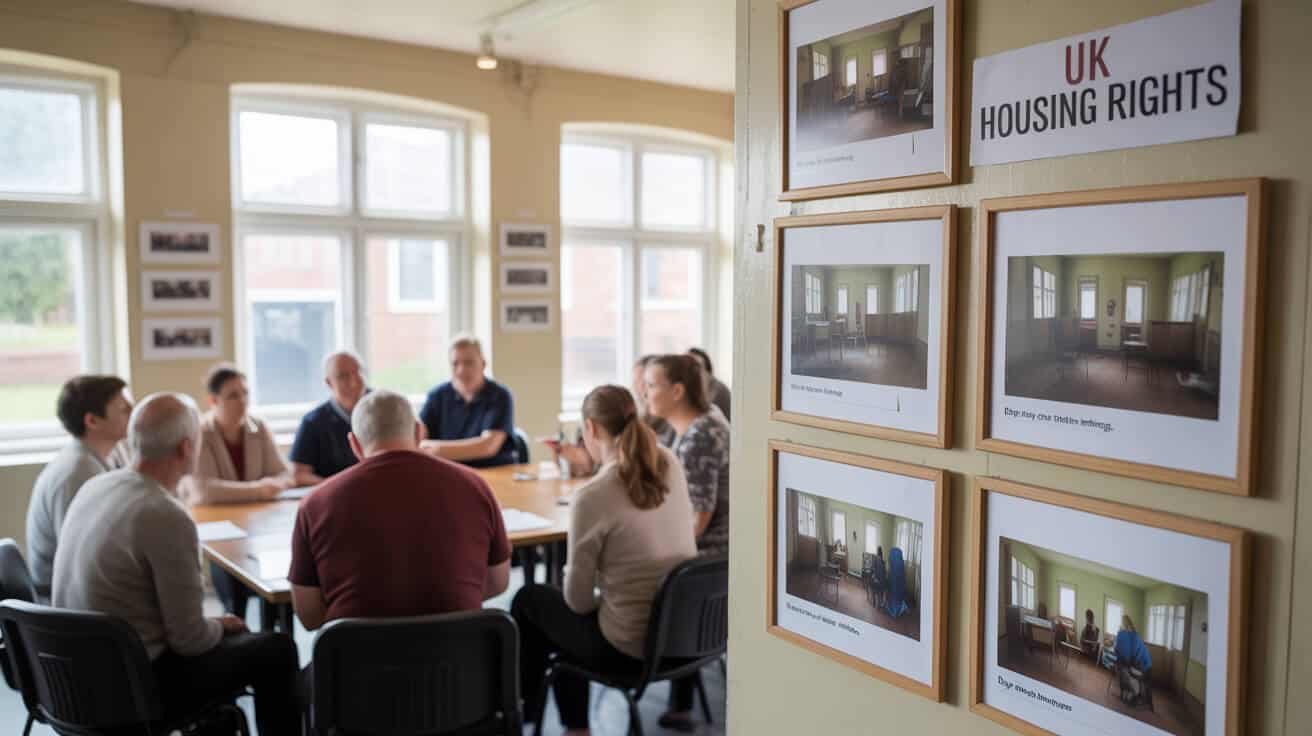
![[ALTTOKEN]](https://allservices4u.co.uk/app/uploads/2026/01/04-Lift-PPM-Services-for-HRB-UK-LOLER-Part-M-Compliance.jpg)
All Services 4U focuses on turning lift obligations into a practical, documented system that supports your safety case rather than adding more noise. Drawing on experience across HRB portfolios, the service is built around higher‑risk residential buildings, not generic commercial lifts, so it fits the duty‑holder structure and resident expectations you work with every day.
End‑to‑end LOLER and servicing coordination
End‑to‑end coordination means your LOLER examinations, routine servicing and defect close‑out work together, with independent competent persons and clear records for every lift. All Services 4U helps you map who examines what, who fixes what and how each action is recorded, so every lift has a clear, defendable safety storey.
A sensible starting point is to make sure statutory thorough examinations and day‑to‑day maintenance are clearly defined and properly coordinated. All Services 4U works with you to confirm the asset list, classify each lift by type and use and agree a written scheme of examination where appropriate. That scheme sets out, per lift, the examination interval, the scope of thorough examination and any circumstances that would trigger additional checks.
Crucially, the competent person who carries out the LOLER examinations is kept independent from routine maintenance work. Their job is to decide whether the lift is safe to remain in service and to report defects, with timescales for rectification. Service engineers then act on those findings within agreed timeframes, and close‑out is verified and recorded so nothing quietly disappears in the gap between report and action.
Routine PPM visits are structured separately. Instead of a vague “quarterly service”, you see a defined task set per visit: cleaning and lubrication, door operation checks, safety gear tests, alarm and communication tests, levelling accuracy, control system diagnostics and more. Visit content and frequency are adjusted for factors such as traffic levels, resident dependence and previous fault patterns, not just contractor convenience.
Embedding accessibility and HRB context into everyday lift care
Embedding accessibility and HRB context into lift care means that every visit checks whether lifts still work for disabled residents and still support your fire and evacuation strategy, not just whether the machinery runs. That is what Part M, the Equality Act and modern building safety expectations now demand in higher‑risk buildings.
Because Part M and the Equality Act focus on how people use the building, accessibility is built into maintenance rather than bolted on afterwards. Engineers check not only that doors open and close but that dwell times are reasonable, car and landing buttons remain usable for a wide range of residents, audible and visual indicators work and emergency communication points are clear, reachable and functional.
For HRBs with firefighting or evacuation lifts, the service incorporates the additional recommendations that followed major inquiries: regular functional checks of firefighter controls, confirmation that call overrides work as designed and clear reporting routes if any part of the system is compromised. Results can be shared with fire and rescue services where local procedures expect it, so everyone is working from the same picture.
All of this is documented in a way that can be dropped straight into your digital records. Each lift ends up with a consistent storey: design intent, current condition, examination results, servicing history, defects and actions. That storey underpins the case you present to regulators, boards, insurers and residents that lifts are being managed in line with both legal requirements and practical expectations.
When you can tell the storey of each lift clearly, scrutiny stops feeling like an attack and starts feeling like a professional conversation.
What does “good” lift PPM look like in a UK higher‑risk residential building?
In practical terms, a good PPM regime for HRB lifts is one you can explain, justify and evidence. It is risk‑based, lift‑specific and clearly above the bare minimum, especially where residents have no realistic alternative to the lift and where regulators can reasonably expect more than generic servicing borrowed from commercial settings.
In an HRB, risk‑based frequencies mean you tune examination and servicing intervals to usage, dependency, age and fault history, using recognised competence standards. That way you can explain why each lift is checked as often, and by whom, as it is – and you can defend those choices if someone challenges them.
For passenger and platform lifts carrying people, LOLER sets the minimum thorough examination intervals. In a typical HRB that means at least six‑monthly examinations by a competent person, with more frequent checks where usage, age, condition or incident history justify it. Goods‑only lifts that never carry people may sit on 12‑monthly intervals, but the moment staff ride with loads they move into the six‑monthly category.
PPM servicing should be set at a frequency that reflects real‑world use rather than a default. High‑traffic core lifts in a tall block may justify monthly servicing; lightly used secondary lifts might be fine on quarterly visits. Firefighting and evacuation lifts need more frequent operational checks, often monthly, because their failure during an incident would carry serious consequences.
Good practice also defines competence. You know which qualifications, experience and training are expected for lift engineers and inspectors working on your HRBs, and you hold records to prove that those criteria are met. Supervision, toolbox talks and refreshers are part of the regime, not nice‑to‑have extras, and they are recorded with the same discipline as the technical work.
A complete “file for every lift” and a resident‑aware interface
A complete “file for every lift” makes it easy to show, at short notice, what you have done for that lift and why – and to spot gaps before others do. When each file is complete, challenge from regulators, residents or insurers becomes far easier to handle and far less stressful for your team.
For each lift there should be a recognisable bundle of information, typically including:
- As‑built specifications and drawings.
- Commissioning records and handover documents.
- Current maintenance contract and scope.
- In‑date thorough examination reports.
- Recent service reports and checklists.
- Logged defects and documented close‑out.
- Records of incidents, entrapments and complaints.
Together, these give anyone reviewing the building a clear view of the lift’s history and current status.
How you interact with residents during lift issues is also part of “good” PPM. Residents should receive clear, timely notices when a lift is taken out of service, with realistic timescales for repair and updates if those timescales change. There should be a simple, recorded way of flagging residents who cannot manage without a lift so that your response plans take vulnerability into account and you can evidence that consideration later.
In fire safety terms, firefighting and evacuation lifts are integrated into your broader test regime. The same PPM decisions that affect reliability show up in your ability to deliver the fire strategy your engineer designed, which is exactly the kind of alignment the Building Safety Regulator now expects to see in HRBs. When a regulator, ombudsman or court looks at your arrangements in the round, they see a coherent, thought‑through system instead of a loose collection of invoices and certificates.
Accreditations & Certifications






How does All Services 4U deliver competent persons, intelligent scheduling and risk‑based regimes?
![[ALTTOKEN]](https://allservices4u.co.uk/app/uploads/2026/01/05-Lift-PPM-Services-for-HRB-UK-LOLER-Part-M-Compliance.jpg)
Designing a good PPM regime is one thing; delivering it consistently across an HRB portfolio is another. All Services 4U’s delivery model is built to mesh with your existing governance, not to replace it, while bringing specialist focus to lift risk and using processes that have already been tested with building safety teams and insurers.
Clear roles, responsibilities and dynamic scheduling
Clear roles and dynamic scheduling turn your lift regime from a static calendar into a controlled process, where critical lifts receive priority and everyone understands their part. A simple governance map and risk‑based visit patterns give you confidence that resources are targeted where they matter most, not just where they are easiest.
A first step is to draw a simple RACI map for lift safety. That sets out who owns the obligation as accountable person, who is responsible for day‑to‑day management, which organisation provides maintenance, who acts as competent person for LOLER, how insurance engineering inspections fit in and who signs off risk‑based changes. Putting that clarity on paper avoids confusion when something goes wrong and reduces finger‑pointing later.
Scheduling then becomes more than a set of identical diary entries. Lifts are grouped by criticality: for example, the sole passenger lift in an eight‑storey block, a paired bank of lifts where one can cover the other, or a service lift used only occasionally. Usage data, fault history and resident feedback all feed into how often and how deeply each lift is serviced, and those decisions are documented rather than left to habit or contractor preference.
Dynamic scheduling means increasing attention where evidence suggests higher failure risk – perhaps an older car with repeated door faults – and dialling back where lifts consistently perform well, while still meeting all statutory minima. It also factors in practical realities such as access windows, resident routines and coordination with other building works, so that the regime works in practice as well as on paper.
Using data to move from reactive to genuinely preventive
Using data properly allows you to move from reacting to failures towards genuinely preventing them, by spotting patterns in faults and interventions and acting before residents feel the impact. The reports you already collect become decision tools instead of just audit evidence filed away.
Every examination, service visit, call‑out and incident generates data. In a reactive regime, records mainly exist to prove you did something after the event. In a risk‑based regime, the same records drive decisions about where to focus future attention and investment.
All Services 4U structures visit reports so that key data points – fault types, repeat components, response times, entrapment occurrences – are consistently captured. Over time, that allows you to see patterns: doors failing more in certain weather conditions, particular controllers reaching the end of their reliable life or specific blocks generating a disproportionate share of issues.
On the back of that insight, you can justify targeted interventions: temporary increases in service frequency, focused component replacements or planned modernisation. Those interventions are then recorded and fed back into the model, tightening the loop between evidence and action. That cycle is exactly what regulators expect to see in a mature building safety management system and what insurers are more comfortable underwriting in higher‑risk portfolios.
How should documentation and golden thread records for HRB lifts be structured?
In the HRB world, being able to show your work matters as much as doing it. A thoughtful PPM regime that cannot be demonstrated quickly and clearly looks, from the outside, much like no regime at all, especially when regulators, insurers or residents start digging into the detail.
Designing a digital logbook that fits the golden thread
A good digital logbook gathers the essential technical, contractual and safety information for each lift in an HRB into one place and keeps it current. It should be simple enough to use in real operations but complete enough to support your safety case, insurer queries and resident challenges.
For each lift, a digital logbook should bring together design, operation and history. At a minimum it should hold:
- Unique identifiers and location.
- Type and role (for example, passenger, goods, firefighting or evacuation).
- Key design and performance parameters.
- Commissioning and handover information.
- Current maintenance contract details and scope.
- Thorough examination reports and due dates.
- Service records and logged defects with actions.
These fields form the core of a golden thread‑friendly record that can speak for itself when needed.
Version control and update rules are critical. You need to know which documents are current, who approved them and when changes were made. That applies as much to risk assessments and method statements as it does to technical drawings or contract scopes, and it is increasingly something regulators expect to see demonstrated rather than asserted.
Integrating lift records into your wider asset and building safety systems strengthens the golden thread. Links between the lift logbook and your fire strategy, accessibility strategy, risk register and incident reporting help show how decisions about lifts are part of a coherent approach, not a silo of engineering paperwork that nobody looks at until something goes wrong.
Being ready for regulators, residents and insurers to challenge
Being challenge‑ready means you can answer common questions about lifts in minutes, not weeks. When someone asks what you have, how it is maintained and what you did about the last serious defect, the evidence should already be organised and easy to navigate.
When the Building Safety Regulator, a fire and rescue service, an ombudsman or an insurer asks about lifts in a particular building, you should be able to answer quickly: what lifts are there, what they are for, when they were last examined and serviced, what significant issues have arisen and how they were handled.
Common documentation weaknesses include missing or out‑of‑date examination reports, unclear recording of remedial actions, inconsistent naming of lifts across systems and poor retention of resident communications. All Services 4U designs templates, workflows and quality checks to reduce those gaps, so that evidence is ready when needed rather than reconstructed under pressure after a complaint or incident.
Data protection also has to be respected. Where lift records contain personal data – such as vulnerability flags, incident narratives or contact details – access and retention need to align with your privacy policies and UK data protection law. A well‑structured logbook can accommodate those constraints by separating technical records from resident‑specific information while still allowing you to show how equality and safety duties are met in practice.
With documentation in this shape, lift records hold their own as part of your safety case. They support you in responding to complaints, defending decisions and showing regulators that risk is being actively, not passively, managed over time.
How do service levels and commercial terms support safe, reliable HRB lifts?
Even the best‑designed PPM regime will only work if commercial arrangements support it. For HRBs, that means setting realistic but stretching service levels, aligning payment with performance and giving you space to build confidence before fully committing, while recognising the realities of resident dependency and building safety obligations.
Service levels that reflect duty‑holder reality
Service levels that work in HRBs are explicit, building‑specific and clearly linked to risk, so you can show how they support your legal and resident‑care duties. They cover how fast engineers attend, how quickly lifts are restored, what happens when repairs take longer and how much uptime you expect for critical assets.
Service levels for HRB lifts need to be precise. Typical elements include:
- Response times for entrapments and critical failures.
- Target times to restore safe service.
- Expectations around temporary measures if delays arise.
- Uptime targets averaged over a defined period.
Together, these create a straightforward picture of what “good” looks like in day‑to‑day operation.
Those levels should be tied back to your obligations to maintain safe work equipment and to your residents’ dependency on lifts, not just to generic numbers borrowed from an office or retail contract. They also need to take account of your staffing, escalation routes and communication processes so that hitting the SLA on paper corresponds to residents feeling supported in practice.
All Services 4U works with you to define those parameters per building or per group of buildings, building in escalation mechanisms and review points. Performance is then monitored through agreed KPIs and regular reports, with the expectation that patterns, not just one‑off incidents, will be discussed and addressed.
Commercial models that encourage sustained reliability
Commercial models that encourage reliability balance predictability for you with incentives for the contractor to reduce repeat faults and avoid perverse incentives for excessive call‑outs. They make it easier to justify investment in better PPM because they show where reactive spend is being avoided and where resident experience is improving.
Commercial structures can support or undermine the behaviours you want from a PPM regime. A pure time‑and‑materials model can unintentionally reward frequent call‑outs, while a fixed‑price model with no performance conversation can encourage doing as little as possible to stay within budget.
A healthier balance might combine a clear base price for a defined programme of work, transparent rates for legitimate extras and a performance overlay that takes account of repeat faults, first‑time fix rates and uptime. The aim is not to transfer all risk to the contractor but to align incentives so that both parties gain when lifts run reliably and compliance is demonstrable.
Because HRB portfolios and governance cultures vary, All Services 4U can phase engagement: for example, piloting the full technical and commercial model on a subset of higher‑risk or higher‑complaint blocks, refining it based on real results, then rolling it out more widely with evidence in hand. That phased approach reduces internal resistance, allows budget holders to see tangible benefits and gives both sides a chance to tune the relationship before scaling.
Reliable Property Maintenance You Can Trust
From routine upkeep to urgent repairs, our certified team delivers dependable property maintenance services 24/7 across the UK. Fast response, skilled professionals, and fully insured support to keep your property running smoothly.

Book Your Free Consultation With All Services 4U Today
All Services 4U helps accountable persons, managing agents and portfolio owners turn lift obligations in higher‑risk buildings into a practical, evidence‑rich PPM regime that stands up to scrutiny. A free consultation is a straightforward way to see what that could look like for your buildings before you commit to any change.
What you can expect from a first conversation
A first conversation is about clarity, not commitment, giving you a quick sense of how your current lift regime measures up against HRB expectations. In one short session you can test how your existing approach compares with what regulators, residents and insurers now reasonably expect.
A typical initial session focuses on one or two representative HRBs. Your team shares what you currently have – asset lists, sample LOLER reports, servicing contracts, complaint patterns and relevant pieces of your fire or accessibility strategies. In return, you receive a structured view of where those arrangements align with current expectations and where there are gaps or uncertainties that could cause problems later.
The discussion covers technical and governance angles: examination frequencies, servicing content, independence of competent persons, resident‑facing processes, documentation quality and how lift information feeds into your golden thread and safety case. The aim is to give you a clear picture, not to criticise; many organisations are still adapting to the HRB regime, and seeing your position honestly is the first step to improving it.
After the consultation you can expect a short summary highlighting key observations, suggested priorities and examples of the kinds of logbooks, schedules and evidence packs that could be developed. That summary can help you brief boards, colleagues and advisers about next steps, and it is prepared by senior lift and building safety specialists rather than generic sales staff.
Low‑friction ways to move forward
Low‑friction next steps let you test the approach before you consider any wider change. You can start with a single building, a specific problem area or a focused evidence gap, and build from there as confidence grows.
If you decide to explore further, there are several options that keep risk and scope controlled. Some clients start with a focused diagnostic on a single HRB, designed to test how their current lift regime performs against LOLER, Part M and HRB expectations. Others choose a pilot across a small cluster of buildings sharing similar lift configurations or complaint histories.
In each case, All Services 4U works alongside your existing suppliers and internal teams. Roles and boundaries are agreed up front, timelines are realistic and essential services are maintained throughout any transition or improvement programme. The emphasis is on building a robust, repeatable model that your organisation can sustain, not on creating dependency.
If you are an accountable person, managing agent or owner of an HRB and want clearer sight of your position – and a route to something better – a short, no‑obligation conversation with All Services 4U is a simple place to start. You can explore options without disrupting current contractors, then decide how and when to move at a pace that fits your governance, your budget and your residents’ expectations.
Frequently Asked Questions
Explore our FAQs to find answers to planned preventative maintenance questions you may have.
How can a dissatisfied landlord or owner tell when their current contractor is holding them back?
You can tell a contractor is holding you back when problems keep landing back on your desk instead of being owned, fixed and evidenced by the people you pay.
What “contractor underperformance” looks like in real landlord terms
You don’t judge a contractor on how polite their engineers are; you judge them on whether they protect your asset value, insurability and mortgageability. The warning signs are usually very consistent:
- You hear about failures from residents, not from your contractor.: Lifts stuck, leaks recurring, alarms beeping – and the first alert is a WhatsApp from an angry leaseholder, not a proactive update from your supplier.
- Insurers and lenders ask for evidence you can’t put your hands on.: FRA closure, CP12/EICR currency, roof inspection photos, damp logs, EWS1 or Safety Case inputs are buried in inboxes instead of sitting in a binder you can open in under an hour.
- The same assets keep failing.: The same roof leaking, the same riser flooding, the same door not closing properly both before and after “repairs”, which tells you nobody is owning root cause.
- Everything is blamed on “access” and “authorisation”.: Jobs are cancelled or rolled over because notices, permits, keys or vulnerability needs weren’t planned for – and you end up mediating between residents and the contractor.
- You’re still carrying the complaints.: When things escalate to ombudsman, legal letters or social media, residents come to you or your board, not to the contractor whose work they’re unhappy with.
When those patterns show up, you don’t just have a maintenance problem; you have a risk partner problem. A team like All Services 4U earns its place by flipping that dynamic: they take responsibility for planning, evidence and communication, so you stop being the default shock absorber every time something fails.
Why you feel contractor failure more sharply than anyone else
Property managers, housing officers and coordinators all feel the strain, but you are the person:
- Named on insurance policies and loan agreements.
- Exposed at tribunal for Section 20, disrepair and HFHH.
- Watching valuation, refinancing and exit numbers move.
When contractors under‑deliver, everyone else can shrug; you’re the one insurers, lenders and judges address directly. That’s why serious landlords eventually stop shopping for “cheaper call‑outs” and start looking for a partner whose first question is, “How do we protect your position if something goes wrong?”
If you recognise yourself in this, the next sensible move isn’t another round of quote‑hunting. It’s to let a firm like All Services 4U walk through a single building with you and show, in plain language and hard documents, how far your current contractor model is from the level of control and proof your risk profile deserves.
- Structuring compliant lift PPM in UK higher‑risk buildings
- How should lift PPM in a UK higher‑risk building actually work under LOLER and Part M?
- What does weak lift maintenance really cost higher‑risk building owners and managers?
- How does an All Services 4U lift PPM service align with LOLER, Part M and HRB duties?
- What does “good” lift PPM look like in a UK higher‑risk residential building?
- How does All Services 4U deliver competent persons, intelligent scheduling and risk‑based regimes?
- How should documentation and golden thread records for HRB lifts be structured?
- How do service levels and commercial terms support safe, reliable HRB lifts?
- Book Your Free Consultation With All Services 4U Today
- Frequently Asked Questions
- Related PPM Services
Case Studies


Related Articles

Your Guide To Identifying And Treating Minor Mould Outbreaks
Why Planned Preventative Maintenance (Ppm) Saves Money And Ensures Compliance