PPM Services for Higher-Risk Buildings (HRB) UK – Building Safety Act
HRB owners, accountable persons and senior property teams need a PPM approach that clearly underpins Building Safety Act duties for higher-risk residential buildings. A structured regime maps which blocks are in scope, defines risk-based maintenance tiers and sets out inspection, testing and repair expectations, based on your situation. You finish with a defensible schedule of HRBs and non‑HRBs, clear maintenance language, and records that show how fire and structural risks are controlled over time. It’s a good moment to test whether your current regime would stand up to regulator, insurer and resident scrutiny.


Author
Izzy Schulman

How robust PPM underpins HRB duties and risk control
If you manage higher-risk residential buildings, the Building Safety Act now judges you on what you can evidence about fire and structural risk control. That shifts attention from ad-hoc repairs to a clear, proportionate PPM regime across HRBs and the rest of your stock.

Getting that regime right means defining which buildings are true HRBs, where HRB-style controls are justified, and how maintenance language and records support your accountable roles. A practical, risk-based PPM model helps you explain decisions to boards, residents, regulators and insurers with greater confidence.
- Identify which buildings are truly in scope as HRBs
- Design proportionate PPM regimes across different risk categories
- Strengthen records so “reasonable steps” are easier to evidence
Need Help Fast?
Locked out, leak at home, or electrical issue? All Services 4 U provides 24/7 UK locksmith, plumbing, electrical.
Testimonial & Clients Who Trust Us
With 5 Star Google Reviews, Trusted Trader, Trust Pilot endorsements, and 25+ years of experience, we set industry standards for excellence. From Dominoes to Mears Group, our expertise is trusted by diverse sectors, earning us long-term partnerships and glowing testimonials.
Worcester Boilers

Glow Worm Boilers

Valliant Boilers

Baxi Boilers

Ideal Boilers

Understanding HRBs and Why PPM Underpins Your Duties under the Building Safety Act
Higher‑risk buildings sit in a dedicated Building Safety Act regime where robust planned maintenance is central to showing that fire and structural risks are controlled. If you manage an HRB, you are now judged by what you can evidence: clear identification of risks, appropriate controls, and a consistent pattern of inspection, testing and repair that dutyholders can stand behind.
Clear definitions and simple asset lists take the heat out of difficult decisions.
In practice, the HRB regime creates new dutyholder roles, mandatory registration, mandatory occurrence reporting and ongoing oversight for taller, multi‑occupied residential buildings. The law talks about “building safety risks” and “reasonable steps”, but regulators, insurers and residents will look at the pattern your records show: how often critical systems are inspected, what is found, how quickly issues are fixed, and whether this matches the risk profile of each building.
What actually counts as an HRB in your portfolio?
In England, an occupied Higher‑Risk Building is usually a multi‑occupied residential building above a defined height or storey threshold with at least two dwellings. Some hospitals and care homes are treated as higher risk during design and construction but move into different regimes in occupation, so it is important not to assume everything tall is automatically an HRB.
Your first task is to remove guesswork and create a simple, defensible schedule that shows which buildings are clearly in scope, which are borderline and which are out of scope but still justify enhanced attention. That schedule becomes the anchor for where you apply full HRB processes and where you adopt proportionate, risk‑based variants.
You can build that schedule by mapping three basics for every block:
- Height and storey count.
- Primary use (general needs, student, older persons, mixed‑use).
- Dwelling numbers and any vulnerable occupancy patterns.
Once those facts are captured consistently, you can explain why particular blocks are treated as HRBs, HRB‑lite or standard stock. That clarity is invaluable when you are answering questions from boards, residents, regulators and insurers about why one building is subject to more intensive controls than another.
Why the Act quietly assumes a robust PPM regime
The Building Safety Act expects you to run a PPM regime that shows you are controlling known fire and structural risks, not just reacting to visible faults. Accountable Persons and Principal Accountable Persons must assess building safety risks, prevent those risks where reasonably practicable and reduce their severity if they occur. Those duties apply throughout the life of the building, not just at handover.
Underneath the legal language sit three very practical questions that regulators, insurers and residents will ask of your HRBs:
- Do you know where your key fire and structural risks sit?
- Do you have appropriate measures in place to control them?
- Can you show that those measures are tested, maintained and repaired in a timely way?
Without a coherent planned preventive maintenance (PPM) regime, backed by records, you cannot answer those questions confidently. Reactive repairs and ad‑hoc servicing may fix today’s fault, but they do not demonstrate that you have taken “reasonable steps” in a high‑hazard, high‑consequence environment.
HRBs versus “standard” blocks: getting the level right
You need to distinguish clearly between true HRBs and other blocks while still treating non‑HRB buildings with appropriate care. Over‑treating every building as an HRB wastes money; under‑treating mid‑rise or high‑vulnerability stock leaves obvious risk gaps. A proportionate model sets expectations for each category and explains them in plain language.
It is risky to assume that anything under the height threshold is simply “business as usual”. Non‑HRB residential blocks still sit under the Fire Safety Order, health and safety law and housing fitness standards, all of which expect safety‑critical systems to be maintained in an efficient state. The question is how far you extend HRB‑style thinking into the rest of your portfolio.
A practical approach many organisations take is to:
- Apply the full HRB regime where the law requires it.
- Use HRB‑style, risk‑based regimes on mid‑rise or high‑vulnerability blocks.
- Maintain clear internal guidance so teams know why regimes differ.
That balance keeps your approach proportionate while avoiding obvious gaps in safety management on buildings that may not meet the strict HRB definition but still carry significant risk.
Clarifying maintenance language inside your organisation
Clear, shared maintenance language helps you design and explain HRB PPM without confusion or drift, including linked areas such as HRB water hygiene. When teams understand the difference between reactive work, cosmetic cycles and safety‑critical PPM, it is easier to set priorities and hold suppliers to account. This also makes it simpler to explain to boards and residents where their money is going.
Three concepts are particularly important:
- Reactive repairs: – fix issues when they break or fail.
- Cyclical works: – planned redecoration or component replacement for condition and appearance.
- Planned preventive maintenance: – scheduled inspection, testing, servicing and minor repairs to prevent failures of safety‑critical systems.
When you discuss Building Safety Act duties, it is this third category that really matters. Once teams, contractors and boards share that language, it becomes easier to design, cost and defend an HRB‑ready regime.
This information is general and does not constitute legal advice; you should always seek your own qualified legal interpretation of the Act and its regulations.
The New Risk Landscape: Consequences of Weak PPM in HRBs
In an HRB, weak or poorly evidenced PPM now translates directly into regulatory, financial and reputational risk. The Building Safety Regulator is interested in how you control building safety risks over time, not just whether you “passed” the last inspection. That moves you from a certificate‑driven mindset towards demonstrating a stable system for inspection, testing and repair.
At a high level, the consequences of weak PPM in HRBs tend to fall into three linked categories:
- Regulatory and personal liability.
- Insurance, lender and valuation impacts.
- Human and reputational consequences.
Keeping those categories in mind helps your board weigh the true cost of under‑investing in HRB maintenance. All Services 4U often helps organisations make that link explicit when they review risk registers, assurance statements and board reports.
If HRB PPM is weak, regulators are more likely to question your risk controls, issue enforcement notices and, in serious cases, consider criminal action against individuals. As a dutyholder, you should assume that the Building Safety Regulator will examine maintenance regimes and evidence, including areas such as HRB lift maintenance, not only design and construction paperwork. Poor records and overdue actions make it hard to argue that you have taken all reasonable steps.
The Regulator can require information, demand investigations and instruct you to improve how you manage building safety risks. Serious incidents or persistent non‑compliance can escalate to compliance notices, special measures or, in the worst cases, criminal proceedings against corporate bodies and individuals. That scrutiny now extends directly to the adequacy of your maintenance regime and records, not just what your original design documents say.
Board members and senior officers are increasingly aware that regulators and courts will ask not only “what did you know?” but “what should you reasonably have known?” about the condition of fire and structural systems. Gaps in inspection, overdue remedials and missing records make it hard to argue that you have taken all reasonable steps, especially in higher‑risk buildings where potential consequences are well understood.
Insurance, lenders and valuations
Insurers, lenders and valuers are now asking whether your PPM and evidence genuinely reduce the probability and impact of fire and structural failure in HRBs. Their questions are shifting from “do you have certificates?” to “how do you maintain and prove the condition of safety‑critical systems over time?”. If answers are weak, premiums, exclusions and valuations tend to move against you.
You may already see this as:
- More detailed questions on alarms, risers, compartmentation, lifts and sprinklers at renewal.
- Additional conditions or exclusions if maintenance evidence is weak or fragmented.
- Lower valuations or reluctance to lend where safety and documentation appear uncertain.
A well‑structured PPM regime, with consistent records, is one of the simplest ways to show these stakeholders that you understand and are managing HRB‑specific risks, rather than treating tall buildings like any other block.
Human and reputational consequences
For residents, the most obvious sign of weak PPM is repeated failure of day‑to‑day systems: lifts that break down, alarms that cause nuisance, smoke control that feels unreliable, and damp or mould that returns. In a tall building, these issues are more worrying because escape is more complex and people know the consequences of failure are higher. That experience shapes their trust in your organisation long before any major incident.
When problems drag on, residents are more likely to escalate concerns to councillors, tenant groups, regulators or the Ombudsman. If a major incident or near‑miss occurs on top of that day‑to‑day frustration, it becomes very difficult to persuade residents, local politicians and the media that your organisation takes safety seriously.
Connecting these dots at board level helps you move discussion away from “can we avoid spending more on maintenance?” towards “where do we want to sit on the spectrum of risk, cost and trust for our HRBs?”. All Services 4U’s role is often to provide the technical and evidential backbone that makes those choices clearer.
Designing HRB‑Specific PPM that Aligns with the Dutyholder Regime
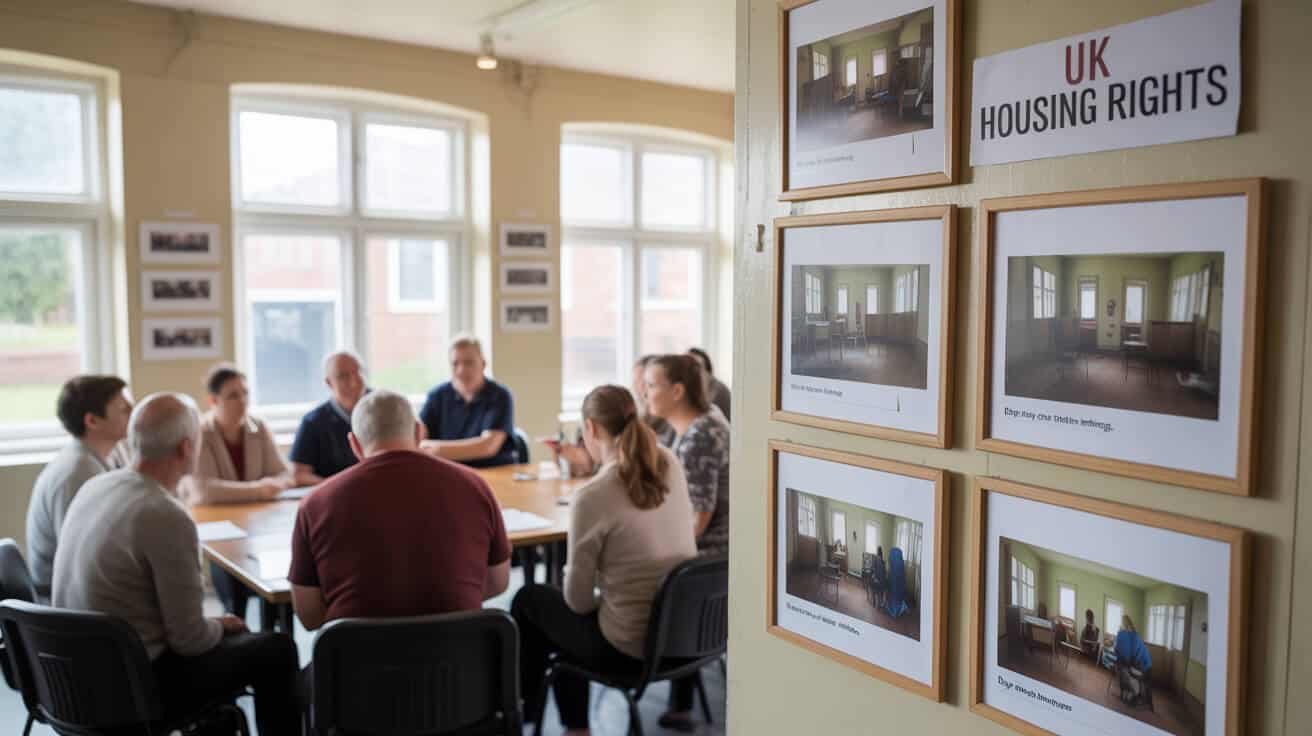
![[ALTTOKEN]](https://allservices4u.co.uk/app/uploads/2026/01/00-PPM-Services-for-Higher-Risk-Buildings-HRB-UK-Building-Safety-Act.png)
An HRB‑ready PPM strategy starts from your building safety risks and dutyholder map, not from a generic list of plant or service visits. In a higher‑risk building, the Principal Accountable Person must show that fire and structural hazards are identified, controlled and monitored over time, and your PPM regime is one of the strongest levers for demonstrating that in practice.
Treating PPM as part of the safety management system, rather than a separate FM routine, makes the link between legal duties and day‑to‑day work visible. All Services 4U focuses on that translation: taking legal and risk language and turning it into practical, costed programmes you can implement and defend.
Start from risks and the safety case, not from plant lists
If you design PPM by starting from plant lists alone, you risk over‑servicing some equipment while overlooking safety‑critical controls. A more reliable approach is to begin with your fire and structural risk picture, then identify which systems control those risks and how often they must be checked. This risk‑backwards approach produces maintenance that lines up naturally with your emerging safety case.
You can structure that exercise around three steps:
- Identify the main fire and structural hazards: external walls, primary structure, compartmentation, escape routes, smoke and fire control.
- For each hazard, list the systems or components that control it.
- For each control, define inspection, testing and servicing regimes that keep it reliable.
Seen through that lens, you can quickly see where existing schedules are adequate, where tasks are missing and where you may be maintaining non‑critical items more diligently than life‑safety systems.
Making the difference between “standard FM” and “HRB‑ready PPM” visible
From the outside, a standard FM contract and an HRB‑focused PPM service can look similar: engineers visit, tests are carried out, and reports are filed. The real differences lie in how those activities are chosen, connected to risk and used as evidence. You want anyone reading your schedules and reports to see, immediately, that they have been built around HRB duties rather than routine building management.
An HRB‑ready regime will typically:
- Refer explicitly to Building Safety Act dutyholder roles, especially the Principal Accountable Person.
- Show how tasks and frequencies are derived from risk assessments, not just manufacturer minimums.
- Produce outputs that can drop straight into golden‑thread systems and safety case evidence packs.
That is the gap All Services 4U is designed to close: our services focus on aligning planned maintenance with risk, dutyholder obligations and evidential requirements so you can demonstrate control rather than simply asserting it.
Clarifying roles between PAP, APs, “responsible persons” and contractors
Higher‑risk buildings often have a complex cast: freeholders, leaseholders, managing agents, housing providers, in‑house teams and external contractors. The Act adds Accountable Persons and a Principal Accountable Person into that mix, alongside “responsible persons” under fire safety law. If you are not explicit about who does what, important tasks fall between the cracks.
A robust HRB PPM strategy includes:
- Clear RACI charts showing responsibilities and accountabilities for each building.
- Appointment letters and scopes that spell out duties and expectations for each party.
- Escalation routes for defects and non‑conformities that touch building safety risks.
When those relationships are visible and agreed, you can scale an HRB‑specific regime across multiple buildings without losing sight of who is carrying which duty at each step. All Services 4U can help map these roles and make sure maintenance responsibilities sit in the right place.
Golden Thread, Safety Case and Digital Records: Turning PPM into Evidence
For higher‑risk buildings, PPM is only as strong as the records that prove what was done, when, by whom and with what result. The golden thread principle expects digital, structured and auditable information that lets you and the Regulator understand the building and keep people safe. Maintenance data is a central strand of that thread: without it, you cannot convincingly show that key risk controls are monitored and maintained.
Well‑structured PPM records also make it far easier to answer questions from insurers, lenders, boards and residents without weeks of manual collation. All Services 4U designs its workflows around capturing the right detail in a way that feeds your chosen information model rather than creating another silo.
What a golden‑thread‑ready maintenance record looks like
Golden‑thread‑ready maintenance records let you answer simple but revealing questions about every safety‑critical asset. They connect location, function, work history and competence in a way that supports your safety case, rather than leaving you to piece together evidence under pressure.
For every safety‑critical asset in an HRB, you should be able to answer:
- Where is the asset and what role does it play in managing risk?
- When was it last inspected, tested, serviced or repaired?
- What was found, what was fixed and what remains outstanding?
- Who did the work and were they competent to do it?
In practice, this means linking your asset register, job data, test results and certificates so they form a continuous, auditable storey through the life of the building. Where All Services 4U delivers works, our job is to ensure that storey is complete, legible and aligned with your golden‑thread structure.
Making systems talk to each other
Most organisations already have some mix of CAFM tools, contractor apps and document repositories, but they often hold overlapping or inconsistent data. To support your golden thread and safety case, these systems must at least agree on key identifiers and fields for safety‑critical work. You do not need perfection, but you do need enough alignment to answer regulator and board questions without manual detective work.
A pragmatic route forward is to:
- Agree common asset identifiers and location codes used across all systems.
- Standardise a small core of fields for safety‑critical PPM (asset ID, date, status, defect code, close‑out date).
- Implement simple integrations or exports so PPM records can flow into your golden‑thread or common data environment.
All Services 4U is used to working with existing platforms. The aim is not to replace tools that are working but to ensure that the right data is captured and can move efficiently into your safety case evidence set.
Right‑sizing digital ambition
You do not need a full digital twin to satisfy the Regulator, but you do need information that is accurate, complete and usable. Many organisations can make quick gains by tightening structure and process around existing spreadsheets or simple databases while planning for more advanced tools later. The key is to raise the quality of maintenance data now, rather than waiting for a perfect technology project.
You can move in stages by:
- Structuring key HRB asset information in better spreadsheets or simple databases.
- Tightening processes so data quality and approvals are consistent.
- Planning a gradual move towards more integrated tools when budgets and capacity allow.
This approach lets you improve safety and evidential quality now, while still leaving space for a longer‑term digital roadmap that matches your organisation’s size and resources.
Accreditations & Certifications







Integrating Fire, Structural and M&E PPM Around Your Safety Case
![[ALTTOKEN]](https://allservices4u.co.uk/app/uploads/2026/01/03-PPM-Services-for-Higher-Risk-Buildings-HRB-UK-Building-Safety-Act.png)
In an HRB, your safety case must show how structural, fire and building services work together to control risk, so your PPM needs to reflect that integrated picture, including HRB fire safety PPM as part of the wider regime. It is not enough to maintain each system in isolation and file certificates separately. Instead, you should map how the systems interact and tune maintenance to those interactions and the building’s actual risk profile.
Regulators and insurers are increasingly sceptical of fragmented approaches where each contractor optimises its own work without regard to the whole. All Services 4U’s model is to look at your building as a single risk system and help you align PPM activities to that system rather than to individual trade silos.
Mapping safety‑critical systems to tailored maintenance regimes
You can strengthen HRB PPM by creating a single, risk‑based view of all systems that matter for fire and structural safety in each building, including areas where EWS1 facade support may inform the wider assessment. That view should go beyond plant registers to identify what must work to keep residents safe in credible worst‑case scenarios. Once you have that map, you can adjust maintenance regimes to match actual risk instead of relying on generic calendars.
You can structure that map around three groups:
- Structural elements whose failure poses major risk (frame, core, balconies, external walls).
- Fire protection features that control spread and enable escape (compartmentation, fire doors, fire stopping, alarms, AOVs, sprinklers, emergency lighting).
- Supporting services that interact with those risks (lifts, smoke shafts, gas, electrical distribution, water and drainage).
For each item, you then test whether the current regime is aligned with relevant standards and guidance and whether it is sufficient given the building’s design and occupancy. That analysis lets you justify going beyond bare minimum inspection frequencies where the safety case shows a higher hazard.
Looking at interfaces, not just individual components
Many serious failures in HRBs arise at the interfaces between systems rather than within single components. Doors, smoke control, lifts, sprinklers and power supplies may all work on paper, but interact badly during an incident if they are not designed and maintained as a coherent whole. Your PPM needs to consider those interfaces and include checks that reflect how the building is meant to perform in reality.
Aligning PPM with your safety case means you:
- Schedule joint inspections where two or more systems interact.
- Brief contractors so they understand the wider fire and structural strategy.
- Capture defects in ways that reflect their impact on overall risk, not just on specific items.
All Services 4U engineers and coordinators are trained to think in terms of the whole risk picture, not isolated assets, so their findings feed more directly into your safety case logic.
Managing legacy buildings and gaps in design information
Legacy HRBs often lack reliable design and construction information, which creates uncertainty about how well fire and structural risks are controlled. In those buildings, you may need to increase inspection and testing, commission targeted intrusive surveys and assume more conservative deterioration patterns until you know more. Your PPM strategy should acknowledge this uncertainty and show how you are actively reducing it over time.
In existing buildings with incomplete or unreliable records, you cannot rely solely on drawings or historic specifications to tell you where risks and controls lie. A defensible approach in such buildings might include:
- Targeted intrusive surveys to confirm critical construction details.
- Enhanced inspection and testing frequencies where design or condition information is weak.
- Conservative assumptions about deterioration and resilience until better evidence is gathered.
Linking these actions clearly to your safety case shows the Regulator that you are managing uncertainty actively rather than passively hoping historic issues will not surface.
Governance, Competence and Resident Engagement Around HRB PPM
Even a technically sound PPM plan will fail if governance is weak, competencies are unclear or residents feel excluded from what is happening in their homes. The Building Safety Act expects you not only to maintain systems but to show that the people planning and delivering that maintenance are suitably competent, properly overseen and responsive to resident concerns.
All Services 4U often works with governance and resident‑facing teams to make sure technical improvements in PPM are matched by improvements in how decisions are made and explained. That combination is usually what increases regulator confidence and resident trust.
Making competence visible and auditable
For HRB PPM, you must be able to show that people specifying, delivering and signing off work are competent for their roles. That involves more than collecting trade cards; you need clear role definitions, training records and assurance that people understand how their tasks relate to building safety. Regulators will expect this competence storey to be visible and auditable.
Your organisation should be able to show, building by building, who is competent to:
- Specify and plan PPM for safety‑critical systems.
- Carry out inspections, tests and servicing.
- Review results, sign off close‑out and escalate concerns.
All Services 4U supports this with clear role profiles, training records and, where appropriate, third‑party accreditations, so you can evidence competence rather than simply assert it in policy documents.
Governance forums that join up risk, operations and residents
Good HRB governance brings risk, operations and Resident Engagement perspectives together in one place, rather than leaving each team to make decisions in isolation. That means regular, structured meetings that look at PPM performance, incidents, complaints and upcoming works as a single picture. Decision logs then show how you balanced risk, cost and disruption when you set priorities.
Typical features of strong HRB governance include:
- Regular HRB‑specific review meetings covering PPM performance, incidents, complaints and upcoming works.
- Decision logs showing how maintenance priorities were set and trade‑offs managed.
- Routes for residents’ concerns about safety or maintenance to influence PPM plans.
When these forums are in place, you can show regulators and boards that PPM is part of a living safety management system, not a static schedule on a shelf. All Services 4U can provide the technical inputs and evidence packs that make those meetings more productive and less adversarial.
Linking maintenance to resident trust
Residents judge your organisation by how quickly you respond when something goes wrong, how clearly you explain what you are doing and whether problems stay fixed. In HRBs, you also need to show how day‑to‑day maintenance supports wider building safety, not just comfort or appearance. Thoughtful communication around PPM can turn a disruptive programme into a visible safety improvement.
You can strengthen trust by:
- Providing clear, plain‑language explanations of what is being done and why.
- Giving reasonable notice of access needs and likely disruption.
- Feeding back on what inspections found and how issues are being addressed.
All Services 4U can help design resident‑facing summaries and templates that align with your PPM activity, so the technical work and the human experience move together and reinforce each other.
Implementation, Pricing and Procurement Options for HRB PPM
You can move from today’s PPM arrangements to an HRB‑ready regime through phased, risk‑based steps rather than trying to change everything at once. The most successful programmes start with a focused diagnostic, sequence contract changes carefully and link pricing to outcomes that matter for safety and assurance. That approach makes it easier for boards, procurement and residents to stay supportive.
Very few organisations have the appetite or capacity for a “big bang” change across all buildings. All Services 4U structures its support to work with your existing contracts and teams, building momentum through early wins while you build confidence and internal backing.
Starting with a single‑building HRB PPM diagnostic
A single‑building diagnostic lets you test your PPM and evidence against Building Safety Act expectations in a controlled way. It gives you tangible findings, rather than assumptions, and creates a shared picture of where you are strong and where you need to improve. That shared picture is invaluable when you ask boards to support further investment or changes.
A diagnostic on a single HRB will typically provide:
- A structured view of where current PPM and records align – or do not align – with Building Safety Act expectations.
- A prioritised list of safety‑critical gaps and quick wins.
- A grounded feel for data, contract and competence challenges across your portfolio.
That insight then underpins a phased roadmap, instead of leaving you to guess which problems to tackle first and how much change your organisation can absorb.
Phasing upgrades and respecting existing contracts
Most organisations cannot replace all contracts at once, so you need a phased plan that respects commercial realities while targeting the highest risks first. That plan should identify where to vary existing contracts, where to re‑procure and how to sequence changes to minimise disruption. Clear reasoning behind those decisions helps maintain trust with suppliers and residents.
A phased approach usually means you:
- Identify which contracts can be varied and which need re‑procurement at natural break points.
- Focus early improvements on the highest‑risk HRBs and systems.
- Sequence changes so you do not overwhelm internal teams or residents.
We design our work so that All Services 4U strengthens what you already have, rather than disrupting relationships that are working well. That makes it easier for procurement and finance to support change and for residents to see benefits rather than just disruption.
Pricing, procurement routes and demonstrating value to residents
HRB PPM pricing works best when it rewards reliability, evidence quality and contribution to safety outcomes, not just activity levels. You can build this into specifications and contracts by linking payment and performance reviews to on-time completion, clean evidence packs, EWS1 facade support and support for safety case reporting where relevant. That structure also gives you clearer stories to share with residents about how their money improves safety.
Common levers include:
- On‑time completion rates for statutory and safety‑critical tasks.
- Quality and completeness of maintenance records and evidence packs.
- Contribution to Safety Case and golden‑thread reporting.
Procurement teams will also be considering which routes they can use – existing frameworks, mini‑competitions or direct awards where appropriate. Clear specifications and evaluation criteria that reflect Building Safety Act needs make it easier to justify decisions and to evidence value for money.
Residents and leaseholders, who ultimately fund much of this work, will be looking for tangible reassurance: fewer unplanned outages, visible progress on known issues and honest explanations of how safety and cost are being balanced.
Reliable Property Maintenance You Can Trust
From routine upkeep to urgent repairs, our certified team delivers dependable property maintenance services 24/7 across the UK. Fast response, skilled professionals, and fully insured support to keep your property running smoothly.

Book Your Free Consultation With All Services 4U Today
All Services 4U helps you map, upgrade and evidence PPM for higher‑risk buildings so you can answer the Building Safety Regulator, insurers and residents with confidence. A free, no‑obligation, short and structured consultation is the lowest‑risk way to stress‑test your current arrangements, test your current approach against the new regime and decide what to do next by looking at what you do in a single session.
In a single session, we work with you to:
- Clarify which buildings are in scope as HRBs.
- Understand how your existing PPM and records support – or undermine – your safety case and golden thread.
- Identify immediate, low‑disruption improvements and longer‑term options.
This gives you a clear starting point instead of speculation or generic checklists.
What you will walk away with
You should leave the consultation with concrete, usable insight rather than a vague impression. The output should help you brief colleagues and make decisions, even if you decide not to proceed immediately, and you can expect a concise, usable set of outputs rather than a vague conversation so you have something you can put straight into action, whether or not you choose to work with us further.
You will typically receive:
- A short, plain‑English snapshot of PPM strengths and gaps for one chosen HRB.
- A list of priority actions for safety‑critical systems where risk and evidence gaps are widest.
- Options for next steps, from a single‑building pilot to a portfolio‑wide programme.
You can use that material to brief colleagues, boards, residents or investors and to decide whether and how you want to proceed.
How we work with your existing teams and suppliers
You gain the most value when your existing people, systems and suppliers are supported, not swept aside. All Services 4U’s role is to strengthen planning, delivery and evidence so dutyholders can meet their obligations with more confidence, supporting your legal dutyholders rather than replacing them, and working alongside in‑house FM, compliance and building safety teams while integrating with existing contractors where they are performing well.
In practice, that means we:
- Strengthen planning and oversight so duties and tasks line up.
- Improve evidence and data flows from site to board and Safety Case.
- Bring maintenance thinking into line with Building Safety Act expectations.
If you would like to see how that could look for your organisation, a short conversation is the easiest place to start. Choose All Services 4U when you want PPM that is built around your higher‑risk buildings, dutyholders and residents – and when you value a partner that turns complex regulation into clear, workable maintenance regimes you can stand behind.
Frequently Asked Questions
Explore our FAQs to find answers to planned preventative maintenance questions you may have.
How is PPM different for higher‑risk buildings if you’re already running a “decent” maintenance regime?
Planned maintenance in higher‑risk buildings has to stand up as evidence of risk control, not just a list of completed visits.
Even if you feel your current contractor is “pretty good”, the moment a building tips into higher‑risk territory, the bar moves. The Building Safety Act pulls PPM out of the comfort zone of “keep equipment running” and into “prove you’re managing fire and structural risk on purpose, every month, with records you can defend.”
What does “good enough” PPM suddenly stop being enough?
For standard blocks, a generic SFG20 calendar plus statutory checks will mostly keep you out of trouble. In an HRB, the same pattern exposes you because it rarely answers questions like:
- Which specific hazards in the Safety Case does this task control?
- Why this frequency for this piece of kit, in this building?
- How do you know the person on the job was actually competent for HRB work?
That’s why regulators and insurers are now so interested in your reasoning, not just your activity. They’ve seen too many buildings with “in‑date certs” that still failed badly.
A stronger HRB regime reframes planned maintenance around three ideas:
- Scope is anchored to life‑safety and structure first.
- Frequencies and depths are risk‑based, not copy‑pasted from a generic template.
- Records are structured so they can be dropped straight into a Safety Case, insurance dossier, or lender pack.
If your ten‑storey building’s PPM schedule looks 90% identical to your three‑storey walk‑ups, that’s not efficiency, it’s a blind spot. That’s usually the point where it’s worth letting a specialist like All Services 4U stress‑test one building: not to criticise your team, but to show exactly where a regulator, insurer, or valuer would start pulling threads.
How does this shift actually benefit you, beyond “ticking BSA boxes”?
Done properly, HRB‑specific PPM buys you more than regulatory cover:
- Cleaner conversations with insurers and lenders: because you can evidence discipline, not just dates.
- Less firefighting for your ops teams: , because high‑impact systems are managed proactively instead of erupting as crises.
- More believable communication to residents and boards: , because you can show how maintenance, Safety Case and evidence all connect.
If you want to get a sense of the gap without committing to a full overhaul, a simple starting move is a one‑building “PPM vs Safety Case” review: you keep your existing contractor; we map what they’re doing today against what an AP, insurer or valuer will expect to see in 12–24 months, with a brutally clear list of “fix now, fix later, safe to leave alone.”
Which systems should go to the front of the queue in a higher‑risk building, and which can safely sit further back?
In a higher‑risk building, the front of your PPM queue belongs to the systems that stop an incident turning into a life‑safety event.
You don’t have the budget or time to treat every asset as equally important, and no regulator expects you to. What they do expect is that you can explain which systems are safety‑critical, why they’re treated differently, and how you’re keeping control of them over time.
How can you quickly separate “mission‑critical” from “nice‑to‑have” in an HRB?
A simple way is to group systems into three bands and force yourself to label each asset:
- Safety‑critical fire and life‑safety systems
Anything that keeps escape routes usable, limits smoke and fire spread, or underpins your evacuation strategy:
- Fire detection and alarms, including cabling, devices and cause‑and‑effect.
- AOVs, smoke shafts, pressurisation fans, dampers.
- Sprinklers, wet/dry risers, hydrants and control valves.
- Emergency lighting, exit signage, wayfinding.
- Fire doors, door closers, compartmentation, cavity barriers and fire stopping.
- Core structure and envelope
Elements where failure changes structural or fire behaviour:
- Primary frames, cores and key loadbearing elements.
- Balconies, walkways, balustrades and edge protection.
- External wall build‑ups: cladding, insulation, cavity barriers, fire stopping lines.
- Supporting systems that change your risk picture if they fail
Plant that keeps the first two categories honest:
- Passenger, firefighting and evacuation lifts.
- Electrical intakes, risers, RCDs, emergency and standby power.
- Gas installations and appliances.
- Water tanks, pumps and distribution that affect both firefighting and Legionella controls.
If losing a system for 24–48 hours would break your fire strategy, cut off safe escape, or make the building uninhabitable, it belongs in band one or two. Everything else can follow.
What level of definition do you need on each HRB‑critical system?
For each safety‑critical system, your PPM definition should be crystal clear on:
- What is being checked or serviced: (not just “fire alarm test” but “detector coverage, sounders, comms, batteries, cause‑and‑effect sample”).
- What standard or design intent you’re working to: (BS 5839, BS 5266, BS 8214, BS EN 12845, manufacturer requirements, warranty conditions).
- Who is allowed to touch it: , with competence evidence recorded.
- Where its history and status live: in your Safety Case, compliance binder or golden thread system.
If that sounds heavy, it doesn’t have to be. Often, a one‑page matrix per building – hazard → system → tasks → standard → evidence location – is enough to show regulators and insurers that there is a system, not just a set of purchase orders. Partners like All Services 4U can build that matrix with you once, then reuse and refine it across your other HRBs so you’re not reinventing the wheel every time.
How should your maintenance records look if they’re going to count as real “golden thread” evidence?
Golden‑thread‑ready records let you answer tough questions about any safety‑critical asset in seconds, not hours.
Instead of a heap of PDFs nobody can interrogate, you’re aiming for a maintenance history you can slice by building, hazard, system, contractor, and date. That’s what the Building Safety Regulator, serious insurers and decent valuers are starting to expect, even if they’re not spelling it out on page one.
What questions should your data be able to answer on demand?
Pick any fire door, AOV, pump set, riser, main DB, or lift in a higher‑risk building. Without hunting:
- You should know what it is, where it is, and what risk it controls.
- You should see what’s been done to it over the last 3–5 years – inspections, tests, failures, temporary fixes, permanent remedials.
- You should be able to say who last worked on it and how you know they were competent for that type of work in an HRB.
- You should be able to state its status right now – fully in service, impaired (with mitigation), or pending replacement.
If your current system can’t do that, you don’t need a bigger stack of certificates; you need a clearer way of structuring the data you already pay for.
What does a practical, golden‑thread‑friendly structure look like?
Most organisations get there in stages, not in one heroic system swap. The pattern normally looks like this:
- A safety‑critical asset register per building, with a unique ID, location, hazard tag and basic technical data for each asset.
- Every PPM, inspection and remedial job tagged to that asset ID in your CAFM, spreadsheet or job system.
- A short list of standardised task codes and outcome codes so you can actually report on “failed – high risk – overdue >30 days” across the portfolio.
- Storage in a place that can be exported or integrated into your golden thread platform: that could be a modern CAFM, a CDE, or a carefully governed set of structured folders and trackers.
When All Services 4U works on HRB PPM, we design our own job sheets, photos and test records so they drop into that pattern instead of living on an island in our own system. That way, you’re not left stitching contractor portals, email attachments and PDFs into something a Safety Case team can trust.
How does getting HRB‑specific PPM right change your conversations with regulators, insurers and lenders?
A higher‑risk PPM regime that is visibly tied to your Safety Case moves you from defending one‑off certificates to defending a track record of discipline.
That’s the shift that regulators, insurers and lenders have quietly been moving towards since Grenfell: they no longer want to know just “is this cert in date?” but “are you running this building like a system, or a series of reactions?”
What difference does it make with regulators and enforcement bodies?
For the Building Safety Regulator, Fire and Rescue, and local authority teams, a good HRB fire safety PPM regime:
- Shows that fire and structural systems sit at the front of the queue, not competing blindly with cosmetic works.
- Demonstrates predictable, on‑time testing and inspection, not bursts of activity before audits or incidents.
- Connects FRA and Safety Case findings to actual work orders, invoices and close‑out photos.
- Provides competence evidence that lines up with the risk – not just generic badges.
When they see you picking up new risk information, changing the PPM regime, and then closing the loop in your evidence, you look like a learning organisation rather than a reluctant one. That difference shows up very clearly in correspondence and inspection reports.
How do insurers and lenders “price in” your maintenance behaviour?
Most insurers and lenders won’t say it explicitly in marketing copy, but internally they’re asking:
- Does this client run buildings that feel controlled, or chaotic?
- When something goes wrong, is there a clear history that helps us understand and price the risk?
Structured HRB PPM answers those questions in your favour:
- Renewals: stop being a panic‑driven scramble for paperwork.
- Claims: have a narrative grounded in logs, not just opinion.
- Refinancing and valuations: become more straightforward when the EWS1, FRA closure evidence, and core compliance pack all align with how your PPM is actually run.
If you’ve ever felt you were “technically compliant” but still treated as high‑risk, this is usually the missing piece. One of the biggest wins All Services 4U delivers isn’t just better maintenance – it’s cleaner stories for your brokers and lenders to tell internally when they’re fighting your corner.
How can you move towards HRB‑ready PPM without detonating your existing contracts and budgets?
You don’t need to flip your whole portfolio or sack every contractor to get onto safer ground.
The most effective clients treat HRB PPM improvement as a graded change programme: highest‑risk first, within the realities of contract cycles and cash flow, with improvements that can be shown to regulators, insurers and boards along the way.
What’s a realistic, staged upgrade route for HRB maintenance?
A practical route usually has five moves:
Pick one or two “lighthouse” HRBs.
Start where the combination of height, cladding, complaints, and data gaps is worst. Use those buildings to benchmark your current regime against BSA expectations and what your insurer and valuer will want to see.Score the rest of your HRBs against that benchmark.
Simple criteria – height, cladding, vulnerability, FRA history, data quality – let you split buildings into “urgent”, “soon”, “later”. That risk‑ranking is what makes your programme look deliberate instead of reactive.Overlay contract and renewal dates.
Work out where you can reform scopes and record‑keeping within current contracts, and where you’ll need new schedules, variations, or suppliers. Align changes with renewal dates whenever you can, to avoid paying twice.Run a focused pilot with proper measurement.
Upgrade PPM and record‑keeping on a small cluster of HRBs and track:
- FRA action age and closure rates.
- Unplanned outages on safety‑critical systems.
- Resident complaints linked to safety systems.
- Insurer/lender queries at the next interaction.
- Use that pilot to secure buy‑in for a wider roll‑out.
If the numbers are going in the right direction and the evidence is cleaner, it’s much easier for your board, finance, and compliance teams to back a wave‑by‑wave roll‑out.
Where All Services 4U helps is not just designing the “ideal state”, but mapping out versions that fit your budget and appetite for change: a bare‑minimum path to stay out of trouble, a medium path to satisfy most regulators and insurers, and a best‑practice path that genuinely shifts your risk and reputation. You stay in control of how fast you move – but you’re no longer guessing what “good” looks like.
When should you bring in a specialist HRB PPM partner, and how do you avoid them clashing with your existing FM supply chain?
You bring in a specialist when the legal and reputational risk sitting on your HRBs feels out of step with the confidence you have in your current PPM.
If you can’t look at your Safety Case, your FRA actions, your incident history and your contractor reports and feel comfortable taking those questions in front of a regulator or insurer, that’s usually the moment it’s worth adding someone whose day job is higher‑risk property, not generic estates.
What are the real‑world signs that you’ve outgrown generic FM for HRBs?
Most clients reach for help when some or all of this is true:
- The same handful of HRBs dominate FRA findings, complaints and loss events.
- No one can show, in one or two pages, how the current PPM supports each building’s specific Safety Case.
- Fire, structural, water and electrical evidence is spread across portals, inboxes and personal drives.
- “Competence” boils down to “ is on a framework”, not “this particular engineer is suited to this HRB job”.
Those are system problems, not just supplier performance problems. Swapping one generic contractor for another rarely fixes them.
How does a specialist partner fit around your existing people and contracts?
A good HRB partner doesn’t try to rip everything up. They should:
- Start with diagnostics and design, not a price list – mapping risks, duties, current scopes and data.
- Co‑create HRB‑specific scopes and record‑keeping rules with you, then either deliver them directly or embed them into your existing contracts.
- Standardise task lists, evidence expectations and competence thresholds across suppliers so your golden thread doesn’t fracture between companies.
- Help you talk to boards, residents, regulators, insurers and lenders in terms that make sense to each audience.
That’s the role All Services 4U is set up for: we sit at the join between risk holders (landlords, APs, RTM boards, asset managers) and the people turning screws and testing alarms. The lowest‑risk first step is usually a contained piece of work on one or two buildings – a Safety Case‑aligned PPM review plus a short trial of upgraded maintenance and evidence. If that doesn’t leave you with clearer choices and fewer blind spots, you’ll know quickly, and you haven’t had to rewire your whole estate to find out.
From there, if it does work, you can scale at your own pace – keeping full control of how much you hand over, and how much you use us simply as the specialist pattern that lifts your existing FM supply chain to HRB‑ready standards.
- How robust PPM underpins HRB duties and risk control
- Understanding HRBs and Why PPM Underpins Your Duties under the Building Safety Act
- The New Risk Landscape: Consequences of Weak PPM in HRBs
- Designing HRB‑Specific PPM that Aligns with the Dutyholder Regime
- Golden Thread, Safety Case and Digital Records: Turning PPM into Evidence
- Integrating Fire, Structural and M&E PPM Around Your Safety Case
- Governance, Competence and Resident Engagement Around HRB PPM
- Implementation, Pricing and Procurement Options for HRB PPM
- Book Your Free Consultation With All Services 4U Today
- Frequently Asked Questions
- Related PPM Services
Related PPM Services
- By Building Type
- Electrical Safety PPM
- EWS1 Facade
- Fire Door Maintenance
- Fire Safety PPM
- Lift Maintenance
- Mandatory Occurrence Reporting
- Resident Engagement
- Safety Case PPM
- Water Hygiene PPM
- Build To Rent BTR
- Care Homes Healthcare
- Education Schools Universities
- Heritage Listed
- Hospitality Hotels
- Industrial Warehouses
- Mixed Use
- Offices
- Public Buildings
- Residential Blocks
- Retail Properties
- Sheltered Housing
Case Studies


Related Articles

Your Guide To Identifying And Treating Minor Mould Outbreaks
Why Planned Preventative Maintenance (Ppm) Saves Money And Ensures Compliance