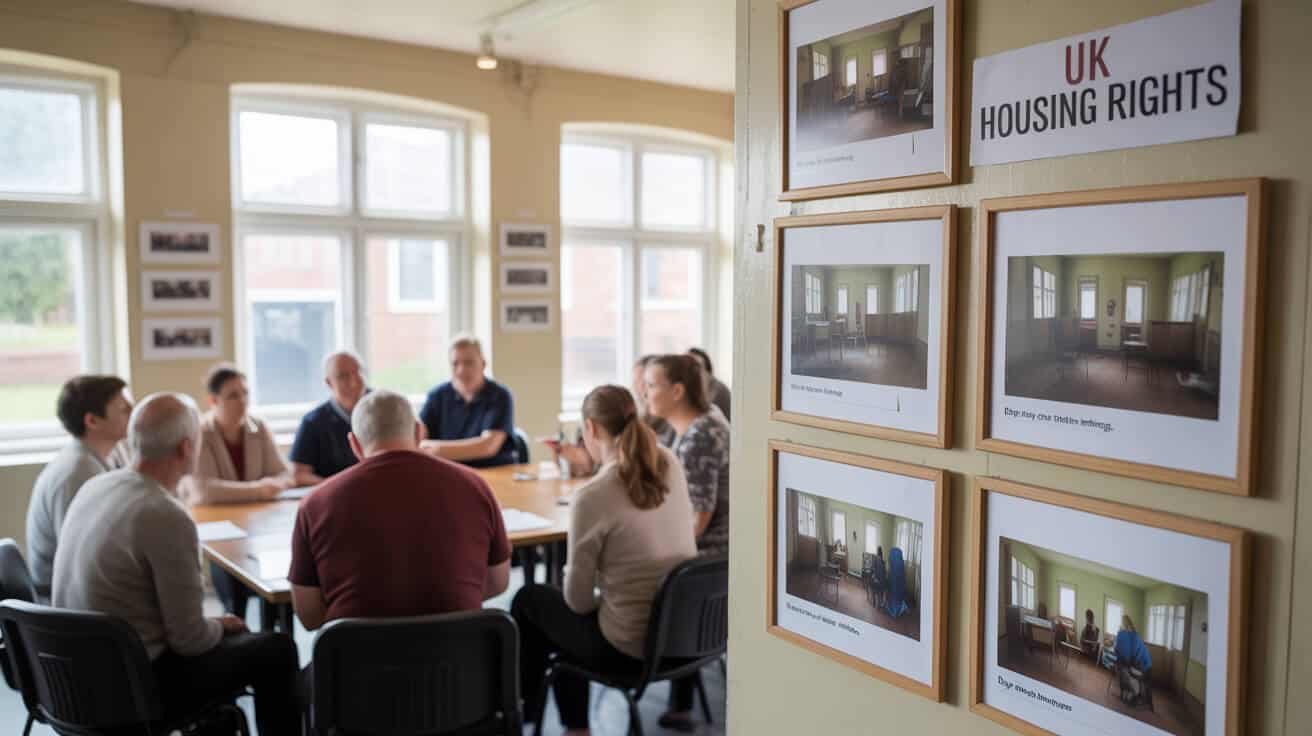
Water Hygiene PPM Services for HRB UK – L8 & TMV for Vulnerable Residents
Building safety managers and accountable persons in high‑risk residential blocks need water hygiene PPM that genuinely controls Legionella and scalding risk for vulnerable residents. This approach turns ACoP L8 duties into a risk‑based schedule of clear tasks, sensible frequencies and integrated TMV checks, tailored to complex HRB systems where applicable. By the end, you have a documented scheme, practical engineer routes and records that stand up to regulators, insurers and internal scrutiny. Exploring these principles now makes it easier to refine your current regime or brief a specialist partner with confidence.


Author
Izzy Schulman

Designing L8‑aligned water hygiene PPM for complex HRBs
High‑risk residential buildings with vulnerable residents face a tougher water safety challenge than standard blocks. Complex systems, varied occupancy and health profiles mean Legionella and scalding risks can escalate quickly if controls are generic or poorly structured.
A risk‑based, L8‑aligned PPM regime turns legal duties into clear tasks, routes and records that fit how your HRB actually operates. By focusing on real system layouts, resident vulnerability and TMV performance, you can move beyond tick‑box logbooks to a scheme regulators, insurers and residents recognise as robust.
- Clarify where Legionella and scalding risks really sit in HRBs
- Turn risk assessments into simple, repeatable PPM routes and tasks
- Integrate TMV testing so vulnerable residents stay protected
Need Help Fast?
Locked out, leak at home, or electrical issue? All Services 4 U provides 24/7 UK locksmith, plumbing, electrical.
Testimonial & Clients Who Trust Us
With 5 Star Google Reviews, Trusted Trader, Trust Pilot endorsements, and 25+ years of experience, we set industry standards for excellence. From Dominoes to Mears Group, our expertise is trusted by diverse sectors, earning us long-term partnerships and glowing testimonials.
Worcester Boilers

Glow Worm Boilers

Valliant Boilers

Baxi Boilers

Ideal Boilers

What does good Water Hygiene PPM look like in a high‑risk residential building under L8?
Good water hygiene PPM in a higher‑risk residential building is a risk‑based, documented control scheme that you can clearly explain, deliver and prove. It turns ACoP L8 duties into specific tasks, sensible frequencies and reliable records for every critical part of your hot and cold water system. Done well, it gives you real confidence that outlets, tanks, calorifiers and TMVs are being monitored and maintained in a way regulators, insurers and residents will recognise as robust, not just “logged”.
This information is general and does not constitute legal or engineering advice; duty holders should always consult a competent person when designing or changing control schemes. A specialist partner such as All Services 4U can help you stress‑test proposals before you adopt them.
Safe water in a complex building comes from a clear plan people can actually follow.
What ACoP L8 actually expects in an HRB
For an accountable person or building safety manager, ACoP L8 expects you to understand the Legionella risk in your building and then show how you control it in practice. That means assessing the risk, setting out a written scheme of control, appointing competent people to deliver it and keeping suitable records for as long as they may be needed.
In a tall or complex residential block, that scheme has to make sense of boosted sets, roof tanks, risers, plant rooms and flats, not just communal areas. A “good” scheme for an HRB therefore:
- Starts from a formal Legionella risk assessment covering the whole system, including relevant flats.
- Uses simple schematics showing tanks, calorifiers, main loops and TMVs in the building.
- Translates findings into a practical schedule of checks, cleaning and servicing that fits staffing and access.
- States clearly who is doing what, how often, by which method, and how issues are escalated.
If you can hand a regulator or insurer that risk assessment, written scheme and role map, you are already a long way from the “tick‑box logbook” position many HRBs are still stuck in.
The building blocks of a compliant water hygiene PPM regime
A practical PPM regime should feel like one joined‑up programme, not a pile of unconnected tasks dropped into a CAFM system. In most HRBs it will include some or all of the following, tailored by your risk assessment:
- Routine temperature monitoring at sentinel and representative taps and showers on each riser.
- Regular checks of flow and return temperatures on hot‑water circuits and calorifiers.
- Scheduled flushing of little‑used outlets to prevent stagnation in rarely used rooms.
- Periodic inspection, cleaning and disinfection of cold‑water storage tanks and key distribution pipework.
- Showerhead and hose cleaning and descaling to control scale and biofilm build‑up.
- Legionella sampling where risk, history or temperature results justify it.
- TMV testing and servicing integrated into the same regime, not treated as optional.
- Simple, consistent record‑keeping that can be turned into an evidence pack without weeks of chasing.
A specialist partner such as All Services 4U can help you move from a list of theoretical duties to a site‑specific PPM schedule that your teams and contractors can actually run in an HRB context, week after week.
Where are the real water‑related risks in HRBs, especially for vulnerable residents?
The main water‑related risks in high‑rise residential buildings are Legionella growth in complex systems and scalding at outlets used by people who may not be able to protect themselves. Those risks are amplified by HRB layouts, variations in occupancy and the health profile of residents, so a generic commercial regime is rarely enough to keep people safe.
How HRB systems and resident profiles change the risk picture
HRB water systems often have long vertical risers, boosted sets, roof tanks and extended branch runs that are hard to see or reach. These features can create sections of pipework where water is warm, slow‑moving or frequently stagnant – exactly the conditions in which Legionella thrives. At the same time, many HRBs house people who are older, have chronic respiratory disease, are immunocompromised or live in supported arrangements.
That combination matters because:
- A shower that might be low risk in an office can be high risk in extra‑care or sheltered housing.
- A small temperature deviation in a riser can quietly affect dozens of flats before anyone notices.
- Little‑used outlets, such as spare bathrooms and communal showers, are common and easy to overlook.
If you do not consciously adapt your water hygiene controls to this context, you may tick statutory boxes yet still leave your most susceptible residents exposed to avoidable harm.
Why TMVs, scalding and vulnerability cannot be separated
Where residents are frail, confused, disabled or very young, the risk from scalding can be as serious as the risk from Legionella. Thermostatic mixing valves are often installed to control outlet temperatures in extra‑care and sheltered housing bathrooms, assisted bathing facilities, flats occupied by residents with reduced mobility or cognition, and care‑type units within an HRB footprint.
If those valves are poorly installed, rarely tested or quietly bypassed to “give hotter water”, you can end up with:
- Scalding incidents that trigger safeguarding investigations, complaints and claims.
- TMVs that harbour scale and biofilm, undermining Legionella control measures.
- Outlet temperatures that no longer match the assumptions in your risk assessment or written scheme.
A risk‑based approach treats Legionella and scalding together: designing a PPM regime that keeps system temperatures in the safe zone, limits outlet temperatures where necessary, and proves that TMVs work as intended for the residents who rely on them.
How do you design an L8‑aligned PPM programme that works in a real HRB?
![[ALTTOKEN]](https://allservices4u.co.uk/app/uploads/2026/01/02-Water-Hygiene-PPM-Services-for-HRB-UK-L8-TMV-for-Vulnerable-Residents.png)
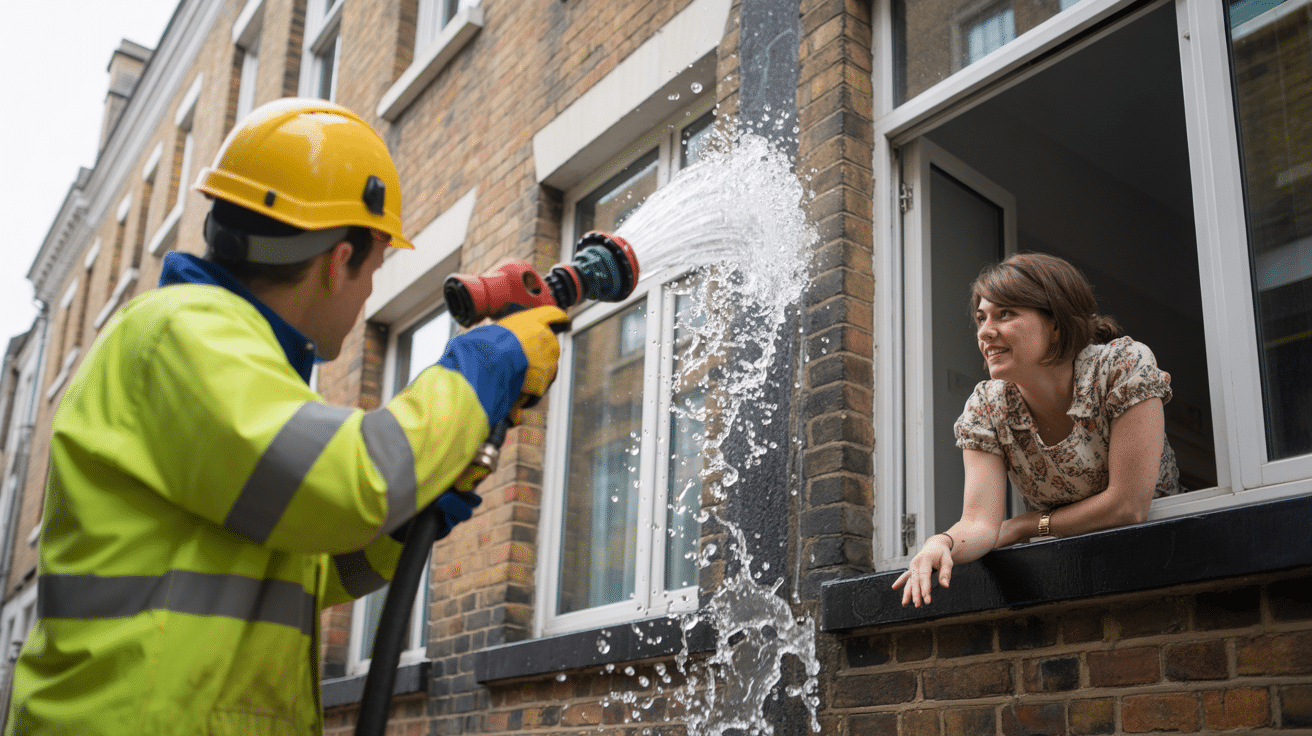
Designing a workable PPM regime for water hygiene in an HRB means turning risk‑assessment findings into a simple, repeatable schedule of tasks, frequencies and routes that fits how the building is actually used. The programme should protect vulnerable residents, give you clear evidence of control and avoid wasting resources on activity that does not meaningfully reduce risk.
Turning legal duties into a practical schedule
ACoP L8 and its guidance give you principles and example frequencies, but they do not know your building. To make them usable, you break the risk assessment into system elements, allocate clear tasks to each, then group those tasks into practical engineer “routes” with trigger points for extra sampling or review when temperatures, usage or layouts change.
This turns a dense written scheme into something your teams recognise as a plan they can complete and report against, instead of a file that only comes out for audits and inspections.
A simple way to structure your PPM
You can think about structuring your water hygiene regime around three core pillars that link neatly back to your written scheme of control. When these are clear, it becomes much easier to brief contractors, align CAFM or digital logbooks, and spot overlaps or gaps with wider M&E and FM contracts.
Step 1 – Define tasks clearly
Set out exactly what is done at each asset or outlet – check, clean, test, sample or service – using plain, unambiguous language that engineers, supervisors and auditors interpret the same way.
Step 2 – Set risk‑based frequencies
Decide how often each task is carried out, justifying the interval with real risk factors rather than habit or convenience. Heavier use, vulnerable residents, complex layouts or past failures will often justify tighter control.
Step 3 – Decide how you will record and prove it
Specify how you will record each task, who signs it off, and how you will retrieve that evidence when inspectors, insurers or lenders ask. The test is whether someone unfamiliar with your building could follow the storey from risk assessment to records.
Integrating water hygiene with wider asset and FM planning
A strong water hygiene PPM regime does not live in isolation. In a constrained HRB environment, you usually want to coordinate water checks with other statutory activities where access and downtime overlap, such as lift inspections, fire‑door surveys or gas servicing. Water‑monitoring data can inform capital planning, for example where chronic temperature failures point towards tank refurbishments or pipework modifications.
Aligning PPM with voids and refurbishment programmes also helps, so that higher‑risk works such as dead‑leg removal or TMV replacements are done when disruption is easiest to manage. If you want an external sense‑check, you can ask All Services 4U to test one building’s regime and highlight quick wins before you roll changes across your estate.
What does good TMV testing and servicing look like for vulnerable residents?
A good TMV regime in an HRB serving vulnerable residents is one that proves each valve controls temperature correctly, fails safely and is clean internally at a risk‑appropriate interval. It sits inside your Legionella control scheme rather than beside it, and it produces records that still make sense months later in an audit, complaint investigation or safeguarding review.
Practical TMV regimes that balance scalding and Legionella
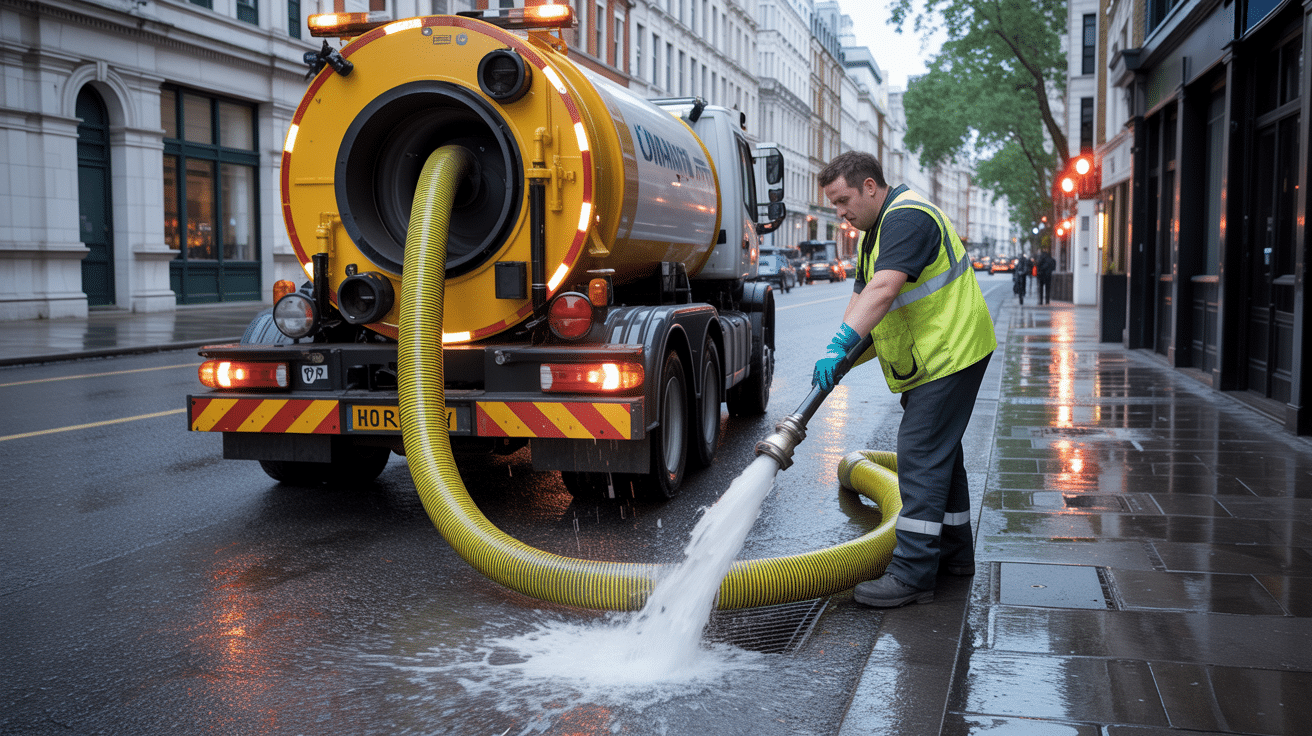
For vulnerable users, a practical TMV regime combines regular functional checks with periodic full servicing at risk‑based intervals. High‑risk outlets are usually tested at least every six months, with annual isolation, cleaning, descaling and internal inspection. You then calibrate blended temperatures to an agreed range and confirm each valve fails safely if the cold supply is lost.
As an example, one high‑rise extra‑care scheme moved from ad‑hoc TMV checks to a structured six‑monthly testing and annual servicing regime across all assisted bathrooms. Over the following year they saw both a drop in scalding complaints and fewer Legionella non‑conformances at outlets served by those valves, making conversations with insurers and regulators considerably easier.
Getting valve‑level detail into your evidence trail
From a compliance and safeguarding point of view, a TMV record that simply says “all OK” is rarely enough. A valve‑level record set for an HRB should normally include a unique identifier for the valve and its location, the outlet and resident type it serves, such as general needs, extra‑care flat or assisted bathroom, and pre‑service blended temperature and, where relevant, separate hot and cold readings.
It should also record what was done – for example cleaned, descaled, parts changed or set‑point adjusted – post‑service temperatures and fail‑safe test results, and any follow‑up actions, access issues or safeguarding concerns. When TMV data is recorded in the same digital logbook as your water temperatures and flushing, you can quickly answer questions such as “which vulnerable units rely on this valve” or “how many valves have failed in the last year and where”.
That level of clarity is especially valuable when external reviewers are assessing whether your arrangements adequately protect vulnerable residents. All of that technical work only really protects people, though, if the right roles, governance and Building Safety Act duties sit behind it, which is where your approach to dutyholding becomes crucial.
Accreditations & Certifications


How should governance, dutyholding and the Building Safety Act shape your approach?
![[ALTTOKEN]](https://allservices4u.co.uk/app/uploads/2026/01/03-Water-Hygiene-PPM-Services-for-HRB-UK-L8-TMV-for-Vulnerable-Residents.png)
Water hygiene and TMV control in HRBs now sit inside a broader picture of building safety, governance and personal accountability. You cannot outsource the legal duties, but you can design your governance and contracts so that roles are clear, competence is evidenced and your safety‑case storey is coherent and credible.
Clarifying who is responsible for what
In a typical HRB context, you will have a duty holder or organisation in control of the premises, such as a landlord, housing association, local authority or managing agent. You will also have a named responsible person (and often deputies) for Legionella and water safety, and specialist contractors who act as competent persons to carry out some or all of the control scheme.
Good governance will document these roles, their authority and how they interact. It also spells out how findings from water hygiene work are reported, tracked and escalated, and shows how landlord, FM and water hygiene contracts fit together so that nothing important falls between the gaps. For HRBs in scope of the Building Safety Act, your Safety Case should be able to tell a simple, evidence‑backed storey about how water‑related hazards are identified, controlled, monitored and reviewed over time, and who is accountable for each part.
Aligning water hygiene with the golden thread
The “golden thread” expectation is that safety‑critical information is accurate, accessible and kept up to date throughout a building’s life. For water hygiene this usually means keeping a current, version‑controlled copy of each Legionella risk assessment and written scheme of control, maintaining up‑to‑date schematics that reflect alterations, refurbishments and plant replacements, and storing PPM schedules, monitoring results, TMV records and non‑conformances centrally rather than scattered across personal drives and paper logbooks.
It also means ensuring that changes arising from works, incidents or audits feed back into your documentation and training so your L8 regime evolves rather than decays. A specialist partner such as All Services 4U can support accountable persons by designing governance, reporting and contractual interfaces so that water hygiene, TMV control and Building Safety Act duties reinforce one another rather than competing for attention.
What kind of evidence and digital records satisfy inspectors, insurers and lenders?
Inspectors, insurers and lenders do not just want to hear that you have an L8 regime; they want to see how you run it consistently. They typically look for a clear line from the Legionella risk assessment and written scheme you already use through to day‑to‑day PPM records and remedial actions. Anything that looks improvised, inconsistent or missing will attract questions and, potentially, conditions.
The core evidence set people will expect to see
Although each organisation has its own style, you can usually anticipate requests for the latest version of your Legionella risk assessment and written scheme of control, signed by a competent assessor. They will expect asset registers and schematics showing tanks, calorifiers, risers, outlets and TMVs across the building, plus monitoring logs for temperatures, flushing, tank inspections, cleaning and disinfection activities.
Reviewers will also want TMV test and service records, particularly where outlets serve vulnerable residents or assisted bathrooms, together with records of positive samples, temperature failures and the remedial steps taken in response. Training and competence records for responsible persons, key staff and contractors complete the picture. Having this material in one place, in a form an external reviewer can understand without you in the room, makes regulatory and insurance conversations much calmer and shorter.
Why moving from paper to digital helps in HRBs
Paper logbooks can work in simple, single‑stair buildings, but multi‑stair HRBs with several risers, plant rooms and resident profiles quickly stretch their limits. Digital logbooks and compliance platforms make it easier to schedule tasks consistently across outlets, floors and buildings with clear ownership, to capture readings and test results on site with time, date and user stamps for audit trails, and to track overdue tasks, repeat failures and high‑risk locations across a portfolio.
Digital systems also let you generate building‑ or portfolio‑level reports in minutes and keep long‑term records without overfilling offices. Configured well, they highlight exceptions and trends so your teams can focus on decisions and have clearer conversations with inspectors, insurers and lenders.
How do you implement, prioritise remedials and structure commercials in live HRBs?
In occupied HRBs, successful implementation means tackling the highest water‑safety risks first, scheduling remedials to minimise disruption and structuring contracts so safety and budgets pull in the same direction. When your commercial model supports that balance instead of fighting it, improvement becomes much easier to sustain.
From risk assessment to a realistic remedial plan
A thorough Legionella risk assessment always produces a remedial list as well as monitoring tasks. To turn that list into a workable plan you prioritise actions that materially cut risk, sequence works to minimise resident disruption, and decide which items belong in your PPM contract versus separate projects or capital schemes, each with clear acceptance criteria and evidence requirements.
- Prioritise actions that significantly reduce Legionella or scalding risk.
- Sequence works around voids and programmes to limit disruption.
- Decide what sits in PPM and what is project or capital.
This simple logic gives you a way to explain to boards and residents why some tasks must happen now and others can safely wait. A scoped diagnostic on one or two HRBs, supported by a specialist partner, can help you re‑prioritise existing actions and design a delivery plan that your budgets, residents and contractors can tolerate.
Making contracts, scopes and budgets support safety rather than undermine it
The way you split scope between general FM, M&E and water‑hygiene specialists has a big impact on both clarity and cost. Helpful patterns in HRBs include giving one party clear responsibility for the Legionella control scheme and water‑safety evidence trail, with other contractors delivering related M&E tasks to agreed interfaces, and structuring multi‑building agreements so that HRBs and schemes with vulnerable residents are addressed first, with options to add further sites once the model is proven.
Using fixed prices for core PPM tasks and well‑defined rates or menu pricing for remedials helps you forecast spend and compare options fairly. It also helps if decisions about scope and budget explicitly recognise the cost of non‑compliance – incidents, enforcement, decanting and reputational damage – as well as day‑to‑day prices. All Services 4U can work alongside existing FM providers or as the lead contractor for water hygiene, using digital reporting, valve‑level records and resident‑sensitive working methods to lift standards without adding unnecessary complexity to the way you buy and manage services.
Reliable Property Maintenance You Can Trust
From routine upkeep to urgent repairs, our certified team delivers dependable property maintenance services 24/7 across the UK. Fast response, skilled professionals, and fully insured support to keep your property running smoothly.

Book Your Free Consultation With All Services 4U Today
All Services 4U helps accountable persons, asset directors and FM teams turn water hygiene and TMV control in higher‑risk buildings into a clear, risk‑based regime that protects vulnerable residents and stands up to regulator, insurer and lender scrutiny. A focused conversation about one of your priority HRBs can quickly show where you are strong, where there are gaps and what a pragmatic improvement path might look like.
What you can explore in a consultation
A free consultation is an opportunity to concentrate on one priority HRB and review your current Legionella risk assessment, written scheme and monitoring regime against recognised good practice. You can look at how TMV testing and servicing is handled for vulnerable residents and where records might not tell the full safeguarding storey, and discuss where existing contracts and scopes may be leaving gaps, duplications or blurred accountability.
You can also see examples of how digital logbooks, valve‑level records and dashboards can make your evidence more robust and easier to retrieve. You keep full control throughout; the aim is to give your team a clearer view of your current position, the associated risks and the range of options available to improve it before regulators, insurers or lenders ask the hard questions.
Low‑risk ways to move from discussion to action
If the consultation confirms there is value in changing how you manage water hygiene and TMVs, there are several low‑commitment next steps you can take. You might commission a tightly scoped PPM and evidence‑gap diagnostic on one HRB to build a blueprint for the rest of your estate, ask All Services 4U to pilot a revised L8 and TMV regime in a single building with agreed success measures, or use sample evidence packs and dashboards as a benchmark for your internal audits, upcoming regulator visits or insurer renewals.
When you are ready, you can contact All Services 4U to arrange a consultation ahead of key inspection, insurance renewal or safety‑case deadlines so there is enough time to assess your position, plan remedials and mobilise any changes in an orderly way.
Frequently Asked Questions
Explore our FAQs to find answers to planned preventative maintenance questions you may have.
How is water hygiene PPM in an HRB different from a standard commercial Legionella contract?
Water hygiene PPM in a high‑risk residential building has to manage complex vertical systems and genuine resident exposure, not just tick L8 boxes.
What makes HRB water hygiene more complex than an office block?
In a high‑rise residential building you’re dealing with a live mix of technical and human factors that you simply don’t see in a low‑rise office:
- Long vertical runs and multiple risers that can go cold, especially on upper floors.
- Roof tanks and boosted sets feeding dozens or hundreds of dwellings rather than a few washrooms.
- Flats, guest suites and assisted bathrooms with wildly different draw‑off patterns and long periods of no use.
- TMVs specifically installed for people who cannot safely manage hot water on their own.
A generic office‑style Legionella contract often glosses over:
- Little‑used outlets in spare rooms, guest showers and shared facilities that sit for weeks without flow.
- The way a single failed loop or riser can quietly leave multiple dwellings sitting at Legionella‑friendly temperatures.
- Scalding risk in extra‑care, sheltered or high‑dependency units where residents cannot react quickly.
A workable HRB regime usually starts with a whole‑system risk assessment and live schematics for tanks, risers, loops and TMVs, then breaks that into tasks and routes that match how your building is actually built and occupied. If your current schedule reads like a generic checklist that could belong to any office, you are probably paying for cover that doesn’t reflect your real risk profile.
When you walk one priority block with All Services 4U, it becomes obvious where a copy‑paste commercial regime stops and where a resident‑centred, HRB‑aware programme needs to begin.
Why does HRB water hygiene matter so much to landlords and boards?
HRBs stack three pressures on you at once:
- Legal: – Building Safety Act duties, HFHH expectations and Awaab‑driven scrutiny around damp and water hygiene.
- Insurance: – underwriters now expect clear L8, temperature and TMV evidence before they are comfortable with renewal terms.
- Reputation: – a badly handled water‑borne incident can put you on regulator and media radars for years, not weeks.
A tuned HRB water‑hygiene regime is not about over‑testing. It is about focusing spend where it actually shifts risk so that, when challenged, you can say: “we saw the risk, controlled it, and can prove it.” If you want to move from that uneasy “I hope we’re covered” feeling to genuine confidence, letting All Services 4U stress‑test one block with you is often the fastest way to see the gap.
How often should TMVs be tested and serviced in HRBs with vulnerable residents?
In HRBs with vulnerable residents, TMVs are usually function‑tested at least every six months and fully serviced annually, then tightened or relaxed based on your own risk assessment and local conditions.
How do you balance scalding risk and Legionella risk in practice?
A sensible TMV regime in an HRB usually looks like this:
- Six‑monthly functional tests: on high‑risk outlets: check blended temperature, valve travel and shut‑off behaviour.
- Annual full service: isolate, strip, clean and descale, check strainers and cartridges, recalibrate and prove fail‑safe.
- Targeted extra checks: where scale is heavy, failures are frequent or residents are especially vulnerable.
The pipework and calorifiers should still run at temperatures that suppress Legionella; the TMV only blends at the outlet to control scalding risk. Once valves are wedged open or bypassed “to get hotter water”, you’ve moved from controlled risk to uncontrolled exposure on both scalding and bacterial growth, which is exactly the scenario coroners and insurers focus on after an incident.
A robust TMV record set shows, for each valve:
- A unique ID and precise location (block, floor, room, outlet).
- Before/after blended temperatures and date/time.
- Work done, parts replaced and engineer ID.
- An explicit pass/fail result for the fail‑safe test.
If you cannot pull that information quickly for a safeguarding enquiry, coronial inquest or insurer query, that is not a “paperwork quirk” – it is a control failure.
All Services 4U can lift TMV management off “best efforts” and into a structured, auditable regime your clinicians, safeguarding leads and underwriters are actually comfortable to sign their name under. That shift alone often changes how regulators and insurers talk to you.
How can you make TMV control easier to manage across a whole portfolio?
Trying to manage TMVs across multiple HRBs with spreadsheets and scattered test sheets is where most teams burn time and lose confidence. A more workable approach is to:
- Standardise TMV IDs and labelling across blocks.
- Embed TMV assets and tasks formally into your CAFM or digital logbook.
- Use exception‑based reporting so coordinators see failures and missed tests first, not pages of “pass” entries.
When All Services 4U builds TMV control into your wider water‑safety plan, your teams stop chasing paper and start managing real risk. You get a live view of which sites, floors or zones need attention this month, not a retrospective shock at audit time.
What evidence will inspectors and insurers want to see for L8 and TMV control in an HRB?
Inspectors and insurers want a clean line from “we understand our risk” to “this is how we control it week by week” and “this is how we reacted when something went wrong.”
What should a defensible HRB water‑safety evidence pack include?
For a typical HRB, a credible pack usually covers:
- A current Legionella risk assessment and a written scheme of control that matches the live installation, not a pre‑refurb version.
- Up‑to‑date schematics: for tanks, calorifiers, loops, risers, outlets and TMVs, with revisions tracked and dated.
- Monitoring logs: temperature checks, flushing records, tank inspections, clean/disinfect events and any sampling results.
- TMV test and service records: , with assisted bathrooms, extra‑care units and safeguarding‑sensitive areas clearly flagged.
- A non‑conformance log: temperature failures, positive samples, missed visits and the corrective actions taken and signed off.
- Training and competence records: for your responsible person, duty holder and each contractor attending site.
Digital logbooks and CAFM integrations mean you can move from “we think it’s fine” to “here’s the last 12 months, by block and asset type” in seconds. That is the level regulators and underwriters now quietly expect, especially in HRBs.
If you are not sure your current evidence would stand up well in an HSE inspection, Building Safety Regulator review or insurer file audit, you do not need to scrap everything. A focused review of one representative HRB with All Services 4U gives you:
- A benchmark for what “inspection‑ready” actually looks like.
- A clear map of real gaps versus “nice‑to‑have” improvements.
- A step‑by‑step route to bring the rest of your estate up to that level without overwhelming your teams.
How do you avoid evidence becoming an admin burden nobody can sustain?
The trap many landlords fall into is layering on more forms and spreadsheets every time an auditor raises a point. The result is a library of templates that nobody can realistically maintain.
A more sustainable model is to:
- Use one system of record for water hygiene and TMV data, not four.
- Define minimum evidence fields that give you legal and insurance protection without drowning engineers in boxes.
- Build simple dashboards that show trend shifts – rising failure rates, missed checks, or hot/cold drift in specific risers.
All Services 4U can help you simplify as much as tighten. The goal is an evidence pack you can live with every week, not just dust off before an inspection.
How do you turn a Legionella risk assessment into a PPM schedule your teams can actually deliver?
You turn a Legionella risk assessment into a workable PPM schedule by translating its findings into clear asset‑based tasks, realistic intervals and routes that match how your HRB is actually staffed and accessed.
What’s a practical way to build a deliverable PPM regime?
A simple three‑step structure works well across most HRBs.
1. Clarify what exactly needs doing
Start with assets, not abstract task titles:
- Outlets: – taps, showers, little‑used outlets, communal bathrooms, cleaners’ sinks.
- Storage and generation: – tanks, calorifiers, secondary loops, expansion vessels.
- Control devices: – TMVs, blending valves, critical temperature check points.
For each asset family, write tasks in plain language so a new engineer and an external auditor would interpret them the same way. “Check sentinel hot outlets >50°C at 1 minute” is much clearer than “carry out L8 checks”.
2. Set intervals and capture the “why”
Now pick frequencies that reflect real risk instead of copying a generic table:
- Higher‑risk zones – top floors, long dead‑legs, vulnerable resident clusters – may justify closer control (e.g. weekly rather than monthly).
- Lower‑risk areas might sit comfortably on standard L8 or SFG20 patterns.
Whenever you depart from a standard interval, record why you chose that frequency. That one‑line justification often makes the difference between a constructive conversation and enforcement action when an inspector starts asking “why not monthly here?”
3. Design proof and escalation from day one
Agree upfront:
- Where readings and tests are logged (digital logbook, CAFM, Golden Thread store).
- Who reviews logs, how often, and how escalations are triggered, tracked and closed.
- How you will extract a clean 12‑month history quickly for internal reviews, insurers or regulators.
This is where many “paper‑perfect” regimes fall over; tasks exist in a PDF, but they do not fit across crews, shifts, access windows and budgets, so they are quietly skipped or only partially completed.
All Services 4U can take your existing risk assessments and turn them into a single live schedule per block that sits inside your CAFM, routes work sensibly, and gives your board and insurers confidence that what is written down is actually being done.
How do you keep the schedule adaptable as buildings and residents change?
HRBs are not static. Flats become voids, new residents arrive, and plant is upgraded. A static schedule will drift away from reality within a year.
To keep control:
- Build review points into your schedule – at least annually, or after major plant/pipework changes.
- Tag tasks to schematics and asset IDs, so when layouts change you only alter what is needed.
- Involve your field teams; if engineers keep flagging the same access or timing issues, your schedule needs tuning.
Working with All Services 4U, you can lock down a regime that is rigorous where it needs to be and flexible where it should be, instead of swinging between over‑specification and quiet shortcuts.
How should you prioritise remedial works from a Legionella risk assessment in a live HRB?
You prioritise remedials by hitting the biggest safety and resilience gains first, then phasing the rest so they are realistic to deliver in an occupied building.
How do you move from a long action list to a phased, fundable plan?
Most solid Legionella risk assessments generate three broad types of actions:
- High‑impact risk reductions: – removing dead‑legs, fixing chronically cold loops, replacing failing TMVs, improving circulation and temperature control.
- Condition‑based improvements: – tank refurbishment, insulation upgrades, lid and vent works, trace heating, lagging on long branches.
- Control and documentation fixes: – updating schematics, tightening flushing regimes, improving record‑keeping, competence and training.
In live HRBs, a pragmatic approach is to:
- Deal with resident safety actions first – anything that presents real Legionella or scalding risk gets pulled into a short‑term works programme.
- Tie disruptive works into voids or planned programmes – bathrooms refits, riser replacements, night‑time plant outages, scaffold periods.
- Separate “quick wins” (low‑cost, high risk‑reduction) from true capex projects that clearly need board, lender or investor approval.
That structure makes budget conversations far easier. You are not turning up with a scary 50‑point list; you are presenting a staged plan grounded in resident safety, insurer expectations and Building Safety Act duties, with costed options.
If your team is staring at pages of actions from multiple surveys and cannot see where to start, handing one priority block to All Services 4U for a structured phasing exercise gives you a repeatable template. You can then go back to your board and say, “Here is Phase 1 we can fund now, here is Phase 2 to align with future budgets or projects, and here is the risk we are removing at each step.”
How do you link remedial phasing back to insurers, lenders and residents?
Remedial plans land much better when stakeholders can see why certain works come first:
- Insurers care that conditions precedent linked to water hygiene and temperature control are closed quickly and evidenced.
- Lenders focus on anything that touches structural integrity, cladding, or Building Safety Act duties for HRBs.
- Residents want to see visible changes where damp, mould or water temperature have been a long‑running issue.
All Services 4U can help you frame your remedial phasing so each audience sees their own priority reflected, rather than a generic engineer’s to‑do list. That is often the difference between stalled approvals and a genuinely supported programme.
When is it worth bringing in a specialist like All Services 4U to review your HRB water‑hygiene regime?
It is worth bringing in a specialist when you cannot honestly say “our regime would stand up in front of a regulator, insurer or coroner”, or when you keep seeing the same water‑related issues reappear despite existing contracts and risk assessments.
What are clear trigger points for an external review?
You do not need to wait for a crisis. Common triggers that justify a fresh look include:
- Upcoming Building Safety Regulator or HSE visits: where water hygiene and HRB safety sit clearly in scope.
- Safety Case submissions: that need a coherent water‑safety narrative with hard data behind it.
- Insurance renewals: where underwriters are probing Legionella, temperature control, TMVs or past incidents.
- Repeated temperature failures, TMV issues or damp complaints: in one or two stubborn blocks.
- Clusters of vulnerable residents: in buildings still running on generic commercial regimes copied from offices or hotels.
When you are relying on we think it’s fine instead of here’s the last year of data, you are already asking more from luck than you should.
A short, tightly scoped review on one HRB with All Services 4U does not tie you into a long contract. It gives you:
- A clear view of how your regime looks through a regulator, insurer and lender lens.
- A prioritised list of changes that actually move the risk needle instead of padding reports.
- A route from reactive, contractor‑driven fixes to a risk‑based, evidence‑rich regime that protects your organisation and reassures residents.
If you want your board, your insurers and your residents to see you as the owner who took water hygiene seriously before it became a headline case, this is usually the moment to get that external perspective. Starting with one well‑chosen HRB lets you learn fast, prove value and then scale what works across your portfolio with far less friction.
- Designing L8‑aligned water hygiene PPM for complex HRBs
- What does good Water Hygiene PPM look like in a high‑risk residential building under L8?
- Where are the real water‑related risks in HRBs, especially for vulnerable residents?
- How do you design an L8‑aligned PPM programme that works in a real HRB?
- What does good TMV testing and servicing look like for vulnerable residents?
- How should governance, dutyholding and the Building Safety Act shape your approach?
- What kind of evidence and digital records satisfy inspectors, insurers and lenders?
- How do you implement, prioritise remedials and structure commercials in live HRBs?
- Book Your Free Consultation With All Services 4U Today
- Frequently Asked Questions
- Related PPM Services
Case Studies


Related Articles

Your Guide To Identifying And Treating Minor Mould Outbreaks
Why Planned Preventative Maintenance (Ppm) Saves Money And Ensures Compliance