Shower Descaling & Disinfection PPM Services UK – Quarterly Legionella Control Maintenance
For landlords, managing agents, care providers and commercial dutyholders, quarterly shower descaling and disinfection keeps outlets safer, compliant and easier to defend in audits. All Services 4U turns shower outlet control into a scheduled Legionella PPM routine, with dismantling, descaling, disinfecting and logging completed on a set cycle, depending on constraints. You end up with clear asset lists, auditable records and engineers used to blocks, HMOs, care and commercial settings, with work aligned to your written scheme and responsibilities. It’s a straightforward way to check how robust your current shower and Legionella control really is with a free consultation.


Author
Izzy Schulman

If you manage shared or managed showers, small lapses in outlet maintenance can quickly grow into Legionella risk and weak audit evidence. Scale, biofilm and missed visits undermine both safety and your ability to show that control measures are in place.
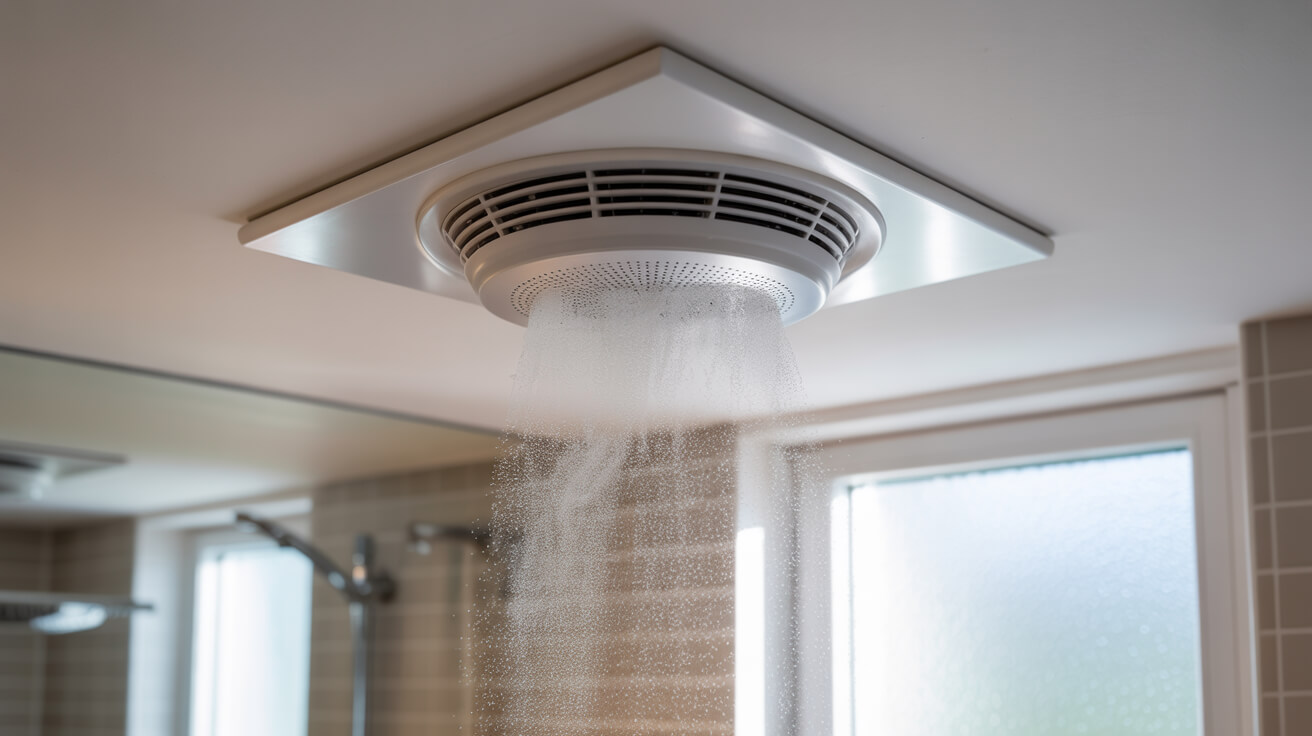
A structured quarterly shower descaling and disinfection programme turns that risk into a predictable planned task within your written scheme. By treating heads and hoses as assets to be listed, serviced and logged on schedule, you gain clearer records, fewer surprises and a regime that stands up to external scrutiny.
- Reduce Legionella risk from scale, biofilm and missed outlets
- Embed shower tasks inside your written Legionella scheme
- Improve audit readiness with clearer outlet lists and records</p>
Need Help Fast?
Locked out, leak at home, or electrical issue? All Services 4 U provides 24/7 UK locksmith, plumbing, electrical.
Testimonial & Clients Who Trust Us
With 5 Star Google Reviews, Trusted Trader, Trust Pilot endorsements, and 25+ years of experience, we set industry standards for excellence. From Dominoes to Mears Group, our expertise is trusted by diverse sectors, earning us long-term partnerships and glowing testimonials.
Worcester Boilers

Glow Worm Boilers

Valliant Boilers

Baxi Boilers

Ideal Boilers

Quarterly shower descaling and disinfection, in plain English
You want showers that are safe to use, simple to manage and defensible in any audit. Quarterly shower descaling and disinfection is the routine control task that keeps you in that position.
Instead of ad hoc cleaning, the work becomes a planned preventive maintenance (PPM) visit. On a set cycle – typically every three months – shower heads and, where fitted, flexible hoses are dismantled, descaled, disinfected, reassembled, run and logged against your water hygiene records.
That outlet task sits inside your wider Legionella regime, built from your risk assessment and written scheme of control. As dutyholder – employer, landlord, freeholder, managing agent, care provider or person in control of the premises – you keep the legal responsibility even when you appoint a specialist contractor.
All Services 4U turns that duty into a repeatable routine. You get scheduled visits, clear scope, engineers used to blocks, HMOs, care settings and commercial sites, and auditable records. Book your free shower descaling and Legionella PPM consultation to check how robust your current approach really is.
Why shower heads and hoses need more than a quick wipe
Outlet risk in practical terms
Showers feature heavily in Legionella guidance because they sit where two things meet: conditions that can support bacterial growth and a fitting that deliberately creates a fine spray that is easy to inhale.
Scale, debris and biofilm collect in and around heads and hoses. If these are not managed, they can shelter bacteria and make thorough cleaning harder over time. Technical guidance for hot and cold water systems commonly uses quarterly cleaning, descaling and disinfection of shower heads and hoses as a baseline, with your risk assessment justifying any different interval.
Hoses, not just heads
Flexible hoses can retain warm water between uses, especially when they hang in loops. A “head‑only” clean can leave part of the assembly outside the control measure, even though the hose also sits in the aerosol path.
A sensible programme treats head, faceplate and hose as one outlet. You can then state clearly that a given shower, including the hose, was dismantled, descaled, disinfected, checked and returned to service on a specific date.
Housekeeping versus managed control
Routine janitorial cleaning matters, but it is not the same as a managed Legionella control measure. Housekeeping teams are rarely working to the outlet list in your written scheme and will not usually log asset IDs, due dates, no‑access events or remedial findings.
Quarterly PPM visits close that gap. You keep day‑to‑day cleanliness through housekeeping and rely on scheduled technical visits for documented descaling, disinfection and outlet checks that align with your risk assessment.
How quarterly shower tasks fit into your written scheme
From risk assessment to planned tasks
Your Legionella risk assessment and written scheme should explain which systems are in scope, how risk will be controlled and who is responsible. Quarterly shower descaling and disinfection belongs inside that scheme, not in a separate “nice to have” list.
A useful written entry for showers will set out:
- Which outlets are covered.
- The planned frequency (often quarterly as a starting point).
- The core method (dismantle, clean, descale, disinfect, reassemble, run and check).
- Who carries out the work and who signs it off.
- What happens if an outlet cannot be accessed or fails a check.
That description links the task back to the overall control strategy.
Asset lists, not assumptions
Showers are often missed because the asset list is wrong. Rooms are repurposed, outlets are added, removed or capped off, and paperwork lags behind.
During mobilisation, your provider should reconcile the outlet list with reality on site. That gives you confidence that “quarterly showers done” actually means every relevant outlet, not “most of what was on an old spreadsheet”.
Evidence the programme is working
A working programme does more than show attendance. Over time it should:
- Reduce the number of “unknown” or never‑serviced outlets.
- Show that no‑access events are recorded and followed up.
- Highlight repeat issues that need a change of interval, method or remedial work.
- Align with other controls such as temperature monitoring and flushing regimes.
If you can see that pattern in your records, quarterly shower descaling is properly embedded in the scheme, not just a line on a contract.
Setting the right frequency: when quarterly is baseline and when to go further
Quarterly as a starting point
HSE‑aligned technical guidance for hot and cold water systems commonly uses “at least quarterly” as the cleaning and descaling frequency for shower heads and hoses, while allowing your risk assessment to justify a different interval.
For many offices, residential blocks, gyms and hotels, a quarterly cycle is a sensible baseline: frequent enough to keep scale and fouling in check, without overwhelming access arrangements and budgets.
When a tighter interval is justified
Your own data may show that quarterly is not enough. Signs that you should review frequency include:
- Heavy scale returning quickly between visits.
- Frequent spray‑pattern complaints or obvious fouling.
- High‑use communal showers in leisure or workplace settings.
- Occupants who are particularly susceptible to infection, such as in care or healthcare premises.
In those cases, a monthly or bi‑monthly programme for specific outlets, backed by your risk assessment and written scheme, may be more appropriate.
Low‑use outlets and stagnation
Quarterly descaling does not deal with stagnation on its own. Showers and taps that are rarely used often need a separate flushing regime, typically weekly, along with periodic checks that the flushing is being done and water temperatures remain in safe ranges.
A joined‑up quarterly visit can review flushing records, test a sample of low‑use outlets where needed and flag any that require action, rather than assuming the clean alone controls stagnation risk.
Who is responsible across blocks, HMOs, care settings and commercial sites
Dutyholder in law
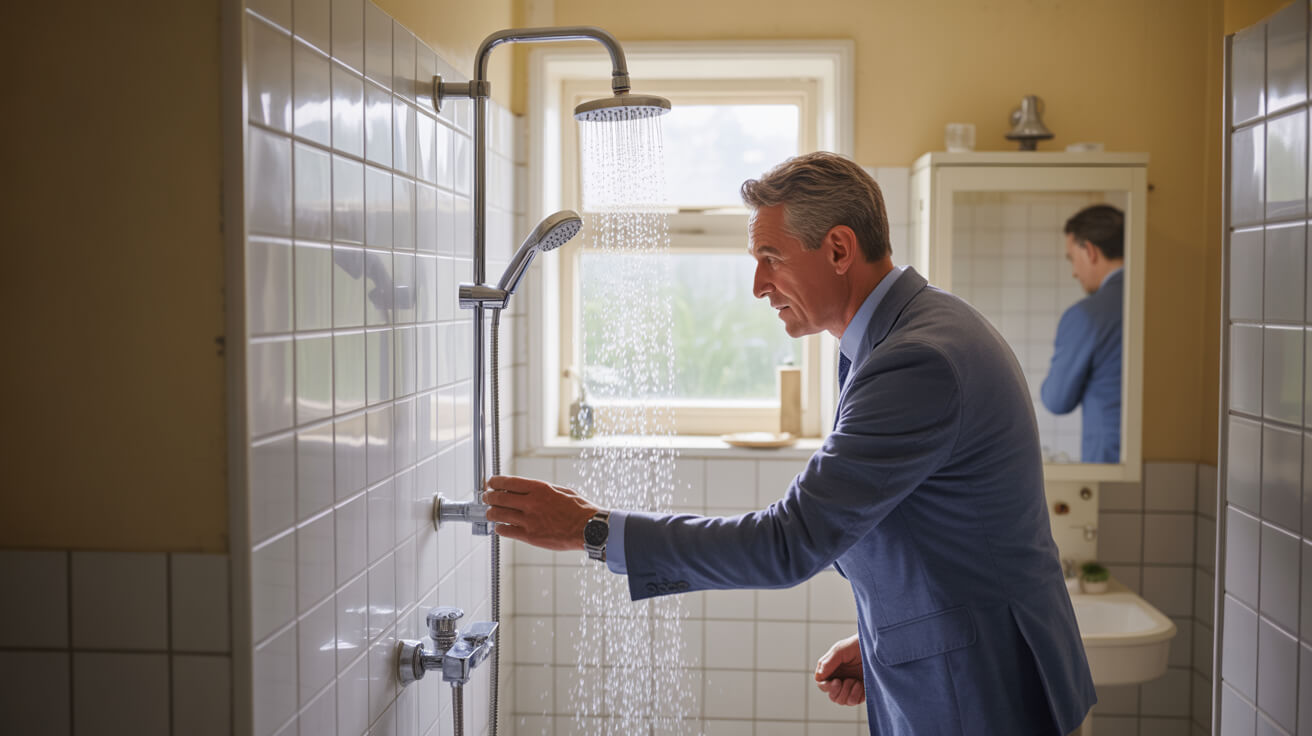
In UK guidance, the dutyholder for Legionella control is the employer or person in control of the premises and water system. If you control the building and the water system, you should assume you carry that duty, even if you use a managing agent or intermediaries.
If you are a landlord, freeholder, managing agent, housing provider or accountable person in a higher‑risk building, shower outlets under your control generally fall within your Legionella responsibilities unless the lease or law clearly says otherwise.
You can appoint a facilities team or a contractor like All Services 4U to carry out the work, but you do not transfer the legal responsibility by doing so. Your obligation is to make sure the risk is assessed, the control measures are sensible, and they are actually being delivered and recorded.
How it plays out by building type
Responsibility lines vary with tenure and control:
- If you manage blocks of flats, you normally take responsibility for communal showers and common‑part systems. Inside demised areas, the lease and any landlord duties determine how far your obligations extend.
- If you operate HMOs, you usually have a broader duty to manage building systems, including shared showers and little‑used outlets.
- If you run care homes or supported living, you are typically in control of both premises and water systems, so shower outlet management sits inside your compliance and governance framework.
- If you are responsible for workplaces, gyms, hotels or other commercial premises, you usually act as the dutyholder for showers under your control.
Clarifying those boundaries early prevents gaps where everyone assumes somebody else owns the task.
What you can and cannot delegate
You can and should delegate tasks. You might ask your own staff to carry out routine flushing and visual checks, while a specialist delivers quarterly descaling, disinfection and other technical tasks.
What you cannot delegate is:
- The requirement to have a suitable risk assessment and written scheme.
- The responsibility to ensure the scheme is being followed.
- The need to act on evidence that controls are not working.
A good contractor helps you meet those obligations with clear scope, competent delivery and usable records, but they do not replace your dutyholder role.
What you get in an All Services 4U quarterly visit

Showers and flexible hoses
On each scheduled visit, engineers work to your outlet list and written scheme. For each in‑scope shower they typically:
- Isolate the outlet where possible and make it safe to work on.
- Dismantle the shower head and, where fitted, the hose and handset.
- Remove scale and debris using appropriate descaling methods.
- Disinfect components in line with your scheme and product instructions.
- Reassemble, run the outlet and check spray pattern and obvious condition.
- Record what was done, any issues found and any remedial recommendations.
You then know exactly which showers were serviced, when, and with what outcome.
TMVs, temperatures and related checks
Many showers are supplied through thermostatic mixing valves (TMVs). Where your written scheme includes TMV checks on the same cycle, the visit can:
- Inspect valve condition and basic installation.
- Check delivered temperatures against agreed ranges.
- Carry out simple in‑service fail‑safe checks where appropriate and safe.
- Flag valves that need adjustment, overhaul or specialist attention.
That lets you view shower and TMV performance together, instead of treating them as unrelated tasks.
Little‑used outlets and flushing review
If your risk assessment identifies little‑used showers or other outlets, quarterly visits can include:
- Reviewing flushing records and patterns.
- Spot‑checking selected outlets to confirm they are being flushed and behaving as expected.
- Highlighting any outlets that should be added to, or removed from, the “little‑used” list.
This keeps stagnation control tied back to how your building is actually used.
Evidence and remedials
Every visit generates an engineer report that you can file directly into your logbook or digital system. As standard you get:
- Date and time of visit.
- Sites and outlets attended.
- Work completed at each outlet.
- No‑access notes and reasons.
- Defects or concerns found.
- Clear separation between routine work and quoted remedials.
That separation helps you control spend and gives your board, auditors, insurers and regulators a clean view of what is routine and what requires a separate decision. Request your sample shower PPM report to see how easily it drops into your existing records.
Accreditations & Certifications






Records, evidence and low‑disruption delivery
Visit evidence that stands up in review
You need more than a line on an invoice to demonstrate control. The evidence trail should be built into every quarterly visit by:
- Working from and updating your asset list.
- Marking each outlet as completed, not accessed, or requiring follow‑up.
- Capturing photos where this adds clarity on condition or access issues.
- Recording readings and observations that matter to your scheme.
If an external reviewer asks to see what you did about showers, you can open the log and show clear, outlet‑level entries instead of searching through invoices and emails.
Compliance, finance and audit trail
Good records support more than the health and safety file. Finance and service‑charge teams can see where recurrent costs are coming from. Insurers and lenders can see that conditions and guidance are being met in a structured way. Boards and committees can see which risks are under active management and where further investment might be needed.
Quarterly shower descaling and disinfection is one of the more visible water‑hygiene tasks, so solid documentation here often sets the tone for the rest of your evidence.
Working around residents, guests and staff
In occupied buildings, disruption matters. Visits should be planned so that:
- Access windows suit residents, guests, staff and operating hours.
- Sensitive areas such as care settings are handled with appropriate notice and conduct.
- No‑access events are coded, reported and picked up, not left to assumption.
- Multi‑site portfolios benefit from a single schedule and reporting format.
You keep showers in service, minimise complaints and still know that the quarterly control task is being carried out properly.
Reliable Property Maintenance You Can Trust
From routine upkeep to urgent repairs, our certified team delivers dependable property maintenance services 24/7 across the UK. Fast response, skilled professionals, and fully insured support to keep your property running smoothly.

Book your free shower descaling and Legionella PPM consultation with All Services 4U
When you book a free consultation with All Services 4U, you get a clear view of how your current shower outlet controls compare to a structured quarterly programme. You then decide whether your existing regime and evidence are strong enough for the level of risk you manage.
In the first call we look at your building types, risk assessment status, written scheme, outlet coverage and access realities, so the discussion matches how your portfolio actually runs and where you feel the most pressure.
You will leave with:
- A simple baseline view of where your shower regime is strong and where it needs attention.
- A draft quarterly scope and example reporting you can compare with your existing contractor or in‑house process.
- A short list of immediate next steps, so you can act without committing to long‑term change.
If your records are inherited or patchy, we can start with a short diagnostic phase that reconciles outlet lists, confirms responsibilities and orders priorities before you commit to a long‑term contract.
When you decide to move ahead, we agree a mobilisation plan, asset verification, visit sequencing, reporting cadence and a review point. Quarterly shower descaling and disinfection then becomes a reliable, low‑friction part of your Legionella control.
Book your free consultation with All Services 4U today so you can lock this risk down with evidence, not assumptions.
Frequently Asked Questions
What does a good quarterly shower descaling visit prove beyond attendance alone?
A good quarterly shower descaling visit proves control of water hygiene measures, not just that someone turned up.
That distinction matters because under ACoP L8, HSG274 Part 2 and wider Health and Safety Executive expectations, the test is not whether a contractor visited. The test is whether your shower descaling programme was planned, completed, evidenced and followed through in a way that stands up later. A quarterly shower hygiene visit should show which outlets were serviced, what was done, what condition they were in, what could not be completed, and what happened next. Without that chain, attendance is just movement in the diary.
For practical property maintenance, this is where many records quietly fall short. A short note saying “descaled all showers” may feel efficient on the day, but it gives you very little if a complaint appears, an audit starts, a contractor changes, or someone asks why scale returned so quickly. In those moments, the quality of your outlet descaling records becomes far more important than the fact a visit happened at all.
Attendance is easy to claim. Control is harder to prove.
A credible quarterly shower descaling record should also survive handovers. If your current provider changed tomorrow, another contractor or internal team should be able to read the last cycle and understand exactly what was done. That is a simple but powerful test. If the record cannot do that, it is not giving you much operational protection.
What should the record actually prove?
It should prove that the shower head descaling regime is active, traceable and usable. In practice, that means each record should show:
- A clear outlet or room reference
- The task completed on that outlet
- A short condition note
- Any no-access or exception status
- Any defect or follow-on action
- The next due point or escalation route
This matters because control measures break down in small ways first. A missing outlet reference here, an unexplained no-access there, a defect left outside the system. None of that looks dramatic in isolation. Together, it turns a routine water hygiene task into weak evidence.
What does weak proof look like against strong proof?
Before you renew a contract or approve a reporting format, it helps to compare record quality side by side.
| Question | Weak record | Strong record |
|---|---|---|
| Which outlet was serviced? | “Block visit completed” | Named shower or room reference |
| What was done? | “Cleaned” | Descaled, checked, reassembled |
| What was found? | No detail | Scale level, defect, access issue |
| What happens next? | Unclear | Revisit, remedial, or next due |
That gap is more than admin. It affects how confidently your team can manage water hygiene compliance across occupied buildings.
A practical next move is to ask for one outlet-level sample from the last quarterly shower descaling cycle. Not a polished summary. Not a verbal promise. A real record from a real visit. If it gives you a usable story at outlet level, you are probably looking at genuine control. If it does not, the programme may be creating activity without much assurance.
A visual clean still leaves you exposed because cleaning the wrong outlet list leaves part of the real risk unmanaged.
That is one of the most common hidden failures in a quarterly shower descaling programme. The operative may do the physical task correctly on every shower listed. The problem is that the list itself may be incomplete, outdated or inconsistent with how the building is actually used. HSG274 Part 2 puts real weight on accurate asset information and a workable written scheme. If showers in scope are missing, the visit is only partially controlling the risk.
This happens more often than teams expect. Refurbishment, room repurposing, void works, welfare area changes, tenancy churn and contractor handovers all create opportunities for outlet lists to drift. A shower in a staff room, gym area, accessible bathroom or back-of-house welfare space can disappear from the active schedule without anyone deliberately removing it. The descaling records then look tidy while the programme itself is incomplete.
That matters in property maintenance because records are often judged later, not in the moment. During onboarding, internal review, insurer questioning or lender diligence, incomplete outlet schedules signal a building where the written scheme may not reflect reality. That is not a technical quibble. It is an asset governance issue.
Where do outlet schedules usually drift first?
The outlet schedule usually weakens after change. The most common triggers are:
- Refurbishment or altered layouts
- Renamed rooms or changed use
- New welfare or accessible spaces
- Voids and reinstatement works
- Contractor handover with inconsistent naming
A fresh-looking report does not fix stale asset data. That is why outlet reconciliation is often one of the highest-value checks you can make before the next quarter starts.
What does a trustworthy outlet schedule look like?
A reliable schedule should match the building as it exists today. Room names should be consistent. Outlet references should stay stable from one cycle to the next. Repeated no-access notes should point to a real location that someone can find and rebook, not a vague room label that means something different every quarter.
That is where many portfolios get caught out. The work itself may be competent. The schedule behind it is not. Once that happens, your shower descaling programme starts to look complete on paper while carrying blind spots in practice.
A useful check is to compare the current outlet list with the last twelve months of records and the actual site plan. If three naming systems are being used for the same shower, you do not have a live control list. You have a workaround.
How can you test schedule accuracy quickly?
A short review usually tells you more than a long meeting.
| Check | What you need to confirm |
|---|---|
| Building match | All current showers are in scope |
| Naming logic | One outlet is not named three ways |
| Exception traceability | No-access records can be followed up |
| Change control | Refurbished areas were added correctly |
If you have taken over a site recently, this is one of the smartest places to start. An outlet reconciliation exercise may not sound exciting, but it prevents a lot of expensive confusion later. If your team wants a low-friction first step, ask for a schedule validation against current site use before the next quarterly shower hygiene visit is booked. That is the sort of quiet control move that makes the rest of the programme easier to trust.
How should quarterly shower descaling interact with TMVs and little-used outlets without blurring the scope?
Quarterly shower descaling should connect to TMVs and low-use outlets through joined-up reporting, not blurred task scopes.
That balance matters. A routine shower descaling visit should not turn into a vague attendance where every water hygiene issue is bundled together. At the same time, it is weak to pretend shower heads, thermostatic mixing valves and little-used outlets sit in separate worlds. In live buildings, they affect the same control picture. If your reporting ignores that, you can end up with a technically completed visit that leaves the real issue untouched.
Take a common example. A shower may be descaled properly, but the temperature remains unstable because the thermostatic mixing valve is drifting. Or the shower looks physically clean, yet it sits in a low-use room where stagnation is the bigger concern. If the record stops at “descaled” and says nothing else, your team gets a neat line item and a poor understanding of actual risk.
That is why a mature shower head descaling regime records the routine task clearly, flags linked observations clearly, and routes follow-on work separately. The record should help your team connect the dots without disguising one type of work as another.
What belongs in the routine quarterly visit?
The routine quarterly shower descaling visit normally covers the direct shower outlet task. That usually includes:
- Descaling and cleaning the outlet
- Reassembly and visible condition check
- Confirmation that the outlet remains in service
- Recording access issues
- Noting obvious damage or unusual scale build-up
That gives you a clean and defensible scope for the quarterly shower hygiene visit itself.
What should be noted but handled separately?
A competent record should also flag linked issues without silently folding them into unpriced work. Examples include:
| Observation | Separate action that may follow |
|---|---|
| Unstable outlet temperature | TMV inspection or replacement |
| Very low use pattern | Flushing review or written scheme update |
| Fast recurring scale | Review of interval or local water condition |
| Damaged shower assembly | Repair or replacement order |
That separation matters commercially and operationally. It protects budget clarity. It keeps routine servicing distinct from quoted remedials. It also helps finance and compliance teams understand what they are approving.
A useful way to think about it is this: the quarterly shower descaling record should be observant, not overloaded. It should capture what the operative saw, but it should not disguise specialist follow-up as part of the routine visit. That is how you keep reporting useful without creating scope drift.
Why does this matter more in occupied or sensitive settings?
In supported housing, care environments, staff welfare areas and mixed-use residential blocks, use patterns are uneven. Some showers are in heavy use. Some are hardly touched. Some serve vulnerable users where temperature stability matters as much as cleanliness. In those environments, outlet descaling records need to sit comfortably alongside low-use flushing records and temperature-control observations.
If your provider can show that separation cleanly, you are more likely to get a programme that behaves like a managed control system rather than a series of isolated attendances. If they cannot, the safest next step is to ask for one sample report showing routine work, linked observation and separate remedial action as three distinct categories. That usually tells you very quickly how disciplined the service model really is.
When should you review the quarterly interval instead of repeating it by habit?
You should review the quarterly interval when site evidence shows that quarterly is no longer the right control frequency.
Quarterly shower descaling is often a sensible baseline. In many residential, workplace and mixed-use settings, it balances access, cost and control well. But under ACoP L8 and HSG274 Part 2, the logic is risk-based, not automatic. Quarterly is a practical starting point, not a rule that should run untouched forever.
The question is whether the evidence still supports it. If heavy scale returns well before the next visit, if the same outlets trigger repeated complaints, or if building use has changed materially, then the interval may need review. Equally, if the issue is low use rather than limescale, increasing frequency may be the wrong answer altogether. The correct response may be flushing, redesign, isolation or removal from service.
That is where strong property maintenance programmes differ from purely calendar-led ones. They do not just repeat the same line item because it was set years ago. They use trend information, condition notes, complaints and operational changes to decide whether the current frequency is still proportionate.
Repeating a frequency is easy. Defending it later is the real test.
What usually triggers an interval review?
There are a few common signals that quarterly shower descaling may need rethinking:
- Heavy recurring scale before the next visit
- Frequent complaints about weak spray or poor flow
- Repeated outlet defects
- Higher occupancy or heavier use
- More vulnerable users
- Persistent low-use conditions
A portfolio onboarding scenario often exposes this quickly. One block may cope well with quarterly visits. Another may show repeated heavy scale by month two. Treating both the same may look tidy in a spreadsheet, but it is not always risk-led.
Why is “more often” not always better?
A mature interval review does not automatically mean increasing frequency across the board. It means checking whether the control still fits the outlet profile. For heavy-use showers in hard-water areas, a tighter interval may be justified. For little-used showers, more cleaning may do less than a better flushing control or a decision to remove the outlet from active service.
That matters because blanket increases often feel responsible but can be commercially lazy. They increase spend, create more access pressure and still miss the underlying issue. Boards and finance teams tend to respond better to targeted reasoning than to broad uplift recommendations with thin evidence behind them.
What should a useful review produce?
The outcome should be practical, not abstract.
| Review point | What you need to see |
|---|---|
| Pattern | Is recurrence increasing or stable? |
| Outlet type | Which showers behave differently? |
| Root issue | Scale, low use, defect, or temperature control? |
| Next action | Hold, tighten, revise, or replace the control |
If your current provider jumps straight from “quarterly” to “more frequent everywhere,” ask for outlet-level reasoning. If they can show why one part of the building needs a different approach and another does not, you are looking at a stronger water hygiene control model. If you are carrying board, insurer or audit scrutiny, that kind of risk-based review is usually a much safer basis for decision-making than habit alone.
Who actually relies on quarterly shower descaling records, and what are they trying to see?
Quarterly shower descaling records matter because different stakeholders use the same record to make very different decisions.
That is why reporting quality matters so much. A contractor may think the record is finished once the task is logged. In reality, that same record may be read by operations, compliance, finance, a board member, an insurer, a lender or even legal advisers later. If the format only makes sense to the person who completed the visit, your team ends up rebuilding the story every time scrutiny increases.
This is the part many providers underestimate. They assume outlet-level detail is enough. It is necessary, but it is not enough on its own. Good reporting should work at two levels at once: detailed enough for operational follow-up and clear enough for governance review. That is what makes quarterly shower descaling records useful rather than merely present.
What is each stakeholder really checking?
A single record set may need to answer several different questions.
| Stakeholder | What they are actually trying to see |
|---|---|
| Property manager | Completed, missed, revisits, action owner |
| Compliance lead | Written scheme followed with traceable evidence |
| Finance lead | Routine task versus quoted remedial split |
| Board or RTM director | Competent oversight with no unexplained gaps |
| Insurer or broker | Condition precedent style maintenance discipline |
| Lender or valuer | Current, auditable controls during due diligence |
That is why stakeholder language should mostly live here, not scattered through every section. It is more useful to treat this as one reporting question rather than repeating smaller audience lists throughout the document.
What does good reporting look like from a governance angle?
Good reporting is structured, consistent and easy to interrogate. It lets a board or committee understand the shape of the programme without reading every line item. It lets finance see where routine service ended and remedial cost began. It lets compliance teams trace records back to the outlet, then roll them up into a wider assurance view.
A weak record set creates the opposite effect. People start asking for manual summaries. Teams build side spreadsheets. Revisit patterns become hard to track. No-access trends disappear into inconsistent notes. That slows decisions and weakens confidence.
A useful decision check is simple: could your current provider’s report pack go into a board paper, insurer review or lender query with minimal rework? If the answer is no, the reporting standard is probably not carrying its share of the load.
Why does this matter commercially at selection stage?
Because this is where admin cost hides. A provider may price the quarterly shower hygiene visit competitively, then shift the burden of interpretation back onto your team. That often looks fine during mobilisation and frustrating three months later.
If you are at buying stage, ask for:
- One outlet-level sample record
- One summary report view
- One example showing routine versus remedial separation
- One exception report covering no-access or defects
That request is revealing. Strong providers can usually show it quickly. Weaker ones often explain what they could provide later.
If your role is judged on whether the building feels controlled, auditable and well run, this is not an admin detail. It is part of the service. The simplest next step is to ask for reporting examples before you approve the programme, not after you have inherited another quarter of records your team cannot easily use.
How can you make quarterly shower descaling easier to run across occupied buildings and multi-site portfolios?
You make quarterly shower descaling easier to run by standardising access, coding, naming and reporting before the visits begin.
The technical task itself is usually not the hard part. The difficulty comes from coordination. Occupied buildings bring access issues, different room labels, resident sensitivities and repeat visit friction. Multi-site portfolios add another layer: different naming conventions, different no-access notes, different contractor habits and different report layouts. That is how a simple shower descaling programme turns into a recurring management drag.
This is where standardisation pays for itself. Not because it looks neat, but because it removes avoidable ambiguity. If one site calls the outlet “staff shower 1,” another calls it “cleaner welfare,” and a third uses an old flat reference, your records stop being clean data and start becoming interpretation work.
What should be standardised first?
The most effective portfolio controls are usually basic.
| Area | Standard to set |
|---|---|
| Outlet naming | One naming logic across all sites |
| Access planning | Agreed windows by occupier or building type |
| Exceptions | One code set for no access, revisit and defect |
| Reporting | One portfolio template with outlet-level detail |
| Escalation | One route for blocked access or remedial approval |
That framework sounds administrative because it is. But this is exactly what allows a quarterly shower hygiene visit to scale without becoming messy.
Why does this matter so much in occupied buildings?
Occupied settings are where small inconsistencies become expensive. A missed access note leads to a failed revisit. A vague room label leads to the wrong shower being serviced next quarter. A mixed reporting format forces someone in the office to rebuild the record before it can go into the compliance binder.
Health and Safety Executive guidance does not require beautiful spreadsheets. It does require workable records and a level of management that reflects the building as it is actually operated. Standardisation is how you meet that expectation without making every cycle harder than it needs to be.
A practical onboarding pattern often works best. First, validate the outlet schedule. Next, set the naming logic. Then agree the no-access codes and report format. After that, train the contractor and resident-facing teams on the same operating model. That sequence removes more friction than trying to force speed out of the technical visit itself.
What does a low-drag portfolio model look like?
A good model usually gives you three things: fewer revisits, cleaner records and faster exception handling. It also makes trend reporting easier. Once coding is standardised, you can actually compare sites. You can see where no-access is rising, where scale recurrence is concentrated, and where remedial volumes are drifting upward.
That is where the operational value becomes commercial value. Better standardisation reduces wasted visits, helps evidence quality, and makes insurer, lender and board reporting much easier to assemble. In a large portfolio, that is not a minor gain.
If your current programme feels harder to administer than the task itself should justify, start with mobilisation rather than blame. Ask for one cross-site coding structure, one naming convention and one binder-ready report model before the next cycle begins. If you are the person expected to keep the estate looking controlled rather than chaotic, that is the move that usually changes the experience fastest.
- Quarterly shower descaling and disinfection, in plain English
- Why shower heads and hoses need more than a quick wipe
- How quarterly shower tasks fit into your written scheme
- Setting the right frequency: when quarterly is baseline and when to go further
- Who is responsible across blocks, HMOs, care settings and commercial sites
- What you get in an All Services 4U quarterly visit
- Records, evidence and low‑disruption delivery
- Book your free shower descaling and Legionella PPM consultation with All Services 4U
- Frequently Asked Questions
- Related PPM Services
Case Studies


Related Articles

Your Guide To Identifying And Treating Minor Mould Outbreaks

Why Planned Preventative Maintenance (Ppm) Saves Money And Ensures Compliance