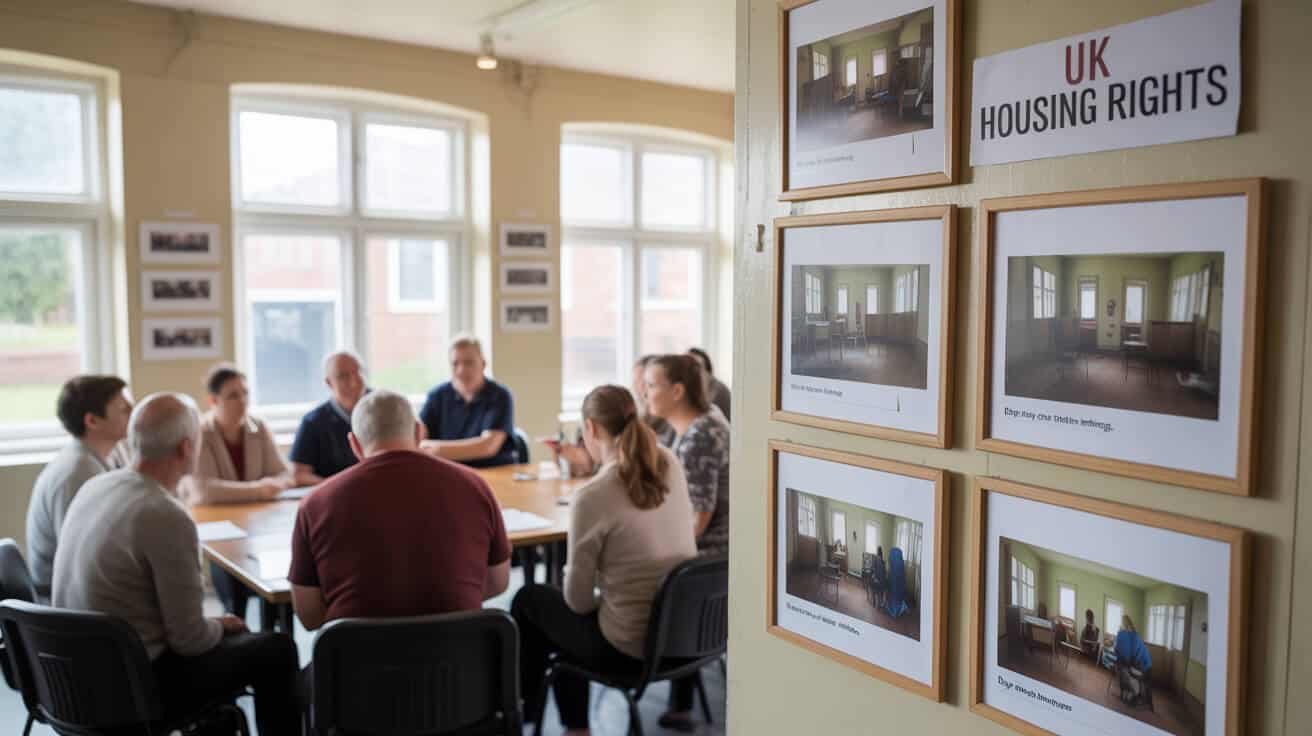
Water Hygiene PPM Services for Residential Blocks UK – Legionella L8 & TMV
Residential block owners, landlords and managing agents need water hygiene PPM that keeps communal systems safe, compliant and predictable under Legionella L8 and TMV duties. A planned mix of temperature checks, flushing, tank inspections, TMV servicing and clear records replaces ad-hoc visits, based on your situation. You end up with a live scheme of control, defined responsibilities and evidence for auditors, insurers and residents that water risks are actively managed. It’s a practical way to move from hidden worries to a routine you can stand behind.


Author
Izzy Schulman

How planned water hygiene PPM protects residential blocks
For UK residential blocks, communal hot and cold water systems carry real health, legal and financial risks if Legionella control is left to one-off surveys and reactive repairs. Landlords, RTM boards and managing agents need a predictable way to keep those risks under control.

Water hygiene PPM turns scattered tasks into a planned regime of checks, flushing, cleaning and record-keeping aligned with L8 and HSG274 guidance. Instead of relying on memory or ad-hoc contractors, you gain a clear scheme of control that fits each block and can be explained and defended when questioned.
- Turn hidden Legionella risks into clear, routine tasks
- Replace ad-hoc visits with a defined scheme of control
- Create evidence trails for auditors, insurers and resident scrutiny
Need Help Fast?
Locked out, leak at home, or electrical issue? All Services 4 U provides 24/7 UK locksmith, plumbing, electrical.
Testimonial & Clients Who Trust Us
With 5 Star Google Reviews, Trusted Trader, Trust Pilot endorsements, and 25+ years of experience, we set industry standards for excellence. From Dominoes to Mears Group, our expertise is trusted by diverse sectors, earning us long-term partnerships and glowing testimonials.
Worcester Boilers

Glow Worm Boilers

Valliant Boilers

Baxi Boilers

Ideal Boilers

Water hygiene PPM for residential blocks: safe, compliant and predictable
Water hygiene PPM for residential blocks in the UK is a planned schedule of checks, water tank cleaning and servicing that keeps communal hot and cold water systems safe and compliant. Instead of waiting for complaints or arranging the occasional “Legionella survey”, you move to a routine of temperatures, flushing, tanks, TMVs, sampling and logbooks, so you can show that water risks are under control at any point in time.
This information is general and does not constitute legal or technical advice; you should always take competent professional advice for specific buildings and situations.
Many landlords and RTM boards feel let down by a mix of ad-hoc plumbers, caretakers and one-off assessors. All Services 4U’s role is to turn that fragmented picture into a clear, manageable routine, integrating water hygiene with other compliance work across residential Blocks UK, including gas, electrical, fire and general building services, so your blocks feel joined-up rather than cobbled together. A well-designed PPM regime takes weight off your shoulders and replaces one-off visits with a simple scheme of control that everyone involved can understand, from caretakers to boards.
Clear routines turn hidden water risks into manageable tasks.
What water hygiene PPM actually covers in a block
Water hygiene PPM for residential blocks focuses on communal hot and cold water systems rather than one‑off repairs, giving you a repeatable set of tasks, including temperature checks and dead leg flushing, that help keep conditions outside the Legionella growth range. It also provides a documentary trail for auditors, insurers and boards, showing which assets were checked, when and by whom, so you are not left relying on memory or scattered emails.
In practice, that means a planned mix of frequent “light touch” checks and less frequent deep cleaning and servicing for outlets, tanks, calorifiers and TMVs across each block.
- Hot and cold sentinel temperature checks – key taps and showers checked to keep water outside the Legionella growth range.
- Weekly flushing of little‑used outlets – including void units, to prevent stagnation and mid‑range temperatures.
- Cold‑water storage tank checks – periodic inspection, temperature checks and cleaning of tanks and associated plant.
- Shower head cleaning – regular descaling and disinfection where the risk assessment justifies that level of control.
- Annual TMV servicing – inspection, descaling, disinfection and performance testing of thermostatic mixing valves.
- Water hygiene records – ongoing logbooks or digital records of what was done, where, when and by whom.
The exact task list and frequency come from your Legionella risk assessment and the HSE’s ACoP L8 and HSG274 guidance, adapted to the specifics of each building in your portfolio.
How PPM differs from a one‑off Legionella risk assessment
A one-off Legionella risk assessment is a snapshot; water hygiene PPM is the film that follows and keeps the story moving. The assessment identifies where your systems and management could allow Legionella to grow and spread, while the PPM regime covers what you do every week, month and year—such as flushing, temperature checks and shower descaling where required—to keep those risks under control and prove it.
Without that ongoing regime, even a good assessment becomes stale and hard to defend if anyone asks what has actually happened since it was written.
A risk assessment should answer questions such as:
- Where can water stagnate under normal operation?
- Where are temperatures likely to sit between 20–45°C?
- Where can aerosols be generated and inhaled?
- Who could be harmed, and how badly, if control is lost?
PPM then translates the answers into actions: which outlets to check, how often to flush, when to inspect and clean tanks, how to maintain TMVs, and what to do when something is out of tolerance. In an incident, insurer investigation or regulatory visit, that combination of assessment plus live PPM records is usually what differentiates a robust scheme from one that only exists on paper.
Who is responsible for what in a residential block
Responsibility for water hygiene is shared, but not evenly, and unclear boundaries are a common source of risk and dispute. In most blocks of flats, someone has legal control of the premises, someone manages day‑to‑day arrangements and others carry out the work.
In broad terms:
- The freeholder, landlord, RMC/RTM or housing provider is usually the duty holder for communal water systems and plant.
- A named responsible person often sits within a managing agent, housing provider or FM team and oversees the day‑to‑day scheme of control.
- Competent contractors or trained caretakers carry out the technical tasks and routine monitoring under that scheme.
- Leaseholders or tenants may carry limited responsibilities within their flats, especially where there are adapted bathrooms or in‑flat TMVs serving vulnerable residents.
Water hygiene PPM services help you define and document these roles clearly. All Services 4U will always ask who is legally “in control of the premises”, where the boundaries with in-flat responsibilities lie, and whether tasks such as shower descaling sit with the landlord, managing agent or resident, so that your scheme of control reflects reality rather than assumptions. When those roles are settled on paper, it becomes much easier to plan the control regime and hold people to the right standard without friction between owners, agents and contractors.
If you are unsure how your current arrangements stack up, a short review of a single representative block is often the safest next move before regulators, insurers or residents ask the same questions in a more formal setting.
The real risks: Legionella, TMVs and the cost of inaction
The real risk in a residential block is warm, stagnant water in the wrong place, especially where vulnerable residents, weak documentation and unclear responsibilities coincide. When that happens, health, legal and financial consequences can follow quickly, and dissatisfied leaseholders or landlords understandably start asking hard questions about past decisions and contractor performance.
Legionella bacteria thrive in water systems that sit between about 20°C and 45°C, with scale, corrosion or sludge to feed on and low turnover to keep them in place. Many residential blocks have exactly those conditions in cold‑water storage tanks, long risers, dead‑legs, little‑used showers and void units if they are not managed carefully. The fact that water still flows when a tap is opened does not mean the system is safe.
Real risk often hides in systems that appear to be working.
How Legionella behaves in real buildings
Legionella tends to seek out warm, slow‑moving pockets of water and rough internal surfaces where biofilm can form, rather than appearing uniformly across a system. In a typical UK block with stored cold water, low‑temperature hot water and showers, the risk areas are therefore easy to imagine but easy to overlook in day‑to‑day work, especially where dead leg flushing is missed.
Once you understand those weak spots, you can focus monitoring, cleaning and design changes where they will have the greatest impact.
Common risk areas include:
- Cold‑water storage tanks – poor turnover or damaged insulation in roof spaces or plant rooms.
- Long horizontal pipework – redundant branches and dead‑legs where flows are low and water sits within the growth temperature range.
- Showers and spray taps – outlets that create aerosols which can be inhaled by residents and visitors.
- Little‑used outlets – guest rooms, staff WCs and void flats that are not flushed regularly and cool down between visits.
- Calorifiers and hot‑water cylinders – sludge or scale build‑up leading to cool pockets or poor pasteurisation.
If someone in the building inhales aerosols from a contaminated shower or tap, particularly if they are older or have underlying health conditions, they can develop Legionnaires’ disease, a serious form of pneumonia that is often traced back to building water systems.
Legal, financial and reputational consequences of non‑compliance
If Legionella control fails, the consequences are legal, financial and reputational, not just technical. In the event of a suspected case linked to your building, investigators will ask to see more than a risk assessment; they will expect a clear scheme of control and complete monitoring records that show active risk management over time.
Consequences can include:
- Improvement or prohibition notices from enforcement authorities.
- Criminal prosecution with significant fines where serious breaches are proven.
- Insurers questioning or reducing cover, or disputing individual claims.
- Increased scrutiny from regulators, particularly in social housing portfolios.
- Intensified complaints and loss of confidence among residents, leaseholders and boards.
For landlords and owners, these issues also surface as service charge disputes, Section 20 challenges and valuation questions when there is no clear evidence trail to support decisions that have been made over several years. If you have already been burned by “mate‑with‑a‑van” plumbers or informal caretaker routines, this is often where those gaps become visible under insurer, lender or tribunal scrutiny.
It is common, for example, for an insurer’s investigator to discover that a plumber has been copying temperature readings from previous sheets rather than taking fresh measurements. On paper the logbook looks complete; under scrutiny it collapses, and your ability to defend a claim withers. Similarly, a leaseholder’s solicitor may ask for water hygiene evidence going back five years, only for you to find scattered PDFs from different contractors and no coherent storey that ties them together. A structured PPM partner helps you avoid those situations by standardising methods and record‑keeping from the outset.
TMVs: balancing Legionella control and scald prevention
Thermostatic mixing valves are installed to blend very hot stored water with cold water, delivering a stable outlet temperature that is comfortable and safe to use. They are particularly important in buildings with older residents, children or people with reduced mobility or sensation, where scalding is a real and foreseeable risk. A well‑set TMV allows you to store hot water at a temperature that discourages bacterial growth while still protecting people at the outlet.
However, TMVs also introduce extra components – strainers, cartridges and mixing chambers – where scale and biofilm can accumulate if they are not cleaned and descaled. A neglected TMV can:
- Fail open, delivering excessively hot water and increasing scald risk.
- Drift away from its setpoint, leaving water in the Legionella growth range.
- Provide sheltered pockets of warm water where bacteria can colonise and persist.
A credible water hygiene PPM regime treats TMVs as part of the water safety system, not as separate plumbing items handled “when there is a complaint”. Annual thermostatic mixing valve servicing and performance testing is therefore a key part of managing both scalding and Legionella risks, and it provides reassurance to residents and insurers that you have not traded one risk off against the other.
If you are looking at your current logs and TMV records and are not sure they would stand up to external scrutiny, that is usually a good moment to sanity‑check at least one block before relying on the same approach throughout your portfolio.
From law to logbook: how L8, HSG274 and TMV standards apply in residential blocks
![[ALTTOKEN]](https://allservices4u.co.uk/app/uploads/2026/01/02-Water-Hygiene-PPM-Services-for-Residential-Blocks-UK-Legionella-L8-TMV.png)
The legal framework for water hygiene in UK residential blocks is a set of overlapping duties rather than a single “Legionella Act”. Core health and safety law, regulations on hazardous substances and specific housing expectations all push towards one outcome: you must understand the risks in your systems and keep them under control so far as reasonably practicable.
Alongside those duties sit HSE codes and technical guidance that show what good control looks like in day‑to‑day management. Together, they shape what an enforcing authority, auditor or insurer expects to see in your files when they ask how you manage Legionella. Turning that framework into a practical checklist is often where landlords, managing agents and boards need support.
What ACoP L8 and HSG274 expect from duty holders
For duty holders, ACoP L8 and HSG274 describe what “good” Legionella control looks like in everyday management terms, not just technical detail. They outline how to move from a generic duty of care to a concrete scheme of control that can be implemented and audited.
For hot and cold water services in buildings – including residential blocks – they expect you to:
- Identify and assess Legionella risk in your systems through a suitable and sufficient risk assessment.
- Prepare and implement a written scheme of control or water safety plan derived from that assessment.
- Appoint a competent responsible person to manage the control scheme and the contractors involved.
- Implement routine monitoring, inspection, maintenance and, where appropriate, microbiological sampling.
- Keep records of assessments, monitoring, findings and remedial work for at least five years in a form that can be audited.
HSG274 Part 2 provides example schedules for tasks such as sentinel outlet temperature checks, tank inspections and cleaning, flushing regimes and TMV servicing. It also stresses that these are examples, and that your site‑specific risk assessment should inform the final regime rather than being copied blindly from a table.
How TMV and hot‑water safety guidance fit alongside Legionella control
TMVs and hot‑water delivery temperatures are guided by both water‑safety considerations and building or product standards intended to reduce scald risk. When hot water must be stored at higher temperatures to discourage bacterial growth, mixing at the outlet often becomes the safest way to keep users protected.
For residential blocks, that means your scheme of control must consider how TMVs are used, where they are installed, how they are serviced, and how their performance is checked alongside core Legionella controls such as sentinels, flushing and tank inspections. A PPM programme that ignores TMVs is only doing half the job.
What “good” risk assessments, schemes and logbooks look like
In practical terms, a good Legionella risk assessment and scheme of control for a block has a few consistent features that make it easy to understand and defend. For a typical block of flats, a suitable and sufficient Legionella risk assessment and accompanying documentation will normally:
- Identify all relevant water assets: tanks, calorifiers, risers, branches, TMVs, showers, little‑used outlets and void flats.
- Describe how water flows through the system and where stagnation or mid‑range temperatures are likely or have been observed.
- Assess who could be at risk, including any groups with greater vulnerability such as older residents or those with long‑term health conditions.
- Set out control measures: design changes, temperature regimes, flushing, cleaning, maintenance and TMV strategies.
- Lead directly into a written scheme of control and monitoring schedule with clear task lists and frequencies.
Logbooks or digital systems then need to record dates, locations, readings and actions in a way that can be followed by auditors, insurers or investigators. A simple, consistent format that links readings and actions back to specific outlets and assets is usually worth more than a complex spreadsheet that only one person understands, and All Services 4U can align our records with any existing board, insurer or lender reporting formats you already use.
Designing a block‑specific L8 / HSG274 / TMV scheme of control
A block‑specific scheme of control turns your Legionella risk assessment into clear tasks, decision rules and escalation paths for each building. You move from “we know we should be doing something” to “this is who will do what, where and when, and this is what happens if things are not right”, in a format that works for on‑site teams and stands up to inspection.
Done well, the scheme is practical enough for caretakers or FM teams to follow and robust enough to satisfy compliance teams, insurers or regulators that risk is being managed rather than assumed away.
A good starting point is always the Legionella risk assessment. That document tells you where water is stored, how it circulates, which outlets are representative, where little‑used outlets and dead‑legs exist, and who might be vulnerable. Your scheme should then mirror that picture and turn it into clear tasks and decision rules.
Turning the risk assessment into a practical scheme
Turning the risk assessment into a practical scheme means translating technical findings into a simple list of assets, tasks, tolerances and trigger points. The aim is to make it obvious what should happen on any given day or visit, without requiring people to interpret a long technical report on the fly.
In practice, designing the scheme of control usually means:
- Listing assets and outlets – those that need routine monitoring, grouped into clear routes.
- Defining, for each, the check type – temperatures, visual inspections, cleaning or sampling.
- Setting frequencies – starting from HSG274 examples and adjusting for the specific risks identified on site.
- Assigning each task to a role – in‑house staff, a named contractor, or a combination of the two.
- Setting trigger rules – when an out‑of‑tolerance reading or observation becomes a defect needing remedial action.
- Documenting contingency plans – for example, how you respond if control is lost or positive Legionella samples are found.
All Services 4U can help you build this scheme from scratch or translate an existing, technical assessment into a schedule and route plan your teams can actually follow, with task cards and forms that map directly back to the risk assessment.
Governance mechanisms that keep the scheme live
Governance is what stops a good scheme of control becoming a forgotten document. Plant upgrades, flat conversions, new vulnerable residents and changes in occupancy patterns all affect risk, so the scheme must be reviewed and updated rather than left untouched for years.
A robust scheme normally includes:
- A planned date to review the Legionella risk assessment, commonly at least every two years or sooner if there are significant changes.
- Clear triggers for bringing a review forward, such as repeated non‑conformities, persistent temperature failures or structural changes to the system.
- A simple but formal process for escalating serious issues to boards or senior managers, rather than leaving them buried in logbooks or email trails.
- Clear ownership for signing off remedial actions and confirming that risk has been brought back under control and documented.
This combination of regular review and defined escalation keeps the scheme aligned with both the building and external expectations, and reassures landlords and owners that water hygiene is being actively managed rather than assumed.
Prioritising actions and coordinating with other building services
Prioritisation is where technical findings meet real‑world budgets and access constraints. Few organisations can fund every recommendation at once, especially in mixed portfolios with competing fire, damp and structural pressures, so the scheme should help you decide what to tackle first and what can safely wait.
Typical high‑priority items include:
- Removing or shortening dead‑legs – and little‑used branches that cannot be managed by flushing alone.
- Fixing tank integrity issues – missing lids, damaged linings or poor insulation that affect water quality or temperature.
- Rectifying chronic temperature failures – especially those that suggest plant or distribution problems rather than isolated readings.
- Addressing problem TMVs – valves that repeatedly fail to perform correctly or protect vulnerable residents.
At the same time, coordinating water hygiene visits with other planned works – fire alarms, gas servicing, lifts, general repairs – can reduce disruption. By grouping access to plant rooms and flats you can minimise the number of times residents are disturbed while still keeping to required monitoring frequencies, which matters for both tenant satisfaction and landlord costs. If you would find it helpful to see what a block‑specific scheme might look like in practice, All Services 4U can sketch a simple draught for one of your buildings as a starting point for discussion or for comparison with your existing arrangements.
Accreditations & Certifications


What we actually do on site: flushing, temperatures, tanks, sampling and TMVs
![[ALTTOKEN]](https://allservices4u.co.uk/app/uploads/2026/01/03-Water-Hygiene-PPM-Services-for-Residential-Blocks-UK-Legionella-L8-TMV.png)
On site, your PPM regime turns into a series of visits where technicians follow clear routes, take readings, inspect assets and record findings. A well‑designed regime only delivers value if that work is thorough, consistent and properly logged, because those visit records become your evidence when anyone asks how you managed risk.
All Services 4U engineers work from defined schedules and methods rather than memory, use calibrated thermometers and standard forms, and are supervised and audited internally so that sloppy practices such as copied readings or skipped outlets are identified and corrected. Understanding what should happen during visits helps you challenge weak practice and recognise good work, whether it is delivered by your existing teams or by a specialist partner.
A typical routine visit focuses on taking key temperature readings and confirming that obvious risk factors have not appeared since the last inspection. For most blocks this means a small number of well‑chosen outlets and plant points that tell you whether the system is behaving as designed, without measuring every tap in the building on every visit.
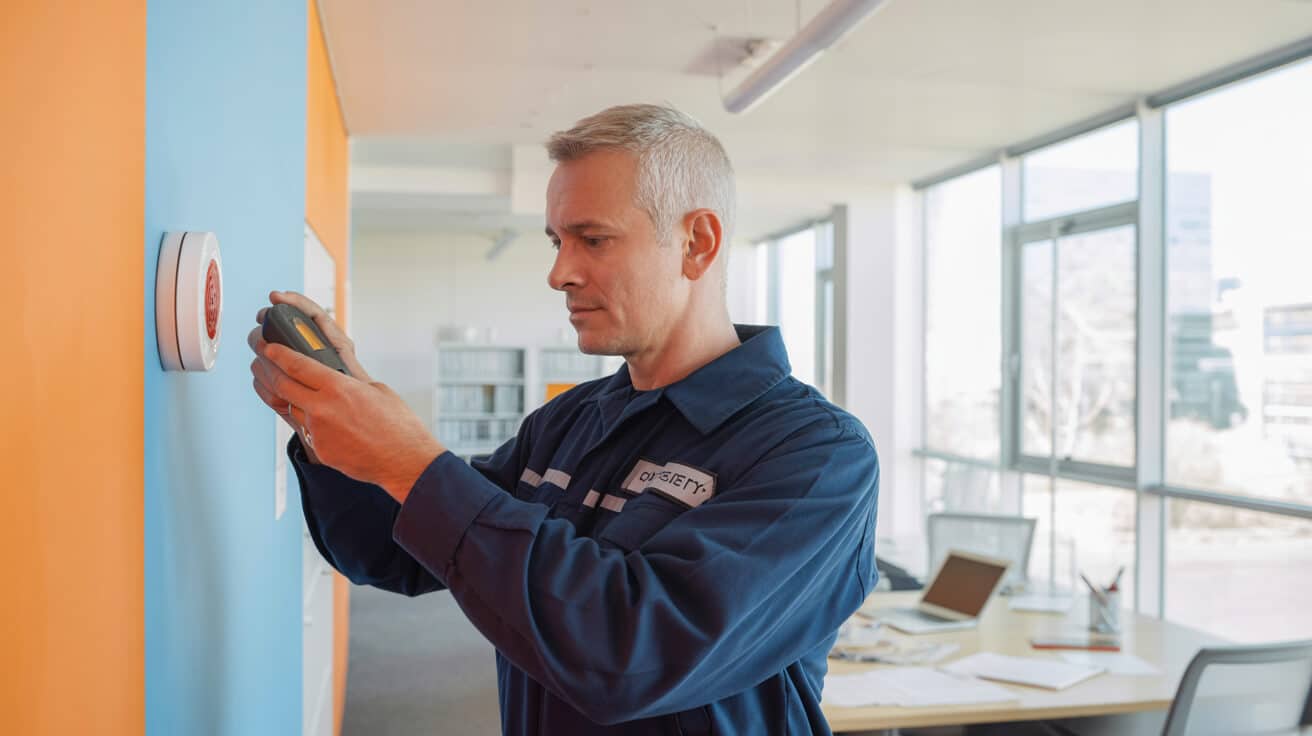
For a standard monthly PPM visit in a residential block, a technician might:
- Take temperature readings at hot and cold sentinel outlets on each riser or loop, confirming cold and hot reach their targets promptly.
- Check that hot‑water return temperatures at key locations stay high enough to discourage bacterial growth throughout the circulation.
- Record readings, outlet identifiers, times and any comments about unusual behaviour or slow temperature changes.
- Visually check accessible outlets, visible pipework and plant rooms for obvious defects, poor insulation, leaks or stagnation risks.
These data points build a trend over time that can reveal gradual deterioration in plant or pipework long before there is a failure or complaint. They also provide clear evidence to insurers, boards and residents that you are monitoring and reacting rather than hoping nothing goes wrong.
Flushing, tanks, calorifiers, sampling and TMVs
Beyond sentinel checks, a full water hygiene PPM regime will normally include a broader set of tasks that are scheduled over weeks and months rather than every visit. These activities deal with stagnation, storage and protection against scalding, and they typically require more specialised tools and methods.
Typical tasks include:
- Weekly flushing of little‑used outlets – including outlets in void properties, until temperatures stabilise within targets.
- Tank inspections and temperature checks – checking cleanliness, covers, insulation and turnover of cold‑water storage.
- Calorifier and cylinder maintenance – blow‑down where appropriate and checks for sludge, scale or cold spots.
- Risk‑based microbiological sampling – such as Legionella testing, where the assessment indicates it or trend data suggest a loss of control.
- Annual TMV servicing – isolating, removing and cleaning strainers, descaling and disinfecting valve bodies, and checking mixed‑water temperatures and fail‑safe operation.
Each task has a defined method, set of acceptance criteria and documentation. Shortcuts – such as copying previous readings, skipping inaccessible outlets, or not fully stripping TMVs – should not be tolerated in any credible regime, because they immediately weaken your evidential position if something goes wrong.
Managing residents, safety and non‑conformities
Managing water hygiene in homes means balancing technical checks with respectful, safe resident interaction. For any contractor working in people’s homes, technical competence must be matched by safeguarding awareness and clear communication so that residents understand what is happening and why.
That includes:
- Agreeing access windows and notice periods with managing agents, housing providers or RTM boards.
- Carrying visible identification and, where appropriate, evidence of vetting for staff visiting occupied homes.
- Explaining clearly why a visit is needed and what will happen, using plain, non‑technical language residents can understand.
- Working tidily and restoring any disturbed finishes as far as reasonably practicable before leaving.
Where checks reveal non‑conformities – for example, persistent temperature failures, tank contamination or TMV malfunction – these should be logged with a clear risk rating and recommended actions. All Services 4U uses structured reporting and sample audits on completed records to ensure that such issues are visible, prioritised and tracked through to completion, rather than sitting in a spreadsheet on someone’s local drive. That level of transparency helps reduce friction between landlords, agents and residents when additional works or costs are necessary.
If you would like an independent view of how your current contractors handle these visits, a one‑off review of a recent logbook and visit reports for a single block can be a low‑risk way to benchmark performance before you consider broader changes.
Managed PPM vs DIY and fragmented suppliers: cost, risk and governance trade‑offs
Managed PPM, in‑house routines and fragmented suppliers all claim to control water risk, but they behave very differently under pressure from insurers, regulators or leaseholders. Many organisations arrive at specialist PPM services after trying caretaker‑led routines and ad‑hoc plumbers, only to discover gaps when something serious happens and the documentary trail is tested.
If you have been burned by “DIY” arrangements or a patchwork of small suppliers, this is usually where the problems show: incomplete evidence, unclear responsibilities and no single party able to explain how risk has actually been managed. Understanding those differences helps you decide what mix of internal and external resource makes sense for your buildings.
Competence, continuity and data quality
The key differences between in‑house and specialist approaches are competence, continuity and the quality of data you can put in front of an insurer, regulator or tribunal. In‑house teams can play a valuable role when tasks are simple, support is strong and someone competent reviews the outputs.
In practice, in‑house routines work best when:
- Staff are properly trained and supervised by someone who understands L8 and HSG274.
- Tasks are simple, well described and clearly within their competence and equipment.
- A competent person reviews their outputs and trends, not just files them.
However, common failure modes include:
- Informal methods – such as using uncalibrated thermometers or inconsistent flushing practices from person to person.
- Incomplete outlet coverage – especially as layouts change or new outlets are added over time.
- Poor recording – illegible notes, missing dates or untraceable outlet identifiers.
- Loss of knowledge – when key members of staff move on or change role suddenly.
A scenario seen regularly is an insurer’s loss adjuster asking why the same temperature readings appear month after month in the logbook, only to discover that a caretaker has been copying values from previous sheets. The building may have been safe in practice, but the evidence is now unreliable, and the landlord is left arguing from memory instead of records. Specialist, integrated PPM contracts bring dedicated competence and structured methods, but you still need to ensure providers are transparent about qualifications, methods, supervision and checks rather than assuming “specialist” automatically means “compliant”.
Fragmented supply chains and their impact under scrutiny
Fragmented supply chains create real problems when someone external asks for a joined‑up picture of risk control. Using different suppliers for risk assessments, routine monitoring, TMV servicing and remedial works can make it hard to see the whole picture, especially when something goes wrong and past decisions need to be justified.
When an auditor, tribunal, insurer or lender asks for:
- Your current risk assessment and any updates issued since it was written.
- Your written scheme of control and how it is implemented in practice.
- Monitoring records for the past few years, not just the last visit.
- Evidence that remedial actions were completed, signed off and re‑tested.
You may find that documents are missing, stored in incompatible formats, or difficult to link to specific assets and outlets. That makes it harder to demonstrate that you have a coherent scheme, rather than a series of isolated tasks spread across several contractors.
It is not unusual for a leaseholder’s solicitor to request five years of water hygiene evidence, only for the landlord or agent to discover a scattering of PDF reports, notebooks and email trails from different firms. Reconstructing a coherent storey at that stage is time‑consuming and may still fall short of what a tribunal or lender expects.
An integrated PPM partner can simplify this by owning the whole cycle from assessment to routine monitoring and reporting, while leaving strategic decisions and financial control firmly with you. For dissatisfied landlords, managing agents or RTM boards, this often feels like moving from firefighting to a managed service that you can actually explain and defend.
Portfolio‑wide standards vs block‑specific tailoring
For landlords, housing providers or agents with multiple blocks, another challenge is balancing consistency with flexibility. Applying exactly the same regime to every building may be excessive for some low‑risk blocks and insufficient for schemes with higher vulnerability or more complex plant and distribution.
A risk‑based approach means:
- Setting minimum portfolio‑wide expectations – for example, having current risk assessments, clear schemes of control and baseline monitoring frequencies for all blocks.
- Adjusting frequencies, sampling and TMV treatment – for higher‑risk buildings such as sheltered housing, supported accommodation or complex mixed‑use schemes.
- Being able to explain and defend those differences – if asked by regulators, insurers, lenders or resident boards.
A specialist partner such as All Services 4U can help you design and document those choices so they are clear to everyone involved, including finance, compliance and resident‑facing teams. That makes budget conversations and Section 20 consultations easier, because you can show why each line of spend exists and what risk it manages. If you are cautious about changing contractors, you can still use a limited engagement – for example, a single‑block evidence and scheme review – to benchmark your existing suppliers before making any wider decisions.
How we deliver, price and evidence your PPM programme
A structured PPM service should tell you exactly what will happen, when, at what cost, and how you will see the results, so you are not relying on trust alone. When you appoint a partner to look after water hygiene PPM in your residential blocks, you are asking for clarity around roles, schedules, reporting and governance, not just a list of visits.
All Services 4U approaches this as a project of mobilisation, steady‑state delivery and continuous improvement, with documentation at each step rather than as an afterthought. That structure helps you explain to boards, residents, insurers and lenders how water hygiene is being managed, not just that checks are being done.
Mobilising a new or improved PPM regime
Mobilisation is the short period where information is gathered, gaps are confirmed and a practical regime is designed before routine visits begin. The aim is to move from a mix of partial documents and informal practice to a coherent scheme without disrupting day‑to‑day operations.
A typical mobilisation process includes:
- Collecting existing information: risk assessments, drawings, previous monitoring records and any known water‑related issues.
- Visiting representative blocks to validate information, map plant and outlets, and check practical access arrangements for residents and plant.
- Confirming roles and responsibilities with you: who is the duty holder, who will act as responsible person, and where in‑house teams will contribute.
- Designing building‑specific monitoring schedules and routes based on the latest guidance and the risk assessment findings.
- Agreeing communication protocols with residents or leaseholders, especially where access to flats is needed for TMVs or in‑flat outlets.
- Setting up logbooks or digital records so that visit outcomes are captured consistently and can be reviewed centrally from day one.
This clarity up front reduces the risk of gaps emerging later and helps align expectations between building managers, compliance teams, landlords, RTM boards and contractors.
Pricing models should keep service charges and budgets predictable while covering all critical tasks, so you do not face sudden spikes when inspections or renewals fall due. The right model depends on your portfolio size and the level of standardisation you want.
Pricing for water hygiene PPM in residential blocks can be structured in several ways, including:
- Per‑block pricing – for smaller agents or RMCs with a handful of sites, based on the number of risers, tanks and TMVs.
- Per‑asset or per‑dwelling pricing – for larger portfolios where standardisation and comparability are important to finance teams.
- Portfolio‑wide packages – that combine assessment updates, routine PPM visits, TMV servicing and reporting for a fixed annual sum.
Whatever the model, the aim is to align cost with risk and scope, so that all necessary tasks are covered but service charges or budgets remain predictable. All Services 4U will always be clear about what is included in the core price, where optional extras sit – such as additional sampling – and how remedial works are handled and authorised under your delegation of authority.
Reporting, assurance and contract governance
Reporting and governance determine how easy it is to reassure others that water hygiene is under control. From a governance standpoint, you need more than raw data; you need information presented in a way that supports oversight, decision‑making and external scrutiny, whether the question comes from your board, an RTM director, an auditor or an insurer.
A mature PPM service will typically provide:
- Site‑level logbooks or digital records – showing visits, readings, findings and actions in a consistent format.
- Exception reports – highlighting non‑conformities, overdue actions and repeat issues that need a more fundamental fix.
- Periodic summaries – showing completion rates, trends and emerging risk patterns across your blocks or schemes.
- Board‑friendly summaries – focusing on risk, compliance, significant works and any strategic decisions required.
Contracts also need clear service levels, defined performance indicators and practical termination or step‑in clauses so that under‑performance can be managed constructively. All Services 4U builds sample checks and internal audits into our own reporting so that you and your board are not relying solely on self‑reported figures. Regular performance reviews and sample audits help keep everyone aligned and ensure that the service evolves as your buildings, resident profiles and risk profile change.
Reliable Property Maintenance You Can Trust
From routine upkeep to urgent repairs, our certified team delivers dependable property maintenance services 24/7 across the UK. Fast response, skilled professionals, and fully insured support to keep your property running smoothly.

Book Your Free Consultation With All Services 4U Today
A free consultation with All Services 4U gives you a structured, no‑obligation way to understand where your current water hygiene arrangements stand and what a realistic, risk‑based PPM plan would look like for your blocks. It is designed to support your governance and decision‑making, not to push you into a pre‑packaged contract, and it is particularly useful ahead of board reviews, insurer renewals or regulator visits.
During this consultation, the focus is on one representative block or a small sample of buildings so that the conversation is concrete and manageable, and so that you can quickly see how our approach would work across a wider portfolio if you choose to expand it.
What the consultation involves in practice
The consultation is a short, focused conversation built around one real building, not a generic checklist, so that you come away with something you can actually use. The process is deliberately simple and designed to respect your time while still surfacing the key risk and evidence questions.
In practical terms:
- Before the call, you share whatever you already have: a recent Legionella risk assessment, any schemes of control, monitoring records, tank or TMV service reports, and a basic description of the building.
- On the call, your property, compliance or FM leads talk through how water systems are actually used and maintained, any recurring issues, and any upcoming audits, renewals or projects.
- All Services 4U specialists map what you describe against current guidance and common risk patterns in similar buildings, highlighting strengths and potential gaps.
The aim is not to criticise, but to give you a clear, independent view of where your arrangements appear strong, where there may be gaps, and where there is uncertainty that merits a closer look before an external party, such as an insurer or regulator, asks the same questions.
What you receive afterwards – whether or not you proceed
After the consultation you receive a short, plain‑English summary that you can share internally and return to when making budget and procurement decisions. It is designed to be readable for boards, RMC/RTM directors and finance teams as well as technical staff.
That summary typically includes:
- A high‑level view of how your current documentation and practice align with the expectations set by ACoP L8 and HSG274 for domestic‑type systems.
- Any obvious gaps or inconsistencies in risk assessment, schemes of control, monitoring or TMV servicing that could trouble insurers, lenders or boards.
- A suggested outline PPM schedule for that building, with indicative frequencies and responsibilities for internal teams and specialist support.
- A sense of cost and effort ranges for addressing the main issues, including options for internal teams versus specialist external support.
You can use this summary internally with boards, RMC/RTM directors, asset managers or compliance committees, regardless of whether you decide to engage All Services 4U further. That makes it a low‑risk way to start turning concern about Legionella and water hygiene into a structured, evidence‑based action plan.
How existing teams and suppliers fit in
The consultation is also an opportunity to consider how in‑house staff or incumbent contractors can be part of the solution rather than being replaced by default. For many owners and agents, the first priority is to understand whether current arrangements are sound, need support or require more fundamental change.
In many cases, a hybrid approach works well:
- Internal caretakers or FM teams – carry out simple, frequent tasks such as flushing or basic temperature checks under a clear procedure.
- A specialist PPM partner – handles more complex activities such as tanks, calorifiers, TMVs, sampling and scheme reviews.
- Everyone works from a single scheme – a shared scheme of control and reporting formats that your compliance and finance teams recognise.
All Services 4U will always respect existing relationships and focus on clarifying roles and raising standards rather than advocating unnecessary disruption. A gap discovered and addressed through your own review is almost always less costly, and easier to explain, than one discovered by an insurer’s surveyor or a regulator’s inspector. You can also choose to use the consultation purely as a benchmark of your current contractors, without any immediate intention to replace them.
If you are responsible for residential blocks and want practical clarity on Legionella, L8 and TMV obligations, a short conversation and a single building pack are enough to start turning that concern into a structured, defensible plan with clear responsibilities, predictable costs and evidence your stakeholders can trust. When you are ready, booking that free consultation with All Services 4U is a straightforward first step towards a safer, more compliant and more predictable water hygiene regime across your blocks.
Frequently Asked Questions
Explore our FAQs to find answers to planned preventative maintenance questions you may have.
How do water hygiene PPM services actually protect me under ACoP L8 and HSG274 when something goes wrong?
Water hygiene PPM protects you by turning a static Legionella risk assessment into a live, auditable control regime that you can actually defend in front of regulators, insurers and residents’ lawyers.
What has to exist, in black and white, before anyone will accept you’re in control?
If you strip out the noise, a block that is genuinely aligned with ACoP L8 and HSG274 will always have, at minimum:
- A current, building‑specific Legionella risk assessment – with scope, assumptions and clear recommendations, reviewed on material change.
- A written scheme of control – mapping every relevant asset (tanks, calorifiers, risers, TMVs, seldom‑used outlets, voids) to tasks, tolerances, frequencies and responsible roles.
- Named duty holders and competent people: – appointment letters, training records and clear lines of responsibility, not just job titles in a structure chart.
- Monitoring and remedial records: – several years of temperatures, flushing rounds, tank inspections, TMV servicing and follow‑up works that read as one coherent storey.
An HSE inspector, loss adjuster or expert witness will not take “we’ve always done it this way” as an answer. They will pick a single outlet in a high‑risk flat, one TMV, or a cold‑water tank and ask you to show:
- How it was risk‑assessed.
- What the planned regime was.
- What actually happened, month by month.
- How you reacted when numbers were out of tolerance.
If that chain holds, ACoP L8 is working for you. If it breaks, you’re asking for sympathy rather than demonstrating control.
All Services 4U builds water hygiene PPM around that chain of traceability. Each building gets:
- Its own scheme of control aligned to ACoP L8 and HSG274 Part 2.
- Standardised logbooks or digital records.
- A single “evidence spine” that you can hand to boards, RTM chairs, insurers or regulators without a week of panic.
If you want to know whether your current water hygiene PPM would survive that kind of scrutiny, start with one representative block and walk it against these four headings. If you can’t pull everything within a few minutes, the gaps are already there; you just haven’t had the wrong person ask the right question yet.
How often should your team really be doing temperatures, flushing, tank checks and TMV servicing in residential blocks?
In most residential blocks, a defensible pattern looks like weekly flushing of low‑use outlets, monthly sentinel temperatures, periodic tank checks and at least annual thermostatic mixing valve servicing, with frequencies tightened or relaxed by a current risk assessment rather than by “what we’ve always done”.
What does a frequency plan look like when it’s built for auditors, not folklore?
A schedule that feels familiar to HSE, insurers, valuers and housing regulators usually reads something like:
- Weekly: – Flush identified low‑use outlets and void flats; record which points you flushed, who did it and for how long.
- Monthly: – Take hot and cold sentinel temperatures on each riser or loop, plus extra outlets where residents are more vulnerable.
- Six‑monthly: – Check key storage points (tanks, calorifiers) for inlet/outlet temperatures, stratification and turnover.
- Annually: – Inspect and, where needed, clean tanks; carry out full TMV servicing across the valves in your scheme of control.
Your Legionella risk assessment then fine‑tunes that pattern:
- Extra‑care, supported or medically fragile schemes often justify shorter intervals or targeted sampling.
- Simple, low‑risk blocks with good circulation may stay close to HSG274’s example minimums.
Where portfolios usually get hurt with water hygiene PPM is not the headline frequency; it’s:
- Delivery drift: – rounds missed or shortened when time is tight.
- Suspiciously identical readings: over many months on many outlets.
- Assets that fall off the map: – particularly obscure outlets, TMVs behind panels and neglected voids.
- No clear link: between repeated faults and changes to PPM or design.
A structured PPM partner like All Services 4U will usually start by turning each block into an HSG274‑style matrix – rows for assets, columns for weekly/monthly/six‑monthly/annual tasks, with named roles. That makes gaps, overlaps and fantasy intervals obvious in one view.
If you can hand that matrix and its associated logs to an insurer, lender or tribunal and let them read for themselves, your position in any dispute is already stronger than the majority of landlords and managing agents in the market.
Why are TMVs such a big deal, and what does good TMV servicing actually look like for hot water safety and Legionella control?
TMVs sit where two of your biggest liabilities meet: scalding and Legionella. Servicing them properly lets you hold hot water at temperatures that control bacteria while still keeping residents safe at the tap – and it gives you evidence if anything ever goes wrong.
How does a TMV turn from a safety device into a hidden risk if it’s not maintained?
Every day, you’re trading off two live risks in every block:
- Scald risk: – store and distribute water hot enough to control Legionella, and a drifting TMV can send dangerously hot water to a vulnerable resident in seconds.
- Legionella risk: – let a TMV foul with scale and biofilm, or leave it half‑stuck, and you create warm, stagnant volumes where bacteria love to grow.
Robust TMV servicing sits exactly in that junction:
- Register: – a live inventory of every TMV by location, type and risk band.
- Tasks: – at least annual, and in higher‑risk sites six‑monthly, isolation, strip‑down and cleaning of strainers and valve bodies.
- Treatment: – descaling and disinfection where water hardness and past results justify it.
- Testing: – mixed‑water temperature checks against agreed setpoints, plus fail‑safe tests so you know how the valve behaves if hot or cold fails.
- Records: – dates, operatives, actions, parts changed and temperatures logged in a format a third party can follow.
If you ever have to explain a scald incident or suspected waterborne infection to a coroner, regulator, insurer or tribunal, being able to pull that TMV record for a specific flat shifts the tone from “we hope we did enough” to “here’s the evidence of what we actually did”.
All Services 4U doesn’t treat TMVs as an afterthought buried in generic job sheets; we treat them as a critical asset type inside your water hygiene PPM. That means your TMVs are risk‑rated, planned, serviced and recorded with the same discipline as tanks and calorifiers – and you’re not relying on someone’s memory when you’re asked to account for what happened at a single valve in a single bathroom.
What are you really risking by leaving water hygiene to caretakers or general plumbers without a structured PPM partner behind them?
On paper, “our caretakers and local plumbers look after all that” sounds efficient. In reality, the risk you’re taking is that methods drift, evidence thins out and the entire Legionella control storey lives in one or two people’s heads – right up until they leave, an inspector knocks, or a resident’s solicitor arrives.
Where does the informal model usually crack under pressure?
Across different portfolios and organisations, the same pattern keeps reappearing:
- Tasks evolve away from the scheme: – people adapt to diary pressure and difficult access, not to ACoP L8 or HSG274.
- Records lose quality: – logbooks move from complete, to patchy, to a handful of repeated numbers that don’t stand up to basic scrutiny.
- Hard‑to‑reach assets vanish: – awkward outlets, TMVs behind boxing, void flats and top‑floor dead‑legs stop being checked.
- Accountability blurs: – people swap roles, agency staff rotate, and it becomes less and less clear who actually owns which duty.
None of this means you have bad staff. It means you’re asking them to hold a technical regime, a legal framework and a documentation standard in their heads on top of everything else you need from them.
A specialist PPM partner like All Services 4U changes the question from “who remembers to do what?” to “what does the scheme say, and how do we evidence it?”:
- Your people keep doing the parts of water hygiene that sit naturally inside their day – simple flushing, basic temperature checks, access management.
- We take on the higher‑risk work and the technical burden – Legionella risk assessment, scheme design, tanks, calorifiers, TMVs, sampling and independent audits.
- Everyone works to one building‑specific scheme of control, with clear boundaries and shared logbooks.
If you’ve ever felt your stomach drop while hunting for water hygiene paperwork in the middle of an incident, you already know the cost of the informal model. Trialling a structured PPM approach on one or two of your most exposed blocks lets you see, in practice, how much risk and noise you can take off your in‑house team without losing visibility or control.
How can you stress‑test your current water hygiene contractor and logbooks before an insurer, regulator or residents’ lawyer does it for you?
You stress‑test them by picking one real building and acting as if an external body has just requested everything related to water hygiene within 24 hours. If that thought already feels uncomfortable, it’s a sign you should look now, not when you’re under formal notice.
What should you be able to pull for one block, quickly and without stage‑managing it?
Take a block that fairly represents your risk – not your best, not your worst – and see whether you can find, without days of tidying:
- A current Legionella risk assessment specific to that building, with clear recommendations and review dates.
- A written scheme of control that a non‑engineer on your board could read and understand.
- Temperature and flushing logs: that look like real data, not copied numbers.
- Remedial records: that join up abnormal readings or failed inspections to actual work orders and sign‑off.
- A timeline: – at least several years where you can follow the storey from assessment to control to evidence.
Then ask yourself, like an outsider:
- Would an insurer see a controlled, monitored system here, or a stack of disconnected documents they can lean on to reduce or refuse a claim?
- Would an independent expert appointed by residents or a tribunal recognise a regime that is proportionate to risk and properly documented?
If the honest answer is that you’d need to “get everything in order” before sending it, the exposure is already there. You just haven’t been asked the question yet.
All Services 4U often starts with exactly this “single‑block stress‑test”:
- We review what you have, on paper and on site, against ACoP L8 and HSG274 expectations.
- We write up the findings in plain language – strong points, weak points, unknowns.
- We give you a set of options: sharpen your current contractor’s brief, rebalance in‑house vs external duties, or plan a change without waving vaguely at “non‑compliance”.
That way you choose your next move with your eyes open, based on what an external body is likely to see, not on what you hope they’ll overlook.
How does All Services 4U typically start working with you on water hygiene PPM without blowing up your current setup?
We usually start by improving one block rather than trying to lift and shift your whole estate. That first engagement is built to give you a clear picture of reality, a practical water hygiene PPM plan, and a low‑risk way to judge whether we’re the right long‑term partner.
What does a first engagement feel like for an owner, RTM board, HA or managing agent?
The sequence is simple and designed around your time, not ours:
- Evidence harvest – you send whatever exists for a chosen building: Legionella risk assessment, any scheme of control, temperature and flushing logs, tank and TMV records, incident notes.
- On‑site walk‑through – we follow the actual water path: incoming main, tanks, calorifiers, risers, branches, voids, high‑risk flats, dead‑ends.
- Gap map – we compare what we see and what you’ve given us against ACoP L8, HSG274 Part 2 and what we see working across similar stock.
You then get a compact, usable output, not a door‑stop:
- A plain‑English summary you can share with boards, RTM/RMC directors, freeholders or senior colleagues.
- A draught PPM schedule that splits tasks sensibly between your own people and ours, with realistic frequencies and asset lists.
- A phased, costed plan that fits how you actually fund work – service charges, reserves, planned capex.
At that point, you have options:
- Use the findings to tighten your existing contractor’s remit and hold them to clearer standards.
- Brief your compliance, legal, finance and resident teams on what’s coming and why.
- Or, if it’s the right move, transition water hygiene PPM for that block to All Services 4U.
If you decide to expand, we prioritise the rest of your portfolio by risk and financial timing – HRBs, known problem sites, buildings tied to insurer renewals or refinancing. We then put one evidence architecture across everything we touch:
- Consistent logbooks or digital records.
- Clear naming and tagging by asset and building.
- Agreed retention and audit routines.
You stay in charge of strategy, budgets and residents. We carry the technical and evidential weight on water hygiene PPM, so when somebody asks, “Can you prove what you’ve been doing?”, you already know the answer is yes – and you can show it.
- How planned water hygiene PPM protects residential blocks
- Water hygiene PPM for residential blocks: safe, compliant and predictable
- The real risks: Legionella, TMVs and the cost of inaction
- From law to logbook: how L8, HSG274 and TMV standards apply in residential blocks
- Designing a block‑specific L8 / HSG274 / TMV scheme of control
- What we actually do on site: flushing, temperatures, tanks, sampling and TMVs
- Managed PPM vs DIY and fragmented suppliers: cost, risk and governance trade‑offs
- How we deliver, price and evidence your PPM programme
- Book Your Free Consultation With All Services 4U Today
- Frequently Asked Questions
- Related PPM Services
Related PPM Services
- Residential Blocks
- Dead Leg Flushing
- Legionella Risk Assessment
- Shower Descaling & Disinfection
- Water Temperature Monitoring
- TMV Servicing
- Water Tank Cleaning
- Board Compliance Packs
- Damp Mould Response
- Electrical Safety PPM
- Fire Safety PPM
- Gas Safety PPM
- Insurance Evidence Packs
- Lift Maintenance
- Roof Gutter PPM
- Section 20 Compliance
- Water Hygiene
Case Studies


Related Articles

Your Guide To Identifying And Treating Minor Mould Outbreaks
Why Planned Preventative Maintenance (Ppm) Saves Money And Ensures Compliance