Water Temperature Monitoring PPM Services UK – Monthly Sentinel Outlet Testing – L8 Compliance
Facilities, estates and compliance leads in UK schools, blocks, care settings, hotels and offices use monthly water temperature monitoring and sentinel outlet testing to keep Legionella control schemes defensible. Monitoring is built around your risk assessment and written scheme, with outlet lists, routes and visit frequency aligned to how the building actually runs, depending on constraints. You finish each month with clear temperature records, escalation notes and evidence that controls operated or were corrected in line with ACOP L8 and HSG274 Part 2. It’s a practical way to keep your monitoring routine, traceable and easier to defend.



Author
Izzy Schulman

If you are responsible for a managed water system, temperature checks have to do more than fill a logbook. You need monthly sentinel outlet monitoring that reflects the real building, supports your written scheme and shows your Legionella controls are working where risk actually sits.
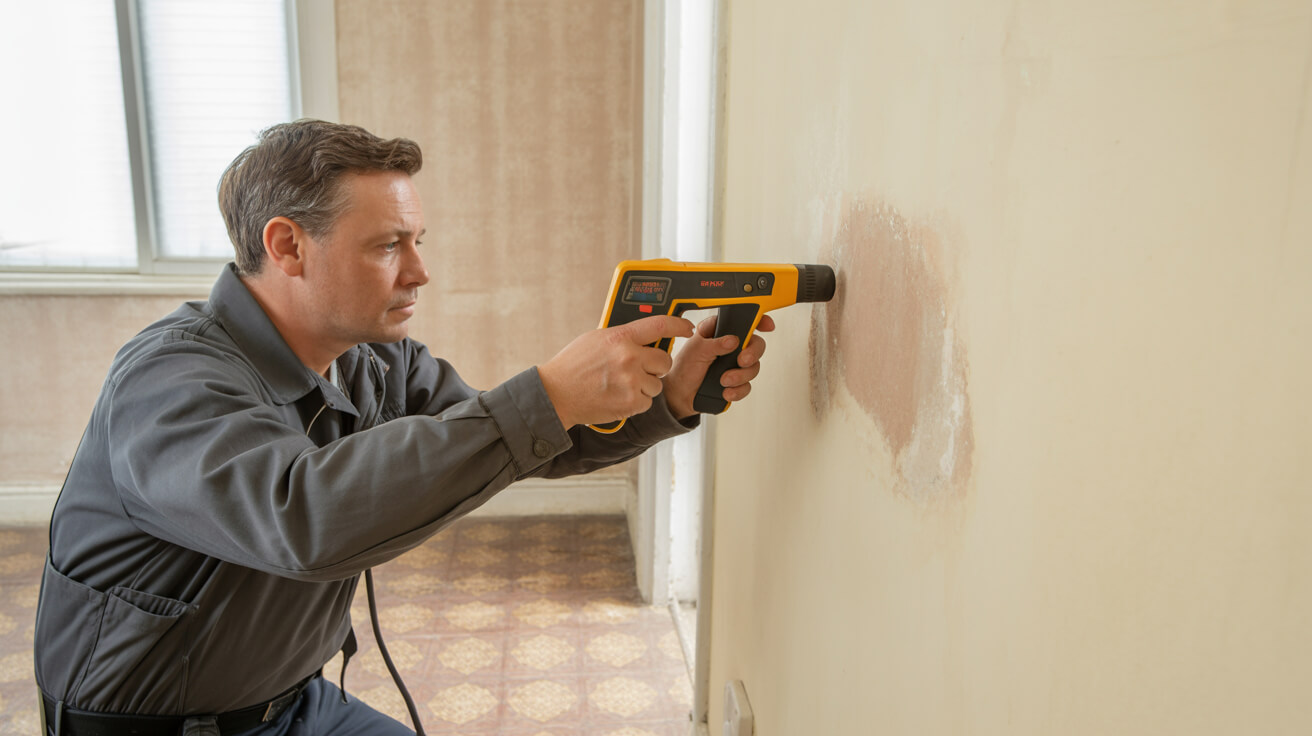
Weak schedules, missed visits and unclear records can leave you exposed when clients, boards, auditors or insurers start asking questions. A practical monitoring regime built around ACOP L8, HSG274 Part 2 and your risk assessment turns monthly checks into a repeatable process with clear readings, escalation routes and defensible records.
- Monthly sentinel outlet checks aligned to your written scheme
- Clear, traceable records ready for audits and insurers
- Practical follow-up when temperatures fall outside control limits</p>
Need Help Fast?
Locked out, leak at home, or electrical issue? All Services 4 U provides 24/7 UK locksmith, plumbing, electrical.
Testimonial & Clients Who Trust Us
With 5 Star Google Reviews, Trusted Trader, Trust Pilot endorsements, and 25+ years of experience, we set industry standards for excellence. From Dominoes to Mears Group, our expertise is trusted by diverse sectors, earning us long-term partnerships and glowing testimonials.
Worcester Boilers

Glow Worm Boilers

Valliant Boilers

Baxi Boilers

Ideal Boilers

What Monthly Sentinel Outlet Testing Actually Means on Your Site
You need monthly sentinel outlet testing to prove your water controls work in the building you actually manage, not just in the paperwork you keep. If you run a block, school, care setting, office, hotel, or mixed-use site, the real job is turning your risk assessment and written scheme into a routine that gets done, recorded, and followed up when readings drift. We build monthly monitoring around your existing risk assessment and written scheme, so you get a practical schedule, outlet-by-outlet readings, and a record trail you can use when your client, board, auditor, or insurer asks what was checked and what happened next.
Monthly sentinel outlet testing is a routine check of selected hot and cold outlets used to show whether your system is holding the temperatures your control scheme depends on. In most buildings, those sentinel outlets are the nearest and furthest representative taps or showers on each service run, because they are the points most likely to show loss of control first.
If you want monthly monitoring that reduces admin as well as risk, book a short review and you leave with a clearer route from duty to delivery.
Who Usually Needs Monthly Monitoring and Who Is Accountable for It
You need monthly monitoring when you control a managed water system and must show the risk is being actively managed.
Dutyholder responsibility
The key issue is not building size. It is whether you control premises with hot and cold water Services UK requirements and therefore carry the duty to assess, manage, monitor, and record Legionella controls. That can sit with you as an employer, landlord, managing agent, facilities manager, building owner, or another party with operational control.
You can delegate delivery, but you cannot delegate accountability. If you appoint a contractor, caretaking team, FM partner, or specialist provider, you still need a clear line on who owns the schedule, who holds the records, and who escalates failures.
Buildings that commonly need it
Monthly sentinel outlet checks are common across residential blocks, mixed-use sites, offices, schools, care settings, supported housing, hotels, leisure sites, and other occupied premises with managed hot and cold water systems. Higher-risk settings may apply tighter operational controls, but the principle stays the same: you need evidence that the regime works in the real building, not just in theory.
Low occupancy does not remove that pressure. Reduced use, partial vacancy, or uneven occupancy can increase stagnation risk and make regular monitoring more important.
Where accountability often breaks down
Most failures start with blurred ownership. Your asset team may assume the managing agent holds the log. Your site team may assume the contractor will flag anything important. Your contractor may assume outlet lists and access plans are current. That is how missed months and weak records build up quietly.
If you want one accountable monthly process instead of scattered responsibility, we can review your current split of duties and turn it into a schedule you can defend.
How ACOP L8, HSG274 Part 2, and the Written Scheme Set the Rules
You need a monitoring regime that is suitable, recorded, and tied to your actual water risk controls.
What ACOP L8 expects
ACOP L8 sets the management standard. If you rely on temperature control as part of Legionella prevention, you need a suitable risk assessment, competent support, defined responsibilities, a written scheme where appropriate, ongoing monitoring, and records that show the controls are operating. It is the clearest recognised route to showing you are meeting your duties.
That matters because compliance is not just someone turning up and taking a reading. It is proving your control measures are planned, repeated, reviewed, and corrected when they stop working.
What HSG274 Part 2 adds
HSG274 Part 2 gives you the practical detail for hot and cold water systems. It is where monthly sentinel outlet checks, temperature routines, and related operational measures become real tasks instead of broad obligations. ACOP L8 sets the management standard. HSG274 Part 2 translates that into what your team or contractor actually does on site.
For most standard hot and cold systems, routine temperature monitoring is the day-to-day operational control. Sampling may have a place in specific situations, but it is not a blanket replacement for a properly run temperature regime.
Why the written scheme matters
Your written scheme is the bridge between the law, the risk assessment, the outlet list, the schedule, and the escalation route. If monthly readings happen but are not clearly tied to the written scheme, your records still look weak. If the written scheme exists but nobody can show it is being followed month by month, the same weakness appears from the other side.
You do not need more jargon. You need a monitoring routine that matches your written controls closely enough that another person can see what was meant to happen, what did happen, and what changed when results went out of range.
Which Outlets Get Tested, How Often, and How You Keep the Schedule Defensible
You need the right outlets on the right schedule, backed by records that survive scrutiny.
Sentinel outlet selection
Sentinel outlets are not random taps. They are representative points chosen to show whether temperature performance is being maintained across the system. In many buildings, that means the nearest and furthest hot and cold outlets on each relevant run, plus any extra points justified by the risk assessment, system complexity, or usage pattern.
If the outlet list is old, badly named, or no longer matches current use, the whole routine weakens. You may still be taking temperatures every month, but you are no longer testing the right places for the right reasons.
Monthly frequency and risk-based variation
Monthly is the common baseline for sentinel outlets in standard hot and cold water monitoring regimes. Your final frequency still needs to follow your risk assessment and any stronger sector guidance. Healthcare and other high-scrutiny environments may need a more intensive approach than a straightforward commercial or residential building.
A defensible regime is not one that uses the same timetable everywhere because it is convenient. It is one that can explain why this building, with this layout, this use pattern, and this risk profile, is being monitored in this way.
Access, no-access, and missed visits
A schedule is only as strong as the access behind it. In occupied flats, student rooms, care spaces, or busy operational areas, repeated no-access events can turn a nominal monthly programme into a broken one. That weakens trend visibility, delays remedials, and creates avoidable admin.
We plan for access as part of delivery, not as an afterthought. Your records should show attended visits, no-access outcomes, follow-up actions, and whether any delay affected compliance visibility.
What Temperatures Count as In or Out of Control and What Happens Next
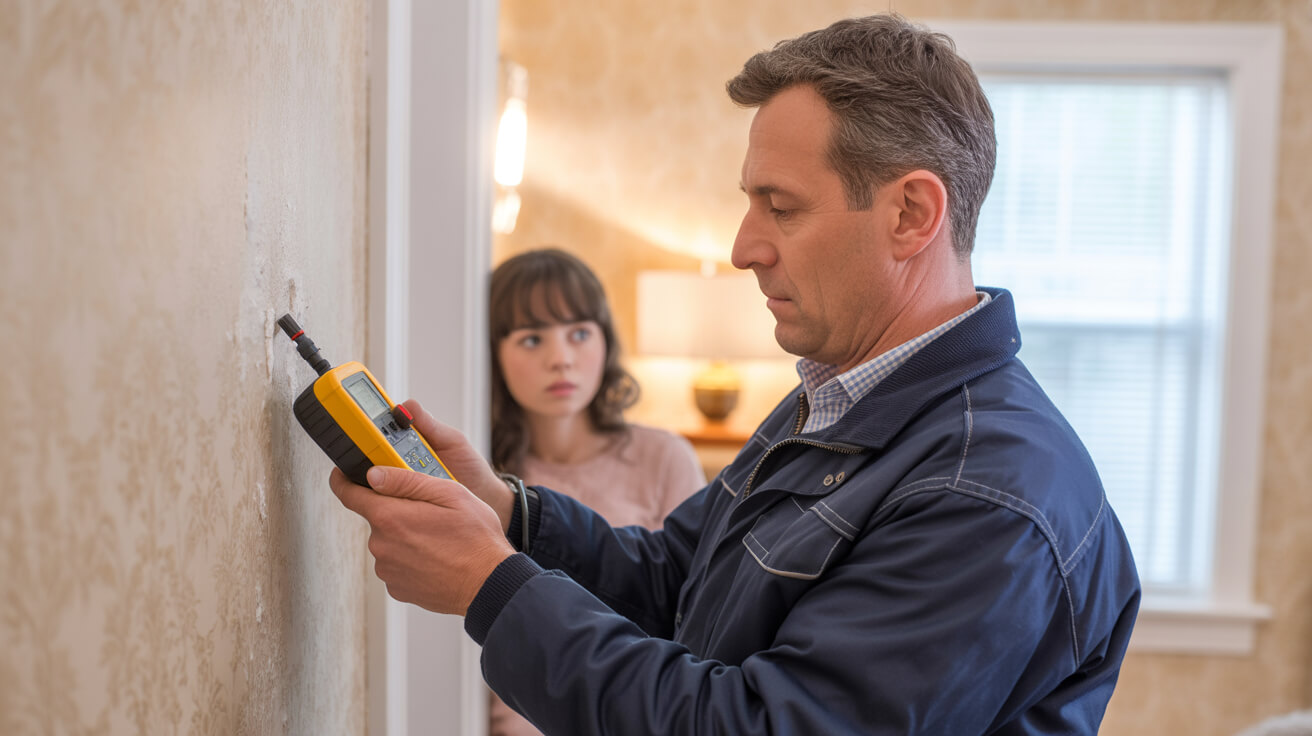
You need readings that mean something, plus a clear route for action when they do not.
Hot and cold control points
Where temperature control is your main operational measure, the common baseline is simple. Hot water should reach at least 50°C at the outlet within one minute. Cold water should reach below 20°C within two minutes. Those are widely used control expectations in standard hot and cold water monitoring guidance, although your site-specific written scheme may set out extra detail.
Those thresholds matter because they show whether the system is staying outside the temperature range that supports bacterial growth. A reading is not just a number. It is a control signal.
Consistent measurement and meaningful trends
You cannot see trend movement if the measurement method changes from visit to visit. Outlet identity, timing, technique, and logging discipline all affect whether the data can be trusted. “Tap felt hot” is not evidence. A spreadsheet with no clear outlet reference, visit date, or engineer is not evidence either.
Good monthly monitoring gives you a usable pattern over time. You can see whether an outlet is stable, starting to drift, or repeatedly failing. That is what lets you act before the issue turns into complaints, repeat attendance, or a wider system problem.
Exception handling and next actions
An out-of-range result should trigger action, not just a note in a logbook. You need a clear route for flagging the issue, reviewing likely causes, assigning responsibility, arranging remedials, and recording closure. In some cases that means a follow-up check. In others, it points to circulation problems, insulation loss, underuse, balancing faults, or a wider review of the system.
We report exceptions clearly and link them to the next action, so you are not left with a reading that says something is wrong but gives you no ownership path.
What a UK Water Temperature Monitoring PPM Service Should Include Beyond the Visit
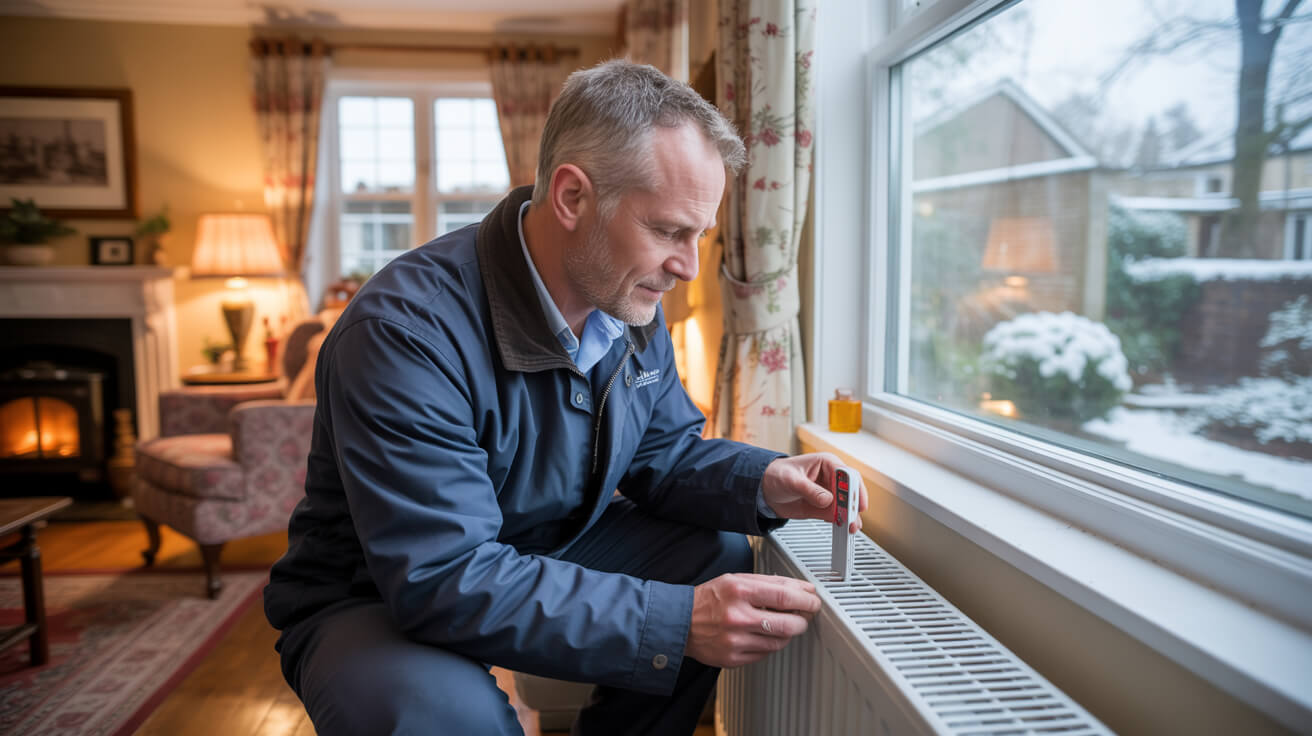
You need more than a reading service if you want reliable compliance and less management drag.
What you should expect as standard
A strong service starts with your current risk assessment and written scheme. From there, it should confirm the sentinel outlet register, attend on the agreed cadence, take and record readings consistently, note access issues, and produce usable records by outlet, date, and result. If something falls outside the expected range, the service should also show how that exception is reported and followed through.
That is the difference between a managed PPM programme and a basic attendance-only visit. You are not buying a thermometer reading. You are buying recurring control with proof attached.
What sits outside basic monthly temperature monitoring
Monthly sentinel outlet testing does not replace the rest of your water hygiene duties or wider L8 Compliance responsibilities. It is not the same as a Legionella risk assessment, flushing little-used outlets, tank inspection, calorifier review, TMV servicing, cleaning and disinfection, microbiological sampling, or remedial engineering. Those may sit beside it in your wider programme, but they are not automatically included simply because temperatures are checked monthly.
Scope clarity matters at buying stage. If scope stays vague, the gap shows up later.
Why managed delivery usually wins
DIY logs and fragmented delivery can look cheaper at first glance. Then the real costs show up: missed visits, poor outlet naming, weak records, duplicated attendance, and internal time spent rebuilding a defensible history before an audit, board review, or client challenge. A managed service reduces that friction because the reading, record, exception, and follow-up path belong to one operating model.
When we take this on, we work from your building reality, not a generic template, so you get clearer records, fewer blind spots, and a cleaner handoff into wider maintenance or remedial planning.
Accreditations & Certifications






What Good Records Need to Show Auditors, Insurers, Lenders, and Internal Boards

You need records that show control over time, not just proof that somebody turned up.
What a defensible record set looks like
A strong evidence trail links the risk assessment, written scheme, outlet schedule, monthly readings, exceptions, remedial actions, and review points. It lets another person understand what the control plan was, what happened each month, where problems appeared, and whether those problems were closed properly.
That is far more useful than a single certificate, a vague visit summary, or a spreadsheet with no clear ownership.
What different reviewers are looking for
Auditors and compliance leads want consistency. Boards want status and accountability without technical fog. Insurers want proof that operational controls are in place and being followed. Lenders and valuers want evidence of responsible asset management, especially where safety governance affects transactions, refinancing, or confidence in the building.
Your records should therefore be clear enough for a non-specialist to follow. Outlet IDs, dates, results, open actions, closed actions, and recurring failures should be visible without a second explanation.
Why record quality affects more than compliance
Weak documentation creates drag everywhere. It slows audits, weakens internal assurance, makes resident communication harder, and leaves senior decision-makers guessing whether the system is under control or simply under-documented. Strong documentation supports governance, reduces ambiguity, and makes the next decision easier.
If your current records are spread across folders, engineers, emails, and site notes, we can help you turn them into a cleaner monthly trail.
Reliable Property Maintenance You Can Trust
From routine upkeep to urgent repairs, our certified team delivers dependable property maintenance services 24/7 across the UK. Fast response, skilled professionals, and fully insured support to keep your property running smoothly.

Book Your Free Consultation With All Services 4U Today
You can turn your current risk assessment and written scheme into a monthly monitoring regime that is easier to run and easier to defend.
If you already have outlet lists, logs, and a written scheme, we will review how well they translate into real monthly delivery. If your records are incomplete, we will show you where the gaps sit and what needs tightening first.
You do not need a long technical exercise to move this forward. You need a practical review of your outlets, schedule, access issues, reporting needs, and escalation route so you can measure your current arrangement against what a defensible service should look like.
Bring your latest risk assessment, written scheme, outlet register, and recent logs. You leave with a clearer view of what is working, what is drifting, and what your next step should be.
Book your free consultation with All Services 4U today and leave with a monthly monitoring plan you can stand behind.
Frequently Asked Questions
What does monthly sentinel outlet temperature testing show in normal operation?
Monthly sentinel outlet temperature testing shows whether your water controls are still working at the outlets most likely to reveal problems early.
That is the practical point of the check. You are not testing random taps. You are testing representative outlets that help you see whether hot and cold water temperatures are staying within the control range set out in your written scheme. In plain English, it tells you whether the system is behaving as expected now, not whether the paperwork looked right when it was last updated.
For property owners, managing agents, RTM directors, and compliance teams, this matters because water systems usually drift before they fail. Low use, changing occupancy, poor circulation, altered pipework, and missed flushing can all weaken control quietly. HSE guidance and HSG274 Part 2 both support routine monitoring as part of an active water hygiene regime. The value of the monthly check is that it gives you an early warning before a small issue becomes a bigger operational, insurance, or resident-facing problem.
Most compliance failures do not begin with drama. They begin with a detail nobody followed through.
If you are overseeing property maintenance across multiple buildings, that monthly record is one of the simplest ways to show that control is being checked in real life rather than assumed from an old risk assessment.
Why is a sentinel outlet not just any tap?
A sentinel outlet is a chosen monitoring point. It is selected because it is likely to show whether the water system is still under control.
That usually means the nearest and furthest outlets on a run, or another point identified in the risk assessment and written scheme. The aim is not volume. The aim is relevance. A long list of poor monitoring points can create activity without creating useful evidence.
This is where many Legionella temperature monitoring regimes lose strength. The visit still happens, but the outlet list is old, vague, or no longer matched to how the building is used. CIPHE has long reinforced the need for representative outlets rather than casual spot checks. If the outlet schedule is weak, the monthly check is weaker than it looks.
A good outlet list should be:
- current
- clearly labelled
- tied to the written scheme
- easy for another person to verify
That makes the record easier to defend when a board member, compliance manager, or insurer asks what the monthly check actually proves.
What does the monthly check support, and what does it not replace?
Monthly sentinel outlet testing supports the wider control regime. It does not replace the Legionella risk assessment or the rest of your water hygiene plan.
It should sit alongside:
- risk assessment reviews
- flushing records
- tank inspections where relevant
- TMV servicing
- remedial works
- further investigation where poor results repeat
That distinction matters because some providers present monthly water temperature monitoring as though it covers the whole duty. It does not. It is one control measure within a larger system.
A strong service will make that clear and show how readings connect to actions. A weak one will simply provide numbers and leave your team to interpret the rest. If you are reviewing your current approach, this is often the right place to sense-check whether your monthly monitoring is giving you control or only giving you paperwork.
Why does this matter beyond the water logbook?
Because the real test is not whether somebody took a reading. It is whether the result helps you show that the system was monitored properly and acted on when needed.
Different people will read that record differently:
- a board member wants assurance
- an insurer wants proof of control
- a lender wants stable risk management
- a legal adviser wants a clear record
- a resident-facing team wants answers they can stand behind
That is why monthly sentinel outlet temperature testing matters beyond the task itself. It supports confidence across the building, not just compliance inside a plant room log. If your outlet list, record format, or review process is starting to feel harder to trust, a focused review of your wider Services UK maintenance approach before the next cycle is usually a smart next step. All Services 4U can help you test whether your monthly monitoring still reflects the building you manage now.
Who is responsible for making sure monthly sentinel outlet checks happen properly?
The person or organisation in control of the premises is usually responsible for making sure monthly sentinel outlet checks are carried out properly.
That responsibility may sit with a landlord, managing agent, employer, housing association, facilities team, RTM company, or another dutyholder arrangement depending on the building. The site visit itself can be delegated. Accountability cannot. That is the point many portfolios miss.
In practice, problems often appear because responsibility is spread too loosely. One team assumes the contractor is taking readings. Another assumes the outlet list is current. Another assumes someone is reviewing the results. The gap only becomes visible when an auditor, board member, or insurer asks for evidence and the answer depends on memory.
HSE guidance is clear that controlling Legionella risk means more than arranging attendance. You need a system that is scheduled, completed, checked, and escalated in a way that can be shown to another person without explanation. For many property portfolios, the weakness is not technical skill. It is ownership.
Which organisations usually need monthly sentinel outlet checks?
Monthly checks commonly appear in buildings where there is a water system to manage and a duty to show ongoing control.
That often includes:
- residential blocks and mixed-use developments
- housing association and local authority stock
- schools and civic buildings
- care and supported living settings
- offices, hospitality, and leisure sites
Low occupancy does not remove the need for water hygiene monitoring. In some buildings it increases risk, because irregular use can affect temperatures, flushing, and stagnation control. A half-used building can become harder to manage than a busy one.
Who inside the organisation needs the record most?
Different roles care for different reasons, which is why the monitoring trail should be easy for more than one audience to follow.
A compliance lead wants to know the written scheme is being followed. A finance lead wants to reduce avoidable liability. A resident services manager wants a defensible answer if concerns arise. A facilities consultant wants a clean record without chasing multiple people for context. A lender or valuer wants confidence that risk is being managed consistently.
That is why monthly water temperature monitoring records should be built for shared visibility, not just engineer use. If only one person can explain what the log means, the process is too fragile.
What is the real test of accountability?
A useful question is not “who took the reading?” It is “who can show that the check was scheduled, completed, reviewed, and escalated correctly this month?”
If the answer still relies on inbox trails, handovers, or verbal reassurance, the process needs work. A dependable setup should make it obvious:
- who owns the programme
- who attends site
- who reviews exceptions
- who closes follow-up actions
That is the difference between delegation and control. If you need a cleaner route from attendance to accountability, All Services 4U can help you review your roles, outlet schedule, and review points so the monthly process stands up more easily across operations and governance.
When should sentinel outlet temperatures be checked, and when should the frequency change?
Sentinel outlet temperatures are often checked monthly, but the right frequency is the one your risk assessment and written scheme justify for the building you operate now.
Monthly monitoring is common because it gives you a practical rhythm for spotting drift, checking control, and dealing with issues before they grow. HSG274 Part 2 supports a risk-based approach. That means the frequency should reflect building use, occupancy, system design, and resident vulnerability. In simple terms, the calendar should match the risk, not just repeat last year’s habit.
This matters because many programmes are inherited. A building can keep the same monitoring pattern long after its use has changed. A low-occupancy office, a supported living setting, and a mixed-use residential block may each need different operational attention even if they all rely on sentinel outlet checks.
Why does a steady monthly rhythm matter?
Because missed months make it harder to see trends and harder to explain what happened if a result later falls outside range.
A gap in monitoring creates uncertainty. If you have one good result, then no record, then a poor result, you are left trying to explain what happened in between. That is not a strong position for compliance, insurance, or resident assurance.
A regular monthly routine gives you:
- a consistent control point
- a predictable review cycle
- a clearer route for follow-up
That consistency is what turns Legionella temperature monitoring into a management tool rather than an occasional task.
Which changes should trigger a review of frequency?
You should review the frequency when building use or system behaviour changes in a way that could affect control.
Common triggers include:
- partial vacancy or major occupancy shifts
- intermittently used areas
- refurbishments or pipework changes
- repeated out-of-range temperatures
- changes in resident vulnerability
- updates to the Legionella risk assessment
The principle in Approved Code of Practice L8 is risk management, not copy-and-paste scheduling. If the building now behaves differently from the one described in your last review, your monitoring pattern may also need to change.
How can you tell whether the problem is the schedule or the service model?
A short review usually helps separate the two.
| Question | What it suggests | What to check next |
|---|---|---|
| Are visits being missed? | Delivery weakness | Access, resourcing, planning |
| Are results drifting often? | Control weakness | System condition, follow-up |
| Has the building changed? | Review weakness | Risk assessment, outlet list |
That type of review is useful for managing agents, FM teams, housing providers, and portfolio owners who suspect the programme no longer fits the site. If your monthly cycle feels harder to defend than it should, All Services 4U can help you review whether the monitoring frequency still matches the building and whether the service model is supporting or weakening compliance.
Which temperatures should hot and cold sentinel outlets usually achieve?
Hot and cold sentinel outlets should usually show hot water reaching at least 50°C within one minute and cold water below 20°C within two minutes, unless your written scheme sets out a justified site-specific variation.
Those figures are widely used in UK water hygiene practice and support L8 Compliance because they help show whether temperatures are staying outside the range linked with increased Legionella growth risk. But the real point is not collecting one acceptable number on one day. It is showing a repeatable pattern over time at defined monitoring points.
That is why water temperature monitoring needs consistent method as well as the right target. Outlet identity, timing, and follow-up all matter. HSG274 Part 2 and CIEH material both support the principle that monitoring results should inform action rather than sit in a file without consequence.
Why does the method matter as much as the target?
Because a good number recorded badly is still weak evidence.
If the outlet is vaguely named, the timing is inconsistent, or the person recording the result cannot match the point to the written scheme, the reading becomes harder to trust. That matters to compliance staff, insurers, and legal teams alike. Another reader should be able to understand what was tested and why.
A credible record should show:
- the outlet tested
- the result
- the date and time
- who took the reading
- what happened next if the result fell outside range
That is what turns monthly temperature monitoring into a reliable record rather than a loose note.
Which issues often cause temperatures to fall outside range?
Out-of-range results can point to several different problems, which is why the reading should trigger review rather than assumption.
Common causes include:
- poor circulation or balancing
- low use or stagnation
- insulation loss
- deadlegs
- altered pipework
- poor outlet selection
- wider plant or distribution faults
The reading itself is only the start. The real value lies in the response. A basic provider gives you numbers. A stronger one gives you a route from result to action, ownership, and closure.
What should happen after an out-of-range reading?
An out-of-range result should lead to review and follow-up, not a brief note with no owner attached.
That follow-up may include repeat checks, engineering review, outlet verification, flushing review, or remedial works depending on the pattern. The key issue is traceability. WRAS is more relevant to fittings and installation standards than Legionella control directly, but it still reminds buyers of an important truth: system details matter. A compliant outcome depends on the quality of the whole setup, not just one number written on a form.
If your current provider records temperatures without showing the next step clearly, your team may be carrying more risk than the monthly visit suggests. All Services 4U can help you review whether your monitoring process gives you clear action routes as well as readings.
How should a proper monthly water temperature monitoring service be structured?
A proper monthly water temperature monitoring service should follow the risk assessment, use the right sentinel outlets, record readings clearly, and trigger follow-up when results fall outside range.
That may sound basic, but this is where many services stop short. Monthly checks are often bought as if they are a simple commodity. They are not. The quality of the service depends on the structure behind the visit. Outlet names may be outdated. Access may be unreliable. The written scheme may not reflect present occupancy. Exception reporting may be vague. Remedial ownership may sit nowhere. The monthly attendance still happens, but the control system around it is weak.
BSRIA guidance and estates-focused best practice both point back to risk-led delivery rather than simple attendance. For property teams, that distinction matters. A contractor can take a reading. A proper PPM service helps you manage the duty.
Which service elements should be visible every month?
A dependable monthly service should usually show:
- alignment to the current Legionella risk assessment
- an agreed and current outlet schedule
- attendance at the correct points
- clear recording by outlet and date
- exception reporting for poor results
- a route for review, remedial action, and closure
That structure gives a much clearer view of system control. It also makes records easier to use when questions come from procurement, legal, insurance, audit, or board stakeholders.
Which items often sit outside the monthly visit?
This is where service comparison becomes important. Monthly monitoring does not automatically include every water hygiene task.
It does not usually mean:
- risk assessment review
- flushing programme delivery
- TMV servicing
- tank inspection
- microbiological sampling
- engineering remedials
Those may sit within a wider contract, but they should never be assumed. Scope clarity protects buyers. It helps finance teams compare value more fairly and helps resident-facing staff avoid making promises the service does not support.
How can you compare providers without guessing?
A simple comparison frame usually makes weak offers easier to spot.
| Service area | Strong service shows | Weak service tends to show |
|---|---|---|
| Outlet schedule | Clear, current, traceable | Old labels, vague points |
| Monthly records | Result, exception, next step | Readings only |
| Escalation | Named owner and closure route | Advice with no ownership |
| Reporting | Easy to review and share | Raw notes needing explanation |
If you want fewer blind spots, ask to see a sample monthly report, an exception record, and an outlet schedule before making a decision. That is often more useful than comparing headline price alone. All Services 4U can help you review your current arrangement or sense-check what a better structured monthly PPM service should look like for your buildings.
How should monthly monitoring records be kept so they stand up to scrutiny?
Monthly monitoring records should show not just that a visit happened, but that the check was completed, reviewed, and followed through in a way another person can trace.
That is the real standard. A weak record says someone attended and took a reading. A strong record shows the outlet tested, the result, the exception if one arose, the action taken, and the point of closure. If the process only makes sense when explained by the one person who remembers it, the record set is not strong enough.
For boards, insurers, lenders, auditors, and legal teams, traceability matters more than volume. Good records reduce uncertainty. Poor records create questions. In practical terms, that means linking the written scheme, outlet list, monthly readings, exception reports, remedial actions, and close-out evidence in one usable trail.
Good records do not create confidence by sounding technical. They create confidence by being easy to follow.
Which record elements matter most?
A defensible monthly record set should include the basics in a format that another person can understand quickly.
| Record element | Why it matters | Weak record problem |
|---|---|---|
| Outlet ID and location | Shows the right point was tested | Outlet too vague to verify |
| Date and result | Shows timing and status | Number with no context |
| Exception note | Explains why it matters | Poor result with no comment |
| Follow-up action | Shows what happened next | No owner, no next step |
| Closure proof | Shows resolution | Open issue left hanging |
That structure helps every audience for a different reason. Compliance teams want consistency. Boards want clarity. Insurers want proof. Lenders want confidence. Legal advisers want a timeline that makes sense.
Where should records be stored and reviewed?
The strongest record systems are easy to retrieve, cross-check, and audit.
If records are split across engineer notes, emails, old spreadsheets, and contractor folders, the process is already weaker than it appears. A facilities consultant or insurer surveyor will spot that quickly. A stronger setup usually keeps the record set around:
- a current outlet schedule
- monthly reading logs
- exception reports
- remedial records
- closure confirmation
- periodic management review
That gives you continuity rather than loose history.
Why do record standards affect commercial outcomes?
Because weak records slow everything down. They can complicate renewals, delay reviews, weaken confidence, and make complaint handling more defensive than it needs to be. Strong records shorten that cycle. They support calmer decisions because the facts are easier to find.
If your current monthly water hygiene monitoring trail still depends on manual chasing or verbal reassurance, that is usually the signal to tighten it before the next audit, renewal, or lender review. All Services 4U can help you review your record structure, identify weak points, and build a cleaner monthly monitoring trail that supports stronger oversight without adding unnecessary admin.
- What Monthly Sentinel Outlet Testing Actually Means on Your Site
- Who Usually Needs Monthly Monitoring and Who Is Accountable for It
- How ACOP L8, HSG274 Part 2, and the Written Scheme Set the Rules
- Which Outlets Get Tested, How Often, and How You Keep the Schedule Defensible
- What Temperatures Count as In or Out of Control and What Happens Next
- What a UK Water Temperature Monitoring PPM Service Should Include Beyond the Visit
- What Good Records Need to Show Auditors, Insurers, Lenders, and Internal Boards
- Book Your Free Consultation With All Services 4U Today
- Frequently Asked Questions
- Related PPM Services
Case Studies


Related Articles

Your Guide To Identifying And Treating Minor Mould Outbreaks

Why Planned Preventative Maintenance (Ppm) Saves Money And Ensures Compliance