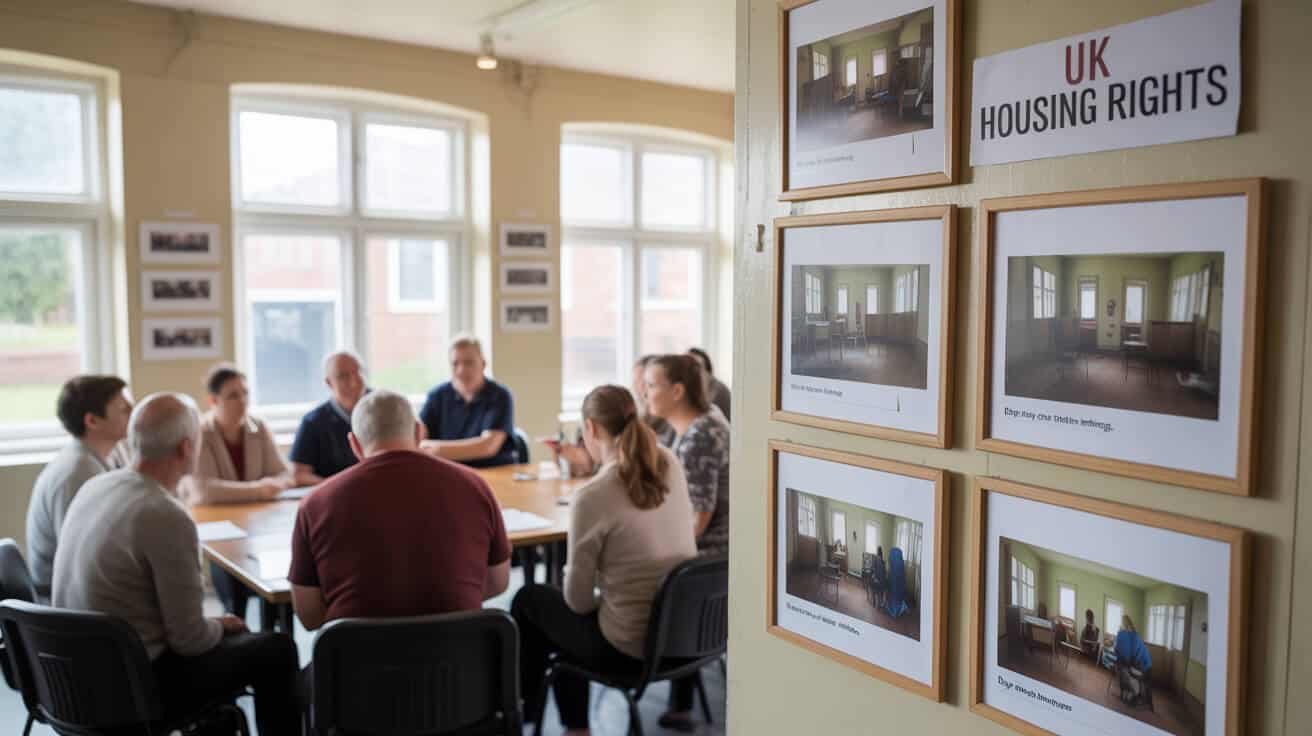
Roof Inspection PPM Services UK – Bi-Annual Surveys & Storm Damage
Facilities and property managers in the UK need a repeatable way to control roof risk with bi‑annual PPM inspections and storm‑damage checks. A structured survey programme records condition, prioritises defects and plans event‑based visits, depending on constraints. You finish with marked‑up plans, photo evidence, a prioritised defect register and an actions log you can show to boards, insurers and residents. It’s a practical way to move roof maintenance from guesswork to defensible decisions.


Author
Izzy Schulman

How planned roof PPM inspections control risk and cost
If you manage roofs across one site or a full UK portfolio, “someone has been up there” is not enough to sign off risk. You need a planned preventive maintenance approach that treats the roof as a critical asset, not an afterthought.

A structured PPM programme sets a clear cadence for inspections, adds extra checks after severe weather and turns every visit into usable evidence. Instead of one‑off PDFs, you get consistent surveys, defect priorities and action logs that support budgets, insurance claims and service charge scrutiny.
- See true roof condition across seasons and storm events
- Turn survey findings into clear priorities and budgets
- Evidence inspections and actions for insurers, boards and residents
Need Help Fast?
Locked out, leak at home, or electrical issue? All Services 4 U provides 24/7 UK locksmith, plumbing, electrical.
Testimonial & Clients Who Trust Us
With 5 Star Google Reviews, Trusted Trader, Trust Pilot endorsements, and 25+ years of experience, we set industry standards for excellence. From Dominoes to Mears Group, our expertise is trusted by diverse sectors, earning us long-term partnerships and glowing testimonials.
Worcester Boilers

Glow Worm Boilers

Valliant Boilers

Baxi Boilers

Ideal Boilers

What a roof PPM inspection actually is (and what it is not)
You need more than “someone has been up there” if you want to sign off roof risk with confidence. A planned preventive maintenance (PPM) inspection is a repeatable way to check the roof, capture what is found, prioritise actions and track them through to closure.
A roof PPM inspection is not a quick look when a ceiling stain appears, and it is not a sales visit in disguise. It is a structured service that:
- treats the roof as a critical asset, not decoration
- follows an agreed checklist and plan drawing, so the same areas are checked every time
- records condition so you can see trends across visits, not just file a one‑off PDF
- produces a defect list with clear priorities and ownership
When All Services 4U carries out roof PPM, you see the true condition of the roof, what needs doing when, and what has been done, instead of guessing or relying on memory.
How often roofs should be inspected in the UK – twice‑yearly plus event‑based checks
You are trying to balance cost, access and risk. In UK weather, “set and forget” quietly turns into “surprised and exposed”.
Baseline cadence: twice‑yearly, not every two years
For most flat and low‑slope roofs, a sensible baseline is:
- a spring inspection to see how the roof and drainage have come through winter
- an autumn inspection to confirm outlets and details are ready for storm season and leaf‑fall
Here “bi‑annual” means twice‑yearly, not once every two years. For lower‑risk, simple pitched roofs, you may opt for an annual formal inspection with twice‑yearly gutter checks, but the principle is the same: look before and after the worst weather hits.
Event‑based triggers after severe weather
On top of planned visits, you should plan extra checks when:
- named storms or unusually high winds have hit your area
- you get repeated reports of ponding, blocked outlets or overflowing gutters
- new staining appears on top‑floor ceilings or internal finishes
- nearby works may have disturbed coverings, flashings or upstands
At that point the questions are not if the roof should be inspected, but how quickly and how safely it can be done.
Risk‑banding across a portfolio
If you manage multiple sites, you can band roofs by:
- type and complexity (flat with plant and penetrations vs simple pitched)
- exposure (coastal, hilltop, tree cover, pollution)
- consequence (homes, schools, healthcare, critical operations)
Higher‑risk bands usually justify the full twice‑yearly plus event‑based pattern. Lower‑risk bands may sit at annual plus event‑based. The important part is that your reasons are written down, so your programme is defensible when anyone asks why you chose that level of cover.
What is included in a twice‑yearly roof condition survey
![[ALTTOKEN]](https://allservices4u.co.uk/app/uploads/2026/01/00-Roof-Inspection-PPM-Services-UK-Bi-Annual-Surveys-Storm-Damage.png)
Once the frequency is agreed, you need certainty on what is inspected and recorded each time, not a mystery tour.
What we inspect on every visit
A typical All Services 4U roof condition survey will cover, as applicable:
- roof coverings and membranes – splits, blisters, uplift, surface wear
- seams, joints and laps – detachment, open joints, failed sealants
- edges, parapets and terminations – upstands, cappings, bird‑stops, interface details
- penetrations and plant areas – vents, pipework, rooflights, plant plinths, cable entries
- drainage paths – falls, gutters, outlets, scuppers, downpipe heads, overflows
- signs of movement or distress – cracking, deflection, loose fixings, displaced tiles or sheets
The same zones are referenced on a plan, so each visit builds directly on the last rather than starting from zero.
How findings are documented
A useful survey output will include:
- a marked‑up roof plan showing inspection zones and defect locations
- a photo log with clear captions tied back to those locations
- a structured defect register with severity and priority for each item
- clear separation between maintenance, repair and renewal recommendations
That structure lets you see what has appeared since the last visit, what has worsened, and what has been closed out.
Optional methods and minor clearance
Depending on access and risk, surveys may also use:
- binocular or telephoto views from safe positions
- drone imagery where it reduces time spent at height
- moisture testing or other targeted checks where leak paths are unclear
Where minor clearance of gutters or outlets is agreed, it is scoped separately and evidenced with before‑and‑after photos, so there is no doubt about what was and was not carried out.
Reporting and deliverables – the audit‑ready pack
Inspection work only earns its keep when the outputs help you make and defend decisions.
Core pack after each visit
After each PPM inspection, you should receive a pack that normally includes:
- a concise summary of overall condition and key risks
- marked‑up roof plans and zone references
- a prioritised defect register (for example: urgent, soon, monitor)
- a dated photo schedule tied to those defects and zones
- an actions log showing who owns each item and its status
This gives you one place to turn when someone asks what is wrong, where it is, and what you are doing about it.
Turning findings into budgets and plans
Boards and finance teams need more than technical notes. The same data can be presented as:
- a twelve to thirty‑six month view of likely spend – maintenance, repairs and potential renewals
- clear grouping of works by urgency and type, to suit programme and procurement planning
- notes on deferrals – what has been postponed, why, and what interim controls are in place
Consistent reporting turns roofs from background noise into a practical input for asset and budget planning.
Evidence that supports insurance and service charges
Insurers want to see that the roof was in serviceable condition before a loss and that you acted promptly afterwards. An audit‑ready pack lets you demonstrate both without scrambling.
For service charge and resident scrutiny, the same evidence shows:
- what you inspected and when
- what you found and how you prioritised it
- what you decided to do and when it was completed
If you can comfortably hand the pack to an adjuster, auditor or tribunal and stand over it, you are close to the standard you need.
Accreditations & Certifications








Safe access, RAMS and competence – credible findings without avoidable risk
![[ALTTOKEN]](https://allservices4u.co.uk/app/uploads/2026/01/02-Roof-Inspection-PPM-Services-UK-Bi-Annual-Surveys-Storm-Damage.png)
Every time somebody steps onto a roof, you take on work‑at‑height duties. Your inspection process has to respect that or it simply shifts risk from fabric to people.
Working within the legal and safety framework
You are expected to:
- plan work at height in advance, rather than improvising access
- choose the safest practicable access method for the task and roof type
- ensure the people attending are competent for the equipment and environment
- supervise and review the work to confirm the method is followed
Our team prepares roof‑specific risk assessments and method statements that set out access routes, edge protection needs, fragile areas, weather limits and rescue considerations for each site, so you are not relying on generic paperwork.
Fragile surfaces, ladders and drones – clear boundaries
Fragile roofs, rooflights and aged coverings cannot be treated as safe walking surfaces. Controls might include:
- avoiding roof‑level access altogether where remote inspection is enough
- using platforms, walkways or fall arrest systems where you must be on the roof
- treating rooflights as openings, not as steps or supports
Ladders have a limited, tightly defined role. They may be acceptable for controlled, short‑duration eaves‑level checks, but they cannot replace close‑up inspections where risk hinges on detailed condition. Drones can reduce time spent at height and help with coverage, but they do not remove the need for physical checks where you must test, probe or access interfaces.
Storm damage roof inspections – triage, make‑safe, and a clear evidence trail
When a storm hits, your job is to protect people and fabric quickly, then build the record you will need when everyone starts asking what happened and what you did about it.
Triage in the first 24–72 hours
Your first questions are:
- is anyone at immediate risk from falling materials, exposed electrics or structural movement?
- is water still entering, and if so, where and how?
- what can safely be done at once, and what must wait until conditions or access improve?
Internal checks (staining, drips, bulging finishes, odours) often guide external inspection, so you do not put anyone on a roof unnecessarily.
Make‑safe actions and temporary works
Typical day‑one actions focus on:
- isolating affected electrics or plant where there is water risk
- installing temporary coverings or tarps to limit ongoing ingress
- clearing obvious blockages at outlets where this can be done safely
- setting up exclusion zones under damaged or unstable areas
Each step should be photographed and logged with time, location and what was done, so you can show both mitigation and any constraints you faced.
Follow‑up survey and causation
Once conditions allow, a more detailed survey:
- documents the pattern and extent of damage
- distinguishes storm‑driven displacement from older deterioration where that can be seen
- updates the defect register and priorities
- feeds a repair plan and, if needed, an insurance claim narrative
That sequence – triage, make‑safe, document, then survey and plan – keeps you on the right side of both safety expectations and evidence tests.
Service levels, procurement fit and pricing inputs
Once you move from “should we do this?” to “who should we trust with it?”, you need clear levers to compare providers rather than picking on price and hoping for the best.
What drives cost
Pricing for roof PPM and storm response is typically driven by:
- number of buildings and separate roof areas
- roof types and complexity (flat with plant vs simple pitched)
- access method (fixed access, mobile platforms, scaffold, remote methods)
- reporting depth (basic condition note vs full photo pack, plans and forecasts)
- geographic spread and call‑out expectations for storms
If you shortlist us, these are the levers that will be clarified with you up front, so you know what you are paying for and where you have options to phase or scale.
Service levels that matter in practice
You may not need a guaranteed attendance time written in hours, but you do need:
- a clear call‑back window for storm triage
- realistic attendance targets aligned to your risk profile and geography
- defined windows for issuing reports after each visit
- named contacts for technical queries and scheduling
You can then test those promises against references and a pilot, instead of relying only on headline claims.
Procurement and impartiality
To keep control of scope and spend, it often helps to separate:
- inspection and reporting – the neutral view of what is wrong and how urgent it is
- repair and replacement – the works that follow, which can be tendered or called off under your own rules
Our team can work within that separation, providing inspection and evidence while leaving you free to procure remedial works through your existing routes, or to instruct us where that is the right fit.
Reliable Property Maintenance You Can Trust
From routine upkeep to urgent repairs, our certified team delivers dependable property maintenance services 24/7 across the UK. Fast response, skilled professionals, and fully insured support to keep your property running smoothly.

Book your free consultation with All Services 4U today
You need clear, no‑nonsense answers on what it would take to put your roofs on a twice‑yearly plus storm‑response footing. A short conversation can map building types, roof forms, access constraints, any known problem areas, and how quickly you would expect us to respond after severe weather.
You can also review a sample anonymised pack – roof plan mark‑ups, photo schedule, defect register and actions log – to check that the format works for your team, your board and your insurers.
You need solid assurance on competence. Our team can walk you through health and safety documentation, insurances and contractor management accreditations, so you are comfortable that inspections and call‑outs will be planned and delivered safely.
If you prefer to start small, you can begin with a single pilot building – for example a school, warehouse, office or block – to validate the method, access plan and reporting before rolling it out more widely.
When you are ready to move from reactive fixes to a documented, defensible roof PPM programme, book a consultation and line up your first survey date. You will know where you stand, what needs doing, and how storms and seasons are being managed instead of left to chance.
Frequently Asked Questions
Explore our FAQs to find answers to planned preventative maintenance questions you may have.
How does a twice‑yearly roof PPM programme reduce risk instead of just adding more admin?
A twice‑yearly roof PPM programme turns roof condition from guesswork into a predictable, evidenced risk cycle your stakeholders can trust. Each spring and autumn visit gives you a dated snapshot of coverings, junctions, plant penetrations and drainage, all mapped, prioritised and tracked through to closure. Over time you build trend data – what is stable, what is deteriorating, and what you have already dealt with – instead of rolling from one “mystery leak” to the next.
For an RTM chair, building safety manager or head of compliance, that changes board conversations. You move from vague assurances to “here are the last four inspections, here is what changed, here is what is still open.” When the weather turns or a non‑executive asks a sharp question, you are not digging through old emails and phone photos; you can show a clean line from defect to decision to fix.
Insurers and brokers talk about “reasonable maintenance” and “conditions precedent” for good reason. A twice‑yearly programme shows ongoing care rather than one heroic repair job waved around at claim time. When a leak happens, you can evidence that roof outlets were cleared, details checked, flashings maintained, and that this is an insured event, not long‑term neglect.
For asset managers and finance directors, that same rhythm makes roof spend more predictable. You can time small interventions – clearing outlets, re‑dressing details, renewing failing flashings – before they trigger internal decants, business interruption or tribunal scrutiny.
If you want your next roof conversation with insurers, lenders or your board to feel like a quick review of solid evidence rather than a defensive scramble, putting a twice‑yearly programme in place with All Services 4U is usually the simplest way to get there.
Operational gains your stakeholders will actually feel
- Fewer repeat leaks from the same outlets, details or penetrations because issues are caught while they are small.
- Faster approvals because each item already sits in “urgent, soon, monitor” bands your board can understand.
- Smoother budget rounds when you can line up three or four inspections and show a clear pattern, not one‑off surprises.
What should you expect in a roof survey report that stands up with your board and insurers?
A useful roof survey report lets your board, insurers and lenders see exposure and next steps at a glance without translation. At minimum you want a short condition summary, marked‑up plans, a prioritised defect register, and a dated photo log that ties each image to a location, a finding and a recommended action. That structure answers three questions quickly: where you are exposed, what needs doing next, and what has already been addressed.
If you sit on an RTM or RMC board, or you sign off service‑charge budgets, you also need a clean split between maintenance, repair and renewal. That lets you phase works into 12–36‑month plans instead of approving everything “ASAP” or deferring all spend and hoping nothing fails. For an insurance broker or risk surveyor, the same pack demonstrates a pattern of reasonable care, echoing how typical UK property policies frame your duty to maintain.
For accountable persons under the Building Safety Act, a disciplined report structure makes it much easier to feed roof data into a safety case and golden thread. You can show which defects are life‑safety related, which are structural or weathering, and how they link back to fire and structural strategies.
When All Services 4U surveys a roof, every report is built so you can lift it straight into a board pack, internal risk paper, insurer submission or lender file without rewriting. You are not left redrafting a contractor’s notes into something a non‑technical director can read in two minutes.
Core components of a board‑ and insurer‑ready roof report
- One‑page overview: overall condition, key risks, and recommended next steps by time band.
- Technical annex: plans, prioritised defect register, dated photos and an action log with clear status and ownership.
How do storm damage roof inspections fit alongside your planned roof PPM visits?
Storm inspections are the event‑driven layer you bolt onto a steady roof PPM rhythm, not a replacement for it. Planned spring and autumn visits give you the “before” picture: what coverings, outlets and details looked like, which areas were already flagged, and how water was moving across the roof. When a named storm or severe weather hits, the first priority is safety – triage, make‑safe and temporary protection – alongside basic evidence collection from safe positions.
Once conditions allow, a structured post‑storm survey records the pattern and extent of damage and updates the defect register. Because you already hold a baseline from the previous planned visit, you can separate genuine storm‑driven failures from long‑term deterioration much more easily. That distinction matters when you are talking to insurers, because most wordings expect both “reasonable maintenance” and clear pre‑ and post‑event evidence, not just an invoice and a description of the leak.
For a building safety manager or accountable person under the Building Safety Act, pairing planned and storm‑triggered inspections also supports your safety case and resident communications. You can show when the roof was last inspected under calm conditions, what you did in the first 24–72 hours after the storm, and how you closed out the resulting actions.
If you want your next storm debrief with residents, insurers or your board to feel like you are walking them through a simple timeline rather than apologising for unknowns, letting All Services 4U combine a twice‑yearly programme with storm‑mode inspections gives you that clarity without you having to build the process from scratch.
How planned and post‑storm visits work together
- First 24–72 hours: make safe, temporary protection, basic evidence and impairment notes that satisfy your H&S and insurer expectations.
- Follow‑up: detailed survey, causation analysis, priorities and a repair plan that you can share with your board, brokers and residents.
When does it genuinely make sense to move from annual to twice‑yearly roof inspections?
It makes sense to move from annual to twice‑yearly roof inspections when the downside of a miss is bigger than the incremental cost of another visit. In practice that shows up in four places: exposure, complexity, consequence and recent history. Coastal, hilltop or tree‑lined roofs see more movement, debris and water loading, so outlets and details are under greater stress. Flat roofs burdened with plant, penetrations and awkward drainage behave very differently to a simple pitched roof with clean falls.
If you are responsible for homes, healthcare, education or critical operations, the real cost of a failure is rarely just a leak repair. It is decanting people, lost revenue, complaint handling, possible HHSRS or fitness challenges, and reputational damage. History matters too: if you see recurring ponding, staining, blocked outlets or repeat leaks between annual visits, the roof is already telling you that the current cadence is too thin.
For asset managers and finance directors, stepping higher‑risk blocks up to spring and autumn inspections sharpens capital planning. Patterns emerge a season earlier, giving you time to phase works, align with Section 20 timelines where needed, and smooth service‑charge or OPEX impacts.
All Services 4U will normally start by risk‑banding your buildings with you – agreeing which remain annual, which move to twice‑yearly, and where you rely on storm‑event triggers instead of routine extra visits. That keeps spend proportionate and makes it easy to explain your approach to insurers, auditors or your board.
If you want to be able to point to a simple matrix and say “we know which roofs get more frequent eyes, and we can justify every choice” instead of waiting for the next crisis to force the conversation, selectively moving blocks up to twice‑yearly with All Services 4U is usually the most defensible move.
Signals that your annual roof inspection cadence is too light
- You have had leaks, ponding or staining between annual inspections on the same block.
- The building is high‑exposure, high‑consequence or complex – HRB, healthcare, education, critical plant, or heavy rooftop services.
- You find yourself explaining roof failures to insurers, lenders or residents with very little dated evidence to back you up.
How should you handle safe access and RAMS for routine and post‑storm roof inspections?
Safe access and RAMS for roof inspections need to be treated as part of the service, not a bolt‑on formality. The moment anyone leaves the ground you are into work‑at‑height, and health and safety law will not care that it was “only a quick look at the roof.” A competent contractor should produce a roof‑specific risk assessment and method statement for each site, setting out access routes, edge protection, fragile zones, weather limits, rescue arrangements and how methods change after storms.
For routine roof PPM you can often rely on fixed ladders, stair cores, handrails and permanent protection, with clear rules on when to stand down because of wind, ice or lightning. After severe weather, you might start with internal checks, ground‑level photos or drone footage until conditions allow safe physical access. Ladders have a tightly defined role; they are not a universal solution, and you do not want to be justifying improvised access to an HSE inspector or internal health and safety committee.
Under the Building Safety Act, accountable persons and building safety managers are expected to show that they control risks sensibly, not that they take chances to “get a look” at defects. Treating safe access, competence and RAMS as non‑negotiable inputs to your roof PPM makes it much easier to look a regulator, insurer or board safety champion in the eye.
With All Services 4U, access design, RAMS and training are baked into the inspection offer. You do not have to hold your breath every time somebody goes to the roof, and you are not left rewriting generic method statements when an auditor asks how inspections are actually carried out.
A simple test for roof inspection access you can genuinely defend
If you would hesitate to show the access method and RAMS to a regulator, insurer, building safety committee or your own risk panel, change the plan before anyone goes near the roof.
How do you brief and compare roof inspection providers so you avoid “pretty reports” and recurring leaks?
You brief and compare roof inspection providers by being precise about structure, evidence and separation of duties, not adjectives. Instead of asking for “roof inspection and report,” you specify: a visit pattern (for example, annual or twice‑yearly with post‑storm options); a checklist that covers coverings, details, penetrations, drainage and movement; marked‑up plans; a prioritised defect register; a dated photo log; and an action log that tracks items from identified to closed. You also ask how they handle safe access and RAMS, how quickly they can attend after storms, and how inspection work relates commercially to remedial works so you stay in control of scope and spend.
When you compare proposals, ignore the marketing language and focus on whether the deliverables stand up in front of a board, insurer, lender or tribunal. Can a head of compliance, insurance broker or legal advisor follow the storey from risk to action to proof without ringing the contractor for clarification? Can your building safety manager or property team drop the pack into your existing binders and board templates without a rewrite?
From a risk perspective you are looking for a partner who can help you evidence duties under the Fire Safety Order, Building Regulations and the Building Safety Act without drowning you in PDFs no one reads. You want reports that talk in time bands, standards and clear responsibilities, not vague “recommendations”.
If you want low‑risk validation, let All Services 4U run a pilot on a single building. You will see the access plan, how the team behaves on site, and the resulting evidence pack in real life before you choose to roll the model across your portfolio.
Scope points to insist on when you invite roof inspection proposals
- Defined inspection cadence, storm‑response expectations, and safe access methodology for each building.
- Sample report that already looks usable in a board pack, insurer submission or lender file, plus a simple explanation of how inspections stay impartial even when the same firm is able to carry out remedial works on your instruction.
- How planned roof PPM inspections control risk and cost
- What a roof PPM inspection actually is (and what it is not)
- How often roofs should be inspected in the UK – twice‑yearly plus event‑based checks
- What is included in a twice‑yearly roof condition survey
- Reporting and deliverables – the audit‑ready pack
- Safe access, RAMS and competence – credible findings without avoidable risk
- Storm damage roof inspections – triage, make‑safe, and a clear evidence trail
- Service levels, procurement fit and pricing inputs
- Book your free consultation with All Services 4U today
- Frequently Asked Questions
- Related PPM Services
Case Studies


Related Articles
Your Guide To Identifying And Treating Minor Mould Outbreaks
Why Planned Preventative Maintenance (Ppm) Saves Money And Ensures Compliance