Roof Inspection PPM Services for RTM Boards – Bi-Annual Surveys & Storm Damage Assessment
RTM boards need a roof inspection PPM service that turns roof risk into clear evidence, planned surveys, and defensible board decisions. All Services 4U provides bi-annual inspections, post-storm assessments, and structured reporting timed to spring and autumn, depending on constraints. You receive photo-backed findings, prioritised defects, and a repeatable inspection trail that supports approvals, service-charge explanations, and insurer queries within an agreed scope. Directors can move from reactive leaks to a controlled inspection regime with confidence.



Author
Izzy Schulman

RTM directors carry responsibility for roofs that can fail quietly before complaints arrive. Missed leaks, blocked outlets, and storm damage quickly become internal disruption, resident pressure, and difficult conversations about who knew what and when. A clearer inspection regime is the difference between control and constant firefighting.

A planned roof inspection PPM service gives RTM RMC boards bi-annual surveys, post-storm checks, and reports that separate facts, priorities, and next actions. Instead of guessing from sporadic call-outs, directors gain a repeatable process, photo-backed evidence, and a defensible record that supports repair decisions and service-charge justification.
- Reduce surprise leaks and emergency roof spend
- Gain photo-backed reports built for board decisions
- Build a defensible inspection trail for residents and insurers</p>
Need Help Fast?
Locked out, leak at home, or electrical issue? All Services 4 U provides 24/7 UK locksmith, plumbing, electrical.
Testimonial & Clients Who Trust Us
With 5 Star Google Reviews, Trusted Trader, Trust Pilot endorsements, and 25+ years of experience, we set industry standards for excellence. From Dominoes to Mears Group, our expertise is trusted by diverse sectors, earning us long-term partnerships and glowing testimonials.
Worcester Boilers

Glow Worm Boilers

Valliant Boilers

Baxi Boilers

Ideal Boilers

Roof Inspection PPM Services for RTM Boards: Why the Board Should Set the Standard
Your roof regime should protect your building, your records, and your board decisions at the same time.
If you sit on an RTM board, you are not simply approving a maintenance visit. You are deciding how your building is checked, how risk is identified, and how future repair spend is justified when residents, insurers, or fellow directors ask what was known and when.
A proper roof inspection PPM service gives you a repeatable structure instead of reactive guesswork. You move from “someone reported a leak” to a planned cycle of spring and autumn surveys, clear defect reporting, post-storm response when needed, and a record trail that shows what was inspected, what was found, and what happened next.
At All Services 4U, we help you turn roof oversight into a practical board-level process. We give you clearer timing, sharper priorities, and reports you can actually use when you need to approve works, explain service-charge decisions, or answer an insurer query.
Set your roof inspection standard before the next weather event does it for you.
Why RTM Boards Cannot Leave Roof Risk to Chance
A roof defect rarely stays a roof defect for long.
What delayed roof defects usually become
Small failures usually spread before they become obvious. A blocked outlet becomes ponding. A failed flashing becomes water ingress. A slipped covering becomes internal staining, damaged finishes, mould risk, electrical concern, or resident complaints.
That is why roof risk is not just a building-fabric issue. It quickly becomes an operational issue for your board, because once damage moves inside the building, you are dealing with disruption, access, cost, and accountability at the same time.
Why reactive maintenance leaves gaps
A contractor can fix a visible problem, but that does not prove you had a sensible inspection regime beforehand. If a resident reports staining in January and your first roof record is an emergency patch, you are left explaining the problem backwards. You have a live defect, but no clear inspection trail showing whether the issue was sudden, progressive, or left too long.
That matters when you need to show why repairs are urgent, why spend is justified, or why a claim should be treated as an insured event rather than deterioration.
Why evidence matters before pressure arrives
Inspection frequency works as a risk control because it shortens the time a defect can sit unnoticed. The shorter that window, the lower your exposure to hidden deterioration, emergency procurement, and weak record-keeping.
If your current process depends on complaints to reveal problems, you are not really managing roof risk. You are waiting for the building to manage it for you.
What a Proper Roof Inspection PPM Scope Should Include
A useful roof PPM scope should tell you exactly what will be checked, how it will be checked, and what you will receive afterwards.
What should be inspected every cycle
Your scope should cover the full roof system, not just the obvious surface.
- Coverings, membranes, tiles, and slates
- Flashings, parapets, ridges, hips, verges, and valleys
- Gutters, hoppers, outlets, downpipes, and rainwater goods
- Rooflights, skylights, penetrations, and access hatches
- Plant areas, supports, and details around mounted equipment
That matters because many expensive failures start at edges, junctions, outlets, and penetrations rather than across the main field of the roof.
What the service specification should lock down
You need more than a checklist. Your specification should define access method, safe working assumptions, fragile-surface controls, exclusions, reporting format, defect grading, and what happens if urgent make-safe work is needed on the day.
A vague brief usually produces a vague report. A clear brief gives you comparable pricing, cleaner expectations, and fewer arguments about what the contractor was meant to inspect.
What your board should expect to receive
After each planned visit, you should expect a report that separates facts from opinion and next actions. In practice, that means clear observations, photo references, location notes, defect priority, likely consequences, and a recommended route forward.
You should also expect enough detail to decide whether an item needs immediate repair, monitoring, budget planning, or wider procurement. That is the difference between an inspection that informs a board and one that just fills an inbox.
Why Bi-Annual Surveys Usually Mean Spring and Autumn
Spring and autumn are the most practical points in the year to check how your roof has performed and what it is about to face next.
What the spring visit should catch
A spring survey should focus on what winter may have loosened, cracked, shifted, or exposed. That includes storm movement, failed flashings, early membrane defects, slipped coverings, ponding evidence, and damage around rooflights or penetrations.
This is the point where winter damage can still be caught before it becomes a summer leak cycle or a larger repair package.
What the autumn visit should prevent
An autumn survey should focus on drainage performance and seasonal debris before colder, wetter weather tests the building again. Gutters, valleys, outlets, hoppers, and downpipes need attention because blocked rainwater routes are one of the fastest ways a manageable roof issue becomes internal damage.
If your block has heavy leaf fall, overhanging trees, awkward drainage runs, or a history of ingress, that drainage element matters even more.
Why the cadence helps the board, not just the roof
A fixed spring-and-autumn programme makes planning easier. You can align site access, contractor availability, board reporting, and likely remedial decisions around known inspection windows instead of making rushed decisions after failure.
That also gives you a better basis for resident notices and budget timing, because your maintenance pattern becomes visible and defensible rather than reactive and inconsistent.
What a Post-Storm Damage Assessment Must Capture
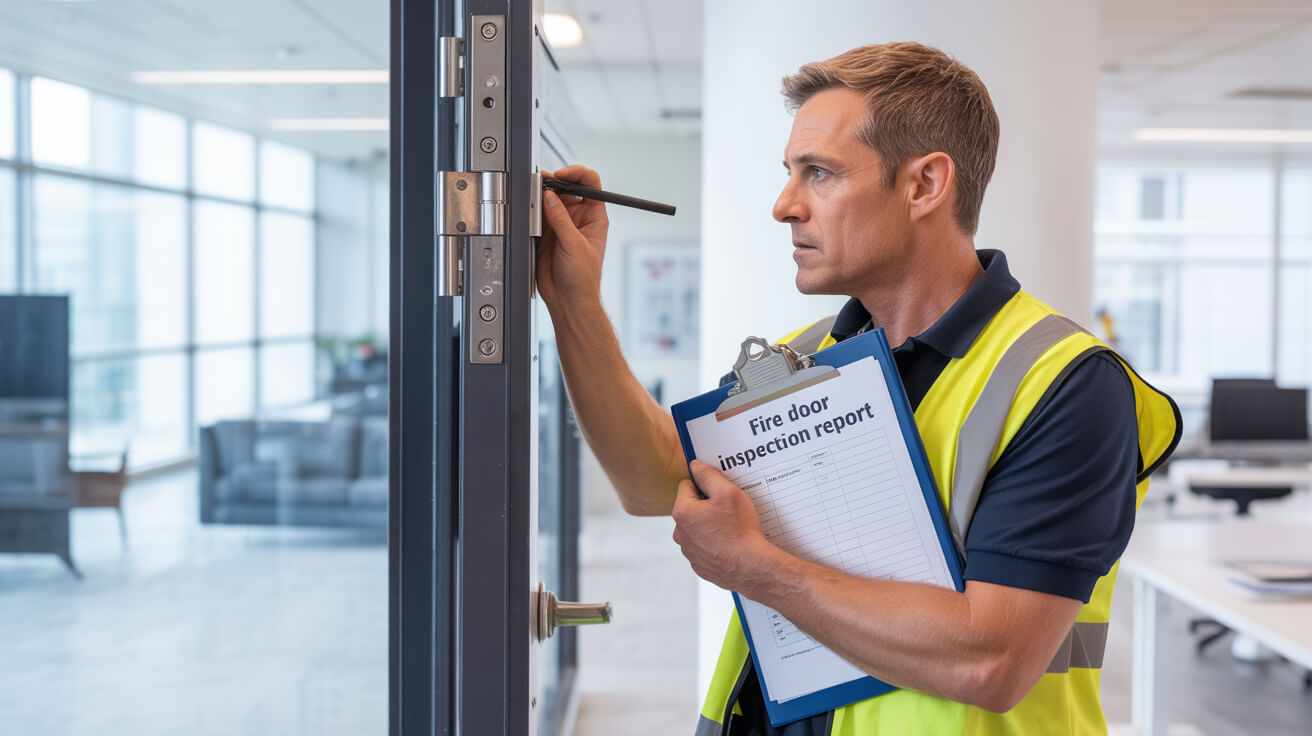
After severe weather, your first job is to preserve safety and evidence before the position becomes blurred.
What happens first
A post-storm assessment should be commissioned as soon as it is safe and before non-emergency repairs, stripping, or disturbance make the original condition harder to evidence. The first visit should separate urgent hazards from broader repair issues.
You need to know what requires immediate make-safe action, what looks storm-related, what may involve hidden damage, and what appears older or unrelated. Without that split, emergency response and long-term repairs get confused fast.
What must be evidenced before repairs move on
The record should show the condition found, when it was seen, where it was located, and what immediate action was taken. Dated photographs, marked-up locations, weather context, and temporary protection notes are not paperwork extras. They are what make later decisions easier to defend.
If a visible item is put back quickly without proper evidence capture, you can lose the clearest proof of causation and extent.
Why this stage shapes later costs
A prompt, disciplined post-storm assessment helps you decide whether the route is emergency works, planned remedials, an insurance claim, or some combination of the three. It also reduces the chance that hidden damage is missed until the building is already carrying secondary loss.
When you instruct All Services 4U for this type of work, the aim is not just to attend quickly. It is to leave you with a usable record, a clear triage position, and a sensible next-step decision.
Arrange a post-storm review while the evidence is still clear.
How Inspection Frequency Protects Safety, Budgets and Claims
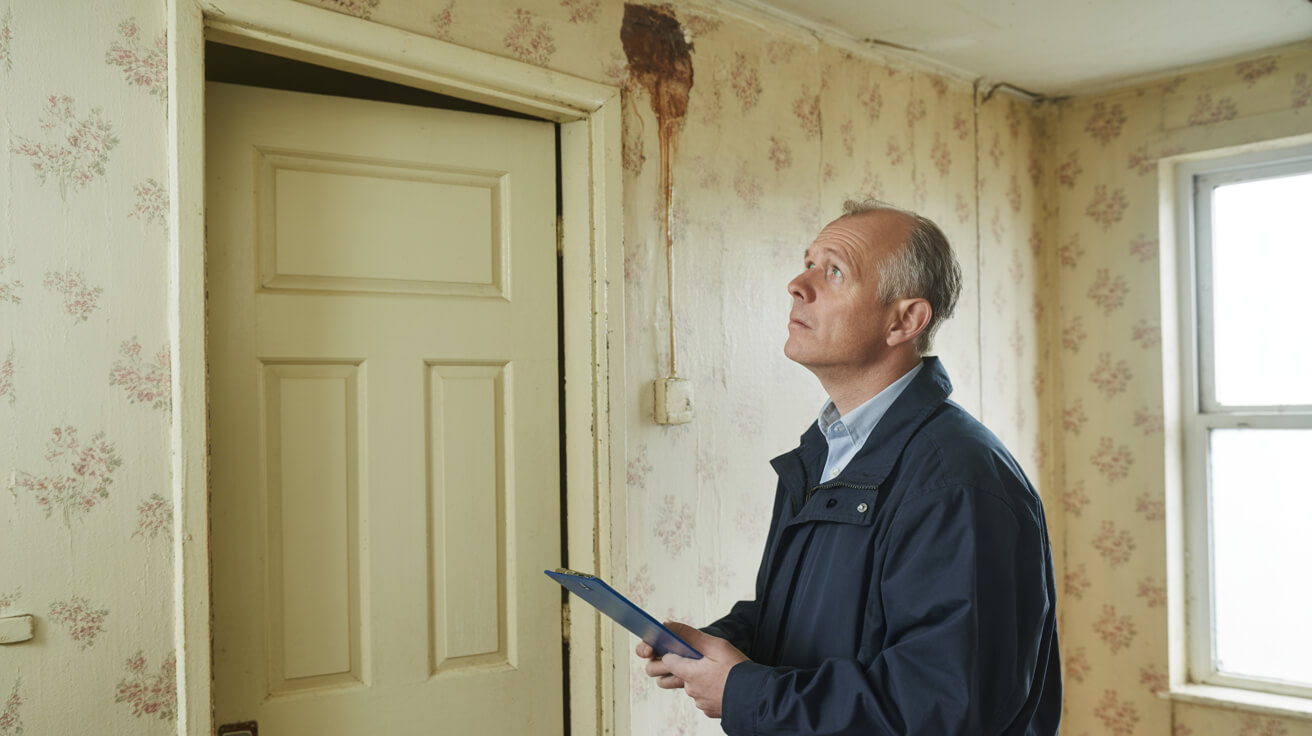
Planned roof visits change the cost profile of your building because they move problems earlier, while they are still easier to control.
Why planned visits usually cost less than reactive drift
When you catch defects earlier, you give yourself options. You can group works, plan access properly, compare prices, and avoid the pressure premium that often comes with emergency response. You also reduce the chance that a minor defect turns into internal damage with wider repair consequences, which is why bi-annual roof inspection PPM works as a budget-control tool as much as a maintenance task.
Why regular surveys help service-charge decisions
Your board is more likely to make defensible service-charge decisions when recommendations are tied to dated inspections, condition evidence, and visible progression. Reserve planning also improves when you are looking at a sequence of roof records instead of isolated invoices and complaint spikes, because you can show what was found, why action is needed, and what the cost of delay is likely to be.
Why inspection history supports claim readiness
Regular inspections do not guarantee that an insurer will accept a claim. They do, however, help show that you have acted reasonably, maintained oversight, and recorded the building condition over time.
That matters if the question later becomes whether damage was sudden, whether maintenance conditions were being met, or whether the building had already been showing signs of decline.
Accreditations & Certifications







What Good Reporting and Follow-Up Look Like Once the Survey Is Done
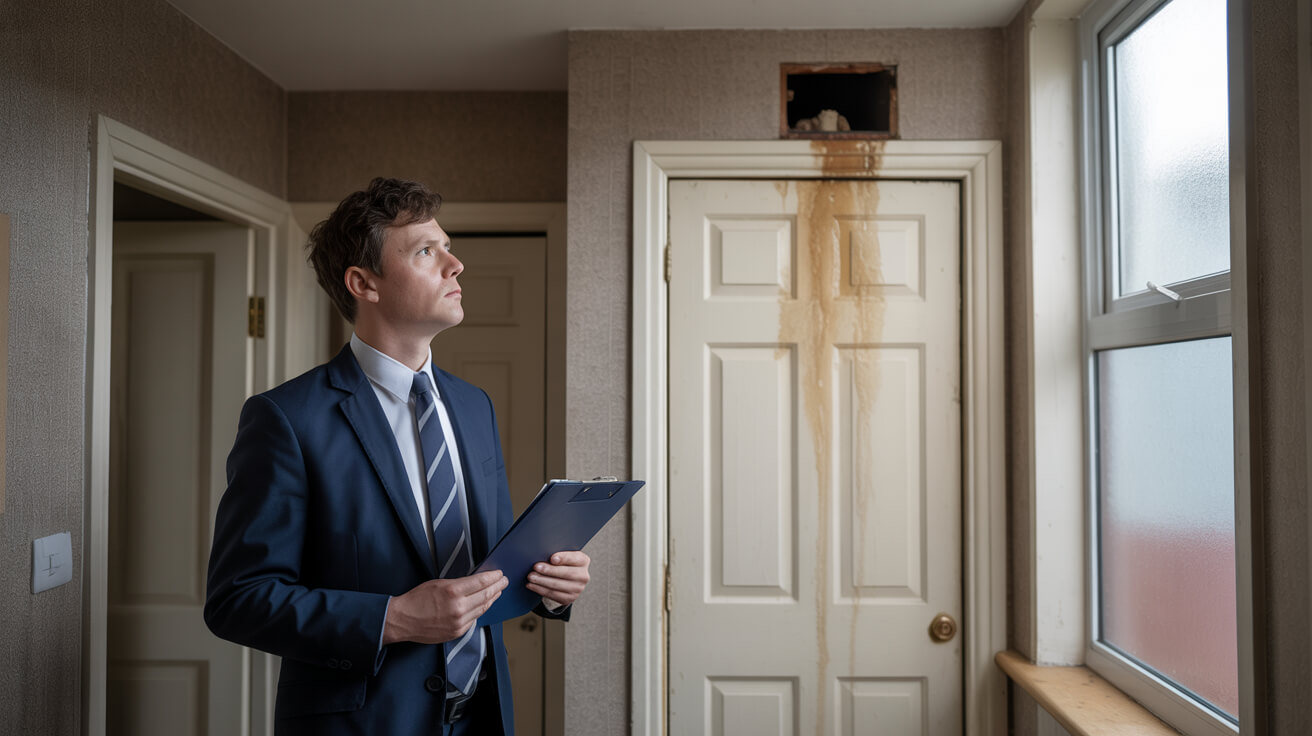
A roof survey only reduces risk if the report is clear enough to act on and disciplined enough to retrieve later.
What your board should receive after every visit
You should receive a report that states the scope, access method, observations, likely implications, and recommended actions in a structured format. Good reporting keeps facts separate from interpretation and keeps recommendations separate from sales language.
At a minimum, your board should be able to see:
- What was inspected and how access was achieved
- What was found and where it was found
- Which items are urgent, planned, or monitor-only
- What evidence supports each recommendation
- What should happen next and by when
That gives you something you can use in board minutes, contractor instructions, and later claim or audit discussions without having to rebuild the story yourself.
How actions should be tracked to closure
A recommendation is not closed because it appeared in a report. It is closed when responsibility is assigned, timing is agreed, the work is completed, and the completion evidence is retained.
That means defects should sit on an action register with a priority, owner, target date, and closure proof. If the same items keep returning without being resolved, your register should make that visible.
Why record quality matters even more in complex buildings
If your building has more complicated safety duties, multiple contractors, or a history of recurring defects, weak reporting creates management risk very quickly. A scattered trail of emails and unnamed photos is hard to defend once directors change, residents challenge decisions, or a claim requires chronology.
At All Services 4U, we structure reporting so you are left with a usable maintenance record, not just a site visit summary. You should know what the roof condition is, what it means, and what decision you need to make next.
If your current reports do not give you that, the reporting standard is the problem as much as the roof.
Reliable Property Maintenance You Can Trust
From routine upkeep to urgent repairs, our certified team delivers dependable property maintenance services 24/7 across the UK. Fast response, skilled professionals, and fully insured support to keep your property running smoothly.

Book Your Free Consultation With All Services 4U Today
You can turn roof oversight into a calmer, more defensible process before the next leak or storm forces the issue.
If you speak to us now, we will review your roof type, inspection history, access constraints, and current reporting position. We will show you whether your present approach is enough, where the obvious gaps sit, and what a sensible inspection cadence looks like for your block.
You do not need to commit to a heavy programme to make a better decision. You can start with one block, one seasonal survey, or one review of your current records and use that to decide what level of support makes sense for your board.
Bring your site address, any recent leak history, past reports, known access issues, and insurance details. We will turn that into a clearer view of scope, evidence standards, and next steps so you can decide with more confidence and less guesswork.
Book your roof PPM consultation and set your next survey dates.
Frequently Asked Questions
What should your RTM board ask for in a roof inspection PPM report before approving the service?
Your RTM board should ask for a roof inspection PPM report that supports a decision, not just a visit record.
A board-ready report should tell you what was inspected, what was found, how serious each issue is, what should happen next, and what evidence should be retained. If it does not do that, you are not reviewing a proper roof maintenance report. You are reviewing fragments. That matters because approval decisions affect service charge spend, resident confidence, insurer positioning, and the quality of your board minutes.
A weak report usually looks busy without being useful. It may include several photographs, a short defect note, and a recommendation to “monitor” or “repair as required.” That sounds professional until directors try to approve action. Then the gaps appear. What area was checked. How old does the defect look. Is the issue active or historic. Does it threaten current roof performance. Is it part of planned maintenance or a reactive repair. If those points are unclear, the board ends up supplying judgement that the report should already have supplied.
The point of a report is not to sound technical. It is to help you decide without guessing.
A stronger roof inspection report gives your RTM board a stable basis for approval. It separates findings by urgency, links each issue to a practical recommendation, and shows enough photographic and written evidence for a future director, broker, or surveyor to understand what happened. That is where a routine roof inspection becomes a governance tool rather than a recurring source of uncertainty.
What should the report say about the scope of the inspection before your board approves it?
Your board should ask the report to state exactly what was inspected, how access was achieved, and what was outside scope.
That sounds obvious, but it is one of the easiest places for confusion to enter. If the report does not define the roof zones inspected, the access method used, the weather conditions on the day, and any restrictions that affected visibility, your board cannot judge whether the service was properly delivered. A flat roof inspection after poor weather, for example, may limit visibility around outlets or behind plant. A report should say that clearly.
Before approving the service, your board should be able to answer:
- Which roof areas were inspected
- Whether outlets, gutters, flashings, upstands, penetrations, and parapet details were checked
- Whether photographs relate to all material areas or only selected defects
- Whether any area was inaccessible or only partially inspected
- Whether weather conditions affected the findings
This is where many RTM RMC boards get drawn into unnecessary follow-up. A contractor may have carried out a competent inspection, but if the reporting scope is vague, the board still carries doubt. That slows approvals and weakens the minute trail. SFG20-style maintenance logic is helpful here because it reinforces the principle that planned maintenance should be clearly defined, repeatable, and auditable.
A useful test is simple. If a new director joined your board tomorrow, could they read the report and understand what service was actually delivered. If not, the reporting format needs tightening before it becomes your normal standard.
Which defect details should your board insist on before approving recommendations?
Your board should insist that each defect is described in a way that supports action, timing, and proportionality.
A defect list is not enough on its own. The report should explain where the issue sits, what condition was observed, what consequence is likely if nothing happens, and whether the item is urgent, planned, or suitable for monitoring. Without those elements, the board is left to convert description into judgement, which is not where a resident-led company wants to be.
A stronger reporting format usually includes a defect register with enough clarity to support discussion at board level:
| Item | What your board needs to see | Why it matters |
|---|---|---|
| Location | Exact roof area or drainage point | Avoids vague approvals |
| Condition | Clear defect description | Distinguishes wear from failure |
| Consequence | Likely effect if delayed | Supports proportionality |
| Priority | Urgent, planned, or monitor | Improves decision speed |
| Action | Specific next step | Makes follow-through easier |
This is also where weak and strong reporting start to look very different.
A weak entry might say: Flashings damaged, monitor condition.
A stronger entry might say: Lead flashing at rear parapet shows visible lifting and early separation at joint line. No active ingress recorded at inspection, but local failure could permit water entry during sustained rainfall. Planned repair recommended within current maintenance cycle.
That second version gives directors something they can actually approve. It connects condition to consequence and gives timing without overstating the risk.
How should your board tell whether the report is good enough to support a defensible approval?
Your board should ask whether the report removes ambiguity before money, timing, or risk are agreed.
A defensible approval is one that can still be explained later. If a resident challenges delay, a broker asks for maintenance evidence, or a future board wants to know why a repair was approved, the answer should already be visible in the report and minutes. That means the report should support three things at the same time: technical understanding, spending confidence, and record quality.
Your directors should be able to minute:
- What defects were identified
- Why the chosen action was proportionate
- Whether the issue required urgent response, planned works, or monitoring
- What budget or follow-up decision was approved
- What evidence would be retained with the block file
RICS-style asset oversight and insurer review culture both tend to favour records that show condition, reasoning, and traceable follow-through. The board does not need a glossy document. It needs one that supports a clean line from inspection to decision.
If your current roof inspection reports leave too much implied, ask for a sample reporting pack before the next cycle starts. A good provider should be able to show how inspection findings turn into an action register, a board note, and a usable retained record. That is often where the real value of the service sits, not in the visit price on its own. If you want a reporting standard that makes approvals easier to defend and easier to hand over, All Services 4U can help you shape that before the next inspection lands on the agenda.
When should your RTM board ask for more than spring and autumn roof inspections?
Your RTM board should ask for more than spring and autumn inspections when the building’s risk pattern has already changed.
Twice-yearly roof inspections are a sensible baseline for many residential blocks. They help you check condition after winter, prepare for wetter periods, and create a predictable maintenance rhythm. But they are a baseline, not a rule that fits every building forever. If your block has recurring leaks, exposed weather conditions, poor drainage behaviour, roof-mounted plant, ageing patch repairs, or weak inherited records, your board should ask whether the current roof inspection frequency still matches actual exposure.
This matters because roof failure does not usually arrive as a surprise from nowhere. It tends to show itself through smaller signals first: repeated staining, blocked outlets, local ponding, recurring defects in the same area, or repeated resident complaints after heavy rainfall. If those signals are present, the board should not ask only when the next routine visit is booked. It should ask whether the inspection regime is still proportionate.
The practical question is simple. Is the current inspection timetable designed around your building’s real behaviour, or around habit. That distinction often separates a disciplined roof PPM programme from one that looks tidy in the calendar but misses the early warnings that matter most.
Which signs should tell your board that the current inspection cadence is no longer enough?
Your board should treat repeated defects, difficult drainage, and rising weather exposure as signs that the standard cadence may be too light.
A simple twice-yearly programme can work well where the roof layout is straightforward, drainage routes are reliable, and historic records show stable performance. It becomes less convincing when the same problem starts to return or the roof has features that increase failure points. Before approving the next cycle without change, your board should ask whether the building now falls into a higher-attention category.
Common triggers include:
- Repeat leak history in the same area
- Blocked outlets after leaf fall or storms
- Roof-mounted plant with multiple penetrations
- Temporary repairs still in place from earlier defects
- Exposed coastal or high-wind location
- Poor inherited records from previous management
BS 6229 is often useful as a framing reference because it underlines how flat roof performance depends heavily on drainage design, falls, and detailing, not just membrane condition. In practice, the board does not need to become technical specialists. It needs to recognise when the building is showing enough repeated stress to justify a more active inspection pattern.
If a roof keeps producing the same issue, the right question is no longer “When is the next routine visit.” It is “Why is this pattern still being treated as routine.”
How should your board decide whether extra visits should be seasonal, reactive, or temporary?
Your board should ask for extra visits that match the risk pattern, not simply more visits in general.
More inspections are only useful if they are targeted. A block with heavy leaf fall may benefit from an autumn drainage-focused visit. A block with repeated storm exposure may need a post-storm trigger rather than a fixed extra seasonal survey. A roof with recent remedial works may need a short-term verification check to confirm that the repair has actually resolved the issue.
A practical board-level approach is to classify added visits into three types:
| Extra visit type | When it makes sense | What your board is testing |
|---|---|---|
| Seasonal | Predictable weather or debris risk | Whether routine conditions create repeated strain |
| Reactive | After storms or incident events | Whether sudden damage needs early capture |
| Temporary | After works or repeated faults | Whether a known issue is actually closed |
This is where programme review becomes more valuable than diary management. Your board is not buying extra attendance for comfort. It is buying evidence that the maintenance regime still reflects the building’s actual operating risk.
Before approving the revised service, ask for the trigger logic in writing. What event causes the added visit. What elements will be checked. What evidence will be produced. How will the board know whether the temporary uplift can later be reduced. Those questions keep the decision commercial and proportionate.
Your board should treat inspection frequency as a governance issue because cadence affects records, claims, and accountability.
If a roof suffers repeated problems but the inspection schedule never changes, that can create an awkward story later. Residents may ask why the same issue kept returning. A broker may ask what maintenance pattern was in place. A future board may ask why a known risk was left on the same timetable despite worsening signals. In each case, the question is less about technical theory and more about whether the board responded reasonably to what the building was showing it.
That is why the cadence decision should be visible in the board record. Minutes should show what triggered the review, what evidence was considered, what revised schedule was approved, and when the position will be reviewed again. That simple discipline turns a maintenance adjustment into a defensible management decision.
If your current timetable has been running on autopilot, this is worth resetting now rather than after another preventable leak. A targeted roof PPM review with All Services 4U can help your RTM board set a frequency that matches the building you actually manage, not the one you assume you have.
Why should your RTM board ask as many questions about gutters and outlets as about the roof covering itself?
Your RTM board should ask as many questions about gutters and outlets because drainage failure often causes visible damage before the covering itself appears to fail.
This is one of the most common blind spots in roof maintenance. Boards understandably focus on membranes, flashings, or visible wear to the roof surface because that feels like the main event. Yet in many residential blocks, the more immediate risk sits in how water leaves the roof. If outlets are blocked, gutters are overloaded, or channels are holding debris, water starts behaving badly long before the roof surface looks dramatic in a photograph.
That is why drainage belongs at the centre of any practical roof inspection PPM report. A roof can be technically intact and still produce leaks, overflow, or damp complaints if rainwater management is weak. When that happens, the board is pulled into emergency attendance, resident dissatisfaction, and insurer questions about whether the issue should have been preventable.
Building Regulations Part C is relevant here because moisture control is not just about what keeps water out. It is also about managing how water is shed and prevented from entering the fabric in the first place. In simple terms, drainage is not a minor sub-topic. It is one of the live controls that determines whether the roof performs at all.
Which drainage questions should your board ask before approving a roof inspection service?
Your board should ask whether the service checks drainage performance directly rather than treating it as a side observation.
Before approving the inspection service, your RTM board should ask:
- Are gutters, outlets, hoppers, valleys, and downpipe heads included in scope
- Will the report comment on free flow, blockage, silt, vegetation, and ponding
- Will drainage defects be photographed and marked by location
- Will the report distinguish between routine clearance needs and repair needs
- Will repeat drainage defects be flagged as recurring risk rather than one-off maintenance
These questions matter because a roof inspection that only comments on coverings gives an incomplete picture of roof performance. In practice, many resident complaints arise not from sudden roof system collapse but from unmanaged drainage points that slowly turn into overflow and moisture problems.
A clear inspection record should show the board whether the roof is draining as intended. It should not leave directors inferring that from the absence of dramatic covering defects.
What should a strong drainage section in the report include if your board wants clean decision-making?
A strong drainage section should show condition, flow risk, consequence, and next step in a format your board can minute.
This section is often where a report becomes genuinely useful. It should identify where water discharge points sit, whether they were clear, whether there was evidence of standing water or back-up, and whether any visible overflow path could affect walls, entrances, common parts, or internal structure.
A board-friendly drainage review often includes:
| Element | What the report should confirm | Why your board cares |
|---|---|---|
| Gutters | Clear, damaged, silted, or overloaded | Affects overflow risk |
| Outlets | Free-flowing or partially blocked | Affects ponding and ingress |
| Valleys/channels | Holding debris or discharging normally | Affects local failure points |
| Downpipes | Receiving and carrying flow properly | Affects saturation and back-up |
A weak note might say: Gutters require maintenance.
A stronger note might say: Rear block parapet gutter contains debris build-up at outlet approach. Flow path partially restricted at time of inspection. No internal ingress noted today, but blockage increases overflow risk during sustained rainfall. Clearance recommended within current cycle.
That wording helps the board decide what to approve and how soon to act.
How should your board link drainage discipline to wider building risk rather than treating it as routine housekeeping?
Your board should link drainage discipline to resident trust, avoidable claims pressure, and common parts risk.
Drainage problems often become visible to residents earlier than deeper roof defects. Overflow at entrances, staining in communal areas, saturated wall surfaces, and repeated top-floor complaints all make the building appear neglected. That creates pressure fast, even where the underlying issue is still technically manageable. A good board record helps show that the drainage system was inspected, maintained, and escalated properly before the situation widened.
There is also a wider safety angle. Where water affects lighting, ceilings, or escape routes in common parts, the consequences can move beyond maintenance inconvenience. In the wrong circumstances, issues begin to intersect with the practical expectations that sit around fire safety management and common parts control under the Fire Safety Order.
The core point is simple. If your board wants fewer preventable emergencies, fewer avoidable complaints, and stronger records when water-related issues are challenged later, drainage should not sit in the background of the report. It should sit near the front. All Services 4U can help you set a roof maintenance standard that treats rainwater management as a live performance test, not an afterthought that only gets attention when overflow has already started.
How should your RTM board keep roof records between inspections so the next decision is easier, not harder?
Your RTM board should keep roof records as a connected decision trail, not as isolated files that only make sense to the person who saved them.
One of the quiet failures in residential block management is record fragmentation. One director has inspection photos, the managing agent has quotes, a contractor holds storm notes, and someone else remembers a previous repair but cannot find the approval email. On paper, the building has a maintenance history. In practice, it has a memory problem. That becomes expensive when a claim, complaint, leak recurrence, or director handover arrives.
The board should ask for a record structure that shows continuity between inspections. Not just what was found, but what action followed, who approved it, what evidence was retained, and whether the issue was properly closed. That is what turns a roof file into a governance asset rather than an archive of disconnected documents.
The Information Commissioner’s Office often emphasises that records should be structured, attributable, and retrievable. That principle is useful here even where the content is operational rather than personal. Your roof records should not depend on one inbox, one spreadsheet, or one director’s memory. They should survive turnover without losing the logic behind past decisions.
A building runs into trouble when its history lives in scattered folders and tired recollections.
Which roof records should your board keep between inspections, not just after a defect appears?
Your board should keep a live file that shows condition, action, approval, and closure over time.
At a minimum, a workable roof record should include:
- The latest and previous inspection reports
- A live defect or action register
- Repair approvals and work orders
- Before-and-after photographs
- Storm attendance notes
- Contractor close-out records
- Broker, insurer, or surveyor correspondence where relevant
Those records support more than administration. They support explanation. If the board later needs to show why a repair was delayed, why a contractor was instructed, or whether an issue was already known before a claim event, these are the documents that usually matter.
Before approving any service standard, your RTM board should ask where those records will sit, who controls the file, and how future directors will retrieve it. If the answer is vague, the record system is not mature enough for a resident-led company with recurring maintenance duties.
How should your board organise roof records so they support approvals, complaints, and future handovers?
Your board should organise the file by block, date, and issue, with a visible action history alongside the documents.
The simplest reliable model is often a block-level roof file with clear sub-sections for inspections, defects, approvals, completed works, storm events, and external correspondence. That keeps the chronology intact without overcomplicating the process. Alongside that file, maintain a short roof action register showing the issue, date raised, priority, owner, target date, and closure evidence.
That small discipline solves several common board problems at once. It reduces repeated searching through emails, improves handovers between directors, and makes monthly review more efficient. It also improves minute quality because the board can refer to a live register instead of trying to reconstruct what happened from memory.
A good working structure might look like this:
| Record area | What it should show | Why it matters |
|---|---|---|
| Inspection file | What was found and when | Baseline condition history |
| Action register | What remains open or closed | Governance continuity |
| Approval trail | Who authorised what | Budget and decision clarity |
| Close-out evidence | What was actually completed | Avoids false closure |
Why should your board treat record continuity as part of the maintenance service, not a separate admin task?
Your board should treat record continuity as part of the service because poor records make future decisions slower, weaker, and harder to defend.
A technically sound inspection loses value quickly if the evidence trail breaks after the visit. The board then ends up paying twice: once for the inspection itself and again in time, uncertainty, and duplicated work when questions resurface later. That is especially common when the same defect reappears and nobody can quickly confirm whether the last repair was temporary, permanent, or never properly signed off.
This is also where commercial value often hides. A provider that helps your RTM board keep a usable maintenance file is improving more than administration. It is improving future approvals, reducing dispute risk, and protecting the board against avoidable uncertainty when residents or third parties ask what happened and why.
If your current roof records would be difficult for a new director to understand in one sitting, the system is too fragile. All Services 4U can help you move from scattered roof paperwork to a retained record structure that supports claims, complaints, approvals, and handovers without constant reconstruction.
How should your RTM board decide what is urgent, what belongs in planned works, and what can wait?
Your RTM board should decide by consequence, likelihood, and timing, not by whichever photograph looks most dramatic.
This is where many boards either overspend or wait too long. A striking image can make a lower-priority issue feel urgent, while a less visible defect can sit untouched until a resident complaint or leak forces action. The board needs a simple grading logic that turns technical findings into decisions that are consistent, explainable, and easy to minute.
A good roof inspection report should help with that sorting, but your board should still ask for the decision basis in plain language. Is the issue causing active water entry now. Is it likely to worsen quickly if left until the next cycle. Is it part of normal deterioration that should be grouped into planned works. Or is it early-stage wear that should be monitored and reviewed later. Without those distinctions, every approval becomes more subjective than it needs to be.
This matters commercially as much as technically. Urgent spend carries one kind of pressure. Delayed maintenance that later becomes emergency work carries another. The point of prioritisation is not to sound cautious. It is to stop avoidable escalation while protecting budget discipline.
Which decision test should your board use before approving urgent, planned, or monitor-only action?
Your board should use a short risk test that links each defect to present exposure and likely consequence.
Before approving action, ask four questions:
- Is there active water entry or a clear pathway to it
- Could the defect worsen materially before the next planned cycle
- Would delay increase damage to common parts, occupied areas, or safety-related elements
- Is the issue stable enough to monitor with a defined review point
That framework keeps the board grounded in consequence rather than tone. It also improves minute quality because the reasoning can be recorded clearly: immediate action because active ingress is present, planned action because deterioration is evident but stable, or monitoring because no present performance failure exists.
A practical grading table helps too:
| Action class | Board test | Example |
|---|---|---|
| Urgent | Active risk or near-term failure path | Live ingress, failed outlet, storm damage |
| Planned | Deterioration needing scheduled intervention | Ageing flashings, repeat local failure |
| Monitor | Early wear without current failure | Minor cosmetic decline, stable ageing |
That kind of action register is far easier to govern than a loose mixture of alarming photographs and vague recommendations.
What should your board ask for if it wants prioritisation to be easier to defend later?
Your board should ask for each priority decision to include the reason, target timing, and closure requirement.
A report that simply marks an item “urgent” or “planned” is only half useful. The board should ask what made it urgent, what timing is expected, what interim control is needed if any, and what evidence will show the item is closed. That transforms a label into a decision record.
This is also where strong and weak prioritisation start to separate.
A weak recommendation says: Repair soon.
A stronger one says: Outlet blockage at north-east corner should be cleared within five working days because restricted discharge is causing ponding at adjacent roof area. Reinspect after clearance and retain post-work photographs.
That wording tells the board why the item matters, what timing makes sense, and what proof should follow.
Authorities and frameworks such as RICS and SFG20 tend to reward that kind of proportional, evidenced logic. It is easier to defend because it shows not just what was done, but why that timing and level of intervention were chosen.
Why does stronger prioritisation reduce both overspend and avoidable delay?
Your board should prioritise carefully because poor grading wastes money at one end and multiplies risk at the other.
When defects are over-classified as urgent, routine maintenance budgets get distorted and planned works become harder to manage sensibly. When defects are under-classified, the board saves money briefly but often pays more later through emergency attendance, internal damage, resident frustration, and poor decision optics. In both cases, the cost comes from weak classification rather than from the roof alone.
Before approving the service standard, ask whether the provider can supply a roof inspection action register that shows:
- Defect
- Action class
- Reason for grading
- Owner
- Target date
- Closure evidence required
That one discipline improves control quickly. It helps directors approve work with more confidence, gives managing agents a clearer follow-through tool, and makes future board review less argumentative. If your current reports do not support that level of prioritisation, All Services 4U can help you build a grading model that is easier to use, easier to justify, and less likely to create expensive ambiguity later.
Who should your RTM board involve when it sets, reviews, or changes the roof PPM programme?
Your RTM board should involve the people who control approval, records, budget, and follow-through, not just the person who first noticed a leak.
This is where roof maintenance often shifts from a technical topic into a governance one. An inspection can identify sensible actions, but the programme still fails if nobody clearly owns the next stage. Someone must review the condition report. Someone must approve spend. Someone must make sure records are retained. Someone must confirm whether the issue is actually closed. If those responsibilities sit in different places, your board should make that explicit when the roof PPM programme is reviewed.
For a smaller RTM company, the review group may be relatively tight: the chair, one other director, and the managing agent. For blocks with repeated defects, lender sensitivity, insurer scrutiny, or higher technical complexity, it often makes sense to include a surveyor, broker contact, or specialist adviser. The goal is not to build a committee for the sake of it. The goal is to stop one overstretched volunteer director from carrying the entire maintenance story in their head.
A programme is easier to trust when ownership is visible. That includes who receives reports, who updates the defect register, who prepares decisions for the board, and who keeps the live record that future directors, insurers, or valuers may later need.
Which roles should your board usually include when it reviews the roof programme before approval or reset?
Your board should include the roles that can either unblock decisions or create delays if left out.
In most RTM settings, useful visibility usually sits with some combination of:
- Chair or lead director
- Director with finance or insurance oversight
- Managing agent or property manager
- Surveyor or technical adviser where scope is disputed
- Broker or insurer contact where roof condition affects claims sensitivity
Before approving a new cycle or revised scope, your board should ask what each of those roles needs to see. The chair may need clear options and recommendations. The finance lead may need cost timing and reserve impact. The managing agent may need an action tracker and contractor route. The insurer-facing contact may need stronger evidence of inspection and maintenance history.
This keeps the review practical. It also reduces the common pattern where a technically sound report stalls because the people who need to act on it were not brought in early enough.
How should your board define ownership so the programme does not lose momentum after the inspection?
Your board should define ownership at the same time it reviews the programme, not after the report arrives.
A useful programme review should answer four ownership questions clearly:
- Who receives and reviews the inspection report first
- Who decides whether an item goes to urgent action, planned works, or monitoring
- Who keeps the live file and action register
- Who confirms closure and updates the board
If those points stay vague, even a good inspection can produce weak follow-through. The report is read, everyone agrees something should happen, but no one owns the move from finding to instruction to retained proof. That is where avoidable delay begins, especially when the board assumes the managing agent is handling a point that has not actually been assigned.
For higher-risk blocks, this ownership model should also connect to wider governance duties. If the building is an HRB, for example, the interface with the Accountable Person or Building Safety Manager may need to be visible where roof or water issues affect broader safety records. Even outside that context, good board practice means the programme sits inside a clear decision flow rather than in informal conversation.
Why should your board treat roof programme governance as part of stakeholder confidence, not just internal administration?
Your board should treat governance around the roof programme as part of stakeholder confidence because outside parties judge the quality of the system, not just the quality of the repair.
Residents want to know that problems are noticed and progressed properly. Brokers want to see that inspection and maintenance are not casual. Lenders and valuers want evidence that building condition is governed rather than improvised. Future directors want to inherit records, not mysteries. All of those expectations are shaped by the structure around the programme, not only by the contractor on the roof.
That is why the board should ask for a simple governance model before approving the service:
| Governance point | What your board should know | Why it matters |
|---|---|---|
| Report route | Who reviews first | Prevents delay |
| Approval route | Who authorises spend or escalation | Protects minutes and budget |
| Record route | Who keeps the live file | Preserves continuity |
| Closure route | Who confirms completion | Stops false closure |
A roof PPM programme becomes much easier to trust when those routes are agreed in advance. If your current setup depends on one person remembering what happened last time, that is not resilience. That is luck with a calendar attached. All Services 4U can help your RTM board set a cleaner decision flow so inspections, approvals, evidence, and closure all move through one manageable structure instead of drifting across emails and assumptions.
- Roof Inspection PPM Services for RTM Boards: Why the Board Should Set the Standard
- Why RTM Boards Cannot Leave Roof Risk to Chance
- What a Proper Roof Inspection PPM Scope Should Include
- Why Bi-Annual Surveys Usually Mean Spring and Autumn
- What a Post-Storm Damage Assessment Must Capture
- How Inspection Frequency Protects Safety, Budgets and Claims
- What Good Reporting and Follow-Up Look Like Once the Survey Is Done
- Book Your Free Consultation With All Services 4U Today
- Frequently Asked Questions
- Related PPM Services
Case Studies


Related Articles

Your Guide To Identifying And Treating Minor Mould Outbreaks

Why Planned Preventative Maintenance (Ppm) Saves Money And Ensures Compliance