Shower Descaling PPM Services UK – Quarterly Legionella Control
Facilities, compliance and asset managers in UK housing, care and education need showers under clear, defensible Legionella control across their estates. A structured quarterly shower descaling PPM programme turns high‑risk aerosol outlets into defined assets with a set method, schedule and evidence trail, depending on constraints. By the end, you have outlet‑level logs that link back to your risk assessment and written scheme, plus documented boundaries between routine maintenance and remedial work. It becomes easier to demonstrate control to boards, insurers and regulators and decide what to improve next.


Author
Izzy Schulman

Quarterly shower descaling PPM for compliant Legionella control
Showers sit at the sharp end of Legionella risk because they create fine aerosols at face height and can harbour scale and biofilm. For dutyholders, “we clean them sometimes” is not enough when auditors, insurers and regulators expect a risk‑based, documented control regime.
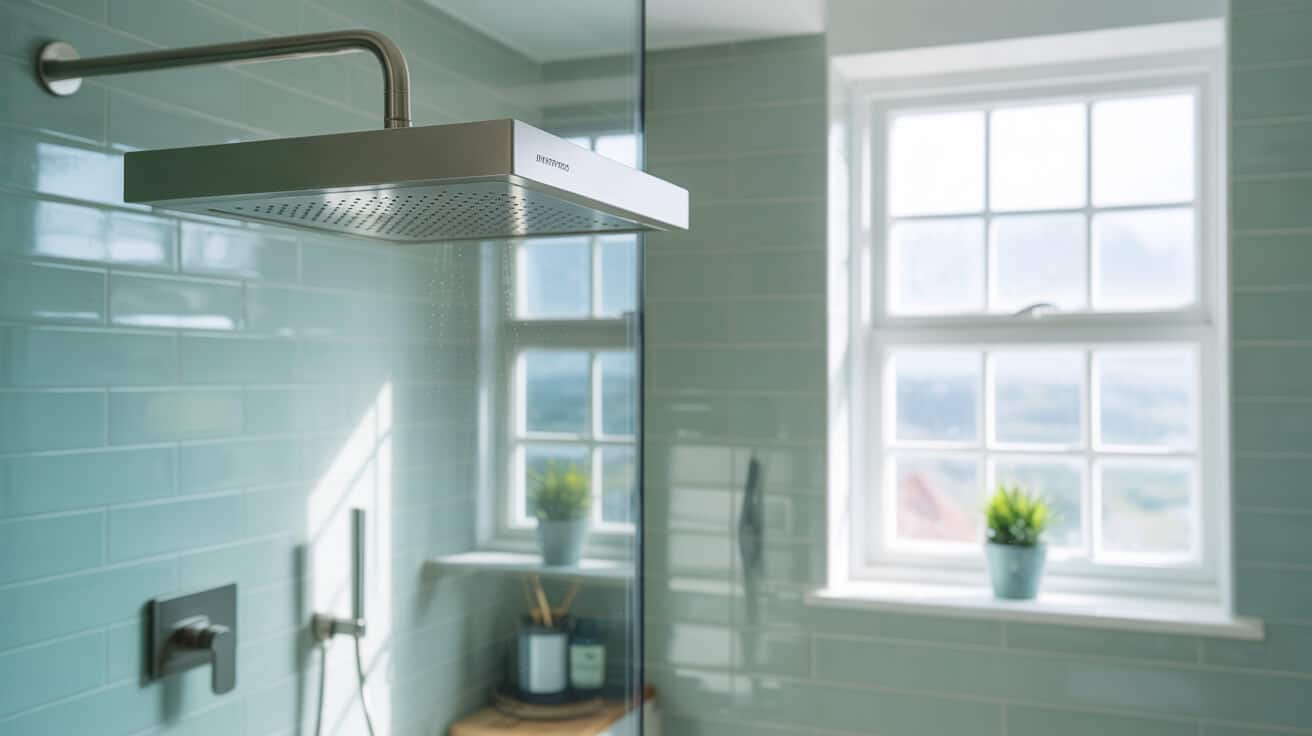
A quarterly shower descaling PPM programme turns those outlets into controlled assets with a defined method, schedule and evidence trail. By aligning the visit steps, records and boundaries with your Legionella risk assessment and written scheme, you can show that high‑risk showers are managed deliberately rather than through informal routines.
- Define quarterly tasks, scope and method at each outlet
- Capture outlet-level records that stand up to audit
- Separate routine PPM from remedial work and escalation
Need Help Fast?
Locked out, leak at home, or electrical issue? All Services 4 U provides 24/7 UK locksmith, plumbing, electrical.
Testimonial & Clients Who Trust Us
With 5 Star Google Reviews, Trusted Trader, Trust Pilot endorsements, and 25+ years of experience, we set industry standards for excellence. From Dominoes to Mears Group, our expertise is trusted by diverse sectors, earning us long-term partnerships and glowing testimonials.
Worcester Boilers

Glow Worm Boilers

Valliant Boilers

Baxi Boilers

Ideal Boilers

PPM for Showers: What It Means and Why Aerosol Outlets Matter
Quarterly shower descaling PPM keeps aerosol outlets under documented Legionella control and turns “we clean them sometimes” into a measurable control.
Showers create fine aerosols at face height. Scale and biofilm inside heads and hoses give bacteria sheltered surfaces, and regular use alone does not strip those layers away. Your legal duty sits under general health and safety law and the Legionella framework around it, which expects a risk‑based written scheme and clear evidence that controls at high‑risk outlets are implemented.
Quarterly shower descaling PPM is a defined maintenance task, not a vague cleaning request. In practice, you decide:
- Which outlets: are in scope for quarterly descaling
- What method: must be followed at each outlet
- What schedule: applies at each building or zone
- What evidence: proves the work was done and what was found
When you treat showers as controlled assets inside your Legionella scheme, you move them out of the grey area between “cleaning” and “engineering control” and into a pattern you can defend to boards, insurers and regulators.
All Services 4U delivers this as a structured quarterly programme across multi‑site housing, care and education portfolios, so you can show that high‑risk outlets are under control rather than relying on informal routines.
What UK Guidance Expects for Showerheads and Hoses
UK guidance treats showerheads and flexible hoses as high‑priority outlets in a hot and cold water system, and a quarterly PPM regime should line up with that intent.
Quarterly clean, descale and disinfect in context
Good practice talks about dismantling, cleaning, descaling and disinfecting showerheads and hoses at least quarterly, or at a justified risk‑based frequency. The core idea is simple: you strip back scale and biofilm on internal surfaces, apply a suitable disinfectant, then return the outlet to service in a known condition. A quick wipe of the face plate does not meet that standard.
A robust quarterly method will typically:
- Dismantle the showerhead and hose where practicable
- Physically clean fouling and deposits from accessible surfaces
- Apply a suitable descaling product and a disinfection step
- Rinse, reassemble and function‑check the outlet
If you depart from quarterly, you should record why and keep that decision under review.
Risk assessment, written scheme and outlet controls
Your Legionella risk assessment should identify showers as aerosol‑generating outlets and comment on scale, use and temperature control. The written scheme then turns that into specific tasks and frequencies, such as weekly flushing of low‑use showers, monthly temperature checks at sentinel points, and quarterly showerhead and hose descaling.
Auditors and inspectors look for a clear line between those documents and the work that actually happens:
- A risk assessment that justifies the way showers are controlled
- A written scheme that converts that into tasks and intervals
- Outlet logs that show those tasks happening, including failures and follow‑up
If the assessment and scheme both say “quarterly descale and disinfect of all showerheads and hoses”, you are expected to be able to show outlet‑level records that support that statement.
Competent people doing the right task
Guidance also stresses competence. For showers, that means people who understand the Legionella intent and the outlet hardware: safe dismantling and reassembly, recognising damaged or non‑compliant fittings, and knowing when to escalate what they find.
With our service, quarterly shower descaling PPM is delivered by technicians with water‑hygiene training and multi‑site experience. They work to a documented method aligned to your risk assessment and written scheme, rather than ad‑hoc cleaning instructions.
What a Quarterly Shower Outlet PPM Visit Looks Like
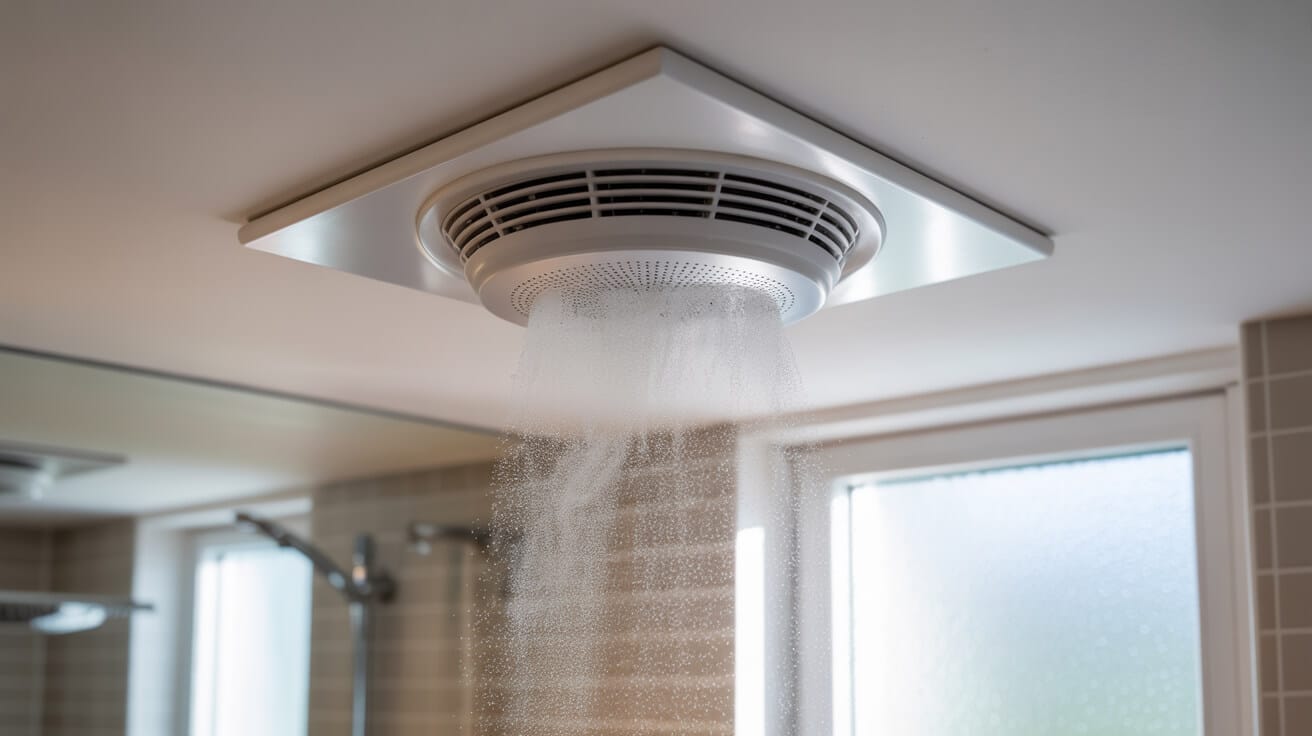
![[ALTTOKEN]](https://allservices4u.co.uk/app/uploads/2026/01/02-Shower-Descaling-PPM-Services-UK-Quarterly-Legionella-Control.jpg)
A good quarterly visit follows the same method every time so you get consistent control and records.
Step‑by‑step method on the day
On each visit, the technician follows a defined sequence so nothing important is missed.
Step 1 – Identify and isolate
They identify the outlet from your asset list, confirm the exact location and, where required, isolate the shower safely before work starts.
Step 2 – Dismantle and clean
They dismantle the showerhead and hose where practicable and physically clean visible debris and fouling from internal and external surfaces.
Step 3 – Descale and disinfect
They apply an appropriate descaling product and a disinfection step to internal surfaces, following product instructions for concentration and contact time.
Step 4 – Rinse, reassemble and function‑check
They thoroughly rinse and flush the assembly, reassemble it, and check for correct operation and leaks before returning the outlet to service.
Where showers are supplied via thermostatic mixing valves, the visit can include a simple blended temperature check within the range defined in your scheme, with any instability or failure recorded and escalated.
Components that should always be in scope
A quarterly shower PPM visit should cover all water‑wetted parts at the point of use, typically including:
- Spray plate and nozzles
- Body of the showerhead and flexible hose
- Threaded connections, philtres and flow restrictors
The technician also notes condition issues – kinks, perished hoses, cracks and corrosion – that affect safety or hygiene. A standard outlet method statement means different technicians produce consistent results and records across your estate.
Boundaries: what a quarterly visit does not cover
A quarterly shower descaling visit is not:
- A full system‑wide disinfection of the installation
- A Legionella risk assessment review or scheme rewrite
- A licence to alter pipework, controls or set‑points without approval
When defects outside routine scope are found – for example, a TMV fault or an outlet that cannot reach control temperature – the technician records the issue, marks the risk and routes it into your remedial process instead of attempting unauthorised work.
Records and Audit‑Ready Evidence
Quarterly outlet work only helps you if it leaves a clear, consistent trail.
Minimum data to capture for each outlet
For each shower, you should be able to see at a glance what was done and what was found. As a minimum, that means recording:
- Outlet ID and precise location
- Date and time of the visit
- Operative’s name and employer
- Method used and products applied
- Pass/fail against agreed criteria
- Defects found and immediate actions taken
Capturing this consistently turns individual jobs into a usable logbook and lets you trend issues by outlet, block or scheme, such as repeated failures at particular risers or persistent no‑access.
Keeping the “golden thread” intact
Outlet‑level records should link back to your higher‑level documents:
- The risk assessment explains why you control showers as you do.
- The written scheme spells out tasks and frequencies.
- The quarterly outlet logs show that work took place, where it failed, and what happened next.
When an auditor, insurer or regulator asks for evidence, you can walk through the assessment, the scheme and recent outlet reports without scrambling.
Evidence, privacy and resident confidence
In housing and care portfolios, you may include time‑stamped photos of showerheads, tags or condition issues as part of the record set. That can strengthen your position, but it must sit within sensible privacy, data minimisation and retention rules.
Our team can work inside your existing logbook or CAFM system, or supply structured digital reports that attach directly to each asset. Fields are agreed up front so you know what will land in your systems after each visit.
Accreditations & Certifications




When Quarterly Is Not Enough – or Too Much
![[ALTTOKEN]](https://allservices4u.co.uk/app/uploads/2026/01/03-Shower-Descaling-PPM-Services-UK-Quarterly-Legionella-Control.png)
Quarterly is a common baseline, but the right answer is always risk‑based and reviewable.
Factors that can justify tightening the regime
You may decide to increase the frequency where:
- Occupants are particularly vulnerable to infection
- Water is very hard and scale returns quickly
- Systems are complex, with many TMVs and dead legs
- There is a history of Legionella positives or near misses
In those cases, it is better to record the rationale and adopt a more intensive pattern in defined zones than to rely on a generic quarterly cycle.
When you can remain comfortable at quarterly
In other buildings, quarterly descaling can be appropriate alongside robust temperature and flushing regimes. Well‑designed systems with good circulation, moderate hardness and regularly used showers often perform well on a three‑monthly hygiene cycle.
Your logs will show this. Few defects, stable temperatures and clean heads at inspection are all signs that quarterly is doing its job.
Responding to change in occupancy or use
When buildings are partially closed, repurposed or see seasonal occupancy, outlet use can change quickly. Showers that once saw daily use can become low‑use outlets in a short period. In those situations, you may need to adjust both flushing and outlet hygiene controls, perhaps scheduling an additional visit before re‑occupation.
A consultation gives you a simple way to sense‑check changed buildings and decide whether your current shower PPM pattern still fits the risk picture.
Multi‑Site Delivery, Access Planning and Close‑Out
At portfolio scale, asset data, access and close‑out often matter more than chemistry.
Asset registers and scheduling that actually work
A workable multi‑site programme starts with a clean, shower‑specific asset register. Each outlet should have:
- A unique identifier and clear location hierarchy
- Any TMV or special hardware noted
- Access or safeguarding notes
- Last completed and next due dates
That makes quarterly scheduling, completion reporting and gap analysis straightforward.
Managing access and “no access” as controlled exceptions
In housing, care and education, access to showers is often the hardest part. A robust process sets out how you notify residents, what time windows you offer, how operatives identify themselves and how “no access” is logged and escalated.
“No access” entries should sit against specific outlets, with rules for rebooking and, if necessary, alternative controls. Without that, PPM can look fine on paper while leaving clusters of unserviced showers.
All Services 4U can fold your safeguarding, lone‑working and complaints procedures into the visit process so compliance work supports, rather than cuts across, resident expectations.
Defects, remedials and SLAs between visits
Quarterly PPM needs a clean interface into your remedial process. When an outlet fails because of condition, temperature behaviour or another safety concern, someone should own the action, with a timeframe and a clear definition of “closed”.
Agreeing simple service levels – how quickly higher‑risk defects are escalated, how long non‑critical items can remain open, and how re‑verification is recorded – stops risk drifting from one quarter to the next and makes your reporting far easier.
Buying and Scoping the Service
You get better outcomes when the contract wording matches the control you actually need.
Defining scope so “quarterly shower descaling” is unambiguous
It helps to spell out in plain language what is included. Typical inclusions are:
- Dismantling, cleaning, descaling, disinfecting and reassembling showerheads and hoses
- Visual condition checks and basic functional checks
- Agreed measurements, such as outlet temperature where in scope
- Documentation of method, products and results for each outlet
- Defect reporting and escalation into your remedial process
Exclusions usually cover full system disinfections, risk assessments, major plumbing alterations and capital works that need separate funding and approvals. This kind of wording prevents both under‑delivery and unplanned scope creep.
Understanding the main price drivers
Pricing for quarterly shower descaling PPM usually reflects:
- Number and type of outlets per site
- Travel and access time
- System complexity and TMV density
- Local water hardness
- Reporting depth and integration needs
- Whether the work is bundled with wider water hygiene tasks
Once those are clear, you can compare providers on a like‑for‑like basis and decide whether to let shower PPM as a standalone lot or part of a combined package.
Service levels, KPIs and integration
Strong contracts define service levels in measurable terms: completion percentages per quarter, acceptable no‑access rates, defect ageing thresholds, reporting turnaround times and evidence completeness measures.
You can also agree report formats that align with your CAFM or document management system, so quarterly shower PPM drops cleanly into your existing governance and dashboards rather than sitting as a loose add‑on.
Reliable Property Maintenance You Can Trust
From routine upkeep to urgent repairs, our certified team delivers dependable property maintenance services 24/7 across the UK. Fast response, skilled professionals, and fully insured support to keep your property running smoothly.

Book Your Free Consultation With All Services 4U Today
You want shower outlets to move from a grey area in your Legionella plan to a clearly controlled asset class with evidence to match. A short consultation is often enough to map where you are now, where the main risks and gaps sit, and what a realistic quarterly programme would look like for your buildings.
In that session, you can walk through your current risk assessment and written scheme, your estate profile and any known issues around access, evidence or contractor performance. You then see how quarterly shower descaling PPM could be scoped for single sites and portfolios, and what the records would look like after each visit.
You leave with a clear view of your position, a pragmatic quarterly option tailored to your risk profile, and a concrete example of the evidence trail you can expect. You stay in control of approvals, budgets and priorities; the service provides the method, the people and the paperwork.
Book your free consultation with All Services 4U and put a clear, evidence‑backed quarterly shower descaling programme in place.
Frequently Asked Questions
Explore our FAQs to find answers to planned preventative maintenance questions you may have.
What is quarterly shower descaling PPM and why does it matter more than “normal cleaning”?
Quarterly shower descaling PPM is a scheduled compliance task where each showerhead and hose is dismantled, descaled, disinfected and logged as part of your Legionella control scheme, not just “cleaned” for appearance. You are treating every outlet as an inhalation risk that needs documented control, not a bathroom fitting that happens to look grubby.
How is quarterly shower descaling different from day‑to‑day cleaning?
Routine cleaning wipes what residents see; quarterly descaling targets what actually drives aerosol risk.
Daily cleaning focuses on tiles, trays and the visible face of the showerhead. Quarterly PPM requires the operative to identify the outlet against your asset list, isolate it if needed, dismantle the head and hose, descale internal and external surfaces, disinfect the wetted parts, reassemble, restore supply and check the spray pattern and basic performance.
That internal work strips out scale and biofilm where Legionella can persist. When you log that work against a defined method and a named operative, it becomes something you can show to an HSE inspector, a water consultant or an insurance surveyor without having to say “our cleaners probably did it”.
How does quarterly outlet hygiene change your Legionella risk and audit conversations?
Legionella guidance such as HSE ACOP L8 and HSG274 Part 2 expects showers to be kept clean and free from scale because they generate aerosols people breathe. Temperature control and flushing manage conditions in the system; outlet descaling manages the breathing point.
When you run a disciplined quarterly programme, three things shift in your favour:
- Water safety consultants and auditors see outlets explicitly addressed in your written scheme, not buried in a cleaning contract.
- Temperature and flushing data become easier to trust because blocked or scaled heads are not distorting flows.
- Boards, RTM directors and accountable persons can follow a clear chain from risk assessment to outlet‑level records.
If you want to be the person who can calmly walk a regulator through how showers are controlled, a quarterly descaling regime that is documented, repeatable and auditable is the baseline.
Where does All Services 4U fit into quarterly shower descaling?
All Services 4U treats quarterly outlet work as a water safety control, not housekeeping. Technicians follow an agreed method aligned with your Legionella risk assessment, dismantle and treat each head and hose, and then record the visit against outlet IDs with the evidence you have specified.
For you, that means you are not relying on casual assurances about “cleaners doing showers from time to time”; you are buying a repeatable control that you can show to your board, your water consultant and your insurer without flinching.
Which UK guidance should my quarterly shower descaling regime be built around?
Quarterly shower descaling should sit inside the same UK Legionella framework that governs your hot and cold water system: HSE ACOP L8, HSG274 Part 2 and, where relevant, sector documents such as HTM 04‑01 for healthcare or local water safety policies in social housing. Showers are identified as aerosol‑generating outlets in your risk assessment, your written scheme turns that into control tasks, and the quarterly programme is how you deliver the “keep outlets clean and free from scale” expectation in practice.
How do ACOP L8 and HSG274 turn into real outlet tasks for showers?
In practical terms, those documents expect you to identify inhalation points, define controls and keep records.
For showers, that usually means your risk assessment confirms they are a significant exposure route, and your written scheme sets out temperature, flushing, cleaning and descaling frequencies with clear responsibility. Many water safety consultants now treat a quarterly “dismantle, descale, disinfect and reassemble” visit as the default way to give effect to the outlet hygiene requirement for general housing and mixed‑use portfolios.
Your risk assessor may tighten frequency where water is harder or residents are clinically vulnerable, but the principle remains: showers should not be left to ad‑hoc housekeeping if you want a defensible Legionella regime.
Different regulators and client bodies look at the same guidance through slightly different lenses.
In social housing and registered provider settings, the Regulator of Social Housing’s safety and quality standards and the post‑Awaab focus on damp, mould and respiratory health make vague references to “cleaners” much harder to defend when aerosol risk is present. In care homes and supported living, inspectors tend to expect outlet regimes to sit comfortably alongside temperature and flushing controls, because residents are often in the highest clinical risk groups. In hospitals and other healthcare environments, HTM 04‑01 sets a more demanding bar for water hygiene evidence, and outlet regimes are usually risk‑zoned by ward type and patient vulnerability.
If you look after these buildings, writing showers explicitly into your ACOP L8 scheme – with a clear quarterly task and evidence requirement – is a far safer position than assuming a general cleaning specification will satisfy an auditor.
How does All Services 4U keep you aligned with evolving guidance?
Guidance and enforcement tone evolve; people in key roles move on. All Services 4U helps you keep outlet work anchored to current expectations by reviewing your risk assessment and written scheme before mobilising, aligning field methods with those documents rather than a generic check list, and reflecting any agreed changes in frequency or method across the programme without you having to re‑brief multiple contractors.
For an accountable person, Head of Compliance or RTM director, that support means you are not carrying the whole burden of translating guidance into outlet‑level tasks on your own.
What should a properly specified quarterly Legionella control visit at shower outlets actually include?
A properly specified quarterly visit treats each shower as its own risk point: it identifies the outlet against your register, safely isolates and dismantles the head and hose, descaled and disinfects the wetted parts, reassembles the unit, restores supply, function‑checks performance and records the outcome against clear criteria. The visit is not finished until you can see which showers are in control, which have issues and what has been raised for follow‑up.
What are the key technical steps a contractor should take at each shower?
While site‑specific methods vary, a competent quarterly visit to one outlet will normally cover:
- Confirming the outlet ID and location from your asset list.
- Isolating where necessary and dismantling the head and hose.
- Mechanically cleaning and chemically descaling internal and external surfaces with agreed products.
- Applying a disinfection step to the wetted parts.
- Rinsing, reassembling and restoring supply.
- Checking spray pattern and obvious performance issues such as poor flow or temperature anomalies.
- Recording a simple pass/fail against defined criteria, with notes and photos where needed.
Some schemes also ask for a blended outlet temperature check at a sample of showers during the same visit, particularly where thermostatic mixing valves are in play and you want a sense‑check at the breathing point.
How do outlet visits combine with flushing and temperature regimes?
Quarterly shower work does not replace your temperature and flushing regimes; it sits alongside them.
Flushing, usually weekly or more frequently for low‑use outlets, manages stagnation risk in the pipework. Temperature monitoring at sentinel points checks that stored and distributed water is being held at safe levels. Outlet descaling and disinfection focuses on the last part of the chain, where droplets are created and inhaled.
When outlets are hydraulically sound and free from heavy scale, temperature readings are more reliable, flushing is more effective, and your overall Legionella storey is much easier to tell. That is often the difference between a short, confident audit conversation and a long, uncomfortable one.
How does All Services 4U deliver a quarterly programme across a live estate?
All Services 4U starts with your estate map and asset register. Technicians work to structured routes that pull outlet IDs and locations directly from your data, build in realistic access windows for different property types and separate routine outlet tasks from any additional work that needs specific authority.
Post‑visit, you see a portfolio picture rather than a pile of notes: how many showers were planned, how many were completed, which failed and why, and where defects or access problems are concentrated. If your job title includes words like Safety, Compliance, Risk or Asset, that level of structure gives you something you can stand behind when you report up the chain.
What records and evidence should I expect from each quarterly shower maintenance cycle?
From a governance point of view, each quarterly cycle should leave you with records that tell any competent outsider – regulator, insurer, lender, water consultant or board member – what was done at each shower, when it was done, by whom and what happened if something was wrong. You should not have to reconstruct that storey from vague certificates and unlabelled photos.
What data does an outlet‑level record need to be audit‑ready?
For each shower, a practical record will typically include:
- Outlet ID and precise location.
- Date and time of the visit.
- Name and organisation of the operative.
- Reference to the method used (for example, your standard “dismantle, descale, disinfect, reassemble” procedure).
- Any products used where compatibility, safety or environmental considerations matter.
- Result against defined criteria (pass or fail with a short explanation).
- Defects identified and how they were routed (quoted, added to a works programme, isolated from use).
- Notes on access issues, safeguarding constraints or anything unusual.
Rolled up across a building or portfolio, those outlet entries give you a quick view of where showers are consistently fine, where you have recurring problems and where capital work or design changes might be needed.
How should shower records plug into my wider water safety evidence?
Quarterly shower records are most useful when they fit inside a complete Legionella evidence chain rather than sitting in isolation.
They should tie back to your Legionella risk assessment and written scheme so that auditors can see how outlet controls relate to system design. They should make sense alongside sentinel temperature data and flushing logs, showing that all three control strands are being delivered. In many portfolios it also makes sense to connect them to other safety records such as gas and electrical certificates or asbestos registers, particularly where multi‑trade visits are being consolidated to reduce disruption.
For RTM directors, accountable persons and Heads of Compliance, that joined‑up picture is what turns a pile of job sheets into a credible safety case.
How does All Services 4U reduce the effort of keeping documentation in shape?
All Services 4U builds the evidence requirements into the job from the start. Field forms are aligned with your asset register, so each outlet record is inherently traceable. Minimal evidence rules are enforced in the workflow, meaning work cannot be marked complete without the fields you have agreed are non‑negotiable. Reporting formats are designed to drop into your CAFM system, digital compliance binder or safety case file without manual rework.
When you are under time pressure from a regulator, insurer or lender, having a clean, structured pack that explains itself is far better than having to reverse‑engineer months of fragmented paperwork.
How should I manage access, “no access” and remedial work across a mixed property portfolio?
In most real portfolios, Legionella risk tends to appear in the gaps: flats nobody could get into, showers that are always “out when we call”, defects that never quite make it to completion. Managing access, no‑access events and remedials as part of the quarterly outlet programme is how you stop good overall percentages hiding small pockets of uncontrolled risk.
What does a resilient access and “no access” pattern look like for showers?
A robust approach usually combines planned communication, disciplined logging and clear escalation.
You warn residents in advance using language and channels that fit the setting, whether that is general needs housing, student schemes or care homes. Operatives follow clear identification and safeguarding protocols at the door. Each no‑access is attached to a specific outlet and property, not buried in a general note. There is a simple rule for how many attempts are made, over what time window, and when a case is escalated, especially in higher‑risk buildings. Where repeat no‑access persists at a higher‑risk outlet, you may agree interim steps such as enhanced flushing or accompanied visits with housing or care staff.
That way, when you review a quarterly report as an AP, Head of Compliance or property manager, you can see exactly where the blind spots are, how often they recur and what is being done.
How should remedials be structured alongside the quarterly programme?
If remedial work is allowed to blur into the quarterly task, you quickly lose clarity on both risk and money.
A cleaner pattern is to keep a tight definition of what is included in the quarterly visit – identifying the outlet, dismantling, descaling, disinfecting, reassembling and basic performance checks – and to treat anything beyond that as a defect. Damaged hoses, persistent poor spray patterns, temperature anomalies and obvious safety issues should generate a defect with an owner, a priority, a cost route and a closure definition.
Those defects then run through your usual approval and works processes, with verification at the next quarterly cycle. For Finance Directors, Asset Managers and BSMs, that separation makes it far easier to explain which spend is routine control and which is capital or improvement work.
How does All Services 4U keep access and remedials under control at scale?
All Services 4U assumes that access and follow‑up are where many otherwise sound schemes falter.
To protect you from that, “no access” is logged against specific outlets and addresses, not treated as a generic excuse. Rebooking and escalation rules are built around your reality, whether that is dispersed leasehold, complex PBSA or higher‑risk supported housing. Routine outlet work and quoted remedials are clearly separated in both reporting and invoicing, so you can see at a glance what has been delivered, what needs approval and where risk remains.
If someone in your organisation asks, “Are we genuinely on top of showers, or are we just hitting an average?”, that level of detail gives you a straight answer.
How do I specify and buy quarterly shower descaling PPM without overpaying or leaving gaps?
You reduce both cost and risk by spelling out in plain language what quarterly shower descaling must cover, what is explicitly excluded and how evidence will be delivered. If you can read the specification to your board, your insurer and your maintenance coordinator without translation, you are much closer to a contract that protects residents, reputation and budget.
What core inclusions should be written into a shower descaling specification?
A practical specification for a mixed estate will usually say that on each quarterly visit the contractor will:
- Identify each shower from your asset list.
- Dismantle the head and hose, then clean, descale and disinfect all wetted parts.
- Reassemble, restore supply and check that the outlet functions and sprays correctly.
- Record outlet‑level data in the agreed format and raise defects where standards are not met.
You can then decide whether simple blended outlet temperatures at a sample of showers are taken on the same visit, and how those results should be reported back into your Legionella scheme or compliance dashboard.
What should be clearly out of scope to protect budget and decision‑making?
Being explicit about what is not included protects you from scope creep and blurred accountability.
Common exclusions in a quarterly programme include major plumbing alterations, valve replacements, full system disinfections and tank cleans, design‑level changes to address chronic temperature issues or stagnation, and larger refurbishment or reconfiguration work. Those pieces belong in their own projects with design input, procurement and governance.
For RTM boards, freeholders and institutional owners, that separation helps you explain service charges, reserves and Section 20 decisions with a straight face.
How can a short consultation with All Services 4U improve how you buy and mobilise?
Rather than relying on recycled wording or supplier‑drafted scopes, you can use a structured conversation with All Services 4U to walk through your current risk assessment and written scheme, map your shower estate by building type, water hardness and resident profile, agree the exact outlet‑level records you want after each cycle and line up service levels and escalation rules.
If you want to be seen as the board, AP or Head of Compliance who did not simply buy “cleaning” but invested in demonstrable control at the actual breathing point, taking that time up front and then embedding it into an All Services 4U programme is one of the simplest, highest‑leverage moves you can make.
- Quarterly shower descaling PPM for compliant Legionella control
- PPM for Showers: What It Means and Why Aerosol Outlets Matter
- What UK Guidance Expects for Showerheads and Hoses
- What a Quarterly Shower Outlet PPM Visit Looks Like
- Records and Audit‑Ready Evidence
- When Quarterly Is Not Enough – or Too Much
- Multi‑Site Delivery, Access Planning and Close‑Out
- Buying and Scoping the Service
- Book Your Free Consultation With All Services 4U Today
- Frequently Asked Questions
- Related PPM Services
Related PPM Services
Case Studies


Related Articles

Your Guide To Identifying And Treating Minor Mould Outbreaks

Why Planned Preventative Maintenance (Ppm) Saves Money And Ensures Compliance