Fire Alarm Testing PPM Services for Insurers – BS 5839 Weekly Tests & Insurer-Approved Evidence
Insurers, managing agents and housing providers need BS 5839‑compliant weekly fire alarm tests that stand up to scrutiny. A structured PPM programme aligns user tests, engineer servicing and logbooks into one clear control trail, based on your situation. You finish with defined responsibilities, documented routines and insurer‑ready evidence that shows what was tested, when, by whom and how issues were managed. It’s a practical way to turn your fire alarm from a paper risk into a defendable asset.


Author
Izzy Schulman

For insurers, managing agents and duty holders, a fire alarm that is only installed, not actively managed, leaves you exposed. Weekly BS 5839 tests, clear responsibilities and consistent records decide whether your position is defensible when regulators, surveyors or loss adjusters start asking questions.

A planned PPM service ties user tests, engineer visits and documentation into one coherent file that shows control, not just equipment. By clarifying who tests, who reviews and how evidence is stored, you can move from patchy logbooks to a routine insurers recognise and respect.
- Clarify who owns weekly tests and record‑keeping duties
- Align BS 5839 user tests with engineer servicing and reports
- Build a single, insurer‑ready fire alarm evidence pack</p>
Need Help Fast?
Locked out, leak at home, or electrical issue? All Services 4 U provides 24/7 UK locksmith, plumbing, electrical.
Testimonial & Clients Who Trust Us
With 5 Star Google Reviews, Trusted Trader, Trust Pilot endorsements, and 25+ years of experience, we set industry standards for excellence. From Dominoes to Mears Group, our expertise is trusted by diverse sectors, earning us long-term partnerships and glowing testimonials.
Worcester Boilers

Glow Worm Boilers

Valliant Boilers

Baxi Boilers

Ideal Boilers

What BS 5839 Expects for Weekly Fire Alarm Tests
Weekly BS 5839 fire alarm tests are what sit between you and an indefensible position. With a clear routine and records, you can show insurers and regulators that the alarm is managed, not just installed.
All Services 4U sets up and runs BS 5839‑aligned PPM programmes so weekly tests, servicing and records form one insurer‑ready control trail across your buildings. Our teams work daily with managing agents, housing providers and freeholders, so the formats and language we use already make sense to insurers, surveyors and boards.
For typical non‑domestic and common‑parts systems under BS 5839‑1, the standard expects a weekly user test. A nominated person operates at least one manual call point or other trigger, confirms the panel and sounders respond correctly, then silences, resets and records the test in the logbook. That is separate from the engineer’s periodic servicing visit.
Insurers and enforcing authorities usually expect to see what was tested, when, by whom, what happened and what you did about any issues, not just “alarm OK”.
In residential and mixed‑use buildings you also need to separate communal systems under BS 5839‑1 from in‑flat domestic alarms under BS 5839‑6. A weekly call‑point test at the panel does not automatically cover in‑flat detectors, so scope must be written down and followed.
You can ask us to review one building and benchmark your current regime and evidence so you know exactly where you stand.
Who Is Responsible for Weekly Tests, Servicing, and Record‑Keeping?
Responsibility for testing and records needs to be explicit so you are not reconstructing accountability after a loss.
Clear ownership of weekly tests
Under the fire safety regime, a Responsible Person or Accountable Person must keep fire precautions, including alarms, in efficient working order. In practice you decide who carries out the weekly user test on each site and how they do it.
Insurers and regulators want to see this written down. Each building should have a simple schedule and instruction for weekly tests, with named roles rather than vague “staff”. Our PPM service helps you document those roles and build the weekly test into a repeatable routine for each building.
Delegation versus accountability
You can delegate tasks but not accountability. If a contractor provides periodic servicing, that does not make the contractor responsible for missed weekly tests or incomplete records. Someone in your organisation still needs to check that tests happened, entries are complete, exceptions are escalated and issues are chased, especially across multiple sites.
Making responsibilities visible and auditable
Responsibility lines are easiest to defend when they sit in a simple matrix for each building, showing:
- who performs weekly user tests
- who reviews the logbook and how often
- who owns faults, isolations and remedials
- who controls document storage and access
When responsibility is that explicit, a surveyor, insurer or regulator can see immediately how weekly testing, servicing and record‑keeping fit together. Our contracts routinely include this matrix so you are not trying to rebuild it after an incident.
What Counts as Insurer‑Ready Fire Alarm Evidence?
Insurer‑ready evidence is a coherent, chronological file that shows how you controlled the system, not just that you had one.
The core pack insurers expect to see
In practice most insurers, brokers and loss adjusters look for a small set of linked documents:
- a fire alarm logbook covering weekly tests, faults, false alarms and events
- inspection and service reports: from competent engineers, typically at six‑monthly intervals for BS 5839‑1 systems
- a fault and impairment history, showing when protection was reduced and what you did
- remedial records: , including completion dates
- high‑level fire risk assessment or strategy references explaining what the system protects
When those documents tell a consistent story, renewals, surveys and claims are easier. When they do not, even a good system can be hard to defend. Our PPM records join these elements into one building file so an external reviewer can follow events without needing long explanations.
Why certificates alone are not enough
Service certificates show that an engineer attended on particular dates. They do not show whether weekly tests happened between visits, how faults were managed, how long the system was impaired, or what happened to recommendations.
Insurer‑ready evidence links certificates to day‑to‑day controls in the logbook and to the actions taken when something went wrong.
Making digital records credible
Digital logbooks are widely accepted, but they still need the same discipline as a bound book. Insurers and auditors usually look for:
- attribution: (who made each entry)
- time‑stamping: that matches events
- consistent fields: across entries and sites
- controlled access and retention: , so records are not casually edited or lost
If evidence is spread across emails, shared drives and engineer portals, you may have plenty of data but no single record set an outsider can follow. A structured digital logbook under your PPM plan turns that noise into a file you can confidently hand to a surveyor or adjuster.
Weekly User Tests vs 6‑Monthly Servicing: What a PPM Plan Should Include
A PPM plan should join weekly user tests and competent servicing into one managed schedule rather than treating them as unrelated tasks.
Different jobs in the same control system
Weekly tests confirm that the system still operates as expected and that users are engaged with the panel. Six‑monthly (or similar) servicing by a competent engineer tests, inspects and maintains the underlying equipment against BS 5839.
One strand is about routine function and discipline. The other is about condition and compliance with the design standard. A managed PPM plan makes that split explicit so you can explain spend and expectations clearly.
Building a proportionate PPM calendar
For most BS 5839‑1 systems, a practical calendar combines:
- daily or regular visual checks of the panel where staff are present
- weekly user tests with call‑point or zone rotation
- six‑monthly inspection and servicing by a competent person, so the whole system is covered at least once a year
- checks on key interfaces such as doors, dampers, lifts and plant where alarms trigger other actions
The plan should also note where buildings differ because of occupancy, risk profile or system type, so you are not applying a crude one‑size‑fits‑all approach.
Faults, impairments and out‑of‑hours issues
A compliant PPM schedule does more than list visits. It sets out how faults are handled and what happens when protection is reduced:
- who responds to out‑of‑hours faults
- how isolations or disablements are authorised and recorded
- what temporary measures, such as patrols, apply while the system is impaired
- how and when impairments are closed and verified
These details become important when someone reviews risk management after an incident. A structured plan means your team follow a simple script rather than improvising under pressure.
What Should Be in the Logbook After Every Test, Fault, and Service Visit?

A logbook entry is valuable when another person can understand what happened, and what you did about it, without speaking to you.
Weekly test entries that stand up to scrutiny
For each weekly test, a strong entry normally includes:
- the date and time
- the device or zone tested
- the name or role of the person conducting the test
- what the panel and sounders did
- any abnormalities or difficulties
- immediate action: taken, even if only “logged and to be monitored”
A consistent format makes the file easier to audit and defend.
Recording faults and impairments properly
When a fault appears, the record needs to expand to cover:
- when the fault was first seen
- whether it reduced protection and where
- who was notified and when
- what temporary measures, if any, were put in place
- when an engineer attended
- when the fault was cleared and by whom
This becomes your impairment log. It shows that periods of reduced protection were recognised and managed, not ignored.
Linking engineer visits into the same story
Service visits should not live in a separate folder. Each report should be:
- referenced in the logbook with date and scope
- linked to actions or recommendations, with follow‑up work raised as trackable items
- cross‑referenced to the same building file that holds weekly tests and faults
When you treat weekly tests, faults and servicing as one narrative, your evidence is far easier to understand.
Common Evidence Gaps That Create Problems After Audits or Incidents
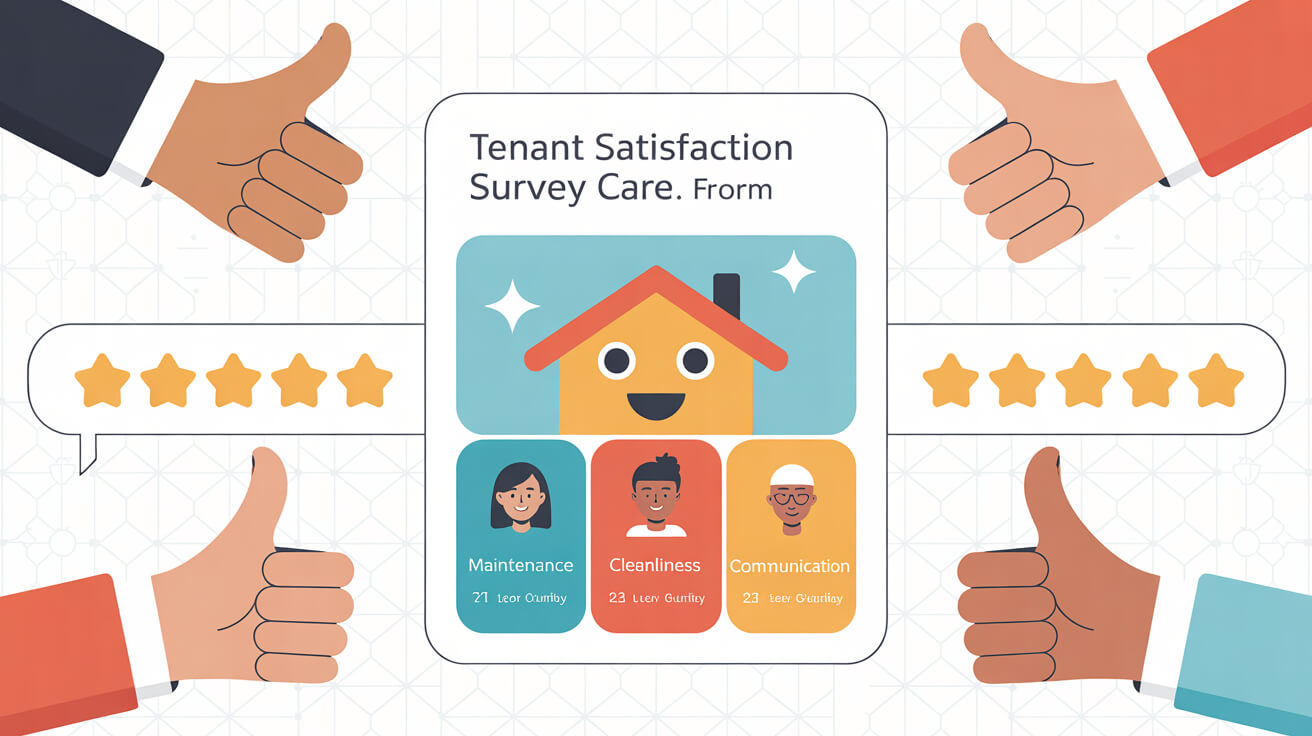
The biggest problems usually arise from patterns of weak control, not from a single missed week.
Patterns that worry auditors and insurers
Reviewers often highlight recurring issues such as:
- stretches of weeks with no entries at all
- repeated “OK” entries with no detail of what was tested
- no visible call‑point or zone rotation over time
- long‑running faults or disablements with no closure entry
- records split across people, contractors or systems, with no single building file
These patterns raise questions about whether the system was really being managed, even if individual entries look acceptable.
Why “alarm installed” is not enough
Having an installed alarm is only the starting point. If you cannot show that it was tested regularly, defects were noticed and escalated, and recommendations were tracked and completed, insurers, regulators or tribunals may question whether you operated a suitable system of maintenance. The concern is reasonableness and proof, not perfection.
The monthly view boards should see
Boards do not need raw logbooks. They need a short, regular view of exceptions:
- overdue weekly tests or service visits
- open impairments and their status
- high‑risk recommendations awaiting approval or funding
- any known gaps in records that need closing
A simple monthly exception report turns complex operational detail into the governance signal directors are expected to oversee.
Accreditations & Certifications







How Our Fire Alarm PPM Service Produces Audit‑Ready Records

When you move from ad hoc arrangements to a managed fire alarm PPM service, you buy control as much as labour.
Joined‑up weekly testing and servicing
All Services 4U designs each contract so your buildings have a clear, written regime for:
- weekly user tests that suit the building and staffing model
- six‑monthly or appropriate periodic servicing by competent engineers
- call‑point or zone rotation and interface checks where needed
- integration with your wider fire risk assessment and strategy
You stay in control of scope and decisions. Our role is to make the routine reliable and consistent and to align it with what insurers, brokers and auditors typically ask to see.
Supervision, exception handling and close‑out
Our team helps you move from scattered entries to a structured control trail by focusing on:
- clear instructions and templates for weekly tests
- supervision of log quality and completeness
- prompt identification of missed entries or repeated faults
- tracking of open defects, impairments and recommendations through to closure
You keep ownership of risk, but you gain a partner whose focus is making sure your records will stand up to scrutiny. We are used to supporting insurer surveys, broker reviews and board audits, so the documentation we build with you is designed to carry weight in those conversations.
Deliverables you can send straight to insurers
At portfolio and building level, we aim to leave you with evidence you can actually use, typically:
- a current, accessible logbook showing weekly tests, faults, false alarms and actions
- service and inspection reports matched to the correct systems and areas
- an up‑to‑date list of open and recently closed defects
- where relevant, notes that link the alarm regime back to your fire risk assessment
You end up with a single, coherent file for each building rather than a hunt through logbooks, portals and inboxes when questions arise. If you want your next insurer survey or board review to be simpler, you can ask us to walk through one high‑risk building with you and show you what an audit‑ready control trail looks like.
Reliable Property Maintenance You Can Trust
From routine upkeep to urgent repairs, our certified team delivers dependable property maintenance services 24/7 across the UK. Fast response, skilled professionals, and fully insured support to keep your property running smoothly.

Book Your Free Consultation With All Services 4U Today
A short consultation with our team can show you whether your current records would satisfy an insurer, auditor or board. You can treat it as a low‑risk sense‑check on how defensible your BS 5839 weekly testing and PPM regime really is.
You will get the best value if you can share examples from at least one building, such as a recent slice of the logbook, the latest service reports, known open faults or recommendations, and any written questions you have had from insurers, surveyors or fire risk assessors.
You can expect the discussion to give you a building‑specific view of scope, testing responsibilities, record quality and obvious gaps. Where your existing arrangements are strong, we will say so. Where there are weaknesses, we will explain the smallest set of changes that would make your weekly BS 5839 tests more credible as evidence.
You will leave the consultation with:
- a clear view of how your current records are likely to look to an insurer, auditor or board
- a short list of priority fixes that would make your weekly tests and servicing easier to defend
- an outline PPM approach for joining tests, servicing and fault management into one control trail
You can book your consultation today and put weekly fire alarm testing on an insurer‑ready footing so you are ready when someone starts asking hard questions.
Frequently Asked Questions
Why do BS 5839 weekly fire alarm tests matter so much to insurers?
Weekly BS 5839 fire alarm tests matter because they help show your building was actively managed before anything went wrong.
That point carries more weight than many teams expect. An installed fire alarm system is not, by itself, evidence of a controlled fire safety regime. Insurers, brokers, risk surveyors, and loss adjusters usually want to see whether the system was checked, whether faults were noticed, and whether those faults moved towards closure. They are testing for management discipline, not just equipment presence.
For a property owner, RTM board director, managing agent, Head of Compliance, or Accountable Person, the weekly test is therefore more than a recurring site task. It becomes part of your wider evidence trail. If a fire, near miss, survey finding, or renewal query triggers scrutiny, the weekly fire alarm logbook often becomes one of the first places an external reviewer looks. A clean pattern of entries suggests the building is being run with intent. A thin or erratic pattern suggests the opposite, even where the physical system itself is technically installed and serviceable.
That is where planned property maintenance starts protecting more than operations. It protects your ability to answer difficult questions without improvising under pressure.
What does an insurer usually read into the weekly fire alarm logbook?
An insurer usually reads the weekly record as evidence of ownership, visibility, and routine control.
The underlying logic is straightforward. A weekly entry shows that somebody tested the system, recognised what normal looked like, and recorded what happened. If the same record also shows sensible call-point rotation, clear tester identity, and visible escalation when faults appear, it supports the view that the building is not drifting unattended.
The Home Office guidance on fire safety records points in the same direction: fire precautions need to be maintained, and records need to be available. British Standards Institution guidance behind BS 5839 reinforces the distinction between a live maintenance routine and a notional one. The test does not have to look theatrical. It has to look credible.
That is why a short, well-kept entry often has more value than a longer vague one. Precision reassures. Padding does not.
Which failure pattern creates the most insurer friction later?
The usual problem is not one missed week. It is a repeated pattern that makes the routine look ownerless.
That pattern often includes:
- identical wording week after week
- no tester name or role
- no record of which call point or zone was tested
- faults noted once and never visibly closed
- long gaps followed by sudden bursts of activity before inspection or renewal
None of those issues looks dramatic in isolation. Together, they raise questions. A broker may ask for clarification. A surveyor may press harder on management controls. A loss adjuster may test whether the record was actually being maintained as part of normal building operation or reconstructed after the fact.
Small record gaps become large credibility gaps once somebody asks for proof.
That is where many teams get caught out. They assume the weekly fire alarm testing was “basically fine”, only to discover that the evidence does not communicate that confidence to anyone outside the day-to-day team.
How does this affect the commercial picture, not just compliance?
It affects renewal conversations, claim handling, survey outcomes, and board confidence.
Weak weekly testing records do not always produce an obvious refusal or rejection. More often, they produce drag. That drag can show up as extra insurer queries, more cautious survey comments, delayed sign-off, a weaker negotiating position at renewal, or pressure on the managing party to explain why a basic life-safety control does not have a clean audit trail.
For an RTM board, that becomes a governance issue. For a managing agent, it becomes an operational credibility issue. For an Accountable Person in a higher-risk setting, it becomes a wider building safety issue because the record starts to say something about management culture, not only about one test.
A short comparison makes the difference clearer:
| Record pattern | What it suggests | Likely downstream effect |
|---|---|---|
| Clear weekly entries with rotation and fault closure | Managed control | Easier survey and renewal discussion |
| Gaps, vague wording, unresolved faults | Weak oversight | More questions, slower decisions |
| Reconstructed or inconsistent records | Reactive governance | Reduced confidence in wider controls |
If you are expected to answer to insurers, boards, lenders, or residents, that is the real reason the weekly test matters. It is a small routine with a wide evidential footprint.
How should different property roles look at the same weekly test?
The same weekly test matters for different reasons depending on where you sit.
A managing agent usually cares about whether the routine is happening consistently across the portfolio and whether the record is strong enough to survive external review. An RTM board director tends to care about whether the building looks competently run and whether there is enough proof to defend decisions later. An Accountable Person or Building Safety Manager in an HRB context has an added governance concern: whether the control sits properly inside a wider safety case and building assurance structure.
The task is the same. The consequence changes.
That is why a credible fire alarm testing regime should never be treated as an isolated maintenance action. It should sit inside a clear compliance-led property maintenance model, with evidence that is usable beyond the moment it was written.
If you want a low-noise way to test whether your records are actually helping rather than merely existing, start with one building. Review the weekly fire alarm logbook, the service history, open faults, and any impairment notes together. That first step usually tells you quickly whether your current process is insurer-ready or just familiar to the people already involved.
What should a weekly BS 5839 fire alarm test record actually include?
A weekly BS 5839 fire alarm test record should show what was tested, who tested it, what the panel did, and what happened next.
That answer sounds simple, but this is exactly where many otherwise competent fire alarm arrangements lose force. The weekly test may have happened. The issue is that the record often does not prove it in a way that makes sense to a board member, insurer, auditor, or replacement managing agent who was not standing beside the panel at the time.
A useful weekly fire alarm logbook entry normally includes the date, time, tester name or role, the manual call point or zone used, confirmation that the panel responded correctly, any abnormality observed, and any immediate action taken. If a fault appeared, the note should also show whether the building had reduced protection, who was told, and whether an engineer was called. Without that final piece, the entry may show detection of a problem but not control of it.
That difference matters because a logbook is not there to reassure the person who wrote it. It is there to stand up when somebody else reviews it later.
Which details are most often missing from a weekly fire alarm record?
The details most often missing are tester identity, call-point rotation, and follow-through on faults.
Those omissions weaken the logic of the record. If you cannot see who carried out the test, you cannot see who owned the routine. If you cannot see which call point or zone was tested, you cannot tell whether the testing pattern is broad or repetitive. If you can see that a fault was present but not how it was handled, the whole record starts to feel incomplete.
The Fire Industry Association has long reflected a practical point that applies here: fire alarm logbooks need to work as real records, not decorative paperwork. The format can be paper or digital. What matters is whether the file tells a coherent story.
A weak version usually looks like this:
- “Tested OK”
- no name
- no device reference
- no outcome detail
- no visible closure of faults
A stronger version is specific enough that an external reviewer can understand the control position without asking a second question.
How should a weekly fire alarm logbook show fault escalation?
A weekly logbook should show the fault, the immediate risk position, the notification route, and the route to closure.
That means the entry should record more than “fault on panel”. It should explain, in plain terms, whether the system remained fully operational, whether part of the building had reduced cover, whether interim measures were needed, and who was notified. If an engineer attended later, the core record should still make that sequence visible.
This matters even more in mixed-use blocks, higher-risk residential buildings, and managed portfolios, where the same question appears repeatedly in different forms: who knew, when did they know it, and what did they do next?
The Building Safety Regulator has sharpened expectations around governance culture in higher-risk contexts, and while a weekly fire alarm log is only one record, it still contributes to the overall picture of whether the building is being run in a deliberate, accountable way.
What does a strong weekly entry look like in practice?
A strong entry is specific, attributable, and easy for somebody else to follow.
Before a renewal review or internal audit, it helps to sense-check your current logbook against a short quality standard:
| Record element | Why it matters | Weak version |
|---|---|---|
| Tester name or role | Shows ownership | No clear accountability |
| Call point or zone tested | Shows rotation and coverage | Same phrase every week |
| Panel response | Proves test result | “All okay” with no detail |
| Fault details | Shows awareness of live issues | “Fault noted” only |
| Follow-up action | Shows control after discovery | No escalation or closure note |
A concise example often helps. A stronger entry would read more like: weekly fire alarm test completed at 09:15 by site manager; call point MCP-03 activated; panel responded correctly; fault remained on sounder circuit in Block B; managing agent notified; engineer attendance requested same day. That kind of entry can be understood quickly by a board, surveyor, or broker.
Why does standardising the record matter across more than one building?
Standardisation matters because portfolio inconsistency creates risk that is hard to spot until scrutiny arrives.
If one building logs tester identity, one only logs a date, and one relies on email chains outside the logbook, the record quality becomes difficult to compare. For a managing agent, that weakens portfolio oversight. For an RTM board, it makes external assurance harder. For an insurer or lender reviewing evidence, it creates doubt about whether controls are genuinely systematic.
This is where a standard weekly fire alarm test template becomes less about admin and more about protection. It gives site teams a clear expectation, gives managers a cleaner review trail, and reduces the chance that one building becomes the weak point in an otherwise well-run portfolio.
If your current records vary by site, contractor, or building manager, a one-building evidence review is often the quickest way to reset the standard. Strong operators do not wait until renewal, incident review, or resident challenge to discover that the logbook says less than they thought.
How does weekly user testing differ from fire alarm servicing under a PPM plan?
Weekly user testing confirms routine operation, while servicing checks technical condition, maintenance quality, and system reliability over time.
That distinction is easy to blur and expensive to misunderstand. A weekly BS 5839 fire alarm test is a user-level control. It normally checks that a manual call point activates the panel, that the alarm sequence behaves as expected, and that the event is recorded. A service visit by a competent engineer is different. It involves inspection, maintenance work, review of faults, testing of system components at the appropriate interval, and technical reporting.
If you treat those two activities as interchangeable, your planned preventive maintenance arrangement starts to look stronger on paper than it is in practice. Site teams may assume the weekly check means the system is fully maintained. Boards may assume the contractor’s service visit covers daily operational discipline. The result is often a gap in ownership: faults sit open, recommendations drift, and nobody can show the full path from issue discovery to verified closure.
That is why a proper fire alarm PPM plan should connect user testing and servicing rather than letting them operate as separate habits.
What should a proper fire alarm PPM schedule actually include?
A proper schedule should connect weekly user tests, periodic service visits, impairments, false alarm review, fault escalation, and remedial close-out.
The most effective fire alarm planned maintenance services do not stop at attendance. They define ownership. They make clear who carries out the weekly routine, who performs the periodic technical servicing, who tracks unresolved recommendations, and who signs off closure. That clarity is often the dividing line between a system that is being maintained and a system that is merely being visited.
British Standards Institution guidance around BS 5839 supports the distinction between user responsibilities and competent servicing activity. The value of a structured PPM schedule is that it turns those separate expectations into one operating model.
A practical schedule often includes:
- weekly user tests
- periodic engineer servicing
- fault and false alarm review
- impairment recording
- remedial works tracking
- closure confirmation and document filing
That structure gives the building a memory. Without it, every issue has to be rediscovered.
Who should usually own each part of the process?
Ownership depends on the contract model, but it should never be left implied.
A workable split often looks like this:
| Element | Main purpose | Typical owner |
|---|---|---|
| Weekly user test | Routine operational check | Site team or nominated person |
| Periodic service | Technical inspection and maintenance | Competent fire alarm engineer |
| Impairment log | Records reduced protection and interim controls | Managing party |
| Remedial close-out | Confirms fault resolution | Contractor and client reviewer |
That split matters because weak ownership produces the most familiar failure mode in fire alarm maintenance: everybody assumes someone else has it.
For a managing agent, that often means service reports arrive but open recommendations are not visibly driven through. For an RTM board, it means assurances sound reasonable until somebody asks for the evidence chain. For an Accountable Person, it creates a governance problem because a life-safety control is active but not clearly governed.
Why does the difference matter commercially as well as technically?
It matters because weekly notes alone do not prove competent maintenance, and service sheets alone do not prove live operational control.
That distinction affects how you compare providers. A contractor can attend site regularly and still leave you with a fragmented evidence trail. If your objective is insurer-ready, lender-ready, and board-ready fire alarm management, then you are not only buying attendance frequency. You are buying a process that can survive external review.
The commercial gap usually appears later, in the form of:
- more internal chasing
- slower closure of faults
- weaker insurer confidence
- muddled board reporting
- increased admin close to renewal or audit
That is why provider quality should be tested against workflow, not only price.
How should a managing agent, RTM board, and Accountable Person view the same PPM arrangement differently?
A managing agent usually wants consistency across buildings, an RTM board wants confidence and visibility, and an Accountable Person wants governance that stands up under scrutiny.
Those are not conflicting goals. They simply place emphasis in different places. A managing agent needs a repeatable maintenance model. An RTM board needs assurance that the building is not drifting into unmanaged risk. An Accountable Person, especially in a higher-risk residential setting, needs evidence that the control is properly embedded in wider building safety governance.
If your current provider cannot explain how weekly tests, service visits, impairments, and remedials become one coherent record, the arrangement may be adequate for attendance but weak for assurance. That is often the point where a building-specific review becomes useful. A strong maintenance partner should be able to show whether your fire alarm PPM model is genuinely protecting the building or simply preserving the appearance of routine.
How can managing agents, RTM companies, and Accountable Persons prove compliance without drowning in paperwork?
They prove compliance by keeping one coherent building record that links testing, servicing, faults, impairments, and closure evidence.
That is the practical answer most teams need, especially where records have grown across logbooks, engineer portals, inboxes, spreadsheets, and memory. The problem is often not a lack of effort. It is fragmentation. Once the evidence lives in too many places, the building becomes harder to manage, harder to defend, and harder to explain.
For a managing agent, that fragmentation creates operational drag. For an RTM company, it creates dependence on a few people who “know where everything is”. For an Accountable Person or Building Safety Manager, especially in a higher-risk context, it creates a weak governance position because the proof exists in pieces rather than as one usable control file.
The Fire Industry Association has reflected the practical acceptability of digital logbooks where they are accessible, attributable, and properly managed. That principle matters because it shifts the discussion away from paper versus digital and back to the real test: can somebody review the building’s fire alarm position quickly and trust what they see?
What should sit inside one coherent building fire alarm file?
A strong file should contain the current weekly logbook, service reports, fault history, impairment records, open actions, and closure proof.
It should also make scope clear. If a report relates to one panel, one block, one riser, or one common area, the file should say so plainly. Confusion about scope is one of the quiet ways even good evidence becomes weak evidence. When an external reviewer has to guess which part of the system a document refers to, confidence drops quickly.
A practical file usually includes:
- the live weekly fire alarm logbook
- the most recent service reports
- a current list of open recommendations
- fault and impairment records
- closure notes and supporting evidence
- a short monthly exception summary
That final point matters more than it sounds. An exception summary is simply a short view of what still needs attention. It prevents teams from mistaking document volume for control.
How should a monthly exception view work without becoming more admin?
A good monthly exception view should show only what is open, overdue, impaired, or repeated.
That keeps the management layer short. Instead of reading every log entry again, a board or managing agent can focus on what needs intervention. Instead of asking the site team to produce long narrative updates, you ask for a clean list of unresolved issues, overdue actions, repeat faults, or missing evidence.
A simple model looks like this:
| Exception type | Why it matters | What leadership needs to know |
|---|---|---|
| Missed weekly tests | Signals control drift | Which site, why, and when restored |
| Open faults | Shows unresolved risk | Whether cover was reduced |
| Active impairments | Affects protection level | Interim controls and closure target |
| Missing evidence | Weakens assurance | What is absent and who owns it |
That is often enough for a monthly review. More detail can sit behind it if needed, but the front-end view should stay lean.
What silent objection usually sits behind this question?
The silent objection is usually this: better compliance records will create more paperwork.
In practice, better records usually reduce total admin because they reduce searching, re-explaining, duplicate requests, and last-minute assembly ahead of renewal, claim review, or board reporting. If your current process requires verbal context every time someone asks for proof, the system is already more bureaucratic than it looks.
Good evidence reduces explanation. Weak evidence creates it.
That is why a coherent building record is not a paperwork exercise. It is a pressure-reduction tool.
How does this help different roles without overcomplicating the process?
Managing agents gain cleaner portfolio control, RTM boards gain clearer oversight, and Accountable Persons gain a more defensible assurance position.
The same building file serves each role differently. The managing agent uses it to track consistency. The RTM board uses it to understand whether the building is being run properly. The Accountable Person uses it to show that fire alarm testing is not floating separately from wider safety management. One file, if structured properly, can support all three.
If you want to prove compliance without turning the team into document handlers, begin with a one-building evidence review. Check whether the building record tells the whole fire alarm story without explanation. If it does not, that is usually where a practical review through All Services 4U starts adding value: fewer loose ends, cleaner monthly oversight, and a building file that stands up when the wrong question arrives at the wrong time.
Which evidence gaps most often create trouble after audits, renewals, or incidents?
The evidence gaps that cause the most trouble are usually patterns of weak records, not one dramatic missing document.
That distinction matters because many teams focus on the wrong fear. They worry about a single missing weekly entry while overlooking the broader pattern that makes the building look poorly controlled. Auditors, insurers, surveyors, and boards often read evidence in the aggregate. They ask whether the file shows a managed process over time, not whether one isolated item can be explained away.
The most common trouble spots are missing tester identity, repeated vague wording, no visible call-point rotation, open faults with no closure date, and records split across different systems. In a higher-risk building, the same pattern can also feed a wider concern about governance quality, not simply about the alarm routine itself.
The Home Office fire safety approach is clear on the need to maintain precautions and retain records. The practical problem comes later, when the records exist but fail to show how the issue was actually managed.
What does a weak evidence pattern look like when viewed together?
It often looks harmless line by line and concerning once assembled.
A building may show:
- a few generic weekly entries
- one service certificate in the file
- a fault discussed in email only
- no clean closure note
- no monthly exception summary
- no obvious owner for unresolved actions
Each item is explainable. Together, they suggest a routine that depends too heavily on memory and goodwill. That is the point where insurer queries become more pointed, board questions become more awkward, and claim discussions become slower than they need to be.
The Fire Sector Federation has repeatedly emphasised practical fire safety management, and this is exactly what that looks like on the page: not technical perfection, but visible control.
Which gaps are easiest to fix before they become expensive?
The easiest gains usually come from fixing ownership, standardising the record, and closing open loops.
A short triage often helps:
| Evidence gap | Why it creates risk | Fastest improvement |
|---|---|---|
| No tester identity | Weak accountability | Standard sign-off format |
| Repeated generic entries | Looks formulaic | Require call point and outcome |
| Fault with no close date | Suggests drift | Add owner and target date |
| Split records | Slows every review | Build one current building file |
| No exception summary | Hides unresolved issues | Add monthly open-items view |
These are not glamorous fixes. That is exactly why they work. They improve the file quickly without redesigning the whole operating model.
How should different stakeholders read the same evidence gap?
A board sees weak governance, an insurer sees uncertain control, and a resident may see avoidable carelessness.
That difference matters. The record problem is the same, but the meaning changes with the audience. A managing agent may experience it as extra admin and challenge from the client. An RTM board may see it as evidence that the managing structure is not as disciplined as expected. An insurer may simply mark the building as harder to trust. A resident, if an issue becomes visible, may interpret it as indifference.
This is why abstract terms like governance and control quality only matter when tied to outcomes. In practice, weak records lead to slower answers, slower claims handling, more pressure at renewal, and reduced confidence that the building is being run properly.
How can you spot the warning sign early without overreacting?
The warning sign is simple: if the building’s fire alarm story cannot be understood quickly from the file, the record is weaker than it should be.
That is often the best test. Ask whether an external reviewer could work out:
- what was tested
- what faults appeared
- how those faults were managed
- what remains open
- who owns the next action
If that takes too much explanation, the evidence gap is already real. A short evidence-gap assessment before a renewal review, annual reporting cycle, or major resident issue is often one of the lowest-friction steps available. Strong property maintenance teams do not wait for the awkward meeting to discover that the answer was never properly recorded.
How should you choose a fire alarm testing PPM provider if insurer-ready evidence is the goal?
Choose the provider that can turn testing, servicing, faults, impairments, and remedials into one clean, reviewable control trail.
That is the real buying decision. Many providers can attend site, activate a call point, issue a service sheet, or complete a scheduled visit. Fewer can show how those activities fit into a building management model that stands up to insurers, brokers, boards, residents, and lenders. If the discussion stays limited to visit frequency and price, you are probably evaluating labour supply rather than risk control.
A stronger provider conversation should cover ownership, call-point rotation, logbook quality, fault escalation, impairment handling, remedial close-out, reporting format, and how all of that becomes an insurer-ready evidence file. You are not only buying weekly fire alarm testing. You are buying a safer management model for one of the most scrutinised life-safety controls in the building.
That is why planned preventive maintenance should be understood clearly at selection stage. It is not just a schedule of attendances. It is the framework that turns recurring technical activity into defensible control.
Which questions should you ask before appointing any provider?
Ask what the provider records, how issues are escalated, how closure is shown, and what a building-level review pack looks like.
A capable provider should be comfortable sharing examples of:
- a weekly fire alarm logbook entry
- a periodic service report
- an impairment log
- a remedial close-out trail
- a building-level summary pack for review
If they cannot show the workflow clearly, it is difficult to trust that the workflow exists under pressure. RICS expectations around evidence and building condition in valuation-sensitive settings also reinforce a broader point here: documentation quality influences confidence, not just compliance.
How can you tell whether the provider understands the real commercial stakes?
You can usually tell by whether they talk only about attendance or also about insurer scrutiny, board assurance, and claims position.
A provider who understands the brief will recognise that your issue is not only whether the fire alarm is tested. Your issue is whether the building looks competently controlled when somebody external reviews the file. That means they should be able to discuss evidence quality, not only site activity.
The right provider leaves you with fewer explanations to make, not more.
That line is a useful test. If the provider’s model would still leave you stitching together records before renewal, claim review, or resident challenge, then the technical visit may be happening but the management value is weak.
What should different buyers prioritise when assessing the same provider?
A managing agent should prioritise consistency and reporting flow, an RTM board should prioritise confidence and visibility, and an Accountable Person should prioritise traceable governance.
An insurer-focused buyer may care most about conditions precedent and clarity under review. A lender-facing buyer may care more about whether wider compliance records remain current and usable. A resident-facing manager may place more weight on responsiveness and plain-English closure notes. Those priorities differ, but they all depend on one thing: evidence that remains coherent after the contractor has left site.
That is why sample paperwork matters as much as sample pricing.
What is the best low-friction next step if your current records are already fairly good?
Start with one building and test the evidence flow rather than replacing the whole relationship on assumption.
Review the weekly logbook, recent service reports, any open faults, impairment history, and the way remedials are closed out. Then ask a hard question: could an insurer, board member, or lender-side reviewer understand the building’s fire alarm control position quickly without a long verbal explanation?
If the answer is mostly yes, a good provider should help you tighten the remaining weak points rather than selling disruption for its own sake. If the answer is no, that tells you where the risk really sits. If you are expected to answer insurer, board, lender, or resident questions with confidence, start with a one-building evidence review. That is the kind of operator move that signals control, not hope, and it is exactly where All Services 4U should be judged: stronger records, clearer ownership, cleaner review packs, and fewer awkward questions later.
- What BS 5839 Expects for Weekly Fire Alarm Tests
- Who Is Responsible for Weekly Tests, Servicing, and Record‑Keeping?
- What Counts as Insurer‑Ready Fire Alarm Evidence?
- Weekly User Tests vs 6‑Monthly Servicing: What a PPM Plan Should Include
- What Should Be in the Logbook After Every Test, Fault, and Service Visit?
- Common Evidence Gaps That Create Problems After Audits or Incidents
- How Our Fire Alarm PPM Service Produces Audit‑Ready Records
- Book Your Free Consultation With All Services 4U Today
- Frequently Asked Questions
- Related PPM Services
Case Studies


Related Articles

Your Guide To Identifying And Treating Minor Mould Outbreaks

Why Planned Preventative Maintenance (Ppm) Saves Money And Ensures Compliance