

Damp & Mould Response PPM Services for Landlords – Awaab's Law 14-Day Compliance & Remediation
Social landlords and housing providers need a damp and mould response service that keeps Awaab’s Law clocks under control and residents safer. All Services 4U runs structured triage, root-cause inspections, remediation coordination, and evidence-led reporting from first report to verified close-out, based on your situation. You get one accountable route from logged complaint through investigation, works, and documented resolution, with a file that stands up to board, lender, or regulator scrutiny. When you are ready to regain control of damp and mould cases, this is the point to test fit.

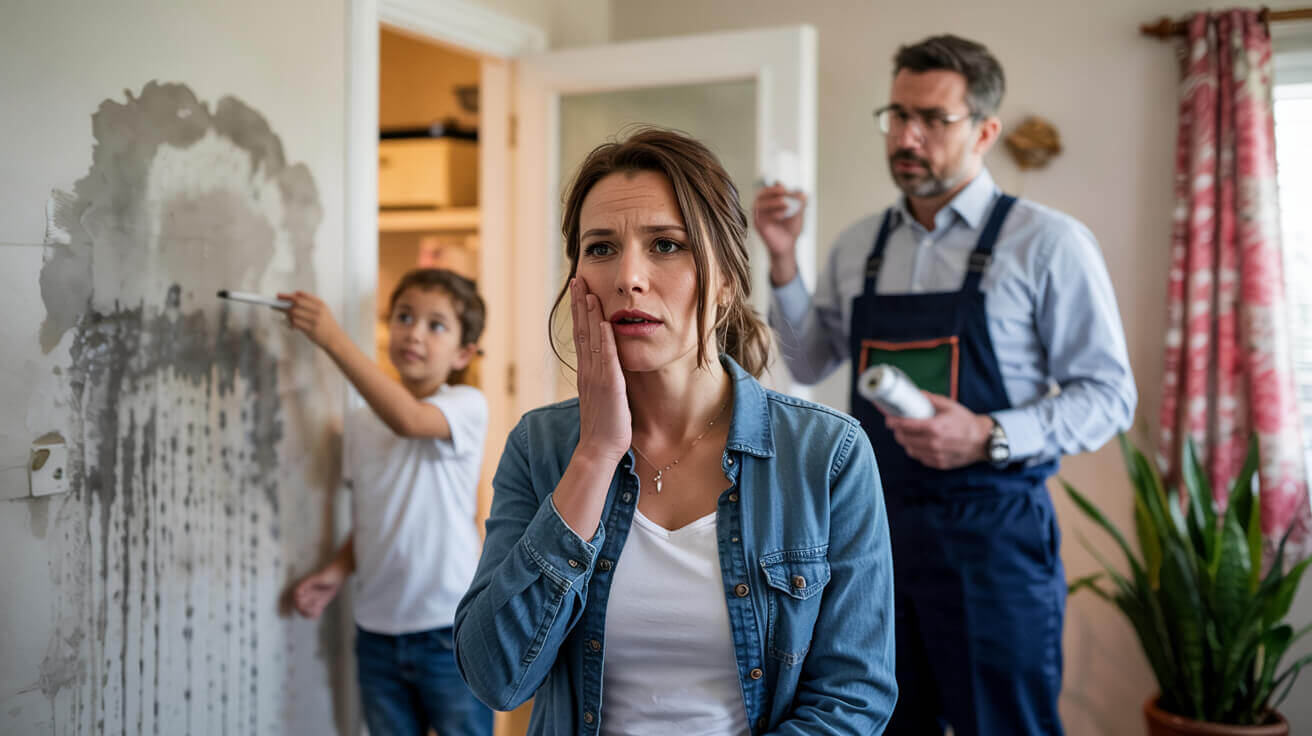

Author
Izzy Schulman

Social landlords and housing teams are under pressure to manage damp and mould complaints, protect residents, and stay inside Awaab’s Law timelines. When cases reopen, drift between teams, or lack evidence, you carry avoidable risk across governance, repairs, and resident relations.
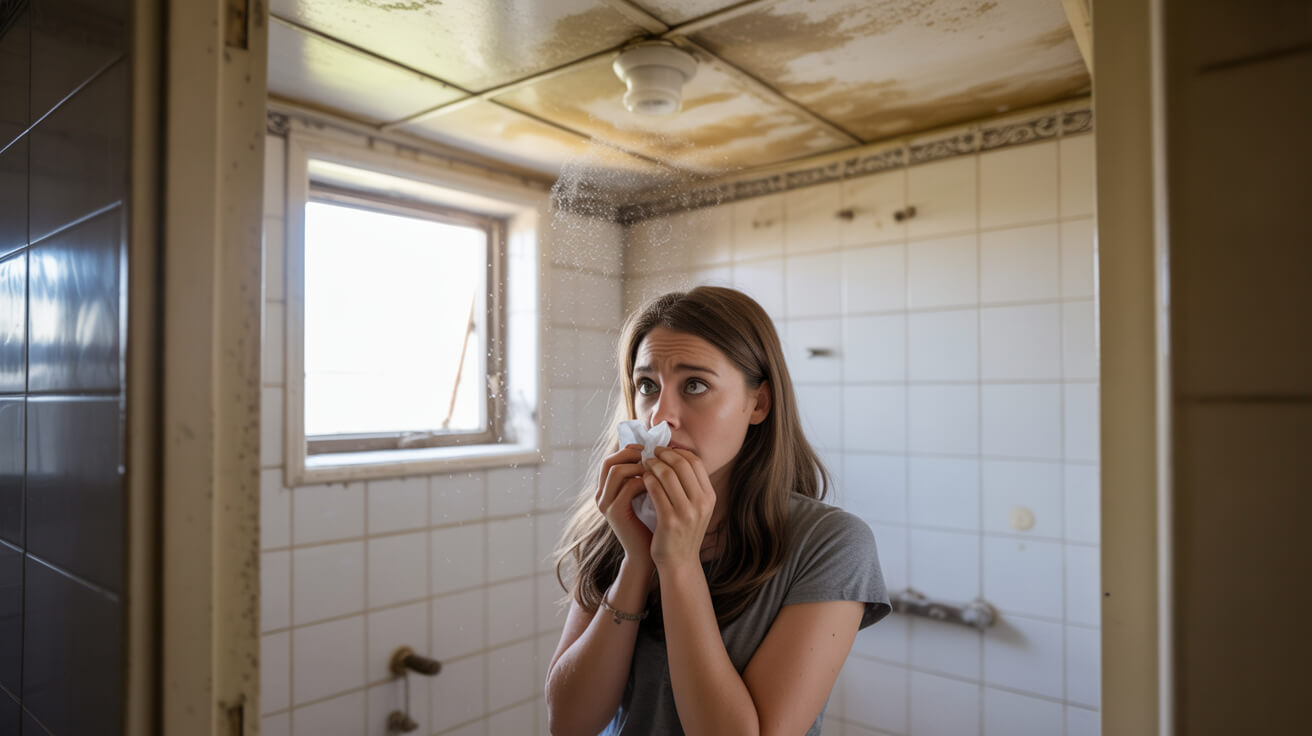
A structured damp and mould PPM service gives you one controlled pathway from first report to verified close-out. With All Services 4U, you gain root-cause investigations, a coordinated damp survey, remediation, and audit-ready reporting that align legal clocks with practical field delivery, so your teams can run a safer, more defensible service.
- Clear root-cause surveys and written damp findings
- Coordinated remediation aligned with legal and internal timelines
- Audit-ready evidence files for complaints, boards and regulators</p>
Need Help Fast?
Locked out, leak at home, or electrical issue? All Services 4 U provides 24/7 UK locksmith, plumbing, electrical.
Testimonial & Clients Who Trust Us
With 5 Star Google Reviews, Trusted Trader, Trust Pilot endorsements, and 25+ years of experience, we set industry standards for excellence. From Dominoes to Mears Group, our expertise is trusted by diverse sectors, earning us long-term partnerships and glowing testimonials.





Worcester Boilers

Glow Worm Boilers

Valliant Boilers

Baxi Boilers

Ideal Boilers

Who This Applies To Now — And Where Landlords Often Get the Scope Wrong
You need scope clarity before you buy, brief, or report against the wrong legal standard.
If you manage social housing tenancies in England, Awaab’s Law demands a response model that can investigate hazards quickly, make safe where required, communicate clearly, and evidence every step. If you manage private rented stock, the same operating discipline still reduces habitability risk, complaint friction, and disrepair exposure, but you should not present it as the same statutory regime.
That distinction matters because damp and mould is no longer just a repairs issue. It cuts across housing management, surveying, contractor control, resident communication, and governance. If your teams use different definitions of “response”, “completion”, or “closed”, your file starts to drift before the clock does.
A proper damp and mould PPM service gives you one route from first report to verified close-out. You get clearer ownership, fewer repeat failures, better resident updates, and a stronger audit trail if a complaint, board review, lender query, or regulator challenge follows.
All Services 4U helps you turn guidance into a working service model instead of another policy document. If you need a damp and mould pathway your repairs, housing, and compliance teams can actually run, this is the point to test fit.
What the 24-Hour, 48-Hour, 7-Day and 14-Day Duties Mean in Practice
You need to separate legal maximums from the internal milestones that keep your team inside them.
What is a legal clock
If you manage social housing, emergency hazards sit on a 24-hour make-safe route, and damp and mould cases need a fast, documented investigation and action pathway once you are aware of a potentially serious hazard. In practice, many teams use “14 days” as shorthand for the early investigation and written findings stage, but that only works if your file shows what happened, when it happened, and why.
What should be an internal control point
The 48-hour and seven-day points work best as management controls, not soft intentions. By 48 hours, you should know whether the case has been triaged correctly, whether vulnerability or safeguarding factors increase urgency, and whether inspection capacity is locked in. By day seven, you should know the likely root cause, what interim measures are in place, and whether remediation can be delivered inside the live timetable.
What good control looks like
You stay compliant when the sequence is controlled: report logged, risk triaged, resident contacted, inspection completed, findings issued, works instructed, and outcome verified. If any one of those steps sits in a generic queue or an unowned inbox, your timeline becomes difficult to defend.
A practical way to hold that line is to run one case clock, one accountable owner, and one evidence file from day 0. That gives you a way to prove action order, not just final activity.
Why Reactive-Only Damp & Mould Repairs Keep Reopening the Same Risk
If you rely on reactive-only delivery, you usually clear the symptom faster than the cause.
Symptom treatment is not resolution
A mould wash, stain block, or redecoration visit can make a wall look better without proving the moisture source was fixed. If the real issue is a leak, cold bridge, failed extract, poor heating performance, or a building fabric defect, the case often comes back under a new job number while the same resident is still living with the same unhealthy condition.
Handoffs waste the clock
Your clock slips when ownership fragments. The call handler logs the issue, housing speaks to the resident, a surveyor attends, one contractor treats the surface, another waits for approval, and nobody owns the whole chain. That is how you end up with attendance but not resolution, updates but not clarity, and completion notes that do not survive scrutiny.
The wrong KPIs hide the problem
If your reporting rewards attendance, completion, or volume cleared, you can look busy while recurrence stays high. A better operating view tracks elapsed time, repeat episodes, verified close-out, resident communication, and how often cases reopen after “completed” works.
This is where planned preventative maintenance changes the outcome. PPM gives you a way to spot recurring building defects, repeat block patterns, and known moisture risks before they become the next urgent case.
What a Compliant Damp and Mould Response Service Must Include
A compliant service needs governance, field delivery, and evidence working as one system.
Governance and triage
Start with a written pathway that names roles, escalation routes, decision rights, and the point at which a case counts as make safe, investigated, remediated, and verified closed. Your intake should capture symptoms, location, household vulnerability, previous episodes, access issues, and immediate risk at first contact, not later when the case is already drifting.
Inspection, resident updates, and remediation
Your inspection standard should go beyond visible mould and test likely causes. Resident communication also needs to sit inside the service, with written findings, next steps, and updates at each milestone. A good service does not blame the resident, bury technical uncertainty, or leave housing officers to improvise messages after the surveyor has left.
Evidence, QA, and reporting
Mandatory records should capture date-stamped actions, findings, photos, works ordered, works completed, and reinspection results. Management reporting should then show open clocks, overdue actions, recurrence, and exception themes, because a policy without live assurance is only half a control.
If you want to see where your current process breaks under pressure, All Services 4U can review your intake, inspection, contractor, and reporting route against a 14-day-ready operating model.
How the Operating Model Works From First Report to Verified Close-Out
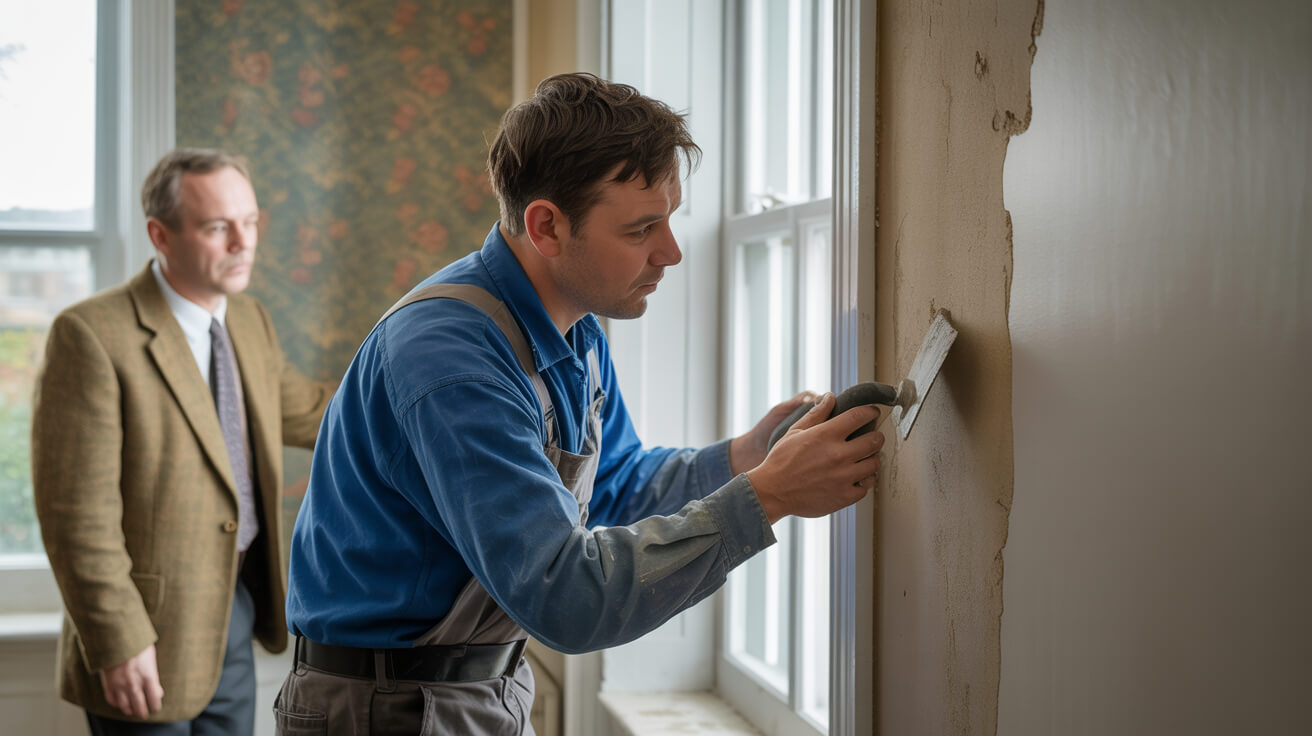
You need a front-to-back workflow that removes delay at every handoff.
Day 0 intake
The case starts with one structured report, one owner, and one risk-based priority. Your team should log the address, affected rooms, symptoms, household needs, previous history, access constraints, and any immediate health or safety concerns in one place. That creates the basis for fair prioritisation and stops the same resident having to repeat the same problem to multiple teams.
Inspection and decision
The inspection should test source, severity, and urgency. That means checking for leaks, thermal issues, ventilation defects, heating context, condensation patterns, and any evidence that the case is repeating. The outcome should be a written summary of findings, a clear remediation route, any interim safety measures, and an agreed next step for the resident.
Works, verification, and close-out
Remediation should be instructed against the actual cause, not the visible symptom alone. If your inspection on day two identifies a failed extract fan and a leak on day three, your file should show the interim advice, the work instruction, and the follow-up check that proves the room is drying after repair. When works finish, the case should not close automatically. It should move to verification, where you confirm the source was addressed, the environment has improved, and the resident has been told what was done and what happens next if the issue returns.
Step 1
Log the case with risk, vulnerability, and access details.
Step 2
Inspect for root cause and issue written findings.
Step 3
Instruct remediation with clear ownership and deadlines.
Step 4
Reinspect, verify outcome, and close with evidence.
That sequence is what turns a damp complaint into a defensible operating response.
Remediation Capacity, Contractor Coordination and Escalation Before Deadlines Slip
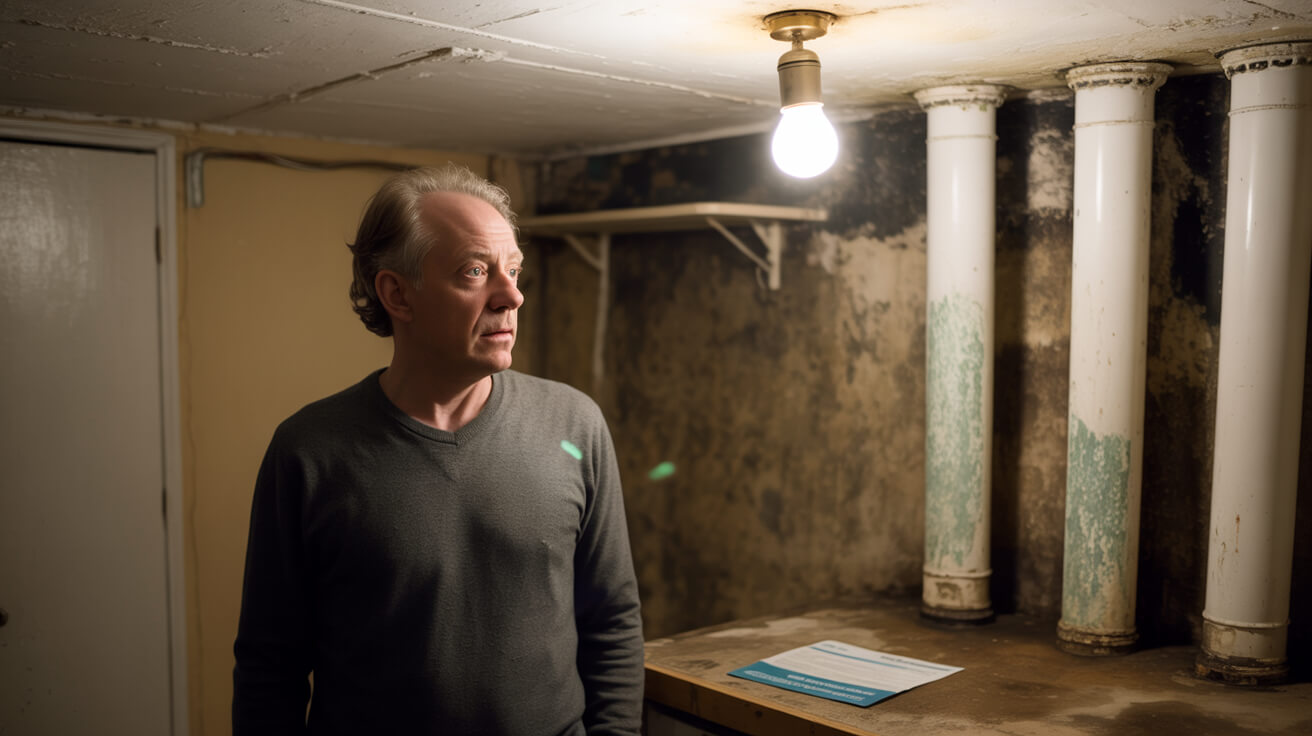
Your timeline is only as strong as the delivery capacity sitting behind it.
Pre-agreed work routes
You should know in advance which damp and mould cases typically trigger roofing, plumbing, ventilation, insulation, joinery, plastering, decorating, or drainage input. If you only start working that out after inspection, you waste the very time your service is supposed to protect.
Escalation before failure
You should not wait until day 13 to discover a blocked case. The stronger approach is to escalate early when there is no access, a parts delay, a specialist dependency, a safeguarding concern, or a contractor miss. That escalation should have named owners and clear authority, so your teams are not arguing about responsibility while the clock keeps running.
Portfolio learning
If the same archetype, block, or defect route keeps appearing, that pattern should not stay trapped at property level. It should feed straight into PPM planning, capital decisions, and stock risk reviews. That is how you stop paying for the same failure twice.
All Services 4U helps landlords build that bridge between day-to-day remediation and longer-term prevention, so you are not switching between reactive firefighting and disconnected planned works.
Accreditations & Certifications








The Audit Trail: What You Need to Prove by Day 14 and Beyond
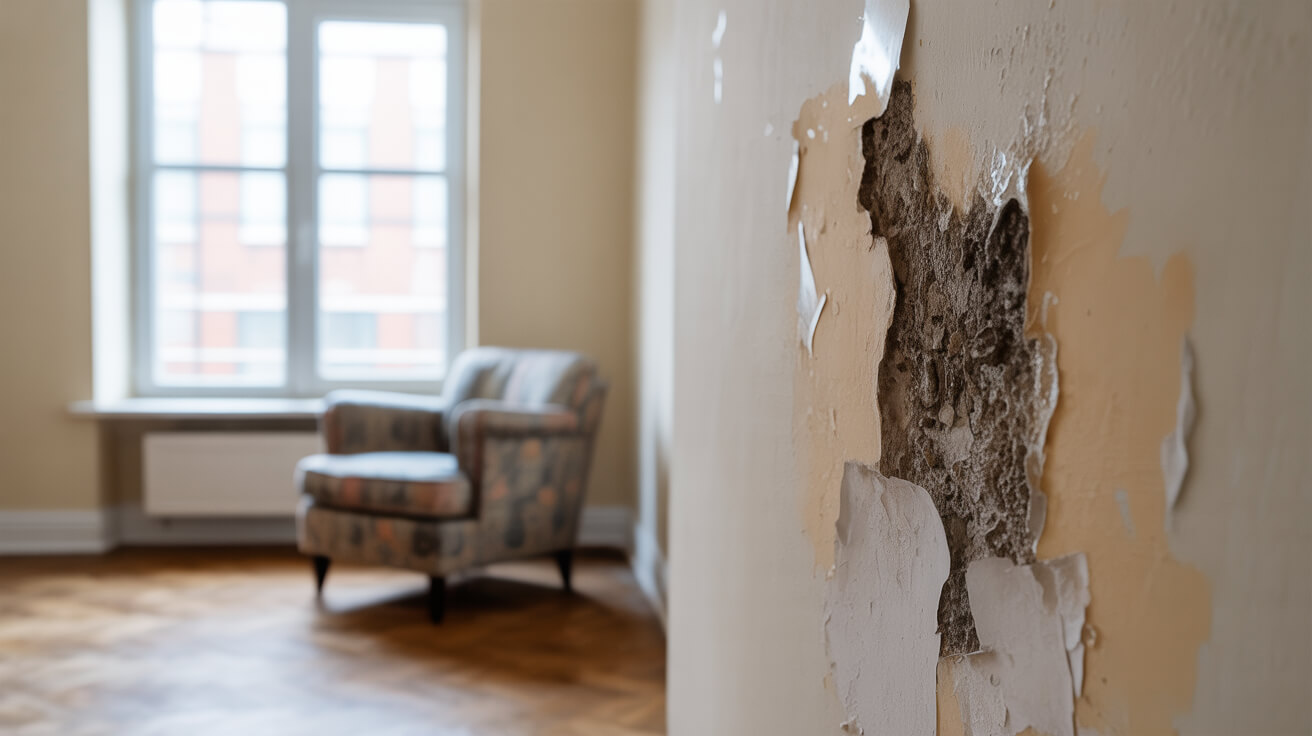
Your case file should prove sequence, adequacy, and outcome rather than just attendance.
What should sit in the file
At minimum, your file should show the original report, awareness date, triage decision, inspection findings, risk notes, resident communications, work orders, completion notes, before-and-after photos, and any follow-up checks. If a case recurs, the records should link back to the earlier episode rather than forcing a new team to rebuild the story from scratch.
What proves closure
Closure means more than “contractor attended” or “surface cleaned”. You need evidence that the underlying cause was addressed, the hazard reduced, and the result was verified after the work. If the case needed interim controls first, your file should show that too, along with why the permanent fix took the route it did.
What boards and reviewers need to see
Your board-level assurance depends on live sampling, not comforting totals. You should be able to show how many cases met target, how many were escalated, where delays occurred, how residents were updated, and whether repeat cases are falling. That is what makes your reporting credible to complaints teams, auditors, lenders, insurers, and governance leads.
A good audit trail also cuts admin later. When your records are structured from the start, you do not have to rebuild the story when scrutiny arrives.
Reliable Property Maintenance You Can Trust
From routine upkeep to urgent repairs, our certified team delivers dependable property maintenance services 24/7 across the UK. Fast response, skilled professionals, and fully insured support to keep your property running smoothly.

Book Your Free Consultation With All Services 4U Today
You can use a short consultation to see exactly where your current damp and mould pathway will hold or fail.
If you already have repairs teams and contractors in place, that is not a barrier. We review the route you already run, identify where time or evidence is being lost, and show you what needs to change first. You leave with a clearer view of ownership, escalation, reporting, and close-out.
If your biggest concern is compliance, we focus on clocks, records, written findings, and verification. If your biggest concern is operational delivery, we focus on triage, survey capacity, contractor coordination, and recurrence reduction. In both cases, your outcome is the same: a service your team can run with more control and less ambiguity.
If you need a lower-friction starting point, we can begin with a gap review, a documented action plan, or a scoped operating model for one scheme or portfolio segment. That gives you a practical baseline without slowing live case handling.
Book your free consultation today.
Frequently Asked Questions
Who needs a damp and mould response PPM service before complaints, claims, or scrutiny start to compound?
A damp and mould response PPM service matters most to landlords and property teams carrying repeat cases, weak closure records, or rising resident pressure.
The highest-risk organisations are rarely the ones with one isolated mould report. They are the ones where the same addresses return, different teams hold different fragments of the story, and no one can show a clean line from complaint to diagnosis to remediation to verified close-out. That is where damp and mould stops being a repairs issue and becomes a governance issue.
In social housing, that pressure is now sharper because Awaab’s Law changes the tolerance for drift, weak triage, and vague ownership. In private residential blocks, build-to-rent portfolios, mixed-use estates, and managed freehold settings, the exposure looks different but still bites. You can still face habitability disputes, complaint escalation, insurer concern, lender hesitation, and avoidable asset deterioration if damp and mould is handled as a series of disconnected jobs.
The case becomes serious long before the board pack says it out loud.
What raises the temperature fastest is not stock age on its own. It is operational fragmentation. Housing logs the complaint. Repairs books a visit. A contractor treats visible mould. A surveyor comments later. Resident contact sits in another system. No one owns the whole pathway. Once that happens, you are not running a controlled service. You are relying on motion to look like control.
That is exactly where a properly structured damp and mould response service changes the picture. Instead of chasing single symptoms, you create one accountable route from intake to inspection, remediation, resident communication, reinspection, and evidence-led closure. If you are the person expected to answer for repeat complaints, complaint handler pressure, insurer queries, or board assurance, a scheme-level review will usually tell you very quickly whether your current route is robust or just busy.
Why do some landlords carry more exposure than others?
Landlords carry more exposure when recurrence, split accountability, and poor evidence sit underneath the visible case volume.
The pattern is usually easy to recognise once you look for it:
- repeat reports in the same stack, block, or archetype
- mould washes completed without clear root-cause testing
- unresolved roof, gutter, leak, or ventilation issues nearby
- resident contact spread across inboxes, portals, and contractor notes
- monthly reporting that counts cases but does not show reopen rates, ageing, or verified closure
The Housing Ombudsman has been consistent on this point: attendance alone is not enough. A file has to show timely action, proper diagnosis, and evidence that the issue was meaningfully addressed. The Regulator of Social Housing has also increased pressure on landlords to show stronger assurance around safety, quality, and resident outcomes. That means volume reporting on its own is no longer persuasive.
For a board director or RMC chair, the risk is assurance failure. For a head of compliance, it is ageing actions and weak control. For a managing agent, it is recurring operational drag. For an insurer or risk surveyor, it is unmanaged deterioration and claim complexity. Different roles see different consequences, but the same service weakness sits underneath all of them.
How do different buyer roles feel the same problem in different ways?
Each buyer sees damp and mould through a different operational lens, but all of them need one thing: controlled case ownership.
A board member wants confidence that the organisation can explain what happened and why. A compliance lead wants clean action tracking, consistent standards, and closure that holds up under scrutiny. A property manager wants fewer repeated jobs, fewer unhappy residents, and fewer cases that never properly die. A resident services manager wants a route that reduces complaint friction rather than feeding it.
A practical example shows the problem clearly. Three flats in one building report mould over winter. One gets a mould wash. One gets a fan replaced. One is recorded as likely lifestyle-related with no further inspection. Six weeks later, two reopen. At that point, the issue is not one room or one operative. It is that your service still cannot distinguish leak ingress, condensation, thermal bridging, occupancy pressure, or ventilation failure in a repeatable way.
That is why capable landlords stop treating damp and mould as an isolated responsive trade issue and start handling it as a property risk with operational controls. If you are already accountable for complaint closure, board reassurance, insurer renewals, or portfolio reputation, a targeted review now is usually safer than waiting for the next escalation to define the service gap for you.
Where should you look first if you suspect the service is weaker than it looks?
Start with repeat addresses, reopened cases, and files that need verbal explanation to make sense.
Those three areas tell you more than broad case volume ever will. If the same homes keep returning, if closures reopen within weeks, or if managers have to explain files verbally because the record does not stand on its own, the service is leaking control.
That is usually the right point to test whether your current damp and mould response is genuinely defensible. If you are responsible for protecting residents and showing credible oversight, that kind of early check is what serious operators do before the pressure becomes external.
What does a planned damp and mould response service control that reactive repairs usually miss?
A planned damp and mould response service controls recurrence, root cause, and closure quality rather than only treating what residents can already see.
Reactive repairs start when mould appears, surfaces stain, or residents complain of damp smells and poor conditions. A planned service starts earlier. It uses repeat case history, stock archetypes, ventilation faults, leak patterns, roof and gutter findings, and previous closure quality to identify where the next problem is most likely to surface. That is the operational difference that saves time, repeat labour, and credibility.
The practical issue is simple. Visible mould is often the last sign in a longer chain. If your service only funds the final symptom, you keep buying the same failure in smaller pieces. One visit treats the surface. Another checks the fan. Another responds to a resident update. Later, a surveyor is asked to diagnose what should have been understood much earlier. The organisation spends more and learns less.
The Royal Institution of Chartered Surveyors has long linked planned maintenance to preserving asset condition and reducing avoidable deterioration. Damp and mould belongs in that mindset. The Building Research Establishment has also repeatedly highlighted how building defects, moisture pathways, and ventilation weakness interact in ways that reward diagnosis over assumption. In plain terms, if you keep responding room by room without pattern recognition, you will keep paying for recurrence.
That is where All Services 4U should be judged as a service model, not just a contractor name. The real value is not a single attendance. It is evidence-led case control, property-level pattern recognition, and one accountable route from investigation through remedial delivery to verified close-out.
Why does the reactive model usually fail under pressure?
Reactive handling fails when teams confuse visible improvement with durable resolution.
A mould wash can improve appearance. It does not prove the extract rate is acceptable, the leak source is resolved, the thermal bridge is understood, or the household will not face the same conditions again. Once a landlord starts marking work complete because something looks better, the service stops reducing risk and starts disguising demand.
This is the real operational split:
| Area | Reactive repairs | Planned response service |
|---|---|---|
| Trigger | Report after visible issue | Report plus known building and recurrence signals |
| Focus | Immediate symptom | Root cause and repeat-risk reduction |
| Ownership | Job-based | Case-based |
| Closure | Work completed | Outcome checked and evidenced |
| Learning | Limited | Fed into planning and stock action |
That case-based approach matters because the Housing Ombudsman has repeatedly criticised symptom-led responses that do not resolve the underlying condition. A planned damp and mould response service is not extra theory. It is a practical way to stop the same homes re-entering the system through different doors.
How does planned control help when repairs teams are already stretched?
It helps by removing avoidable repeat work, not by layering admin onto already stretched teams.
This is where some landlords hesitate. They assume planned control means more forms, more meetings, and more delay. Poorly designed systems can do that. Well-designed ones do the opposite. If you know which blocks have recurring extract failure, which roof lines produce seasonal ingress, which house types generate cold bedrooms, and which closure patterns regularly reopen, you can target effort instead of scattering it.
Imagine a block with six mould reports over one winter. In a reactive model, six jobs are raised and closed. In a planned model, those cases trigger one wider review of ventilation performance, roof condition, thermal pattern, and closure quality. The second route asks for more discipline and less repeat waste.
If you are the maintenance coordinator or property manager carrying those repeat visits, the best next step is rarely a full-portfolio redesign. It is usually a patch-level recurrence review that shows where planned intervention will remove pressure fastest. That is the kind of low-drama, high-control move that strong operators make.
What should a planned service include in practice?
It should include triage, inspection logic, remedial coordination, resident-safe communication, reinspection, and recurrence reporting.
If any one of those elements is missing, the service weakens quickly. A useful delivery model should be able to show:
- how complaints are triaged and prioritised
- how likely root causes are distinguished
- how vulnerable households are handled
- how remedial actions move without losing ownership
- how closure is verified rather than assumed
- how repeat cases are reviewed by address, block, and archetype
That is what turns damp and mould from recurring noise into a managed property risk. If you are already reporting on complaints, reopens, or resident dissatisfaction, that level of control is not a luxury. It is the safer operating standard.
How should the first 14 days after a damp and mould report be structured if you want control instead of drift?
The first 14 days should operate as a staged case-control window with named actions, visible decisions, and recorded resident protection.
The biggest mistake is treating the first 14 days like one vague countdown. Strong landlords do not wait until the end of the period to see whether anything meaningful happened. They break that period into control points that prove what was reported, what risk was identified, what action was taken, and what still needs to happen next.
That matters because a case can look active and still be weak. A visit on day 10 does not help much if the notes are thin, the cause remains unclear, and the resident has no coherent update. The real test is not whether someone attended. It is whether the case moved toward a defensible diagnosis and a controlled route to remediation.
Government damp and mould guidance has reinforced the need for prompt, resident-focused action with clear records. In practice, landlords that manage this well treat the first 14 days as a mini-operating framework. There is a route for intake, vulnerability, inspection, interim action, ownership, and communication. There is also a route for exceptions. That is what keeps the case from drifting between teams.
What should be visible by day 0, day 7, and day 14?
Day 0 should secure the facts, day 7 should confirm the route, and day 14 should show real progress with ownership.
A simple milestone model works well because it makes drift easier to spot.
| Point | What should be visible | Why it matters |
|---|---|---|
| Day 0 | report logged, vulnerability checked, triage completed | weak intake causes weak cases |
| Day 7 | inspection completed or clearly exceptioned | shows movement toward diagnosis |
| Day 14 | action plan, owner, resident update, interim measures | proves control rather than delay |
This is usually where the service reveals its real quality. Day 0 fails when teams capture the mould but not the wider context. Day 7 fails when an inspection happens but produces no clear route. Day 14 fails when there is movement but no coherent position. “Awaiting contractor notes” is not a controlled case. “Inspection completed, likely condensation with failed extract, temporary treatment authorised, resident updated, reinspection booked” is much stronger.
If you are the person responsible for complaint closure rates or compliance assurance, a 14-day pathway review is often the fastest way to see whether the service can survive challenge.
How should ownership work inside those first 14 days?
Different functions can act within the case, but one named owner still needs responsibility for where it goes next.
Call handlers and resident liaison teams should capture the intake properly. Surveyors or technical inspectors should separate likely causes from guesswork. Repairs should route urgent containment and remedials. Compliance or service leads should check that the case has not stalled between teams. But unless one person or function owns the sequence, the workflow still leaks.
That is where many services quietly fail. The resident calls. A visit is booked. A contractor attends. The visible mould is treated. A survey is arranged later. The resident hears little in between. The diary looks busy, but nobody can explain the case cleanly. That is exactly the kind of avoidable ambiguity that pushes cases into complaint escalation.
All Services 4U should therefore not be bought as isolated attendance capacity. It should be tested on whether it can support or run a complete case pathway with clear ownership, proper evidence standards, and resident-safe communication from day one.
Why do the first 14 days often decide whether the rest of the case becomes harder?
Because weak intake and weak early ownership create the delays, confusion, and reopened cases that become expensive later.
The early record sets the tone for the whole file. If the report date is unclear, the vulnerability flag is buried, the likely cause is vague, and ownership is split, the organisation spends the rest of the case recovering control. If those foundations are strong, even technically difficult cases are easier to defend because the record shows that the landlord understood the risk and acted with purpose.
If you are already carrying overdue actions, resident pressure, or repeated complaint reopenings, that is the moment to take a lower-friction next step: review one scheme, one patch, or one high-volume archetype and test whether the first-14-day route is working the way your board assumes it is.
What evidence should a landlord hold if a damp and mould case is challenged by residents, boards, insurers, or legal advisers?
A landlord should hold one connected case record that proves what was reported, what was found, what was done, and why closure was justified.
The file has to do more than show activity. It has to show logic. That means a third party should be able to follow the case without verbal reconstruction. When cases fail under scrutiny, the problem is usually not that nothing happened. It is that the organisation cannot show how the decision trail actually worked.
That is why scattered evidence is risky. Survey notes in one platform, photos in another, resident contact in inboxes, contractor updates in a separate portal, and closure decisions made verbally do not create assurance. They create uncertainty. Once a complaint escalates, uncertainty is what external reviewers notice first.
The Information Commissioner’s Office is not a housing regulator, but its accountability principle still applies cleanly here: if you cannot demonstrate how decisions were made and recorded, your governance position weakens. In damp and mould work, that means records need sequence, ownership, and reasoning, not just file volume. The Housing Ombudsman has also made clear that files need to show meaningful action, not just a trail of attendance.
What should always appear in a defensible damp and mould file?
A defensible file should show the report, the triage, the diagnosis, the actions, the resident contact, and the outcome check.
At minimum, the file should usually contain:
- original report details and report date
- vulnerability or safeguarding markers where relevant
- triage notes and priority route
- inspection findings with root-cause reasoning
- before-and-after photographs
- work orders and contractor completion details
- resident contact records and access attempts
- reinspection result or clear verified close-out note
That baseline allows someone outside the original team to understand the case properly. If a resident reported bedroom mould, the file should show whether the working conclusion was leak ingress, condensation, thermal bridging, failed ventilation, or another cause. It should then show what was done, who owned the next steps, and what evidence supported closure.
Why do some well-populated files still collapse under challenge?
They collapse when the documents exist but the file still cannot explain the case in one coherent story.
This happens often. A file may contain contractor notes, photos, survey comments, and emails, yet still fail because the logic does not align. One note says “mould treated.” Another says “possible ventilation issue.” Later, the resident reports recurrence. If the file cannot show why one decision followed the next, the evidence starts looking defensive rather than controlled.
A strong close-out note should therefore do more than say the work is complete. It should explain why the case is being closed, what changed, what was checked, and what the next route would be if symptoms returned. That protects the resident, the manager, and the organisation.
If you are responsible for insurer readiness, complaint handling, or legal defensibility, this is where structured case-file templates and evidence-led close-out standards repay effort very quickly.
How should evidence work differently for boards, operations, and challenge teams?
Boards need assurance, operations need continuity, and challenge teams need a file that survives scrutiny without repair.
Boards want to know whether the organisation can show control across a portfolio, not just in isolated files. Operations teams need enough clarity that another manager can pick up the case and know what happened without guesswork. Complaints, legal, and tribunal-facing teams need a file that can survive challenge without emergency reconstruction.
A practical test works well here. Give the file to someone outside the original chain. If they cannot explain the issue, the cause, the action taken, and the reason for closure without extra narrative from staff, the evidence standard is weaker than it should be.
That is why All Services 4U should be positioned around insurer-grade record keeping, case-based ownership, and verified closure rather than just task completion. For buyers in regulated or high-scrutiny settings, that service model is often what separates reassurance from repeat exposure.
Why do repeat damp and mould cases keep coming back, and how can you reduce them without exhausting repairs teams?
Repeat damp and mould cases keep coming back when landlords treat every new report as isolated demand instead of seeing the building and service pattern behind it.
That is the trap. Teams see more reports and assume they need more activity. More visits. More cleans. More inspections. More contractor notes. More follow-ons. The workload grows, but the same homes still reappear. The better response is not simply more throughput. It is better targeting, stronger diagnosis, and closure that actually holds.
This is where planned maintenance logic changes the outcome. Instead of waiting for each room to fail one by one, you use recurrence history, ventilation faults, unresolved leaks, roof and gutter findings, stock archetypes, and previous close-out weakness to identify where the next complaint is most likely to surface. That approach protects repairs capacity because it removes avoidable loops.
The Building Research Establishment and sector good practice have long supported the idea that moisture and mould should be understood through building performance, maintenance condition, and occupancy context together. Once you ignore that interaction, the same defects keep coming back through different doors.
Which homes or blocks should be reviewed before the next live complaint arrives?
Homes with repeat history, known defect patterns, or weak prior close-out should be reviewed before they generate more active demand.
That usually includes:
- homes with damp and mould reports in the last 12 to 24 months
- blocks with recurring roof, leak, drainage, or ventilation issues
- stock types known for cold spots or weak thermal performance
- previous cases closed without reinspection
- households where access or vulnerability complicates the route
This is not about labelling residents. It is about identifying property and service patterns early enough to act intelligently. If three similar flats in one stack show the same bedroom mould pattern, that is rarely coincidence. It is a signal.
If you are accountable for keeping repeat demand down without increasing staffing pressure, that kind of recurrence mapping is often the lowest-friction first move.
What changes usually reduce recurrence fastest?
The quickest gains usually come from fixing unresolved causes, improving closure quality, and treating archetypes as patterns rather than isolated cases.
A few interventions tend to shift the numbers most clearly:
| Focus | What improves | Why recurrence drops |
|---|---|---|
| leak completion | hidden moisture source is fully resolved | same water path stops returning |
| ventilation checks | fans and airflow are tested, not assumed | condensation risk falls |
| close-out standard | reinspection catches weak closures | cases do not quietly reopen |
| archetype review | similar homes are grouped and assessed | pattern failure is tackled once |
| recurrence reporting | reopened cases are visible by cause | planning improves with evidence |
The hidden danger is counting reopened cases as brand-new work. Once that happens, the service starts believing it has a volume problem when it actually has a control problem.
How does this reduce pressure rather than create more process?
It reduces pressure because one durable fix is always cheaper than several disconnected attendances that still fail to close the issue.
A repair that truly removes the cause and closes properly is less expensive than three separate visits that never settle the underlying condition. That is why stronger recurrence control helps overloaded teams. It gives them fewer loops, fewer revisits, and less complaint friction.
A realistic example is a patch with recurring mould where current closures rely mainly on contractor notes. Adding a reinspection rule for higher-risk cases, combined with a monthly review of repeat addresses and failed ventilation jobs, often shows why the same homes keep returning. That is not process for its own sake. It is a way to recover wasted time.
If you are managing high repeat volumes now, a patch-level recurrence review, ventilation-led exception review, or stock archetype check is usually a safer next step than simply pushing for more attendance. That is where practical operators start when they want repeat pressure to fall for real.
How much should a landlord buy, where should scope stop, and when should specialist damp and mould escalation begin?
A landlord should buy a complete damp and mould operating pathway, but specialist escalation should begin as soon as diagnosis, risk, or building complexity moves beyond routine repair logic.
This is the missing commercial question in many procurements. Buyers often know they need help, but they are less clear on what should sit inside the core service and what should trigger a specialist route. That uncertainty creates weak specifications, vague pricing, and avoidable disagreement after award.
A credible damp and mould response service should not be priced or procured as “some inspections plus some remedials.” That is how landlords end up buying fragments. The safer route is to define what the core pathway includes, where technical escalation starts, and what evidence each step must generate. That gives you cleaner governance, more predictable cost control, and fewer disputes about responsibility later.
This matters most in BOFU buying because late-stage buyers are not just asking whether a supplier can attend. They are asking whether the service model will stand up under resident challenge, board scrutiny, insurer review, and implementation pressure. That is where All Services 4U needs to show that the route is controlled from intake to remediation, while still being honest about where external specialists, structural engineers, fire engineers, or environmental testing may be required.
What should sit inside the core damp and mould response service?
The core service should cover intake, triage, inspection, remedial coordination, resident updates, evidence capture, and verified close-out.
That core usually includes:
- complaint intake and priority triage
- vulnerability-aware case handling
- inspection with root-cause assessment
- routine remedial coordination
- contractor and resident communication management
- reinspection or outcome verification
- recurrence and exception reporting
That scope gives buyers operational control without pretending every case can be solved through routine attendance alone. The commercial value comes from one accountable route, not just a list of site visits. If you are the buyer expected to defend spend to a board, insurer, or procurement panel, that distinction matters.
When should a case move into specialist escalation?
Escalation should begin when root cause is unclear, risk is elevated, recurrence continues, or the building defect sits outside routine responsive repair.
A case should usually step up when you see:
- repeated failure after reasonable remedial attempts
- likely structural, roof, façade, or thermal-bridge complexity
- unclear distinction between condensation, ingress, and defect
- high-risk household vulnerability
- legal complaint, ombudsman, or insurer sensitivity
- wider block pattern rather than one isolated home
The mistake is delaying escalation because teams hope one more visit will settle the case. In reality, weak escalation thresholds create cost drift. A landlord pays repeatedly for low-level attendance while the real issue remains unresolved.
A commercially stronger model is to make thresholds explicit in the specification. That allows the supplier to act early, the client to approve clearly, and the evidence trail to stay coherent.
How should pricing and mobilisation be judged at buying stage?
Pricing should be judged against control, evidence quality, and recurrence reduction, not simply attendance cost.
A low visit rate can become expensive very quickly if it produces weak diagnosis, repeat work, and poor closure. A more credible commercial model links service value to pathway control.
| Buying area | What good looks like | What weak buying looks like |
|---|---|---|
| scope | full pathway with escalation rules | visits only, no ownership clarity |
| pricing | transparent core service plus defined specialist triggers | unclear extras and reactive variation drift |
| mobilisation | templates, dashboards, routes, named owners | live launch with unresolved process gaps |
| governance | monthly recurrence, ageing, and exception review | volume reporting only |
A sound first 30 days should include role mapping, evidence templates, reporting rules, escalation thresholds, and one live review rhythm. If those basics are still unclear after award, the service is likely to drift.
That is the right point for a practical next step. If you are buying on behalf of a board, managing agent, housing provider, or investor, start with a gap review, pilot scope, or scheme-level diagnostic that tests where your current route breaks, what should sit inside the core service, and where specialist escalation needs to begin. That is usually how careful landlords buy with confidence rather than buying twice.
- Who This Applies To Now — And Where Landlords Often Get the Scope Wrong
- What the 24-Hour, 48-Hour, 7-Day and 14-Day Duties Mean in Practice
- Why Reactive-Only Damp & Mould Repairs Keep Reopening the Same Risk
- What a Compliant Damp and Mould Response Service Must Include
- How the Operating Model Works From First Report to Verified Close-Out
- Remediation Capacity, Contractor Coordination and Escalation Before Deadlines Slip
- The Audit Trail: What You Need to Prove by Day 14 and Beyond
- Book Your Free Consultation With All Services 4U Today
- Frequently Asked Questions
- Related PPM Services
Case Studies


Related Articles

Your Guide To Identifying And Treating Minor Mould Outbreaks

Why Planned Preventative Maintenance (Ppm) Saves Money And Ensures Compliance