Insurance Evidence Pack PPM Services for Landlords – Claims Support & Conditions Precedent
Landlords, managing agents and property owners who need stronger insurance claim support can use All Services 4U’s insurance evidence pack and PPM services to present a clear, defensible position. We organise your PPM schedules, certificates, inspections, remedials and incident timelines into one insurer-ready file, based on your situation. By the end, you hold a structured pack that maps records to policy clauses and conditions precedent, supporting your broker and loss adjuster with consistent evidence agreed in scope. Exploring this service now helps you protect claims, renewals and property value with clearer documentation.



Author
Izzy Schulman

For landlords and managing agents, scattered maintenance records can turn a straightforward loss into a slow, contested claim. Insurers and loss adjusters want clear proof of inspections, servicing, remedial works and policy compliance before they move decisions forward.

When those records sit in inboxes, contractor portals and paper files, you face delays, questions and avoidable risk. A structured insurance evidence pack, built around your PPM activity and conditions precedent, turns everyday property care into organised proof that supports claims, renewals and governance.
- Stronger position when insurers question claim history
- Faster access to the right records during a live claim
- Clear mapping from PPM activity to policy conditions precedent</p>
Need Help Fast?
Locked out, leak at home, or electrical issue? All Services 4 U provides 24/7 UK locksmith, plumbing, electrical.
Testimonial & Clients Who Trust Us
With 5 Star Google Reviews, Trusted Trader, Trust Pilot endorsements, and 25+ years of experience, we set industry standards for excellence. From Dominoes to Mears Group, our expertise is trusted by diverse sectors, earning us long-term partnerships and glowing testimonials.
Worcester Boilers

Glow Worm Boilers

Valliant Boilers

Baxi Boilers

Ideal Boilers

What an Insurance Evidence Pack Means in Plain English
An insurance evidence pack is a single, organised file that shows how you look after your buildings and how you respond when something goes wrong, turning loose paperwork into a clear story an insurer or loss adjuster can follow quickly.
Instead of scattered certificates, emails and job sheets, you hold one coherent view of which assets you maintain, what was inspected or serviced, what was found, what was fixed, and when.
In practice, your pack usually pulls together four strands:
- policy wording and key clauses about inspections, security, heating, vacancy and notification,
- your planned preventive maintenance (PPM) schedule for the systems that drive most claims and survey questions,
- day‑to‑day records showing inspections, tests, servicing and remedial works actually happened, and
- a short chronology for any incidents, from first report through to reinstatement.
All Services 4U’s role is to turn the maintenance and compliance work you already fund into an insurer‑ready evidence pack, so you, your broker and any loss adjuster see the same picture without a long reconstruction exercise.
Why Landlord Claims Often Stall on Evidence, Not the Incident
A genuine loss can still slow down or become contentious if you cannot show, on paper, that you took reasonable care before and after the event. Problems usually come from the story your records tell, or fail to tell, rather than from the incident itself.
Where genuine losses get questioned
When an insurer reviews a claim, they look beyond “fire, leak, theft or storm happened” and drill into three angles:
- whether the loss was sudden or the end of a long‑running problem,
- whether you followed the policy and basic risk‑management expectations, and
- whether neglected maintenance or unresolved defects made the damage worse.
Thin, undated or inconsistent records can make a burst pipe look like seepage, a storm loss look like a tired roof, and a theft look like weak security rather than bad luck. You can end up debating history instead of moving the claim forward.
How scattered records slow everything down
Even when you hold the right records, scattered storage creates friction. Gas safety certificates may sit with one contractor, electrical reports with another, roof photos in an inbox, and fire alarm logs in a site book.
During a live claim you or your managing agent are then forced to:
- track down documents across inboxes, portals and paper files,
- match them to the right property, flat or plant item, and
- show that defects found in earlier inspections were actually fixed.
All of that reconstruction lands during pressure, while the insurer is already asking for timelines, root causes and proof that conditions were met.
Why this matters beyond a single claim
Weak evidence does more than slow one claim. It can:
- make renewals harder because you struggle to answer underwriting questions cleanly,
- unsettle lender or valuation comfort for refinances and disposals, and
- leave boards, RTM directors or investors relying on verbal assurance instead of hard proof.
A structured evidence pack protects claim outcomes, property value, access to finance and governance confidence.
What “Conditions Precedent” Usually Mean for Property Owners Policies
Conditions precedent sound technical, but for you they are a blunt test: you either did what the policy required and can show it, or you did not.
Plain‑English view of conditions precedent
A condition precedent is a clause that has to be satisfied before the insurer is obliged to pay for a particular loss. In landlord policies, typical examples include:
- alarms to be set and maintained in working order,
- specified inspections or servicing at defined intervals,
- particular actions during unoccupied periods (heating, drain‑downs, inspections), and
- prompt notification of incidents.
If you breach a true condition precedent, the insurer may argue that cover for that loss never attached. Your position is much stronger when you can drop clean, dated evidence on the table and show you did what you agreed.
Clauses that usually rely on maintenance evidence
The clauses that most often intersect with PPM and records are:
- electrical and gas safety requirements,
- fire detection, alarm and emergency lighting regimes,
- water hygiene controls where relevant,
- roof, gutter and drainage inspections,
- security, locking and alarm conditions, and
- vacancy and inspection rules for empty units.
Each needs a predictable source of dated evidence, not just comfort that you generally keep on top of things.
Turning wording into an evidence plan
A practical approach is to map each relevant clause to:
- the specific assets it touches (for example, which risers, panels, boilers, roofs),
- the schedule that controls inspection or servicing, and
- the records that prove attendance, findings and remedials.
Once that map exists, you see where your pack is strong, where it is thin, and where you need to tighten PPM or record‑keeping before a loss or survey tests your position.
What an Insurer‑Ready Landlord Pack Should Contain
An insurer‑ready pack is less about clever software and more about uncompromising structure. You are building a file that lets any reviewer understand your approach quickly and in a repeatable way.
Core documents and structure
Robust packs typically include:
- policy wording and endorsements, with relevant clauses highlighted,
- an asset list for key systems (fire, gas, electrical, water, roofs, security),
- the PPM schedule showing when those assets are inspected or serviced, and
- a high‑level index explaining which documents speak to which clause or risk.
This gives a reviewer a way to see what lives where before they dive into the detail and reduces repeated requests for the same information.
Evidence that work was done and defects were fixed
Below that index, you need working records:
- work orders or job sheets with property, asset, date and scope,
- inspection and service reports with clear findings,
- certificates and test sheets,
- photos or other visual evidence where they add clarity, and
- records showing that earlier defects were closed out.
In many portfolios, the real weakness is not the inspection record but the missing link between “issue logged” and “issue resolved”. Your pack should make that link obvious.
Chronology someone outside your team can follow
For each significant incident, you also benefit from a short chronology pulling together:
- what happened and when,
- the maintenance and inspection history for the relevant asset beforehand,
- what you did to make the property safe and limit further damage, and
- how and when permanent remedials were completed.
If a loss adjuster, broker or ombudsman can follow that path without repeated clarifications, your evidence pack is doing its job and your negotiation time shrinks.
Which PPM Records Insurers Usually Ask for First
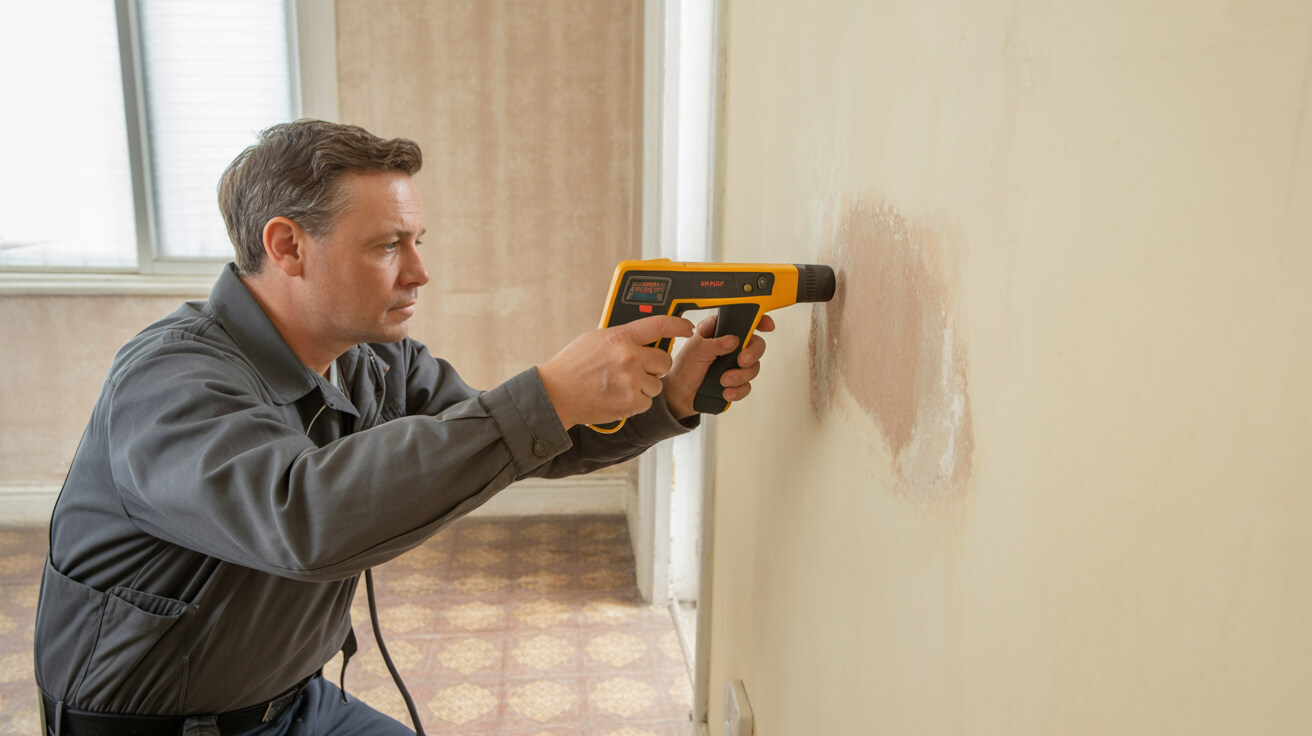
If you cannot cover everything at once, you protect your position fastest by focusing first on the systems that carry the biggest safety, loss and scrutiny load. This is where insurers and surveyors lean in early.
Safety‑critical plant and systems
Insurers and surveyors typically focus first on:
- gas safety records and boiler or plant servicing,
- electrical installation condition reports and follow‑up remedials,
- fire detection, alarm and emergency lighting testing and servicing,
- lifts and lifting equipment where present, and
- water hygiene risk assessments and routine checks where required.
These are the areas where poor upkeep is most likely to be framed as a lack of reasonable precautions. When you can show rhythm and closure here, you change the tone of the conversation.
Building fabric, water and security
Next come the systems that drive frequent claims:
- roof and gutter inspections, including bi‑annual and post‑storm checks,
- drainage and plumbing maintenance, plus leak‑response logs,
- locks, doors, windows, access control and lighting upkeep, and
- alarm maintenance for intrusion and monitored fire alarms where specified.
Here, the aim is to show the building was sound and reasonably secure before a loss, not already failing.
Retention, occupancy and competence
Alongside the technical records, your pack benefits from:
- retention rules that keep key records long enough for claims, renewals and governance review,
- simple logs for vacancy and inspection when units or buildings are unoccupied, and
- proof that critical work was done by appropriately qualified contractors or in‑house teams.
Together, these elements show that you manage risk deliberately rather than by habit or memory.
How the Pack Supports Fire, Water, Theft, and Storm Claims

The same evidence pack works across perils; you simply pull different strands when a particular claim lands. One disciplined structure gives multiple lines of defence.
Fire
For fire, you are usually trying to show that:
- ignition risks such as faulty wiring or unsafe appliances were being managed, and
- protection measures such as alarms, detectors, doors and emergency lighting were kept in working order.
Electrical reports, appliance checks where relevant, fire alarm and emergency lighting logs, and fire‑door or compartmentation records support that position.
Escape of water
For escape of water, disputes often centre on whether the loss was sudden or long‑running. Here you lean on:
- plumbing and plant inspection records,
- any leak‑inspection or monitoring routines,
- logs showing how quickly leaks were isolated and contained, and
- drying and reinstatement records.
This helps separate a one‑off burst from a slow damp problem and shows you moved quickly once you knew about the issue.
Theft and malicious damage
For theft or malicious damage, your pack can show that:
- doors, windows, shutters and locks met appropriate standards and were maintained,
- alarms and lighting, where specified, were in service and tested, and
- vacancy rules about inspections and security were followed when spaces were empty.
Security maintenance records support both the underwriting story and the specific claim, so you are not relying solely on incident reports.
Storm and weather damage
For storm and weather claims, you are normally trying to show that:
- the roof, gutters and rainwater goods were kept in reasonable condition,
- longstanding defects had not been left unresolved, and
- previous storm‑related issues were repaired properly.
Routine roof and gutter inspections, photo surveys and remedial records help distinguish genuine storm damage from simple wear, and that distinction often drives how the claim is treated.
Accreditations & Certifications








What Happens If Records Are Missing — and How Claims Support Is Delivered

You do not need a perfect archive to move into a stronger position for the next claim or renewal. You need to stop letting evidence drift and start building from where you are.
First steps if your file is incomplete
If your current file feels patchy, a practical starting point is to:
- pull together what you already hold across email, shared drives and paper,
- request missing certificates, reports and logs from key contractors, and
- list the main assets and clauses you know will attract questions.
This gives you a baseline without forcing a full rebuild on day one.
How a structured review strengthens your position
From there, a structured review can:
- check dates, addresses, asset references and scope against policy expectations,
- highlight weak records, such as unsigned reports, unclear photos or open remedials,
- propose a simple evidence model that matches your scale and systems, and
- assemble an initial binder and incident chronology for any live or recent claims.
The aim is to give you and your advisers something coherent to work with when a claim, renewal or lender query becomes challenging.
What “good enough” looks like in practice
In many cases, good enough means:
- key safety‑critical and high‑loss systems are covered by current, traceable records,
- incidents from the last few years have at least a basic dossier and schedule of evidence, and
- you know where the main gaps are and have a plan to close them over time.
All Services 4U can own this claims‑support work with you, so your internal teams are not left stitching files together in a hurry when questions are already flying.
Reliable Property Maintenance You Can Trust
From routine upkeep to urgent repairs, our certified team delivers dependable property maintenance services 24/7 across the UK. Fast response, skilled professionals, and fully insured support to keep your property running smoothly.

Book Your Free Consultation With All Services 4U Today
If you are already facing a live claim, insurer query, survey recommendation or renewal, a clean evidence pack becomes urgent and you feel the drag of every missing document and every contractor portal login.
In a short consultation, you can walk through one property, one incident or one policy condition. You see which records you already hold, where the pack is thin, and which clauses or assets are likely to be tested hardest. You also leave with a clear view of what a proportionate, insurer‑ready pack could look like for your situation.
From there, you can ask All Services 4U to:
- run a focused document‑gap review for a single claim or building,
- build a fuller compliance binder for higher‑risk or heavily scrutinised assets, or
- design a simple, repeatable PPM evidence model your teams and contractors can follow.
Stop scrambling for paperwork when a loss or renewal lands; book your consultation now and turn the maintenance work you already fund into claims‑ready proof that protects your properties, your cash and your decision‑makers.
Frequently Asked Questions
What makes a landlord insurance evidence pack good enough to stand up to insurer review?
A good pack lets an insurer verify maintenance, defects, and closeout without chasing your team.
That is the real threshold. A landlord insurance evidence pack does not earn its value from polished formatting or sheer file volume. It earns its value when a broker, adjuster, lender, or board reviewer can see what asset was in scope, what was checked, what was found, and what happened next. If that trail breaks, confidence drops fast.
For most property owners, RTM directors, managing agents, and compliance leads, a defensible pack ties together six things: site identity, asset identity, inspection or service date, findings, remedial action, and current status. RICS guidance on planned maintenance supports that logic because lifecycle planning only works when records connect condition to action rather than leaving documents stranded in separate folders.
A file becomes trustworthy when the next person can follow it without calling you.
This matters commercially, not just operationally. A clean evidence pack helps at claim stage, but it also shapes renewal conversations, reduces broker queries, and gives lenders and valuers more confidence that the building is being managed with control rather than habit. That is the difference between a file that merely exists and a file that protects your position.
Many teams overestimate what “good enough” means. They assume more PDFs equal stronger protection. In practice, a lean indexed file with clear chronology is usually more persuasive than a crowded archive full of certificates, duplicate photos, and vague contractor notes. Insurers are not rewarding document hoarding. They are testing whether your records make sense.
For larger landlords and housing providers, the standard rises slightly. Your file should also show governance discipline: naming rules, asset references, update dates, and visible ownership. For brokers and legal advisers, that same structure matters because it shortens the route from maintenance history to a usable claims narrative. For finance leads, it helps show that operational spend is being translated into protectable asset value.
A practical way to judge whether your current pack is usable is to imagine an external reviewer opening it for the first time during a busy week. Can they understand the risk story in minutes, not hours? If not, the gap is probably not maintenance effort. It is evidence design.
That is usually the point where an evidence-gap review pays for itself. It gives you a cleaner answer than another round of internal email chasing, and it shows leadership that the file can support renewal, claims, and lender scrutiny without turning into a scramble.
Which test should you apply before calling the pack ready?
Ask four direct questions:
- Can a reviewer identify the correct property and asset immediately?
- Can they see when the inspection, service, or callout happened?
- Can they see what was found?
- Can they see whether the issue was resolved, made safe, or left open?
If any answer is no, the pack still needs work.
Which signs show a file is usable rather than simply full?
This comparison usually exposes the issue quickly:
| Weak file | Usable file | Why it matters |
|---|---|---|
| Loose PDFs by contractor | Indexed by site, asset, and risk | Faster review |
| Certificates only | Certificates plus remedial proof | Shows control |
| Mixed labels and addresses | Clear site naming | Avoids dispute |
| No chronology | Short event summary | Supports decisions |
A stronger file does not make your organisation look bureaucratic. It makes your organisation look dependable. That matters when your board wants assurance, your broker wants speed, and your lender wants comfort that the building is still a defensible asset. If you want that standard in place before renewal pressure starts, a structured review of one building or one risk area is usually the cleanest first move.
Which records matter first when a landlord claim goes live?
The first records that matter are the ones linking the failed asset, the policy condition, and your response timeline.
That is where many live claims lose momentum. Teams send broad compliance history when the insurer is really asking a narrower question: was the relevant system maintained, was the loss event identifiable, and did the property team respond reasonably once the issue became known? The Association of British Insurers repeatedly stresses the importance of evidence, mitigation, and prompt action in property claims, and that logic applies here.
In practice, the right records depend on the peril. A fire-related loss may pull in alarm logs, emergency lighting records, electrical reports, fire-door inspections, and an incident chronology. A theft claim may hinge on lock standards, access control, alarm servicing, and vacancy records. An escape of water claim often turns on plumbing history, leak response notes, shut-off actions, drying records, and any earlier warnings. A storm claim often depends on roof and gutter inspections, pre-loss condition photos, and evidence that known defects were not left unmanaged.
The point is not to send everything. The point is to send the shortest clear chain that answers the question being asked. CILA practice supports that kind of attributable, decision-ready evidence because causation and maintenance history are easier to assess when the file is selective and coherent.
That matters to more than the adjuster. Brokers need a pack they can stand behind. Finance teams need a claim trail that supports recovery rather than delay. Legal advisers need chronology. Lenders and valuers may later want comfort that the incident was managed properly and that any underlying risk was not ignored. A live claim file that starts strong reduces anxiety for every stakeholder around it.
A weak process often reveals itself in one sentence: “We know the records exist somewhere.” That usually means the organisation has maintenance history but not claim-ready retrieval discipline. The commercial cost shows up in avoidable questions, longer review cycles, and reduced confidence in the asset management function.
A better method is simple. Start with the event summary, then add the policy-relevant condition trail, then add the maintenance history for the affected asset, then the defects and remedials, then the post-loss response. That sequencing gives the reviewer a narrative they can test quickly.
If your current live-claim process still depends on memory, inbox archaeology, or whichever contractor answers first, that is a sign to tighten your structure before the next incident arrives. A portfolio that wants smoother recoveries and cleaner renewal conversations should treat claims-file assembly as an operating process, not an improvisation.
Which records should you pull first by claim type?
- Fire: alarm records, emergency lighting logs, electrical reports, fire-door records, incident summary
- Escape of water: plumbing records, leak callouts, shut-off notes, drying records, remedial proof
- Theft: lock and alarm servicing, access records, attendance notes, security repairs
- Storm: roof and gutter inspections, condition photos, earlier defects, weather-linked response notes
Which sequence makes a live claim file easier to trust?
A practical live-claim sequence usually works best like this:
| Order | What goes in first | Why it helps |
|---|---|---|
| 1 | Incident summary | Sets context fast |
| 2 | Relevant policy condition | Frames the review |
| 3 | Asset maintenance history | Shows prior control |
| 4 | Defects and remedials | Proves follow-through |
| 5 | Post-loss response actions | Shows mitigation |
If you want fewer follow-up questions and a steadier route through review, this is often the first process worth fixing. It helps your brokers move faster, helps your board see control rather than confusion, and gives your organisation a better chance of looking organised when the claim stops being a maintenance issue and becomes a commercial one.
How should contractor records be organised so they help rather than hinder a live claim?
Contractor records help when they clearly prove attendance, scope, findings, and closeout for the right site and asset.
That sounds basic, but it is exactly where many evidence packs weaken. Contractors send reports in different formats. Site names vary. Asset references are missing. Photos sit in separate emails. Service sheets say “checked system” without saying what was tested, what failed, or whether anything was left outstanding. During ordinary operations, that can be absorbed. During a claim, it becomes expensive ambiguity.
CILA guidance and general claims practice both favour evidence that is attributable, specific, and easy to follow. A record has little value if an external reviewer cannot connect it to a property, a date, and a decision. That is why contractor evidence should be treated as part of a controlled system, not as whatever happens to arrive after a visit.
For property managers and maintenance coordinators, the upgrade is rarely more paperwork. It is one standard. Every contractor record should follow the same minimum evidence rule: identify the building, identify the asset, record the date, state the scope, state the findings, state the immediate action, and state the closeout status. That one change usually improves claim support, renewal readiness, and internal QA in one move.
This matters especially where recurring insurer-sensitive risks sit in the background: fire systems, roofs, drainage, electrical defects, water hygiene, and security hardware. In those areas, vague records can make it look as though your team inspected things without controlling them. That is not just an operational weakness. It can become a commercial weakness when the insurer or broker starts asking whether the organisation really understood its own exposure.
It also matters to lender and valuer audiences, even if they are not the first people reading the file. Clean contractor evidence supports the wider narrative that maintenance is governed, not ad hoc. For legal advisers, it supports chronology. For resident-facing teams, it reduces the number of contradictory explanations after the event. For board members, it helps show that supplier management is producing usable proof rather than just cost lines.
The hidden issue is usually process, not personality. If your team spends more time chasing contractor paperwork than using it, the standard was never defined tightly enough. That is where a supplier evidence protocol or managed review starts to pay off. It turns a maintenance archive into something a third party can trust quickly.
What should every contractor record show as a minimum?
A workable contractor record should include:
- Property or block name
- Asset or system reference
- Attendance date
- Scope of work
- Findings or defects
- Immediate action taken
- Follow-on action or closeout position
Which weaknesses most often undermine contractor evidence?
This is usually where claims support starts to fray:
| Weak record | Why it causes trouble | Better standard |
|---|---|---|
| No block or site reference | Relevance is unclear | Site and asset naming |
| Vague description | Scope cannot be tested | Clear task wording |
| No defect status | Follow-through disappears | Open, safe, or closed |
| No date | Chronology breaks | Attendance date mandatory |
| No named contractor | Accountability weakens | Firm and operative recorded |
If you want a landlord insurance evidence pack that does real work, contractor evidence has to support decisions, not just administration. A supplier standard review, especially across your higher-risk trades, is often one of the quickest ways to make your records more useful to insurers, lenders, legal teams, and your own leadership.
Why do remedial closeout records matter more than inspections alone?
Remedial closeout matters because an inspection proves awareness, while closeout proves control.
That distinction is where many apparently solid files fail. An inspection report, service certificate, or advisory note can show that someone attended and identified an issue. It does not automatically prove that your organisation acted on the risk. If a defect appears repeatedly with no visible closeout trail, the record starts to raise the wrong kind of question: what did you know, and why did the trail stop there?
The Financial Ombudsman Service often turns on chronology and reasonableness in disputes, especially where the file suggests prior knowledge without visible action. That is why closeout evidence carries weight. It shows that diagnosis led to instruction, completion, and, where necessary, confirmation that the issue was actually resolved rather than simply observed.
This matters most in systems that insurers, lenders, and boards already treat as sensitive: fire detection, emergency lighting, electrical defects, roof integrity, drainage, security failures, and persistent damp-related issues. In those areas, repeated advisories with no visible repair trail can weaken your position more than a missing certificate ever could. The organisation begins to look informed but inactive.
That is also why a well-run evidence file needs more than certificates. It needs the chain around them. A strong closeout trail usually includes the original inspection or service note, the defect log, the work instruction, proof of completion, and a follow-up sign-off where the risk justifies one. Health and Safety Executive thinking on risk control supports the same logic: identification is only one part of duty; control is what matters.
Inspection tells you there was a problem. Closeout tells everyone you did something about it.
From a finance or governance perspective, closeout discipline does more than support claims. It makes spend easier to defend. It gives boards clearer assurance. It gives brokers stronger renewal material. It gives legal advisers better chronology. And it reduces the chance that the same issue will drift through multiple reports until it becomes a loss event.
This is also where DIY evidence packs often come unstuck. Teams naturally keep certificates because certificates feel formal. They overlook the instruction email, the remedial attendance note, the completion photo, or the reinspection record. The result looks complete until someone asks the obvious follow-up question.
If your current file is heavy on inspections but light on closure, that is not a minor administrative issue. It is a signal that your process may be documenting awareness better than action. For a landlord, managing agent, or housing provider that wants to look dependable to insurers and lenders, this is one of the fastest gaps to close.
What does a credible closeout chain usually include?
A practical closeout trail looks like this:
- Inspection or service identifies a defect
- Defect is logged against the asset
- Work is instructed with date and scope
- Repair is completed with evidence
- Follow-up sign-off is recorded where needed
Which signs suggest the closeout trail is still too weak?
A weak trail often shows itself through patterns like these:
- Advisory items repeating across visits
- No clear approval or instruction date
- Repair proof that does not match the original issue
- Temporary measures recorded as if they were permanent fixes
If you want your pack to look managed rather than passive, closeout is the hinge point. A review focused only on unresolved advisories can often improve claim readiness, renewal quality, and board confidence faster than another round of general filing work.
When should the evidence pack be built if you want cleaner renewals and better claim support?
The pack should be built during routine PPM, tested before renewal, and extracted from quickly after any live incident.
That timing matters because waiting until a claim or renewal arrives usually means reconstructing history under pressure. Records are then scattered across inboxes, portals, suppliers, and memory. By contrast, a file built through normal maintenance activity grows steadily out of inspections, servicing, defect logging, remedial works, and evidence capture. GOV.UK guidance across property safety themes consistently favours retained records, scheduled review, and clear reporting over informal reassurance.
For property teams, that means the strongest evidence pack is not a one-off admin exercise. It is an operating by-product of disciplined planned maintenance. During the year, your routine work should generate the core documents. Before renewal, you then test the file against policy conditions, survey recommendations, and known exposure points. After a claim, you pull the relevant material into a focused event file and add chronology, mitigation, and loss-response detail.
This three-stage rhythm works because each phase does a different job. Routine PPM creates the base. Pre-renewal review exposes gaps before the broker or insurer does. Post-incident extraction creates the shortest decision-ready file when time matters. When that rhythm is absent, teams usually discover the same familiar problems too late: missing roof photos, unresolved defect trails, inconsistent contractor naming, weak closeout proof, and too much reliance on whoever remembers the last visit.
For asset managers and finance leads, there is a quieter benefit. Building the file during ordinary operations turns maintenance spend into something measurable and defensible. It helps show that routine works are supporting claims resilience, lender confidence, and portfolio control. For resident-facing teams, it can also reduce disruption later because fewer urgent chases are needed when questions surface.
The best starting point is rarely “fix everything.” A more workable approach is one building, one risk category, or one upcoming renewal. That gives you a clean test case. It also helps leadership see quickly whether the issue is isolated or systemic. Building the whole portfolio in one sweep sounds heroic. It usually feels heroic for about three days, then turns into a spreadsheet support group.
Which three-stage rhythm usually works best?
This sequence keeps the work grounded:
| Stage | Main task | Main benefit |
|---|---|---|
| During PPM | Capture and file evidence properly | Less reconstruction later |
| Before renewal | Test policy conditions and gap areas | Cleaner underwriting dialogue |
| After a claim | Assemble event-specific chronology and proof | Faster review |
Which starting point usually gives the fastest return?
A practical first move is usually one of these:
- One building approaching renewal
- One insurer-sensitive asset class, such as roof, fire, or electrical systems
- One recent incident that exposed record gaps
If you want to look organised before scrutiny lands, this is the rhythm worth adopting. A renewal-focused review, a single-site binder build, or a targeted portfolio diagnostic can all move you forward without turning the process into a full-time internal rescue job.
Who should own the insurance evidence pack so it stays complete and defensible?
One named operational owner should own the pack, even when several teams and contractors contribute evidence.
That single point of ownership prevents a common failure. Maintenance records often sit with contractors or site teams. Insurance questions sit with brokers or finance. Compliance documents live in another system. Resident communication sits elsewhere again. Everyone assumes the information exists. No one owns the insurer-facing version of the truth.
That is risky because a landlord insurance evidence pack is not merely a folder of records. It is a governed output. It needs someone responsible for structure, indexing, readiness, and gap tracking. Without that, even strong maintenance activity becomes hard to prove quickly. The title of the owner matters less than the clarity of the role. In one organisation it may sit with operations. In another it may sit with compliance, asset management, governance, or the managing agent function.
What matters is accountability. The owner should know what “complete” looks like, what has to be updated after inspections or incidents, how remedial closeout is checked, and how the pack is escalated when a lender, insurer, board, or legal adviser wants answers. Building Safety Regulator thinking around accountable record systems points in the same direction: if ownership is blurred, quality slips.
This is not just a filing issue. It is a reputational one. A well-owned pack makes your organisation look steady and controlled. A poorly owned one makes competent teams look reactive. For RTM boards, compliance leads, finance directors, and brokers, that difference shapes confidence quickly.
A practical model usually works best when ownership is separated from contribution. The pack owner governs the structure. Contractors provide service records, certificates, closeout proof, and incident details. Property managers validate chronology and relevance. Brokers or advisers flag policy wording and likely query points. Leadership approves the standard and the escalation route. That creates accountability without pretending one person physically creates every document.
It also creates a cleaner relationship with delivery partners such as All Services 4U. External specialists can supply the evidence you need, but your organisation still needs one internal or delegated operational owner who ensures the file is complete, current, and review-ready. That is the shift from “we have documents” to “we have a controlled evidence position.”
For lenders and legal advisers, named ownership matters because they want a reliable route to answers. For residents and frontline teams, it matters because consistent ownership usually improves communication. For boards, it matters because good governance starts looking real when someone is visibly accountable for the file that sits behind the claims, renewal, and compliance story.
Which ownership model usually works best?
A workable model usually looks like this:
- Operational owner: keeps the file structure, readiness, and gap list current
- Contractors: provide dated service, inspection, and remedial evidence
- Property manager or managing agent: confirms site relevance and chronology
- Broker or adviser: highlights policy wording and likely challenge points
- Leadership team: approves standard, ownership, and escalation route
Which failures does clear ownership prevent?
Clear ownership usually cuts out problems like:
| Failure | What it causes | What ownership fixes |
|---|---|---|
| Duplicate document chasing | Delays and confusion | One route for evidence control |
| Missing closeout proof | Weak insurer response | Gap tracking and follow-up |
| Diffuse responsibility | “Everyone thought someone else had it” | Named accountability |
| Renewal scramble | Poor broker dialogue | Pre-renewal readiness |
| Memory-led retrieval | Stress and delay | Controlled indexing |
If you want the pack to look dependable rather than document-heavy, ownership is the hinge point. Decide who owns it, who feeds it, and what complete means. That one governance decision usually improves your claim support, renewal readiness, lender confidence, and internal calm more than another month of unstructured file chasing ever will.
- What an Insurance Evidence Pack Means in Plain English
- Why Landlord Claims Often Stall on Evidence, Not the Incident
- What “Conditions Precedent” Usually Mean for Property Owners Policies
- What an Insurer‑Ready Landlord Pack Should Contain
- Which PPM Records Insurers Usually Ask for First
- How the Pack Supports Fire, Water, Theft, and Storm Claims
- What Happens If Records Are Missing — and How Claims Support Is Delivered
- Book Your Free Consultation With All Services 4U Today
- Frequently Asked Questions
- Related PPM Services
Case Studies


Related Articles

Your Guide To Identifying And Treating Minor Mould Outbreaks

Why Planned Preventative Maintenance (Ppm) Saves Money And Ensures Compliance