

Legionella Risk Assessment PPM Services for Landlords – L8 ACoP Compliance & Control Plans
Landlords, agents and block managers use our Legionella risk assessment and PPM service to understand, control and evidence water system risk across single lets, HMOs and blocks in line with L8 ACoP and HSG274. We survey tanks, pipework and outlets, then build practical written schemes and monitoring routines based on your situation. By the end you have clear findings, proportionate control measures and records that stand up to questions from insurers, regulators and residents. It’s a straightforward way to know where you stand and what needs doing next.



Author
Izzy Schulman

If you manage rental property, you are expected to understand where Legionella could develop in your water systems and how that risk is being controlled. Tanks, pipework and outlets can sit unnoticed until a tenant, insurer or regulator starts asking detailed questions.

A structured Legionella assessment, backed by a written control plan and proportionate PPM, turns that uncertainty into a clear, defensible position. All Services 4U focuses on practical surveys, risk-based routines and records that match how each property is used, so compliance and day-to-day control stay manageable.
- Clear findings that explain real-world Legionella risk and controls
- Written schemes aligned with L8 ACoP and HSG274 duties
- Ongoing support scaled to single lets, HMOs and blocks</p>
Need Help Fast?
Locked out, leak at home, or electrical issue? All Services 4 U provides 24/7 UK locksmith, plumbing, electrical.
Testimonial & Clients Who Trust Us
With 5 Star Google Reviews, Trusted Trader, Trust Pilot endorsements, and 25+ years of experience, we set industry standards for excellence. From Dominoes to Mears Group, our expertise is trusted by diverse sectors, earning us long-term partnerships and glowing testimonials.





Worcester Boilers

Glow Worm Boilers

Valliant Boilers

Baxi Boilers

Ideal Boilers

Do Landlords Need a Legionella Risk Assessment?
You do need to assess and control Legionella risk wherever your rental’s water system could reasonably expose tenants.
If you let out property in the UK, you are treated as the dutyholder for the parts of the water system you control. That means you must understand the risk of Legionella, decide what controls are reasonable for each building, put those controls in place, and keep enough evidence to show you have done so. For a straightforward single-let with a simple system this can be relatively light-touch; for HMOs, blocks and communal systems it usually needs a more structured approach.
A risk assessment is simply a structured look at how water comes into your building, how it is stored, heated and distributed, where water might stagnate or cool, and who could be affected. The outcome should tell you whether the risk is low and already controlled, or whether you need specific measures such as improved temperatures, flushing, cleaning, valve maintenance or pipework changes.
What turns this from paperwork into protection is what happens after the survey. You need a practical control plan that sets out who does what, how often they do it, what temperatures or conditions they are checking for, what happens if results are off, and when everything will be reviewed again. Without that, a report tends to sit on file while real-world risk slowly drifts.
All Services 4U is set up to give you that full loop rather than a stand‑alone document, so you know where you stand legally, what actually needs doing in each property, and what proof you will have if insurers, regulators, managing agents or residents start asking detailed questions.
What L8 ACoP and HSG274 Expect Landlords and Agents to Do
L8 and its technical guidance are about making sure you control the risk, not just that you own a report.
At a practical level, the guidance expects you to do five connected things: assess the risk, appoint someone competent to manage it day to day, implement sensible control measures, monitor that those measures are working, and keep records and reviews so you can show the system is still under control.
Your core duties in plain English
You are expected to understand your water system well enough to know where Legionella could grow or spread, decide what level of control is appropriate, and document that decision. That usually means a suitable and sufficient assessment, plus a written scheme of control where the risk is more than trivial. The scheme explains the system, the controls you rely on, what will be monitored, what counts as acceptable, and how you will respond when things fall outside limits.
Who is responsible when work is delegated
You can and often should use managing agents, caretakers and specialist contractors, but you do not pass your legal duty to them. You still need to be able to show that the assessment was competent, that control tasks are actually being done, that defects are being escalated, and that someone is checking the whole picture from time to time. A good control plan names dutyholders, “responsible persons”, site contacts and escalation routes so nothing important sits between teams.
Proportionate control, not one-size-fits-all
L8 is a benchmark route to compliance, but it is also explicitly risk‑based. A small single‑let with no stored water and regular use will not justify the same routine as a large HMO with shared showers, stored hot water, or a block with a cold‑water tank feeding multiple flats. The expectation is that you do enough for the level of risk you actually have, and that you can explain and evidence that judgement.
Which Property Types Need Different Levels of Control?
Different property types create very different Legionella risk profiles and management workloads.
You will get the best value and the most robust protection when your assessment and landlord PPM programme are scaled to the way each building is used, rather than treated as a generic landlord package.
Single lets and simple domestic systems
In a typical single‑family rental with a modern combination boiler, no stored cold water and regular tap and shower use, your assessment may conclude that the risk is low and controlled through normal operation. In that case, your control measures might focus on basic design checks, recording the assessment, providing tenants with simple information, and setting clear review triggers such as refurbishment, prolonged vacancy or changes to the system.
HMOs and shared houses
In HMOs you usually have more outlets, more shared bathrooms, more turnover and more scope for little‑used fittings. Cylinders, cold‑water tanks, thermostatic mixing valves and shared pipework make water behaviour more complex. In those settings, you normally need a written scheme, an outlet and asset schedule where necessary, clear flushing and temperature regimes, and a stronger focus on who is doing what each week or month.
Blocks and mixed‑use buildings
In blocks with communal tanks, plant rooms or risers, risk often sits in the common parts as much as inside individual flats. Mixed‑use buildings can add commercial units, void premises or changing usage patterns into the same system. Here, the plan needs to define exactly where landlord responsibility starts and ends, how communal systems are kept safe, and how checks and remedials will be coordinated across residents, caretakers and contractors.
What a Suitable and Sufficient Assessment and Control Plan Should Include
A good assessment and control plan give you a clear picture of risk and a clear list of actions.
The aim is not to drown you in technicalities, but to give you enough structured information that you, your agents and your contractors can each do your part without guesswork.
What a good risk assessment covers
At minimum, your assessment should set out the property and system reviewed, describe how water is supplied, stored, heated and distributed, and identify any features that could support Legionella growth or aerosol generation. It should comment on temperatures, turnover, any tanks or calorifiers, any dead legs or redundant pipework, the presence of mixing valves, the typical occupancy pattern, and whether any tenants may be more vulnerable.
It should then explain, in plain language, why the risk is considered low, medium or higher, which elements are acceptable as they are, and which require changes or ongoing monitoring.
What a written control plan adds
Where risk is more than trivial, you should also have a written scheme of control. This bridges the gap between the survey and day‑to‑day management by listing:
- which assets and outlets are subject to control tasks
- what each task involves (for example, flushing, temperature checks, inspection, cleaning or servicing)
- how often each task should happen
- what acceptable results look like
- what must happen if results are out of range
- who is responsible for each task and for overall oversight
With that in place, you and your teams can see at a glance what should be happening each week, month, quarter and year, and how issues will be escalated and closed.
How All Services 4U structure deliverables
When you ask All Services 4U to carry out a landlord Legionella assessment and landlord PPM design, you receive a clear report, an appropriate written control plan for the type of property, and practical tools such as checklists and log templates. That means you are not left translating technical findings into tasks yourself. You can also ask us to deliver some or all of the recurring work where that makes more sense for your portfolio.
If you want this mapped out for your own properties, you can use a short discovery call to define which buildings need assessment only and which will benefit from a full control plan and PPM support.
What Ongoing PPM, Monitoring, and Void-Period Control May Apply
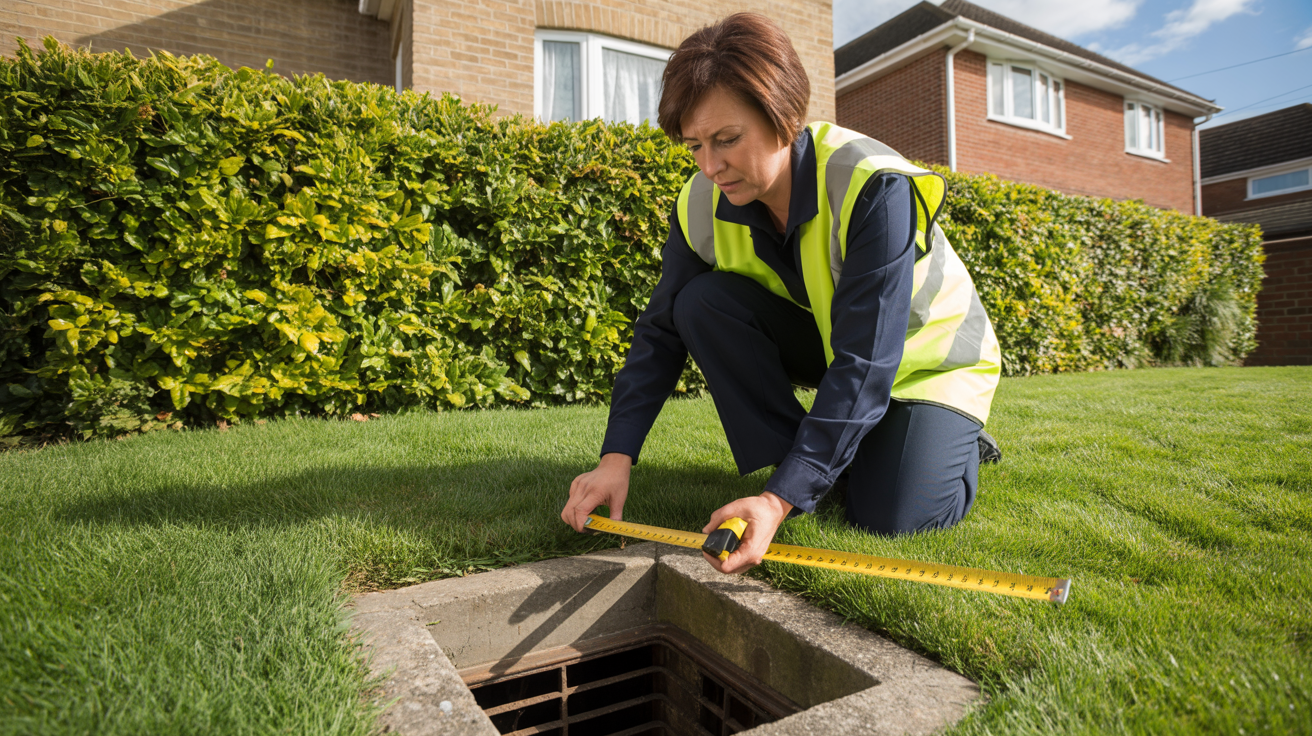
Planned preventative maintenance is how you keep control between surveys and reviews.
The specific tasks and frequencies should always be set by the risk assessment and written scheme, but the same broad themes appear across most water hygiene programmes.
Routine monitoring and flushing
For many landlord systems, particularly those with stored water or more complex distribution, routine control includes temperature checks at key “sentinel” outlets, regular inspection of tanks and cylinders, and flushing of little‑used outlets so water cannot stagnate. Weekly flushing of truly little‑used fittings and monthly checks at representative outlets are common starting points, but your own scheme may be more or less frequent depending on design and usage.
Managing voids and low‑use situations
Risk often increases when properties or parts of the system are empty or used less than normal. Student changeovers, long voids, refurbishment phases, guest rooms and seasonal accommodation can all leave water standing in pipework. Your plan should describe how you keep water moving during inactivity where practical, and what you do before putting an empty property or block of flats back into use.
Stored systems, mixing valves and vulnerable users
Stored hot and cold water generally need closer management than simple instantaneous systems. You may need regular checks on storage temperatures, volumes held and turnover, and you may need to deal with redundant pipework or insulation issues. Where mixing valves are fitted, particularly in settings with children, older people or other vulnerable tenants, there is also a safety dimension: you need to be confident that valves are delivering safe temperatures while still supporting Legionella control. Annual servicing is a common baseline, with tighter checks where history or user risk warrants it.
If you would like help translating your assessment into a realistic monitoring schedule and void‑period controls, All Services 4U can build that into your PPM package and, if you choose, deliver those checks on your behalf.
Records, Reviews, and Governance That Make Control Defensible

Good records turn everyday work into evidence you can rely on when questioned.
Regulators, insurers, boards and resident groups all tend to look for the same things: clear responsibilities, current risk information, proof that tasks are being done, and proof that problems are fixed and not just observed.
The core audit trail
Your documentation should let you follow a straight line from the current assessment, through the written scheme of control, to monitoring records, any exceptions, the remedial actions taken, and the point at which risk was brought back within control. That might be held in a logbook, a digital system or a binder, but it needs to be complete, legible and organised.
Making records usable across a portfolio
If you manage multiple buildings, you benefit from a simple compliance register that shows, for each property, when the last assessment took place, when the next review is due, which PPM tasks are in place, which actions are overdue, and who is responsible for closing them. That keeps you out of reactive “file hunt” mode when someone asks for evidence and makes it easier to report to boards, investors or regulators.
When and how to review
Review is not just a calendar event. You should plan a routine reassessment interval – many landlords treat every two years as a sensible starting point for simple domestic stock – and you should also trigger a review when something significant changes. That could be a substantive system alteration, a pattern of low temperatures, an extended void, a recurring complaint, or anything else that suggests your existing controls may no longer be enough.
All Services 4U can design your record structure and review cadence so you have a clear, repeatable way to answer “are we under control?” for each property and across your portfolio.
Accreditations & Certifications


How the Service Process, Deliverables, Costs, and Timescales Should Be Explained
You make better decisions when you know exactly what will happen after you get in touch.
A clear service process removes guesswork about scope, cost and timeframes, and makes it easier for you to compare options on quality rather than headline price alone.
How our process works step by step
When you contact All Services 4U about Legionella control, the first step is a scoping conversation to understand your portfolio, property types, existing documentation and any immediate pressures such as renewals, licensing or complaints. From there we agree which sites need a fresh assessment or review, and what level of control plan and PPM support is appropriate.
We then carry out the agreed site work, issue a clear report and control plan, talk you through the findings, and help you prioritise remedial actions. Where you ask us to, we also help you set up or deliver the recurring monitoring and maintenance that the plan calls for.
Pricing, scope and competence
Costs depend on the number and complexity of properties, the nature of their water systems, the level of detail needed in the control plan, and whether you want us to handle ongoing PPM as well as the initial assessment. You should always see exactly what is included: how many visits, what is inspected, what deliverables you will receive, and what support you will have in implementing recommendations.
Competence matters as much as price. You should feel confident that the people surveying your buildings understand landlord and property‑management settings as well as water hygiene, that they can explain the rationale for their recommendations, and that their outputs are usable by your teams.
What you leave with after we finish
At the end of an engagement you should be able to answer four simple questions for each building: what is the level of risk, what controls are in place, who is doing what and when, and what evidence you will keep to show that is true over time. All Services 4U design our deliverables around those questions so you can move from uncertainty to an organised, defensible position.
If you want that clarity without over‑engineering your arrangements, you can use a short call to explore which of your properties need a full assessment and PPM programme and which need a lighter‑touch review.
Reliable Property Maintenance You Can Trust
From routine upkeep to urgent repairs, our certified team delivers dependable property maintenance services 24/7 across the UK. Fast response, skilled professionals, and fully insured support to keep your property running smoothly.

Book Your Free Consultation With All Services 4U Today
You get the best result when your Legionella controls are proportionate, clearly owned, and properly evidenced.
If you are unsure whether your current arrangements really match L8 expectations, whether your risk assessment is still valid, or whether your monitoring and records would stand up to scrutiny, a free consultation is a low‑risk way to find out. You can bring your existing documents, a list of properties, or just a description of your stock, and you will leave with a clearer view of where you are strong, where the gaps are, and what your realistic options look like.
Whether you manage one rental, a cluster of HMOs, or a mixed residential portfolio, All Services 4U can help you decide what level of assessment, control plan and PPM support makes sense, and how to phase any changes so you stay in control of risk, cost and disruption.
Book your consultation today and put a clear, defensible Legionella control plan in place.
Frequently Asked Questions
What should your Legionella control plan include after the risk assessment?
Your Legionella control plan should set out tasks, owners, limits, frequencies, and records in a format your team can actually run.
A Legionella risk assessment identifies where exposure could develop. Your control plan is the live system that keeps that exposure from becoming a repeated management failure. If the assessment exists but nobody has converted it into scheduled checks, named ownership, escalation rules, and usable records, your property maintenance process is incomplete.
That gap matters quickly in residential settings. In HMOs, blocks, and mixed-use stock, water hygiene risk usually does not rise because nobody commissioned an assessment. It rises because the next step was vague. Shared bathrooms, intermittent outlet use, void periods, staff changes, and split contractor responsibilities create exactly the kind of operating environment where a written control plan needs to do heavy lifting.
A report tells you where risk sits. A control plan proves you did something about it.
HSE guidance and ACoP L8 both support a managed approach where identified risk is translated into ongoing control. In practical terms, that means your Legionella control plan should describe the system in scope, identify the outlets and assets that matter, name who carries out the routine tasks, and define what acceptable conditions look like. It should also show what evidence needs to be retained, who reviews failed results, and what happens when normal conditions do not hold.
If your current file explains the risk but does not tell your site team, managing agent, or compliance lead what happens next, you do not need another abstract conversation. You need a clearer operating document.
What should the control plan say about the system itself?
A workable control plan should first remove ambiguity about what is being managed.
That usually means documenting the property or block in scope, the type of water system, the relevant outlets, any tanks or cylinders, and the control points that matter most. In a lower-complexity residential building, that may be relatively straightforward. In an HMO or communal block, the plan often needs more precise asset and outlet mapping because low-use areas, shared spaces, and void rooms create more room for drift.
A practical control plan will usually cover:
- the building, system, and asset scope
- outlet groups and sentinel points
- named dutyholder and delegated contacts
- routine monitoring tasks and frequencies
- acceptable control limits
- flushing rules for low-use outlets
- review triggers after change, complaint, or void periods
That structure matters because it gives your team a usable answer to ordinary questions. Which outlets need flushing this week? Which readings are reviewed monthly? Which areas need recommissioning after a void? Where is the current record held? Those are not administrative details. They are the difference between a water hygiene system that lives in the building and one that only lives in the report.
How should the plan deal with failures, exceptions, and drift?
This is where many Legionella control plans look complete until something actually goes wrong.
A weak plan explains what good looks like but says very little about what happens when the system moves outside control. A stronger one defines the exception path in plain terms. If a sentinel temperature falls outside the acceptable range, the next action should already be visible. If a little-used outlet has not been flushed as scheduled, the plan should show who investigates, who records the missed action, and how closure is confirmed. If refurbishment changes system layout or use patterns, there should be a review trigger built in rather than an assumption that the old document still applies.
Take a typical example. A communal outlet in a residential block records a low hot water temperature. A weak system logs the reading and moves on. A stronger system shows the escalation route, investigation timescale, remedial owner, follow-up reading, and closure date. That is what defensible control looks like.
The practical test is simple. Could a property manager, contractor, insurer, or board member follow the next action without asking for translation? If not, your control plan is still too thin.
Which details make the plan easier to run under pressure?
The best control plans are not the most technical. They are the most usable.
That means clear language, named roles, obvious review dates, and record rules that fit the way your team already works. It also means using property-maintenance language your people recognise: outlet schedule, sentinel points, void handover, escalation note, contractor log, remedial close-out. That keeps the plan grounded in actual delivery rather than compliance theatre.
It also helps to separate three layers of responsibility:
- who does the task
- who reviews the result
- who signs off corrective action
That distinction prevents a common failure pattern in residential portfolios where everyone thinks the work is covered, but nobody owns the review stage.
If your current Legionella paperwork feels technically correct but operationally loose, All Services 4U can carry out a control-plan gap review that shows exactly where ownership, frequency, exception handling, or evidence requirements still need tightening.
When should you review Legionella assessments, flushing routines, and temperature checks?
You should review Legionella controls whenever building use, occupancy, or system conditions change, not only when the calendar tells you to.
A fixed review interval can be useful, but it is not the whole answer. In residential property maintenance, risk often shifts before the scheduled date does. A long void, reduced outlet use, refurbishment, recurring low temperatures, or a change in tenant profile can all turn an older routine into a weak one without waiting for the anniversary of the assessment.
HSG274 Part 2 supports a risk-based approach rather than a universal timetable. In lower-complexity domestic settings, a two-year reassessment benchmark is often treated as reasonable where the system and use profile remain stable. That only works if stability is real. Once usage patterns move, your review point should move too.
That is the distinction many teams miss. Scheduled review keeps the system from being forgotten. Trigger-based review keeps the system relevant. You need both.
If your flushing schedule or monitoring routine still reflects how the building used to operate rather than how it operates now, that is usually where silent exposure starts to build.
When should the review date move forward?
The review date should move forward when the assumptions behind the existing controls are no longer reliable.
In residential stock, that often happens through normal events rather than dramatic failures. A room sits empty for longer than expected. A bathroom falls into low use. A refurbishment alters pipework or outlet demand. A tenant complaint reveals recurring low hot water temperatures. A managing agent changes and the log format changes with them. None of those events automatically means risk has materialised. They do mean the current control plan may need checking against reality.
The most common review triggers are below.
| Trigger | Why it matters | Typical response |
|---|---|---|
| Long void period | Stagnation risk rises | Review flushing and recommissioning |
| Refurbishment | System use or layout may change | Update assessment and written scheme |
| Repeated low temperatures | Control may be drifting | Investigate and document corrective action |
| Occupancy pattern change | Outlet use may alter | Adjust monitoring frequency |
| Resident complaint | Drift may already be visible | Recheck controls and records |
That table is useful because it shows review as part of ordinary management, not a specialist event. In practice, the better your review triggers are defined, the less chasing you face later from brokers, lenders, boards, or compliance teams asking whether the current setup still makes sense.
What should flushing routines and temperature checks prove?
Routine monitoring should prove that the control assumptions still hold in the real building.
That means a flushing routine should not exist simply because it was written once. It should reflect actual low-use patterns. If an outlet moves in and out of use because of voids, staff areas, or intermittent occupancy, the routine needs to follow that pattern. Likewise, temperature checks should show that the water system is operating within the limits the assessment assumed, not just that someone visited site and filled in a log.
The difference matters. A completed record is not the same as an effective control. A reviewer looking at your file will usually want to see that checks happened, results were within range, missed tasks were visible, and out-of-range results moved into investigation and closure. That is what turns a record set into evidence.
A practical example makes the point. If a low-use outlet has been flushed weekly on paper but remained inaccessible for several weeks during a void, a sensible review should address the gap, not hide behind the schedule. If a sentinel point repeatedly records marginal results, the issue is no longer the reading alone. It is whether your review process treats that pattern as drift requiring action.
Why does this matter commercially as well as technically?
Because weak review routines create hidden admin cost long before they create formal enforcement pressure.
When controls are vague, teams rebuild the story from scratch every time someone asks a question. A broker wants current assurance before renewal. A board asks why readings changed. A lender requests supporting records. A compliance lead wants confirmation that the written scheme still reflects occupancy. If your review structure is weak, every one of those questions becomes a manual chase.
A sharper review regime reduces that friction. Your property maintenance team knows which triggers force reassessment, which logs prove ongoing control, and which changes require a documented update rather than a verbal reassurance.
If you want a more grounded next step than a generic interval can give, All Services 4U can run a review-trigger check across your stock and show whether your current Legionella controls still reflect how each property is actually being used.
Why is a one-off Legionella report not enough for HMOs and residential blocks?
A one-off Legionella report is rarely enough for HMOs and residential blocks because risk depends on ongoing control, not one-time observation.
In a simple domestic rental with stable use, proportionate support may be relatively light-touch. In an HMO or residential block, the operating conditions are usually less forgiving. Shared bathrooms, communal hot water, tanks, little-used outlets, void periods, and contractor handoffs create a more fragile control environment. The assessment still matters, but it is only the start of the story.
That is why a one-off report can look reassuring while leaving the property exposed in practice. The report may identify the system accurately, but unless it is followed by recurring tasks, named ownership, review points, and retained evidence, the live risk remains under-managed. ACoP L8 and HSG274 both rest on the principle that control is continuous. The document identifies exposure. The routine prevents repeat exposure.
In HMOs and blocks, the management layer matters almost as much as the technical layer. Quiet failures are common because the work sits between people. One contractor assumes flushing happened. Site staff complete the task but do not log it. A reading falls outside range and nobody reviews it. A resident complaint then becomes the first visible sign that the process was drifting weeks earlier.
The risk is rarely that nobody cared. The risk is that nobody owned the routine tightly enough.
That is why one-off support is often too thin for shared residential stock.
Which features push a property beyond assessment-only thinking?
The more shared, variable, or management-heavy the building is, the less likely a one-off report will be enough.
Features that usually point to a need for ongoing Legionella management include:
- shared bathrooms or communal water systems
- tanks, storage, or more complex plant
- frequent tenant turnover
- intermittent or low-use outlets
- multiple contractors with split duties
- no obvious owner for recurring checks
None of those points means the building is automatically unsafe. They do mean the margin for administrative drift is smaller.
Take a typical HMO example. A competent assessment is carried out and identifies several low-use outlets and a flushing requirement. Over the next six months, occupancy shifts, one room sits empty, and housekeeping responsibility changes. The report remains technically sound, but the controls begin to detach from the building’s actual use. That is where ongoing support earns its place.
When can lighter-touch support still be proportionate?
Lighter-touch support can still make sense where the building is genuinely simple and the management discipline is already strong.
A single-let residential property with a straightforward system, regular use, clear ownership, and consistent records may only need assessment-led support with defined review triggers. The key word is genuinely. Many portfolios describe themselves that way until you inspect the void pattern, the record quality, or the handoff process.
So the better question is not, “Do we have a report?” It is, “Can we show what happened this month, who owned each task, what changed, and how exceptions were closed?” That framing is much closer to what managing agents, directors, lenders, and brokers care about in real life.
What usually changes once you move to a live PPM approach?
A proper Legionella PPM approach changes the rhythm of management.
Instead of a document issued and stored, you get recurring checks, clear task ownership, exception handling, review dates, and evidence that can survive board scrutiny or insurer queries. That does not always mean more complexity. Often it means less confusion. Your site team knows which outlets matter. Your managing agent knows where the logs sit. Your contractor knows which results require escalation. Your board sees live control instead of static paperwork.
If your current setup still relies on memory, inbox trails, or informal handoffs, All Services 4U can help you move from one-off Legionella reporting to a live management structure that fits HMOs and residential blocks without over-engineering simpler stock.
Which records prove Legionella compliance to insurers, lenders, and managing agents?
The records that prove Legionella compliance are the ones that show assessment, control, action, and review in one traceable chain.
Most evidence failures do not happen because nothing was done. They happen because nobody can prove what was done, when it happened, who completed it, and what followed when something fell outside control limits. That distinction matters fast when a broker reviews renewal conditions, a lender checks refinance risk, or a managing agent needs an answer for directors and leaseholders.
A current Legionella risk assessment on its own is not enough. Reviewers usually want to see the live control picture as well. That means the current assessment, the written scheme or control plan where needed, recent monitoring logs, evidence of flushing, records of failed results and corrective action, and proof that the whole arrangement has been reviewed when the building changed.
HSE guidance and ACoP L8 both support record retention as a core part of ongoing control because unmanaged paperwork cannot prove managed risk. A fragmented pile of PDFs may show activity, but it does not show control.
Good records do more than confirm a visit happened. They show that the building stayed under control when conditions changed.
That is why evidence structure matters just as much as evidence volume.
Which records do third parties usually ask for first?
A broker, lender, or managing agent will usually want the current position before they ask for depth.
That often means these items first:
- current Legionella risk assessment date
- latest written scheme or control plan
- recent sentinel temperature logs
- flushing records for low-use outlets
- open remedial actions and closure dates
- competence details for assessor or contractor
- last review date following a material change
Those records matter because they answer the practical question behind most external scrutiny: is the building being managed now, or was it only assessed once?
A lender or valuer is usually interested in whether current records support wider risk stability. A broker or risk surveyor is often testing whether controls were active before an incident or renewal decision. A managing agent may be less interested in technical language and more interested in whether the file can be followed cleanly under pressure.
How should the records be organised to withstand scrutiny?
The strongest approach is to organise your Legionella evidence by property, system, date, and task type so a third party can follow the file without interpretation.
That means linking the risk assessment to the control plan, the control plan to the routine logs, the routine logs to any failures, and the failures to corrective action and closure. If a void period increased stagnation risk, the records should show the trigger, the flushing or recommissioning action, the person who carried it out, and the follow-up check. If a temperature fell outside range, the file should show the result, the escalation note, the remedial action, and the closure evidence.
A practical file structure often works best when broken down like this:
| Record group | What it should show | Why it matters |
|---|---|---|
| Assessment | Current risk picture | Shows the basis of control |
| Control plan | Routine tasks and owners | Shows how risk is managed |
| Monitoring logs | Temperatures and flushing | Shows live control |
| Remedial records | Exceptions and closure | Shows drift was addressed |
| Review records | Change events and updates | Shows the system stayed current |
That kind of structure reduces friction in renewals, refinancing, internal audit, and board reporting because your team is not rebuilding the history every time a question lands.
What usually weakens an otherwise good evidence trail?
Fragmentation is the usual problem.
The site team may hold one set of logs. The managing agent may keep the report. The contractor may store service records separately. The compliance lead may have the latest review date in an email rather than the main file. None of that means the work was poor. It does mean the evidence trail is weak under scrutiny.
That becomes expensive in time even before it becomes risky in compliance terms. The more disconnected the records are, the more manual chasing your team does when the pressure comes from outside.
If you want a practical next step, All Services 4U can review your current Legionella file structure and turn it into a cleaner evidence pack for brokers, lenders, managing agents, and board-level reporting.
Who should carry out Legionella tasks when agents, contractors, and site staff all share the work?
Legionella tasks can be shared across teams, but each task still needs one named owner and one named reviewer.
This is one of the most common governance gaps in residential property maintenance. The landlord believes the managing agent has it covered. The managing agent assumes site staff are handling day-to-day checks. Site staff complete some actions but do not know who reviews exceptions. Contractors attend, record results, and leave. The task exists, yet ownership is blurred.
That is where risk starts to move from technical to managerial. A flushing check might be completed but never logged. A temperature reading might be logged but never reviewed. A remedial may be raised but not tracked to closure. The system can look active while still being exposed.
The safest governance model separates three things clearly: who does the task, who reviews the result, and who signs off corrective action. That division matters because physical completion and management control are not the same thing.
BS 8580-1 supports competent Legionella risk assessment, but competent post-assessment delivery matters just as much. A good report cannot rescue a weak handoff structure.
Who usually owns which part of the process?
The most workable split is usually practical rather than theoretical.
| Task area | Typical owner | What must be clear |
|---|---|---|
| Assessment commissioning | Landlord or managing agent | Scope, building type, review date |
| Routine checks | Site staff or specialist contractor | Method, frequency, evidence needed |
| Exception review | Agent, compliance lead, or landlord | What triggers escalation |
| Remedials | Contractor or maintenance lead | Priority, timescale, close-out |
| Record retention | Agent or portfolio owner | Current version and file location |
The names can vary from one organisation to another. The principle does not. A task without a named owner drifts. A result without a reviewer sits unattended. A remedial without a close-out owner remains open in practice even if the work appears finished.
That is why the written scheme should function as more than a technical note. It should operate as a responsibility map your team can use under routine conditions and under scrutiny.
What usually gets missed when several parties share the work?
The review layer is where shared systems usually weaken.
Site staff may flush low-use outlets correctly, but somebody still needs to confirm the records were completed and identify missed checks. A specialist contractor may record temperatures accurately, but somebody still needs to review out-of-range results and authorise investigation. A managing agent may store the documents, but somebody still needs to confirm the current version is complete and retrievable.
This is especially relevant in shared residential settings where duties sit across multiple parties. A void handover, contractor change, or internal staffing shift can interrupt the routine without anyone deliberately choosing to relax standards. That is why governance needs to be visible rather than assumed.
A practical test helps. If you point to any recurring Legionella task and ask three questions — who does it, who reviews it, who closes it — your team should answer immediately. Hesitation is usually a sign the governance model is weaker than it looks.
How should you tighten governance without creating unnecessary admin?
By keeping the structure simple and visible.
The best systems do not bury ownership in a long policy document. They use short role maps, clear escalation notes, and obvious evidence expectations. That is especially useful for managing agents, property managers, and compliance leads who need to explain the arrangement to directors, residents, or insurers without turning every answer into a technical lesson.
If your current arrangement still relies on informal handoffs between landlord, agent, site staff, and contractor, All Services 4U can map the responsibilities into a clearer Legionella governance model so the written scheme works as an operating document rather than a document nobody fully owns.
How should you choose between assessment-only support and a full Legionella PPM service?
You should choose based on building complexity, occupancy change, internal capability, and the evidence burden your team actually has to carry.
Not every property needs a full managed service. Not every property can safely rely on assessment-only support either. The right choice depends less on the label of the service and more on what your building and team can sustain without drift.
A simple residential property with stable occupancy, low system complexity, regular outlet use, and reliable record discipline may only need competent assessment-led support with clear control and review triggers. A higher-turnover HMO, communal block, or mixed residential portfolio usually pushes further than that because recurring checks, responsibility mapping, and evidence retention become harder to keep reliable in-house.
The key test is not whether somebody in your team can perform the technical tasks. It is whether your team can do them on time, assign ownership clearly, respond to exceptions, and produce defensible records when challenged. If that answer is uncertain, a fuller Legionella PPM structure is usually the lower-risk route over time.
ACoP L8 supports proportionality, but proportionality does not mean doing the minimum. It means matching the service model to the actual level of operational complexity.
When is assessment-only support usually enough?
Assessment-only support usually fits when the building is simple and the control burden is genuinely low.
That often means:
- straightforward domestic water systems
- stable occupancy and regular use
- clear in-house ownership
- strong record discipline
- low external reporting pressure
- few change events between review points
In those settings, the assessment still needs to lead to a workable control plan. The difference is that your internal team can probably sustain the routine without needing a managed PPM framework wrapped around it.
That can be proportionate and cost-effective when the facts genuinely support it.
When does full Legionella PPM support make more sense?
Full PPM support usually makes more sense when complexity starts to multiply.
That often includes:
- HMOs and shared residential stock
- communal hot or cold water systems
- repeated voids or occupancy churn
- multiple contractors or agents
- insurer, lender, or board scrutiny
- missed reviews or inconsistent records
In that environment, the live management burden is higher than many teams first assume. The issue is not just carrying out tasks. It is keeping the routine stable when buildings, teams, and occupancy patterns keep shifting.
A useful threshold test is this. If your answer to any of the questions below is “not consistently,” fuller support is probably worth serious consideration:
| Question | If the answer is uncertain | What that usually points to |
|---|---|---|
| Are recurring checks always completed on time? | Drift is already possible | Managed scheduling may be needed |
| Are responsibilities clear across all parties? | Handoffs are weak | Governance support is needed |
| Can you produce current records quickly? | Audit load is too high | Evidence management is needed |
| Do change events trigger review reliably? | Old assumptions may remain live | PPM oversight is needed |
That decision is commercial as well as technical. Assessment-only support can look cheaper at the start, then become more expensive when missed actions, fragmented records, and repeated chasing absorb internal time or create insurer and lender friction.
What should the service leave you with after the assessment is issued?
That question cuts through most marketing language.
If the answer is vague, you are probably buying diagnosis without enough delivery structure. If the answer includes recurring controls, log design, ownership mapping, remedial tracking, review points, and evidence support, you are much closer to a service that will hold up under real pressure.
For some clients, that means a light assessment-plus-review model. For others, it means a broader PPM framework with portfolio-level visibility. The safest choice is the one that fits your stock profile and internal capacity rather than a generic package built around someone else’s assumptions.
If you want to compare the routes without overbuying or underbuying, All Services 4U can scope assessment-only, assessment-plus-PPM, or wider Legionella governance support against your actual property mix, reporting needs, and operational pressure points.
- Do Landlords Need a Legionella Risk Assessment?
- What L8 ACoP and HSG274 Expect Landlords and Agents to Do
- Which Property Types Need Different Levels of Control?
- What a Suitable and Sufficient Assessment and Control Plan Should Include
- What Ongoing PPM, Monitoring, and Void-Period Control May Apply
- Records, Reviews, and Governance That Make Control Defensible
- How the Service Process, Deliverables, Costs, and Timescales Should Be Explained
- Book Your Free Consultation With All Services 4U Today
- Frequently Asked Questions
- Related PPM Services
Case Studies


Related Articles

Your Guide To Identifying And Treating Minor Mould Outbreaks

Why Planned Preventative Maintenance (Ppm) Saves Money And Ensures Compliance