

PPM Services for Office Buildings UK – Commercial Compliance & Uptime
UK office and facilities managers use All Services 4U’s PPM services to keep office buildings compliant, operational and ready for scrutiny. Asset-led programmes turn statutory duties, site realities and uptime priorities into governed schedules, with clear records and follow-up depending on constraints. By the end, you have defined scopes, prioritised systems and evidential maintenance records that support audits and reduce reactive spend. A conversation with the team can clarify how this approach would work across your own office portfolio.



Author
Izzy Schulman

Managing a UK office building means juggling compliance, uptime and occupier expectations, often with limited visibility of where maintenance risk is building. Generic engineer visits and loose “regular servicing” rarely give you the governed control auditors, landlords and senior stakeholders now expect.

An asset-led PPM programme translates your statutory duties, building layout and occupancy patterns into a practical schedule you can run with confidence. By prioritising critical systems, clarifying landlord and tenant boundaries and tightening records, you gain a maintenance framework that supports audits and reduces avoidable disruption.
- Asset-led schedules aligned to real office risk and usage
- Evidential records that support audits, follow-up and decisions
- Reduced downtime across HVAC, electrical and life-safety systems</p>
Need Help Fast?
Locked out, leak at home, or electrical issue? All Services 4 U provides 24/7 UK locksmith, plumbing, electrical.
Testimonial & Clients Who Trust Us
With 5 Star Google Reviews, Trusted Trader, Trust Pilot endorsements, and 25+ years of experience, we set industry standards for excellence. From Dominoes to Mears Group, our expertise is trusted by diverse sectors, earning us long-term partnerships and glowing testimonials.





Worcester Boilers

Glow Worm Boilers

Valliant Boilers

Baxi Boilers

Ideal Boilers

What PPM Services Actually Cover in a UK Office Building
If you are responsible for an office building, you do not need generic engineer visits. You need a planned preventive maintenance programme that turns your legal duties, site realities, and uptime priorities into a schedule you can run with confidence, with every critical asset maintained, evidenced, and governed against real operational risk. At All Services 4U, we build office PPM around the systems that keep your building safe, compliant, and operational day to day, so maintenance stops being a loose promise of “regular servicing” and becomes a controlled framework for compliance, continuity, and better decisions.
A workable scope usually includes:
- HVAC plant, ventilation, and controls
- Electrical distribution and essential testing
- Fire alarms and emergency lighting
- Water hygiene and related services
- Lifts, pumps, and key landlord assets
- Selected fabric and access-critical elements
That scope only protects you when the boundaries are clear from the start.
Your programme should reflect how your office actually operates, not just what appears on a plant list. A busy multi-tenant building, a headquarters site, and a lightly occupied office create very different pressures around access, occupancy, comfort, and disruption. You also need landlord and tenant responsibilities agreed early, because vague demarcation is where missed tasks, duplicated cost, and avoidable compliance exposure begin.
Start with a building-level review if you want to see where your current scope is thin and where your risk is already building.
Which UK Compliance Duties Your Office PPM Programme Should Support
Your PPM programme should support statutory duties directly, not sit beside them as a separate admin exercise.
A strong office maintenance regime helps you show that maintainable equipment is being kept safe, inspected at the right intervals, and followed up when defects are found. In practice, that means your planned maintenance should support fire safety management, electrical safety, water hygiene control, gas safety where gas plant is present, and any risk-led inspection duties tied to lifts, pressure systems, refrigeration, or other higher-risk assets relevant to your building.
Statutory lines that need planned control
You need a schedule that makes life-safety and compliance-critical tasks visible before they become overdue. In most office environments, that means routine fire-system checks, emergency-lighting testing, electrical inspection and maintenance, water hygiene controls linked to your Legionella risk assessment, and specialist inspections tied to higher-risk equipment.
It also means treating passive measures with the same seriousness as active systems. Serviced alarms do not cover weak fire-door management, poor compartmentation control, or records that cannot show what was inspected, what failed, and what still needs action.
Records that hold up under scrutiny
You need evidence that proves more than attendance. Good compliance support gives you task completion records, certificates where required, defect notes, remedial status, and a clear line between what was inspected, what passed, what failed, and what happens next.
That matters because audit readiness is rarely lost in one dramatic failure. It usually disappears through fragmented records, unclear ownership, and overdue follow-up that no one can see quickly enough.
When your compliance duties sit inside the same governed workflow as your maintenance delivery, you close the gap between inspection, reporting, and action. That is where control starts to show.
Which Office Systems Need Priority When Uptime Really Matters
The systems with the biggest uptime impact are the ones most likely to disrupt your building fast.
If your office loses heating, cooling, ventilation, power stability, lift availability, or life-safety confidence, the effect is immediate. Staff notice it, occupiers escalate it, and senior stakeholders hear about it quickly. That is why a sensible PPM strategy prioritises systems by real building impact, not by whichever assets are easiest to service on a calendar. When you prioritise properly, you protect more than plant. You protect occupancy, productivity, and confidence in the building itself.
Life-safety and electrical resilience
Fire alarms, emergency lighting, and related safety measures sit at the top of the list because failure affects both legal compliance and business continuity. Electrical systems belong close behind, especially where distribution equipment, landlord installations, or high-dependency spaces make faults hard to absorb during occupied hours.
You need planned maintenance that reflects competence, isolation safety, defect severity, and evidential records, not just a certificate cycle that looks tidy on paper.
HVAC, water, and day-to-day continuity
HVAC affects comfort, complaints, energy control, and productivity every day. Dirty filters, failing controls, worn belts, fouled coils, and unresolved minor defects do not stay minor for long in a fully occupied office.
Water systems need the same discipline. Low-use outlets, changing occupancy, temperature drift, and weak flushing routines create health risk and operational drag when the written scheme is not being followed in practice.
How to Build an Asset-Based PPM Schedule That Stands Up to Audit
An audit-ready schedule starts with verified assets, clear task logic, and evidence rules that survive staff changes and contractor turnover.
A PPM plan is only as strong as the information behind it. If your asset list is incomplete, your intervals are inherited without challenge, or your tasks do not define what “done” looks like, the schedule can appear organised while still leaving you exposed.
Asset register and task logic
You need a verified asset register that records location, make, model, criticality, and maintenance relevance. From there, each task should be tied to a reason: statutory duty, recognised maintenance standard, manufacturer guidance, site-specific risk, or operational consequence.
Just as important, routine servicing should be separated from specialist inspections, compliance tests, and quoted remedials. That gives you a cleaner buying model and stops the contract from blurring essential maintenance with optional extras.
Access, evidence, and change control
You also need the schedule to reflect real access conditions. Plantrooms, risers, comms spaces, tenant areas, and sensitive zones all affect how work is planned and how much disruption it creates.
Every task should produce a defined evidence trail. That usually means asset-linked records, engineer notes, photos where relevant, readings or results, certificates where required, and a visible route from defect identification to remedial closure.
If you want a practical starting point, we can review one live schedule and show you exactly where the logic, evidence, or asset structure needs tightening before those weaknesses turn into control problems.
How Planned Maintenance Reduces Reactive Spend, Downtime, and Waste
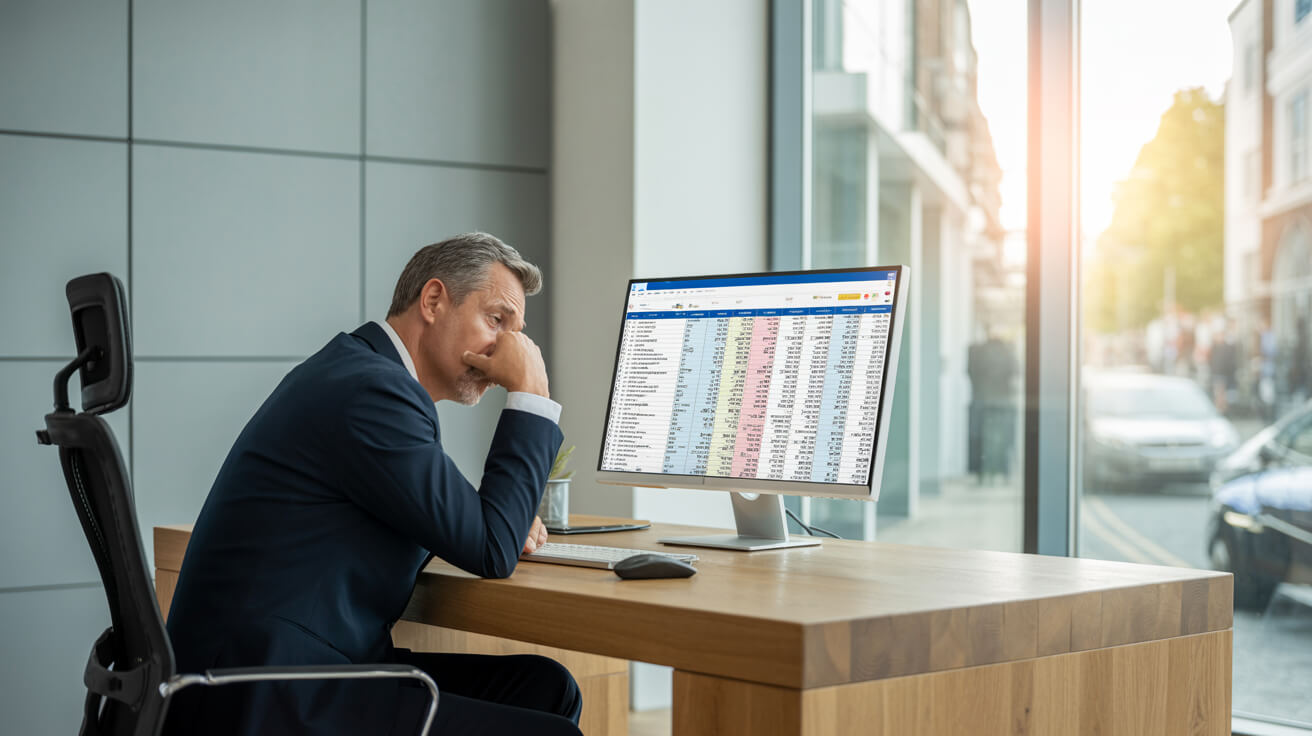
Good PPM reduces avoidable disruption by catching deterioration before it becomes failure, escalation, and expensive reactive response.
That sounds obvious, but it changes the commercial reality of an office building. Planned interventions let you schedule access, line up parts, coordinate specialists, and control disruption. Reactive failures do the opposite. They compress decisions, increase out-of-hours pressure, and drag management time into firefighting.
Failure prevention and fewer callouts
When planned visits are done properly, smaller issues are found earlier. That might mean worn components, dirty systems, control drift, falling performance, or recurring faults that need root-cause work instead of another temporary reset. Over time, that reduces both the frequency and severity of emergency callouts.
You are not trying to eliminate every breakdown. You are cutting the preventable ones that come from missed tasks, late detection, and poor follow-through.
Lifecycle and budget control
PPM also improves lifecycle decisions. When you can see repeat-fault patterns, remedial ageing, condition trends, and plant criticality, you can decide whether to repair, monitor, or replace with more control and less guesswork. That supports steadier budgeting and fewer sudden cost shocks.
The biggest commercial win is often not the maintenance line alone. It is the reduction in avoidable disruption, repeat attendance, complaint handling, and crisis-driven spend.
What Audit-Ready Records, Reporting, and Remedial Control Should Look Like

Useful reporting shows what happened, what it means, and what still needs action.
Many office maintenance contracts promise reporting. Fewer give you records that genuinely support governance. If you are testing provider quality, the real standard is simple: can the reporting support decisions, prove completion, and make open exposure easy to see?
Visit evidence and compliance records
You should be able to trace each planned visit back to a specific asset, task, date, outcome, and engineer record. Where certificates or test outputs apply, they should sit inside the same evidence chain instead of being stored somewhere else and chased later.
You also need reports that separate passed work, failed work, advisory items, and risk-significant findings. Without that distinction, everything starts to look complete when it is not.
Remedials and ownership
This is where many providers fall short. You are not only buying planned tasks. You are buying clearer ownership, faster closure, and reporting that makes next actions visible instead of hiding them inside engineer notes, with a format you can use for boards, managing agents, insurers, and compliance stakeholders.
If your monthly report shows three failed fan-coil units, one overdue fire-door closure, and no named owner for any of them, that is not just a reporting problem. It is a control gap that can quickly turn into disruption, internal chasing, and delayed approvals.
Defects should move through a controlled path: identified, risk-rated, quoted where needed, approved, completed, and verified. That path should also show who owns the next step and how overdue items are escalated, so nothing drifts out of view.
Accreditations & Certifications








How to Compare PPM Providers on Mobilisation, Standards Fit, and SLA Proof

The best provider is usually the one with the clearest delivery model, not the lowest annual figure.
If you are comparing office-building PPM providers, look past headline price early. A low annual fee can hide weak asset verification, vague inclusions, slow mobilisation, or reporting gaps that only show up after handover.
Mobilisation and scope integrity
You need to know how the provider will verify assets, challenge inherited data, load tasks, confirm access constraints, and surface immediate compliance gaps during mobilisation. If that process is vague, the first contract year often becomes a clean-up exercise on your time and budget.
You should also test whether the provider can explain what is included, what sits outside scope, and how remedials are handled. Scope clarity is one of the strongest predictors of stable delivery later.
KPI discipline and proof before award
You should expect a small set of meaningful service indicators, such as planned maintenance completion, certificate turnaround, remedial ageing, response performance where relevant, and visibility of critical open defects. Those measures tell you far more than generic promises of “excellent service”.
Ask to see sample reports, certificate workflows, and mobilisation outputs before you award. If the proof is weak before contract start, it rarely gets stronger under pressure.
Choose the provider who makes your building easier to govern, easier to defend, and easier to keep operational.
Reliable Property Maintenance You Can Trust
From routine upkeep to urgent repairs, our certified team delivers dependable property maintenance services 24/7 across the UK. Fast response, skilled professionals, and fully insured support to keep your property running smoothly.

Book Your Free Consultation With All Services 4U Today
Your next step should give you clarity on scope, risk, and evidence before you commit to another year of weak control.
If your current office PPM programme feels reactive, fragmented, or difficult to defend, a focused review will show you where the real issue sits. Sometimes the gap is asset control. Sometimes it is reporting. Sometimes the schedule exists, but the follow-through does not.
Bring your current PPM schedule, recent compliance records, and open remedials if you have them. We will review what is covered, where the evidence chain weakens, and which gaps are most likely to affect compliance, uptime, and budget control. You leave with a clearer view of what stays, what changes, and what should be prioritised first.
If you are comparing providers, we can also walk you through how to test mobilisation plans, reporting quality, and scope assumptions against one live office instead of a generic promise. That gives you a lower-risk basis for internal sign-off and a stronger buying decision.
Book your free consultation with All Services 4U today and leave with a cleaner view of your maintenance risk, your reporting gaps, and your next move.
Frequently Asked Questions
What do office building PPM services in the UK actually include beyond routine servicing?
Office building PPM services should cover assets, compliance, condition visibility, and remedial control, not just routine visits.
A proper office building maintenance contract is not a diary of engineer attendance. It is the operating structure that helps you control landlord assets, protect occupier experience, and keep compliance evidence accessible when somebody asks difficult questions at short notice. In a UK office building, that usually means your planned preventive maintenance programme should extend beyond routine servicing of boilers or air conditioning and include HVAC plant, ventilation systems, electrical distribution, fire alarm and emergency lighting support, water hygiene tasks, pumps, lifts, common-area security systems where relevant, and roof or drainage inspections where those items sit within landlord responsibility.
That distinction matters because office buildings rarely drift into trouble through one obvious failure. They drift when the contract looks active but the building remains hard to govern. The engineer attends, but the inherited asset register is wrong. A service visit happens, but no one can tell whether a failed component became a tracked remedial. A managing agent assumes a task is landlord-controlled. The provider treats it as tenant-side. What looked like a maintenance programme turns into a chain of assumptions.
The Health and Safety Executive makes the core principle clear: maintenance is about keeping equipment safe and fit for purpose. That is a much higher standard than proving somebody turned up. In practice, a credible planned maintenance scope for office buildings should combine scheduled work, compliance-linked activity, condition reporting, and a controlled route from findings to closure.
A building usually slips through the gap between attendance and ownership.
What should sit inside a proper office building maintenance contract?
A serious office building PPM scope normally starts with the landlord-controlled assets most likely to affect safety, continuity, and occupier confidence.
That usually includes:
- HVAC plant, air handling units, controls, and ventilation systems
- electrical infrastructure and routine safety-related checks
- fire alarm and emergency lighting maintenance support
- water hygiene monitoring and servicing linked to landlord systems
- pumps, boosted systems, and common-area plant
- lifts and access-critical equipment
- roof, gutter, and drainage inspections where included
- common-area security and access systems where relevant
The real test is not whether those headings appear. It is whether the scope defines the building clearly enough for your team to manage it without guesswork. For commercial landlords, one of the biggest causes of friction is weak demarcation between landlord and tenant responsibility. If your office has tenant-installed supplementary cooling, comms room plant, leased fit-out systems, or mixed-use areas, the maintenance programme must show what sits inside the contract and what does not.
A facilities manager usually wants fewer grey areas and fewer repeat explanations. A compliance lead wants task wording that can survive audit scrutiny. An asset manager wants to know where service responsibility ends before a small gap becomes a leasing or valuation issue. Different angle, same requirement: clean asset-level scope.
Where does office PPM scope usually break down on live sites?
The weak point is often not the promise in the proposal. It is the operational wording underneath it.
In many office building PPM services, the gaps show up here:
| Common gap | What it causes | Why it matters |
|---|---|---|
| Incomplete asset register | Wrong tasks on wrong assets | You fund activity, not control |
| Weak landlord-tenant split | Delay over ownership | Complaints and downtime rise |
| Servicing without remedial workflow | Defects drift open | Risk remains live |
| Separate certificate storage | Slow insurer or audit response | Management time is wasted |
| Generic task wording | Different engineer interpretation | Consistency falls |
Take a common office example. Your building has landlord-controlled air handling serving shared floors and tenant-controlled supplementary cooling on upper levels. If the contract simply says “HVAC included”, your team may assume the whole system is covered. Then comfort complaints start, the provider points to a boundary you never saw, and the contract becomes a debate instead of a control tool. That is not a servicing failure. It is a scope design failure.
The same pattern appears with fire alarm support, emergency lighting records, roof inspections, or pump servicing. If the contract does not define frequency, output, evidence, and follow-up ownership, the building becomes harder to run every month.
Why does a better scope reduce commercial risk so quickly?
Because a well-built maintenance programme gives your team a usable chain from asset to task to evidence to next action. That matters when staff change, a board asks for assurance, or an insurer wants proof before renewal.
SFG20 is often a useful starting point for office building maintenance schedules, but it only becomes valuable when tailored to the way your building is actually occupied and operated. A high-density headquarters, a multi-let city office, and a lightly used secondary office should not be maintained as if they carry the same exposure.
Good looks like this:
- the asset base is verified before the schedule is relied on
- each task has a reason, frequency, expected output, and competence level
- specialist inspections are separated from routine servicing
- defects move into tracked remedial workflow instead of report commentary
- your team can retrieve one clean record set for board, broker, lender, or audit review
If your current office building maintenance contract still depends on broad wording and inherited assumptions, a scope review is usually the safest next move. A property leader who wants fewer surprises before renewal often starts there. A board looking for cleaner assurance usually asks for the same thing in board-safe language. Either way, you are not adding administration. You are making sure your office building PPM services actually control the building they claim to cover.
How should a UK office building planned maintenance schedule be structured to support compliance properly?
A compliant office planned maintenance schedule should link each asset to a task, frequency, evidence output, and owner.
A UK office building planned maintenance schedule should work as a control document, not a list of future visits. If somebody hands that schedule to your compliance lead, managing agent, incoming provider, or insurer, it should still make sense without translation. That means every asset should connect to a clear task, defined frequency, competence requirement, evidence output, and follow-up owner where something fails or falls outside tolerance.
Many office building maintenance contracts do not get that far. They inherit a schedule from a previous contractor, keep broad task descriptions, and rely on local knowledge to fill the gaps. The result is orderly-looking paperwork with weak operational control. Your contractor can prove attendance, but your team still cannot answer simple questions quickly. Which landlord assets were serviced this month? Which open actions affect life safety? Which tasks require certificates rather than visit notes? Which findings are now overdue remedials?
That is where compliance starts to weaken. Not because nobody cares, but because the schedule was never designed for live scrutiny. SFG20 is widely used across the UK as a maintenance planning framework, and rightly so, but copying it mechanically is not the same as structuring a working office PPM schedule. The value comes from adapting recognised maintenance logic to your building’s actual asset base, occupancy, operating hours, and operational risk.
What should each task line show in a well-built office PPM schedule?
Each task line should help your team make a decision, not just confirm a site visit.
A strong office building maintenance schedule will usually include:
| Schedule field | Why it matters | Office example |
|---|---|---|
| Asset reference | Removes ambiguity | AHU-03, Level 5 |
| Task description | Defines the job | Quarterly inspection and service |
| Maintenance driver | Explains the logic | SFG20, OEM, compliance support |
| Frequency | Creates planning discipline | Monthly, quarterly, annual |
| Competence level | Protects quality | Qualified HVAC engineer |
| Evidence output | Proves completion | Reading, log, photo, certificate |
| Defect route | Prevents drift | Quote and remedial workflow |
That structure serves different stakeholders in different ways. A facilities manager wants to know that the correct person attended the correct asset. A compliance lead wants evidence that will stand up under review. An asset manager wants early visibility on weak plant before minor deterioration becomes a capital event. A managing agent wants a schedule that survives staff turnover without needing interpretation from memory.
The schedule also needs to separate routine servicing from statutory support and specialist inspections. Fire alarm maintenance should not vanish inside a vague “electrical checks” line. Water hygiene tasks should not be hidden under general plumbing. Emergency lighting testing should sit in its own clear track. The moment your planned maintenance schedule starts blending unlike tasks into one heading, it becomes harder to govern and easier to misreport.
How should frequencies be set in a live office building?
Frequencies should be chosen by consequence, usage, and building reality, not by inheritance.
A headquarters building with dense occupancy, landlord-controlled ventilation, long operating hours, and investor scrutiny will not need the same cadence as a lower-intensity secondary office. A building with recurring HVAC instability, ageing electrical infrastructure, or usage changes after fit-out shifts may need more attention than the old schedule suggests.
The factors that should shape frequency include:
- occupancy density and operating pattern
- age and condition of plant
- operational importance of the asset
- prior fault history
- compliance exposure
- lease and access restrictions
- insurer or client reporting requirements
CIBSE guidance supports maintenance thinking grounded in actual building performance, not just static planning. In practical terms, your provider should be able to explain why an office building planned maintenance schedule uses a given frequency. If they cannot, the schedule may be copied rather than controlled.
What happens when the schedule is too generic?
The early signs are subtle, which is why weak schedules often survive longer than they should. Reports look tidy. Visits occur. Yet the building team still spends too much time translating the meaning of the programme.
That creates hidden cost. Engineers interpret broad wording differently. Property managers chase clarification. Compliance teams rebuild logic before audits. Remedials emerge too late to package efficiently. Occupiers feel delay and inconsistency without ever seeing the schedule that caused it.
RICS guidance has repeatedly supported maintenance planning that improves lifecycle decision-making as well as current performance. For office building maintenance, that means the schedule should serve three purposes at once: operational continuity, compliance visibility, and cost discipline. If it only serves one, your team pays the price somewhere else.
A generic schedule also makes provider transition harder. The incoming contractor inherits broad wording, patchy asset references, and unclear outputs. Instead of mobilising cleanly, they spend the first months decoding what the previous contract was meant to include.
Which buyer checks reveal whether a schedule is genuinely compliant?
Do not ask whether the schedule is “fully compliant” and stop there. Ask for proof of how it functions.
A sensible review request includes:
- one live sample asset register
- one month of task outputs
- one example defect-to-remedial flow
- certificate turnaround expectations
- escalation rules for critical overdue actions
- one reporting sample showing open ownership clearly
For a finance stakeholder, this protects budget stability. For a compliance lead, it improves audit readiness. For a facilities leader, it reduces daily ambiguity. If your office building planned maintenance schedule still depends on tribal knowledge to make sense, it is already too weak. A schedule walk-through and one sample reporting pack usually reveal whether your office building PPM provider is supporting compliance or merely arranging tasks to look orderly.
Why do office buildings still end up with reactive maintenance problems even when a PPM contract is in place?
Reactive maintenance stays high when planned visits happen but defects, ownership, and evidence remain uncontrolled.
This is where many office building PPM services disappoint buyers. The contract exists, engineers attend, and monthly reports arrive, yet the building still feels reactive. Comfort complaints keep coming back. Emergency callouts remain stubbornly high. Open defects drift from meeting to meeting. The natural question follows: if planned preventive maintenance is in place, why does the building still behave as if nobody is in control?
The answer is usually not that planned maintenance for office buildings is ineffective. It is that the contract is only doing the visible part of the job. Tasks are being completed, but the programme is not converting findings into ownership, closure, and reliable evidence. That gap is where reactive demand survives.
The Health and Safety Executive is clear that maintenance exists to keep equipment safe and fit for purpose. If the task was completed but the underlying risk was left open, the attendance may be real while the control is not. RICS maintenance thinking also supports the idea that maintenance should inform management decisions over time, not just record activity in the present.
Where does reactive demand usually come from when PPM exists on paper?
In office building maintenance, repeat reactive pressure usually comes from operational gaps such as these:
- the asset list was inherited but never verified
- task wording is too vague to reveal weak performance
- defects are noted but not assigned to a clear owner
- reports describe issues without creating action control
- evidence sits in different systems and cannot be retrieved quickly
- temporary fixes are treated as completed outcomes
A familiar office example is a recurring fan coil or control issue. The engineer resets the asset. The report is closed. Occupier complaints continue. The same fault returns again. What your building experiences as reactive maintenance is often repeated temporary closure disguised as progress.
That is why defect control matters so much. A service note is not a remedial workflow. If a finding does not enter a visible route with ageing, ownership, and next-step status, the building remains vulnerable to the same issue returning under pressure.
Which warning signs show your office building is drifting back into reactive mode?
You do not need a major failure to spot it. The signs usually appear in reporting and workload patterns well before a visible incident.
| Warning sign | What it suggests | Why it matters |
|---|---|---|
| Repeat faults on one asset type | Root cause is not closing | Cost keeps compounding |
| Open remedials with no owner | Workflow is weak | Risk ages quietly |
| Service notes without status clarity | Reports lack operational value | Teams cannot prioritise well |
| Evidence difficult to retrieve | Data is fragmented | Audit and renewal pressure rise |
| Reactive spend rising despite PPM | Planned work is not reducing failure | Contract value erodes |
A facilities manager feels this as daily noise. A compliance lead sees weak traceability. A board sees fading assurance. An asset manager sees operational instability that can affect value. Different language, same building problem.
Why does fragmented evidence make reactive pressure worse?
Because it slows the decision exactly when the building needs speed.
In many office buildings, certificates sit in one portal, service reports in another, approvals in inboxes, and defect updates inside PDFs. The contractor may know what happened. Your team may roughly know what happened. But the organisation cannot prove quickly what happened. That delay becomes expensive when a broker asks for evidence, a tenant escalates a repeat issue, or a surveyor queries whether a critical recommendation was completed.
A good UK office PPM provider reduces reconstruction. A weak one leaves your team investigating its own maintenance history every time scrutiny appears.
What does a stronger control model look like?
A stronger model turns planned maintenance into an early-warning and closure system. In practice, that means:
- assets are verified and named clearly
- task outputs show pass, fail, or observation status
- defects move automatically into remedial workflow
- ownership and ageing are visible
- evidence is stored in one usable record structure
- critical issues escalate before occupiers feel them
That is how planned maintenance starts reducing breakdown demand. Not through more words in the contract, but through better control after each visit.
If your building still feels reactive despite a live contract, a defect-and-remedials review is often the safest first move. A facilities leader who wants fewer repeat faults usually starts there. A compliance stakeholder may describe the same need as audit readiness. Either way, the aim is simple: stop paying for planned maintenance that never quite becomes control.
Which office systems should be prioritised first when uptime and occupant confidence are on the line?
Prioritise the systems whose failure affects safety, continuity, and occupier confidence within the same working day.
Not every asset in an office building deserves equal operational weight. A strong office building maintenance contract should reflect that reality clearly. When uptime matters, your priority systems are usually the ones whose failure becomes visible quickly, spreads disruption fast, or raises immediate compliance and reputational questions.
In most UK office buildings, that means fire alarms and emergency lighting, electrical infrastructure, HVAC and ventilation, water hygiene-sensitive assets, and lifts or access-critical equipment should sit closest to the top of the planned maintenance hierarchy. If your programme treats minor peripheral assets with the same practical urgency as those systems, the building may look evenly maintained while remaining unevenly protected.
CIBSE has consistently supported maintenance logic grounded in operational impact. A simple way to test priority is to ask what happens if a system fails at 10:00 on a working day. Who notices first? How fast does the issue spread? How quickly does it become a management problem rather than a technical problem?
Which office systems usually sit in the top tier?
A typical office priority stack often looks like this:
| System type | Immediate consequence of failure | Practical priority |
|---|---|---|
| Fire alarms and emergency lighting | Safety and compliance concern | Immediate top tier |
| Main electrical distribution | Wide disruption across floors | Top tier |
| HVAC and ventilation | Occupier complaints and productivity loss | Top tier |
| Water hygiene controls | Health and compliance risk | High tier |
| Lifts and access-critical systems | Access disruption and service impact | High tier |
Fire alarms and emergency lighting sit high because they combine safety consequence with heavy scrutiny. If records are weak, the building is exposed not just operationally but evidentially. British Standards for fire alarms and emergency lighting matter here because office uptime is only part of the issue. The building must also show that these systems are consistently maintained and logged.
Electrical resilience also belongs near the top because failures can affect multiple tenants or common services in one event. HVAC and ventilation often deserve more attention than some contracts give them because occupiers experience comfort failures as poor building management, not as technical nuance. Water hygiene and access-critical systems may move higher depending on occupancy pattern, layout, and vulnerability profile.
How should you decide what is critical in your own office building?
Criticality should be set by consequence, not by habit.
A sound office building PPM provider should assess at least three things:
- safety impact if the asset fails
- operational disruption caused by the failure
- stakeholder visibility of the failure
That means the order will vary slightly by building. A multi-let office with unstable ventilation may elevate HVAC. A building with vulnerable water systems may push hygiene controls higher. A site with accessibility constraints may treat lift reliability as a same-day leadership issue, not a routine engineering item.
The point is not to use a universal list blindly. The point is to rank systems by what failure would mean in your building, under your occupancy pattern, with your current asset condition.
What does under-prioritisation look like in practice?
It usually looks tidy until something goes wrong.
A building may be servicing HVAC, but not treating repeated comfort complaints or controls instability as a top-tier signal. Emergency lighting checks may be completed, but remedials sit open too long. Water hygiene tasks may continue on paper while building usage changes have altered actual risk. Lifts may be maintained routinely without the building ever reviewing the operational impact of repeated stoppages.
That is why equal treatment across assets often produces uneven outcomes. The schedule appears balanced, but the building still suffers the failures that get noticed first.
Which buyer questions expose whether priorities are real?
If you want to test whether your planned maintenance schedule reflects true office risk, ask the provider for three things:
- the critical asset list for your building
- the escalation path for failed critical tasks
- the reporting view showing open critical defects and ageing
That request tells you very quickly whether the provider understands office building PPM services as a control model or merely as a maintenance routine. A facilities manager who wants fewer same-day escalations usually starts with the critical asset list. An asset manager protecting value frames it as operational resilience. A board will frame it as assurance. Same destination.
If your current office building maintenance contract treats every asset as equal, ask one harder question: which systems would your leadership team hear about before lunch if they failed tomorrow? That answer usually tells you where your maintenance priorities should already be.
How does planned preventive maintenance reduce downtime, emergency callouts, and lifecycle cost in office buildings?
Planned preventive maintenance reduces cost by finding deterioration early, while your team still has time, choice, and control.
That is the commercial case for planned maintenance in office buildings, including for commercial landlords. A proper programme does not promise a world with no failures. It gives you earlier intervention points, better evidence, and more room to choose the least disruptive and least expensive response. That is what reduces downtime, emergency callouts, and avoidable lifecycle cost over time.
In office building maintenance, the cost difference between a planned intervention and a reactive failure is rarely just the invoice. If deterioration is found during a planned visit, your team can review the issue, decide whether repair or replacement makes sense, source parts without panic, coordinate access, and package works around building use. If the same issue appears as a breakdown during occupied hours, your options shrink fast. Urgency takes over. Approvals become rushed. Occupiers get involved. The technical problem turns into an operational event.
ISO 55000 supports exactly this kind of asset-management logic. The aim is not simply to reduce spend in one quarter. It is to improve decisions about performance, risk, and value over the life of the asset.
Where do the first savings usually appear in office maintenance?
The first gains often appear in the areas that quietly consume management time and reactive budget:
- fewer out-of-hours callouts
- fewer repeat visits on unstable assets
- fewer emergency approvals under pressure
- better bundling of remedial works
- longer useful life from maintainable plant
- less disruption during occupied hours
Take a common example. An air handling unit begins showing higher vibration, control instability, and repeated comfort complaints during planned checks. If those findings are recorded properly, your team can assess the issue and schedule targeted work before the asset fails visibly. If they are buried in narrative notes, the likely next step is a floor-wide comfort problem, an urgent attendance request, and a more expensive decision made with worse information.
That is how office building PPM services reduce downtime. They create earlier choices.
Why do reactive-heavy buildings often feel more expensive than the budget suggests?
Because the visible repair cost is only part of the commercial damage.
| Hidden cost area | What it looks like | Why it matters |
|---|---|---|
| Management time | Chasing quotes, reports, and updates | Senior time is diverted |
| Occupier confidence | Repeated service failures | Trust in the building drops |
| Procurement inefficiency | Urgent one-off fixes | Costs rise without strategic gain |
| Budget volatility | Spikes in reactive spend | Forecasting becomes harder |
| Asset deterioration | Late intervention | Capital pressure arrives sooner |
RICS maintenance thinking supports this broader lifecycle view. A building that spends heavily on reactive work is not necessarily saving money on planned maintenance. It may simply be paying later, at a worse moment, with less flexibility.
For a finance lead, this is a budget control issue. For an asset manager, it is a value protection issue. For a managing agent, it is a client confidence issue. For a facilities manager, it is constant operational drag.
How does planned maintenance improve lifecycle decisions, not just monthly performance?
A strong office PPM provider should not stop at task completion. They should help your team recognise when an asset class is moving from manageable maintenance into inefficient spend.
If one family of assets starts generating repeat defects, rising callout demand, or expanding remedial cost, that is not just a service issue. It is a repair-versus-replace signal. Without pattern visibility, office buildings often keep spending medium-sized money on assets that are already moving beyond efficient maintenance.
RICS and CIBSE both support maintenance strategies that improve long-term decision quality, not just present activity levels. In practical terms, office building maintenance should feed reserve planning, capital forecasting, and procurement timing. The best maintenance contract does not just preserve the present. It sharpens future decisions.
What should a buyer ask for to test whether the savings case is real?
Do not accept “we reduce reactive spend” as a claim on its own. Ask how the provider proves it.
A better buyer review asks for:
- reactive versus planned spend by asset class
- repeat-fault patterns
- ageing remedials by value and criticality
- recommended repair-versus-replace points
- one sample trend report, not just a visit report
A facilities leader who wants fewer emergency callouts usually starts with repeat-fault data. A finance stakeholder wants budget predictability. An asset team wants earlier capital signals. If your office building still absorbs too much urgent callout pressure, a reactive-spend and repeat-fault review is often the most practical next step. It shows whether your planned preventive maintenance programme is reducing pressure or merely recording it after the damage is done.
How should landlords and facilities managers compare UK office PPM providers with strong reporting and SLA performance?
Compare UK office PPM providers on mobilisation, reporting discipline, remedial control, and asset understanding, not on price alone.
That is where provider quality becomes visible. Most office building maintenance providers can promise responsiveness, compliance, and strong service during a tender process. Fewer can show how they will verify inherited asset data, structure the mobilisation period, separate specialist inspections from routine servicing, track defects to closure, and give your team reporting that reduces interpretation instead of creating more of it.
A good office building maintenance contract should make the asset easier to govern. If it does not, the annual fee is only the visible cost.
This matters most when you are already close to decision stage. By then, you usually know your building needs stronger control, cleaner evidence, or fewer reactive surprises. What you need from the next provider is not louder reassurance. You need proof that they can take your building from handover to stability with less friction and fewer blind spots.
What should a serious office PPM provider show before award?
A serious provider should be able to show process, not just intention.
They should be ready to demonstrate:
- how they verify and cleanse inherited asset data
- what happens during mobilisation
- how routine tasks, specialist inspections, and remedials are separated
- what their reporting shows at asset and action level
- how critical overdue actions are escalated
- how certificates, service records, and open defects connect
- which KPIs they believe matter most in office environments
A weak provider often says they will pick things up after transition. That sounds adaptable, but it often means your office becomes the proving ground for their mobilisation. A stronger provider will show a defined sequence: asset review, schedule validation, access planning, compliance gap review, and agreed reporting structure. That tells your team immediately that the provider understands risk begins at handover, not after month three.
Which reporting signals actually prove provider competence?
The best reports are the ones your team can use without translation.
Useful office building PPM reporting should show:
| Reporting feature | Why it matters | Warning sign if missing |
|---|---|---|
| Asset-level completion | Confirms what was actually done | Generic visit summary only |
| Critical open defects | Exposes live risk fast | Problems buried in narrative |
| Remedial ageing | Shows whether issues are drifting | No ownership view |
| Certificate status | Supports audit and renewal readiness | Separate chase outside reports |
| SLA view by priority | Shows delivery discipline | Only headline response figures |
Different buyers care for different reasons. A compliance lead wants audit-ready proof and action ageing. A managing agent wants ownership clarity. A board wants clean RAG visibility. An insurance broker wants confidence that evidence will not need rebuilding before renewal. A lender or valuer benefits when the building can prove control quickly and cleanly.
A simple test helps: does the reporting reduce the amount of interpretation your team has to do? If not, the service may be generating work as well as completing it.
How should you compare SLA performance without being misled by headline speed?
Do not compare providers on response time alone. In office building maintenance, fast attendance means less than many buyers assume if closure control is weak.
A provider can hit response SLAs and still leave your building exposed if:
- the wrong asset was attended
- the evidence is too weak to support closure
- defects are noted but not tracked
- temporary fixes are counted as final resolution
- repeat faults are never analysed
A stronger comparison combines response, containment, closure, repeat rate, and evidence quality. If a provider only wants to talk about speed, you may be hearing the easiest metric rather than the most useful one.
That is why sample outputs matter before award. Ask shortlisted UK office PPM providers for one mobilisation plan, one reporting pack, one defect-to-remedial workflow example, and one view of how they handle landlord versus tenant demarcation. Those four items often tell you more than the full sales presentation.
What is the safest next step before switching providers?
The safest route is controlled comparison, not presentation-led optimism.
If your renewal or tender is approaching, compare providers using:
- one live-site mobilisation method
- one sample office building reporting pack
- one remedial workflow example
- one proposed KPI set for your building type
- one explanation of how they would reduce repeat faults and reporting ambiguity
That gives a facilities manager a practical basis for selection. It gives a board confidence that the next provider can be governed. It gives an asset team a way to test whether the service will protect value rather than simply preserve activity.
A leadership team that wants fewer repeat issues, cleaner reporting, and office building PPM services that can stand up under audit, insurer, and lender scrutiny usually starts with one simple move: compare one live site against one provider methodology. If you want the safest path into stronger control, that is often the step that separates a louder promise from a better operating model.
- What PPM Services Actually Cover in a UK Office Building
- Which UK Compliance Duties Your Office PPM Programme Should Support
- Which Office Systems Need Priority When Uptime Really Matters
- How to Build an Asset-Based PPM Schedule That Stands Up to Audit
- How Planned Maintenance Reduces Reactive Spend, Downtime, and Waste
- What Audit-Ready Records, Reporting, and Remedial Control Should Look Like
- How to Compare PPM Providers on Mobilisation, Standards Fit, and SLA Proof
- Book Your Free Consultation With All Services 4U Today
- Frequently Asked Questions
- Related PPM Services
Case Studies


Related Articles

Your Guide To Identifying And Treating Minor Mould Outbreaks

Why Planned Preventative Maintenance (Ppm) Saves Money And Ensures Compliance