Reactive Maintenance PPM Services for Landlords – 247 Emergency Response & Tenant Satisfaction
Landlords, homeowners and managing agents need damp and maintenance issues handled quickly, safely and in a way that stops the same problems coming back. All Services 4U investigates the real cause, combines 24/7 reactive response with planned preventative maintenance, and shapes remedial work around your property type and risk profile, based on your situation. You finish with clear damp diagnosis, structured maintenance priorities and a practical plan that protects your asset and tenant experience with agreed scope and reporting. A joined-up approach to faults and PPM can start reducing repeat damage and stress from the next issue onward.



Author
Izzy Schulman

Damp and building faults rarely stay in one place, and landlords, homeowners and managing agents often discover them only after tenants start complaining or repair costs rise. When each breakdown is treated as an isolated event, you lose control of spend, risk and tenant satisfaction.

Combining dependable reactive maintenance with risk-based planned preventative maintenance gives you a single system for live faults and predictable issues. All Services 4U focuses on accurate fault diagnosis, clear reporting and targeted remedial work, so you can protect structures, stay compliant and cut down avoidable repeat failures.
- Clear damp diagnosis before costly remedial work starts
- Planned maintenance that reflects property type and risk
- 24/7 response that reduces damage and tenant disruption</p>
Need Help Fast?
Locked out, leak at home, or electrical issue? All Services 4 U provides 24/7 UK locksmith, plumbing, electrical.
Testimonial & Clients Who Trust Us
With 5 Star Google Reviews, Trusted Trader, Trust Pilot endorsements, and 25+ years of experience, we set industry standards for excellence. From Dominoes to Mears Group, our expertise is trusted by diverse sectors, earning us long-term partnerships and glowing testimonials.
Worcester Boilers

Glow Worm Boilers

Valliant Boilers

Baxi Boilers

Ideal Boilers

Why Landlords Are Combining Reactive Maintenance With PPM Now
You get better control when emergency response and planned upkeep work as one maintenance system.
If you still treat each breakdown as a one-off event, you usually pay for the same problem more than once. You pay for the callout, then you pay again in repeat visits, tenant disruption, avoidable damage, and time spent chasing updates. A joined-up model changes that. You keep a clear route for live faults, and you use a preventive maintenance approach to cut down the failures that should never have reached emergency stage in the first place.
That matters because repairs are no longer judged only on whether the issue was fixed. Landlords are judged on how quickly risk was reduced, how clearly the job was managed, and whether the same fault keeps coming back. Whether you run a portfolio, manage property for clients, or oversee a smaller block yourself, the value is not more maintenance activity. The value is tighter control over service, spend, and tenant experience.
If your current process keeps producing the same stress in a different form, this is the point to review it.
Reactive Maintenance vs PPM: What Do They Mean for a Landlord Day to Day?
You need reactive maintenance to deal with live faults, and you need PPM to stop predictable faults from becoming emergencies.
Reactive maintenance covers the break-fix side of property management. That includes leaks, heating failures, electrical faults, broken locks, drainage issues, and other defects reported by tenants or picked up during visits. Planned preventative maintenance covers scheduled inspections, servicing, testing, and minor remedial work designed to keep the property safe, compliant, and serviceable.
Reactive maintenance handles live faults
You rely on reactive maintenance when something has already failed or become unsafe. The priority is to make the issue safe, restore essential use, and prevent further damage. That is why strong reactive delivery depends on proper triage, sensible attendance priorities, clear job notes, and disciplined close-out. A fast visit without a proper record is not control. It is just another loose end.
PPM deals with the things you can see coming if you are paying attention. That includes servicing and inspection activity around gas, electrics, fire safety, water hygiene, roofs, drainage, ventilation, and recurring building elements. Good PPM is not maintenance for the sake of it. It is risk-based, which is why landlords are expected to reflect property type, occupancy pattern, common-part exposure, compliance duties, and the real cost of failure.
You need both to stay in control
A reactive-only model leaves too much to chance. A PPM-only model ignores the reality that buildings still fail without notice. The practical answer is a mixed model: planned work for foreseeable risk, and dependable emergency response for genuine surprises. That is what protects your assets, your records, and your relationship with tenants.
What 24/7 Emergency Response Should Actually Look Like
A real 24/7 service reduces risk quickly and keeps your tenant informed while the problem is being contained.
Out-of-hours maintenance should not mean every issue gets a night visit. It should mean urgent issues are assessed properly, acted on without delay, and recorded clearly from the first call. The value is not a phone line that never sleeps. The value is fast decision-making, safe containment, and clear ownership from report to follow-on action.
What counts as an emergency
You usually need out-of-hours attendance when there is immediate risk to safety, security, habitability, or significant property damage. That can include uncontrolled leaks, dangerous electrical faults, total loss of power in the wrong setting, heating failure affecting vulnerable occupants, insecure entry points, or flooding that will worsen if left overnight. Non-urgent issues still need to be logged straight away, but they should move into planned daytime work rather than being pushed into emergency pricing.
How out-of-hours triage should work
You need a provider that can tell the difference between urgency and inconvenience. That means asking the right questions, recording the right facts, and deciding whether the issue needs immediate attendance, remote guidance, or scheduled follow-up. When triage is weak, you waste money on avoidable callouts. When triage is strong, you protect tenants without turning every report into a crisis.
What good follow-through looks like
The first visit is only one part of the job. You also need evidence of what was found, what was done to make safe, what remains open, and what happens next. That is where many arrangements fall apart. Fast attendance with poor follow-through still creates complaints, repeat contacts, and loss of confidence.
How a Joined-Up Reactive and PPM Model Cuts Repeat Failures and Complaints
You reduce repeat faults when every urgent repair informs a better planned maintenance decision.
Fast attendance matters, but speed on its own does not fix a weak operating model. The real gain comes when each callout leaves useful information behind. That gives you a way to spot repeat defects, adjust inspection intervals, identify weak assets, and focus planned work where it will reduce the most friction.
How reactive work feeds planned action
If the same boiler keeps failing, a roof leak returns after heavy rain, or the same access-control issue appears across more than one property, you should not keep treating those jobs as isolated events. You should use that repair history to review servicing frequency, replacement timing, contractor instructions, and underlying asset condition. That is where reactive maintenance and PPM stop competing and start working together.
You see the value most clearly when an emergency job only solves the immediate risk. A late-night leak might be contained on the first visit, but the follow-on review may show blocked gutters, failed flashings, and no recent roof inspection. That is the point where you stop paying to react and start making a proper maintenance decision.
Where repeat failures usually come from
Repeat jobs do not always mean poor workmanship. They often come from weak diagnosis, hidden root causes, ageing components, delayed approvals, poor records, or no planned follow-up after the first visit. If your provider only closes tickets and never learns from them, you keep funding the same failure in slightly different language.
Why good records reduce complaints
When you can show what was reported, when it was triaged, what was done to make safe, and what follow-on work was booked, you are in a stronger position with tenants, insurers, lenders, and internal stakeholders. That changes the whole conversation. You move from explaining yourself after the fact to showing control in real time.
If repeat faults are draining time and trust across your stock, that pattern is usually visible much earlier than you think.
When a 24/7 Maintenance Partner Beats DIY Coordination or Ad Hoc Trades
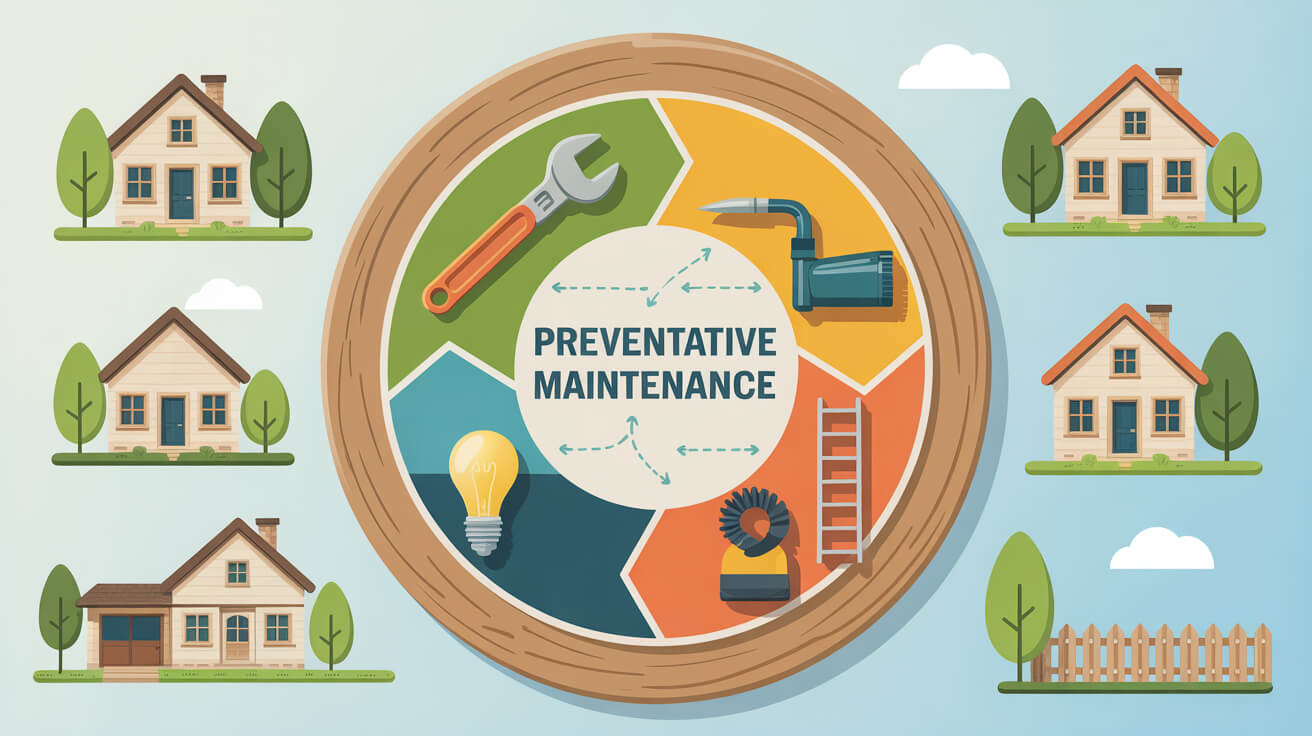
A single accountable partner becomes the stronger option when coordination itself starts creating risk.
If you are still juggling separate trades, the cheapest-looking invoice is rarely the cheapest outcome. The hidden cost usually sits in the handovers. One contractor makes safe, another follows up, somebody else tries to arrange access, and nobody owns the result from first report to final close-out. That is where money leaks out and confidence drops.
The hidden cost of disconnected providers
Ad hoc arrangements often create repeat diagnosis, duplicated visits, slow authorisations, and inconsistent records. They also increase the chance that a manageable issue becomes a more expensive one because nobody was set up to contain it properly at the start. What looks cheaper on a one-off basis can become much more expensive across a year of repeat faults, avoidable disruption, and tenant chasing.
Where tenant experience breaks down
Your tenant notices uncertainty immediately. If they get mixed messages, unclear timescales, or repeated access requests for the same issue, trust drops fast. At that point, the problem is no longer just technical. It becomes a service failure. If you manage on behalf of an owner, fund, board, or housing provider, that pressure lands on your team before it lands anywhere else.
When one partner becomes simpler
A joined-up partner makes sense when you want one route for reporting, one triage process, one evidence trail, and one set of approval rules. That does not make the building simpler. It makes the operating model easier for you to govern.
What to Look for in a Reactive Maintenance and PPM Provider
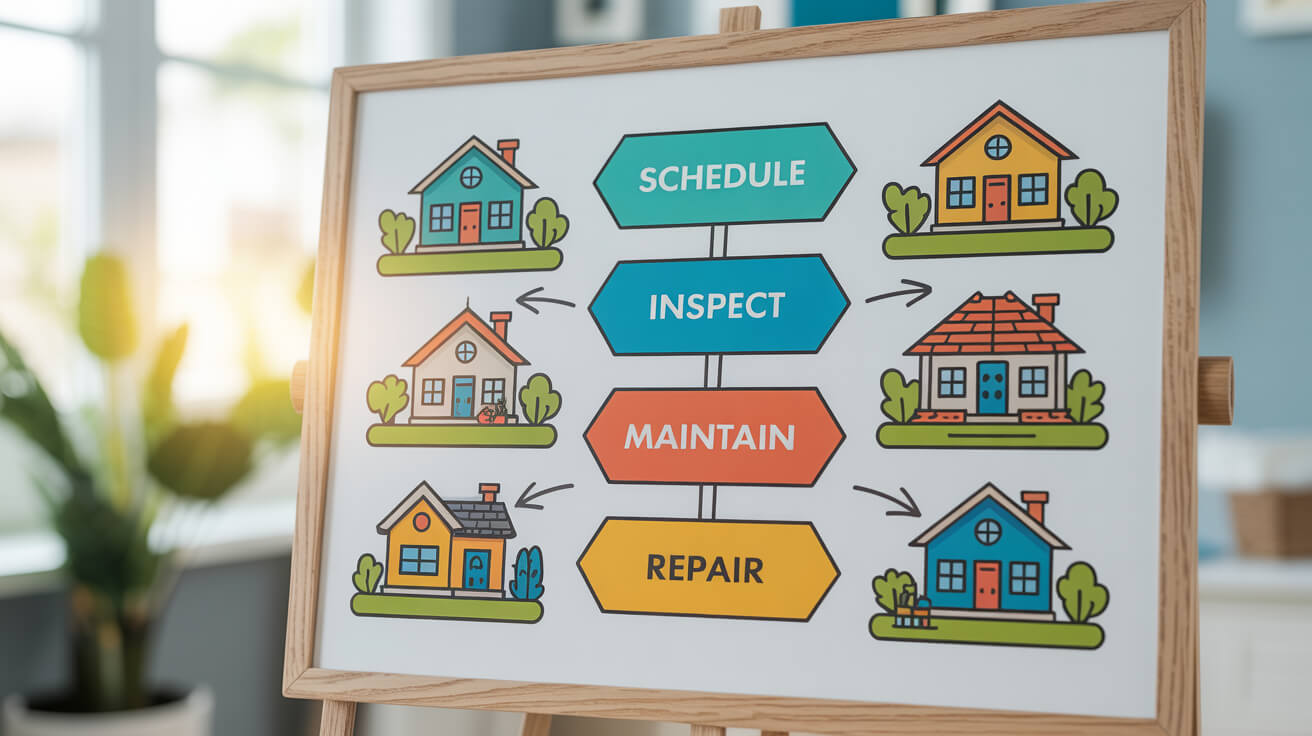
You should assess providers on control, reporting, and repeat-fault reduction, not just on headline rates.
A serious provider should be able to show you how urgent work is triaged, how planned work is scheduled, what evidence is captured after each visit, and how performance is reported back to you. If that is vague, you are being asked to buy faith instead of discipline.
Service levels you can actually enforce
You need clear priority categories, realistic response expectations, escalation routes, and defined approval thresholds. Fast response sounds good in a pitch, but it means very little if the categories are loose and the handover is messy. You should know what happens when a job is emergency, urgent, or routine, and what standard applies at each step.
Reporting that proves control
You need records that help you make decisions, not just close tickets.
- Photos before and after work
- Clear diagnosis and action taken
- Parts or materials used
- Next steps and follow-up status
That is what turns maintenance from a cost line into something you can govern with confidence.
Competence, insurance, and governance
You also need evidence of trade competence, health and safety controls, insurance cover, and quality assurance. For planned work, ask how servicing and inspections are mapped to the actual risks in your stock. For reactive work, ask how out-of-hours handovers, make-safe decisions, and post-incident review are managed. We build that joined-up governance into the service because your real goal is not more activity. It is less repeat demand and better control.
Accreditations & Certifications







Pricing, SLAs, Scope Control and Commercial Guardrails

The right contract is built around scope clarity and total-cost control, not a cheap-looking first rate.
Reactive maintenance is usually priced through a first attendance or callout fee, then labour and materials, with higher rates for out-of-hours response. PPM may sit inside a retainer, a compliance-led schedule, or a broader asset-care arrangement. The right structure depends on your stock profile, risk exposure, and how much unpredictability you want to remove from the year.
How reactive pricing is usually structured
You will often see reactive work priced around attendance, time, and parts. Out-of-hours work usually costs more because response expectations are tighter and resource availability changes. That is exactly why triage matters. You do not want routine work drifting into emergency rates because the reporting process is weak.
What changes the price
Price follows complexity. A single-let property is not the same as an HMO, a block with communal plant, or a mixed-use building with multiple systems and access constraints. Geography, urgency, building age, asset density, compliance exposure, and specialist input all affect what sensible pricing looks like.
What to lock down before you appoint
Before you appoint, make sure you are clear on:
- Emergency categories and response rules
- Approval limits and quote thresholds
- Inclusions, exclusions, and parts policy
- Reporting cadence and close-out evidence
Once those rules are written properly, the commercial conversation becomes easier because you are comparing operating models rather than vague promises.
Reliable Property Maintenance You Can Trust
From routine upkeep to urgent repairs, our certified team delivers dependable property maintenance services 24/7 across the UK. Fast response, skilled professionals, and fully insured support to keep your property running smoothly.

Book Your Free Consultation With All Services 4U Today
You can make a stronger maintenance decision once you can see where your current process is creating avoidable risk.
If you are dealing with repeat callouts, weak emergency ownership, thin records, or too much chasing between tenants, trades, and internal stakeholders, a consultation gives you a practical place to start. We review how your reactive repairs are being handled, where planned maintenance is missing or misaligned, and which parts of your reporting process are creating friction for approvals, complaints, or follow-on works.
You do not need perfect data before that conversation. A property list, a few recent urgent jobs, a sense of where repeat faults are showing up, and your current contractor setup are usually enough to expose the pressure points. We then show you what a more controlled model could look like for your stock, your risk profile, and the service standard you need to protect.
If there is a fit, you leave with a clearer route to fewer repeat emergencies, stronger oversight, and a maintenance setup you can trust. If there is not, you still leave with a sharper view of what needs fixing in your current arrangement.
Book your free consultation with All Services 4U today.
Frequently Asked Questions
What should you do first when a tenant reports an out-of-hours emergency?
You should assess immediate risk, protect people and property, and create a defensible handover for the next repair stage.
When an out-of-hours call lands, the first decision is not cost. It is control. You need to know whether the issue creates an immediate safety risk, a security risk, a habitability problem, or a real chance of material property damage before the next working day. In residential property maintenance, that usually means uncontrolled water ingress, dangerous electrics, suspected gas issues, failed entrance security, fire alarm faults in common parts, or total heating loss where vulnerability or weather raises the risk.
That early judgement shapes everything that follows. If the issue is logged badly, triaged slowly, or passed around without ownership, the repair itself becomes only one part of the problem. The rest shows up on Monday morning as duplicated callouts, resident frustration, complaint exposure, and weak evidence if anyone later asks what was known and when.
In a real emergency, speed matters. Clarity matters longer.
For a property manager, this is about avoiding a messy handover and a day of chasing contractors for answers. For an RTM chair or RMC director, it is about showing residents and fellow directors that the building is governed, not improvised. For a housing association or local authority team, it is about reducing complaint escalation and protecting the organisation when handling is reviewed against service standards. For an insurer or broker, it is about whether the response supports or weakens later claims defensibility.
Which issues need immediate attendance rather than a next-day repair?
Not every urgent-sounding report is a genuine emergency, but the categories that usually justify immediate attendance are well understood.
- Immediate safety threats: such as exposed live electrics, suspected gas escape, fire system impairment, or structural instability
- Active property damage risks: such as ongoing leaks, flooding, burst pipe scenarios, or severe storm breach
- Security failures: such as broken communal entrance doors, failed locks, shattered access points, or unsecured vacant units
- Habitability threats: such as complete heating failure in high-risk occupancy or severe sanitary failure
The Housing Ombudsman’s complaint work repeatedly shows that delays become harder to defend when landlords cannot demonstrate a clear prioritisation logic. Housing Health and Safety Rating System thinking supports the same point from another angle: if the condition could create a meaningful hazard, the quality of the response process matters as much as the final repair.
That is why a disciplined emergency maintenance model separates danger now from disruption now. A resident without hot water may need urgent support, but a resident with exposed live conductors or uncontrolled flooding needs immediate risk control. If your provider cannot make that distinction calmly and consistently, the out-of-hours service is not protecting your asset or your reputation.
How should your first-response sequence actually work under pressure?
A good first-response sequence should be simple enough to use at 2 a.m. and structured enough to stand up later in a complaint file, insurer query, or board review.
The usual sequence is:
| Step | What your provider should do | Why it matters |
|---|---|---|
| Confirm | Capture location, issue, affected area, occupants, and current risk | Stops vague logging |
| Advise | Give immediate safety instructions where relevant | Reduces harm before attendance |
| Triage | Decide whether attendance is required now or next day | Prevents waste and delay |
| Authorise | Approve the right level of attendance and spend | Keeps control of escalation |
| Record | Log actions, rationale, and status for handover | Creates accountability |
That fifth step is where many providers fall short. They may attend quickly, but they leave behind almost nothing useful. A one-line note saying “made safe” is not a handover. It does not tell your daytime team what was isolated, what remains at risk, whether access is needed again, whether the resident was left safe, or whether the issue could recur overnight.
A stronger emergency contractor leaves a chronology. They show what was reported, what was advised, whether attendance was justified, what was done on site, what remains outstanding, and what the next step should be. That is what turns emergency repairs from a reactive blur into a controlled maintenance process.
Why does weak triage become expensive even when somebody attends?
Because attendance alone does not prove control.
If every serious-sounding call gets the same response, you end up paying premium rates to rediscover obvious facts. If every borderline issue gets downgraded, you risk resident harm, complaint escalation, and asset damage. Poor triage usually creates three losses at once: unnecessary callout spend, weak resident confidence, and low-quality follow-on repair planning.
For insurance brokers and risk surveyors, weak triage often shows up later in the claim narrative. A loss is harder to defend when there is no clean record of first notification, advice given, attendance timing, and damage containment. For lenders and valuers, repeated emergency disorder suggests weak operational control over the stock. For resident services managers, it drives contact volume because tenants keep chasing for certainty they should have received in the first interaction.
The commercial point is simple. Emergency maintenance is not only about getting someone on site. It is about controlling what happens before, during, and after attendance.
What should you expect from the handover before the next working day starts?
You should expect enough information to decide the next action without re-investigating the incident from scratch.
A credible out-of-hours handover should usually tell you:
- what the resident reported
- how the issue was triaged
- whether immediate safety advice was given
- what action was taken on site
- whether the risk is fully removed or only contained
- what temporary measures remain in place
- what follow-on work, access, or parts are needed
That matters for every buyer type, but the consequence changes by role. A managing agent needs clean contractor control. A compliance lead needs proof that risk was treated seriously. A board needs confidence that out-of-hours spend is not becoming unmanaged leakage. A landlord needs to know the property is stable without being forced into technical guesswork.
If your current provider leaves your team with a vague attendance note instead of a defendable handover, that is usually the first process worth reviewing. If you need a maintenance partner that can make safe, document clearly, and leave your team with a usable next-action record, All Services 4U is usually easiest to test through an emergency workflow review rather than a full portfolio commitment on day one.
How should planned preventative maintenance be scheduled across a rental portfolio?
Planned preventative maintenance should follow asset risk, legal exposure, and failure pattern rather than a generic annual timetable.
A useful planned preventative maintenance programme starts with a basic truth: buildings do not fail evenly. The roof, plant, drainage, access control, fire systems, and communal services in one block do not carry the same risk, cost, or urgency as the same components in another. A portfolio with thatch of ad hoc dates, generic contractor visits, and no clear link between recurring faults and inspection rhythm is not running planned maintenance. It is just spreading administration across the calendar.
RICS asset management thinking supports lifecycle-based maintenance planning, and SFG20 remains a widely used benchmark for maintenance task structuring. That matters because a landlord or managing agent needs more than a list of visits. You need a way to explain why a system is checked monthly, quarterly, or annually, and whether that cadence still reflects actual risk.
For an asset manager, the value sits in predictability, reserve planning, and reduced surprise spend. For a finance director or service charge accountant, it sits in smoother cost curves and fewer disruptive emergency spikes. For a resident-facing team, it sits in fewer repeat failures of the same assets. For a compliance lead, it sits in separating true statutory cadence from broad good-practice maintenance.
Which factors should decide how often assets are inspected or serviced?
The frequency should reflect what happens if the asset fails, not how easy it is to put on a spreadsheet.
The core decision factors usually include:
- Safety and statutory exposure: such as fire systems, gas, electrical safety, water hygiene, lifts, or access control
- Failure consequence: including resident harm, building damage, complaint risk, or insurer concern
- Asset age and condition: including deterioration history and known manufacturer weaknesses
- Building type and occupancy: including shared services, vulnerable residents, and common-part intensity
- Local environment: such as storm exposure, water ingress risk, heavy use, or drainage burden
- Repair history: including recurring leaks, recurring heating failures, or repeated security breakdowns
If you already have clusters of reactive jobs around one asset class, your maintenance rhythm is telling you something. Either the inspection frequency is wrong, the inspection depth is too light, or the findings are not feeding into remedial planning.
That is where a good provider looks beyond compliance-only attendance. They connect the reactive record to the planned schedule. If communal pumps fail repeatedly, they ask whether monitoring should change. If roof ingress appears after every heavy storm, they tighten the external inspection logic. If fire door defects keep resurfacing, they stop treating the issue as isolated joinery and treat it as a controlled safety programme.
What does a practical PPM structure look like in plain terms?
A practical programme usually sorts assets into broad groups, each with a different level of attention.
| Asset type | Scheduling logic | Typical management aim |
|---|---|---|
| Safety-critical | Statutory or tightly risk-led cadence | Compliance and defensibility |
| High-failure-risk | Seasonal, condition-led, or enhanced review | Fewer callouts and fewer surprises |
| Lower-risk | Light-touch review or reactive-only approach | Avoid overservicing |
That approach works because it gives you an operational language that finance, operations, and compliance teams can all understand. You are not saying every asset gets “more maintenance.” You are saying the assets that can create the most damage, disruption, or legal exposure get the strongest attention.
For a board or RTM director, this helps justify spend. For a managing agent, it helps reduce avoidable noise. For a lender-facing portfolio, it helps show that asset stewardship is thought through rather than reactive.
How can you tell when your current schedule is too light or too heavy?
A schedule is too light when the same high-impact failures keep returning between visits. It is too heavy when low-risk assets consume routine cost without reducing meaningful incidents.
Warning signs that the current rhythm is wrong include:
- repeated reactive jobs on the same asset group
- seasonal failures that were predictable but not pre-empted
- inspection reports that create no practical follow-on actions
- contractor visits that produce little beyond attendance proof
- rising maintenance cost without better service reliability
This is where planned preventative maintenance becomes commercial rather than technical. A stronger programme does not just produce certificates or service sheets. It reduces disruption and gives you better control over future spend. It also improves your evidence position with insurers and lenders when they want to understand whether recurring failures were foreseeable and managed.
Why does planned maintenance matter to reserves, service charges, and portfolio confidence?
Because maintenance timing affects cashflow almost as much as engineering.
If you defer obvious deterioration, you usually do not save money. You push the cost into a more urgent, less controlled, and often more expensive phase. That matters especially in blocks where reserve adequacy, Section 20 planning, and service-charge stability affect board confidence and resident scrutiny.
A decent PPM structure helps you distinguish:
- recurring operating cost
- emerging remedial cost
- true capital pressure
- avoidable repeat-spend caused by delay
That separation is valuable to finance leads because it improves forecast quality. It is valuable to RTM directors because it makes board decisions easier to defend. It is valuable to institutional owners because it supports steadier operating performance across the stock.
What should you ask a provider before trusting them with your PPM model?
Ask how they build the schedule, how they change it, and what evidence they leave when a task is complete.
A stronger answer usually includes risk scoring, standards alignment, defect-to-remedial workflow, and evidence capture at close-out. A weaker answer stays at the level of attendance and broad frequency statements.
If you want a maintenance partner that can tie reactive history, planned inspections, and compliance obligations into one portfolio view, ask for a sample PPM logic map, a sample reporting pack, and how their preventive maintenance approach is evidenced in practice. If you need a provider that can help you reduce reactive noise, stabilise service-charge decisions, and show your board or client why the schedule makes sense, All Services 4U is usually best assessed through a portfolio maintenance review with a live asset sample rather than a generic rate-sheet comparison.
What shows that your maintenance model is creating repeat callouts instead of reducing them?
Repeat callouts usually show that the service is closing jobs without changing the underlying risk.
A second visit to the same issue can happen for legitimate reasons. A hidden leak may reveal itself fully only after an initial make-safe. A parts delay may split one repair into two attendances. But when the same type of fault keeps returning across the same asset, building type, or contractor route, the problem is no longer just technical. It is operational.
That pattern matters because repeated failures rarely stay contained inside the maintenance budget. They spill into complaint handling, call-centre volume, resident trust, contractor management time, and board confidence. For a facilities manager or maintenance coordinator, repeat callouts often mean the service looks busy without becoming more reliable. For an asset manager, they suggest underlying deterioration is being funded in fragments rather than addressed properly. For an insurer, repeated unresolved issues may raise questions about whether foreseeable loss was left unmanaged.
Which patterns usually signal a weak maintenance model?
The raw number of jobs matters less than the shape of the repeat.
You should stop and look harder if you see:
- the same asset fail again within a short period
- different contractors treating the same root problem in isolation
- repeated out-of-hours jobs followed by weak daytime closure
- repairs marked complete while the resident keeps reporting the same issue
- rising spend without a corresponding fall in incident volume
Those patterns often point to one of five underlying weaknesses: shallow diagnosis, poor evidence capture, weak authorisation pathways, no link between reactive work and planned maintenance, or no structured review of repeat faults.
ISO 41001 is relevant here in principle because it treats facilities management as a system to be measured and improved, not just a sequence of attendance events. In plain language, that means you should be able to see what keeps failing, where it keeps failing, and what changed after the last intervention.
Why do repeat callouts become expensive faster than buyers expect?
Because the visible labour cost is only one part of the damage.
Each repeat incident tends to generate:
- duplicate job creation
- extra resident communication
- extra contractor mobilisation
- fresh access coordination
- more internal chasing
- weaker confidence in the original diagnosis
That hidden administrative load is where service teams often feel the problem first. Resident liaison teams feel it in repeated complaints. Managing agents feel it in coordination time. Finance teams feel it when a line of minor jobs quietly turns into a meaningful cost cluster. Boards feel it when the same issue appears in successive reports with slightly different wording and no convincing explanation.
A maintenance operation that cannot reduce recurrence is not just inefficient. It becomes harder to govern.
What should a stronger provider do once a pattern appears?
A stronger provider should not simply log the next job faster. They should change how the asset is managed.
That usually means asking:
- was the original diagnosis technically sound?
- was the first repair a temporary containment rather than a proper remedy?
- should the issue now trigger a planned inspection or programme change?
- does approval routing delay proper closure?
- is the contractor scope too fragmented to solve the problem in one pass?
A disciplined provider will feed those answers back into planning. A weak one keeps treating each incident as unrelated.
| Weak approach | Strong approach | Likely result |
|---|---|---|
| Closes the latest job only | Reviews recurrence and root cause | Fewer repeat incidents |
| Stores generic notes | Captures photos, diagnosis, and asset detail | Better trend visibility |
| Measures attendance speed | Measures closure quality and recurrence | Better decision-making |
| Keeps reactive and planned work separate | Uses fault history to change maintenance logic | Lower long-run cost |
For compliance leads, that stronger model creates better evidence if scrutiny lands later. For insurers, it supports the argument that known issues were being actively managed. For lenders and valuers, it shows the stock is under operational control rather than drifting.
How do you review repeat-fault risk without launching a huge project?
Start small and look for concentration, not perfection.
A useful first pass is often a short repeat-fault review built around:
- the same address
- the same asset group
- the same issue category
- the same contractor route
- the same 30 to 90 day period
That reveals very quickly whether you are paying to solve problems or paying to revisit them.
If your current provider cannot show what changed after the last recurrence, that is usually the point where confidence should drop. If you need a maintenance partner that turns repeat-fault data into fewer callouts, cleaner reporting, and better planned intervention, All Services 4U is often easiest to evaluate through a sample repeat-issue review and reporting comparison rather than a broad promise about response times.
Why does response time matter so much when the full repair still takes longer?
Response time matters because people judge control before they judge technical completion.
A resident dealing with a leak, failed heating, broken entrance security, or unsafe electrics is usually not measuring your service the way a contractor does. They are asking whether someone understood the problem, whether anyone is taking ownership, whether the risk is being taken seriously, and whether they will be left chasing. That is why the first response has disproportionate weight. It shapes trust before the full repair even begins.
For resident services teams, this is not just a communications issue. It is a volume issue. Slow acknowledgement or vague updates usually create extra contacts, duplicate complaints, and avoidable escalation. For landlords, it changes a repair problem into a service problem. For managing agents, it raises the temperature with leaseholders and board members. For the Housing Ombudsman, weak communication often becomes part of the criticism even when the eventual technical repair is carried out.
People rarely expect miracles. They do expect signs that someone competent is in charge.
What does a resident usually need in the first hours?
In most urgent cases, residents want four things confirmed quickly:
- the issue has been understood correctly
- the risk level is being taken seriously
- the next action is clear
- they will not need to keep chasing for updates
Qualtrics-style service research consistently points to acknowledgement and communication quality as major drivers of trust, and the same principle applies in property maintenance. A fast but confusing response often performs worse than a realistic response that explains what is happening and why.
That is particularly relevant in social housing, resident-heavy blocks, and mixed-use settings where one unresolved issue can generate pressure from multiple sides at once. The resident wants reassurance. The property manager wants operational certainty. The board wants evidence of control. The call handler wants the next update to be easier, not harder.
How does silence or weak communication make the situation worse?
Because uncertainty feels like abandonment long before it becomes a formal complaint.
A manageable repair delay turns into distrust when no one owns the communication. A temporary make-safe looks like neglect if the resident has no idea what was done or what happens next. A minor overnight disruption can become a reputational problem when the contact trail shows confusion rather than control.
Housing Health and Safety Rating System logic is useful in the background here because it reminds you that living conditions are not judged in abstract technical terms. Cold, damp, electrical risk, and security failures affect daily life quickly. That means handling quality matters, not only repair quality.
For resident liaison officers and call-centre teams, this usually shows up as repeat inbound pressure. For boards and NEDs, it shows up as complaints that feel larger than the original defect. For compliance teams, it creates a weak record if the issue later intersects with formal hazard concerns.
What should a strong response look like from the resident side?
A strong response usually sounds calm, specific, and owned.
The provider should be able to tell the resident:
- what they understand the issue to be
- whether immediate attendance is required
- what immediate safety steps should be followed
- whether the issue is being made safe or fully resolved tonight
- when the next update or visit should be expected
That is not overcommunication. It is operational control made visible.
It also protects the organisation internally. Good response communication reduces complaint risk, lowers duplicate contact volume, improves handover quality, and gives managers a cleaner chronology if they need to review the job later.
Why should buyers compare communication quality as closely as response times?
Because response speed without communication discipline still leaves your team doing reputation repair.
A provider may hit the headline attendance target and still leave the resident unconvinced, the property manager under-informed, and the board exposed to criticism. That is why serious buyers should ask for both service metrics and communication examples. A sample resident update, an emergency handover note, and a complaint-avoidance case example often tell you more than a response-time promise on a rate card.
If your current contractor can attend quickly but cannot reassure clearly, hand over properly, and keep residents from spiralling into repeated contact, the service is only half working. If you need a provider that treats response time and communication quality as one service, not two separate ones, All Services 4U is usually best judged through a live review of emergency records and resident-facing updates rather than a simple comparison of callout rates.
What reporting should a maintenance provider leave behind after each job?
A maintenance provider should leave reporting that lets you manage risk, challenge cost, and prove what happened later.
The close-out record is not paperwork for its own sake. It is the point where a repair becomes governable. If the record is weak, you cannot tell what was diagnosed, what was fixed, whether the issue is stable, whether follow-on work is still needed, or whether the same fault is likely to return. If the record is strong, you can challenge repeat failures, defend complaints, support claims, reassure lenders, and report upstream with confidence.
This is where many providers quietly reveal their true operating standard. A polished mobilisation pitch means very little if the actual job note says only “attended and resolved.” In high-trust environments, that level of vagueness is not reassuring. It is risky.
For lenders and valuers, clean records help show that asset stewardship is real. For insurers and brokers, they support claims defensibility and risk improvement narratives. For boards, they support oversight. For resident services teams, they reduce the need to reconstruct what happened from fragmented messages.
Which details should always appear in a proper close-out record?
The essentials should be consistent enough that every meaningful repair leaves a usable trail.
A strong close-out usually includes:
- date and time of attendance
- issue reported and diagnosis reached
- make-safe action or repair completed
- before-and-after photos where relevant
- parts and materials used
- follow-on works still required
- access notes and resident communication notes
- any compliance, certificate, or inspection implication
If the job intersects with a regulated or safety-sensitive area, the report should also point clearly to the relevant compliance context. That might mean a fire safety action, a gas certificate implication, an electrical remedial note, a water hygiene follow-on, or a security standard requirement.
Why does this reporting matter beyond the repair itself?
Because each close-out can feed several different governance needs at once.
| Reporting use | Why it matters | Who usually cares most |
|---|---|---|
| Complaint defence | Shows chronology, ownership, and communication | Property managers and resident teams |
| Cost control | Connects labour and materials to diagnosis | Finance and asset teams |
| Repeat-fault review | Reveals patterns by asset or contractor | FMs and maintenance coordinators |
| Compliance confidence | Links jobs to wider safety duties | Compliance leads and boards |
| Claims support | Helps show what was known and done | Brokers and insurers |
| Lender reassurance | Demonstrates operational control | Lenders and valuers |
Propertymark-style expectations around transparency and record quality fit well here, but so do ordinary commercial controls. If the record cannot be trusted, the service cannot be managed well. That is true whether the audience is a managing agent, a board, a housing provider, or an institutional owner.
What should you ask to see before appointing a provider?
Ask for real samples, not summaries.
The three most useful documents are usually:
- a sample reactive close-out report
- a sample emergency handover note
- a sample repeat-fault or trend report
Those documents reveal whether the provider is just logging attendance or producing management-grade evidence. They also show how much of the burden will still fall back on your team after the contractor leaves site.
A provider with disciplined reporting should be able to show clear chronology, clear diagnosis, clear action, and clear next steps without being pushed. If they cannot, your team will end up carrying the missing administration later.
How should reporting support boards, insurers, and lenders specifically?
This is where generic job notes stop being enough.
Boards need concise reporting that supports decisions. Insurers need records that support claims and demonstrate condition-precedent compliance. Lenders need evidence that key safety, condition, and governance signals are under control. A provider that understands those audiences will structure reporting so it can be used beyond the individual repair.
That means your maintenance records should be able to feed:
- board packs
- insurer dossier material
- lender and valuer responses
- resident complaint defence
- portfolio risk reporting
If you are comparing providers, a sample reporting pack is one of the safest tests you can ask for. If you need a maintenance partner that leaves your team with usable evidence rather than vague attendance notes, All Services 4U is usually easiest to assess by reviewing sample close-outs, emergency handovers, and trend reporting against your own governance needs.
How should you compare maintenance providers without regretting the cheapest quote later?
You should compare providers on control, evidence, and downstream risk rather than on headline price alone.
A low first-line rate often becomes expensive when the operating model behind it is weak. The warning signs are familiar: poor triage, repeated callouts, weak evidence capture, vague exclusions, unclear approval controls, and no credible route from reactive work into planned maintenance. At that point, the quote was never really cheap. It simply postponed the real cost into complaints, disruption, claim risk, and management time.
That matters to different buyers in different ways. A managing agent feels it as extra chasing. A board feels it as weak assurance. A compliance lead feels it as poor evidence. A finance director feels it as unstable spend. A broker feels it as preventable insurer queries. A lender-facing owner feels it as weaker confidence in asset control.
Cabinet Office and National Audit Office thinking on contract management both reinforce the same broad principle: value is shaped by clarity, performance visibility, and control, not just by entry price. In maintenance, that means the best provider is usually the one who makes your portfolio easier to govern over time.
Which questions matter more than the rate card?
You learn more from process questions than from list prices.
The most revealing questions usually are:
- how are out-of-hours jobs triaged and handed over?
- what evidence is mandatory before a job can close?
- how are repeat faults identified and reduced?
- how is planned preventative maintenance linked to reactive history?
- how are compliance-sensitive jobs documented and escalated?
- how are approvals, exclusions, and variations controlled?
Those questions expose whether the provider has an operating system or just a diary and a phone.
What side-by-side differences usually separate strong providers from weak ones?
The comparison becomes clearer when you test operating discipline, not just commercial presentation.
| Question | Weak provider answer | Strong provider answer |
|---|---|---|
| Who owns the job after attendance? | “We respond fast.” | “We triage, make safe, report, and manage follow-through.” |
| What evidence is captured? | “Basic notes if needed.” | “Photos, diagnosis, actions, materials, and next steps are mandatory.” |
| How are repeat issues handled? | “We revisit if the issue returns.” | “We trend recurrence and adjust maintenance logic.” |
| How is spend controlled? | “Our rates are competitive.” | “Rates, approvals, scope limits, and reporting are defined.” |
| How is risk escalated? | “We let you know if needed.” | “We escalate by risk type, compliance impact, and ownership route.” |
This matters especially in BOFU buying situations where the reader is already solution-aware. At that point, you are not deciding whether maintenance matters. You are deciding whose operating model creates the least regret.
What should cautious buyers do if they are not ready for a full appointment?
You do not need to jump straight into a whole-portfolio handover.
A safer next step is usually one of three options:
- a short portfolio maintenance review
- a sample reporting and evidence pack review
- a focused diagnostic on emergency response, repeat faults, or PPM logic
That approach is useful because it lets you compare real operating quality without committing everything at once. For an RTM board, it reduces governance risk. For a managing agent, it tests how clean the handovers will be. For an asset manager, it gives an early read on control and spend discipline. For a broker or lender-facing owner, it shows whether the provider understands defensibility, not just attendance.
How do you know when a provider is the safer long-term choice?
Usually when they make the service easier to explain, easier to evidence, and harder to challenge.
The safer provider is rarely the one that sounds cheapest on day one. It is the one that can show how emergency response, planned maintenance, reporting, compliance tracking, and governance fit together. It is the one that makes your board pack stronger, your complaint file cleaner, your insurer query easier to answer, and your residents less likely to feel ignored.
If you want a provider that gives your team operational control rather than a sequence of isolated jobs, the cleanest next step is usually a working review of your current model. If you need a maintenance partner that can support governance, resident trust, claims defensibility, and portfolio stability in one joined-up service, All Services 4U is best judged by how it handles your evidence, your risk, and your follow-through — not just by what appears on the first quote.
- Why Landlords Are Combining Reactive Maintenance With PPM Now
- Reactive Maintenance vs PPM: What Do They Mean for a Landlord Day to Day?
- What 24/7 Emergency Response Should Actually Look Like
- How a Joined-Up Reactive and PPM Model Cuts Repeat Failures and Complaints
- When a 24/7 Maintenance Partner Beats DIY Coordination or Ad Hoc Trades
- What to Look for in a Reactive Maintenance and PPM Provider
- Pricing, SLAs, Scope Control and Commercial Guardrails
- Book Your Free Consultation With All Services 4U Today
- Frequently Asked Questions
- Related PPM Services
Case Studies


Related Articles

Your Guide To Identifying And Treating Minor Mould Outbreaks
Why Planned Preventative Maintenance (Ppm) Saves Money And Ensures Compliance