Electrical Safety PPM Services for RTM Boards – EICR, DB Testing & Remedial Works
RTM directors and managing agents responsible for communal electrics need more than a five-year EICR; they need a clear electrical safety PPM plan covering EICR review, landlord DB testing and remedial works. All Services 4U maps what is in scope, schedules checks and structures action logs so risks, budgets and decisions stay controlled, based on your situation. You finish with a practical programme, prioritised remedials and governance-ready records that show what was found, agreed and completed. It’s a good time to clarify your electrical safety plan and sense-check your latest EICR.



Author
Izzy Schulman

RTM boards and managing agents often inherit ageing communal electrics, unclear scopes and a single EICR that does not explain what should happen next. That uncertainty exposes directors to avoidable risk around resident safety, budgets, insurance and future questions about what the board knew and did.
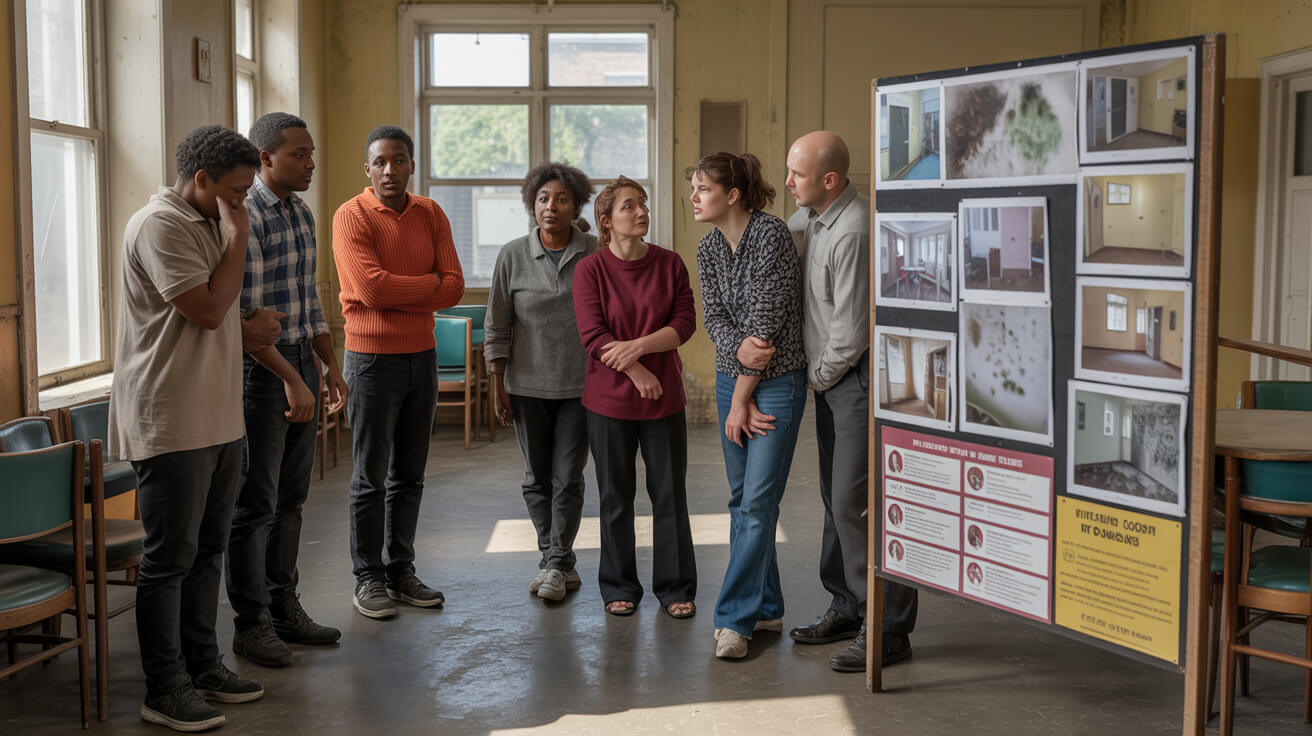
A structured electrical safety PPM service helps RTM RMC boards turn technical reports, leases and layout plans into a simple, repeatable programme for inspections, DB checks, remedial priorities and evidence records. With a clear scope and governance trail, RTM boards can act proportionately, track decisions and maintain a defensible building file without decoding every technical detail alone.
- Clear scopes for communal and landlord electrical responsibilities
- Prioritised remedials tied to budgets and risk reduction
- Evidence records that support RTM decisions and governance</p>
Need Help Fast?
Locked out, leak at home, or electrical issue? All Services 4 U provides 24/7 UK locksmith, plumbing, electrical.
Testimonial & Clients Who Trust Us
With 5 Star Google Reviews, Trusted Trader, Trust Pilot endorsements, and 25+ years of experience, we set industry standards for excellence. From Dominoes to Mears Group, our expertise is trusted by diverse sectors, earning us long-term partnerships and glowing testimonials.
Worcester Boilers

Glow Worm Boilers

Valliant Boilers

Baxi Boilers

Ideal Boilers

Why RTM Boards Need Electrical Safety PPM Beyond a Single Certificate
One Electrical Installation Condition Report (EICR) every five years is not enough to protect your board when something goes wrong.
Once your Right to Manage company takes over, you carry the management functions for common parts and landlord supplies. Electrical safety becomes an ongoing duty: to know what is in scope, keep it maintained so far as reasonably practicable, act on findings, and be able to show that you did.
In practice you need a simple electrical safety plan, not just a report. That plan should cover:
- which communal and landlord electrical assets sit in scope
- when each area will be inspected or tested
- how landlord distribution boards and protective devices will be checked between full tests
- how you will prioritise C1, C2 and FI observations
- which records sit in your building file and who keeps them up to date
It should be proportionate to your block but clear enough that a new director or agent can follow it without guesswork.
You also need basic governance around the work so you can show how decisions were made. Your records should show:
- when electrical risks or observations were discussed
- which options and costs were considered and approved
- when works were completed and by whom
If a resident, insurer or lender later questions what you knew and what you did, those records are what protect you.
All Services 4U is set up to help you do this calmly. We review your leases, reports and layout, then turn them into a practical electrical PPM programme and evidence plan for your RTM board, instead of leaving you to interpret technical paperwork on your own.
If you want a quick sense‑check, you can ask us to review your latest communal EICR and outline your immediate priorities.
Which Common‑Parts Electrical Assets Are Usually in Scope — and Which Get Missed?
You reduce risk fastest when you know exactly which communal assets you are responsible for and can see them on one page.
For an RTM board that usually means the landlord‑controlled side of the electrical installation in the common parts, typically including:
- intake and main switch rooms
- riser cupboards and landlord distribution boards
- communal and emergency lighting supplies
- power supplies for smoke control and ventilation
- lifts, door entry and access systems
- plant rooms and control equipment
- landlord sockets or small‑power circuits used by cleaners or contractors
Clarifying the landlord side of the installation
You should have a simple list of these assets and where they are. That list can be built from leases, drawings, existing reports and what contractors see on site. It needs to distinguish clearly between distribution network operator equipment, landlord equipment and anything demised to flats.
When that line is vague, faults take longer to isolate, parties argue about scope and residents can sit in the dark for longer than necessary.
Assets that are easily overlooked
In many older blocks, the most problematic items are the ones nobody has written down, such as:
- old fuse boards at the back of risers or cupboards
- legacy feeds to outbuildings, signage or car parks
- door‑entry supplies tucked behind panelling
- landlord sockets with extension leads and multi‑adaptors
If these are not named in the brief, they fall outside routine routes. A good communal EICR scope will state explicitly that all landlord distribution boards and sub‑mains feeding common parts are in scope, and your PPM plan will bring those boards back into view between inspections.
Treating nuisance issues as early warning
Repeated breaker tripping, intermittent lighting or warm enclosures are not just irritations. They can point to overloading, loose terminations, damaged insulation or ageing devices. Building these “soft signals” into your action list – rather than waiting for the next formal test – is what turns a certificate‑driven regime into true preventative maintenance.
Why a Planned Preventative Programme Beats “Just Get the EICR Done”
You control electrical risk and spend far better when you treat communal electrics as an asset to manage, not just a test to pass.
An EICR is a snapshot. It tells you, at a point in time, whether the installation is satisfactory against the criteria used. It does not by itself set budgets, schedule remedials, track closure, or guarantee that conditions will not stay the same until the next test.
Joining up duty, budgets and day‑to‑day operations
A planned programme ties duties in the leases to real‑world actions: which assets are inspected, how often, how findings are coded and prioritised, and who can approve different levels of spend. It links those actions to your service‑charge planning so you are not forced into emergency decisions every time a report flags urgent items.
You can group remedials where sensible, brief residents in advance and show that you are keeping the building in repair and safe use, rather than chasing one‑off issues.
Keeping directors in the right role
As a director you do not need to become an electrician. Your role is to demand clear scopes, prioritised observation schedules, costed remedial proposals and proper certification. We translate the technical picture into options and timing so you can make decisions in line with your duties and budget.
A simple schedule that lists each significant observation in plain English, explains the risk and sets out an indicative cost makes board decisions easier to take, record and defend later.
Avoiding fragmented advice and records
If different electricians, handymen and specialists all touch parts of the installation without a shared plan, you can end up with scattered certificates and no joined‑up view of risk. A planned PPM programme gives you one framework for all electrical work, so every visit either confirms the current position or moves you closer to closing out known risk.
If you want that structure for your block, you can ask All Services 4U to consolidate your reports into a single electrical PPM plan and action log.
How to Set EICR Intervals, Interim Checks and Trigger Reviews
You strengthen your position when inspection intervals are clearly reasoned and written down, not just copied from habit.
A five‑year EICR interval is common for communal installations, but it is not automatically right. The interval should reflect the condition and age of the installation, the environment, loading, building type and issues found last time. The electrician should recommend a next‑inspection date on that basis, and you should record and adopt it unless you have clear reasons to adjust it.
Planning what happens between full inspections
Between full EICRs, you can schedule lighter‑touch reviews such as:
- visual checks of landlord boards for damage, overheating or contamination
- checks that labels, circuit charts and identification remain accurate
- reviews of logs for nuisance tripping or repeated callouts
- simple walks through common parts to spot damaged accessories or exposed wiring
These do not replace formal testing, but together they reduce the chance that problems develop unnoticed.
Using triggers to bring reviews forward
Certain events justify bringing an inspection or distribution board check forward, for example:
- water ingress into risers, cupboards or plant rooms
- any fire incident or serious overheating of electrical equipment
- major refurbishment works that affect the installation
- repeated trips on the same protective devices
- a backlog of unresolved “unsatisfactory” observations
It is easier to justify bringing one inspection forward on clear risk grounds than to explain later why you chose to wait.
Recognising that small blocks are not low‑risk by default
A small or self‑managed block can still have complex, ageing or undocumented communal electrics. You might have fewer assets, but the loss of a single landlord board or riser can affect lighting, fire safety interfaces or access control. Your intervals should reflect that reality rather than assuming “small” equals “simple”.
What Distribution Board Testing and Safe Site Execution Actually Involve

You reduce disruption and risk when you understand what is involved in testing communal distribution boards and plan the basics in advance.
Distribution board testing for common parts means inspecting and testing the boards that feed communal circuits, checking enclosures, terminations, identification, protective devices and the test results recorded as part of an EICR. Many boards are also included in routine PPM checks between full tests, especially where conditions are harsh.
Preparing for safe access and shutdowns
Before anyone attends, you should agree access arrangements, what can be isolated when, where residents might be affected and what temporary measures are needed. You may choose to test some boards during the day when lighting levels are acceptable, or to schedule lifts and door entry checks when alternative arrangements are in place.
You also need clarity on what equipment is supplier‑owned and what is landlord‑owned, so the right parties are involved and no one is asked to operate equipment outside their control.
Managing practical constraints on site
Many communal boards sit in tight, poorly lit or shared cupboards. That can limit how and when work can safely be done. Recording constraints – such as limited working space, other services sharing the cupboard, or signs of damp – helps you plan future works, justify extra precautions and explain access limitations in your records.
Capturing the right level of detail in your records
Each time a landlord board is inspected or tested, you should update your records with:
- its location and identifier
- what it feeds in plain language
- its overall condition and any visible concerns
- any immediate actions taken and any recommendations
Over time this gives you a clear picture of which parts of the installation are stable and which are showing wear, so you can target spend rather than treating every board as equal.
If you would like help turning your current communal EICR into a clear board‑by‑board plan, you can ask our team to map your landlord boards and propose a simple PPM schedule around them.
How to Turn C1, C2, FI and C3 Findings into Remedial Works and Budget Decisions

You keep people safer and decisions defensible when you let the codes drive a structured remedial plan instead of treating them as background noise.
For communal EICRs, C1 means danger is present now. The electrician should make that issue safe straight away, often by isolating a circuit or removing an unsafe accessory, and you should expect a prompt follow‑up proposal to repair or replace as needed. C2 means potentially dangerous and calls for urgent remedial work. FI means further investigation is required before anyone can say whether the situation is safe.
Building a clear remedial plan from the report
Once you receive the report, you can ask your contractor for a schedule that lists each C1, C2 and FI item, describes it in plain language, proposes a remedy and gives an indicative cost. You then decide how quickly each item will be tackled, who approves the spend and how access will be managed.
That approach turns a long technical report into a one‑page action plan, often grouped by riser or board. You can approve the highest‑risk items for the coming month and schedule the rest into future budgets, without losing sight of any open codes.
C3 observations usually sit in a separate “improvements” list. These can often be planned into future works provided urgent safety items are not delayed while enhancements are discussed. This is the kind of structured schedule we prepare so you can move from report to action without extra translation work.
Understanding the cost of leaving items open
When unsatisfactory observations sit open for long periods:
- technical risk increases as components continue to age or deteriorate
- operational disruption grows as more callouts are needed for the same issue
- evidential exposure increases as your records show that known problems were left unresolved
Being honest in board discussions about those trade‑offs makes it easier to move from “we should do something” to “we will do this by this date”.
Proving that issues have really been closed
When remedial work is complete, you should receive the right paperwork and evidence, such as:
- minor works or installation certificates where applicable
- updated schedules of test results if circuits have been retested
- a short note linking each original observation to the completed work
- photos before and after, especially in risers and landlord areas
Your internal action log should then show that the item has moved from “open” to “closed”, with a date and reference to the relevant certificate or report.
Accreditations & Certifications






What Evidence RTM Boards Should Keep for Insurers, Lenders and Leaseholders

You make future conversations easier when your electrical records are complete, organised and ready to share at short notice.
The core of your file is the inspection and testing material. In most RTM‑managed blocks that means:
- communal EICRs and related electrical inspection reports
- schedules of test results and distribution board details
- installation or minor works certificates for remedials and upgrades
- records for related systems such as emergency lighting where you are responsible
- clear copies of quotes, approvals, invoices and completion notes for remedial works
Alongside that, you should keep a simple index so you can find each document quickly when a question arises.
Governance and decision records
Beyond technical documents, governance records matter. Minutes or written resolutions should show when key electrical decisions were made, what options were considered, and how you balanced urgency, cost and disruption. An action log that ties each observation to a status, owner and target date shows that you are actively managing risk rather than passively storing reports.
Presenting a clear picture to external stakeholders
Lenders, valuers, residents and advisers may not understand technical details, but they will recognise an orderly pack. A concise summary of your communal electrical position, with a list of current certificates, any open actions and recent remedials, will usually answer most initial questions.
For residents, short plain‑English updates that explain what has been done, why it was necessary and how it was procured can defuse many concerns about cost and timing. For insurers and lenders, the ability to produce the right document quickly often matters as much as the document itself.
Over time, a well‑maintained electrical file becomes a practical asset: it reduces duplicated work, speeds up future tenders and supports smoother exits or refinancing if ownership changes.
Reliable Property Maintenance You Can Trust
From routine upkeep to urgent repairs, our certified team delivers dependable property maintenance services 24/7 across the UK. Fast response, skilled professionals, and fully insured support to keep your property running smoothly.

Book Your Free Consultation With All Services 4U Today
You move faster and with more confidence when you have a clear external view of your electrical position.
In a short, free consultation, you can walk through your situation with All Services 4U: what your leases say, what EICRs and certificates you hold, how many landlord boards and communal systems you have, and whether there are any C1, C2 or FI observations still open.
You will leave that consultation with:
- a plain‑English snapshot of where your communal electrics stand today
- a proportionate outline PPM approach for your block or portfolio
- a simple checklist of remedials and records to bring your file up to the standard you expect
You can then decide, at board level, how quickly you want to move, what to approve now and what to phase into future budgets, knowing that you have a practical plan rather than just another report.
If you would like that clarity for your RTM company, ask All Services 4U to schedule a communal electrical safety review and start turning your responsibilities into a manageable, evidence‑backed programme.
Frequently Asked Questions
What should your RTM board do first when communal electrical records look incomplete?
Your RTM board should build a communal electrical baseline before approving further communal electrical work.
If your records are scattered, incomplete, or inherited from a handover nobody fully trusts, the first step is to define the communal electrical installation in scope and separate what is known from what is missing. That usually means listing landlord-controlled boards, risers, lighting circuits, plant supplies, door-entry feeds, and any other shared electrical assets, then matching each one to the latest certificate, report, or work record. The aim is not to pretend the file is stronger than it is. The aim is to give the board a reliable starting point for decisions, budgets, and risk control.
Good governance starts when uncertainty is named, not hidden.
A weak communal electrical file does not automatically prove danger. It does create exposure if a leaseholder, insurer, managing agent, or incoming director asks what has been inspected, what has been repaired, and what remains unresolved. The Leasehold Advisory Service and the RICS Residential Management Code both point in the same direction here: directors need a clear basis for decisions, not a loose stack of paperwork and assumptions.
Who should your board include when rebuilding the communal electrical baseline?
Start with the communal assets your RTM company is actually responsible for. In most blocks, that includes intake areas, communal distribution boards, lighting in shared spaces, external lighting, plant room supplies, lift or door-entry power where relevant, and any other landlord-served electrical systems. If something sits inside a demised flat and is not part of the shared installation, it should not be mixed into the same control file unless there is a specific reason.
The practical test is simple. If the board may need to inspect it, maintain it, fund it, or explain it, it belongs on the baseline list.
That makes later decisions much cleaner. It also reduces a common mistake: mixing communal electrical risk with private flat issues and then losing track of where the RTM company’s responsibility begins and ends.
How should your board rebuild control without turning the exercise into open-ended spend?
Use a controlled evidence review rather than a blanket testing instruction. Mark each communal asset as one of three things: evidenced, expired, or unknown. That alone gives the board a much firmer footing because it stops people using guesswork as a substitute for records.
A simple working breakdown usually helps:
- asset or location
- latest certificate or report
- expiry or inspection date
- visible defect or concern
- open action and owner
That is often enough to turn a messy handover file into a usable board document. NICEIC expectations around certification discipline and Electrical Safety First guidance on inspection records both support the same principle: if work has been done, your board should be able to trace it clearly.
If your board needs to reset the communal electrical file before approving the next round of work, All Services 4U can help organise the baseline review so the unknowns are visible, the urgent issues are separated, and the next step is based on evidence rather than pressure.
How can your RTM board tell whether a contractor is offering real communal electrical PPM or only an inspection?
Real communal electrical PPM gives your board an ongoing management regime, not just a report and a quote for defects.
This is where many RTM RMC boards lose leverage. A contractor can describe a service as maintenance, compliance support, or communal electrical management when the offer is really just a periodic inspection visit followed by remedial pricing. A proper communal electrical PPM proposal should explain what communal assets are in scope, what happens between formal inspection cycles, how faults and recurring defects are tracked, and how remedials are certified and closed out. If that detail is missing, your board is probably buying a test, not a programme.
BS 7671 matters here because inspection and testing only make sense when findings feed into a wider maintenance and rectification process. NICEIC registration may show competence, but competence alone does not tell your board how the service model will work in practice. The operational structure matters just as much.
What questions should your board ask before accepting a communal electrical PPM quote?
Ask what happens after the first report lands. If the answer is little more than “we can quote the defects”, that is not much of a maintenance strategy. If the contractor can explain asset scope, review cadence, defect prioritisation, certification paths, and how evidence is filed back into a communal record, the service is more likely to support governance rather than create extra work for the board.
This comparison is usually where the difference becomes obvious:
| What your board needs to know | Inspection-led offer | PPM-led offer |
|---|---|---|
| What is covered? | Broad communal wording | Named communal boards, circuits, lighting, plant, shared supplies |
| What follows the report? | Defect quote only | Action plan, remedials, certification, close-out tracking |
| What happens between cycles? | Unclear | Planned checks, fault review, escalation triggers |
| What evidence is returned? | Report only | Report, certificates, photos, status log, next due dates |
The value of the comparison is not technical. It is managerial. Your board can see whether it is buying one visit or a repeatable control process.
Why does communal electrical PPM fail boards when the scope is vague?
Because vagueness always shows up later as cost, delay, or argument. Shutdown planning, resident notice requirements, access arrangements, and the divide between communal and demised responsibility all need to be thought through before the work starts. HSE maintenance principles support planned systems over reactive drift, and that is exactly the distinction your board should be testing.
A provider worth taking seriously should be able to explain, in plain language, what your directors receive after attendance, what remains open, and how the file is kept current. If you want a second pair of eyes on a communal electrical PPM scope before your board commits, All Services 4U can review the proposal and show where the offer supports control, and where it simply delays the real questions.
When should your RTM board treat repeated communal electrical faults as an early warning?
Repeated communal electrical faults should be treated as a pattern to investigate, not as routine nuisance to keep logging.
If the same communal board keeps tripping, corridor lighting repeatedly fails, a door-entry feed drops out, or the same area generates repeat callouts under slightly different descriptions, your board should assume there may be a common cause until proved otherwise. The visible fault may look minor, but the underlying issue can be more serious: loose terminations, moisture ingress, ageing devices, overloaded circuits, weak earlier repairs, or poor fault diagnosis. Repeated attendance without a root-cause review often creates hidden cost long before it creates a headline failure.
HSE maintenance logic is helpful here because it pushes against the idea that recurring faults should simply be tolerated until the next scheduled inspection. If the same issue keeps returning, the board is no longer dealing with a one-off event. It is dealing with instability.
Which communal electrical patterns should move your board from monitoring to escalation?
Your board does not need to panic every time a single lamp fitting fails. It does need to notice when failure repeats around the same circuit, board, area, or type of complaint.
The most useful warning signs usually include:
- repeated trips on the same communal circuit
- clustered reports from one area
- buzzing, heat, smell, or visible discolouration
- temporary repairs that keep reappearing
- multiple callouts with no clear root cause
- failures linked to weather, moisture, or load changes
Those patterns matter because they suggest the reactive budget is being used as a substitute for diagnosis. That is rarely a good bargain.
How should your board respond when communal electrical faults keep coming back?
Move from isolated callouts to a targeted fault-pattern review. That means asking for the affected board, circuit, load, and any recent remedials to be reviewed together rather than treated as separate events. Electrical Safety First guidance is useful in principle here because it reinforces that safety does not sit in a single certificate alone. It sits in how systems are inspected, maintained, and acted on over time.
This simple decision grid helps frame the response:
| Fault pattern | Board interpretation | Next step |
|---|---|---|
| Single isolated issue | Monitor and log | Close with evidence and review date |
| Repeat on same circuit or board | Investigate pattern | Targeted review of board, circuit, and connected load |
| Repeat plus heat, smell, or visible damage | Higher concern | Urgent attendance and safety check |
That approach usually costs less than months of repeated callouts that never resolve the cause. If your building has low-level communal electrical faults that keep resurfacing, All Services 4U can help your board shift from repeated attendance to structured fault-pattern review before nuisance becomes outage and outage becomes a board problem.
Why do clear board approvals make communal electrical spend easier to defend?
Communal electrical spend is easier to defend when your board records the reason, the risk, and the evidence behind the decision.
Many RTM boards approve communal electrical works in broad terms and assume the paperwork will make sense later. Then a new director, leaseholder, insurer, or adviser asks why the work was urgent, what alternatives were considered, or whether the board acted reasonably. If the file contains only an invoice and a thin minute entry, the board ends up rebuilding its own logic after the fact. That is where defensibility starts to weaken.
The RICS Residential Management Code is relevant because it reflects the wider expectation that management decisions should be transparent, proportionate, and properly recorded. In communal electrical matters, that means turning a technical recommendation into a short decision record that another person can understand months later without having to guess what the board meant.
What should a board approval note capture when communal electrical work is proposed?
Keep it short, but make it useful. Your directors do not need a technical essay. They do need a record that ties the defect to the decision.
A practical approval note will usually cover:
- report or observation reference
- plain-English description of the issue
- consequence of delay
- options considered
- chosen contractor and value
- access or shutdown implications
- evidence required for close-out
That is enough to show that the board did not simply wave through electrical spend because someone sounded urgent. It shows process, reasoning, and proportion.
How does better approval wording help beyond leaseholder challenge?
Because weak records create drag everywhere else. New directors lose time reopening old decisions. Managing agents cannot tell whether something was temporary or final. Insurers and lenders struggle to read the building’s risk story from the file. If an EICR observation was marked C1, C2, or FI, the board record should translate what that meant in plain English and what was done next.
A clean rhythm helps: record the issue, record the consequence, record the approval, then record the closure evidence. If your board wants communal electrical approvals that stand up better in minutes, budgets, and later review, All Services 4U can help turn contractor findings into short board papers that are easier to approve, easier to file, and easier to defend.
Where do resident communication gaps usually undermine communal electrical work?
Resident communication usually fails when necessary communal electrical work is explained too late or too vaguely.
Most residents do not object to legitimate safety work. They object to disruption they do not understand. If corridor lighting will be interrupted, a communal board needs isolation, or access is required for risers or plant rooms, people want to know what is happening, why it matters, and how long it is likely to affect them. When that message arrives late, the board often ends up paying twice: once for the work and once for the fallout through failed access, repeat attendance, and complaints.
This is not only a soft issue. It is an operational one. Building Safety Act thinking around usable information and resident engagement has made that clearer, especially in higher-risk settings. If the message is too technical or too thin, your board may be right on the substance and still lose control of the process.
What should your resident notice say before communal electrical work starts?
It should answer the questions residents actually ask, not the questions contractors prefer to answer. Plain English beats technical shorthand every time.
A useful notice should usually cover:
- what issue has been identified
- whether the work is urgent or planned
- which communal areas are affected
- whether home access is needed
- what disruption residents should expect
- who to contact if there is a problem
That structure does not need to be long. It just needs to remove uncertainty early enough to avoid resistance later.
A short comparison helps show the difference:
| Resident concern | What the board should state clearly |
|---|---|
| Is this serious? | Whether it is safety-related, planned maintenance, or both |
| What changes for me? | Affected areas, services, timings, and access needs |
| What if there is a problem? | Named contact route and next-step process |
Why does poor communication turn communal electrical work into a cost issue?
Because confusion creates operational waste. Missed appointments, repeat notices, aborted shutdowns, avoidable complaints, and emergency follow-ons all consume time and budget. In self-managed or lightly managed blocks, that waste is often more visible because residents judge the board by the clarity of the process as much as by the technical result.
A resident-ready notice is often the difference between controlled disruption and avoidable friction. If your communal electrical works are generating more pushback than they should, All Services 4U can help your board pair the technical programme with resident notices that explain the work clearly, reduce avoidable resistance, and leave a cleaner record behind.
How can your RTM board strengthen its communal electrical file before an insurer or lender reviews it?
Your RTM board should audit the communal electrical file before external scrutiny puts the building on someone else’s timetable.
This is different from building the initial baseline. A baseline tells your board what it knows and what it does not. A pre-review audit tests whether the communal electrical file is strong enough to answer insurer, lender, valuer, or adviser questions quickly and coherently. That means checking whether the latest communal EICR is present, whether remedials can be traced to certificates, whether open findings are clearly logged, and whether the file shows what has been inspected, what remains outstanding, and what communal electrical assets the records actually relate to.
If the file cannot answer those questions without a rush around old inboxes, old contractors, and half-finished handover folders, it is not ready. BS 7671 is relevant here because it anchors the inspection and certification side of the file. The Building Safety Act matters where building profile and document traceability raise the standard of scrutiny. For lenders and insurers, order and traceability often matter almost as much as the technical content itself.
Which communal electrical records are most likely to matter under external review?
A stronger communal electrical file will usually include the latest communal EICR, minor works or installation certificates for remedials, a live action log for outstanding observations, location references for communal boards, contractor competence details, and a clean approval trail for significant works. Where systems interact with life safety, related records such as emergency lighting and fire alarm evidence may also need to be easy to retrieve.
This is the practical test:
| External reviewer | What they usually want to see |
|---|---|
| Insurer or broker | Evidence of inspection, remedial follow-through, and conditions precedent support |
| Lender or valuer | Clear communal records, closed safety actions where relevant, and traceable certification |
| Incoming director or adviser | Coherent file logic, not a pile of disconnected documents |
The file does not need to be elegant. It does need to be usable.
When should your board run this review, and what happens if it waits?
The right time is before renewal, before refinancing, before sale-related scrutiny, and after major communal electrical works. Waiting until someone asks the question usually means the board answers under pressure, with less time to close gaps and more risk of looking disorganised.
The costs of delay are usually practical first: more insurer queries, slower renewals, weak board responses, duplicated contractor visits, and uncertainty over whether historic electrical recommendations were actually closed. If your board wants to strengthen the communal electrical file before brokers, valuers, or lenders start pulling on loose threads, All Services 4U can help run a file-readiness review that closes obvious gaps, sharpens the evidence trail, and leaves your directors in a stronger position before scrutiny starts.
- Why RTM Boards Need Electrical Safety PPM Beyond a Single Certificate
- Which Common‑Parts Electrical Assets Are Usually in Scope — and Which Get Missed?
- Why a Planned Preventative Programme Beats “Just Get the EICR Done”
- How to Set EICR Intervals, Interim Checks and Trigger Reviews
- What Distribution Board Testing and Safe Site Execution Actually Involve
- How to Turn C1, C2, FI and C3 Findings into Remedial Works and Budget Decisions
- What Evidence RTM Boards Should Keep for Insurers, Lenders and Leaseholders
- Book Your Free Consultation With All Services 4U Today
- Frequently Asked Questions
- Related PPM Services
Case Studies


Related Articles

Your Guide To Identifying And Treating Minor Mould Outbreaks

Why Planned Preventative Maintenance (Ppm) Saves Money And Ensures Compliance