Fire Safety PPM Services for RTM Boards – Alarms, EL, Fire Doors & FRA Closure
RTM directors and resident-managed blocks need a single, visible fire safety PPM programme that brings alarms, emergency lighting, fire doors and FRA actions under control. All Services 4U coordinates competent contractors, asset mapping and structured reporting, depending on your block’s constraints. You end up with one schedule, one defect and closure trail, and evidence your board, insurers and advisers can follow without guesswork. Exploring what a coordinated programme would look like for your block is the next practical step.


Author
Izzy Schulman

Many RTM boards inherit fire safety duties without a clear way to see what is due, what is overdue and what has been closed. That lack of structure increases risk, weakens oversight and makes it harder for directors to take informed, defensible decisions.
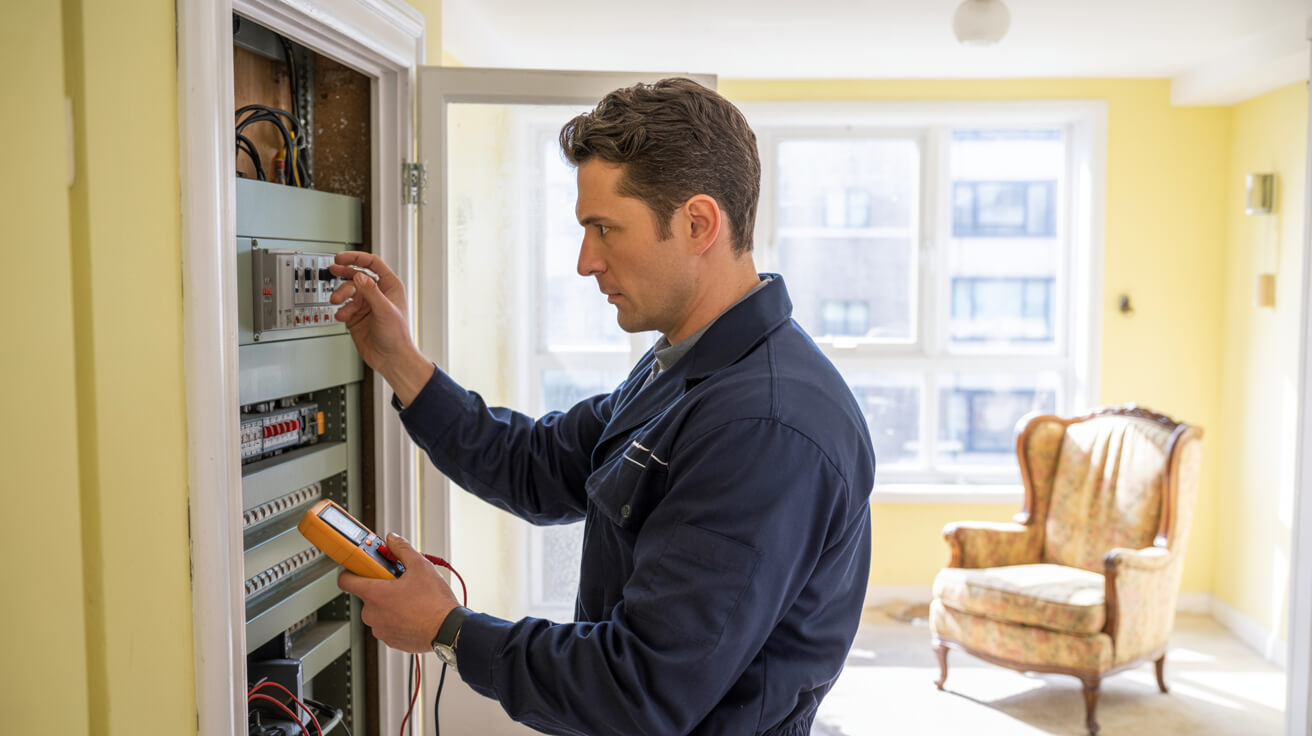
A coordinated fire safety PPM programme pulls alarms, emergency lighting, fire doors and FRA actions into one managed schedule with clear reporting. By turning scattered jobs into a single view of duties, assets and evidence, your board can focus on governance while specialists handle the day-to-day technical work.
- One programme covering alarms, lighting, doors and FRA actions
- Clear tracking from defect identification through to verified closure
- Reporting directors can review and question without being fire experts</p>
Need Help Fast?
Locked out, leak at home, or electrical issue? All Services 4 U provides 24/7 UK locksmith, plumbing, electrical.
Testimonial & Clients Who Trust Us
With 5 Star Google Reviews, Trusted Trader, Trust Pilot endorsements, and 25+ years of experience, we set industry standards for excellence. From Dominoes to Mears Group, our expertise is trusted by diverse sectors, earning us long-term partnerships and glowing testimonials.
Worcester Boilers

Glow Worm Boilers

Valliant Boilers

Baxi Boilers

Ideal Boilers

What Fire Safety PPM Means for an RTM Board
You are not just buying “servicing”; you are putting a control system around the fire precautions in your common parts.
In practical terms, fire safety planned preventative maintenance (PPM) for an RTM block means one managed programme that you can see and steer. That programme covers the communal fire alarm system, emergency lighting, fire doors and the fire risk assessment (FRA) actions that sit behind them. Instead of separate jobs living in separate inboxes, you see a single view of what exists, what is due, what is overdue and what is closed.
Your role is governance, not pressing test buttons. A good PPM arrangement turns legal maintenance duties into a visible schedule, defect list and closure trail, so you can answer three questions with confidence: what you agreed to maintain, when it was last done, and where the evidence sits that issues found have been fixed.
Our role is to provide the structure and day‑to‑day execution: mapping assets, setting cadences, coordinating competent contractors and curating the evidence, so you stay on decisions rather than chasing paperwork. All Services 4U already supports RTM and resident‑managed blocks with similar common‑parts fire risks, so you are not testing this approach for the first time.
If that is the level of control you want, book a short review call and see what a single fire‑safety PPM programme would look like for your block.
Who Is Usually Responsible for Fire Safety in RTM Common Parts
You need clarity on who carries which duty before you can judge whether your current arrangements are enough.
Clarifying your legal role
In many RTM companies, your board effectively becomes the party in control of the common parts. Day‑to‑day tasks may sit with a managing agent or caretaking team, but when fire and rescue services, lenders or solicitors ask who is responsible for maintaining the fire precautions, they usually look to the entity managing those shared areas. As a director, you therefore have to assume that common‑parts fire precautions and their maintenance sit within your governance remit.
Delegation versus oversight
When you appoint assessors, alarm companies, emergency‑lighting contractors and fire‑door specialists, you are delegating delivery, not responsibility. You still need enough oversight to know whether scheduled checks are happening, defects are being actioned, and FRA findings are moving from “identified” to “closed” on a reasonable timescale.
That oversight normally takes the form of:
- a live register of duties and assets
- clear ownership of actions and decisions
- reporting that your board can read without being fire‑safety experts
What good oversight looks like
Good oversight is evidenced, not assumed. You should be able to see which inspections and tests are due, which have been completed, which defects and FRA actions remain open, and which have been verified as closed. A second reviewer should be able to re‑check a closed item from the records alone.
A well‑designed PPM and evidence system built to that standard lets another director, an insurer or an adviser follow the trail without guesswork or dependence on one person’s memory.
What a Coordinated Fire Safety PPM Programme Should Include
Once you understand your role, the next step is to decide what a coordinated programme must contain for your block.
A coordinated fire safety PPM programme should give you:
- one schedule covering alarms, emergency lighting, fire doors and FRA actions
- consistent inspection and testing standards across those systems
- a single tracker for defects, remedial work and FRA closures
- reporting that highlights exceptions and spend decisions
Alarms and detection
Your communal fire alarm system needs more than an occasional visit. A coordinated PPM programme will keep an asset list of panels, zones, interfaces and devices, define how often professional servicing and user checks should occur, and capture test results, faults and follow‑on actions in one place. The aim is to be able to show that the system is inspected at sensible intervals and that issues are not left unresolved between visits.
Emergency lighting
Emergency lighting in stairs, lobbies and escape routes should be treated as a fire‑safety‑critical system. Your programme should schedule routine function tests and the annual full‑duration test, record which fittings or circuits failed, and track remedial work and retests so you know light will be available if normal power fails. All of this should be logged in a way that can be checked months or years later.
Fire doors
Fire doors, whether on stairs, lobbies or flat entrances, need recurring inspection and remediation. A sensible programme includes a door register, risk‑based inspection frequency, defect categories, and a route for repairs and replacements to be completed and re‑inspected. Without that, you may have one‑off survey reports but no assurance that damaged fire‑resisting separation has actually been restored.
FRA actions and governance
Your FRA is not just a report; it is a list of risk‑reduction tasks. A coordinated programme pulls those actions into the same system as alarms, emergency lighting and fire doors, assigns owners and dates, and specifies what evidence is needed for closure. That allows new or updated FRAs to change priorities in your PPM plan immediately.
All Services 4U can package these elements into one PPM arrangement for your RTM board, so you see a single programme with clear exceptions, not a collection of unrelated jobs.
Fire Alarms: Inspection, Defects and Service Records That Hold Up
The way you manage your alarm system often sets the tone for the rest of your fire‑safety regime.
Planned servicing and routine checks
A robust approach separates planned professional servicing from routine user checks. The servicing schedule should ensure that the system is inspected by a competent contractor at sensible intervals. Site‑level routines then cover simple weekly or monthly tests and panel checks. Both types of activity need entries in a log that identifies the system, the date, what was tested and what, if anything, failed.
When you adopt this structure, formal servicing visits, simple site checks and any follow‑up all land in the same, readable record.
Managing faults and false alarms
Faults and false alarms are management signals, not just irritations. Every fault should have an owner, a target date and a recorded resolution, including any parts changed and a confirmation that normal operation was restored. Repeated false alarms in the same area should trigger a review of detector type, location or environmental conditions, not just another reset.
Your records should make that journey visible, so your board can see when underlying issues are being addressed rather than simply cleared.
Board‑level information you should see
At board or committee level, you do not need every test print‑out. What helps you is a summary each cycle of:
- open faults that affect confidence in the system
- repeated problems in the same area or zone
- overdue remedial work or access problems
- any sections of the building that could not be tested
That lets you ask focused questions and approve spend where needed, instead of trying to interpret raw engineering notes.
Emergency Lighting: Routine Testing, Remedials and Retest Evidence

Emergency lighting often fails quietly, but you can manage it in a structured way that matches the alarm regime.
What a managed cycle looks like
A managed cycle bundles together planned monthly function tests, the annual full‑duration test, defect logging, remedial work and verified retests. Each stage should be recorded against specific fittings or circuits, so you know which parts of the building have been proven to meet the required duration and which need further work.
Turning failures into controlled actions
When a test shows a failed luminaire, that outcome should not just sit in a log. The programme should record the location, nature of the failure, proposed fix, when that fix was carried out and the date and result of the retest. Where repeated failures occur in the same area, you should see a note on whether the issue is age, environment or specification, so you can decide whether a targeted upgrade is more sensible than ongoing patching.
Typical failure‑to‑fix sequence
- log the failure against a specific fitting or circuit
- specify the remedial scope and parts required
- complete the repair and record what was done
- retest and log the duration achieved
This sequence turns an isolated fault into a controlled action with a clear end‑point.
Keeping reporting usable
As with alarms, you do not need every line of every log. What matters is exception reporting:
- fittings that have failed and are waiting for parts or access
- areas that could not be tested and why
- repeated failures in the same location
- items still awaiting retest after the fix
That keeps your attention on genuine risk and spend decisions. The same team can package alarms, emergency lighting and door work into one reporting rhythm, so you see these exceptions in a single briefing rather than in separate contractor formats.
If you want that level of joined‑up control, you can ask us to design a single fire‑safety PPM programme for your block.
Fire Doors: Inspections, Repairs and Proof the Door Is Back to Standard
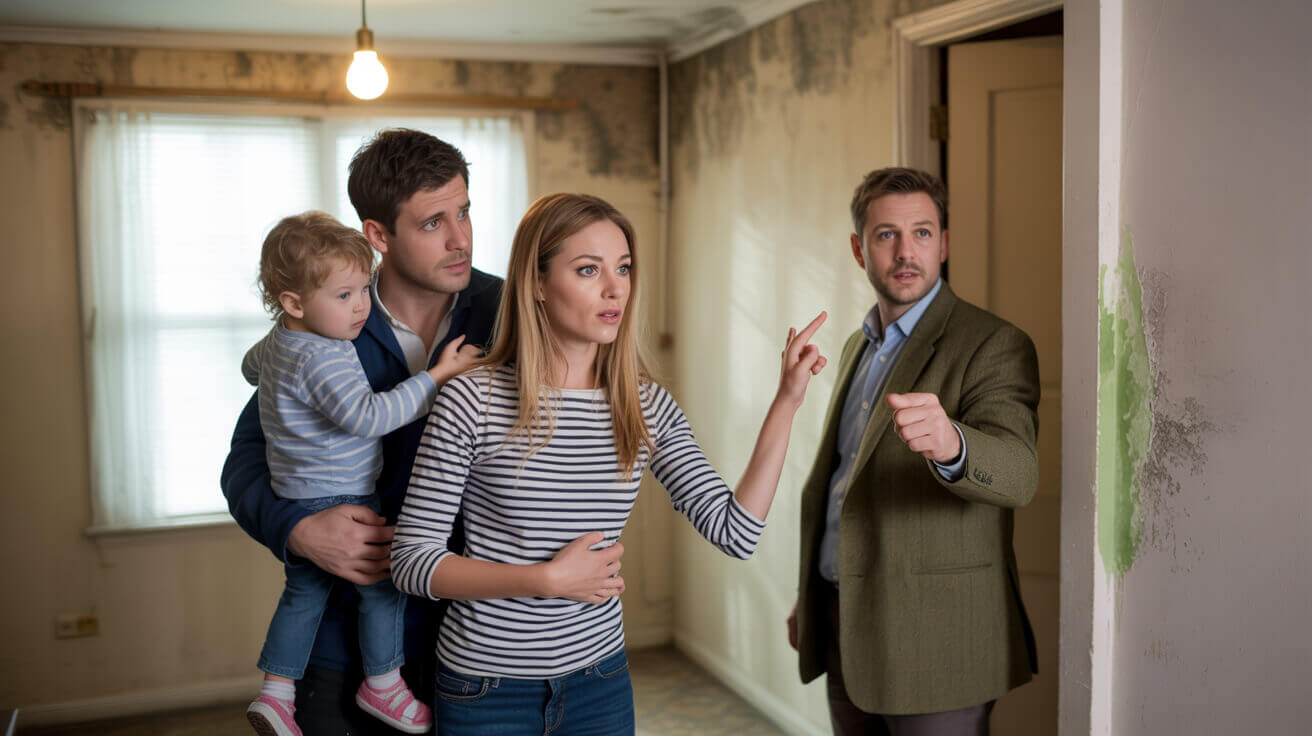
Fire doors deserve their own attention because they are central to your FRA and resident protection.
Door registers and inspections
A door register is the backbone of door compliance. It should list every relevant door with an identifier, location, type and last inspection date. Inspection records should then set out clear, specific findings for each door, including:
- gaps at head, jambs and threshold
- seals and smoke brushes
- hinges, fixings and leaf condition
- closers and self‑closing action
- glazing, frames and any intumescent protection
This makes it possible to track which openings present the greatest risk and require faster intervention.
Remedials, verification and multiple contractors
Repairs should not be a black box. For each defective door, there should be a record of the remedial instruction, who carried out the work, when, and what was actually done. Ideally this is supported by before‑and‑after photographs and a short note confirming that the original defect has been re‑checked. Where more than one contractor touches your doors, one party still needs to own the overall status of the register and ensure that naming and evidence standards are consistent.
With that in place, you can answer straightforward questions such as whether your stair doors are currently fit for purpose without trawling through survey PDFs and email trails.
Accreditations & Certifications





FRA Actions, Closure Tracking and Board Reporting

This is where FRA recommendations stop being a list in a report and become managed actions you can track and prove closed.
From finding to closed action
Every significant FRA finding should become a tracked action with:
- a clear description of the issue and location
- a priority or risk rating
- a named owner
- a target date
- defined evidence needed for closure
For each action, you should later be able to see what scope of work was approved, when it was completed, and who verified that the risk has been reduced or controlled. If an action is deferred or altered, the reason and decision should be recorded, not left implicit.
Evidence packs for third parties
When insurers, lenders or advisers ask about fire‑safety improvements, they are usually looking for a simple path from “issue raised” to “issue controlled”. A good closure pack for a cluster of FRA actions will therefore include a short summary of the risk, copies of relevant reports, records of the remedial works, and confirmation of completion and any new maintenance requirements. As part of a structured PPM arrangement, our team can help assemble those packs so you do not have to reconstruct the history from multiple email chains.
What the board should see each cycle
At board level, the FRA tracker and its reports should highlight:
- overdue or repeatedly deferred actions
- blocked items and the reasons they are stuck
- recurring themes that point to underlying design or management issues
- closures that are still awaiting verification
Over time, that view helps you see which risks are being retired, which are stubborn, and where planned projects may be better than continued small fixes.
Reliable Property Maintenance You Can Trust
From routine upkeep to urgent repairs, our certified team delivers dependable property maintenance services 24/7 across the UK. Fast response, skilled professionals, and fully insured support to keep your property running smoothly.

Book Your Free Consultation With All Services 4U Today
You can use a short consultation to clarify where you stand before you commit to any long‑term arrangement.
On a first call, you and your fellow directors can walk through who currently controls the common parts, what alarm, emergency‑lighting and door systems are in place, what records you already hold, and where you suspect gaps. Even if your paperwork is partial or scattered across suppliers, that picture is usually enough to identify the biggest risks of drift and where you would get the most immediate benefit from a single PPM programme.
It is helpful, but not essential, to have a few documents to hand, such as your latest FRA, recent service sheets and any open quotations for fire‑safety work. With that material in front of you, the discussion can move quickly from general principles to the specifics of your block.
From that review, you should leave with:
- a short, plain‑English summary of any duties that cannot sensibly wait
- a view of medium‑term improvements and where projects may be better than piecemeal fixes
- suggested reporting and evidence standards that your board can actually maintain
You can then decide, at your own pace, whether to adopt a full PPM programme or phase changes in line with budget and resident appetite. If you want clearer control over alarms, emergency lighting, fire doors and FRA closure in your block, book a consultation with All Services 4U and map out a workable, evidence‑led fire safety PPM plan for your RTM board today.
Frequently Asked Questions
How can your RTM board tell whether a fire safety planned maintenance programme is genuinely protecting the building?
Your fire safety planned maintenance programme is working when your board can see live status, ageing risk, and verified closure in one place.
Many RTM RMC boards confuse visible activity with genuine control. The fire alarm contractor attends. Emergency lighting gets tested. Fire doors are surveyed. A fresh FRA lands in the inbox. That can feel reassuring, but the real test is simpler and much tougher: can your board trace one fire safety issue from finding to approval to remedial work to evidence-backed closure without chasing three different parties?
That distinction matters because a building does not become safer just because more contractors have visited it. It becomes safer when the board can understand the current position quickly, challenge what is still open, and show why it believes risks are being managed. That is the difference between contractor attendance and board-level assurance.
A building feels exposed long before it looks non-compliant on paper.
For boards trying to protect resident safety, service charge discipline, and insurer confidence, a managed fire safety maintenance service should do more than schedule visits. It should give you one reporting logic across communal fire alarm servicing, emergency lighting maintenance, fire door inspections, and FRA action tracking. If that joined-up view is missing, the programme may still be active, but it is not yet giving your board the control it needs.
What should your board be able to see at a glance?
Your board should be able to see what is due, what has failed, what is ageing, and what is fully closed with proof.
In practical terms, a board-ready fire safety maintenance view usually answers a handful of high-value questions immediately:
- which communal fire alarm checks are due next
- which emergency lighting defects remain unresolved
- which fire door remedial works are awaiting approval, delivery, or reinspection
- which FRA actions are overdue, blocked, or verified closed
- which open items could affect resident safety, insurer scrutiny, or lender confidence
That level of visibility changes the quality of board decision-making. You are no longer trying to interpret scattered service sheets, old PDFs, and email chains. You are reviewing exceptions, priorities, and evidence. For volunteer directors, that is often the point where fire safety compliance stops feeling like a recurring scramble and starts behaving like a governed system.
A useful rule is this: if a new director cannot understand the building’s live fire safety position before the end of a short handover call, the reporting model is still too dependent on individual memory.
Why does a programme that looks active still leave your board exposed?
A programme can look active and still leave your board exposed when findings do not move cleanly into verified closure.
The Regulatory Reform (Fire Safety) Order 2005 expects fire precautions to be maintained in efficient working order. That expectation is not satisfied by having multiple contractors attend at different times if the board cannot show how open issues were tracked, approved, and closed. Home Office fire safety guidance also pushes the sector toward clear maintenance records and disciplined follow-through, not scattered evidence.
The weakness usually appears in familiar places:
| Pressure point | What the board sees | What the risk really is |
|---|---|---|
| Alarm servicing | Engineer attended | Open faults still ageing |
| Emergency lighting tests | Monthly log complete | Failed fittings not retested clearly |
| Fire door surveys | Report issued | Remedials not closed with proof |
| FRA reviews | New report received | Old actions still drifting |
This is where many RTM companies start to feel the strain. The board is receiving documents, but not receiving certainty. An insurer may ask whether a known life-safety defect was rectified. A leaseholder may challenge why repeat fire door costs are appearing again. A lender or valuer may want reassurance that open actions are not accumulating quietly in the background. If the answer depends on reconstructing the story from several systems, the control model is weaker than it looks.
Which signs show your programme is protecting the building rather than simply running?
A protective programme lets your board answer sharp questions quickly, calmly, and with evidence.
The strongest signs are not dramatic. They are operational. Your board can see which actions are open, who owns them, what proof is needed, and whether closure has been verified to a common standard. That consistency is what reduces risk over time.
A simple contrast makes the point:
- Weak setup: service sheets sit with contractors, action lists sit in spreadsheets, and closure depends on memory.
- Stronger setup: one live tracker connects findings, approvals, remedials, and close-out evidence.
- Weak setup: directors review paperwork-heavy packs but still leave meetings unclear on exposure.
- Stronger setup: directors review exceptions, dates, and proof.
That difference has a direct commercial effect. Boards rarely regret buying clearer oversight. They usually regret underestimating how much volunteer effort it takes to turn fragmented contractor reporting into a reliable compliance position.
If your board wants a cleaner line of sight before the next insurer renewal, AGM, or director handover, a structured fire safety PPM review is often the sensible next move. It gives you a board-ready picture of what is controlled, what only looks controlled, and where All Services 4U can turn attendance-heavy maintenance into evidence-backed assurance.
Who should hold the fire safety action tracker when your managing agent, contractors, and directors are all involved?
Your RTM board should own the fire safety action tracker even when an agent or delivery partner updates it day to day.
That ownership model protects the building because coordination and accountability are not the same thing. Contractors identify issues and complete work. Managing agents often arrange access, sequencing, and approvals. Your board is the layer that must be able to explain what remains open, what has been authorised, what is blocked, and what has been fully closed with evidence. If that top-level ownership is vague, the tracker quickly turns into an admin document rather than a control tool.
This becomes visible when the pressure rises. Delayed approvals, leaseholder scrutiny, board turnover, insurer queries, and lender questions all expose weak ownership arrangements very quickly. A tracker shared loosely across several parties may feel collaborative, but in practice it usually becomes fragile.
Why is shared visibility different from shared accountability?
Shared visibility means several people can see the record. Shared accountability means one governance layer decides whether the position is acceptable.
That difference is not theoretical. A fire alarm engineer may mark a fault visit complete. A fire door contractor may state remedial works are finished. A managing agent may update the job status for workflow purposes. None of those actions, on their own, proves the board should treat the underlying life-safety risk as closed.
A strong ownership structure usually has three layers:
| Role | Core responsibility | Why it matters |
|---|---|---|
| RTM board | Oversight, risk tolerance, key approvals | Keeps governance visible |
| Managing agent or service coordinator | Chasing, sequencing, updating, reporting | Prevents drift |
| Contractor | Findings, remedials, completion evidence | Supplies technical proof |
This is cleaner than it sounds. It stops actions from stalling between supplier updates and board decisions. It also helps new directors step into the role without inheriting a private archive of emails and verbal context from whoever previously “kept an eye on things”.
For managing agents and RTM RMC boards comparing DIY coordination against a managed fire safety maintenance service, this is often the real issue. The question is not whether someone can build a spreadsheet. The question is whether the tracker remains dependable when people change, contractors change, and the building still needs the same level of control.
What should each tracker entry include if the board is taking ownership seriously?
Each tracker entry should record the issue, the owner, the target, the evidence requirement, and the true closure position.
A board-ready action tracker for fire safety compliance does not need to be complicated, but it does need to be complete enough to withstand scrutiny. At minimum, each action should show:
- the action description in plain English
- the source of the finding, such as FRA, fire alarm service visit, emergency lighting test, or fire door survey
- the owner responsible for moving it forward
- the target date and any risk-based priority
- the evidence needed before closure
- the live status, such as open, blocked, in progress, or verified closed
That structure helps your board challenge weak updates early. “Attended” is not a meaningful closure status. “Awaiting quote” may be realistic for a short period, but not as a standing answer on a life-safety action. “Completed” without photographs, retest data, or sign-off should not survive board review.
The Building Safety Regulator’s direction of travel is clear: responsibility is becoming harder to defend without traceable evidence and clear accountability. Even where your building is outside the most demanding higher-risk building framework, the operating expectation is moving the same way.
When does tracker ownership become a commercial decision rather than an admin detail?
It becomes commercial when weak ownership starts consuming board time, creating repeated follow-up, and making the building harder to defend.
That usually happens before anyone formally says it out loud. Meetings start running longer because people are interpreting inconsistent updates. Directors start carrying private versions of the truth. The managing agent spends time reconciling contractor reports instead of moving works forward. Leaseholders ask reasonable questions that take too long to answer.
A managed fire safety maintenance service earns its place when it removes those hidden costs without taking control away from the board. If your board wants a board-ready tracker rather than another rotating spreadsheet, that is not gold-plating. It is a practical step toward lower director exposure, cleaner reporting, and a stronger decision trail. That is exactly the point where All Services 4U can help your RTM company move from shared visibility to genuine accountability.
What proof should you see before your RTM board treats a fire door, alarm, or emergency lighting action as closed?
Your board should only treat a fire safety action as closed when the defect, the remedial work, and the verification result sit together in one record.
That standard may sound demanding, but it is usually cheaper than the alternative. Weak close-out proof is one of the main reasons buildings pay twice for the same issue, struggle to answer insurer questions, or lose time defending service charge spend. If the original problem cannot be matched cleanly to the remedial work and the retest or reinspection result, your board is being asked to trust a conclusion rather than review evidence.
That matters across communal fire alarm servicing, emergency lighting maintenance, and fire door remedial works. Attendance proves someone visited. It does not prove the life-safety issue was properly resolved. For an RTM board, that is the difference between a service sheet and a closure trail.
What proof should closure include for alarms and emergency lighting?
Closure proof for alarms and emergency lighting should show the fault, the location, the work done, and the result of the retest.
BS 5839 and BS 5266 both support disciplined maintenance records, and that principle matters far more in practice than many boards expect. If an emergency luminaire failed a duration test, the close-out record should show the fitting, the defect, the remedial work, and the successful retest. If the communal fire alarm system showed a repeat loop or device fault, the close-out should explain exactly what was rectified and how normal service was confirmed.
A proper close-out record will usually contain:
| Element | Why it matters |
|---|---|
| Exact location or device | Prevents ambiguity |
| Fault description | Shows what actually failed |
| Remedial action | Shows what changed |
| Retest or recommissioning result | Proves safe operation returned |
| Engineer and date | Creates accountability |
That is not administrative overreach. It is what allows your board to distinguish between resolved defects and recurring defects that have merely been reset or noted.
What proof should closure include for fire door actions?
Closure proof for fire doors should identify the exact door, the exact defect, the remedial work completed, and the standard used to verify the result.
For most boards, that means expecting:
- the door location and identifier
- the defect, such as excessive leaf gaps, failed closer, damaged seals, or poor alignment
- before-and-after photographs
- details of components adjusted or replaced
- confirmation that the repaired door was rechecked after the work
BS 8214 is especially important here because it reinforces that fire door inspection and maintenance need competence and traceable records. A note saying “door adjusted” is not enough if the board cannot see whether the original defect was actually resolved. The National Fire Chiefs Council has repeatedly stressed the value of competent assessment and clear records in reducing fire risk. For a board, that translates into one practical rule: if the evidence would not reassure an outsider, it should not reassure you.
Why do weak close-out files become expensive later?
Weak close-out files become expensive when the board needs them to do more work than they were built to do.
That pressure usually arrives later, not on the day the contractor visits. It can appear when:
- an insurer asks whether a known defect had been rectified before an incident
- a lender or valuer wants comfort that open life-safety actions are not quietly ageing
- a leaseholder challenges repeat spending on the same issue
- a new director cannot tell whether a historic action is genuinely resolved
This is where better evidence continuity creates real financial value. It reduces duplicated spend, speeds insurer responses, improves confidence in service charge recovery, and lowers the chance that routine defects become governance disputes.
If your board wants stronger control over fire door remedial works, emergency lighting maintenance, and communal fire alarm servicing, tightening the close-out threshold is one of the fastest ways to improve the system. And if you need a board-ready view rather than another stack of PDFs, All Services 4U can help standardise closure evidence so your board is not paying for attendance while still carrying the risk.
Why do RTM boards still fall behind on fire safety compliance even when inspections and tests are happening?
RTM boards usually fall behind after findings are raised, not before inspections happen.
That is one of the most important buying truths in block management fire safety. Many buildings are not short on surveys, tests, or contractor attendance. They are short on clean handoffs between finding, approval, access, remedial work, and verified close-out. The inspection happens. The fault is identified. The report is issued. Then the workflow stalls in places that look ordinary until the backlog starts growing.
This is why a building can feel busy and still become harder to govern. The work exists. The status does not move. The board sees movement, but not enough resolution.
Delay rarely starts as neglect. It starts as one unresolved handoff too many.
Where do fire safety workflows usually break down?
They usually break down between parties, not inside the inspection itself.
Across residential blocks, the same pressure points appear repeatedly:
- approvals take too long because no one is clearly driving the next step
- access problems slow remedial work in communal or occupied areas
- alarm, lighting, fire door, and general remedial contractors all report in different formats
- closure evidence comes back inconsistently or not at all
That pattern matters because fragmented formats create hidden ageing actions. One contractor may classify an issue as complete when the board still needs photographs or a retest. Another may issue a useful report that never gets translated into the live action tracker. Over time, the board starts carrying several partial versions of the truth.
A lower-risk operating model is not just one with competent specialists. It is one where specialists feed a single workflow. That is the practical difference between specialist visits and one reporting logic.
Why does volunteer governance make drift more likely?
Volunteer governance makes drift more likely because knowledge often sits with people rather than with the system.
One director keeps the spreadsheet. Another stores the survey PDFs. The managing agent has some of the logbooks. Contractors keep the technical notes. While everyone is engaged, the arrangement can look workable. Once a director leaves, priorities shift, or a managing agent changes, the weakness becomes obvious.
The Building Safety Act 2022 has reinforced a wider expectation around accountability and traceability, especially for higher-risk settings. Even in buildings outside the full higher-risk building regime, the cultural message is the same: boards should be able to show what they know, what they have done, and what still remains open.
That becomes hard to defend if the operating model relies on goodwill and personal continuity rather than one durable fire safety control system.
A lower-risk workflow moves every action through one visible path from finding to proof.
A simple comparison helps:
| Stage | Fragmented model | Lower-risk model |
|---|---|---|
| Finding | Separate contractor reports | Standardised action entry |
| Approval | Email chain or meeting note | Named owner and target date |
| Delivery | Different formats from each trade | Joined-up status tracking |
| Closure | Invoice or attendance note | Evidence-led verification |
That structure does not make the board less involved. It makes the board less exposed to unnecessary coordination risk. If your board is spending more time interpreting contractor language than deciding what happens next, the delivery model is asking volunteer directors to do too much systems work.
If you want fewer blind spots before they become ageing actions, a workflow review is usually the right first step. It shows where your fire safety maintenance process is losing momentum and where All Services 4U can give your RTM board one cleaner route from issue to resolution.
Which warning signs show your block needs a fire safety PPM review now rather than after the next problem?
Your block needs a fire safety PPM review now when the board cannot show live fire safety status cleanly and confidently.
That is the practical threshold. Most boards do not commission a review because they enjoy diagnostics. They do it because the warning signs have started to appear: actions ageing without clear ownership, evidence scattered across different systems, repeated defects returning, or board packs that still depend on caveats and verbal explanation.
The cost of delay is rarely dramatic at first. It usually arrives as friction. Insurer questions take too long to answer. Directors spend meeting time reconstructing the position. Residents challenge whether works are necessary. A lender or valuer wants reassurance that life-safety matters are not drifting. At that point, the issue is no longer only maintenance. It is governance quality.
Which patterns usually show the building is slipping from complexity into control weakness?
The warning signs are usually visible in the records before they become visible in the consequences.
Look for patterns such as:
- FRA actions with stale commentary or unclear ownership
- repeat communal fire alarm faults in the same area
- emergency lighting failures not tied clearly to retest results
- fire door actions sitting “in progress” for months
- records split across paper logs, portals, inboxes, and spreadsheets
- board reporting that cannot state the current position without qualifications
A board should also notice when the same issue keeps reappearing in different forms. A corridor light fails, gets replaced, and later shows up again with no root-cause thread. A fire door gets “repaired” but reappears on the next survey. An alarm fault clears temporarily but keeps returning. Those are not only maintenance defects. They are signs that the reporting and closure model is too weak.
Why do smaller RTM blocks often spot the problem late?
Smaller blocks often spot the problem late because they mistake smaller scale for lower governance pressure.
The core fire safety duties do not disappear because the block is modest in size. Communal fire alarms still need disciplined maintenance. Emergency lighting still needs routine testing. Fire door defects still need proper closure. FRA actions still need ownership, evidence, and follow-through. What smaller RTM companies usually have less of is spare capacity.
That is why smaller boards can be more exposed than they look. Fewer directors often means fewer fail-safes when records are weak or one person steps back. If the whole system depends on one organised volunteer, the control model is already more fragile than the building deserves.
What single test should your board use today?
Ask whether a new director could understand the building’s fire safety position in 20 minutes and trust the answer.
That question works because it strips away familiarity. It makes your board look at the system as an outsider would: an insurer, a lender, a resident, a tribunal adviser, or a new chair. If understanding the position still depends on oral history, side emails, or a director translating the paperwork, the building needs a review sooner rather than later.
If your board wants a cleaner baseline before the next renewal, AGM, or contractor reset, a fire safety PPM review is often the most commercially sensible move. It helps you see what is genuinely under control, what is vulnerable, and where All Services 4U can reduce uncertainty before it becomes costlier pressure.
How should your RTM board decide between DIY coordination and a managed fire safety PPM service?
Your RTM board should choose the model that gives you stronger control, cleaner evidence, and lower board exposure over time.
DIY coordination can work in the right building. Some RTM boards have a straightforward asset profile, low action volumes, stable contractors, clean inherited records, and enough time to keep everything moving. The problem is that many boards compare options based on visible contractor cost and underestimate the hidden workload inside coordination, reporting, follow-up, and proof.
That is why this decision is commercial as well as operational. The hardest part is rarely booking the inspection. It is maintaining one credible fire safety compliance system through board turnover, resident scrutiny, insurer questions, and the occasional urgent problem that suddenly forces everyone to care about the record quality.
When is DIY coordination still a reasonable choice?
DIY is still reasonable when the building is simple, the records are strong, and the board is not acting as a hidden operations team.
It tends to suit blocks where:
- the number of specialist suppliers is limited
- the current action tracker is centralised and current
- open FRA actions are relatively low and easy to follow
- the managing agent can review evidence competently
- insurer and lender scrutiny is unlikely to intensify suddenly
In those cases, a board may decide that full outsourcing is unnecessary. That can be a sensible decision if the board is honest about the operating burden and still tightens reporting where needed.
When does a managed fire safety PPM service become the lower-risk option?
It becomes the lower-risk option when the complexity of coordination starts costing more than the visible fees suggest.
That usually happens when several specialist contractors are involved, records are inherited or inconsistent, approvals need active chasing, and the board still lacks one dependable reporting logic. RICS guidance and lender expectations often make this more visible around refinance, valuation, or major works scrutiny, because fragmented evidence quickly becomes a commercial issue rather than only a technical one.
A managed fire safety maintenance service adds most value when it creates one system across the moving parts:
- one action tracker
- one closure standard
- one reporting rhythm
- one evidence threshold
- one clearer route from issue to proof
That is where boards stop buying isolated visits and start buying continuity.
Which option creates less board exposure over the next year?
The lower-exposure option is the one that leaves less dependent on volunteer memory, fragmented reporting, and ad hoc chasing.
A simple board-level comparison makes the point:
| Decision factor | DIY coordination | Managed service |
|---|---|---|
| Board time demand | Often underestimated | More predictable |
| Evidence consistency | Varies by supplier | Set to one standard |
| Handover resilience | Can be weak | Usually stronger |
| Action tracking | Can fragment | More likely to stay central |
| Insurer and lender readiness | Mixed | Easier to evidence |
The key point is not that managed always wins. It is that DIY is only truly cheaper if the board’s hidden labour, risk absorption, and continuity burden remain low. If your directors are already acting as coordinator, verifier, and evidence integrator, the building is not being run on a lean model. It is being run on unpaid board effort and avoidable exposure.
If your board wants to be seen as a credible steward of resident safety, service charge discipline, and long-term asset value, the best next move is often a structured comparison rather than a rushed handover. A diagnostic review, action tracker assessment, or board-ready fire safety PPM comparison gives you a safer basis for the decision. And if you need that decision framed around risk, proof, and continuity rather than sales pressure, All Services 4U can help you compare DIY and managed support on the basis that matters most: what your board can actually defend.
- What Fire Safety PPM Means for an RTM Board
- Who Is Usually Responsible for Fire Safety in RTM Common Parts
- What a Coordinated Fire Safety PPM Programme Should Include
- Fire Alarms: Inspection, Defects and Service Records That Hold Up
- Emergency Lighting: Routine Testing, Remedials and Retest Evidence
- Fire Doors: Inspections, Repairs and Proof the Door Is Back to Standard
- FRA Actions, Closure Tracking and Board Reporting
- Book Your Free Consultation With All Services 4U Today
- Frequently Asked Questions
- Related PPM Services
Case Studies


Related Articles

Your Guide To Identifying And Treating Minor Mould Outbreaks
Why Planned Preventative Maintenance (Ppm) Saves Money And Ensures Compliance