Section 20 Consultation & Compliance PPM Services for RTM – Tender Management & Evidence Packs
RTM directors and managing agents planning major works need Section 20 consultation, tender management and PPM evidence that stand up to scrutiny. All Services 4U links lease powers, surveys, consultation, procurement and final demands into one continuous compliance record, based on your situation. By the end, you hold a clear file that shows why works were needed, how costs were shared and how consultation duties were met, ready for advisers or a tribunal if required. It becomes much easier to move ahead with confidence when you speak to a team that runs this process every day.



Author
Izzy Schulman

RTM directors face real pressure when major works outpace the paperwork behind them. If lease powers, notices, surveys and tenders do not align, service charge recovery becomes harder to defend and board decisions are exposed to challenge.
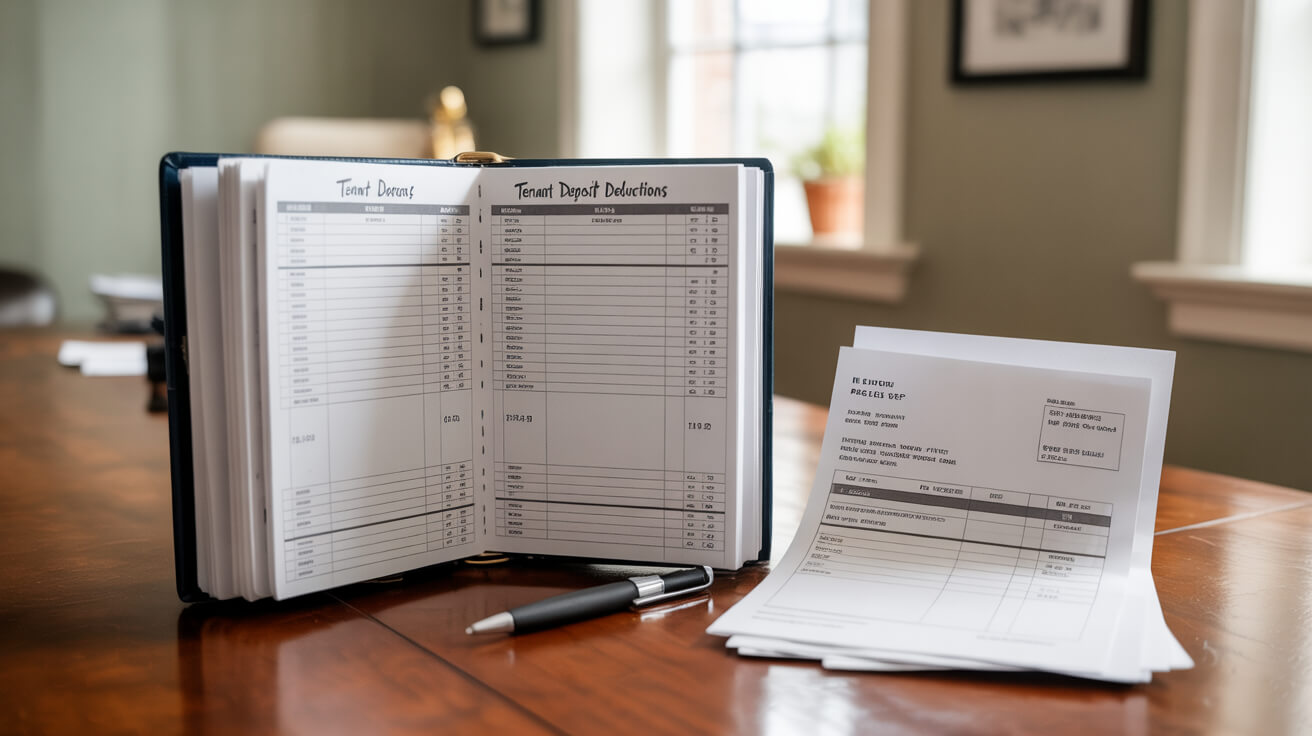
A continuous compliance record changes that risk profile. By treating Section 20, tenders and planned maintenance as one evidence stream, All Services 4U helps RTM boards document why works are needed, how contributions are calculated and how consultation was handled, so difficult questions are easier to answer later.
- Continuous record from lease powers to final demands
- Evidence-led decisions on qualifying works and consultation needs
- Tender and PPM packs built for scrutiny and clarity</p>
Need Help Fast?
Locked out, leak at home, or electrical issue? All Services 4 U provides 24/7 UK locksmith, plumbing, electrical.
Testimonial & Clients Who Trust Us
With 5 Star Google Reviews, Trusted Trader, Trust Pilot endorsements, and 25+ years of experience, we set industry standards for excellence. From Dominoes to Mears Group, our expertise is trusted by diverse sectors, earning us long-term partnerships and glowing testimonials.
Worcester Boilers

Glow Worm Boilers

Valliant Boilers

Baxi Boilers

Ideal Boilers

Why RTM major works need a continuous compliance record
You carry more risk in the paperwork behind major works than in the scaffold or new façade.
All Services 4U runs Section 20, tender and planned preventative maintenance (PPM) evidence chains for RTM boards, already supporting fire, façade and roof schemes, so you can show a complete record from lease powers through to final demands when anyone asks to see it.
When you act as an RTM director, you hold both company‑director duties and building‑management duties. You therefore need more than “we served the notices” to keep service charges recoverable. You need a clear line from lease powers to your decision to tackle the works, then through consultation, tenders, award and final demands, so any adviser or tribunal can follow your reasoning.
A safe starting point is always the lease. You check who is obliged to repair, what counts as improvement, how costs are apportioned, and how reserve funds may be used. You then record why this is more than day‑to‑day maintenance and why you, as RTM, are the entity running the process. In practice, we draft that short note with you and file it as the front page of the project record.
You then keep adding to that record as you move through surveys, Section 20 notices, tenders, decisions and delivery. Our team builds and maintains that continuous file in the background while you focus on choices, resident handling and board dynamics.
If you are planning major works, you materially reduce risk by building that continuous record before any contractor is engaged or any notice is drafted. You can book a short review and let us map that chain for you before you move.
When planned maintenance becomes qualifying works
You protect recoverability by deciding early when ordinary maintenance has become Section 20 territory.
The test for qualifying works is whether any leaseholder’s contribution to a proposed set of works, recovered through service charges, would exceed the statutory threshold in the relevant period. That is a per‑leaseholder test, so you look at apportionments as well as headline cost.
Understanding the legal triggers
You separate three questions:
- Are you dealing with one‑off works, a long‑term agreement for services, or both?
- Are the works genuinely repair or something closer to improvement?
- What contribution would each leaseholder be asked to make if the scheme proceeds?
Once you answer those questions, you can see whether consultation is required and on which basis. We capture these answers as a short trigger note for your file, so you can show later how you reached the decision and on which assumptions.
Grouping projects sensibly
You then decide whether several items should be treated as one project. When you address related defects in the same area, for a common purpose and in the same window of time, a tribunal is likely to see one scheme rather than a handful of unrelated jobs. Splitting works purely to sit just under thresholds is rarely persuasive.
A brief grouping note at this stage gives you something concrete to point to later. We prepare that note as part of your project record so you are not trying to recreate your thinking from memory if challenged.
Managing urgency and dispensation risk
Sometimes you feel forced to move quickly, particularly on fire and safety risks or worsening water ingress. Urgency does not remove consultation duties, but it does shape whether you seek dispensation and how you explain any shortened or adapted process.
You protect yourself by writing down why waiting would be unsafe, which alternatives you considered, and how you still gave leaseholders a real opportunity to comment. We help you frame these notes in plain language that will make sense to advisers or a tribunal later.
How scope, surveys, PPM and Section 20 work as one evidence stream
You make life much easier for yourself when the works list reads as a natural output of your surveys and maintenance plan.
Instead of treating Section 20 as a separate legal exercise, you treat it as the consultation layer on top of your evidence‑led maintenance plan and condition surveys.
Start with condition and risk
You begin with verified information and link every proposed item back to a document you already hold. Typical sources include:
- Asset registers and tagged plant lists
- Condition and structural surveys
- Fire risk assessments (FRAs) and fire door surveys
- Water hygiene reports and legionella risk assessments
- Previous defect reports and warranty information
For each proposed item you can point to where you saw it, the risk if you leave it, and which duty or standard it relates to. When we build your evidence file, each line in your scope links back to one of these documents.
Turn findings into a phased scope
Next, you turn findings into a clear, line‑by‑line scope. Each line shows location, defect or risk, proposed remedy, and whether it is repair, replacement or upgrade. You then think in phases rather than one oversized project:
- Items that must be done now on safety or failure‑risk grounds
- Items that can be batched into the next year’s plan
- Items that may wait for a later cycle or separate programme
You connect this phasing to reserves and affordability rather than dropping one large figure on leaseholders without visible thought. We help you structure that phasing and set out how each phase aligns with reserves and realistic funding routes.
Connect PPM, reserves and consultation
Finally, you align the scope with your PPM schedule and reserve forecasts. You avoid consulting on works that sit awkwardly with lease recovery rights or that have no realistic funding route. Instead, you consult on a programme that is both technically justified and financially explainable, so the consultation narrative is easier to write, present and defend.
If you want this kind of joined‑up scope and evidence file on your next scheme, you can ask our team to map your current surveys and PPM plan into one phased programme.
What a tribunal‑defensible tender management pack should contain
You derisk major works further when your tender pack reads like a professional procurement file, not just a bundle of quotes.
A tribunal, auditor or adviser is less interested in whether you picked the absolute cheapest contractor and more interested in whether you ran a fair, consistent, well‑documented process.
Core tender documents
The core pack is easier to work with when you can see each element at a glance. In practice, you want:
- An agreed scope and technical specification
- A pricing schedule or schedule of rates
- Drawings or photographs where they clarify context
- A clear timetable with submission and decision dates
- Return instructions and required formats
- The form of contract you intend to use
- Evidence of when and how you invited each contractor
With that bundle in place, you can show everyone tendered on the same basis. Our templates and file structure keep this bundle complete and easy for auditors or tribunals to follow.
Evaluation and conflict management
Alongside the specification, you prepare simple evaluation criteria that the board can understand, typically price, quality, programme, competence and risk. You record any conflicts of interest, for example where a director has links to a particular firm, and how you managed them. You then complete a short evaluation matrix comparing bids against the same headings.
If the process is challenged later, your board can point to that matrix and decision note instead of relying on recollections and email trails.
Leaseholder consultation links
You also join the dots between consultation and procurement. You keep the observation log with your tender papers and note where leaseholder comments led you to:
- Seek alternative options or methods
- Adjust the scope or timing of certain items
- Probe particular prices or provisional sums
When you recommend a contractor, you can then show that you considered both formal estimates and the feedback you received during the consultation period. We keep that observation log structured alongside your tender file so you can demonstrate this link quickly.
Evidence packs for board, insurer, lender and leaseholder assurance

You reduce repeated questioning when everyone can be directed to one indexed assurance pack.
Instead of recreating bespoke bundles for the board, your insurer, your lender and any leaseholder who asks to inspect documents, you maintain a single master file with a clear contents list. We curate that file so each audience can be shown the right section without rebuilding it every time.
Board and governance evidence
For your board and RTM members, the pack highlights how you exercised authority:
- Minutes showing powers, quorums and approvals
- Information presented and options considered
- Conflicts declared and how they were handled
- Reasons recorded for the final choice and timing
- The initial governance note, trigger and grouping analysis
That gives you a coherent story of what you knew, when you knew it, and why you decided as you did.
Insurer and risk engineer comfort
For insurers and risk engineers, the emphasis is on risk control and conditions precedent. The same pack can present:
- Up‑to‑date fire and safety actions from your FRAs and audits
- Contractor competence, insurance and accreditation checks
- Risk assessments and method statements (RAMS) where they are relevant
- Dated evidence that critical risks have been addressed
- Roof and weatherproofing surveys where ingress has been an issue
When a claim or renewal conversation arises, you can point straight to this file rather than assembling fragments in a hurry.
Lender, valuer and leaseholder view
For lenders and valuers, you highlight recoverability and stewardship:
- Complete consultation record and observation logs
- Tender comparisons and evaluation matrix
- Links between budgets, reserves and works phasing
- Clear evidence that costs are reasonable for the scheme
For leaseholders who wish to inspect estimates or supporting documents, you have a disclosure‑ready subset organised by stage. When those audiences see the same underlying record, confidence tends to rise rather than fall.
How the delivery model runs from survey to notice to tender to record

You keep control by treating the entire major works exercise as one managed sequence, not a series of disconnected tasks.
When you look at the project as a whole, you can see where decisions need to be taken, who should take them, and what must be written down at each point. A managed service can sit alongside you as that sequence runs, rather than dropping in only for isolated documents.
For most RTM schemes we support, a typical safe workflow runs through clear, named stages:
Stage 1 – Lease and recoverability review
You confirm who is responsible for the works, how costs are recovered, and where any limits or restrictions sit in the lease. That keeps scope aligned with your actual powers.
Stage 2 – Condition and risk surveys
You commission or collate condition and risk surveys so the scope is evidence‑led rather than opinion‑led, and each item can be linked back to a finding.
Stage 3 – Threshold and grouping decision
You decide whether the works are qualifying, whether projects should be grouped, and how that affects Section 20 duties. You record that reasoning in a short note.
Stage 4 – Technical scope and phasing
You draft and approve a clear technical scope and phasing that ties back to risk and reserves, so leaseholders can see there is structure rather than one large, unexplained figure.
Stage 5 – Section 20 consultation notices
You issue and manage Section 20 notices, making sure wording, timing and enclosures match your duties and the scope you actually intend to deliver.
Stage 6 – Observation logging
You gather and log leaseholder observations and responses so you can show later how you considered them and what, if anything, changed as a result.
Stage 7 – Tender documents
You prepare and issue tender documents on a consistent basis, with a clear specification, pricing structure and contract, so bids are genuinely comparable.
Stage 8 – Evaluation and recommendation
You evaluate bids, record conflicts and recommend a contractor using a simple, documented matrix and decision note that the board can adopt.
Stage 9 – Approval and appointment
You minute approvals, appoint the contractor and record any conditions, so authority and intent are clear and easy to show later.
Stage 10 – Delivery, completion and record
You track delivery, completion and variations, keeping everything in one project file that can be shown to any scrutineer without rummaging through separate systems.
We keep a simple tracker that records when each stage started, when it finished, and what evidence was filed, so you always know where you are and which decisions are next.
Document control and versioning
To avoid version confusion, you maintain a single project folder structure and basic document control. You use date‑stamped versions, clear filenames and an index. When you update a scope or programme, you minute the change and note which notices, tenders or letters it affects, so later you can follow the trail without guessing.
Resident communications
You also treat resident communications as part of the control system. You aim for letters and notices that explain in plain language what is being proposed, why now, what it is likely to cost, how residents can comment, and what happens next.
You keep copies of everything sent, together with newsletters, meeting notes or presentations that helped to explain the project. This makes it easier to answer complaints or questions later with reference to what was actually said at the time.
If you want this workflow drawn out against a live scheme, you can ask our team to walk through your current position and highlight the stages you have already completed and those that now need attention.
Accreditations & Certifications








Engagement options, timelines and what needs to be ready first

You get more value from external support when you are clear what you want help with and what information you already hold.
You will need a different level of support depending on your in‑house experience, managing‑agent capacity and how far the project has already progressed. All Services 4U already supports RTM boards and managing agents through similar fire, façade and roof projects, so you can calibrate the model to your own situation.
Which support level suits you
Sometimes you only need an advisory review: a fresh pair of eyes over your lease, trigger analysis, draft notices and tender structure, with a short action list. That review ends with a concise written note that flags risks, suggests wording changes and lists immediate next steps.
In other cases, you may want managed coordination from survey through to pack completion, particularly where deadlines, safety pressures or board disagreements are already present. Managed coordination usually includes a live project tracker, drafted notes and notices, structured observation logs, tender and evaluation templates, and a complete evidence file at the end. You decide which model fits your risk and capacity.
Information you gather up front
Whatever route you choose, you help yourself by assembling a small set of core documents first:
- Leases and any variations that affect repair and recovery
- Current and historic FRAs and engineering or condition reports
- Asset registers and PPM information for the affected elements
- Reserve positions and any current long‑term maintenance plan
- Recent major works history on the same or related items
- Proposals or quotes already obtained, even if informal
- Minutes or email decisions already made about the issue
With that bundle, our team can give you practical, specific guidance quickly.
Realistic milestones
You then set a realistic programme that reflects consultation periods, survey lead‑times, contractor availability, board meetings and lender or insurer expectations. You mark the points where slippage would cause real problems and those where there is genuine flexibility. When everyone can see that timetable on one page, you reduce friction inside the board and with residents because expectations are aligned.
If you would like help turning your current documents into a simple, dated programme with clear decision points, you can build that as part of an initial engagement.
Reliable Property Maintenance You Can Trust
From routine upkeep to urgent repairs, our certified team delivers dependable property maintenance services 24/7 across the UK. Fast response, skilled professionals, and fully insured support to keep your property running smoothly.

Book your free consultation with All Services 4U today
You take a large step out of personal and company‑director risk when you let a specialist test your route before it hardens into an expensive dispute.
In a short, focused call, you can walk through where you are in the cycle: lease and governance position, survey and PPM evidence, Section 20 trigger and grouping decisions, consultation steps taken or planned, and where your tender or contractor thinking has reached. You leave that call with a clear view of which parts of the chain are already strong and which need immediate work.
If you are already part‑way through a project, you can still steady the file. Our team can review your existing notices, observation logs, tender documents, evaluation notes and minutes, then suggest targeted improvements that can be made before the next formal step. You stay in control of decisions, while we help you turn scattered records into one understandable story.
By the end of that consultation, you will leave with:
- A simple map of your current Section 20 and PPM position
- A short, prioritised list of gaps to close before the next step
- A view of which documents and decisions will matter most if questioned later
All Services 4U spends its time on RTM, Section 20 and compliance‑driven PPM, so you are talking to a team that already understands the pressures you face. Book your free Section 20 and PPM consultation with All Services 4U today.
Frequently Asked Questions
What should your RTM board do before issuing the first Section 20 notice?
Your RTM board should verify lease recovery, test the cost threshold, and lock the scope before notice stage.
The strongest boards do not start with paperwork. They start with a decision file that explains why the works are needed, whether the lease supports recovery, how the likely cost per leaseholder was estimated, and who approved the move into consultation. That early sequence often determines whether your Section 20 process later feels controlled or vulnerable.
For an RTM board, this is not administrative overkill. It is protection. If the file begins with a contractor preference instead of a board rationale, scrutiny gets easier for everyone else. A more defensible route is to show that directors understood the issue, reviewed the lease, tested whether consultation was triggered, and recorded the decision in the right order. Leasehold Advisory Service guidance repeatedly points back to fairness, records, and visible process discipline.
A notice does not rescue weak reasoning. It reveals it.
Why should your RTM board check the lease before anything else?
Because consultation cannot recover costs your lease never allowed you to recover.
Start with the clauses covering repair, maintenance, improvements, reserve fund use, and apportionment. If the proposed works sit between repair and improvement, record that uncertainty early. That note matters later. A threshold calculation also needs to sit near the front of the file. If no one has worked out the likely contribution per leaseholder, your first notice may rest on assumption rather than evidence.
A clean pre-notice file usually includes:
- A short lease recovery note
- A trigger calculation per leaseholder
- A condition-based scope summary
- Survey or inspection evidence
- A board minute naming decision-makers
- A draft timetable for consultation stages
That combination does two useful things. It gives directors confidence they are acting within authority, and it gives leaseholders or advisers a clear explanation of why the board moved when it did. For a chair who wants to look measured rather than hurried, that distinction counts.
How should your RTM board define the works before notice stage?
Define the works through evidence, not urgency, habit, or contractor momentum.
A reliable scope usually comes from roof surveys, fire risk assessment actions, defect trends, inspection history, lifecycle planning, or recurring failures that are already visible in your records. If several items are grouped together, note why they belong together. If others are postponed, note why they were left out. That clarity helps later when bids arrive, residents ask questions, and costs need to be explained.
A simple readiness check makes the process easier to defend.
| Check | What your RTM board should confirm | Why it helps |
|---|---|---|
| Lease basis | Repair or improvement route understood | Reduces recovery disputes |
| Threshold test | Likely cost per leaseholder estimated | Confirms consultation need |
| Scope basis | Works tied to evidence | Makes pricing more comparable |
| Authority trail | Minute records who approved what | Supports governance |
| Timetable | Consultation stages mapped in advance | Reduces drift |
A board-safe next step is not always “issue the notice now.” Often it is “pressure-test the file first.” If your directors want fewer weak points later, All Services 4U can review the pre-notice file, check whether the scope is properly evidenced, and help you move into consultation with a stronger record. That is the kind of preparation that makes a board look disciplined under pressure, not just busy.
When do phased repairs become one Section 20 project?
Phased repairs become one project when they share the same defect, purpose, timing, or decision history.
That is where many RTM boards get caught out. Separate invoices do not automatically create separate projects. If roof patches, access works, and follow-on repairs all arise from one known failure, a later challenge is likely to focus on substance rather than packaging. The practical question is whether the board already knew these items formed part of one wider scheme.
This matters because sensible phasing can still look artificial if the board never wrote down why the stages were separated. Without that explanation, prudent sequencing may be misread as cost splitting. The legal lens remains familiar: what was planned, what was known, and whether leaseholders suffered prejudice from the route taken.
When does phasing look reasonable rather than evasive?
Phasing looks reasonable when your RTM board can explain the commercial and operational logic clearly.
That logic may include reserve constraints, access limitations, weather windows, resident disruption, urgent safety work coming before non-urgent upgrades, or a staged procurement strategy. The issue is not whether work was phased. The issue is whether the board can show why.
A quick grouping test helps before tender stage.
| Question | If yes | What it suggests |
|---|---|---|
| Do the items address the same root defect? | They may form one scheme | High linkage |
| Were they planned in the same board window? | The decision trail is connected | High linkage |
| Do they affect the same building fabric? | They may read as one programme | High linkage |
| Would leaseholders see one shared problem? | Substance may outweigh packaging | Medium to high linkage |
A board that records this logic early usually finds later conversations much easier. You are not trying to reconstruct intent from memory. You are showing what the board knew at the time and why it staged the response that way.
Why should your RTM board write a grouping note before tender stage?
Because memory weakens faster than challenge risk.
A grouping note is a short record explaining why certain works are treated as one project and why others are not. It should identify the building element, the defect history, the date of the decision, the reason for phasing, and any financial or safety constraints. That note can become one of the most valuable documents in the file if leaseholders later argue that the board split the works artificially.
It also improves trust. If the board can show that urgent fire stopping was separated from a later decorative package for clear safety and budget reasons, most readers will understand the distinction. Without that written logic, suspicion fills the gap.
For directors who want a tribunal-ready file rather than a hopeful one, All Services 4U can review your project structure before notices or tenders go out. That kind of review gives the board a clearer basis for consultation and a cleaner explanation if scrutiny arrives later. It is a small step, but it often protects a much bigger decision.
How can your RTM board prove the works scope came from planned maintenance?
Your RTM board proves planned scope by linking condition evidence, board decisions, and consultation documents in one clear chain.
That is the difference between stewardship and panic procurement. If your records show recurring ingress, inspection history, reserve planning, and a minute choosing a remedy, the works look planned. If the story starts with a quote and only later tries to invent the rationale, the file reads as reactive. For a Section 20 process, that difference can affect confidence, challenge risk, and recoverability.
Planned preventative maintenance only helps if it is visible. A generic calendar on its own is not enough. What matters is whether your records show how building-specific inspection findings and maintenance history shaped the actual scope.
How should your RTM board show traceability from defect to scope?
Make each major scope item answer four questions: what is wrong, why now, why this remedy, and why this package.
That sounds simple, yet many files break between survey and decision. The defect is recorded. The quote exists. The missing link is the board’s own reasoning. If that link is absent, the scope can look contractor-led even when it was not.
A clean traceability route usually runs like this:
- Building element identified
- Condition or defect evidenced
- Risk or consequence recorded
- Repair, replace, or defer decision minuted
- Scope item entered into programme
- Consultation documents reflect that decision
That sequence allows a later reader to follow the logic without relying on anyone’s memory or informal explanation.
Which records make the works scope look planned rather than improvised?
The strongest records combine condition evidence, risk notes, and board choices in one file.
Useful records often include:
- Survey and inspection reports
- Roof or fabric history
- Fire risk assessment actions where relevant
- Repeat-fault or defect trend logs
- Reserve or lifecycle notes
- Board minutes explaining remedy choice
This is also where scope discipline helps commercially. Once your board can show why one item belongs in the current programme and another is deferred, resident messaging becomes easier and reserve planning becomes more credible. Managing agents also benefit because the explanation shifts from “the contractor recommended this” to “the board chose this from evidence.”
RICS guidance on service charges and residential management consistently favours visible links between condition evidence, procurement logic, and cost reasoning. If your board wants a cleaner route into tender stage, All Services 4U can help turn reports, logs, and inspection history into a scope file that directors can understand quickly and defend later with confidence.
Which documents make your tender pack defensible rather than merely complete?
A defensible tender pack proves fairness, comparability, competence, and decision logic, not just price collection.
That distinction matters. Three prices on file may look complete, but they do not automatically show a reliable process. If bidders priced different assumptions, received uneven clarifications, or were judged on price alone, the pack may still feel weak. A stronger file shows that the board ran a fair exercise, understood delivery risk, and chose a contractor for reasons it can still explain months later.
For major works, a defensible file does not need to look grand. It needs to read as rational, even-handed, and well controlled. HSE contractor management principles support the same practical idea: selection should reflect competence and suitability, not simply the cheapest headline number.
Which documents should your RTM board expect in the tender file?
Your RTM board should expect a file that shows each bidder priced the same job on the same terms.
That usually means:
- Approved scope and specification
- Tender issue record
- Contractor invitation list
- Pricing instructions
- Clarification log
- Bid comparison matrix
- Insurance and competence checks
- Conflict declarations where relevant
- Recommendation note
- Board approval minute and award rationale
Each item answers a different question. Together they show that your procurement process was structured, not improvised.
Why is the lowest price not enough on its own?
Because the cheapest number may hide the weakest offer.
A board-safe evaluation usually needs to show three things: bidders were pricing like-for-like scope, the chosen contractor was competent and properly insured, and the recommendation matched stated criteria. If one price looks lower only because exclusions were hidden or assumptions were thinner, it becomes a poor defence rather than a strong one.
A quick file test helps.
| Document | What it proves | Why your RTM board needs it |
|---|---|---|
| Specification | Bidders priced the same job | Makes comparison credible |
| Clarification log | Queries were handled evenly | Shows fairness |
| Evaluation matrix | Criteria were applied consistently | Supports the award |
| Competence checks | Delivery risk was considered | Protects safety and quality |
| Recommendation note | Decision logic was recorded | Improves defensibility |
That final note matters more than boards often expect. If a leaseholder later asks why one bidder won, the answer should already exist in the file. It should not have to be rebuilt from memory during a dispute.
For a board that wants a lower-risk route into award stage, All Services 4U can review the tender pack before issue or before decision. That gives directors a clearer recommendation path and reduces the chance that a later challenge focuses on avoidable process gaps instead of the actual merits of the work.
Why do insurers, lenders, and leaseholders care about the same evidence pack?
They care because the same file shows whether your RTM board acted reasonably, managed risk, and can justify the cost.
The audience changes, but the core questions stay similar. Leaseholders want to know whether the consultation was fair and the charge is explainable. Insurers want to know whether relevant risks were being controlled before and during the works. Lenders and valuers want to know whether the building is governed in a way that protects value, recoverability, and confidence in management. One evidence pack can often answer all three if it is structured properly.
That is why the pack should work as an assurance tool rather than a document dump. Good indexing is part of the substance. If the right records exist but no one can find them quickly, trust drops and follow-up queries rise.
Which records should sit at the front of the pack?
Put the documents up front that explain the issue, the decision path, and the current position fast.
A practical front section often includes:
- Executive summary
- Consultation chronology
- Board authority trail
- Scope and survey references
- Tender summary and award logic
- Safety or compliance links where relevant
- Funding or reserve context
This structure works because it answers the first question each reader is asking. Was the process fair? Was the risk controlled? Does the governance look credible? A well-built pack helps all three audiences reach those answers faster.
How should your RTM board structure the file so trust builds quickly?
Structure the file by decision stage, not by who happened to save the documents.
That usually means one route from problem identification to consultation, tender, award, and close-out. If an insurer wants contractor competence evidence, it should sit where the award decision sits. If a lender wants reassurance on management quality, cross-references to closed safety actions or key compliance records should already be built in. If leaseholders dispute recovery, the board should be able to point to one indexed path rather than five separate folders.
A simple reader map keeps the pack practical.
| Reader | What they want to confirm | What your pack should show |
|---|---|---|
| Leaseholders | Fairness and explainable cost | Notices, estimates, responses, award logic |
| Insurers | Risk was controlled | Safety actions, competence checks, incident reasoning |
| Lenders and valuers | Governance protects value | Recoverability, planning, compliance context |
The Chartered Governance Institute has long reinforced the importance of recorded reasoning in minutes and board decisions. The same principle applies here. A clean pack does not just hold evidence. It shows the board knows how to manage scrutiny.
If your board is approaching insurer renewal, refinancing, or a likely challenge, All Services 4U can review and index the evidence pack so it works harder for all three audiences at once. That gives directors a clearer assurance story and a more board-safe route through scrutiny.
How should your RTM board act when urgent safety works cannot wait?
Your RTM board should move quickly, record carefully, and preserve fairness wherever the circumstances still allow.
Urgency can change the timetable, but it should not loosen the record. If a fire safety defect, structural concern, or severe ingress risk makes delay unsafe, the board still needs to show why acceleration was necessary, what temporary controls were considered, what consultation steps remained possible, and how prejudice was reduced. That is what makes an urgent response easier to defend later.
In dispensation disputes, the practical focus is rarely just speed. It is usually necessity, retained fairness, and whether anyone suffered prejudice from the route taken. That means your board needs a stronger record, not a lighter one.
Fast action earns trust only when the reasons are visible.
What should your RTM board record as soon as urgency is identified?
Record the risk, the evidence, the alternatives considered, and the people who made the decision.
Avoid broad labels like “emergency” or “health and safety issue” on their own. Those phrases explain very little. A stronger note says what the defect was, when it was identified, who identified it, what the consequence of delay would be, and whether temporary controls could have reduced the risk instead of immediate full works.
A practical urgency log should cover:
- The defect or safety issue
- The date and source of evidence
- The likely consequence of delay
- Temporary measures considered
- Consultation steps still feasible
- Whether dispensation advice may be needed
- The approval trail
- The resident communication issued
That level of detail helps your board later if the works are questioned on fairness or recoverability.
When does urgency justify acceleration without undermining recoverability?
Urgency justifies acceleration when the response is proportionate, necessary, and properly evidenced.
A short decision test helps the board stay disciplined.
| Question | If yes | What your RTM board should do |
|---|---|---|
| Is there an immediate safety risk? | Accelerated action may be justified | Record the evidence and timing |
| Could temporary controls reduce the risk? | They should be considered first | Record why they were or were not enough |
| Can any consultation step still be retained? | Keep fairness where possible | Document what remained feasible |
| Is later prejudice likely to be argued? | Build the record now | Preserve minutes, reasons, and notices |
That record works in two directions. It protects the board’s position if recoverability is later challenged, and it also helps residents understand why fast action was necessary. Most people accept acceleration more readily when they can see the board acted carefully rather than impulsively.
If your RTM board is managing a live safety issue, this is the point where file quality matters most. All Services 4U can help stabilise the record, structure the evidence trail, and support a response that looks calm, proportionate, and properly governed. For directors who want to be seen as credible under pressure, not merely reactive, that is the standard worth holding from the first day of the incident.
- Why RTM major works need a continuous compliance record
- When planned maintenance becomes qualifying works
- How scope, surveys, PPM and Section 20 work as one evidence stream
- What a tribunal‑defensible tender management pack should contain
- Evidence packs for board, insurer, lender and leaseholder assurance
- How the delivery model runs from survey to notice to tender to record
- Engagement options, timelines and what needs to be ready first
- Book your free consultation with All Services 4U today
- Frequently Asked Questions
- Related PPM Services
Case Studies


Related Articles

Your Guide To Identifying And Treating Minor Mould Outbreaks

Why Planned Preventative Maintenance (Ppm) Saves Money And Ensures Compliance