PPM Schedule & Frequency Guide UK 2025 – Fire, Electrical, Gas, Water & More
Facilities leaders, landlords and managing agents need a 2025 PPM schedule that covers fire, electrical, gas, water and other critical systems without constant firefighting. This framework builds a single, owned calendar per building, with named task owners, risk-based frequencies and clear evidence trails, depending on constraints. By the end, you have a master schedule that tracks assets, overdues, remedials and close-out in a way auditors and insurers can follow and challenge. If you want support mapping that calendar across a mixed portfolio, All Services 4U can work it through with you.



Author
Izzy Schulman

Build a 2025 PPM calendar that survives audits
Landlords, housing providers and managing agents face growing pressure to prove that fire, electrical, gas and water systems are checked on time and properly recorded, as set out in a practical Guide UK 2025. A scattered mix of certificates and contractor emails is not enough when auditors, insurers or regulators start asking questions.
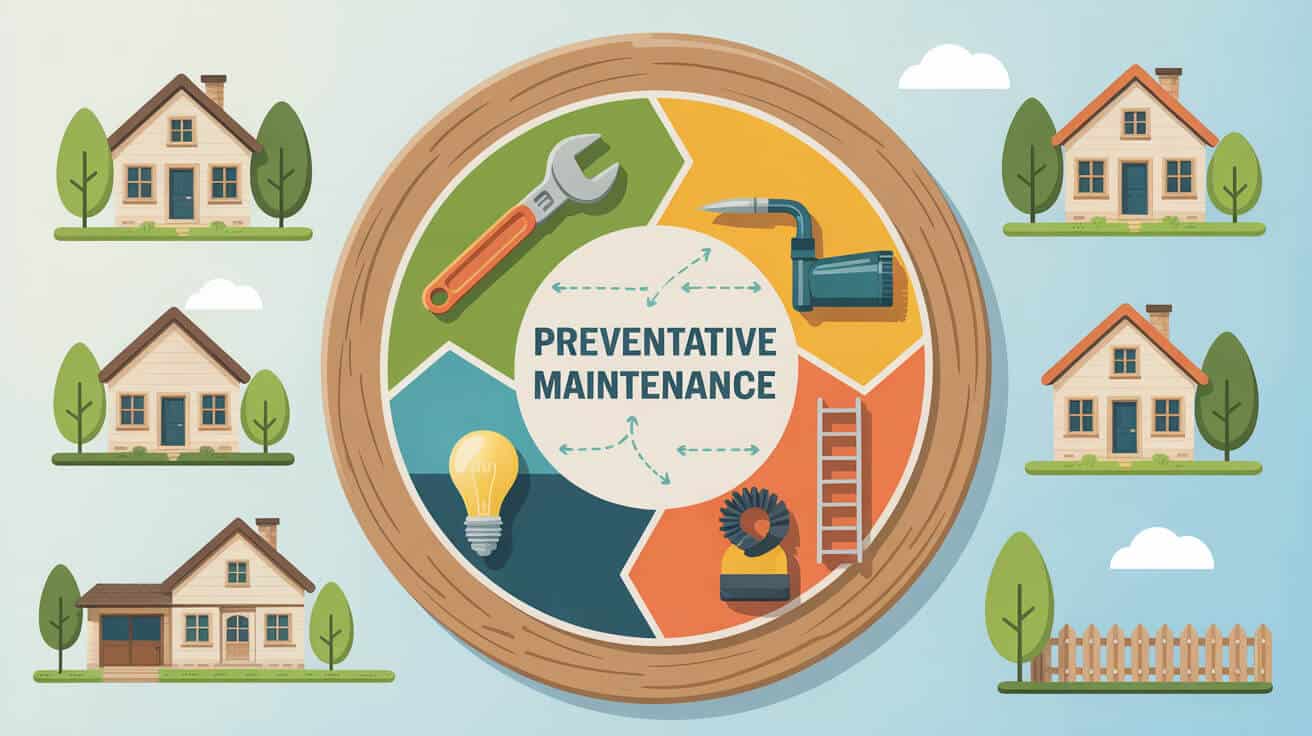
A single, owned UK 2025 PPM calendar per building brings tasks, frequencies, ownership and evidence into one place, so overdues and gaps become exceptions instead of the norm. By structuring your schedule around risk, asset registers and remedial close-out, you make compliance more predictable and less stressful.
- See all statutory and critical checks on one calendar
- Reduce overdues with clear task ownership and escalation
- Produce complete evidence packs quickly for audits and insurers
Need Help Fast?
Locked out, leak at home, or electrical issue? All Services 4 U provides 24/7 UK locksmith, plumbing, electrical.
Testimonial & Clients Who Trust Us
With 5 Star Google Reviews, Trusted Trader, Trust Pilot endorsements, and 25+ years of experience, we set industry standards for excellence. From Dominoes to Mears Group, our expertise is trusted by diverse sectors, earning us long-term partnerships and glowing testimonials.
Worcester Boilers

Glow Worm Boilers

Valliant Boilers

Baxi Boilers

Ideal Boilers

UK 2025 PPM master schedule: one calendar that survives audits
You control risk and cost best when every statutory and critical check sits on one owned calendar per building, with clear owners and proof for each task.
Start by listing the systems that matter most:
- Fire and life‑safety systems and equipment
- Fixed electrical installation and key portable equipment
- Gas appliances, communal plant and flues
- Hot and cold water systems and associated controls
- Lifts, asbestos, roofs, gutters and key fabric elements
For each system, define the recurring tasks, the agreed frequency and the evidence you expect, for example:
- Logbook entry or service record
- Certificate or safety record
- Survey or inspection report
- Defect list with linked remedial work and sign‑off
Every task needs a named owner, not just a job title. When layout, use, plant or risk profile change, you review the relevant frequencies rather than leaving them on autopilot. Simple standards for naming, filing and retaining certificates and reports mean you can pull a complete pack for any building quickly, even when contractors or internal staff change.
All Services 4U already supports landlords, housing providers and managing agents with multi‑block, mixed‑tenure portfolios, so you benefit from patterns tested under audit and insurer review. If you want that kind of calendar in place for your 2025 planning, book a short consultation and have us map it with you.
Common compliance failure modes: why overdues and gaps keep appearing
You often discover compliance gaps when an auditor, insurer or regulator asks for proof and you have to scramble. Those gaps follow predictable patterns, and you can design the calendar to shut them down instead of firefighting them.
Where overdues really come from
Overdues usually start with weak ownership. If it is not obvious who is responsible for the six‑monthly fire alarm service or the next fixed‑wiring inspection, dates drift and nobody feels directly accountable. Incomplete asset registers create the same problem: lifts, outbuildings, roof areas or small plant never make it into the diary and never receive planned attention.
Most persistent overdues trace back to a short list:
- No single, named owner for a task or system
- Assets missing from the register or mis‑classified
- Site or usage changes without a calendar review
- No‑access appointments not tracked or escalated
No‑access is particularly damaging in rented or mixed‑tenure stock. If you cannot show how many attempts you made, how you communicated and when you escalated, it is much harder to argue that you took reasonable steps when checks slip past their due date.
Why evidence fails audits
Many organisations treat “certificate on file” as the goal, but auditors look for a chain: asset, task, competent person, result, and what happened to any defects. Where that chain is broken – for example, an inspection found issues but there is no remedial record – you appear to be tolerating known risks.
You reduce this by making remedial close‑out a built‑in part of the PPM workflow. Every inspection that can generate actions should follow a clear, repeatable path from finding to closure.
Remedial close‑out steps
- Make the situation safe if there is any immediate risk.
- Allocate and approve the remedial work to a named person or contractor.
- Record what was done, where, and any parts or settings changed.
- Re‑test where appropriate and confirm the risk has been addressed.
- Mark the action as closed with date, reference and supporting evidence.
When your calendar is built around this ownership and evidence chain, overdues become rare exceptions and audits become more predictable and less stressful.
Fire safety PPM: FRA, alarms, emergency lighting, extinguishers and doors
![[ALTTOKEN]](https://allservices4u.co.uk/app/uploads/2026/01/02-PPM-Schedule-Frequency-Guide-UK-2025-Fire-Electrical-Gas-Water-More.jpg)
Fire is usually the first area a regulator or insurer tests, so your fire PPM needs to be risk‑based, consistent and easy to evidence.
What you typically schedule
A practical baseline for non‑domestic premises and common parts is:
- Fire risk assessment (FRA): reviewed at least annually and whenever the building, use, occupancy or risks change, or after significant incidents.
- Fire alarm system: a short weekly user test using different manual call points in rotation, plus inspection and servicing by a competent company at intervals not exceeding about six months.
- Emergency lighting: a brief functional test at least monthly and a full rated‑duration test at least annually.
- Fire extinguishers: regular visual checks and a basic service at least annually, with extended maintenance at longer intervals depending on type.
- Fire doors and compartmentation: risk‑based inspections – commonly quarterly, and more frequently in high‑traffic areas – with repairs or replacements logged and tracked to completion.
These intervals are starting points, not rigid rules. You adjust them based on building risk, occupancy and competent advice, and record why you have chosen shorter or longer intervals.
How you keep fire evidence usable
Your fire logbook and digital records should show what was tested or inspected, when, by whom, what was found, and what was done about any defects. For the FRA, store both the assessment and an action tracker that shows progress, not just recommendations.
For doors and compartmentation, keep survey sheets or checklists, photos where they help, and clear notes of remedial work and sign‑off. That way, you can demonstrate that you know where the weak points are and that you deal with them.
When your fire PPM calendar and logbook formats are built around this level of evidence, you can answer questions about how you manage fire risk with a clear, traceable record instead of a pile of isolated certificates.
Electrical PPM: EICR cycles, PAT where appropriate, and safe close‑out
Electrical safety combines fixed‑interval legal requirements in some settings with risk‑based intervals elsewhere, plus routine checks that you should keep distinct from formal inspections.
Fixed wiring (EICR) and inspection intervals
In parts of the rented sector there are explicit rules, such as a maximum five‑year interval for fixed‑wiring inspections unless the report recommends a shorter period. In commercial, industrial and many other premises, there is no single national interval. The inspecting engineer instead recommends the next inspection date based on installation type, use, condition, maintenance history and environment.
Your schedule needs to follow the “next inspection due” date written on the latest Electrical Installation Condition Report, not a generic cycle. When you set up the plan, record both the recommended interval and the reasoning, so you can explain why one building is on a three‑year cycle while another is on a five‑year cycle.
Portable equipment and routine checks
Portable appliance testing is not a legally mandated fixed timetable; it is one way of meeting your general duty to keep electrical equipment safe. In practice, you scope PAT by equipment type, use and environment. High‑risk or heavily used equipment justifies more frequent inspection and testing, while low‑risk, rarely moved items may only need periodic visual checks.
Routine user checks, such as operating RCD test buttons and simple visual checks before use, should appear in the calendar separately from formal inspection and testing. That separation keeps routine checks from being presented as if they were a full EICR.
Closing out electrical findings
For electrical reports, codes such as C1 (danger present), C2 (potentially dangerous) and FI (further investigation required) work best when you treat them as workflow states, not just labels on a document. The plan should show who is responsible for making the installation safe, who will authorise and carry out remedial works, when re‑testing will happen, and when the item is formally closed.
When every code turns into a tracked action, your inspection regime actively reduces risk instead of simply recording it. You can then show that you identify, act on and close electrical risks before the next visit is due.
Accreditations & Certifications








Gas PPM: landlord records, communal plant and access
![[ALTTOKEN]](https://allservices4u.co.uk/app/uploads/2026/01/03-PPM-Schedule-Frequency-Guide-UK-2025-Fire-Electrical-Gas-Water-More.jpg)
Gas safety combines strict annual checks where you provide appliances to residential tenants with risk‑based servicing of commercial and communal plant.
Annual landlord checks and records
Where you provide gas appliances or flues to residential tenants, you must ensure that each relevant appliance and flue is safety‑checked at least every twelve months by a suitably registered engineer, with a record issued. Many dutyholders use an “MOT‑style” approach, scheduling the check slightly early so the anniversary date is preserved and gaps do not open up.
Your plan needs to show, for each dwelling and appliance:
- The appliance or flue covered
- The due date and visit window
- The date the latest Landlord Gas Safety Record was issued
- The number and outcome of access attempts
You also need a clear access route that defines how many attempts you will make, how you contact residents, and when you escalate persistent no‑access after defined attempts and contact channels.
Commercial plant, communal systems and flues
For communal boiler rooms, shared flues and gas risers, you still need regular safety checks and maintenance, but the frequency is driven by risk, manufacturer instructions, system design and competent advice. The key is to confirm who is dutyholder for each system and reflect that in the schedule.
Gas PPM entries should list plant separately from in‑flat appliances and distinguish between a safety check and a full service. They may be combined in one visit, but you should know which has been completed and have records to match.
A clear gas duty matrix or building‑level view of due dates and access risks makes it easier to see which duties sit with you and which sit elsewhere, and to show that you are managing access as well as technical risk.
Water hygiene / Legionella: monitoring, flushing and review
Legionella control is built around management and risk assessment rather than a single national timetable. Your job is to turn that assessment into a stable but revisable set of tasks.
Risk assessment and control scheme
You should have a current Legionella risk assessment and written control scheme covering how you keep hot and cold water systems safe. That assessment sets the frequencies for tasks such as temperature monitoring, flushing, inspection and, where indicated, sampling.
Many dutyholders adopt baseline example frequencies such as:
- Weekly flushing of little‑used outlets
- Monthly temperature checks on sentinel points
- Regular inspection and cleaning of cold‑water storage tanks
- Periodic review of calorifier performance and distribution temperatures
The key is that your schedule tracks what the assessment says, and that you review both the assessment and the tasks when systems or usage change.
Routine monitoring and exception handling
Each monitoring task on your calendar should show who takes the reading, what pass or fail looks like, and what happens when a reading is out of range. Logs need to capture the value, any deviation, the immediate action taken, and when a re‑check is due. That way, your records demonstrate that you control risk rather than simply recording activity.
Exception handling should follow a simple, predictable pattern that turns out‑of‑range readings into controlled actions rather than vague concerns.
Legionella exception‑handling steps
- Flag the out‑of‑range value quickly and make sure someone owns it.
- Take immediate steps to reduce risk, such as flushing or temperature adjustments.
- Investigate likely causes, including plant performance, usage patterns or recent works.
- Carry out any remedial actions the risk assessment or competent advice requires.
- Repeat the measurement until stable, in‑range readings return and record the closure.
Sampling, where used, should sit on top of this control scheme as a trigger‑based tool – for example after system modifications or persistent issues – rather than replacing temperature, flow and cleanliness controls.
Lifts, asbestos and building fabric: inspection intervals and condition controls
Beyond plant and services, several other areas carry statutory inspection duties or create major risk and cost if left off the PPM calendar.
Lifts and lifting equipment
For lifts and lifting equipment used at work, there are minimum intervals for thorough examination by a competent person, often six‑monthly where people are carried and twelve‑monthly for goods‑only equipment, unless a written scheme of examination specifies a different interval. Maintenance visits by a lift company are separate; they support reliability but do not replace thorough examinations.
Your calendar should list every lift, clarify whether people ever travel on it, reference the written scheme, and show the next thorough examination date alongside routine servicing. That separation makes it easier to explain to a board, insurer or regulator how you keep lifting equipment both compliant and reliable.
Asbestos duty to manage
Where the duty to manage asbestos applies, you need an asbestos register, a management plan and a regime for monitoring materials in place. The law expects you to monitor and review at regular intervals and when things change. In practice many dutyholders review the management plan at least annually and re‑inspect known asbestos‑containing materials on a six‑ to twelve‑month cycle based on risk.
The PPM schedule should include those reviews and re‑inspections, plus simple process checks that contractors receive asbestos information before intrusive work and that any removals, encapsulation or damage are recorded promptly and clearly.
Roofs, gutters and envelope
Roofs, gutters, flashings and other envelope elements are central to asset protection, damp and mould prevention, and claims defensibility. A common preventative pattern is:
- At least twice‑yearly roof and gutter inspections
- Additional checks after severe weather or known incidents
- Photo surveys with clear defect lists and priorities
- Remedial work logged and tracked through to sign‑off
Adding these items to your PPM plan reduces water ingress surprises, supports insurance renewals, and helps you evidence that you manage the parts of the building that often drive the most long‑term cost.
Reliable Property Maintenance You Can Trust
From routine upkeep to urgent repairs, our certified team delivers dependable property maintenance services 24/7 across the UK. Fast response, skilled professionals, and fully insured support to keep your property running smoothly.

Book your free consultation with All Services 4U today
When you book a free consultation with All Services 4U, you get a clear, evidence‑first PPM schedule for your buildings that you can explain and defend.
You already understand your buildings, your dutyholder roles and where things feel fragile. The missing piece is a structured, evidence‑first schedule that everyone can follow without guesswork. A short, no‑obligation consultation lets you test that approach before you commit.
In that session, All Services 4U can review your current dates, certificates and asset lists, highlight obvious gaps and date‑drift risks, and propose a twelve‑month PPM view that respects legal requirements, common standards and your risk appetite. You stay in control of priorities and budgets; our team does the heavy lifting of translating those decisions into tasks, dependencies, access plans and evidence requirements.
You leave with a clear view of which checks need to be weekly, monthly, six‑monthly, annual or multi‑year, who is responsible for each item, and what “good proof” looks like for audits, insurers and lenders. If you want a UK 2025 PPM schedule that you can explain, defend and actually deliver, book your free consultation with All Services 4U today.
Frequently Asked Questions
Explore our FAQs to find answers to planned preventative maintenance questions you may have.
How often should you review your fire risk assessment and fire checks in a typical UK building?
You normally review your fire risk assessment at least annually and after any significant change, with fire checks on a weekly to annual rhythm that you can evidence in seconds. Under the Fire Safety Order and standards like BS 5839 and BS 5266, most dutyholders settle into a pattern that feels boring on purpose: a documented FRA review every year, or sooner after layout changes, new use, notable defects or incidents; weekly alarm tests rotating call points; six‑monthly alarm servicing by a competent contractor; monthly emergency lighting function tests; and an annual full‑duration emergency lighting test. Fire door inspections are risk‑based, but in multi‑occupied blocks and HRBs, quarterly checks on core escape routes and flat‑entrance doors are now common, with BS 8214 and EN 1634 sitting behind the detail.
What really matters to an enforcing officer, insurer or building safety regulator isn’t whether you chose a 6‑ or 8‑day test cycle; it’s whether your fire risk assessment review frequency and fire checks follow a reasoned pattern that your team actually delivers. A disciplined fire maintenance schedule and fire logbook that tell a steady storey for the last year do more for your position than any amount of firefighting when someone calls for evidence.
What practical steps keep your fire PPM defensible for boards, insurers and regulators?
You make your fire safety PPM defensible by making every decision visible, repeatable and tied back to recognised guidance:
- Hold one structured fire logbook per building, with digital backup, covering alarms, emergency lighting, fire doors, drills and impairments.
- Record which device, zone or door was tested, by whom and when, not just “tested weekly” or “doors checked”.
- Tie each defect or FRA action to a remedial work order, target date and closure note, so you can show “found → fixed” rather than a static list.
- Tag tasks against the Fire Safety Order, BS 5839, BS 5266 and BS 8214 / EN 1634, so an auditor can see how your fire maintenance regime sits against accepted practice.
A simple maintenance cadence table like this helps you and your board see the pattern at a glance:
| Fire check type | Typical interval | Evidence expected |
|---|---|---|
| User alarm test | Weekly, rotating call points | Log entry per device and date |
| Alarm service (BS 5839) | Six‑monthly | Service certificate and report |
| EL function test (BS 5266) | Monthly | Log sheet with pass/fail |
| EL 3‑hour test | Annual | Duration test certificate |
| Fire door inspections | Quarterly (risk‑based) | Survey, photos, remedial tracker |
If you want to be the person who can drop that table into a board pack and back it with clean logbooks per block, this is exactly the kind of fire maintenance schedule and evidence model All Services 4U can design and help your team run across your portfolio.
How does this play out when an inspection, valuation or claim lands without warning?
When a fire authority officer, building safety regulator, insurer or valuer arrives, they usually jump straight from the latest FRA to very practical questions: “Show me the last eight weekly alarm tests,” “Who signs off fire door defects and how quickly?” or “Where’s the certificate for the last full‑duration emergency lighting test?”. If your fire maintenance schedule, logbooks and remedial tracker let your team answer those in minutes, with dates, names and closure evidence, you look like you run fire safety as part of core property maintenance, not as a side job.
If instead people are hunting through email chains, PDFs and scattered check sheets, the conversation quickly shifts to missed tests, open FRA actions and weak oversight, even if a lot of work has been done. One block-by-block calendar and logbook template, rolled out consistently, can change that picture very quickly. All Services 4U can help you set that baseline fire risk assessment review frequency and fire testing pattern, alongside related compliance markers such as EICR testing frequency, then give your team a simple way to keep it honest when operational noise kicks in.
How do you decide the right EICR interval and electrical PPM cycle for your properties?
You decide your EICR interval by following the last report’s recommendation and BS 7671 guidance, then wrapping an electrical maintenance schedule around it that reflects how each installation is actually used. For rented homes covered by the PRS regulations you cannot exceed five years between electrical installation condition reports (or a shorter interval if the engineer states one), while common parts and commercial spaces follow BS 7671 and competent advice based on environment, loading, history and HHSRS risk. Your electrical maintenance calendar should always copy the “next inspection recommended” date from the EICR, not overwrite it with a generic five‑year rule that ignores deterioration.
Around that anchor you build a planned electrical maintenance pattern that feels proportionate to the risk in each building. Alongside EICR testing frequency, for heavily loaded riser cupboards, plant rooms, kitchens or car parks you might add annual distribution-board torque checks, RCD tests and targeted thermal imaging; for low-risk offices you may keep the regime leaner, but still link the electrical PPM cycle to known weaknesses in the last report. When a lender’s engineer or insurer’s surveyor asks “why this EICR interval for this board, with this history?”, you want the answer to live in your schedule and evidence, not in guesswork.
What extra evidence reassures auditors, lenders and insurers about your electrical regime?
Audit‑ready electrical maintenance comes from a clear line between observation, action and sign‑off:
- A current EICR per installation, with the BS 7671 edition, scope, limitations and next‑due date visible in your register.
- A live action log for C1, C2, FI and advisory items, showing owner, target date, completion evidence and how it affected your electrical maintenance schedule.
- Straightforward competence records for contractors and calibration proofs where your own team use test equipment.
- A simple map linking your electrical preventative maintenance tasks – DB checks, RCD tests, emergency lighting interface tests, thermal imaging – back to the underlying risks in the installation.
It is very common to see portfolios run on an unthinking “five‑year EICR” cycle, regardless of damp basements, car‑park panels or repeated faults. That pattern worries insurers and buyers because it suggests nobody is really looking at the risk. If you would rather be the director or manager who can show an EICR interval, electrical PPM cycle and closure record that a regulator, insurer or valuer would recognise as measured, All Services 4U can help you stand up that framework quickly and then keep it accurate as your stock and usage change.
What does a strong UK gas safety regime look like beyond doing a CP12 once a year?
A strong gas safety regime treats the annual Landlord Gas Safety Record as the minimum, then wraps servicing, access control and portfolio‑wide tracking around it so expiry dates never creep past you. Under the Gas Safety (Installation and Use) Regulations you must complete safety checks at intervals of no more than twelve months, but in practice you protect that obligation by starting contact well before the anniversary, bringing visits slightly forward and logging every attempt with dates and methods. That way, if you end up in front of a coroner, regulator or housing ombudsman, you can show a storey of repeated, reasonable efforts rather than a scramble in the last week.
For shared plant, risers and flues you move past purely domestic thinking. You identify who is the dutyholder in practice – freeholder, managing agent, right‑to‑manage company, housing provider or accountable person – then plan servicing that follows manufacturer instructions and competent gas engineering advice. You separate “service” from “safety check” in your calendar and filing, so you can prove which visit discharged your statutory duty and which visit was performance‑optimisation. For high‑risk blocks and HRBs, linking your gas safety regime to your building safety case and Building Safety Act responsibilities keeps you safer with regulators and residents alike.
How can you cut missed gas dates and access failures across a portfolio?
Missed gas certificates are rarely about obscure regulations; they are usually about late starts, foggy messaging and inconsistent follow‑through. You can stabilise a whole gas safety regime with a few simple disciplines:
- Trigger resident contact six to eight weeks before the due date, not in the last few days.
- Bundle gas safety visits with other in‑flat works: – smoke and CO alarms, EICR remedials, valve checks – so each appointment feels worthwhile to the household.
- Use clear, plain language explaining that gas safety checks protect their health and your legal duties, not just your admin.
- Run a documented multi‑step no‑access process (invite, reminder, formal notice, potential legal escalation) with dates and outcomes recorded against each property.
When a complaint, incident or claim lands, a gas safety regime that shows that level of structure is far easier to defend with an insurer, housing regulator or ombudsman than “we tried once and left it”. If you want that level of control without turning your office into a call centre, All Services 4U can help you design the gas calendar, access scripts and evidence templates so your gas safety regime feels like part of your wider property maintenance plan, not a yearly panic.
How should you build and run a Legionella control schedule from your risk assessment?
You turn a Legionella risk assessment into a control schedule by giving every control measure a named task, a number to capture and a clear response when readings drift. Under ACoP L8 and HSG274, most buildings settle into weekly flushing of little‑used outlets, monthly hot‑ and cold‑water temperatures at sentinel points, routine inspection and cleaning of stored water, and periodic checks on calorifiers, dead‑legs and little‑used loops. The right frequency for your Legionella control schedule is whatever the assessment and competent adviser specify for that system and occupancy, not what was used in a completely different scheme five years ago.
Each entry in your water hygiene calendar should read like an instruction a new operative could follow on a busy day: the outlet or asset ID, where it is, what temperature or condition is expected, the range that counts as “in control”, and the immediate actions if the result falls outside that band – repeat check, flush, escalate, disinfect, sample. You do not need complex software to impress HSE; you need legible logs that show readings, exceptions, actions and re‑checks so an inspector can see control over time. Tick‑boxes with no numbers and no follow‑up undermine your position very quickly.
What simple habits keep your water hygiene programme credible for HSE, housing regulators and insurers?
Water hygiene credibility comes from steady habits that you can evidence, not dramatic interventions you need to explain away:
- Keep schematics, asset lists and outlet IDs aligned to reality, not a plant room drawing from three refurbishments ago.
- Routinely review clusters of out‑of‑range readings, rather than treating each red mark as a one‑off; patterns often point to design issues, stuck valves or occupancy changes.
- Record who is authorised and trained to change setpoints, isolate assets or order disinfection and sampling, so you are not relying on unrecorded “tribal knowledge”.
- Tie water hygiene actions into your damp and mould protocols and HFHH expectations, so a regulator can see how your Legionella control schedule supports wider health outcomes.
Plenty of contractors will “do L8” and leave you with files of disjointed logs that collapse the first time an HSE inspector or housing regulator asks to follow one outlet’s storey through a year. If you would rather be the accountable person, landlord or RP who can put a simple Legionella control schedule, readings and closure record on the table without a flinch, All Services 4U can help you turn what you have now into a portfolio‑wide pattern that makes sense to both engineers and regulators.
How do you decide what to inspect, and how often, for lifts, asbestos and roofs?
You decide what to inspect, and how often, for lifts, asbestos and roofs by mapping each asset to its regulatory regime, risk profile and a small, consistent evidence set. For lifts, that means separating thorough examinations under LOLER (typically six‑monthly for passenger lifts, twelve‑monthly for goods‑only) from routine maintenance visits, and giving each its own slot in your diary and filing. For asbestos, CAR 2012 expects you to keep a live register and management plan, then review condition at intervals driven by material type, location and vulnerability – often six, twelve or twenty‑four months, with each inspection feeding changes back into the plan.
For roofs and gutters, Building Regulations Part A, insurers and any decent surveyor all converge on the same basic idea: at least two inspections a year and a check after significant storms, with photo surveys and defect lists logged to closure. That pattern protects you against damp, mould and structural risk as well as claims and valuation questions. In higher‑risk or heavily scrutinised stock – HRBs, critical sites, blocks with historic failures – you shorten intervals or widen the scope, but you still keep the same structure: interval set by law, standard, manufacturer or risk assessment; next‑due date captured; findings, actions and sign‑off stored where an insurer, valuer or building safety regulator can see them without chasing.
What extra controls reduce unpleasant surprises with these high‑impact assets?
The assets that do the most reputational and financial damage tend to fail in public, at the worst possible time. You lower that risk with some targeted controls:
- Make “check the asbestos register and plan before any intrusive work” a hard rule, whether it is a small contractor drilling or your own team chasing cables.
- Tie roof inspections to damp and mould protocols and your HFHH approach, so repetitive ingress, ceiling staining and HHSRS hazards show up fast enough to act.
- Keep lift written schemes of examination, the last LOLER reports and trapped passenger logs together with the calendar, so if a regulator or insurer visits after an incident you can show both condition and governance.
- Define a short post‑storm inspection script for roofs, façades and critical openings that can be run within 24–48 hours after heavy weather.
A lot of organisations only discover a missing thorough examination, a mis‑managed asbestos register or an untouched roof because an insurer’s surveyor, valuer or regulator asked at exactly the wrong moment. If you want to be the person who can show a clean, joined‑up inspection schedule for lifts, asbestos and roofs before those questions arrive, All Services 4U can help you design that template once and roll it out across your portfolio with the photo and report trail already baked in.
How can a defensible PPM calendar from All Services 4U change the way you run your portfolio?
A defensible PPM calendar from All Services 4U turns scattered dates, certificates and contractor habits into one evidence‑first maintenance plan per building that you can explain in a sentence and defend under cross‑examination. In practice, that usually starts with a forensic look at what already exists: asset registers, EICR and CP12 dates, FRA actions, Legionella logs, lift thorough examinations, asbestos registers, roof surveys, emergency lighting logs and any early Building Safety Act or EWS1 material. From there you can see the quiet gaps – drifting anniversaries, untagged plant, FRA findings without owners, Legionella records with no readings, lifts with unclear next thorough exam dates, roofs with no recent survey.
Once that picture is clear, you choose how far you want your property maintenance calendar to go. Some organisations ask us to design the PPM pattern and evidence rules – one calendar per building, one binder index, one minimum data set per job – then keep most of the delivery with their existing trades, using the PPM Cost Guide UK 2025 where it helps frame budgets. Others ask us to deliver the multi‑trade property maintenance as well: fire, electrical, gas, water hygiene, roofs, fire doors, fabric and small works, all to a single schedule, with the same close‑gate expectations on every visit so nothing can close without the right photos, readings and references. In both models you stay in charge of priorities, budgets and approvals while we carry the detail of intervals, standards and record discipline.
What do you tangibly walk away with after a first consultation or pilot?
By the end of a focused pilot, you should be able to see and show the difference in very concrete ways:
- A clear map of which duties apply to each building, by system and law or standard, rather than a generic compliance checklist.
- A draught 12‑month property maintenance calendar that links fire risk assessments, fire checks, EICR, CP12, Legionella tasks, asbestos inspections, lift examinations and roof checks into one view with owners, intervals and proof requirements.
- A binder and evidence structure that turns every PPM and reactive job into a documented compliance action, not just a closed ticket.
- A short, practical route map for running the PPM calendar in‑house with your current supply chain, or having our engineers deliver it alongside your team.
If you want to be the owner, director, accountable person or manager who can pull up a twelve‑month PPM calendar and evidence view for any block or estate while a lender, insurer or regulator sits across the table, the next step is simple. Choose one building or one small portfolio, let us build and, if you wish, deliver a pilot property maintenance calendar and binder with you, and see how it feels to answer tough questions with structured proof rather than last‑minute searching. From there you can decide how widely you want that level of control and confidence to extend across the rest of your stock.
- Build a 2025 PPM calendar that survives audits
- UK 2025 PPM master schedule: one calendar that survives audits
- Common compliance failure modes: why overdues and gaps keep appearing
- Fire safety PPM: FRA, alarms, emergency lighting, extinguishers and doors
- Electrical PPM: EICR cycles, PAT where appropriate, and safe close‑out
- Gas PPM: landlord records, communal plant and access
- Water hygiene / Legionella: monitoring, flushing and review
- Lifts, asbestos and building fabric: inspection intervals and condition controls
- Book your free consultation with All Services 4U today
- Frequently Asked Questions
- Related PPM Services
Related PPM Services
- Planned Preventive Maintenance
- Calendar Template
- Costs Guide
- CP12 Frequency
- EICR Testing Frequency
- Emergency Lighting Testing Frequency
- Fire Alarm Testing Frequency
- Fire Door Inspection Frequency
- Frequency Checklist
- Legionella Temperature Monitoring Frequency
- Lift Maintenance Frequency
- Roof Inspection Frequency
- SFG20 Standard
Case Studies


Related Articles

Your Guide To Identifying And Treating Minor Mould Outbreaks
Why Planned Preventative Maintenance (Ppm) Saves Money And Ensures Compliance