Water supply infrastructure in England and Wales follows a clear demarcation of responsibility, defined primarily by the Water Industry Act 1991 and the Water Supply (Water Fittings) Regulations 1999. Understanding where the water company’s responsibility ends and the property owner’s begins is essential for anyone managing commercial or residential property.
The boundary point is the water meter — or, more precisely, the point at which the communication pipe (owned by the water company) meets the supply pipe (owned by the property owner). The water company owns and maintains everything upstream of this boundary: the water main in the street, the communication pipe running to the property boundary, and the meter itself. The property owner is responsible for everything downstream: the supply pipe from the boundary to the building, all internal distribution pipework, fittings, and appliances.
This demarcation has direct financial implications. Leaks upstream of the boundary are repaired at the water company’s expense — and typically at no charge to the property owner. Leaks downstream are the owner’s responsibility, requiring either their own plumber or a claim against their buildings insurance. A plumber who misidentifies the demarcation point and begins work on the water company’s infrastructure not only wastes the client’s money but may also create liability issues, as private contractors should not work on water company assets without authorisation.
The Reported Issue
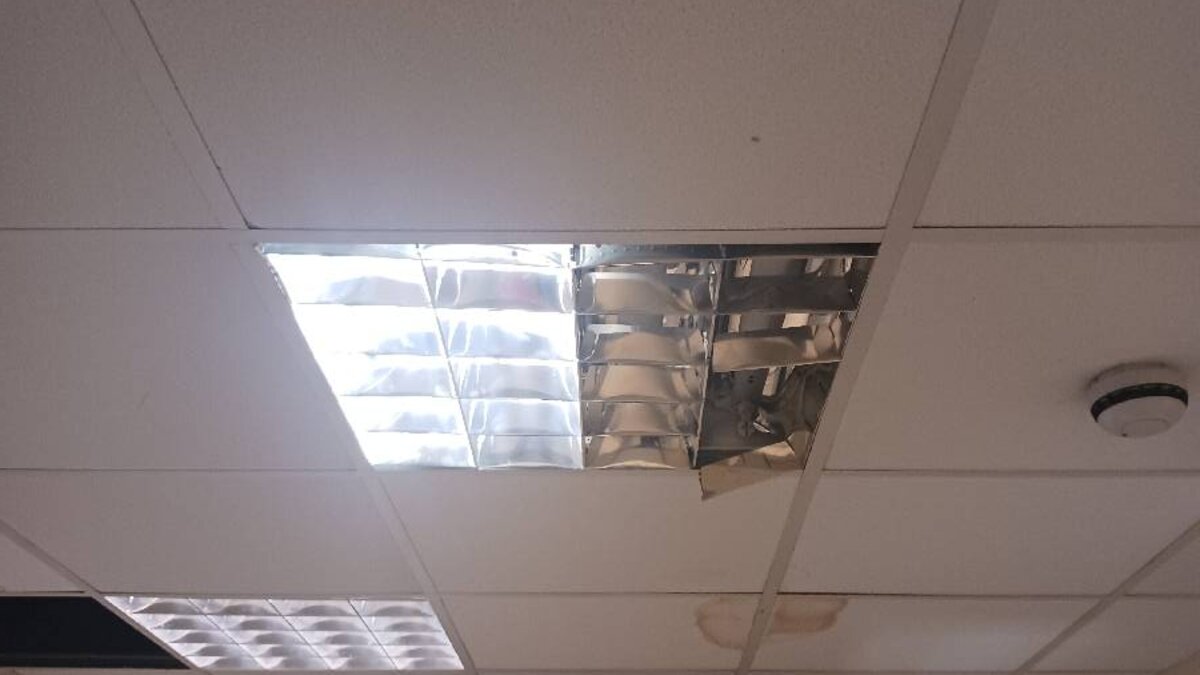
The property manager reported a major leak at a commercial unit within a mixed-use development. The description was complex: the leak was not within the client’s own workshop but appeared to originate in an adjacent area — accessible through a neighbouring property’s entrance — and was affecting the client’s water intake pipe. Multiple site contacts were involved, with access arrangements complicated by the building’s layout across different commercial units.
This kind of situation — where the apparent source of a leak is in one location but the impact is felt in another — is common in commercial developments where multiple units share underground service runs, party walls, and communal infrastructure. The instinct to call a plumber is understandable, but the first task is always to determine who owns the infrastructure that has failed.
The Investigation
Our plumber attended at 08:59 and carried out an immediate assessment of the situation. The investigation focused on tracing the leak to its source rather than beginning any repair work.
Site Assessment: The plumber inspected the area identified by the site contact and followed the water supply infrastructure back towards its point of entry. In commercial developments, water supply arrangements can be complex — with shared mains, individual meters for each unit, and supply pipes running through communal areas or underground ducts.
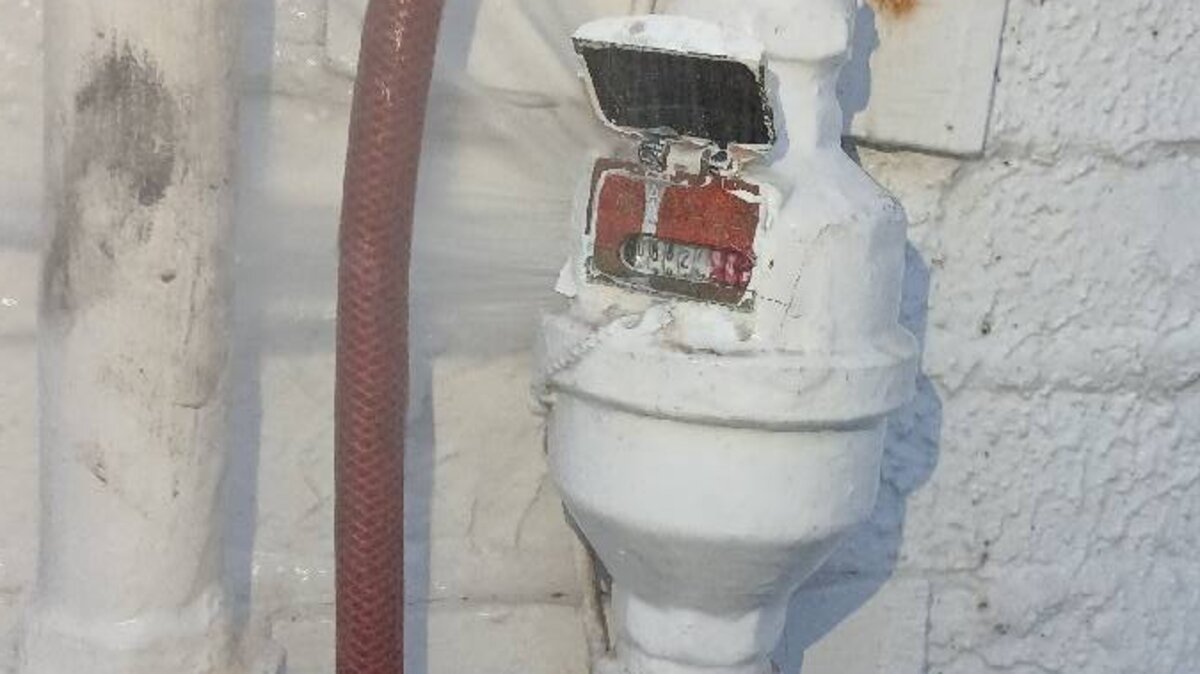
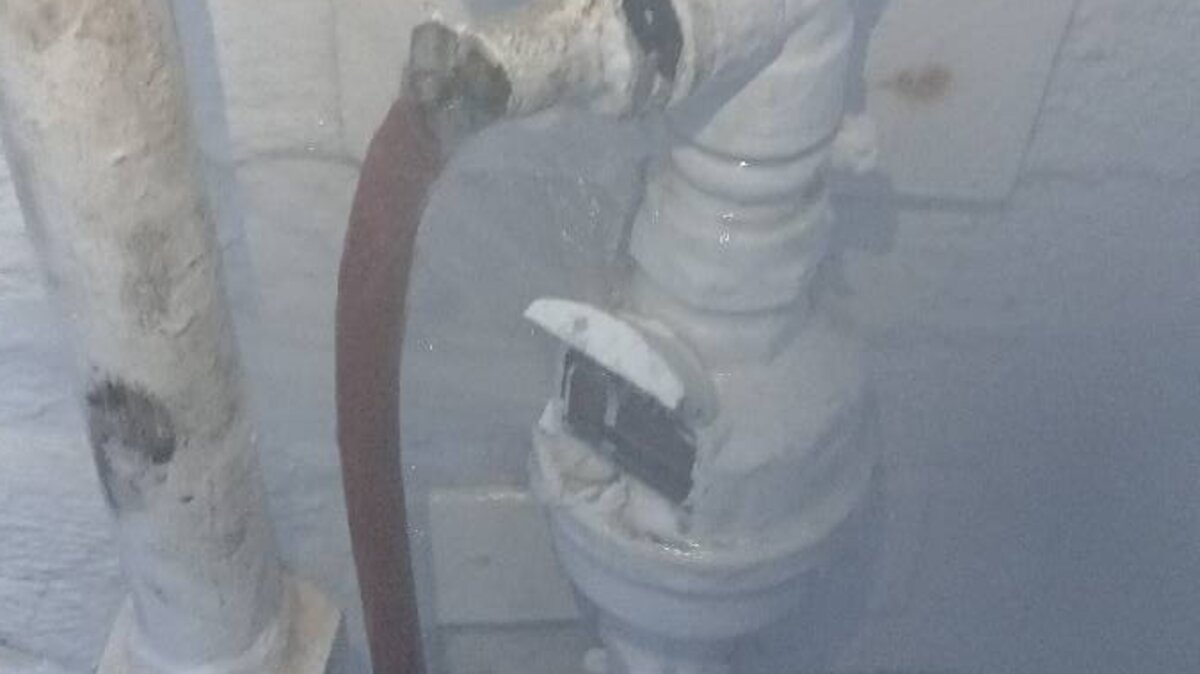
Meter Inspection: The investigation identified that the water meter was broken. This was a critical finding. A fractured or failed water meter will leak continuously, potentially at significant volume, and the resulting water flow can appear to originate from internal pipework when it is actually escaping from the meter housing or its immediate connections.
Responsibility Determination: With the meter itself identified as the fault point, the responsibility for repair lies unambiguously with the water company. Under the Water Industry Act 1991, the water undertaker is responsible for maintaining the communication pipe and meter. The property owner has no obligation — and indeed no authority — to repair water company infrastructure.
Advisory: The plumbing manager advised the on-site team to contact the water board directly to report the broken meter and request repair. Water companies in England and Wales are obligated to repair or replace faulty meters and to address leaks in their infrastructure within defined service timescales.
Findings Summary
| Finding | Detail | Implication |
|---|---|---|
| Water meter broken | Meter identified as the source of the leak | Water company infrastructure — not private plumbing |
| Leak location | At or near the meter, not in internal pipework | No internal plumbing repair required |
| Responsibility | Water company (upstream of boundary) | Client should contact water supplier, not a plumber |
| Cost to client | Diagnostic visit only | No unnecessary repair costs incurred |
Common Water Supply Responsibility Confusion Points
| Situation | Who Is Responsible | How to Confirm |
|---|---|---|
| Leak in the street main | Water company | Report via water company leak line |
| Leak in communication pipe (street to boundary) | Water company | Water company owns to boundary/meter |
| Broken or leaking water meter | Water company | Meter is water company property |
| Leak in supply pipe (boundary to building) | Property owner | Owner’s responsibility; may be insurable |
| Leak in internal distribution pipework | Property owner / tenant (per lease) | Private plumber required |
| Shared supply pipe serving multiple properties | Shared responsibility — complex | Check deeds or contact water company |
| External stop tap (in pavement) | Water company | Located and operated by water company |
| Internal stop tap | Property owner | Owner’s asset and responsibility |