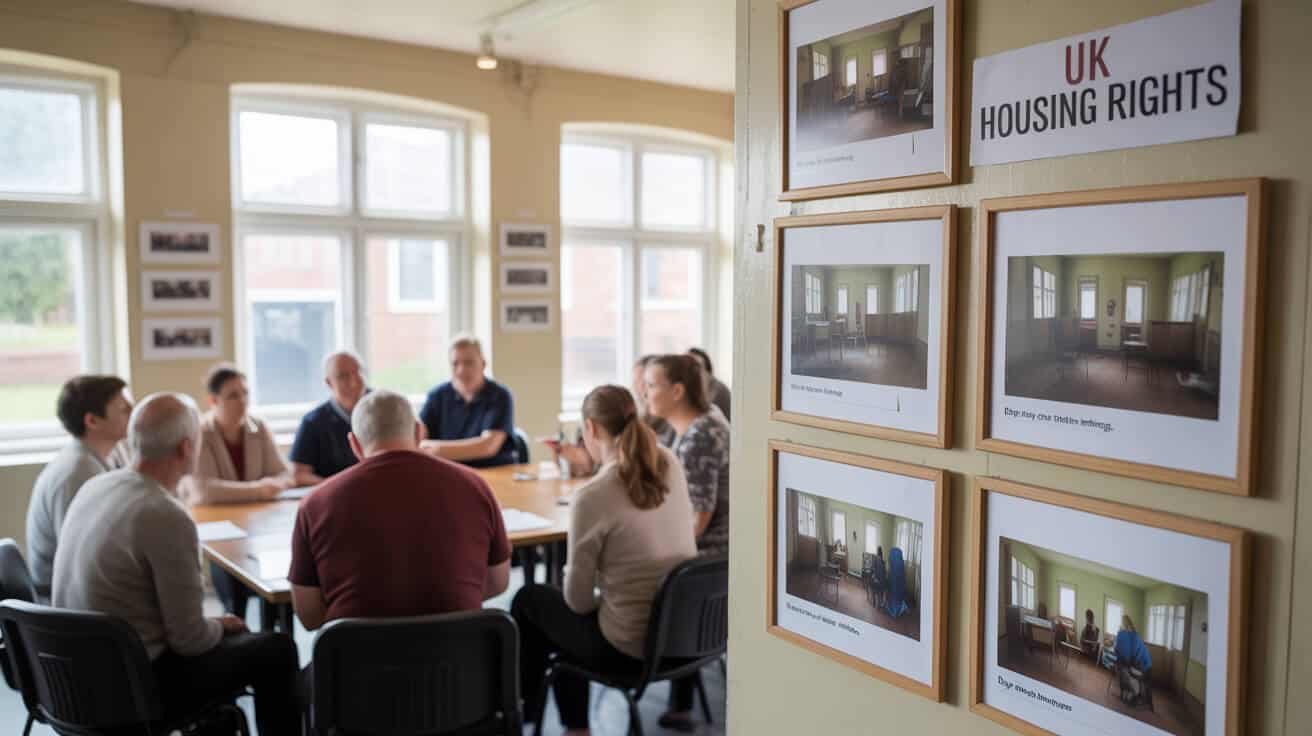
Resident Engagement PPM Services for HRB UK – BSA Communication & Vulnerability
Designed for accountable persons, building safety leads and HRB landlords, resident‑engagement PPM services help you join up maintenance, communication and vulnerability under the Building Safety Act. A structured process aligns PPM cycles with clear, accessible resident updates, two‑way feedback and evidential records, based on your situation. You end up with fewer failed visits, clearer safety‑case evidence and a resident‑engagement trail that regulators, insurers and boards can follow and test. Exploring this approach now puts you in a stronger position before the next major programme or investigation.



Author
Izzy Schulman

Resident engagement PPM services under the Building Safety Act
If you manage a higher‑risk building in the UK, weak resident engagement around planned maintenance now exposes you to avoidable cost, friction and legal risk. Regulators expect you to connect PPM, safety evidence and residents’ real lives, including those who are vulnerable.
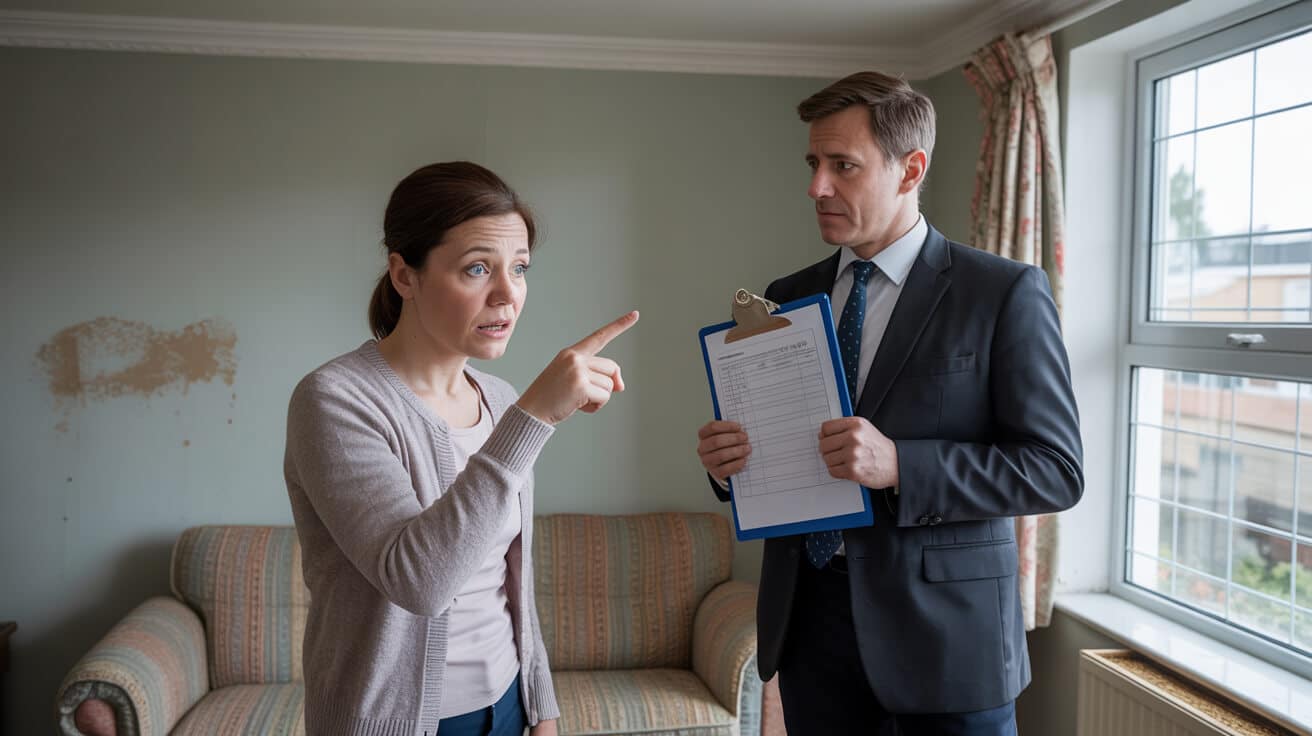
Instead of last‑minute letters and improvised emails, a resident‑engagement PPM service builds communication into the maintenance cycle as a repeatable, inclusive process. This helps you improve access, reduce complaints and leave a clear evidential trail that supports your safety case, inspections and internal assurance.
- Reduce failure demand and costly no‑access visits across HRBs
- Strengthen safety‑case and golden‑thread evidence for regulators and insurers
- Build trust with residents through clearer, earlier, accessible communication
Need Help Fast?
Locked out, leak at home, or electrical issue? All Services 4 U provides 24/7 UK locksmith, plumbing, electrical.
Testimonial & Clients Who Trust Us
With 5 Star Google Reviews, Trusted Trader, Trust Pilot endorsements, and 25+ years of experience, we set industry standards for excellence. From Dominoes to Mears Group, our expertise is trusted by diverse sectors, earning us long-term partnerships and glowing testimonials.
Worcester Boilers

Glow Worm Boilers

Valliant Boilers

Baxi Boilers

Ideal Boilers

Why does resident engagement around PPM now matter so much in UK higher‑risk buildings?
Resident engagement around planned maintenance in higher‑risk buildings now directly affects your legal risk, costs and reputation. Under the Building Safety Act, regulators expect you to join up planned preventive maintenance, building‑safety evidence and residents’ real lives – including those who are vulnerable – in a way that you can explain, defend and operate every day.
When residents understand what is happening and why, resistance turns into cooperation rather than conflict.
For years, communication about gas checks, alarm testing or intrusive fire‑safety works was handled through ad hoc letters, lobby notices and last‑minute emails. It worked just enough to scrape by on access most of the time, but it rarely built trust and it left you with a weak evidential trail when complaints, claims or scrutiny arrived.
Now, if you are the Principal Accountable Person, an Accountable Person, a building‑safety lead, a landlord, an RTM/RMC director or a managing agent for an HRB, you are expected to be able to show:
- what you told residents about safety‑related PPM and projects
- when and how you told them, in accessible formats
- how residents could ask questions or raise concerns
- how you adapted for residents with vulnerabilities
- how you used that feedback to refine decisions and works.
Planned preventive maintenance is no longer “just about assets and contracts”. It is part of how you demonstrate that you are identifying, monitoring and managing building‑safety risks over time. Your resident‑engagement strategy, your safety case, your safety‑management system and your PPM programme are expected to line up and look like one coherent approach, not separate worlds.
That is the space where a resident‑engagement PPM service sits. Instead of treating communication as a last‑minute letter, you design it as a repeatable, inclusive process inside the PPM cycle that staff and contractors can actually operate and that leaves behind clear, structured evidence. That is also where a partner such as All Services 4U can help you move from good intentions and policy documents to day‑to‑day practice that works for residents, regulators, your insurers and your own teams.
For clarity, the information here is general and does not constitute legal advice; you should always take your own professional advice on specific duties and enforcement risk.
What counts as “resident engagement” in the PPM context?
Effective resident engagement for PPM means residents understand why maintenance is needed, how it will affect them, and how they can influence timing, access and support. It goes beyond simple appointment notices and becomes a structured way for residents to ask questions, raise concerns and see that their input shapes how safety‑critical work is delivered in their particular building. It is more than notifying people that contractors will attend; it covers every point where residents need to understand, influence or live with safety‑related works and testing, including how you explain why certain maintenance is necessary, how it ties into fire and structural safety, and what will and will not change for them.
It also includes the choices you offer where options exist, such as appointment windows or sequencing within a block, and the route residents have to say “this does not work for me” and to get a timely, considered response that is logged and reviewable.
If your PPM calendar runs quietly in one system and your resident communication is improvised through email and Word templates, you will struggle to show that you have a “strategy in use” rather than just a strategy on paper. Effective engagement ties those pieces together in a way that a regulator, an insurer or a tribunal can follow.
Who needs to care about this inside your organisation?
Everyone who touches safety‑related works in a higher‑risk building needs to care about resident engagement, because it shapes access, cost, risk and trust. For governance roles it is about legal exposure and assurance; for operational roles it is about fewer failed visits and complaints; for landlords and investors it is about protecting claims, mortgageability and asset value.
Different people will come to this topic with different angles, but they are looking at the same underlying system:
- Accountable Persons and directors of building safety – legal exposure, board assurance, regulator expectations.
- Building Safety Managers – day‑to‑day friction, evidence quality and embedding new processes.
- Heads of PPM and asset maintenance – delivery, no‑access rates, cost and programme slippage.
- Resident‑engagement and communications leads – inclusion, tone, trust and complaints.
- Landlords, RTM/RMC boards and asset managers – claims paid, valuation, reputational risk.
A resident‑engagement PPM model that works has to satisfy all of them at once. That is why the sections that follow focus on the cost of weak engagement, the duties under the Building Safety Act, what “good” looks like operationally, how data and vulnerability fit in, and how a service like All Services 4U can help you put a robust, human process in place.
What problems does weak resident engagement create for your higher‑risk buildings?
Weak resident engagement around PPM quietly multiplies your operational effort, regulatory risk and reputational exposure. Poor communication drives avoidable no‑access visits, complaints and friction with residents, and leaves you with thin records when insurers, lenders, regulators or tribunals ask what you did to keep people safe in your buildings.
From an operational standpoint, the symptoms are familiar. Call centres and housing officers spend days fielding avoidable “what is going on?” queries after letters land. No‑access rates rise for safety‑critical tasks, which means re‑visits, out‑of‑hours calls and strained relationships with contractors. Major programmes drag because a handful of residents feel works are being done to them, not with them.
Behind that, there are three deeper costs.
First, failure demand. Every poorly timed or unclear communication generates follow‑up work: extra calls, further letters, escalations and sometimes site visits just to explain. Multiply that across multiple HRBs and programmes and you have a significant unplanned workload that never shows on the original business case.
Second, compliance and assurance risk. If you cannot quickly show what you told residents, when and how you responded to their concerns, your safety case and golden‑thread records look incomplete. After an incident, or in front of an investigator, Ombudsman, insurer or court, that is a serious weakness even if the technical works themselves were done.
Third, trust and reputation. Residents talk to each other, to councillors, to the press, to lenders and to regulators. When communication feels last‑minute or dismissive, trust is eroded. Once that happens, every future project becomes harder to deliver, however sound the technical proposals are.
For finance directors and board members, this matters because the cost shows up as programme slippage, variations, higher complaint‑handling costs and sometimes increased insurance or legal spend. For heads of PPM, it shows up as missed targets and contractors reluctant to work certain schemes. For accountable persons and landlords, it shows up as nervousness about how the organisation would perform under deep scrutiny.
A structured resident‑engagement PPM service is designed to tackle these root causes: clearer, earlier and more predictable communication; better preparation for intrusive works; coordinated messaging across contractors; and reliable, reusable records. The cost of doing nothing is rarely “zero”; it is simply deferred and hidden.
How does this play out in day‑to‑day PPM and safety programmes?
In day‑to‑day PPM and safety programmes, weak resident engagement shows up as higher no‑access rates, more re‑visits, slower programmes and rising complaint volumes. Routine jobs become disproportionately hard, and intrusive fire‑safety or cladding works risk turning into formal disputes even when your technical standards are sound and budgets have already been committed.
On routine tasks such as annual gas checks or periodic electrical inspections, weak engagement typically looks like late letters, vague wording and no clear route to rearrange or flag support needs. Residents with work or caring responsibilities, or those who distrust tradespeople, are more likely to refuse access or simply not be home. Each missed visit becomes another line on the cost and risk ledger and can cascade into enforcement risk.
On intrusive programmes – fire‑door replacement, compartmentation works, cladding remediation, riser works – the stakes are higher. Residents may fear for their homes, finances or health. If your communication does not explain why the works are necessary, what standards they meet, how you will protect people and possessions, and what adjustments are available for those who are vulnerable, resistance hardens. That can result in formal complaints, political pressure, lender nervousness and media interest even when your technical approach is sound.
What happens when things go wrong under the new regime?
When things go wrong under the new regime, regulators, ombudsmen, insurers and legal advisors increasingly ask how you engaged residents, not just what work was ordered. They expect to see a traceable storey: the risk identified, the planned works, the messages issued, the support offered and the way feedback influenced decisions, all aligned with your safety‑management system.
Under this regime, the Building Safety Regulator, the Housing Ombudsman and other oversight bodies are far more interested in how residents were engaged and supported, not just whether works were technically compliant. If a serious incident, near‑miss or cluster of complaints arises, you may be asked to demonstrate:
- how residents were informed of the risks and proposed mitigations
- how you identified and supported residents with additional needs
- how you handled objections and alternative proposals
- how this is all reflected in your safety‑management and complaints systems.
If your records show a handful of generic letters and little else, it becomes hard to argue that resident engagement was meaningful. For landlords and RTM companies, that gap can quickly translate into adverse determinations, compensation, damaged mortgageability and tougher insurance terms. That is the gap a more structured, service‑oriented model – supported by a provider like All Services 4U – aims to close.
What exactly does the Building Safety Act expect from dutyholders on resident engagement?
![[ALTTOKEN]](https://allservices4u.co.uk/app/uploads/2026/01/02-Resident-Engagement-PPM-Services-for-HRB-UK-BSA-Communication-Vulnerability.jpg)
The Building Safety Act expects dutyholders in higher‑risk buildings to replace informal, ad hoc communication with a documented, consistently delivered resident‑engagement system around building‑safety risks and related works. It does not hand you a script, but it does expect you to show that residents are informed, heard and responded to, and that those interactions sit inside your safety case rather than outside it.
In practical terms, if you are the Principal Accountable Person or an Accountable Person for an HRB, you are expected to:
- have a resident‑engagement strategy that covers building‑safety risks and related works
- provide residents with clear information about those risks and the measures in place
- enable residents to make safety‑related complaints and escalate unresolved concerns
- take residents’ views into account when making safety decisions.
Planned preventive maintenance and fire‑safety projects are a major way you operationalise these duties. When you service alarms, test emergency lighting, replace fire doors or remediate cladding, you are acting on building‑safety risks. The way you communicate and involve residents in those programmes should reflect your engagement strategy, not sit outside it.
This means you should be able to answer, with evidence rather than assertion:
- what your expectations are for communication on different categories of works
- who is responsible for drafting, approving and issuing messages
- how residents can give views and how those are considered
- how all of this is recorded and joined to your safety‑management system.
If those answers rely heavily on “it depends who is on duty that week” or “our contractors usually send something”, there is a gap between the spirit of the Act and your practice – and a gap that an insurer, lender, auditor or tribunal will quickly probe.
This overview is a general interpretation to support practical planning and does not replace tailored legal advice on how the Act and associated regulations apply to your buildings.
How should roles and responsibilities be apportioned?
Clear roles and responsibilities mean your organisation can show who designs engagement, who delivers it and who checks it works. The Principal Accountable Person owns the overall strategy; building‑safety leads and managing agents coordinate delivery; contractors and engagement teams handle the day‑to‑day, all working to shared standards and logs rather than assumptions.
There is no single job title mandated in law for “Building Safety Manager”, but in most organisations a building‑safety lead coordinates activity. For resident engagement, clarity on roles is essential:
- The Principal Accountable Person owns the overall engagement strategy and governance.
- Accountable Persons and building‑safety leads are responsible for ensuring that engagement for specific buildings and programmes aligns with that strategy.
- Managing agents, PPM contractors and resident‑engagement teams each have delivery roles: drafting messages, arranging meetings, recording interactions and handling queries.
A resident‑engagement PPM service slots into this by providing the frameworks, templates, training and logging processes that help each role deliver reliably. It does not remove accountability; it helps you discharge it in a way that can be shown and tested. For many clients, that support from All Services 4U is what turns written strategies into daily practice.
How can you translate these duties into a usable checklist?
Translating the Act into a simple checklist helps your teams and contractors do the right things consistently. For each safety‑related programme, you want a short set of questions that links the work to risk, explains how residents were informed, and records how vulnerabilities and feedback were handled and logged in your systems.
Many providers find it helpful to distil the legal language into a simple, repeatable checklist for safety‑related PPM communications, for example:
- Is this work linked to a fire or structural risk identified in our safety case?
- Have we explained that link in plain language to residents?
- Have we given reasonable notice and set expectations around disruption?
- Have we checked whether affected residents have any vulnerabilities or service‑adjustment flags?
- Have we provided at least one easy route for questions and concerns, and assigned someone to respond?
- Have we logged what was sent, when, and any key issues raised?
Embedding a checklist like this in your PPM planning and approval processes moves engagement from “we hope someone remembers” to “this is how we do things here”. It also gives landlords, RTM boards, insurers, lenders and legal advisors a clear line of sight from statutory duty to day‑to‑day action.
If you want to sense‑check how your current approach measures up, one of the lowest‑risk steps you can take is a short, building‑specific diagnostic with a specialist team, using a live or recent programme as the reference point.
What does ‘effective’ resident engagement for PPM and fire‑safety works actually look like?
Effective resident engagement for PPM and fire‑safety works means residents know what is happening, why it matters for safety, how it affects them and what support is available. They get enough notice, in clear language, through channels they actually use, and they can see that raising concerns leads to sensible adjustments rather than being ignored or dismissed.
An effective engagement plan feels predictable and fair to residents, and manageable and evidence‑rich for your teams.
At a practical level, you can think of this as a journey rather than a single letter. For a typical safety‑related programme, the journey might look like:
- early “heads‑up” communication setting out why works are needed, in simple terms
- detailed notices explaining timing, access needs, disruption and support available
- reminders shortly before appointments or key phases
- on‑the‑day communication for any changes or issues
- follow‑up messages explaining what was done and what happens next
- opportunities for residents to feed back and for you to show what you have learned.
Each of those steps needs an owner, standard content and a way to record what happened. They also need to be designed for inclusion, not just for the average digital‑comfortable leaseholder.
Clarity and tone matter as much as timing. Plain language, short sentences, visual aids where appropriate and clear signposting of rights and routes for concerns all make it more likely that residents will read and act on your messages. Over‑technical explanations, vague reassurances or hidden caveats do the opposite and increase the risk of formal complaints, insurance disputes or legal challenges.
For landlords, asset managers and boards, “effective” engagement is not just about feeling better; it directly reduces failed visits, complaint volumes and the chances of finding yourself explaining patchy records to a regulator, Ombudsman or judge. All Services 4U designs resident‑engagement PPM models to reach that standard without overwhelming your teams.
How can you ensure accessibility and inclusion?
Accessibility and inclusion mean designing communication so that disabled residents, older people, those with limited English or literacy and those who are digitally excluded can still understand and act on safety messages. That requires planning up front, not scrambling for adjustments after problems arise when a programme is already under way.
Higher‑risk buildings house people with a wide range of needs: older residents, disabled people, those with long‑term health conditions, people with limited English or low literacy, and those who are digitally excluded. Effective engagement requires you to plan for that diversity rather than reacting case by case.
That usually means:
- designing core messages in plain English first, then layering in detail
- providing alternative formats where needed, such as large print, easy‑read or translated versions
- using at least two channels for important safety messages, for example letter plus SMS, or portal plus lobby poster
- giving residents simple ways to tell you what they need, such as a standing “service adjustment” note on their record.
It also means training staff and contractors to notice when residents are not understanding or coping and to know how to escalate for support. Resident‑engagement PPM services routinely include this kind of training and template design as part of their offer, because without it the burden falls on individual staff to improvise.
How do you build two‑way engagement into everyday PPM?
Two‑way engagement for everyday PPM means residents can raise safety concerns, scheduling issues or access needs easily, and those inputs are routed somewhere that leads to decisions, not a dead end. You do not need full consultations on every task, but you do need visible ways for residents to influence how work is done and confidence that someone is listening.
Two‑way engagement does not require you to run a consultation on every valve change. It does require you to pay attention to resident feedback and safety concerns and to route them somewhere other than the void.
For routine visits, that can be as simple as standard questions engineers ask and log (“any concerns about fire doors, alarms, damp or access?”) and a short feedback prompt on a card or SMS. For larger programmes, it might mean resident meetings, drop‑in sessions or panels, alongside formal complaints routes and landlord or agent surgeries.
The important point is that those channels are:
- visible and easy to use
- monitored by someone with authority to act
- connected to your safety‑management and PPM systems so that trends and serious concerns feed into real decisions.
An external provider can help you design those loops in a way that does not overwhelm your teams but still demonstrates to residents, insurers, lenders and regulators that you are listening and acting.
Accreditations & Certifications

How do you join up PPM, resident engagement and vulnerability data in an HRB?
![[ALTTOKEN]](https://allservices4u.co.uk/app/uploads/2026/01/00-Resident-Engagement-PPM-Services-for-HRB-UK-BSA-Communication-Vulnerability.png)
Joining up PPM, resident engagement and vulnerability data means your maintenance plans, contact records and risk information share a common view of each building and its residents. Instead of operating as separate silos, they inform each other so that you can plan works safely, support vulnerable residents and produce evidence quickly when something goes wrong and external bodies start asking questions.
In many organisations, the reality is still fragmented. PPM lives in one system, often run by asset or FM teams. Resident data and complaints sit in housing‑management or CRM platforms. Vulnerability information, if it exists at all, may be buried in notes, spreadsheets or care plans held by separate teams. Engagement records are scattered across shared drives and inboxes.
That fragmentation is a problem when you need to:
- identify residents who may need extra notice or support before works
- coordinate communication across multiple programmes in the same block
- show regulators how vulnerability and resident feedback have influenced safety decisions
- respond to serious incidents, claims or inquiries.
A more joined‑up model starts with agreeing what data you actually need to collect and why. For vulnerability and support, that might include high‑level categories such as mobility, sensory impairments, cognitive needs, language needs, reliance on medical equipment, or other factors that affect access, evacuation or understanding.
You then define:
- how residents can safely and voluntarily share this information
- how it is reviewed and kept up to date
- who can see it and for what purposes
- how it feeds into appointment booking, access planning and communication.
For landlords, insurers and lenders, seeing that you have such a framework in place is increasingly a marker of maturity and risk control, not a “nice to have”.
How does this support both emergencies and routine works?
The same vulnerability and contact data that underpins emergency planning should shape routine works and communications. When you know who is at higher risk or needs adjustments, you can schedule and design PPM in ways that reduce harm, anxiety and complaint risk, and demonstrate that you have considered personal circumstances when challenged later.
Information collected for personal emergency evacuation plans or other person‑centred safety planning can and should inform day‑to‑day engagement. For example:
- if a resident cannot easily manage stairs, you may want to avoid scheduling intrusive works that block lifts without offering alternative support
- if someone relies on uninterrupted power for medical equipment, certain works will need special planning and real‑time communication
- if a resident is highly anxious about strangers entering their home, you may need to adjust how you introduce contractors and handle identification.
By bringing this information into the same golden‑thread or building‑safety data spine that holds your asset and PPM records, you reduce the risk of serious oversights and can show that you are making reasonable adjustments. In the event of an incident, claim or inquiry, that trail is often what protects landlords, accountable persons and managing agents.
What does good governance of this data look like?
Good governance of vulnerability and engagement data balances safety and inclusion with privacy and proportionality. You collect only what you need, protect it appropriately and can demonstrate that it is used to support residents, not to profile or disadvantage them in allocations, charges or access to services.
Because some of this information is sensitive, governance matters. Clear policies on:
- purpose – supporting safety and inclusion, not profiling or discrimination
- minimisation – collecting only what is needed, not everything you could ask
- retention – how long you keep it and when you review it
- access controls – who can see and edit it
- audit – how you check it is being used appropriately
are essential. Staff and contractors need training on both the “why” and the “how”. A resident‑engagement PPM service that understands vulnerability will help you design these processes and training materials so your teams can act confidently and lawfully.
At that point, when someone asks “how do you take account of vulnerable residents in your PPM planning and communication?”, you can show a designed, documented process rather than a collection of informal practices – and that is exactly what regulators, ombudsmen, insurers and courts increasingly expect.
How does All Services 4U deliver resident‑engagement PPM services for HRBs?
All Services 4U delivers resident‑engagement PPM services by configuring practical workflows, templates and logging around your existing systems and portfolio, so that every safety‑related maintenance task has a predictable, inclusive engagement pattern and a clear evidential trail. The aim is not to replace your strategies or software, but to make them work in day‑to‑day operations and under scrutiny.
We typically start by looking at a small number of higher‑risk buildings or a particular programme – for example, a fire‑door replacement scheme or alarm upgrade – and asking three simple questions:
- how do you currently plan and schedule works?
- how do residents currently find out what is happening?
- what records exist to show what was said, to whom and with what outcome?
From there, we co‑design a model that fits your structures. That usually includes:
- a set of standard communication journeys for different categories of works (routine PPM, intrusive works, major safety projects)
- plain‑language templates for letters, emails, portal content and scripts, with options for accessible formats
- a simple but robust engagement log structure that can sit in your existing systems
- a vulnerability and service‑adjustment checklist advisers and engineers can use consistently
- training sessions for internal teams and contractors so everyone understands when and how to use the new tools.
Because every organisation’s system landscape is different, the technical integration is always tailored. In some cases, that means configuring fields and workflows inside your existing housing or PPM platforms. In others, it means using light‑touch tools to capture engagement and then feeding summary records into your golden‑thread or safety‑case files.
For landlords, asset managers and boards, the benefit is straightforward: fewer surprises, stronger evidence and a clearer storey when you have to justify programmes to residents, insurers, lenders or regulators.
How does this sit alongside your existing contractors and teams?
This service sits alongside your existing contractors and teams by giving them a shared framework for what “good” communication and logging looks like, without taking away your control or their operational responsibilities. You keep strategic ownership; All Services 4U provides the scaffold, training and checks that make consistent delivery realistic and easier to evidence.
Many landlords and managing agents worry that “we already pay our contractors to send letters – how is this different?” The short answer is that responsibility and expertise are different things.
Your contractors remain responsible for day‑to‑day appointments and on‑site behaviour. All Services 4U helps you:
- define what “good” looks like for resident communication around safety‑related works
- brief contractors consistently on those expectations
- provide them with agreed templates and escalation routes
- monitor practice through logs and feedback.
Your internal resident‑engagement, building‑safety and PPM teams keep ownership of the strategy and governance. We give them the tools, processes and support to make it real and repeatable, and to generate evidence you can use with insurers, lenders and regulators.
What kind of results should you expect?
Over time, you should expect fewer missed appointments, fewer escalations and a much stronger evidential position when anyone asks what you told residents and how you supported them. That translates into lower failure demand, more predictable delivery and greater confidence from boards, regulators and external advisors who need assurance on your approach.
While every building and organisation starts from a different place, you should expect to see over time:
- fewer missed appointments and no‑access visits for safety‑critical PPM
- reduced complaint volumes and severity linked to communication
- clearer, faster responses when regulators, boards, residents, insurers or lenders ask “what did you tell people and when?”
- higher resident understanding of why intrusive works are happening and how they are managed
- more confident staff and contractors when dealing with vulnerable residents and difficult conversations.
If you want to explore how that might look in your context, a focused review of one programme or building is often the most helpful starting point. It allows you to test the approach in a controlled way before deciding how far and how fast to scale.
What is the process, commercial approach and first step if you work with us?
Working with All Services 4U typically follows three phases – diagnose, design and embed, then scale and assure – each scoped tightly enough to protect your time and budget. You start small, prove value on a live building or programme, and then decide how widely to roll the model out across your portfolio. The process is structured enough to give you confidence and flexible enough to fit around your constraints, with each phase clearly defined so you know what will happen and what you will receive.
Phase 1 – Diagnose
In the diagnostic phase, we agree a narrow scope – often one HRB or one live programme – and:
- review your existing engagement materials, logs and systems
- speak with a small number of staff and, where appropriate, resident representatives
- map your current resident journey and data flows for that scheme.
You then receive a short, clear view of strengths, gaps and quick wins. This is a standalone artefact you can use whether or not you proceed further, and it often surfaces issues that matter to landlords, boards, insurers and legal advisors as much as to operational teams.
Phase 2 – Design and embed
In the design and embed phase, we work with your teams to:
- agree standard journeys and templates for the chosen scope
- configure simple logging and reporting that works with your systems
- train relevant staff and contractors and support the first cycles of use.
The focus here is on making new habits feel manageable. We pay attention to the realities of your call centres, housing officers, PPM planners, resident‑engagement staff and contractors, so the process is something people can actually run rather than another project file on a shelf.
Phase 3 – Scale and assure
In the scale and assure phase, if you choose to extend, we help you:
- adapt the model to other buildings and programmes
- incorporate engagement quality into internal assurance and reporting
- refine processes based on feedback from residents and staff.
At this point, resident‑engagement PPM becomes part of “business as usual” rather than a project. For landlords, APs and asset managers, this is where the investment starts to show up in smoother programmes, stronger evidence and fewer difficult conversations with regulators, insurers or tribunals.
How do you manage implementation risk and internal capacity?
Implementation risk is managed by keeping the initial scope tight, aligning with existing governance routes and focusing on knowledge transfer. Instead of dropping in a new platform, we build on what you already have and help your teams embed new routines gradually so that change feels achievable rather than overwhelming, even for teams already stretched by Building Safety Act demands.
Implementation risk is a real concern for teams already stretched by Building Safety Act demands. That is why we keep the initial step small and focused, and why we pay close attention to change management.
That includes:
- briefing sessions for executive sponsors and boards to explain the rationale and what will change
- practical training for front‑line staff and contractors, with real examples from your buildings
- alignment with your equality, diversity and inclusion work so vulnerability support is coherent rather than bolted on.
We also place emphasis on knowledge transfer. The goal is that, over time, your own teams feel confident to run and evolve the model without heavy ongoing external support.
If you are weighing up whether to take a first step, it may help to frame the question this way: what is the risk of not testing your current engagement approach against Building Safety Act expectations and residents’ needs, given the programmes you already have in flight and the insurers, lenders and regulators already looking at your portfolio?
How do the commercial options work?
Commercial options are designed to match different risk profiles and starting points. You can commission a one‑off diagnostic, tie support to a specific programme, or agree a retainer for ongoing governance and refinement, depending on how quickly you need to move and how much internal capacity you have. Commercial structures typically include fixed‑price diagnostics, programme‑based engagements for specific schemes, and retainers linked to continuing oversight, with the right option depending on your size, risk profile and time pressure.
For many organisations, starting with a clearly costed diagnostic on one HRB or programme is the lowest‑risk route. It gives you a concrete artefact to share with boards, insurers, lenders or legal advisors, and a basis for deciding whether a broader resident‑engagement PPM service is the right investment.
Reliable Property Maintenance You Can Trust
From routine upkeep to urgent repairs, our certified team delivers dependable property maintenance services 24/7 across the UK. Fast response, skilled professionals, and fully insured support to keep your property running smoothly.

Book Your Free Consultation With All Services 4U Today
All Services 4U offers a free, focused consultation that helps you see where your resident engagement around PPM and safety works stands against Building Safety Act expectations and increasing insurer, lender and regulator scrutiny. In a short session, you can turn a general concern into a concrete view of gaps, strengths and options and test the first step of the three‑phase model without cost.
In practical terms, the consultation typically covers one higher‑risk building or one safety‑related programme. Together, you:
- map your current communication and engagement steps
- identify where vulnerability and service‑adjustment information is, or is not, influencing plans
- look at how records are kept and how easily they can be retrieved
- discuss what “good” would look like for you over the next twelve to eighteen months.
You leave with:
- a simple visual of your current resident journey for the chosen scheme
- a high‑level sketch of an improved, BSA‑aligned engagement flow
- examples of wording and records you could adopt or adapt.
There is no obligation to proceed beyond that point. The session is designed to complement, not replace, your existing resident‑engagement strategy, golden‑thread tools or software. It gives you and your colleagues a shared, structured starting point for decisions and effectively acts as a light “diagnose” phase that you can reuse internally even if you choose not to engage further.
What you get from the consultation
The consultation gives you an independent, structured view of your current engagement approach on a real scheme, plus practical suggestions you can act on immediately. You gain clarity on risk and opportunity without committing budget, and you can share the output internally with boards, landlords, APs, insurers or legal advisors to inform discussions and next steps.
To get the most from the conversation, it helps if you can bring together people who touch different parts of the system: an accountable person or senior building‑safety lead, someone from PPM or assets, a resident‑engagement or communications lead, and, where possible, a data or IT contact. That way, the discussion reflects how things actually work, not just how they look on paper.
For landlords and RTM/RMC boards, the output can slot straight into existing risk discussions with managing agents or contractors. For asset managers, it can inform refinancing and valuation planning. For compliance and legal teams, it provides a clearer sense of how engagement evidence would look if challenged.
Who should join the call?
The most effective sessions bring together a small cross‑section of people – typically four to six – who collectively hold responsibility for safety, operations, resident engagement and data. That mix makes it easier to spot practical blockers and to agree realistic next steps instead of leaving actions with one over‑stretched individual.
In practice, that might include:
- a Principal Accountable Person or senior building‑safety lead
- a head of PPM or asset manager
- someone from resident engagement, communications or housing management
- a compliance or data lead, and where relevant your managing agent or landlord representative.
Bringing this group together for a single, focused conversation is often more productive than multiple separate meetings. It also helps ensure that any follow‑on actions are owned collectively rather than sitting with one person.
What if you already have resident‑engagement support?
If you already work with resident‑engagement consultants, the consultation can act as a second‑opinion lens focused specifically on PPM, safety programmes and vulnerability. The aim is not to displace existing partners, but to help you test whether current arrangements are robust enough for the new regime and whether small changes could significantly strengthen your evidence.
You can use the findings to:
- validate that your current model is in good shape
- identify specific gaps for existing partners to address
- decide whether specialist support around PPM and vulnerability is worth adding.
If your aims include cleaner safety‑case evidence, fewer complaints and access problems, and more trustworthy engagement with residents – especially those who are vulnerable or need adjustments – this is a low‑risk step that moves you towards them. Strengthening PPM engagement will also support wider organisational goals around inclusion, trust and satisfaction in higher‑risk homes.
If you are ready to explore that, you can schedule a consultation at a time that works for your team and start turning Building Safety Act expectations into practical, resident‑centred routines with support from All Services 4U.
Frequently Asked Questions
Explore our FAQs to find answers to planned preventative maintenance questions you may have.
- Resident engagement PPM services under the Building Safety Act
- Why does resident engagement around PPM now matter so much in UK higher‑risk buildings?
- What problems does weak resident engagement create for your higher‑risk buildings?
- What exactly does the Building Safety Act expect from dutyholders on resident engagement?
- What does ‘effective’ resident engagement for PPM and fire‑safety works actually look like?
- How do you join up PPM, resident engagement and vulnerability data in an HRB?
- How does All Services 4U deliver resident‑engagement PPM services for HRBs?
- What is the process, commercial approach and first step if you work with us?
- Book Your Free Consultation With All Services 4U Today
- Frequently Asked Questions
- Related PPM Services
Case Studies


Related Articles

Your Guide To Identifying And Treating Minor Mould Outbreaks
Why Planned Preventative Maintenance (Ppm) Saves Money And Ensures Compliance