Resident Engagement PPM Services for BSMs – Planned Works Communication & Vulnerability Flags
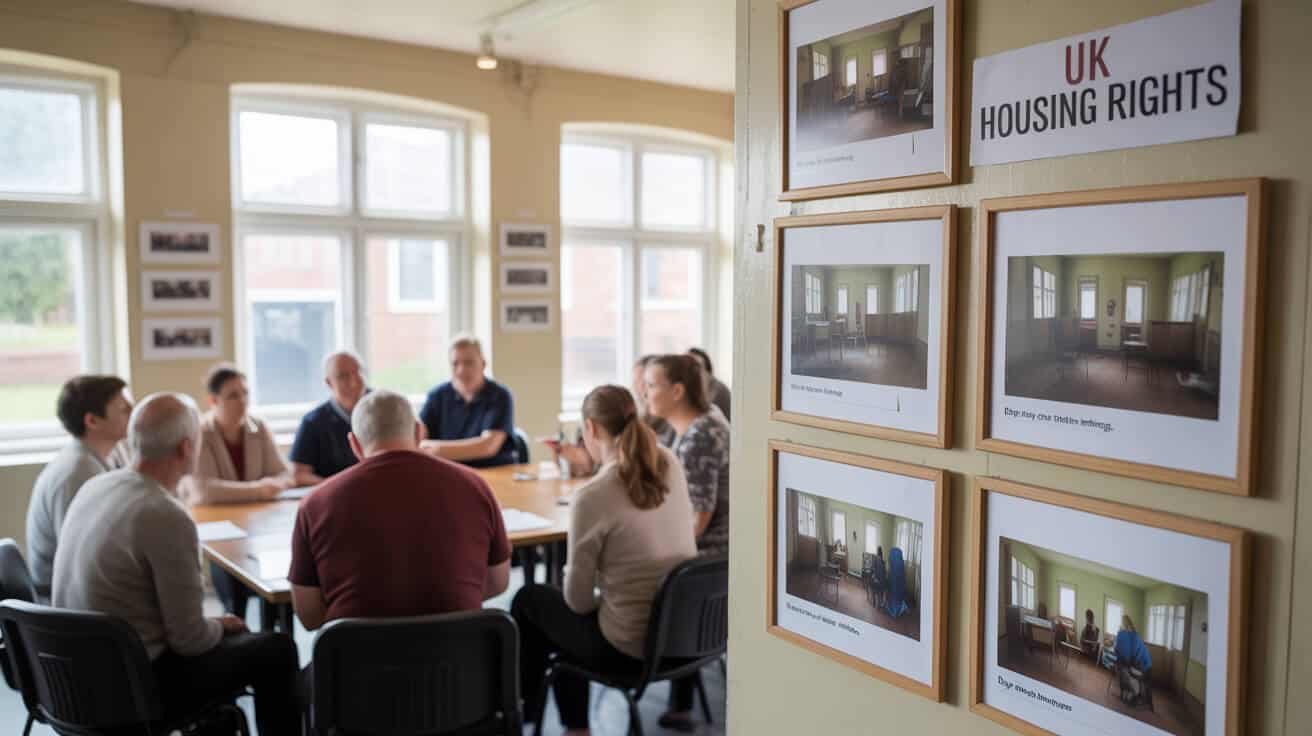
Building safety managers who oversee planned works in occupied homes need resident engagement processes that cut no-access, complaints and temporary risk, not just better letters. This service structures planned works communication and vulnerability flags as part of your PPM regime, depending on constraints in your blocks and programmes. By the end, you have clear, auditable resident messages, practical vulnerability adjustments and a defensible story of how communication supports building safety. Exploring one programme together can be a low-friction way to see where your current materials fall short.


Author
Izzy Schulman

Building safety managers are expected to deliver intrusive planned works in occupied homes while keeping residents safe, informed and cooperative. When communication is vague or last minute, you see higher no-access rates, more friction on the doorstep and longer periods of temporary risk.

Treating resident updates and vulnerability flags as part of your planned preventive maintenance regime changes that picture. Clear, structured messages and practical adjustments for at-risk households turn notices into an operational control that shortens degraded states and makes your safety case easier to explain.
- Cut no-access rates and avoidable complaints across planned programmes
- Link resident messaging directly to building safety controls and risk states
- Turn vulnerability flags into concrete delivery adjustments, not just stored data</p>
Need Help Fast?
Locked out, leak at home, or electrical issue? All Services 4 U provides 24/7 UK locksmith, plumbing, electrical.
Testimonial & Clients Who Trust Us
With 5 Star Google Reviews, Trusted Trader, Trust Pilot endorsements, and 25+ years of experience, we set industry standards for excellence. From Dominoes to Mears Group, our expertise is trusted by diverse sectors, earning us long-term partnerships and glowing testimonials.
Worcester Boilers

Glow Worm Boilers

Valliant Boilers

Baxi Boilers

Ideal Boilers

What BSMs Need to Communicate Before Planned Works Start
Residents behave more safely and push back less when you explain planned works in clear, practical language.
Before any contractor turns up, you need a simple, repeatable way to tell households what is happening, when it will affect them, what you need from them, and how they can get help. When you treat that as part of your planned preventive maintenance (PPM) regime rather than a last‑minute add‑on, you cut no‑access rates, complaints and avoidable risk.
For each programme or block, you should set out which homes are affected, what work will be done, key dates and time windows, likely noise or dust, and any temporary loss of services such as lifts, alarms, power, water, heating or internet. You also need to say clearly whether you need access inside the home, how long visits usually last, and what residents should move or prepare in advance.
It helps to separate different messages instead of stuffing everything into one generic letter. Safety instructions, access booking, and any consultation or charging information land better as distinct sections or, for more complex schemes, as separate communications sent in a planned sequence. That way residents can see what is non‑negotiable for safety and what is about choice, timing or cost.
You should also think about the future complaint, audit or safety case review. You will want to be able to show what you told residents, when you sent it, which channels you used, and how you responded when someone said they did not understand or could not comply. A simple, standardised communication pack for planned works makes that reconstruction faster and far less painful.
If you want an external view, you can ask us to look at one programme and show you where your current resident‑facing materials leave gaps, create avoidable friction or undermine your building‑safety story.
Why Planned Works Communication Is an Operational Safety Control
Planned works communication is not “nice to have” messaging; it is one of the controls that decides how long the building carries temporary risk and how safely residents behave around it.
When you frame works purely as a customer‑service issue, you miss the direct link to building safety. Access windows, isolation of systems, out‑of‑service lifts, blocked corridors, open risers, or scaffolded façades all create different risk states. Residents will only avoid unsafe behaviours if they understand what is changing and what you are asking them to do.
How communication influences risk
Your notices and updates strongly influence whether residents grant access at the right time, keep escape routes clear, follow instructions during outages, and report new concerns quickly. If you set realistic time windows, explain why access matters to fire or structural safety, and give residents an easy route to rearrange appointments, you increase cooperation and reduce the amount of time systems are in a degraded state.
Lead time is critical for households that rely on carers, mobility equipment, medical devices, or predictable routines. When you treat notice periods as a safety input rather than a diary exercise, your PPM schedule becomes more resilient and easier to defend.
What happens when communication is weak
When notices are vague or late, you usually see more doorstep explanations, more “I did not know you were coming”, more abortive visits, and more residents improvising around hazards. Temporary controls then run longer than intended, or are bypassed altogether because people do not trust or understand them.
A letter on file may show that something was sent, but it does not by itself prove that the instruction was understandable, timely or realistic. Regulators, insurers and complaints bodies increasingly look at whether you gave residents a fair chance to act safely, not just whether a template was issued.
How Vulnerability Flags Should Change Delivery, Not Just Data
A vulnerability flag only has value if it changes what actually happens on the ground during planned works.
In an occupied residential setting, a flag is not a label for a person; it is a prompt for your teams to adjust timing, format, access arrangements or escalation so you deliver works safely and fairly.
What a vulnerability flag is (and is not)
In this context, a vulnerability flag is a structured note on the household record that says, in effect, “treat this home differently when you plan and deliver visits”. That might be because of mobility, sensory or cognitive needs, language or literacy barriers, mental health, safeguarding concerns, or reliance on medical equipment and carers.
The flag should not turn into an open text box for personal history. The practical test is simple: can your staff see from the record what they should do differently, without knowing more about the underlying condition than they genuinely need?
Adjustments that should follow a flag
Once a flag exists, you use it to shape delivery. For example, you might:
- book longer or quieter appointment slots
- schedule visits when a carer or supporter can be present
- use phone calls rather than only letters, or provide easy‑read versions
- avoid last‑minute cancellations or unannounced access attempts
- brief operatives to introduce themselves clearly and allow extra time at the door
You can also use flags to inform sequencing. For some residents, it is safer to complete key works earlier in the programme rather than leaving them until the end.
Keeping flags proportionate and current
Circumstances change. Some needs are temporary, some are episodic, and some ease once a particular hazard has been resolved. Each flag should therefore have an owner and a review date. If you never revisit the record, you risk both missing new needs and acting on assumptions that are no longer true.
You also need role‑based views. A scheduler or liaison officer may need more detail than a trade operative, who usually only needs to know the time, place and how to behave or communicate on arrival. Keeping views aligned to role helps you respect privacy while still enabling safe delivery.
How to Build a Resident Journey That Cuts No-Access and Confusion
You cut no‑access and confusion fastest when you design the whole resident journey, not just a handful of letters.
Most friction appears at predictable points: first notice, booking, reminder, arrival, missed visit and completion follow‑up. If you map those steps and decide what each contact should achieve, you can design communications that residents can act on instead of reacting in the moment.
Map the journey from notice to completion
Start by sketching what happens from the resident’s point of view:
- receiving the first notice
- deciding whether they need to query or rearrange
- receiving a reminder close to the date
- being at home and prepared during the agreed window
- understanding what has been done, and what happens next
Once you have that map, you can choose channels deliberately. A letter or portal message may be best for formal notice; texts are better for short reminders; calls can be reserved for reassurance or complex cases; posters or lobby notices can back up building‑wide messages when lifts, entrances or shared spaces are affected.
Design messages residents can act on
Every message should answer the same core questions in plain language: what is happening, when, why access matters, what the resident must do, and how to get in touch. Short, direct sentences usually work better than long explanations. Where you know language or literacy may be a barrier, build in translation, easy‑read formats or trusted intermediaries early, rather than after problems appear.
You should also treat the missed‑visit path as part of the journey, not an afterthought. A same‑day follow‑up that explains what happened, how to rebook, and what happens if access is still not possible will usually reduce blame, speculation and escalation.
Measure and tune the journey
You can tell quickly whether your journey is working. Early indicators include lower no‑access rates, fewer inbound calls asking basic questions, fewer “I did not know” complaints, and more first‑time completions.
If you track those measures per block, per programme and per contractor, you can see where communication design is strong and where it needs work, rather than guessing from noise in the inbox.
Who Needs to See the Flag and What They Should Do Next

You protect residents and respect privacy when you decide deliberately who sees each flag and what they must do with it.
Not everyone needs the same level of detail. Good design gives each role just enough information to act safely and consistently, without sharing more than is necessary.
Role‑based views and actions
Consider how the flag should appear to each role:
- you, as the building safety lead, may need the full context and history
- a scheduler needs to know which slots, teams or visit patterns are appropriate
- a resident liaison officer needs contact preferences and any support arrangements
- a site supervisor needs to know how to brief operatives and respond to concerns
- operatives usually need simple, concrete instructions such as “phone on arrival”, “allow more time at door”, or “do not leave this resident without power”
If you design your systems around those different views, you avoid both under‑sharing and over‑sharing.
Escalation and safeguarding thresholds
Some flags should trigger more than an adjusted appointment. Where you see patterns of missed visits, signs of self‑neglect, safeguarding risks or repeated distress, you may need to pause standard processes, involve a welfare or safeguarding lead, and agree a different plan. Your workflow should make those thresholds explicit, so frontline staff are not left to improvise under pressure.
Avoiding conflicting messages
When multiple teams contact the same resident – housing management, planned works, complaints, income, or external contractors – you need one shared communication map. Otherwise you risk sending overlapping or inconsistent messages, especially where vulnerability flags exist. A simple rule that all resident‑facing activity for a programme follows the same script family and escalation path will remove a lot of noise and blame.
What Good Evidence and Audit Trails Look Like for BSMs

Good evidence lets you reconstruct what happened, show that residents were treated fairly, and support your safety case when it matters most.
If you were challenged tomorrow, you would want more than a list of job numbers. You would want to see what was sent, to whom, when, through which channel, with what adjustments, and how residents responded.
Minimum records you need
At a minimum, your records for planned works communication should capture:
- the trigger for each message
- the audience segment (for example floor, block, household type, flag status)
- message type and version (initial notice, reminder, update, missed‑visit follow‑up)
- dispatch date, time and channel
- any adjustment applied (for example phone rather than letter, easy‑read version, home visit by liaison officer)
- outcome where known (delivered, undelivered, rearranged, refused, escalated)
You can keep this lean, but it needs to be consistent enough that someone else can follow the trail under scrutiny.
Connecting records to the safety case and golden thread
Your communication and vulnerability records should link to your wider building safety information. Decisions about intrusive works, fire or structural risk controls, and mitigation measures depend on how residents were informed, how you obtained access, and how you responded when risks or concerns were raised.
If you can show that you identified hazards, selected controls, told residents what they needed to know, enabled them to act, and then verified that works were completed, your safety narrative is much stronger and easier to stand behind.
Reporting for boards and regulators
Senior leaders do not need every detail, but they do need patterns. Useful reporting includes trends in no‑access, adjustment use, unresolved high‑risk households, complaint themes linked to works, and examples of how programmes were changed after resident feedback. That level of reporting makes resident engagement visible as part of your risk and compliance picture, rather than as a separate “soft” topic.
Accreditations & Certifications





How Managed Resident Engagement Services Fit Procurement, Delivery and Assurance

An external resident engagement service makes sense when you need capacity, consistency and evidence faster than you can build them alone.
You might consider bringing in support when a live programme is under pressure, repeated no‑access is threatening compliance deadlines, complaint volumes are rising, or your internal teams are stretched across too many blocks and contractors to give residents the attention they need.
What to look for in a partner
A useful partner should offer more than template letters. You should expect help with segmentation, multi‑channel contact plans, vulnerability‑flag workflows, escalation paths, contractor briefings, and evidence packs that line up with your internal policies and statutory duties.
You also need assurance that the service understands resident dignity and lawful data handling. That means clear rules on what information is collected, how it is recorded, who can see what, and how support needs are revisited over time instead of being left to drift.
How to measure value
You can measure value in simple, operational terms: higher first‑time access, fewer avoidable complaints, lower repeat contact about basic questions, more predictable programme delivery, and cleaner audit trails for both resident engagement and vulnerability handling. If a provider cannot show how they will help you improve at least some of those metrics, their offer is not yet concrete enough.
All Services 4U is set up to work in this space. You keep strategic control and local relationships. Our team focuses on the structured resident journey, vulnerability‑aware workflows and evidence capture, so you can show how resident engagement supports your building‑safety objectives and defend your decisions with confidence.
Reliable Property Maintenance You Can Trust
From routine upkeep to urgent repairs, our certified team delivers dependable property maintenance services 24/7 across the UK. Fast response, skilled professionals, and fully insured support to keep your property running smoothly.

Book Your Free Consultation With All Services 4U Today
You can de‑risk one planned works programme quickly by testing how your current resident engagement and vulnerability handling perform in practice.
In a short session, you can bring one building, one scheme or one workflow and walk through where residents first hear about works, how access is arranged, how flags are used, and where records currently sit. You then leave with a view of strengths, gaps and pragmatic options, not a generic slide deck.
If you prefer a governance‑first lens, you can focus the discussion on data minimisation, role‑based access, reasonable adjustments, complaint defensibility and how your existing records support your safety case. That can be especially helpful ahead of internal audit, regulator engagement or a major remediation programme.
Where your board or leadership team needs a decision‑ready summary, the output can instead be a short options paper covering minimum viable controls, a pilot scope, expected operational benefits and likely effort, so you can make an informed choice about timing and phasing.
Book a free consultation with All Services 4U and decide where you want to strengthen your resident engagement and vulnerability workflows first.
Frequently Asked Questions
Where do resident engagement PPM services sit in day-to-day delivery for a Building Safety Manager?
Resident engagement PPM services sit between planned maintenance design and live delivery, where resident action determines whether the programme actually lands.
For a Building Safety Manager, that means communication is not a side process. It is part of control. In occupied buildings, planned preventive maintenance only works if residents understand what is happening, when access is needed, what changes for safety, and what to do if the standard route does not work for their household. If that sequence breaks, the programme starts slipping before the first operative arrives.
In practice, resident engagement PPM services turn communication into an operating workflow. They organise who needs what message, when that message must land, how vulnerable households are handled, what happens after failed access, and how the contact trail is recorded against the workstream. The Building Safety Regulator’s occupation guidance supports that wider principle: resident information belongs inside building safety management in use.
That is why stronger planned maintenance communication is not mainly about warmer wording. It is about cleaner execution. When the sequence is right, access rates improve, avoidable refusals fall, support needs surface earlier, and frontline teams spend less time explaining basic logistics on the doorstep. For a Building Safety Manager, that creates a more reliable link between resident contact, contractor performance and assurance.
A planned programme usually weakens in small gaps, not one dramatic collapse.
It also produces something boards and complaint teams value more than a smoother resident journey: an audit trail that stands up later. If no-access rates rise, a complaint escalates, or a director asks why one block underperformed, you can show notice timing, adjustments offered, escalation routes, visit outcomes and follow-up action. That is a stronger position than relying on a note saying the contractor “attempted contact”.
The usual weakness is not lack of effort. It is fragmented ownership. Housing may send one message, the contractor another, and the scheduler a third. Each message may sound reasonable in isolation, but the resident receives a broken sequence. A resident engagement PPM service fixes that by creating one operating pattern across the programme.
For a live Building Safety Manager role, the value is practical. You cut avoidable waste, tighten evidence quality, reduce delay loops and improve resident confidence without slowing technical delivery. If you are managing open FRA actions, access-dependent inspections, cyclical fire door works or disruptive safety upgrades, that is not a soft benefit. It is risk reduction with a clear paper trail.
If your current model still depends on individual contractors being “good with residents”, it is usually worth testing one live workstream. A scoped review of one contractor interface, one no-access pathway or one building often shows whether the real problem sits in message design, workflow ownership, escalation or evidence handling. That is often the safest way to improve resident engagement PPM services without adding noise to delivery.
What sits inside the service on a live programme?
Most resident engagement PPM services combine six practical elements:
- resident segmentation by block, floor, tenure, work type and support need
- message sequencing from early notice through to completion follow-up
- access planning, rebooking and failed-visit recovery
- vulnerability-aware contact handling
- escalation ownership for difficult or higher-risk cases
- evidence capture linked to the job, building and wider programme
Each part supports the next. Weak segmentation produces weak notices. Weak access handling creates wasted visits. Weak evidence handling leaves the whole process harder to defend.
Where does a Building Safety Manager see the first gain?
The first clear gain is usually more reliable access.
Under that, you often see fewer clarification calls, fewer aborted visits, cleaner coordination with resident-facing teams and less time spent keeping temporary controls in place because the original sequence slipped. That is usually the point where resident engagement stops looking like support work and starts looking like delivery control.
How is this different from ordinary tenant messaging?
Ordinary tenant messaging often informs. Resident engagement PPM services guide behaviour and record the result.
That changes the standard completely. Generic tenant communications may update residents on estate matters or broad service changes. Planned maintenance communication must help residents prepare correctly, support safe occupation during change, and leave behind a traceable delivery record strong enough for assurance, complaints and, where relevant, insurer or lender scrutiny.
The better test is not whether a notice was sent. It is whether the resident could act on it, at the right time, with enough proof left behind to show the programme was managed properly.
Why does planned works communication reduce building safety risk in occupied buildings?
Planned works communication reduces risk because residents behave more safely when the message is clear, timely and usable.
In occupied buildings, safety does not depend only on technical scope. It also depends on whether residents understand what is changing around them and what they need to do in response. If they do not know that a system is being tested, a route is restricted, power is interrupted or access is required for a safety-critical inspection, they fill the gap with guesswork. That is where risk starts to climb.
HSE guidance has long reinforced the practical point that information only works as a control when people can understand it and act on it. For a Building Safety Manager, that matters because resident behaviour is part of the operating environment. During planned works, unclear communication can extend outages, increase failed visits, create unsafe workarounds and leave buildings in temporary conditions for longer than planned.
The pattern is usually familiar. A notice arrives late or says too little. Residents do not prepare. The contractor arrives and has to explain the job again. The appointment fails, or the visit goes ahead under pressure. Temporary arrangements stay in place. Follow-on trades lose sequence. A manageable programme begins to absorb risk it did not need to carry.
A stronger approach treats communication as one of the controls. That means notices are written for action, not just for file completion. They identify the work, timing, resident preparation, likely service effect and support route. In buildings where works touch fire safety systems, communal routes, electrical services or vulnerable households, that discipline matters even more.
A simple scenario shows why. If a resident does not understand that access is needed to inspect a flat entrance door tied to an open FRA action, the problem is not just a missed appointment. It may delay a compartmentation programme, weaken assurance reporting and leave a known safety issue open longer. The communication failure becomes a risk management problem.
Another proof point comes from complaint handling. When planned works communications are vague, teams often see the same pattern before a formal complaint arrives: repeated calls asking basic questions, residents turning contractors away because the message did not explain enough, and local staff making ad hoc promises to calm the situation. Those are early signs that the communication process is not controlling risk properly.
For a Building Safety Manager, that is why planned maintenance communication should be reviewed like any other control. Is it timely? Is it intelligible? Is it repeatable? Is it evidenced? If the answer is no, the building is carrying more delivery risk than the dashboard suggests.
If you want a low-friction test, pick one live programme with higher no-access or repeat clarification calls and inspect the notice sequence against actual visit outcomes. That usually reveals more than another generic communications review.
Which early signs show the communication is not doing its job?
The first signs are often operational:
- repeated “I did not know anyone was coming”
- confusion over timing, rooms affected or likely duration
- residents ignoring temporary restrictions or local safety controls
- rising pre-visit calls asking basic questions
- much higher no-access on one block than on comparable schemes
These signs appear before larger failures do. That makes them useful to a Building Safety Manager looking to intervene early.
Where does timing matter most?
Timing matters most where resident preparation changes the safety outcome.
That includes households with carers, oxygen use, refrigerated medication, school-run pressures, translation needs, or accessible entry arrangements. It also matters where works affect life-safety systems or alter normal movement through the building. NHS reasonable adjustment guidance is useful here because it shifts the focus from one standard message to the right support for safe service use.
Why does weak communication become expensive so quickly?
Because it creates drag before it creates headlines.
Missed appointments waste labour. Clarification calls absorb staff time. Temporary measures stay in place longer. Follow-on trades lose productive slots. Open safety actions age. The programme costs more not because the technical scope changed, but because the message process was not strong enough to support delivery.
For many Building Safety Managers, that makes resident engagement PPM services one of the most practical low-risk improvements available. It sharpens resident understanding, supports contractor performance and reduces the chance that a controllable programme becomes a difficult one for preventable reasons.
How should a Building Safety Manager structure planned maintenance communications so residents can act on them?
A useful communication structure follows the resident journey, not the internal filing sequence.
Residents do not experience planned maintenance as a policy. They experience it as a series of events: first notice, reminder, access request, visit, disruption, change, completion and sometimes complaint. A Building Safety Manager who structures communication around that journey usually gets better delivery than one who structures it around internal convenience.
The practical rule is simple. Every planned maintenance communication should help the resident answer five questions quickly: what is happening, when it affects them, what they need to do, what changes for safety or services, and how to get help or rearrange. Shelter’s repairs guidance reflects the same basic logic: people need timing, action and contact routes, not vague reassurance.
That means messages should be separated by purpose. An advance notice should not do the work of a reminder. A reminder should not bury access instructions under general estate wording. A missed-visit follow-up should not sound like an apology with no clear next step. The more disruptive the work, the more disciplined that sequence needs to be.
A practical structure uses three layers. The first layer gives the direct operational answer. The second gives the practical detail. The third explains what happens if the standard route does not work for that household. This keeps the message short enough to read and specific enough to use.
That structure also improves contractor consistency. If the resident-facing sequence is fixed, contractors are less likely to improvise timings, promises or preparation advice on the day. That matters more than it sounds. One team saying “we only need ten minutes” while another asks for a full room clear-out for the same task is not a tone problem. It is a trust problem.
For a Building Safety Manager making a BOFU decision, this is often where supplier quality becomes visible. A contractor may be technically capable, but if the communication model is loose, your team still carries the consequence. The safer setup is one where message design, access handling, support adjustments and evidence capture sit inside one framework.
A quick review usually starts with one operational question: can a resident understand what to do without needing the operative to explain the process again on the day? If the answer is no, the communication structure is not yet doing enough work.
What should every planned works message answer first?
Every message should answer the resident’s next practical question.
A simple framework looks like this:
| Question | What the resident needs | Why it matters |
|---|---|---|
| What is happening? | A clear description of the work | Reduces confusion |
| When is it happening? | Date, time window and likely duration | Helps preparation |
| What do I need to do? | Access, clearing space, being present | Improves completion |
| What changes during the work? | Outages, restricted routes, temporary measures | Supports safe behaviour |
| How do I get help? | A clear route for support or rearrangement | Prevents escalation |
Residents usually start with those questions, not with the procurement logic behind the works.
Which sequence works best on a live scheme?
A practical sequence often follows six steps:
- advance notice with scope, timing and likely impact
- reminder notice closer to the visit
- access confirmation where internal entry is required
- live update if dates, routes or conditions change
- failed-visit follow-up with a rebooking route
- completion message with next steps where relevant
That creates enough contact to guide action without turning the programme into message fatigue.
How should the tone change across the sequence?
The tone should become more direct as the visit gets closer.
Early notices can orient the resident to the overall programme. Reminder and access messages should be more specific. Same-day updates should be brief and practical. Completion messages should confirm what happened, what remains open and who to contact if the result does not match what was expected.
Many weak programmes use one generic tone through every stage. That usually sounds either too vague or too abrupt. A Building Safety Manager does not need softer language for its own sake. You need wording residents can act on without second-guessing the ask.
Where do stronger programmes usually outperform weaker ones?
They usually perform better at the exception stage.
Most teams can issue a first notice. Fewer can handle the resident who cannot make the slot, needs a supporter present, does not use email, disputes the scope, or is anxious about access because of an earlier poor experience. Better resident engagement PPM services design for those exceptions in advance. That is why they feel calmer in delivery. They are not relying on last-minute judgement to manage predictable complexity.
The most useful vulnerability fields record the adjustment needed, not unnecessary personal history.
For planned preventive maintenance, the goal is not to build a sensitive profile of the resident. It is to hold enough information to change delivery safely, fairly and consistently. NHS reasonable adjustment guidance is helpful here because it focuses on what the service must do differently, rather than on collecting background that does not improve the outcome.
That means the strongest fields are operational. They tell the scheduler, resident liaison team and field operative what needs to change in practice. A resident may need a phone call rather than a text, extra time to answer the door, a supporter present during entry, larger print, a restricted time window, or prior coordination where a power interruption could create a safety issue. Those details change delivery. A long narrative about personal circumstances usually does not.
This matters for three reasons. First, it protects privacy. Second, it gives frontline teams records they can actually use. Third, it improves evidential quality. If a complaint arrives later, it is more useful to show what support requirement was identified and how it was applied than to show a vague vulnerability flag with no operational effect.
For a Building Safety Manager, this is where weak systems often show themselves. A flag sits in one database, but the scheduler does not see it. The scheduler sees it, but the contractor gets only a generic note. The operative turns up without the context that would have prevented a failed visit. At that point, the organisation has the appearance of sensitivity without the delivery discipline to match.
ICO guidance on data minimisation supports the same principle: hold only what is necessary for the purpose. Here, the purpose is safe and workable planned works delivery. That gives you a clear standard. If the field does not change communication, access planning, safety handling or escalation, it probably does not belong in the core record.
A better resident engagement PPM service does not just identify need. It converts that need into an instruction, a booking adjustment and a traceable outcome. That is usually the difference between a vulnerability field that protects the resident and one that simply sits in a system.
If you want a low-risk internal check, review one sample of flagged residents and ask a simple question: did the note visibly change the booking, the message or the visit? If not, the workflow needs tightening before the next large programme starts.
Which fields make the record useful without overcollecting data?
The most practical fields are usually:
- the support need or delivery adjustment required
- communication preference or accessible format
- access condition affecting the visit
- any emergency-relevant implication where applicable
- source of the information and date recorded
- owning team or review owner
- review date
- action taken at booking or visit stage
That is usually enough to support action without collecting excess detail.
What does the frontline team need to see?
Usually, they only need the instruction that changes delivery.
Examples include:
- call on arrival rather than knock only
- avoid early morning appointments
- supporter or family member must be present
- allow extra time for entry
- use translated, large-print or easy-read communication
- avoid unplanned power interruption without prior coordination
That approach protects privacy while still giving the field team a usable instruction.
Where do vulnerability records usually fail?
They usually fail at the handoff.
A housing officer may record the need. A scheduler may partly interpret it. The contractor may receive only a shortened note. The operative arrives without the context that would have prevented a failed visit or poor interaction. That is why Building Safety Managers should test the full route, not just whether a flag exists.
How does this affect resident trust?
Residents notice quickly whether your system remembers what it promised.
If someone explains a support need several times and still receives the wrong appointment type, trust drops faster than many dashboards show. When the right support appears at the right stage without repeated explanation, the organisation feels more competent and safer. That reduces complaint risk and improves access at the same time.
For a Building Safety Manager, that is the practical point. A vulnerability record is not mainly a note. It is a delivery instruction with legal, operational and reputational value.
How do resident engagement plans support Building Safety Act duties, Golden Thread records and complaint reduction during planned works?
They connect resident communication to safety management in a form you can actually retrieve and use later.
A resident engagement plan becomes valuable when it proves more than good intent. It should show that the building team identified a planned works risk, translated it into resident-facing instructions, handled access fairly, responded to concerns, and updated records in a way that remains useful later. Government Golden Thread guidance is clear on the principle: information should be accurate, accessible and useful for managing building safety risk.
That matters because planned works often sit in an awkward space between technical control and live occupation. Technical teams focus on scope, sequencing and compliance. Residents experience disturbance, access requests, temporary controls and uncertainty. If those two realities are not connected in the record, you end up with a technical history of the job but no useful account of how risk was managed while people were living in the building.
For Building Safety Act duties, especially in higher-risk buildings, that gap matters. Resident engagement is part of showing that building safety management is active, responsive and grounded in occupation. A plan that tracks notices, support arrangements, access outcomes, concerns raised and changes to delivery gives the Building Safety Manager, AP or PAP a stronger basis for assurance.
The distinction between technical records and communication records is important here. Technical records tell you what system, component or defect was addressed. Communication records tell you how residents were prepared, how access was managed, what support was offered and how concerns were handled during the work. You need both. One explains the job. The other explains the management of occupation while the job was live.
The complaint side matters just as much. The Housing Ombudsman has repeatedly shown that poor communication sits close to the centre of many avoidable service failures. Residents do not separate safety from communication quality in the way organisations sometimes do. If messages are vague, routes for support are weak or follow-up disappears when things go wrong, they treat that as part of the service failure. In practice, they are usually right.
That is why complaint reduction is not cosmetic. Repeated complaints about planned works, access handling, ignored support needs or shifting instructions often indicate a weak control process. For a Building Safety Manager, those trends are useful early warnings. They show where resident engagement PPM services are not yet supporting the programme well enough.
A stronger plan improves internal coordination too. Resident services, contractors, schedulers, safety leads and housing teams work from the same route. That reduces duplicated messages and makes it easier to explain why one building performed differently from another.
If you need to justify this internally, the practical case is simple. A stronger resident engagement plan helps you prove not only that the work happened, but that residents were managed properly while the work was happening. That is a stronger position for a board pack, a regulator conversation or a complaint review.
Which records matter most for assurance and complaint defence?
The most useful records usually include:
- message versions and dispatch dates
- access outcomes and failed-visit reasons
- support requests and support actually applied
- concerns raised during the programme
- escalation decisions and ownership
- links between resident contact records and completed works or open actions
These records matter because they show sequence and response, not just good intention.
Why does this reduce both complaint volume and complaint severity?
Because residents are less likely to escalate when they can see three things clearly:
- what is happening
- what you need from them
- what you did when the standard plan did not work
That does not remove all friction, but it reduces the sense that the programme is happening without structure or accountability.
Where does the Golden Thread benefit become most obvious?
It becomes obvious when someone asks a simple question after the event: what happened, who knew, and how did the team respond?
If your system can answer that through linked records rather than scattered emails and memory, your Golden Thread discipline is doing useful work. If it cannot, the communication layer is still too informal. In a higher-risk building, that is worth fixing early because informal practice rarely becomes easier to defend after an incident, complaint cluster or assurance review.
Which low-risk next step helps improve resident engagement PPM services without slowing delivery?
The lowest-risk next step is a scoped diagnostic on one building, one workstream or one recurring workflow gap.
Most organisations do not need a dramatic reset to improve resident engagement PPM services. They need clear evidence about where the process fails first. In many cases, the issue is not the whole programme. It is one weak point that keeps repeating: generic notices, weak rebooking routes, support flags that never reach schedulers, overlapping messages from different teams, or poor close-out records after missed visits.
A targeted diagnostic works because it converts assumption into evidence. Instead of arguing about whether communication is “good enough”, you test how the programme behaves in practice. Can residents understand the notice? Can vulnerable households get support that changes the booking? Are failed visits recoverable without long delay? Can the team reconstruct the resident contact trail later if a complaint lands? Those questions are much easier to answer on one live scheme than in a general review.
The Regulator of Social Housing has reinforced the wider expectation that landlords and providers should be able to evidence how resident safety and service quality are being managed. A focused review supports that expectation without forcing your team into a broad transformation project before you know where the real weakness is.
For a Building Safety Manager or compliance lead, this is usually the de-risked route internally. It gives you a baseline, a practical improvement path and a clearer case for any wider service change. If the diagnostic shows the main issue is notice design and sequencing, you fix that. If it shows contractor workflow or scheduler ownership is the real problem, you target that instead. If the evidence shows repeatable delivery risk, then you have a stronger basis for a broader resident engagement PPM service.
This approach also protects delivery. Teams under pressure often try to change too much at once. That creates new confusion while solving old confusion. A narrower review lets you improve one live workstream, one no-access pathway or one contractor interface without disrupting the whole programme.
A missed-access pattern is often the best place to start. It usually exposes notice quality, booking flexibility, support handling and evidence discipline all at once. If that pathway is weak, the rest of the programme is usually less stable than it looks.
For BOFU decision-makers, that is why a short diagnostic, pilot or communication-plus-workflow review is often the safest first move. It lets you improve resident engagement without building unnecessary complexity around the team. It also gives you something useful to recommend upward: a low-risk step that protects residents, improves assurance and keeps the programme moving.
If you are the person expected to make calm recommendations rather than dramatic ones, that matters. A measured review of one live workstream is often easier to approve, easier to evidence and easier to scale once the pattern is clear.
What should a practical diagnostic test first?
Start where resident experience and delivery risk meet:
| Focus area | Question to test | What good looks like |
|---|---|---|
| Notice quality | Can residents understand the task quickly? | Specific, actionable messages |
| Access workflow | Can residents rearrange or ask for help easily? | Fewer avoidable no-access visits |
| Support handling | Do recorded needs change delivery in practice? | Booking and visit stages reflect them |
| Audit trail | Can the team reconstruct what happened later? | Complete and consistent records |
That gives you a working baseline without creating programme drag.
Which next-step options usually make sense?
Three routes usually make sense:
- a short discovery review of one live programme
- a communication and support-workflow diagnostic
- a pilot on one building, one contractor interface or one high-friction resident cohort
Each route is low-risk because it improves clarity before it demands scale.
When should you move from a diagnostic into a fuller service model?
Usually when the evidence shows repeatable weakness rather than local noise.
If one building is behaving oddly because of a one-off issue, you may only need a contained fix. If several programmes show the same no-access pattern, complaint themes, unclear notices or weak assurance records, that is usually the point where a fuller resident engagement PPM service becomes the safer option.
The practical case is not hard to make. You are not buying polish. You are buying control, consistency and a stronger assurance position. If you want the most defensible next recommendation, start with one defined review that tells you exactly where delivery, resident friction and evidence quality are breaking down. That is often the move a careful Building Safety Manager makes before the organisation feels forced into a bigger change later.
- What BSMs Need to Communicate Before Planned Works Start
- Why Planned Works Communication Is an Operational Safety Control
- How Vulnerability Flags Should Change Delivery, Not Just Data
- How to Build a Resident Journey That Cuts No-Access and Confusion
- Who Needs to See the Flag and What They Should Do Next
- What Good Evidence and Audit Trails Look Like for BSMs
- How Managed Resident Engagement Services Fit Procurement, Delivery and Assurance
- Book Your Free Consultation With All Services 4U Today
- Frequently Asked Questions
- Related PPM Services
Case Studies


Related Articles

Your Guide To Identifying And Treating Minor Mould Outbreaks
Why Planned Preventative Maintenance (Ppm) Saves Money And Ensures Compliance