Building Regulations Expert Witness UK – Parts A–Q Breach Reports
Property owners, solicitors, developers and managing agents use our UK building regulations expert witness service to understand where Parts A–Q breaches, risks and causation really sit. We review drawings, approvals, records, site evidence and testing history, then compare the as-built condition against the correct benchmark based on your situation. You receive a clear, independent report that can support negotiation, adjudication or court, with reasoning explained for scrutiny. When compliance questions are driving decisions, it helps to have that level of clarity on file.



Author
Izzy Schulman

When a building regulations dispute turns on what was actually built versus what should have been built, informal opinions and snagging lists quickly run out of road. Property owners, solicitors and developers need clear, independent analysis of Parts A–Q compliance to decide their next move.
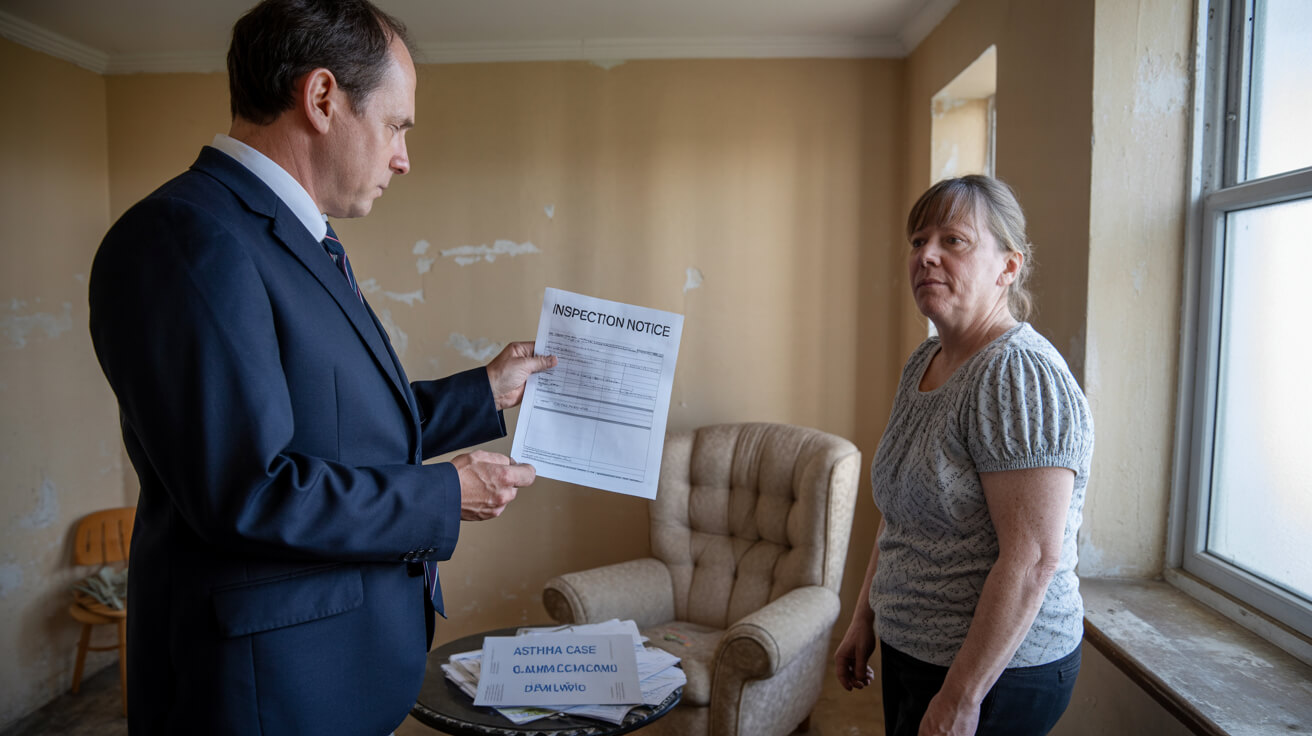
A structured expert witness report compares the as-built condition with the correct regulatory benchmark, explains whether there is a true breach, and sets out the likely implications for value, lending, insurance or enforcement. By focusing on evidence and duty to the court, it gives your negotiations or proceedings a more reliable footing.
- Clarify which Parts A–Q issues genuinely matter most
- Understand breach, causation, risk and commercial implications
- Support negotiation, claims or defence with court-aware reporting</p>
Need Help Fast?
Locked out, leak at home, or electrical issue? All Services 4 U provides 24/7 UK locksmith, plumbing, electrical.
Testimonial & Clients Who Trust Us
With 5 Star Google Reviews, Trusted Trader, Trust Pilot endorsements, and 25+ years of experience, we set industry standards for excellence. From Dominoes to Mears Group, our expertise is trusted by diverse sectors, earning us long-term partnerships and glowing testimonials.
Worcester Boilers

Glow Worm Boilers

Valliant Boilers

Baxi Boilers

Ideal Boilers

What a Building Regulations Breach Report Actually Does
You need more than a defect list when your dispute turns on whether the work complied at the relevant date.
A building regulations expert witness report is designed to answer a narrower and more useful question than a snagging list or contractor note. As any good building regulations guide makes clear, you need to know which legal and technical benchmark applied, what was actually built, whether the two align, and why any gap matters. We review the drawings, approvals, records, site condition and testing history. You leave with a clearer view of breach, causation, risk and the next sensible step.
That matters because the lettered Parts A–Q cover very different issues, from structure and fire to moisture, energy, access, electrical safety and security. Most disputes do not engage every Part equally. We focus on the provisions your facts actually raise, then explain whether the issue is a true regulatory problem, a workmanship defect, a documentation gap, a later alteration issue, or a combination of those factors.
In England and Wales, expert evidence also carries a different duty from ordinary consultancy advice. An expert witness must remain independent and explain reasoning in a way that stands up in negotiation, adjudication, arbitration or court. If your file needs that level of clarity, we can review it before assumptions turn into expensive positions.
If your decision depends on compliance rather than opinion, send the file before the facts move.
When You Need an Expert Witness on Parts A–Q Compliance
You usually need an expert once the dispute turns on technical compliance, not just competing accounts of what went wrong.
When the paperwork and the building do not match
You may already have drawings, approvals, certificates or building control history. That still leaves the key question unresolved if the completed work appears different on site. You need an expert when the records point one way and the as-built condition points another, especially where hidden works, substitutions or undocumented changes are in play.
When the issue affects value, lending, insurance or enforcement
The need becomes more urgent when the allegation starts affecting a sale, remortgage, insurance response, enforcement concern, board decision or resident safety issue. At that point, an informal contractor explanation rarely carries enough weight. You need an independent opinion that sets out the correct benchmark, the observed condition and the likely implications.
If your refinance is already moving and a valuer raises a Part B or Part L concern, the difference between a missing document and a real breach matters straight away. A focused report can show whether you are dealing with absent evidence, limited remedial work or a wider compliance problem that could affect value and timing.
When repairs may destroy the evidence
You also need expert input before opening-up, strip-out or remedial works remove the physical record. Once the defect is covered, replaced or altered, later arguments about what was there become slower, harder and more expensive. Early instruction preserves your options whether you are bringing a claim, defending one or deciding whether formal action is proportionate.
If you are deciding whether to investigate, remediate, defend or settle, we can help you make that call on evidence.
Which Building Regulations Parts Are Most Often Disputed
Most live disputes cluster around a small group of Parts, even when the allegation is framed more broadly.
Parts A, B and C
Structure, fire and moisture issues appear repeatedly because they create visible loss, safety concern and expensive remedial consequences. Part A disputes often involve load paths, support, restraint, movement or altered structural elements. Part B disputes often turn on compartmentation, fire stopping, cavity barriers, service penetrations, doors or smoke control interfaces. Part C disputes often centre on damp penetration, condensation, contaminants, waterproofing, drainage detail or continuity at junctions.
Parts L, M, P and Q
Energy, access, electrical safety and security also drive a high volume of contentious cases. Part L issues often emerge where the approved design and the as-built specification drift apart, or where testing and commissioning evidence is weak. Part M issues often concern practical usability rather than a single drawing dimension. Part P disputes usually involve both safety and the correct certification route. Part Q disputes turn on whether the installed doorsets, windows, locks and supporting evidence actually meet the required standard.
Why these Parts matter commercially
These are the Parts most likely to affect occupation, insurability, mortgageability, service charge pressure, resident complaints and project value. You need a report that reflects that wider impact instead of treating each item as an isolated snag. We identify the live Parts, cut out the noise, and explain where the real compliance pressure sits.
How an Expert Assesses Alleged Breaches: Documents, Inspection, and Evidence
A defensible opinion starts with the right benchmark and ends with a clear evidence chain.
Establish the correct benchmark first
The first step is to identify the regime, jurisdiction and edition in force when the works were designed and carried out. Approved Documents are guidance to the functional requirements, not a shortcut that removes the need for analysis. You need the report to show what standard applied at the time, whether the project followed that route, and whether an alternative approach could still have complied.
Record the as-built condition properly
We then compare the benchmark against what is actually there. That usually means reviewing plans, calculations, approvals, inspection notes, photographs, commissioning records, certificates, variations and complaint history before attending site. If site access is needed, the inspection should record condition, interfaces, product identifiers, measurements, sampling limits and any constraints openly.
Build a proof chain that survives challenge
The opinion must separate facts, assumptions, reasoning and conclusion. It should also explain what cannot yet be proved if records are missing or intrusive work has not happened. That discipline matters because strong expert evidence is usually built from corroboration, not from one dramatic photograph or one incomplete certificate.
If you want the shortest route to clarity, start with the documents you already hold.
CPR Part 35, Independence, and the Expert’s Duty to the Court

If your matter may reach formal proceedings, independence is not optional; it is part of the report’s value.
Advisory review and court-compliant evidence are not the same
You may start with a private technical review to understand the problem. That can be sensible. If the matter moves into civil proceedings, the report and process must then meet the standards expected of expert evidence in England and Wales. You need to know early whether you are buying triage, negotiation support or evidence intended to stand up under formal scrutiny.
Why independence helps rather than hurts
An expert witness is not there to repeat your preferred theory. That can feel uncomfortable at first, but it usually strengthens your position. You get a clearer view of which allegations are supportable, which are overstated, and which need more proof before you spend more money or take a harder line.
What a defensible report looks like
A defensible report shows instructions, materials reviewed, site observations, assumptions, reasoning and opinion in a transparent order. It distinguishes breach from defect, design from workmanship, and condition from causation. That structure helps solicitors, boards, insurers, owners and tribunals use the same document for different purposes without losing the thread.
Breach, Causation, Remedial Scope, and Building Control History

A useful report does not stop at compliance; it explains what the shortfall means and what follows from it.
Breach is not the same as defect
You may have a defect without proving a Building Regulations breach, as any sound building regulations guide would distinguish. You may also have a regulatory breach that causes little immediate damage but still matters for safety, use, value or enforcement. The report should make those distinctions clearly so you do not base a legal or commercial decision on the wrong label.
Building control history helps, but it does not decide the case
Completion records, regularisation history, approvals and inspection notes are important pieces of evidence. They are not the whole case. An approval trail can exist alongside poor as-built execution. Equally, missing paperwork does not automatically prove non-compliance if the physical evidence and surrounding records support a compliant outcome. You need the documentary and physical picture read together.
Remedial options should be tied to the actual risk
Once the breach analysis is clear, the next question is what has to happen now. Some issues require immediate risk control. Others need targeted opening-up, further testing, regularisation advice or phased remedial design. We explain the likely pathway in practical terms so you can separate urgent action from permanent works and avoid spending against the wrong problem.
Accreditations & Certifications








Instructions We Accept and What to Send Before We Quote

The right instruction is defined by the decision you need to make next, not by the longest report available.
Matters we can review
We can support early triage, desktop review, site inspection, pre-action reporting, adjudication support, mediation preparation, joint expert instructions and formal expert witness work. The right route depends on whether you need clarity for remedial planning, claim evaluation, defence, settlement, insurer response, lender reassurance or court-compliant evidence.
What to send first
A strong starting pack usually includes:
- drawings, specifications and calculations
- approvals, notices and inspection records
- photographs, videos and complaint history
- certificates, test data and commissioning records
- repair logs, variations and live correspondence
That first bundle tells us what can already be answered and what still needs inspection or testing.
How we scope the work
We scope around the questions, dates, property type, suspected Parts engaged, access constraints and any planned remedial works. If one expert should not cover every issue, we will say so. If a staged approach is the more proportionate route, we will say that too. You get a clearer brief, a tighter evidence plan and less risk of duplicate surveys or unfocused opening-up.
Reliable Property Maintenance You Can Trust
From routine upkeep to urgent repairs, our certified team delivers dependable property maintenance services 24/7 across the UK. Fast response, skilled professionals, and fully insured support to keep your property running smoothly.

Book Your Free Consultation With All Services 4U Today
You need a clear next step when compliance uncertainty starts affecting cost, safety or strategy.
Bring the core facts, dates and documents you already have. We will review the likely benchmark, identify the obvious proof gaps, and help you decide whether you need a desktop opinion, site inspection, breach report or a more formal expert witness route.
If urgent works are pending, we will help you separate immediate risk control from evidence preservation. That gives you a safer basis for action and reduces the chance that remedial work will erase the record you may need later.
You do not need to be ready for litigation to make the first conversation worthwhile. You only need a live issue, a real decision, and the discipline to test the facts properly.
Send your documents and secure a clear next step.
Frequently Asked Questions
When do you need a Building Regulations expert witness instead of a standard defects report?
A Building Regulations expert witness helps you protect liability, mortgageability, insurability, and resident safety when compliance is disputed.
A standard defects report is useful when you need a schedule of faults, a repair scope, or a maintenance view. A Building Regulations expert witness report does something different. It tests the disputed work against the legal and technical benchmark that applied at the time, then explains whether the issue is defective workmanship, regulatory non-compliance, later alteration, poor maintenance, or a combination of those causes.
That distinction matters when the next decision affects recoverability, refinance, enforcement exposure, or resident risk. If the real question is no longer “what needs repairing?” but “did this work comply, who is exposed, and what evidence will stand up to challenge?” you are usually beyond a routine defects instruction.
The threshold often changes when different parties start describing the same issue in incompatible ways. A contractor calls it snagging. A surveyor calls it defective work. A solicitor asks whether the completed works met the Building Regulations 2010 and the relevant functional requirements. A lender wants to know whether the defect affects value or lending confidence. At that point, a repair-led opinion may not answer the commercial question that actually matters.
That is also where Building Safety Managers, Accountable Persons, and resident-facing teams can get boxed in. If the building is higher-risk, the wrong early instruction can create problems for Golden Thread records, later remediation sequencing, and how resident safety decisions are explained. If you are a Resident Services Manager, the immediate pressure may be complaints, access, and reassurance. If you are a Legal or Tribunal Adviser, the pressure is different: independence, causation, and whether the report can survive scrutiny in a formal forum. The underlying need is the same. You need a report that answers the right question, not simply a report that sounds technical.
When does a defects issue become a compliance evidence issue?
A defects report is usually enough when your main objective is to identify faults, estimate repairs, and organise remedial works.
A Building Regulations expert witness report becomes more proportionate when:
- the dispute turns on Parts A–Q rather than a simple repair scope
- a buyer, lender, insurer, or solicitor needs an independent compliance opinion
- approvals, drawings, and as-built works do not align
- opening-up or remedial works could destroy key evidence
- the next decision depends on causation, not just visible condition
In practical terms, the tipping point comes when the answer will change a legal, financial, regulatory, or safety position. That is why standard defects reporting and expert evidence should not be treated as interchangeable.
Which decision are you really trying to protect?
The better starting point is to ask what depends on the answer.
| If the next decision is about… | A defects report is often enough | Expert evidence is often proportionate |
|---|---|---|
| routine maintenance planning | yes | not usually |
| pricing straightforward remedials | yes | sometimes |
| proving or resisting non-compliance | rarely | yes |
| supporting a formal challenge or defence | rarely | yes |
| protecting sale, refinance, or insurer position | sometimes | yes |
A useful working rule is this: if the issue affects liability, recoverability, insurability, mortgageability, enforceability, or resident safety, you are usually past the point of an informal repair opinion.
If you are the person who will later need to justify the decision to a board, lender, insurer, regulator, or resident group, a scoped early review is often the safer move. It can stop you spending money twice, closing the wrong issue, or commissioning remedial works before the real technical question has been pinned down.
Why does early scope often save more than it costs?
A narrow instruction at the start often prevents a wider dispute later.
A measured first step can help you:
- preserve the right evidence before repairs alter it
- separate workmanship failure from regulatory breach
- identify whether a forum-ready report is likely to be needed
- avoid over-scoping before the facts are stable
That is usually the point where All Services 4U can add value: helping you stabilise the facts, organise the evidence trail, and move from noise to a defensible next decision. For serious compliance disputes, the safest operator is rarely the fastest one. It is the one who leaves you with a position you can still defend six months later.
How does a Building Regulations expert witness decide whether work actually breached Parts A–Q?
A Building Regulations expert witness decides breach by matching the as-built work to the legal and technical benchmark in force at the time.
That process sounds simple, but it is where many weak building regulations non-compliance reports unravel. A proper review does not begin with what looks poor on site. It begins with the correct benchmark. That usually means identifying the relevant functional requirements in the Building Regulations 2010, checking what technical guidance and approval context applied at the date of the works, and then testing whether the completed work met that benchmark in substance.
This matters because guidance and compliance are not the same thing. A departure from an Approved Document does not automatically prove a breach if the functional requirement was still met. Equally, a tidy approval trail does not prove compliance if the installed work, interfaces, products, or commissioning fell short in execution. That is why the expert’s reasoning matters as much as the conclusion.
A strong report usually follows a disciplined order. First, identify which Parts are genuinely engaged. Second, review the design information, approvals, revisions, product data, certificates, test records, site photographs, complaints history, and change record. Third, inspect the relevant areas and record what exists now. Only then should the report state whether there is non-compliance, whether it is material, and what likely caused it.
Material non-compliance simply means a failure that matters in practice, not a technicality with no real-world effect. That may be because it affects safety, use, insurability, value, maintenance exposure, or the reliability of the building as occupied.
For legal teams, this is where independence becomes critical. RICS expert witness guidance and CPR Part 35 both reinforce the same basic discipline: the report has to show how the conclusion was reached, not just what the expert wants the conclusion to be. For Building Safety Managers and Accountable Persons, the same exercise also affects whether the issue touches resident safety controls, remediation sequencing, or Golden Thread integrity under the Building Safety Act 2022 framework.
Which evidence usually carries the most weight in a compliance analysis?
The strongest analysis relies on corroborated records, not one persuasive-looking item in isolation.
That usually includes:
- approved drawings and revision history
- specifications and calculations
- inspection notes and sign-off records
- commissioning or testing data
- product identification and installation details
- site measurements and dated photographs
Where Building Control approvals exist, they are relevant context, but not a substitute for proving what was actually built.
What weakens a Building Regulations breach analysis?
A missing certificate does not prove a breach on its own, and a dramatic photograph does not prove one either.
The analysis usually weakens when:
- records are incomplete or contradictory
- dates and revisions do not line up
- no one can show the original condition before later works
- product substitutions are undocumented
- site evidence was altered before proper capture
This is where mixed audiences often need a clearer distinction. Property managers tend to focus on what is visible now. Legal and tribunal teams focus on what can be proved. Higher-risk building teams need to know whether the evidence trail remains robust enough to support later safety decisions. Those are related questions, but they are not identical.
Which conclusion actually helps you make a defensible next move?
The most useful report does not simply say “compliant” or “non-compliant.”
It should also tell you:
| What the report should clarify | Why it matters commercially |
|---|---|
| which Parts are truly engaged | avoids over-scoping and wasted cost |
| whether the issue is material | filters out noise from real exposure |
| what likely caused the failure | shapes recovery, defence, and remedial route |
| what evidence is still missing | shows whether escalation is premature |
If your next move depends on a clean explanation of breach, causation, and evidential strength, the value is not in getting the longest report. It is in getting one that another professional can test and still follow. That is the standard that usually protects your position best.
Which Building Regulations Parts are most commonly disputed in expert witness cases?
The most commonly disputed Parts are A, B, C, L, M, P, and Q because they affect safety, value, usability, and insurability directly.
In theory, any Approved Document from A to Q can become relevant. In practice, disputes tend to cluster where the consequences are sharpest for owners, boards, insurers, lenders, and residents. That is why a stronger building regulations non-compliance report usually narrows the live Parts in issue rather than gesturing across the whole regulatory framework.
Part A disputes often involve cracking, movement, restraint, altered load paths, or structural adequacy. Part B disputes usually centre on compartmentation, cavity barriers, fire stopping, smoke control, fire doors, and continuity at interfaces. In higher-risk residential settings, those issues can quickly move from technical defects into Building Safety Act and Building Safety Regulator territory if they affect the wider safety case.
Part C issues often present as damp, leaks, mould, or water ingress complaints, but the real technical question may be whether the detailing, waterproofing, or moisture resistance was compliant in design and execution. Part L becomes commercially significant when a building does not perform as approved, especially around thermal bridging, insulation continuity, controls, and commissioning. Part M is frequently tested where access looks compliant on drawings but fails in practical use. Part P combines safety with certification and testing risk. Part Q often appears where doorsets, glazing, locks, and security performance do not match what was specified or required.
For Resident Services Managers, the consequence may be complaint volume, habitable conditions, and pressure from occupants. For Legal and Tribunal Advisers, the issue is usually whether the disputed Part is central enough to support a claim or defence. For Building Safety Managers and Accountable Persons, the key question is whether the issue changes the resident safety position, the remediation sequence, or the evidence that belongs in the Golden Thread.
Which disputed Parts tend to change the commercial position fastest?
These Parts most often alter the decision-making landscape.
| Part | Typical disputed issue | When it changes the commercial position |
|---|---|---|
| A | movement, support, cracking | safety concern, valuation pressure |
| B | fire stopping, doors, barriers | life safety, insurer and regulator attention |
| C | damp, ingress, contaminants | habitability, claims, complaint exposure |
| L | insulation, controls, thermal bridging | performance gap, operating cost, value |
| M | access and usability | resident use, equality exposure |
| P | unsafe work, missing certification | safety and evidential weakness |
| Q | locks, glazing, doorsets | security risk and claim defensibility |
Why is a narrower Part-specific scope often stronger?
A narrower report is usually clearer, cheaper, and easier to defend.
If the live dispute is really about Part B and Part Q, broadening the report into unrelated Parts can dilute the core reasoning and increase cost without improving the decision. A focused scope also helps legal teams, insurers, and boards decide faster whether the issue should be remediated, defended, settled, or escalated.
That is especially true where the forum may later test proportionality. A report that shows discipline in the scope often looks more credible than one that tries to cover every possibility.
Which role sees the Part issue differently?
The same defect can look very different depending on the role reviewing it.
- a board sees governance and financial exposure
- a lender sees security of value
- an insurer sees precedent and recoverability
- a resident-facing team sees safety and complaint risk
- a legal adviser sees burden of proof and causation
If you already know which Parts are live, you are usually in a better position to instruct properly and avoid paying for a broad technical review that still leaves the real question unanswered. That is often where an early scoping discussion with All Services 4U becomes commercially useful: it helps you focus the report on the Parts that actually drive the outcome.
Why does timing matter so much before repairs, opening-up, or formal proceedings?
Timing matters because once the original condition is altered, the best evidence is often gone for good.
That is one of the most common failure points in Building Regulations disputes. A cavity is opened. A ceiling is removed. A doorset is replaced. A roof patch is carried out. The immediate issue may improve, but the original condition that would have shown failed interfaces, poor sequencing, missing barriers, incorrect installation detail, or defective product substitution may disappear. After that, the case often rests on partial photos, memory, and assumptions.
Urgent safety works should not be delayed where there is genuine risk. But evidence preservation should be built into the response. A short, disciplined inspection before strip-out can capture dimensions, labels, gaps, interfaces, workmanship, and test data that later become decisive. The Technology and Construction Court Guide reflects the broader practical lesson: disputes are easier to manage when the evidence was captured properly before the position changed.
This matters even more in higher-risk settings. For a Building Safety Manager or Accountable Person, unstructured opening-up can also create problems for the Golden Thread, remediation records, and later explanation of resident safety decisions. For a Resident Services Manager, the challenge is more immediate: vulnerable occupiers, access pressure, and the need to show visible action. For a Legal or Tribunal Adviser, the real risk is that a good liability point gets weakened because the physical proof was not preserved before works began.
Quick action can still be right. Unstructured action is the problem.
What should be captured before opening-up or intrusive repairs start?
The items below are often the first things lost once remedial works begin.
- photographs from multiple angles showing the original condition
- dimensions, gaps, labels, and product markings
- test data or commissioning records where systems are involved
- notes on sequencing, workmanship, and interface conditions
- records of temporary measures already taken
- access conditions and surrounding affected elements
If the issue later turns on causation, those details often matter more than the final repair invoice.
What do you lose if you wait until after opening-up?
Delay usually does not just make the case slower. It changes what can still be proved.
| Early capture protects… | Later works may remove… |
|---|---|
| causation analysis | the original failure sequence |
| compliance assessment | the interface that mattered |
| claim or defence options | the best physical proof |
| remedial sequencing | the chance to stage works properly |
| lender or insurer confidence | the documentary integrity of the file |
That is why a fast evidence-preservation review is often more valuable than rushing straight into a full formal report or a full strip-out.
Why is make-safe not the same as full remediation?
A make-safe response should reduce immediate risk without erasing avoidable evidence.
That distinction is commercially important. A controlled temporary measure can protect residents and services while preserving the technical position. Full remediation, by contrast, can close off lines of inquiry if done before the original condition is documented properly.
If you are the person who will later be asked why the evidence trail went cold, the safest move is usually not to pause everything. It is to separate emergency control from avoidable evidence loss. That is the discipline that often saves time, cost, and argument later. It is also why early, measured intervention from All Services 4U can pay for itself well before any formal dispute starts.
Can a Building Regulations expert witness report be used in litigation, adjudication, or tribunal proceedings?
Yes, but the report must be independent, forum-suitable, and structured for challenge, not just drafted to support one side.
Many instructions begin as advisory work. That is often sensible. A board, landlord, insurer, or solicitor may simply need to know whether the issue is serious, whether non-compliance is arguable, and whether the matter is worth pursuing. But once litigation, adjudication, arbitration, or tribunal proceedings become realistic, the report has to do more than explain the issue clearly. It has to withstand scrutiny from the other side and from the forum itself.
That changes how the report should be prepared. In England and Wales, CPR Part 35 is the clearest reference point when formal proceedings are in view. The core principle is straightforward: an expert’s duty is to assist the court or tribunal with independent technical evidence, not to advocate for the instructing party. RICS expert witness guidance reinforces the same standard of independence, transparency, and methodological discipline.
That is why a consultant-style opinion and a formal expert witness report should not be treated as the same thing. An early advisory note may help with triage, negotiation, or internal decision-making. A forum-facing report must define its scope carefully, state assumptions, explain methodology, and stay within its technical remit. The more serious the dispute, the more important that discipline becomes.
For Legal and Tribunal Advisers, that difference is obvious: the issue is whether the report can survive challenge on independence, causation, and reasoning. For Building Safety Managers and Accountable Persons, a formal dispute can also complicate practical decisions on access, remediation sequencing, resident communications, and document control. Once proceedings are live, weak drafting can become an operational problem, not just a legal one.
What makes a Building Regulations expert report usable in formal proceedings?
A usable report is one that another professional can interrogate without finding hidden leaps in reasoning.
That usually requires:
- a clear instruction and defined scope
- transparent assumptions and stated limitations
- an identifiable methodology
- evidence-led analysis
- conclusions that stay within the expert’s proper remit
A report that tries to argue every point aggressively often weakens itself. A report that explains the technical position calmly and clearly is more likely to hold its value in litigation, adjudication, or tribunal use.
Which staged route is often more proportionate than going straight to full formal evidence?
A staged route often reduces rework and protects budget.
| Stage | Main purpose | Typical use |
|---|---|---|
| desktop advisory review | test seriousness and evidence gaps | early triage or negotiation |
| focused site review | preserve facts and inspect condition | before opening-up or escalation |
| advisory technical report | shape claim, defence, or settlement position | pre-action strategy |
| formal expert witness report | assist the forum with independent evidence | litigation, adjudication, tribunal |
That progression also helps mixed teams stay aligned. Legal teams get cleaner evidence. Property and resident teams get clearer operational sequencing. Boards get a proportionate route rather than a premature full-cost instruction.
Why does independence improve settlement as well as trial readiness?
Independent analysis often makes weak points visible early.
That can feel uncomfortable in the short term, but it usually helps in the long term. A disciplined report narrows the real dispute, removes overstatement, and gives decision-makers a more realistic view of risk. That often improves settlement prospects because it reduces false confidence and focuses attention on the issues that actually matter.
If proceedings are possible but not certain, the smarter path is often to scope the work so it can mature into a formal report if needed. That is typically safer than commissioning something informal that later has to be replaced at greater cost. If you are the person carrying the risk of escalation, that kind of disciplined staging is usually the most defensible next step.
What affects the cost of a Building Regulations expert witness report most?
The biggest cost drivers are scope, evidence disorder, urgency, access needs, and whether the report is advisory or forum-facing.
The most useful way to think about cost is not by page count. It is by the amount of reconstruction needed before proper analysis can even begin. A narrow desktop review of one issue with a clean record set is very different from a multi-Part dispute involving missing drawings, contradictory revisions, altered site conditions, and urgent deadlines. In the second scenario, the expert is not just analysing compliance. They are rebuilding the factual base first.
That is why poor evidence hygiene often increases cost faster than technical complexity on its own. If dates are inconsistent, approvals are incomplete, product substitutions are unclear, and opening-up has already changed the physical condition, the review becomes slower and more expensive before the core opinion has even started.
The intended use also matters. A private advisory review costs differently from a formal expert witness report prepared for litigation, adjudication, or tribunal proceedings. A forum-facing report usually requires tighter assumptions, clearer methodology, and more careful drafting because it may need to withstand challenge. If a solicitor, lender, insurer, or board is likely to rely on the report for a consequential decision, the drafting burden rises with that risk.
For Resident Services Managers and Building Safety Managers, there is another cost factor that often gets overlooked: delay. If the file stays disorganised, residents remain in limbo, temporary works continue, or records stay fragmented, the later report becomes less efficient and the practical fallout grows. For Legal and Tribunal Advisers, the same delay can increase the eventual cost of proving causation or recovering losses because the best evidence is no longer intact.
Which factors change fee level most noticeably?
These are the variables that usually shift pricing fastest.
| Cost factor | Lower-fee profile | Higher-fee profile |
|---|---|---|
| scope | one issue, one live Part | multi-Part, multi-cause dispute |
| evidence file | ordered and complete | fragmented or contradictory |
| access | desktop review only | site inspection or opening-up |
| timing | planned instruction | urgent deadline or live escalation |
| intended use | advisory opinion | formal dispute use |
What is the more commercially useful question to ask first?
The better question is usually not “What does the report cost?” but “What level of report is proportionate for the next defensible decision?”
That reframes the exercise properly. It helps you avoid buying a full report too early, while also avoiding the false economy of commissioning something too informal to carry weight later.
A sensible first stage is often a scoped consultation and targeted document review. That can clarify:
- what can already be answered from the file
- what still needs inspection or testing
- whether the matter is likely to escalate
- whether an advisory or formal route is proportionate
When does an early scoped review usually save money rather than add cost?
An early scoped review often saves money when it prevents duplicate instructions, unnecessary opening-up, or badly sequenced remedials.
If you are the person who will later need to explain the spend to a board, lender, insurer, or resident group, that matters. A disciplined early review can reduce rework, narrow the live issues, and show whether the matter deserves a short advisory opinion, a site-based building regulations non-compliance report, or a full formal expert witness instruction.
That is usually where All Services 4U becomes most commercially useful: not by pushing you into the biggest report, but by helping you commission the right level of evidence at the right moment, before cost, risk, and disorder multiply.
- What a Building Regulations Breach Report Actually Does
- When You Need an Expert Witness on Parts A–Q Compliance
- Which Building Regulations Parts Are Most Often Disputed
- How an Expert Assesses Alleged Breaches: Documents, Inspection, and Evidence
- CPR Part 35, Independence, and the Expert’s Duty to the Court
- Breach, Causation, Remedial Scope, and Building Control History
- Instructions We Accept and What to Send Before We Quote
- Book Your Free Consultation With All Services 4U Today
- Frequently Asked Questions
- Related PPM Services
Related PPM Services
- Expert Witness
- Book an Expert Witness Consultation
- Expert Witness Case Studies
- Expert Witness CV & Qualifications
- Damp & Mould Expert Witness
- Electrical Safety Expert Witness
- Fire Safety Expert Witness
- Gas Safety Expert Witness
- Legionella Expert Witness
- Free Tribunal Expert Report Template
- Section 20 Expert Witness
Case Studies


Related Articles

Your Guide To Identifying And Treating Minor Mould Outbreaks

Why Planned Preventative Maintenance (Ppm) Saves Money And Ensures Compliance