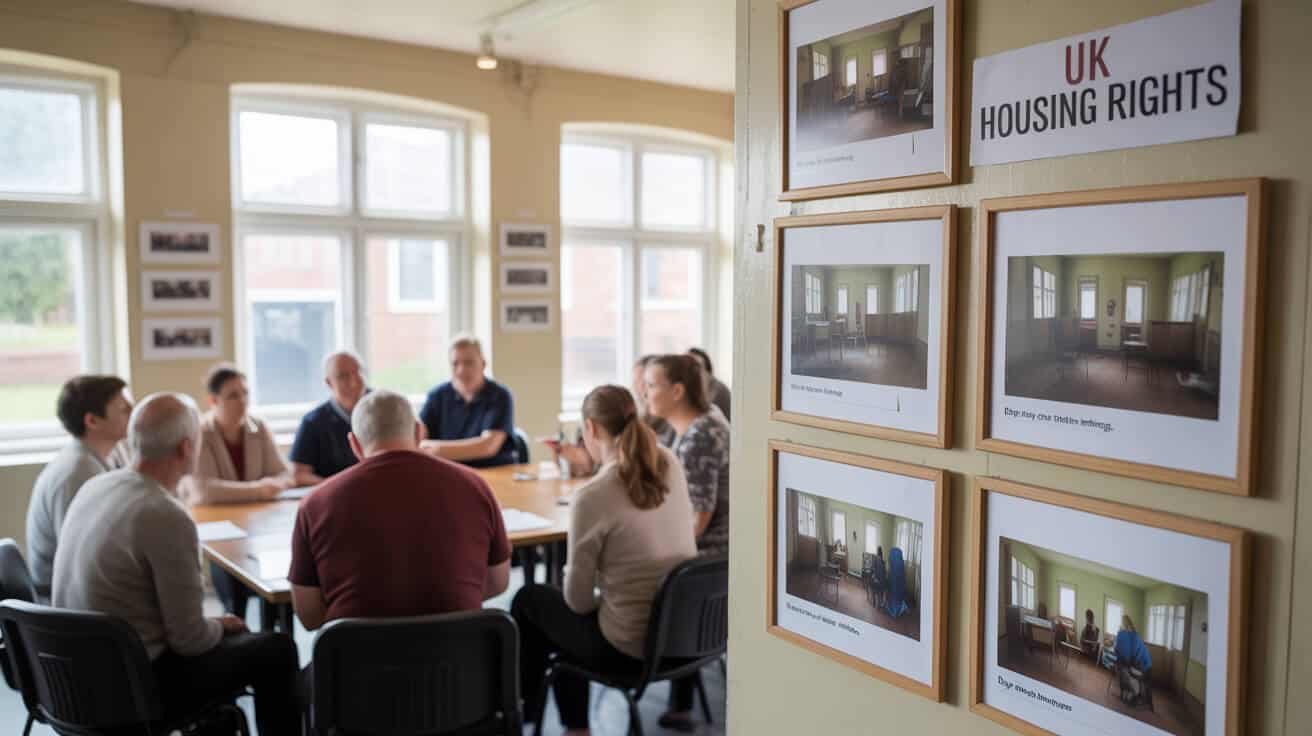
PPM Services for Sheltered Housing UK – Enhanced L8, TMV & Accessibility
Sheltered and extra‑care housing providers in the UK need PPM that keeps vulnerable residents safe while making water, TMV and access compliance easy to see. An integrated regime brings L8‑style water hygiene, TMV servicing and accessibility checks into one coordinated plan, depending on constraints. You end up with a single register, clear task ownership and digital evidence that stands up to boards, insurers and regulators, with responsibilities mapped to real‑world practice. It becomes much simpler to move from uneasy paperwork to demonstrable control across every scheme.


Author
Izzy Schulman

Integrated PPM for safer sheltered housing and extra‑care schemes
Sheltered and extra‑care housing carries higher stakes than general‑needs blocks, because small failures in water temperature, stagnation control or physical access can push vulnerable residents into serious harm. At the same time, landlords face overlapping duties across health and safety, water hygiene, housing and equality law.
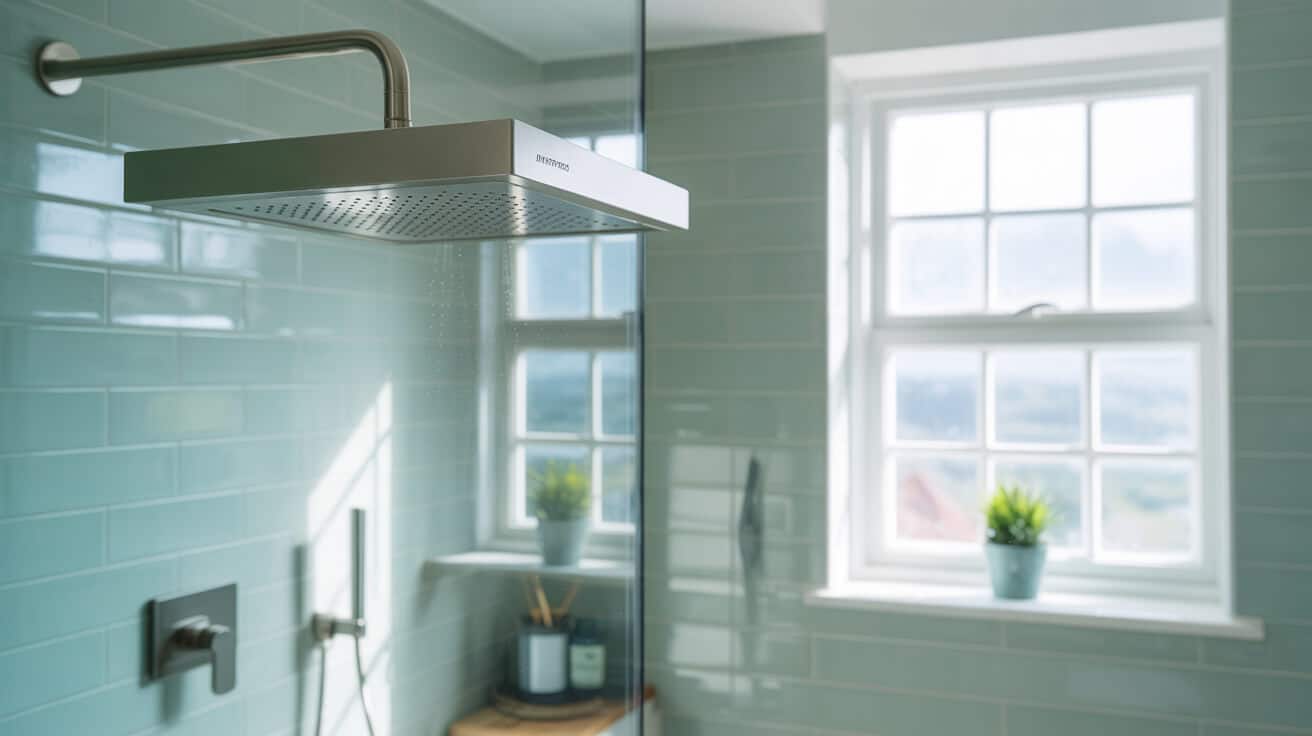
A generic plant‑focused PPM regime rarely joins those threads together, so Legionella, scald and access risks drift apart and evidence becomes hard to defend. An integrated sheltered‑housing PPM approach aligns L8‑style water tasks, TMVs and accessibility into one coordinated, auditable plan that matches how schemes actually operate.
- See water, TMV and access controls in one view
- Reduce blind spots from split teams and scattered logbooks
- Turn legal duties into practical, auditable day‑to‑day routines
Need Help Fast?
Locked out, leak at home, or electrical issue? All Services 4 U provides 24/7 UK locksmith, plumbing, electrical.
Testimonial & Clients Who Trust Us
With 5 Star Google Reviews, Trusted Trader, Trust Pilot endorsements, and 25+ years of experience, we set industry standards for excellence. From Dominoes to Mears Group, our expertise is trusted by diverse sectors, earning us long-term partnerships and glowing testimonials.
Worcester Boilers

Glow Worm Boilers

Valliant Boilers

Baxi Boilers

Ideal Boilers

PPM Services for Sheltered Housing: Safer Water, Safer Access
A dedicated PPM regime for sheltered housing should pull water safety, TMV servicing and accessibility into one joined‑up plan so you can see, in seconds, how each scheme is being controlled. When the same provider manages L8‑style tasks, TMVs and access checks under one coherent regime, you get clear accountability, fewer blind spots and evidence that stands up to board, insurer and regulator scrutiny, instead of juggling separate contracts and scattered logbooks while you stitch together water hygiene, TMV servicing and accessibility after something has gone wrong.
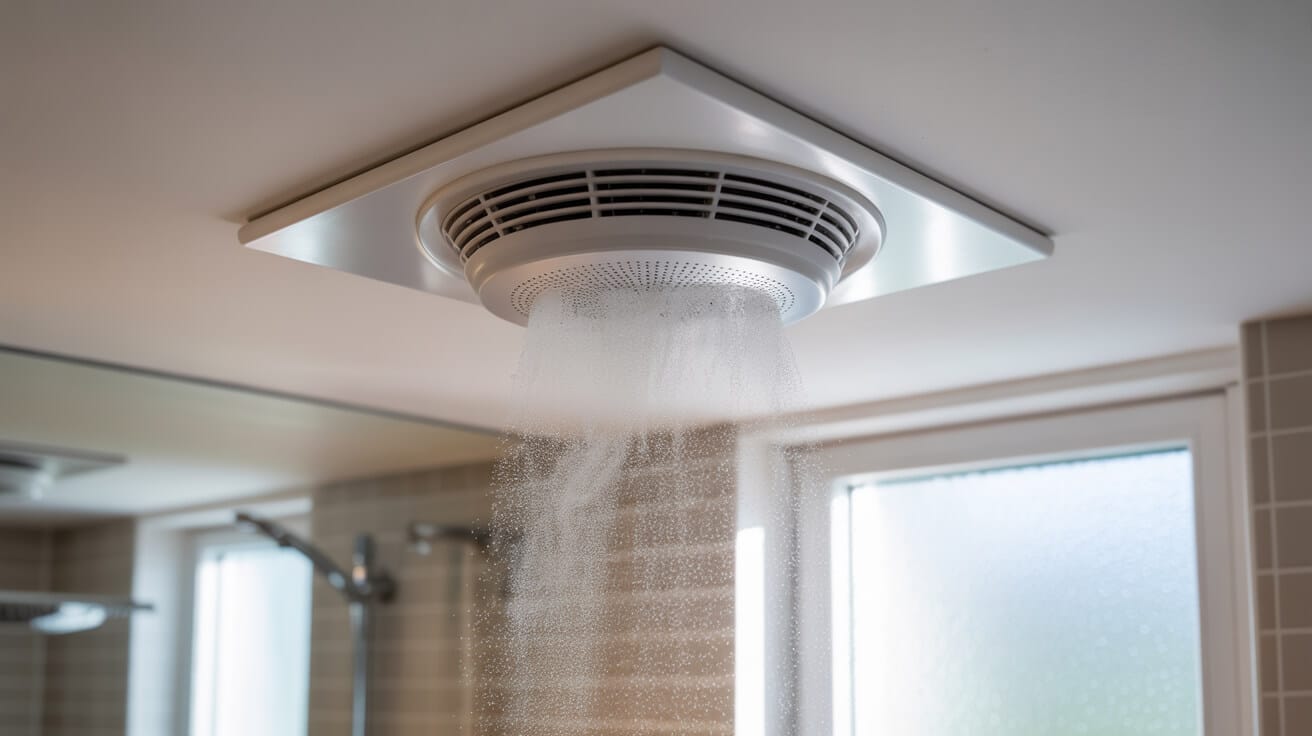
Older and medically vulnerable residents live far closer to the edge of harm than general‑needs tenants. A small drift in hot‑water temperature, a little‑used shower that nobody is flushing, or a loose grab rail is the kind of detail that turns from “minor issue” into hospital admission. At the same time, your organisation carries overlapping duties under health and safety law, water hygiene guidance, housing standards, building regulations and equality legislation. It only takes a couple of split responsibilities or missing hand‑offs for that to fragment across teams and contractors.
Safe water and safe access are not two projects; they are one system of care that runs quietly in the background every day.
An integrated PPM service pulls these threads together so boards, owners and managing agents can see, at a glance, how water and access risks are being controlled on each scheme, and who is on the hook for each control.
Why sheltered housing needs more than “standard” PPM
Sheltered and extra‑care schemes need more than a generic commercial PPM because your residents are more vulnerable and the systems that serve them are more complicated. A standard plant‑focused regime rarely looks at Legionella, scald and access risks together, so dangerous details go unnoticed and evidence is hard to line up with your actual duties; these schemes do not behave like ordinary blocks in risk profile or layout.
You typically have:
- Older or medically vulnerable residents who are far more susceptible to Legionnaires’ disease and scald injuries.
- Mixed systems feeding both private flats and communal areas, with complex pipework, tanks, calorifiers and long distribution runs.
- Variable occupancy, including void flats, guest rooms and seldom‑used bathrooms that drive stagnation risk.
- Ramps, handrails, level‑access showers, pull cords and door automation that residents rely on every day just to move around safely.
A generic commercial PPM regime might tick boxes on plant, pumps and emergency lighting, but it rarely considers the combined impact of Legionella risk, scald risk and access in the way sheltered schemes demand. You need a regime that keeps hot and cold water in safe temperature bands, controls stagnation and biofilm, and at the same time checks that the environment actually works for people with reduced mobility, balance and cognition — not just for a drawing or a specification.
What an integrated PPM service for sheltered schemes covers
An integrated PPM service for sheltered schemes turns your legal and technical requirements into one coordinated set of visits that cover water hygiene, TMVs and access in a single plan. The aim is not to drown teams in extra work, but to organise what you already must do so every outlet, valve and access feature sits on one register, serviced to a clear standard, with evidence you can actually use.
An integrated sheltered‑housing PPM service typically includes:
- Water hygiene tasks aligned with recognised L8‑style principles: temperature monitoring, flushing, inspections, cleaning and descaling.
- TMV identification, performance testing, cleaning, adjustment and planned replacement to balance scald protection with Legionella control.
- Accessibility inspections on ramps, handrails, grab rails, level‑access showers, accessible WCs, alarm pulls and other adaptations.
- Clear allocation of roles between duty holder, responsible person, contractor and scheme staff so nothing falls through the cracks.
- Digital records, photos and asset registers so any outlet, valve or access feature can be traced quickly when an auditor, regulator or insurer asks.
All Services 4U is built around exactly this need: one specialist team for sheltered and extra‑care housing that understands how water safety, temperature control and physical accessibility interact, and how to turn that into a practical, auditable PPM regime across your portfolio rather than another stack of disconnected reports.
This information is general and does not constitute legal advice; your organisation should always consult qualified advisers when interpreting specific duties.
From Duties to Day‑to‑Day Practice: The Hidden Risks in Sheltered Housing Compliance
The worst sheltered‑housing failures usually do not happen because nobody knew their duties; they happen because day‑to‑day tasks are sliced across teams, schemes and contractors with no single, joined‑up view. When you cannot show, in simple terms, who flushes which outlets, who services which TMVs and who checks access, you have a governance problem even if the paperwork looks immaculate, and many landlords, RTM/RMC boards and housing providers already feel that unease despite having risk assessments, policies and contracts in place.
Many landlords, RTM/RMC boards and housing providers already pay for risk assessments, policies and contracts, yet still cannot shake the sense that sheltered schemes are not fully under control. The hidden risk is rarely a lack of documents; it is the gap between stated duties and the messy reality of how tasks are actually split and delivered across housing, FM, care and contractors at scheme level.
Most owners only see these gaps clearly after an incident, a regulator visit or an insurer query, when perfectly reasonable questions cannot be answered quickly from the logs. A near‑miss with a hot outlet in a bathroom containing an unregistered TMV, or a Legionella concern in a guest room nobody realised was part of the flushing regime, is often what finally prompts a serious review.
A practical first move is to map who actually does what today. Where does water hygiene sit — with an FM provider, a central compliance team, caretakers, or some mix of all three? Who is responsible for shower flushing, metre readings, pull‑cord checks and loose handrails — scheme staff or external trades? Where do adaptations and minor works sit — responsive budgets, aids and adaptations teams, or capital projects? Wherever responsibility is fuzzy, you have the conditions for a blind spot.
Governance feels lighter when evidence arrives before the questions do.
How blurred responsibilities create compliance gaps
Blurred responsibilities create compliance gaps when the duty holder and responsible person you have on paper do not match how tasks are actually delivered on site. If flushing, TMV servicing and access checks are scattered between staff and contractors without structure or support, logs become unreliable and nobody can prove controls are working when regulators or insurers come calling.
Water safety guidance expects a clear duty holder and a named responsible person for each system. In real sheltered schemes, the picture often looks like this:
- Weekly flushing of little‑used outlets left to scheme staff, with no simple way for compliance teams to see whether it is being done.
- TMVs fitted years ago by now‑forgotten contractors and never added to any current register, so they never see a proper service.
- Showers and spray taps swapped out during void works, with no one checking whether the new fitting changes aerosol risk.
- Ramps or rails added for individual residents but never brought into a formal access asset list.
Because these activities cut across organisational charts and budget lines, it is easy for your central compliance record to claim “covered” while local practice quietly diverges. More than one sheltered landlord has discovered after an audit that a “flushed weekly” bathroom had no reliable record for months, or that several corridor valves had never been tested because nobody realised they were TMVs. You only see that misalignment clearly after an incident, a deep audit or a serious complaint.
Why resident characteristics change what “safe enough” means
Resident characteristics in sheltered housing change the definition of “safe enough”, because the same technical deviation has a much sharper edge than it would in general‑needs stock. A temperature drift, a missed flush or a loose rail might be annoying but manageable in a younger block; here, it can translate straight into infection, scalding or a fall. That is why a sheltered scheme PPM regime cannot simply mirror minimum general‑needs frequencies and hope it will do.
For older and vulnerable residents, small technical misses are amplified by factors such as:
- Reduced immune function and chronic respiratory conditions that make Legionnaires’ disease more severe and recovery slower.
- Thinner skin, slower reactions and mobility limitations that make scald injuries more likely and more damaging.
- Cognitive impairment that limits the ability to operate mixer taps accurately, spot warning signs or use alarm pulls effectively.
- Higher risk of falls on slopes, thresholds and in bathrooms if rails, surfaces or lighting are not maintained.
A sheltered scheme PPM regime therefore must be built explicitly around resident vulnerability and each scheme’s specific layout and plant, rather than treated as generic building type PPM. That design work is the missing link between high‑level policy documents and what actually happens at nine‑thirty on a Tuesday morning when an engineer or caretaker turns a tap, tests a TMV or walks a corridor.
Turning Insight Into Action: An Integrated L8, TMV & Accessibility PPM Regime
![[ALTTOKEN]](https://allservices4u.co.uk/app/uploads/2026/01/03-PPM-Services-for-Sheltered-Housing-UK-Enhanced-L8-TMV-Accessibility.jpg)
Turning insight about duties and resident risk into action means committing to one integrated regime instead of glueing more add‑ons onto already fragmented arrangements. The target is a single, explainable set of visits and checks per scheme, where water hygiene, TMVs and access are treated as one system and everybody involved can describe how it works in plain language, instead of pages of disconnected checklists nobody can really explain end to end.
Once you are honest about where your duties sit and where gaps are most likely, the next step is to design one integrated regime rather than pushing new tasks into old silos. The aim is simple: one risk picture, one asset register, one schedule, one accountable service that a landlord, RTM board or compliance lead can walk through without notes.
In sheltered‑housing work, combining L8, TMV and accessibility into a single visit sequence usually cuts down resident disruption and lifts evidence quality for insurers and regulators. The same engineer who takes temperatures should know what a suspect rail looks like and how to spot a pull cord that cannot be reached from the floor.
An integrated regime starts with a combined survey for each scheme. Instead of three or four separate assessments for water, fire and adaptations, you commission a sheltered‑housing‑specific review of:
- System design: tanks, calorifiers, distribution pipework, return loops, dead‑legs and outlet types.
- Usage patterns: full occupancy, voids, guest rooms, day rooms, assisted bathrooms, laundries.
- Resident profile: age mix, whether it is extra‑care or general sheltered, known vulnerabilities, cognitive needs.
- Access infrastructure: ramps, stairs, lifts, external routes, internal grab rails, wet‑rooms, pull cords, door automation.
If you are not confident that your current arrangements would stand up to detailed questioning after a serious incident, a tightly defined audit of a single representative scheme is usually the safest and quickest place to start.
Building a combined asset register and risk picture
A combined asset register pulls every relevant asset into one structured list so you can plan routes, assign tasks and evidence work without bouncing between systems. When calorifiers, TMVs, showers, ramps and alarm pulls all sit in the same register, it becomes much easier to design logical visits and show how each control tackles a specific risk, instead of living in multiple discipline silos.
From the integrated survey, you build a single asset register that holds all relevant items in one place instead of scattering them across different spreadsheets. That register typically includes:
- Water hygiene assets: cold‑water storage, hot‑water generation, circulation pumps, sentinel and representative outlets, showers, spray taps and flushing points.
- TMVs: location, outlet served, valve type, set‑point temperature, last service date and performance status.
- Accessibility features: ramps and gradients, handrails and guards, grab rails and shower seats, accessible WCs, alarm pulls, powered doors and actuators.
Each asset is tagged with its related risk controls: test types, service activities, inspection checks and preferred intervals. You can then group assets into logical routes per scheme so that an engineer can, for example, test TMVs, record outlet temperatures and inspect nearby bathroom rails and alarm pulls in a single visit to that area, rather than three disjointed visits.
Designing single‑visit, multi‑discipline PPM routes
Single‑visit, multi‑discipline routes turn that combined asset register into a resident‑friendly working pattern. Instead of three different contractors showing up at random times, one integrated engineer works a planned sequence, covering water, TMVs and access together and capturing all readings and observations into one coherent record.
In practice, this often looks like:
- Monthly sentinel temperatures at hot and cold outlets, recorded against specific rooms and residents, not just “typical flat”.
- Weekly flushing routines for low‑use outlets, with simple, signed logs that scheme staff maintain between contractor visits.
- Quarterly dismantling, cleaning and descaling of showers and high‑risk spray outlets, combined with visual checks of adjacent rails, alarm pulls and floor finishes.
- At least annual TMV performance tests, internal cleaning, set‑point checks and component swaps, carried out alongside a structured access inspection of bathrooms and routes.
All Services 4U typically implements this as a floor‑plan‑driven route: technicians work through a scheme in a sequence that respects resident routines, capturing temperatures, valve data and access observations on tablets. That means one knock on the door, one conversation, and one integrated record of what was found and done, instead of multiple uncoordinated visits.
Governance, escalation and alignment with wider objectives
Governance and escalation are where your integrated regime either lives or dies. Clear sign‑offs, thresholds and review points allow landlords, boards and compliance leads to connect what is happening on a Tuesday in one scheme to portfolio‑level assurance and capital planning, instead of relying on gut feel and scattered updates.
An integrated regime must be anchored into your governance so that landlords, boards and compliance officers can see how scheme‑level activity feeds into portfolio‑level assurance. That usually involves:
- Explicit sign‑off of each water and accessibility risk assessment at director or committee level.
- Documented escalation thresholds for temperature outliers, repeated TMV failures, unsafe rails or blocked access routes.
- Scheduled reviews triggered by system modifications, changes in resident profile, refurbishments or incidents.
- Clear links from scheme‑level findings to portfolio‑level decisions on capital investment, adaptations priorities and decommissioning.
Handled well, integration does not add noise; it actually strips it out. One regime becomes the backbone linking technical controls, resident safety outcomes and executive accountability, instead of forcing you to manage three or four disconnected programmes.
Making It Concrete: Tasks, Frequencies and Evidence
A sheltered‑housing PPM regime is much easier to agree and fund when tasks, frequencies and evidence are spelled out for a typical scheme. Once you turn L8‑style principles, TMV servicing and access checks into a simple matrix of “who does what, how often and how we prove it”, you give scheme staff, engineers, finance teams and auditors a shared reference, instead of leaving each site to interpret good practice on its own.
Many landlords and boards buy into the risk argument but stall when they try to picture what an enhanced schedule means day to day. You do not need to invent new standards; you need to translate existing standards into something scheme managers, engineers and auditors can all live with.
A sensible place to start is a task‑and‑frequency matrix for each scheme. Every site still needs its own risk assessment, but in practice most sheltered programmes converge on similar patterns when you look at what actually works.
Typical L8 and TMV schedule for sheltered schemes
Most sheltered or extra‑care schemes end up with a familiar rhythm of flushing, temperature checks, cleaning and TMV servicing. The exact frequencies should follow your risk assessment, but a common framework makes it easier for staff, residents and auditors to understand what “normal” looks like across your portfolio, especially in non‑healthcare settings where duties otherwise feel woolly.
Most non‑healthcare sheltered blocks or extra‑care schemes settle into a broadly similar pattern of L8 and TMV tasks, such as:
- Weekly flushing of little‑used outlets in void flats, guest rooms and seldom‑used communal WCs.
- Weekly flushing of identified long‑run dead‑ends and stagnation risks.
- Monthly temperature checks at sentinel hot and cold outlets, linked clearly to specific rooms and residents.
- Quarterly dismantling, cleaning, descaling and disinfecting of shower heads, hoses and high‑risk spray outlets.
- Six‑monthly or annual inspections of cold‑water tanks, calorifiers and plant for condition, temperatures, scale or corrosion.
- At least annual TMV servicing where residents are older or otherwise vulnerable.
Annual TMV servicing in sheltered settings typically includes:
- Visual checks and cleaning of strainers and check valves.
- Temperature checks at outlets after a defined stabilisation period.
- Fail‑safe tests to confirm the valve shuts down or limits flow if supplies fail.
- Resetting set‑points where drift is identified, or replacing valves that no longer perform correctly.
In higher‑risk schemes — for example, where extra‑care sits close to a healthcare environment, or where past issues have been identified — you may choose shorter intervals and more detailed sampling to stay ahead of the risk.
Accessibility inspections and adaptations alongside water tasks
Combining accessibility inspections with L8 and TMV tasks lets you manage trip, fall and access risks with the same discipline you apply to water. When each route includes checks on ramps, rails, alarm pulls and powered doors, you stop discovering access issues only through complaints or serious incidents and start managing them on a planned, risk‑based schedule.
Accessibility tasks layer naturally onto the same visit cycles so that access risks are managed with the same rigour as water risks. Typical patterns include:
- Quarterly inspections of internal and external routes used by residents, checking ramps, steps, thresholds, surfaces and lighting.
- Checks of handrails on stairs, ramps and corridors for stability, continuity, height and grip profile.
- Reviews of grab rails, shower seats and transfer supports in bathrooms for condition, fixings and positioning.
- Testing of alarm pulls and call points in bathrooms and bedrooms for reachability from the floor and correct annunciation.
- Visual checks on powered doors, closers and access‑control points to confirm forces, speeds and controls remain suitable.
Where you already operate an adaptations programme, PPM findings should feed into that pipeline so minor adjustments and upgrades become planned work instead of scattered, reactive jobs that never show up in your risk picture.
What “good” evidence looks like in sheltered housing
Good evidence in sheltered housing is any set of records that lets a reasonable reviewer reconstruct what you knew, what you planned to do and what actually happened. When risk assessments, logs, photos and remedial histories line up, insurers, regulators and boards can see you were in control, even if faults occurred between visits, and they can get straight to the core questions about risk, control and follow‑up.
For each scheme, your evidence set should allow a reasonable external reviewer to answer, quickly and confidently, five questions:
- What risks were identified, when, and by whom?
- What control measures and PPM tasks were put in place, and at what frequencies?
- Has each task actually been carried out as planned, including between contractor visits?
- What defects or out‑of‑tolerance findings were recorded?
- What remedial action was taken, how quickly, and with what outcome?
In practice, that means you want:
- Up‑to‑date risk assessments and written schemes, clearly labelled and stored by scheme.
- Asset‑level histories for key items such as calorifiers, tanks, TMVs, showers, ramps and rails.
- Time‑stamped logs of temperatures, flushing, cleaning and inspections that can be filtered by date, scheme or asset.
- Photographic evidence where condition or positioning matters, especially for access features and critical outlets.
- A clear trail of approval and sign‑off for remedials and adaptations.
An integrated provider such as All Services 4U can add real value here by supplying structured, scheme‑specific evidence packs in consistent formats across disciplines, instead of leaving your team to reconcile different contractors’ styles, spreadsheets and handwriting.
Accreditations & Certifications




Choosing the Right Partner: Evaluating Integrated Providers for Safer Outcomes
![[ALTTOKEN]](https://allservices4u.co.uk/app/uploads/2026/01/00-PPM-Services-for-Sheltered-Housing-UK-Enhanced-L8-TMV-Accessibility.png)
Choosing an integrated PPM partner for sheltered housing is not just about rates and call‑out times. You are inviting a provider into your duty chain and asking them to shoulder part of your risk, so you need to see how they manage assets, train engineers, document work and handle problems, not just how fast they attend. You also need confidence that they genuinely operate as one integrated service rather than a rebadged cluster of loosely connected trades.
Moving from fragmented arrangements to an integrated sheltered‑housing PPM service is a strategic move for any landlord, RTM or housing provider. Once you know what you want the regime to look like, the question becomes whether a provider can actually deliver it across your portfolio — and how to tell a true integrated partner from a contractor who has just rebadged a few existing suppliers.
The central question is simple: who will accept end‑to‑end responsibility for making sure control measures are understood, implemented and evidenced at scheme level, not just written into a tender document?
If you are already uneasy about whether your current supply chain could carry you through a serious incident, claim or regulator visit, a small, tightly scoped change now is almost always safer than a big, forced change later.
Single integrated supplier vs fragmented supply chain
The right single integrated supplier replaces multiple parallel contracts with one accountable service that owns a complete asset register, designs combined routes and delivers unified evidence. A fragmented supply chain leaves you stitching together partial reports, chasing missing information and carrying the risk when disconnected teams inevitably miss things between them.
With multiple specialist contracts, familiar patterns emerge:
- Water hygiene contractors focusing mainly on plant, tanks and temperatures, without tracking outlet‑level TMVs and showers in a way that helps scheme managers.
- Adaptations or minor‑works teams fitting rails and ramps reactively, but never feeding those changes into a central access asset list or risk picture.
- Scheme staff or caretakers left with vague instructions such as “fill in the flushing log” or “report anything unsafe”, without clear thresholds or escalation routes.
Some “integrated” offers are little more than this same set of suppliers badged under a prime contractor, with no shared asset register, common reporting format or joint governance. On paper the service looks unified; in reality you still have different engineers, disconnected visits and evidence that does not line up across disciplines.
A genuinely integrated provider, by contrast, should be able to show you:
- One combined asset list per scheme, with water, TMVs and access features all captured.
- A coordinated schedule of visits that respects resident routines and reduces disruption.
- A single reporting and escalation route for issues that span water, safety and access.
All Services 4U already partners with social landlords and local authorities who have made this shift, giving boards and owners a much clearer line of sight from scheme‑level activity to portfolio‑level assurance.
Questions to ask potential integrated providers
Targeted questions help you separate robust integrated providers from simple aggregators. When you press on how they build asset registers, train staff, capture evidence and design routes for sheltered housing, you quickly see whether their operating model was built around your risk, or just scaled up from standard commercial FM.
When you speak to potential partners, ask specifics such as:
- How do you build the initial combined asset register for water, TMVs and accessibility features in sheltered or extra‑care schemes?
- How will your engineers record their work so that scheme managers, compliance teams and boards can all understand it without translation?
- How do you train your staff to work safely and respectfully around older and cognitively impaired residents, and what safeguarding protocols do you follow?
- What does your default PPM regime for sheltered or extra‑care schemes look like now, and how do you flex it following each risk assessment?
- Can you share anonymised examples of evidence packs and dashboards from comparable clients, and references from social landlords or local authorities?
You are looking for providers who can talk with equal confidence about L8‑type guidance and TMV standards, and about the governance, housing and resident‑engagement realities of running sheltered schemes. All Services 4U’s work in this space grows out of that mix: multi‑trade engineering plus a clear understanding of social‑housing governance, resident expectations and insurance scrutiny.
Commercial Clarity: Pricing, Frameworks and Procurement Options
Commercial clarity is non‑negotiable if you want boards, finance teams and residents to trust an integrated PPM model. When pricing, frameworks and contract options are transparent, you can show how combining L8, TMV and accessibility work protects budgets, supports fair service charges and reduces unplanned spend over time, instead of looking like yet another cost line.
Once your technical and housing teams are on board, the next test is whether budgets, service charges and procurement rules can live with an integrated approach. The point is not to bolt on more services; it is to direct money you already spend on compliance and reactive work into a structure that cuts risk and long‑term cost.
Integrated PPM will not remove the need for responsive repairs, but it should change the volume and severity profile. Your pricing models and contracts have to reflect that so boards, landlords and auditors can see where value is created, not just the headline sums.
Designing transparent pricing that works for housing providers
Transparent pricing for sheltered‑housing PPM makes it obvious what you are paying for, how different scheme types drive cost, and where integration takes out duplication. Separating core PPM from remedials and tying both to clear asset data lets you defend budgets, explain service charges and benchmark providers on something more meaningful than day rates.
For sheltered and extra‑care portfolios, your ideal pricing model usually:
- Separates core PPM activities from remedial works, with clear unit rates and definitions.
- Groups pricing by scheme type, size, water‑system complexity and density of adaptations.
- Shows how each new TMV, rail or adapted bathroom changes ongoing PPM costs in a predictable way.
- Avoids schedules of rates that incentivise cherry‑picking and unnecessarily complex variation claims.
This structure helps your finance and service‑charge teams allocate costs fairly across sheltered schemes, and between landlord and leaseholders where that applies. It also gives individual landlords and owners a clearer storey about how compliance work links to premiums, claims performance and asset value.
Procurement routes, frameworks and contract structures
The right procurement and contract design lets you adopt integrated PPM without fighting your own rules. Using existing frameworks, balanced lots and multi‑year contracts with sensible break points helps you bring in an integrated provider, keep competition healthy and still satisfy governance and value‑for‑money tests.
Many housing providers prefer to appoint through established public‑sector frameworks or dynamic purchasing systems. An integrated provider should be comfortable operating inside those routes, offering:
- Lots that reflect combined water, TMV and accessibility services without excluding smaller or more rural schemes.
- Mobilisation plans covering asset capture, any TUPE implications, resident communication and data integration into your CAFM or compliance systems.
- Multi‑year contracts with appropriate break clauses and review points, so you get stability without losing leverage.
- Performance regimes that link part of remuneration to outcomes such as timely completion of statutory tasks, reductions in unplanned outages and the quality of documentation.
When you compare bids, look beyond headline day rates and pay attention to:
- How much support is offered for specification drafting and governance, within procurement constraints.
- How clearly responsibilities, evidence expectations and escalation routes are described.
- Whether the proposed visit model and reporting format will genuinely simplify life for scheme managers, landlords and compliance teams.
Integrated commercial clarity, not just integrated technical tasks, is what turns a neat design on paper into a contract you can actually run.
Keeping Compliance Live: Reviews, Training and Continuous Improvement
A sheltered‑housing PPM regime only stays effective if you treat it as a living system, not a one‑off compliance project. Regular reviews, practical training and simple data analysis help you adapt as schemes, residents and guidance shift, and a building type PPM approach helps keep your water, TMV and access controls aligned with real risks instead of drifting quietly away from how buildings are used.
Even the best‑designed regime will slip if it is never revisited. Systems are altered, schemes are refurbished, residents change, and new guidance or case law lands. A modern sheltered‑housing PPM approach treats compliance as something constantly in motion, not a binder you dust off when the regulator books a visit.
That means building in review points, equipping staff to spot change early and squeezing value out of the data you are already collecting instead of letting it die in a folder.
Risk reviews and learning loops
Risk reviews and learning loops keep your integrated regime in step with reality by forcing you to look regularly at what is happening on the ground. When PPM logs, incidents and complaints are reviewed together, patterns jump out and you can change tasks, frequencies or investment choices before the next headline.
Your contracts and internal procedures should support:
- Scheduled reviews of Legionella, TMV and accessibility risk assessments, at least annually or whenever significant changes occur.
- A structured way to review PPM logs, incident reports, complaints and near‑misses together instead of in separate silos.
- Clear criteria for when to introduce increased sampling, more frequent cleaning or targeted adaptations at a particular scheme.
- Documentation of lessons learned and how those feed into updated method statements, training content and capital plans.
This keeps your regime tuned to how the building and its residents behave now, instead of relying on assumptions baked in years ago.
Training scheme staff and visiting engineers
Training helps scheme staff and engineers understand their role in the control system so they can spot early warning signs and escalate them before they become incidents. Short, focused briefings can turn flushing logs and routine visits from tick‑box exercises into meaningful controls, especially when front‑line teams know exactly what matters and how to report it.
Front‑line staff and contractors are your earliest sensors, but only if they know what they are looking at and what to do with it. A serious integrated service therefore includes:
- Toolbox talks for caretakers and scheme staff covering:
- Which outlets to flush, at what frequency, and why it matters.
- How to recognise signs of stagnation, contamination or unsafe temperatures.
- What to watch for on access routes, stairs and in bathrooms — loose rails, worn surfaces, blocked pull cords, poor lighting.
- Induction and refreshers for engineers covering:
- How to work respectfully and safely in residents’ homes.
- Safeguarding principles and escalation pathways.
- How to explain technical work in plain English to anxious or confused residents.
All Services 4U routinely builds these briefings into mobilisation and ongoing delivery, so your own teams feel like active partners in the compliance system instead of people being “checked up on”.
Using data to refine and justify your regime
Using data from your integrated PPM records lets you move from “we believe we are compliant” to “here is how performance is trending”. When patterns in temperatures, valve performance and access defects are visible, you can justify targeted spend, refine tasks and demonstrate improvement to boards, residents and regulators, turning routine logs into a decision‑making tool.
Digital logs are powerful for audits, but their real leverage comes from patterns over time. As your integrated PPM records build up, you can:
- Identify schemes where particular outlets regularly fall out of temperature range or where TMVs routinely drift, signalling deeper system issues.
- Spot recurring access issues, such as the same ramp becoming slippery every winter, or repeated concerns about alarm pulls being out of reach.
- Prioritise capital projects where PPM is containing risk but not solving the underlying cause, such as ageing plant or poorly designed routes.
- Show progress to boards, residents and regulators by demonstrating reductions in adverse readings, near‑misses and related complaints.
For example, repeated low hot‑water temperatures at one sentinel outlet might point to a circulation problem that warrants a small pipework change, while a pattern of falls or incidents on a particular path could underpin a case for resurfacing or improved lighting. These insights are hard to see when water hygiene, TMV servicing and adaptations live in separate systems. Integration turns compliance from a static obligation into a feedback loop for smarter decisions.
Reliable Property Maintenance You Can Trust
From routine upkeep to urgent repairs, our certified team delivers dependable property maintenance services 24/7 across the UK. Fast response, skilled professionals, and fully insured support to keep your property running smoothly.

Book Your Free Consultation With All Services 4U Today
All Services 4U gives your organisation a practical route from fragmented tasks to an integrated sheltered‑housing PPM regime, combining water safety, TMVs and accessibility with clear evidence for boards, regulators, insurers and owners. A free consultation is a low‑risk, no‑obligation benchmarking exercise that shows how your current approach compares with best practice and where integrated work would most improve safety and assurance, without locking you into a decision.
A free consultation is a simple way to benchmark where you are now, understand your options and identify the highest‑value improvements before you commit to any change.
What happens in your free consultation
A good consultation should leave you with more clarity, not more pressure. The All Services 4U session is built to surface where your sheltered schemes stand today and what an integrated future state could look like, using examples and language that will make sense in your board papers, so you can brief colleagues confidently rather than with guesswork.
The consultation is a structured conversation, not a hard sell. Typically, it covers:
- A short discussion of your sheltered and extra‑care portfolio: number and type of schemes, water‑system complexity, known concerns and pain points.
- A high‑level review of your existing L8, TMV and accessibility arrangements: risk assessments, contracts, PPM schedules and record‑keeping practices.
- A walkthrough of what an integrated regime could look like for one or two representative schemes, including example tasks, frequencies and evidence outputs.
- An outline of practical options: leaving arrangements broadly as they are but tightening documentation, piloting a new regime on a priority scheme, or scoping a wider procurement exercise.
You leave with a clearer picture of where you stand, what “better” could look like and what your realistic next steps are, regardless of whether you choose to move forward with All Services 4U.
Low‑risk ways to get started
If you want to move carefully, you can start with a small diagnostic or pilot rather than a full contract change. By testing an integrated regime on one high‑risk scheme, you can see how residents, scheme staff and auditors respond before committing across the portfolio, while still reducing some immediate exposure, and you can use that learning to strengthen your existing arrangements whether or not you scale up.
If you decide to explore further with All Services 4U, typical next steps might include:
- A focused diagnostic on a single high‑risk sheltered or extra‑care scheme, producing a combined water, TMV and accessibility risk picture.
- A sample integrated PPM schedule, asset register and reporting pack for that scheme, so you can compare it directly with your current contractors’ outputs.
- A pilot period where integrated visits run alongside or instead of existing arrangements on a defined part of your portfolio, with agreed measures such as:
- Completion of statutory tasks on time.
- Resident feedback on disruption, communication and confidence in the works.
- Changes in unplanned call‑outs linked to water and access issues.
- Quality, clarity and usability of records for internal reporting and assurance.
If a full pilot still feels too big at first, you can begin with that single‑scheme diagnostic and sample pack to build internal confidence ahead of a broader change.
If you are responsible for sheltered or extra‑care housing and want safer water, safer access and stronger evidence without piling on complexity, a conversation with All Services 4U is a straightforward, low‑stakes place to start. If you are already uneasy about L8, TMV or accessibility in your sheltered schemes, staying still keeps all of that risk firmly on your shoulders; a short, no‑cost discussion is a far lighter first move than waiting for the next incident, audit or claim to force your hand.
Frequently Asked Questions
Explore our FAQs to find answers to planned preventative maintenance questions you may have.
- Integrated PPM for safer sheltered housing and extra‑care schemes
- PPM Services for Sheltered Housing: Safer Water, Safer Access
- From Duties to Day‑to‑Day Practice: The Hidden Risks in Sheltered Housing Compliance
- Turning Insight Into Action: An Integrated L8, TMV & Accessibility PPM Regime
- Making It Concrete: Tasks, Frequencies and Evidence
- Choosing the Right Partner: Evaluating Integrated Providers for Safer Outcomes
- Commercial Clarity: Pricing, Frameworks and Procurement Options
- Keeping Compliance Live: Reviews, Training and Continuous Improvement
- Book Your Free Consultation With All Services 4U Today
- Frequently Asked Questions
- Related PPM Services
Case Studies


Related Articles

Your Guide To Identifying And Treating Minor Mould Outbreaks

Why Planned Preventative Maintenance (Ppm) Saves Money And Ensures Compliance