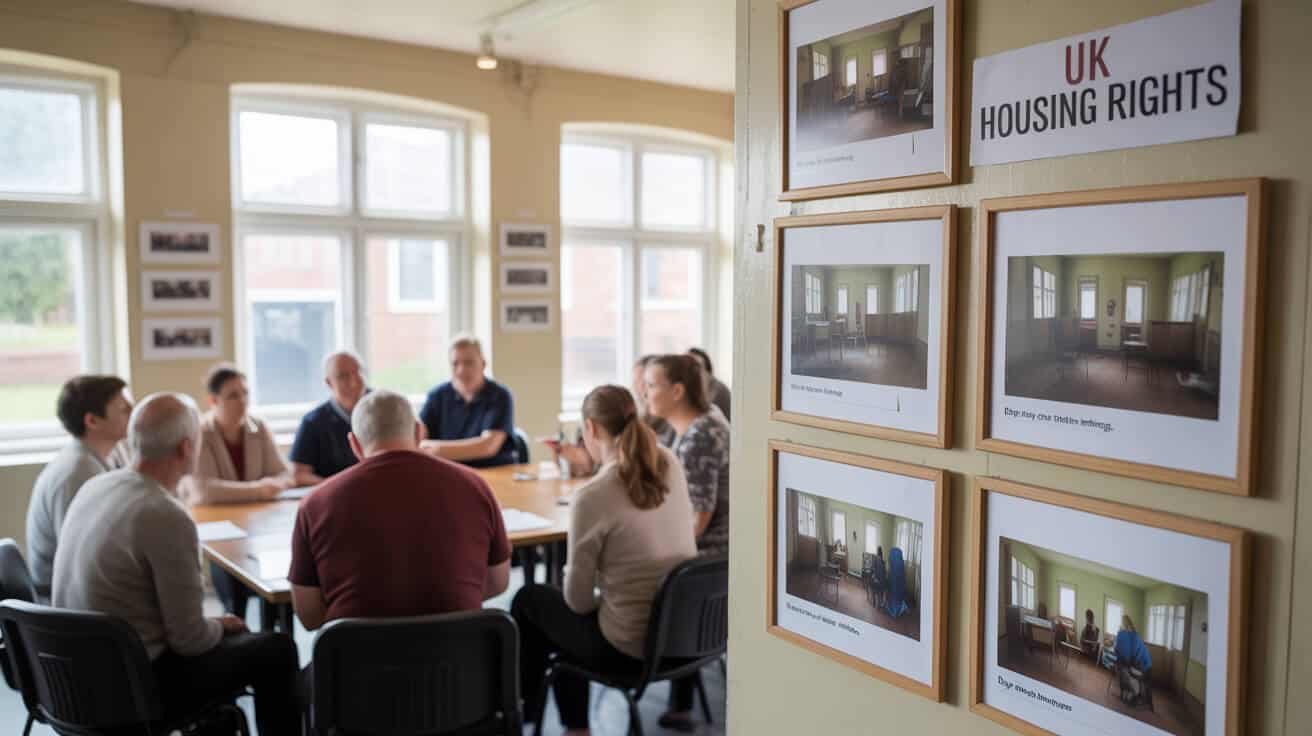
PPM Services for Public Buildings UK – Civic, Council & Community Facility Compliance
Facilities, estates and compliance leads in UK public bodies use planned preventive maintenance to keep civic, council and community buildings safe, compliant and available. A structured PPM regime turns legal and technical duties into scheduled inspections, servicing and evidence, based on your situation. You end up with a single, defensible view of statutory tasks, responsibilities and records across your estate, with risks and defects prioritised and closed in a traceable way. It becomes easier to move from firefighting to a calm, auditable pattern of planned work.


Author
Izzy Schulman

Planned PPM that underpins public building compliance
For councils, public landlords and community operators, the real test is whether buildings stay safe, open and defensible under scrutiny. Relying on memory or ad hoc call‑outs leaves gaps in statutory tasks, weak evidence trails and uncomfortable questions from members, auditors and regulators.

A risk‑based PPM regime replaces that uncertainty with a clear calendar of inspections, servicing and record‑keeping that reflects UK law and guidance. By turning fire, gas, electrical, water, lift and structural duties into routine, trackable tasks, you build a maintenance backbone that stands up to incidents, claims and audits.
- Turn complex legal duties into one practical maintenance plan
- Reduce unplanned closures, emergency call‑outs and reputational damage
- Strengthen evidence for insurers, lenders, auditors and residents
Need Help Fast?
Locked out, leak at home, or electrical issue? All Services 4 U provides 24/7 UK locksmith, plumbing, electrical.
Testimonial & Clients Who Trust Us
With 5 Star Google Reviews, Trusted Trader, Trust Pilot endorsements, and 25+ years of experience, we set industry standards for excellence. From Dominoes to Mears Group, our expertise is trusted by diverse sectors, earning us long-term partnerships and glowing testimonials.
Worcester Boilers

Glow Worm Boilers

Valliant Boilers

Baxi Boilers

Ideal Boilers

What planned maintenance for public buildings actually means
Planned preventive maintenance (PPM) for public buildings is a structured programme of inspections, testing, servicing and minor repairs that keeps your estate safe, compliant and available for the community. It turns your legal and technical obligations into clear, scheduled tasks with evidence at every step. Instead of a main library relying on memory for weekly fire alarm tests, annual servicing and quarterly fire‑door checks, all of that sits in one visible plan. You move from “who remembers what” to a documented regime that stands up to questions from members, auditors and regulators.
Planned work quietly prevents the public crises that reactive teams end up firefighting in full view.
For councils, public landlords and community operators, a good PPM regime is how you show you are discharging your duties as employer, landlord and building operator. It is not an optional extra bolted onto reactive works – it is the framework that holds everything together and proves that you have taken reasonable steps to prevent foreseeable harm.
How PPM turns law and standards into a working plan
A well‑built PPM regime for town halls, libraries, leisure centres and community hubs turns complex legal and technical requirements into a practical calendar of tasks, responsibilities and evidence. Instead of each building manager arranging tests in isolation, you have a single plan that sets out what must be done, by whom and when.
In practice, that plan should clearly specify:
- which systems and areas must be inspected or serviced
- how often they are attended and by which type of competent person
- what records are generated, how they are checked and where they are held
- how defects are prioritised, escalated and closed
When this is in place, you can see at a glance whether your fire systems, gas appliances, electrical installations, water systems, lifts and roofs are being managed as they should be, rather than discovering gaps only when there is an incident, claim or audit.
The legal foundation your PPM must reflect
Your PPM regime needs to knit together multiple strands of UK law and guidance, including fire safety PPM Services for Public, into one coherent, defensible pattern of activity. For public bodies, that legal base includes the Health and Safety at Work etc. Act 1974, the Fire Safety Order, gas and electrical safety regulations, legionella guidance, lifting‑equipment regulations, the Control of Asbestos Regulations and, for some assets, the Building Safety Act and higher‑risk building regime.
Each of these brings specific expectations around inspection, maintenance and record‑keeping. A strong PPM plan draws all of that into one manageable view, including areas such as accessibility PPM. It shows how often you inspect, how you act on findings and what evidence you retain. All Services 4U’s role is to help you make that view real by designing and delivering PPM programmes that are legally defensible, operationally workable and clearly evidenced across your civic, council and community estate.
Why civic, council and community buildings can’t rely on reactive maintenance
Public buildings cannot rely on reactive maintenance alone because waiting for things to break exposes you to avoidable safety risks, unplanned closures and weak compliance records. It also makes it much harder to prove to insurers, regulators and residents that you have done everything reasonably practicable to manage foreseeable hazards. The result is avoidable emergencies, higher whole‑life costs and patchy evidence. When a lift fails or a boiler breaks down, the public rarely distinguish between a contractor’s shortcomings and your organisation’s performance – it is your badge over the door.
The cost of waiting for things to break
A reactive‑only model almost always shows up first as unplanned closure and disruption. A failed boiler, lift or fire alarm panel can close a library, leisure pool or town hall at a day’s notice. That means cancelled bookings, frustrated service users, reputational damage with residents and difficult conversations with members.
Behind that, you see other consistent effects:
- Higher whole‑life costs: – more failures, repeat call‑outs and earlier replacement instead of planned renewals.
- Compliance blind spots: – many small jobs, but no joined‑up view of whether statutory inspections and tests are done on time.
For many public landlords, RTM boards and freeholders, this pattern is exactly why confidence in existing Tier‑2 contractors falls away. You see repeat faults, missed statutory tasks, messy paperwork and, in the worst cases, insurers or lenders starting to ask hard questions about your evidence.
When these patterns repeat across multiple buildings, you are effectively running on luck. A single incident in the wrong building at the wrong time quickly becomes a political and reputational issue as well as a technical one.
How PPM changes the pattern for public buildings
A planned PPM regime changes the pattern by making statutory and high‑risk items non‑negotiable planned tasks, scheduled ahead of failure and properly evidenced. Reactive work then becomes the exception rather than the default, focused on genuine surprises rather than predictable breakdowns.
In practical terms, that means:
- setting fixed inspection and service cycles for life‑safety systems and critical plant
- aligning visits so you reduce repeat access and disruption in public‑facing spaces
- using data from PPM visits to target renewals and upgrades rather than waiting for crises
In many estates, moving from ad hoc call‑outs to a risk‑based, building type PPM schedule reduces emergency attendance and last‑minute closures noticeably within the first year, even before you invest in new plant. All Services 4U helps you make that shift by building PPM schedules that reflect both statutory requirements and the realities of civic and community operations.
The compliance backbone: statutory PPM tasks for public buildings
![[ALTTOKEN]](https://allservices4u.co.uk/app/uploads/2026/01/02-PPM-Services-for-Public-Buildings-UK-Civic-Council-Community-Facility-Compliance.png)
The compliance backbone for public buildings is the set of statutory and strongly implied maintenance tasks you cannot afford to miss, because they are the first things regulators, insurers and investigators will ask about when something goes wrong. Getting these right is the foundation on which the rest of your maintenance strategy stands.
Before you think about enhancements or efficiency tweaks, you need a clear view of these non‑negotiable tasks and how they are delivered, evidenced and, if needed, presented in insurance claim dossiers or lender‑ready compliance binders.
Fire safety
Fire safety compliance in public buildings depends on suitable fire risk assessments, maintained fire precautions and effective management, and your PPM programme is how you show that those precautions remain in place and in good order over time. For Services for Public buildings, it should turn fire risk assessment actions into routine, trackable tasks rather than one-off projects that quietly drift.
In maintenance terms, this normally drives:
- reviewing fire risk assessments and tracking actions on a defined cycle
- testing fire alarms and call points on agreed weekly or monthly patterns
- servicing fire detection and alarm systems to the relevant British Standard
- checking emergency lighting monthly and carrying out full‑duration tests annually
- inspecting and maintaining fire doors, fire‑stopping, escape routes and signage
- servicing and inspecting fire extinguishers and other firefighting equipment
These tasks need clear frequencies, responsible roles and evidence requirements. A single missed test may not cause an incident, but repeated gaps are hard to defend if you are questioned after a fire.
Gas and electrical safety
Gas and electrical systems are fundamental safety risks in any building, and the public will expect your standards to be at least as robust as those in domestic settings. Your PPM should make it clear how you maintain these systems, who is competent to do the work and how you record that work.
In most civic and community facilities, that means setting clear intervals to:
- service and safety‑check boilers, heaters and gas plant by Gas Safe registered engineers
- carry out fixed‑wiring inspection and testing, issuing Electrical Installation Condition Reports and tracking remedials
- apply risk‑based portable appliance testing where appropriate in offices, halls and plant rooms
When these activities are built into your PPM calendar, it becomes much easier to show that gas and electrical hazards are being actively managed, not simply dealt with after faults appear.
Water hygiene and legionella
Water hygiene duties for public buildings require a legionella risk assessment and a written scheme of control that is actually followed in practice. Your PPM regime is the mechanism that turns that written scheme into repeatable actions and verifiable evidence.
In practical terms, that translates into:
- monitoring hot and cold‑water temperatures at agreed sentinel points
- flushing little‑used outlets in offices, community halls and changing areas
- inspecting and cleaning tanks, calorifiers and similar plant on a defined cycle
- reviewing and updating the risk assessment and written scheme at suitable intervals
Leisure centres, changing facilities and community hubs with showers or complex water systems need particular attention, as they combine higher risk with high public usage.
Lifts, lifting equipment and access systems
Lifts, hoists and other lifting equipment support both safety and accessibility, so the law requires thorough examinations at prescribed intervals by a competent person, backed up by regular servicing. For public buildings, reliable lifts are also a visible sign that you take equality and inclusion seriously.
Your PPM should therefore include:
- scheduling thorough examinations of lifts and lifting equipment at required intervals
- servicing lifts, hoists and platform lifts in line with manufacturer and legal expectations
- recording defects, repairs and any re‑inspection needed before returning equipment to service
Automatic doors, access control and similar systems may not fall under lifting regulations, but they are still safety‑critical for accessible routes. They warrant planned inspection and testing, not just reactive repair.
Asbestos management
Where asbestos‑containing materials are present, you must have an up‑to‑date survey, a management plan and periodic re‑inspection, and maintenance work must proceed with reference to the asbestos register. Poor control here can quickly become both a safety and legal issue.
From a PPM perspective, that means:
- keeping management surveys and registers current across your estate
- scheduling re‑inspections at the right frequency for each building and material type
- embedding asbestos checks into routine pre‑works planning for relevant trades
The aim is to ensure no one accidentally disturbs asbestos during everyday maintenance because the information was missing, inaccessible or ignored.
Building fabric and structure
There is no single “roof inspection law”, but general health and safety duties, structural requirements in building regulations and insurers’ expectations all point towards regular inspection of roofs, gutters, external walls and other fabric elements. For public owners and landlords, this is also where many insurance claims succeed or fail.
A robust PPM programme for public buildings therefore makes these tasks explicit by:
- defining inspection frequencies for roofs, gutters, walkways and key external elements
- capturing photographic evidence and simple condition ratings at each visit
- linking fabric findings to capital planning, risk registers and insurance claim dossiers
By doing this consistently, you spot loose tiles, degraded waterproofing or unsafe elements before they turn into incidents, major capital projects or contentious insurance disputes.
Designing a risk‑based PPM schedule that balances safety, uptime and budget
A risk‑based PPM schedule arranges your statutory and discretionary tasks so that safety‑critical items are non‑negotiable, service‑critical assets are protected and low‑risk systems do not consume disproportionate budget. It aims to balance compliance, availability and cost rather than treating every item as equal, and it gives you a clear rationale for how often each asset is attended.
Once your compliance backbone is clear, the next challenge is to design a schedule that reflects how your buildings are actually used, not just generic annual cycles lifted from standards or asset registers.
Asset register and criticality ranking
A risk‑based schedule starts with a reliable asset list for each building – boilers, switchboards, pumps, lifts, fire systems, water systems, roofs and more. Each item is then scored for:
- safety impact if it fails
- service impact (loss of income, service disruption, reputational damage)
- ease and speed of repair or replacement
This gives you a simple criticality matrix:
- Tier 1 assets: – safety‑critical or business‑critical plant where failure is unacceptable.
- Tier 2 assets: – important systems where failure is disruptive but manageable.
- Tier 3 assets: – low‑impact items where failure can be tolerated briefly.
For example, the fire alarm in a main civic hall is Tier 1; a small extract fan in a rarely used store is likely Tier 3.
Risk‑based frequencies that you can justify
You then overlay legal minima, manufacturer guidance and your local risk appetite to set frequencies you can explain and defend. Some intervals are effectively fixed: fire alarms and emergency lighting remain on standard test patterns, and lifts must be examined at specified frequencies. Others have more flexibility if you can justify your approach.
Examples include:
- inspecting a single boiler serving a civic centre more frequently than duplicated plant in a depot
- giving non‑critical lighting in storage less attention than escape lighting on public routes
- monitoring air‑handling units in heavily used leisure centres more closely than small fans in back‑of‑house areas
Where you reduce frequency on low‑risk items, you document why: asset type, environment, historic performance and mitigation measures. All Services 4U helps you build these justifications so they stand up to internal and external scrutiny, so that if an auditor or member asks “why this pattern?”, you have a clear answer.
Integrating FRAs and health and safety risk assessments
Fire‑risk assessments and wider health and safety risk assessments are valuable inputs to your PPM design, because they show where issues have actually emerged. If FRAs repeatedly flag blocked exits, malfunctioning doors or poor compartmentation, your schedule should include specific recurring checks and tight close‑out times for related defects.
Similarly, corporate risk registers may highlight particular sites or services — such as a high-profile civic building, a council chamber or a heavily used leisure facility. In Public Buildings UK, your PPM frequencies, access planning and escalation routes should then reflect those priorities rather than treating all buildings as identical, helping you direct limited budget where it genuinely moves the risk needle.
Review, learning and adjustment
Risk‑based does not mean “set and forget”; it means “set, monitor and refine”. Your schedule should include review points – at least annually and whenever significant changes occur – where you:
- review fault and breakdown patterns, looking for trends
- compare planned tasks against actual delivery and findings
- assess whether inspection frequencies are still appropriate
- decide where to tighten, relax or redesign parts of the programme
A common pattern is that emergency call‑outs drop as planned work beds in, allowing you to reallocate budget into targeted upgrades. This is where a partner like All Services 4U adds value beyond simple task delivery, helping you interpret data, refine risk and show continuous improvement to auditors, members and the public.
If you would like a risk‑based review of one representative building, All Services 4U can map your current tasks against a statutory backbone, highlight obvious gaps and outline a more defensible schedule without committing you to an immediate wholesale change.
Accreditations & Certifications






What All Services 4U delivers for civic, council and community facilities
![[ALTTOKEN]](https://allservices4u.co.uk/app/uploads/2026/01/03-PPM-Services-for-Public-Buildings-UK-Civic-Council-Community-Facility-Compliance.png)
All Services 4U provides a multi‑trade maintenance and compliance service designed specifically for civic, council and community buildings, including support shaped to the needs of Public Buildings UK, with engineers and coordinators who are used to working in live public environments. The focus is simple: keep your buildings open, safe and compliant, and give you the evidence to prove it to insurers, lenders, regulators and residents.
Our approach is built around three principles: compliance, continuity and clarity – covering both statutory PPM and the day‑to‑day realities of public service delivery. We combine competent multi‑trade coverage, experience in public buildings and DBS‑checked staff where required.
Full statutory PPM coverage
A core part of our service is designing and delivering programmes that cover the statutory regimes your buildings are subject to. That typically includes:
- Fire safety: – inspection, testing and servicing of fire alarms, emergency lighting, fire doors, compartmentation, extinguishers and related systems, aligned with your fire‑risk assessments.
- Gas safety: – inspection, servicing and records for all relevant plant, carried out by Gas Safe registered engineers.
- Electrical safety: – fixed‑wiring testing, remedial works and, where needed, portable appliance testing on a risk‑based schedule.
- Water hygiene: – legionella risk assessment, temperature checks, flushing regimes, cleaning and periodic review of the written scheme.
- Lifts and lifting equipment: – thorough examinations at required intervals, backed by routine servicing and defect clearance.
- Asbestos management support: – surveys, re‑inspection programmes and controls around maintenance work near asbestos‑containing materials.
Where your buildings fall into the scope of newer building‑safety regimes, we align our approach with your accountable person and golden‑thread requirements, so PPM supports Safety Case obligations rather than sitting in a separate silo.
Building fabric and plant care integrated into one programme
We also integrate routine fabric and mechanical and electrical tasks into the service so that you are not constantly switching between providers for closely related work. That can include:
- roof and gutter inspections, minor repairs and photographic evidence suitable for insurers and internal audit
- checks and servicing of heating, ventilation and air‑conditioning plant to keep comfort and energy performance on track
- basic building‑fabric checks in high‑use areas to spot trip hazards, damaged finishes or emerging defects early
Bundling these tasks alongside statutory work gives you fewer surprises that suddenly turn into capital emergencies, and fewer instances of one contractor blaming another when defects are discovered. For several public‑sector clients, simply introducing a single combined roof and plant inspection has helped avoid closures that would once have led to emergency spend and claims disputes.
Evidence‑ready documentation for auditors, regulators and insurers
Every PPM visit delivered through All Services 4U generates clear, structured records so you can answer difficult questions quickly and confidently. Typically, that includes:
- certificates and reports for statutory inspections and tests
- digital checklists for routine tasks, with clear pass/fail markers
- photos where they add value – for example, showing fire‑door gaps, roof condition or plant labelling before and after works
- defect lists with risk‑based priorities and agreed close‑out times
We can feed this information directly into your existing CAFM or CMMS, or provide a portal and standardised reports if you do not yet have a system in place. The aim is that any auditor, regulator, insurer, lender, member or tribunal advisor who asks “show me” gets a clear, dated answer they can use in insurance claim dossiers, lender assessments or Section 20 defence packs.
How we work with councils and public‑sector landlords
Working successfully in public buildings is as much about governance, communication and behaviour as it is about engineering, and All Services 4U is used to fitting into existing structures, including accessibility PPM requirements, rather than trying to replace everything at once. We recognise that you may already have in-house teams, term contractors and framework arrangements in place; our role is to take defined responsibility, remove grey areas and improve evidence.
In most cases, we will:
- take responsibility for clearly defined PPM scopes – for example, all life‑safety systems and water hygiene – while your teams or other contractors handle cleaning, grounds or minor responsive work
- agree clear interfaces so everyone knows who does what, including responsibilities for access, isolations, permits and follow‑on works
- work with your corporate health and safety, fire and building‑safety leads so that maintenance activity actively supports their duties and risk registers
We then help you set up pragmatic governance, with just enough structure to give assurance without overburdening teams. That often includes:
- monthly or quarterly performance and compliance reviews with estates, health and safety, building safety and finance
- a simple KPI set covering statutory completion rates, first‑time‑fix rates, response times, open actions and evidence completeness
- agreed escalation routes for high‑risk defects, repeated issues and any concerns raised by residents, staff or users
Civic and community buildings are rarely empty, and many host vulnerable users. Our engineers and coordinators are used to working in those environments: staff are DBS‑checked where required and briefed on expected conduct, visits are planned around services, programmes and events, and isolations and disruptive work are timed to minimise impact wherever possible.
To many councils and public‑sector landlords this “one accountable partner” model is a deliberate step away from fragmented Tier‑2 arrangements, replacing multiple overlapping contracts with a single, evidence‑led maintenance backbone.
Commercial models and procurement options
The right commercial model for PPM in public buildings is one that gives you predictable compliance, transparent costs and genuine value for money. It must satisfy procurement rules, stand up to audit and still feel workable for day‑to‑day managers who raise and approve jobs.
All Services 4U structures its services to support those realities, not to push you towards a single fixed model. We are used to working under existing frameworks, running competitions where required and supporting your procurement leads with clear, technical scopes.
Clear split between PPM and reactive spend
Most public clients we support choose to separate planned and reactive activity financially while still coordinating them operationally. In practice, that usually means:
- treating the PPM programme as a fixed, budgeted annual cost per building or per asset class, covering all agreed inspections, tests and servicing
- keeping reactive and minor works on clearly defined schedules of rates, with agreed response categories such as emergency, urgent and routine
To keep those categories clear, many organisations use simple definitions such as:
- Emergency: – immediate risk to life, property, or critical public service delivery.
- Urgent: – serious impact on service or safety if not resolved within a short timescale.
- Routine: – important but non‑critical issues that can wait for planned attendance.
This gives you predictable spend on compliance while still allowing flexibility for unplanned events. It also makes it easier to show boards, members, auditors and, where necessary, tribunals how much of your budget is going on prevention versus response, and how that spend links back to statutory duties rather than discretionary wishes.
Phased rollout that matches your risk and capacity
You do not have to move your entire estate to a new model in one step. Common, low‑risk rollout options include:
- starting with a single service area – for example, fire and life‑safety systems or water hygiene
- piloting a full PPM approach at a small group of representative buildings, such as a main library, a leisure centre and a community hub
- expanding once data, benefits and user feedback are clear
For example, some clients begin with fire and water hygiene at three flagship sites, then extend to electrical, gas and fabric across the wider estate once the model is proven.
We can work within existing frameworks, support competitive tenders or help you scope a direct award where regulations allow. Your procurement team retains full control; All Services 4U simply provides the technical clarity and documentation to make comparisons fair and transparent.
Value, benchmarking and assurance for finance and audit
Our proposals and ongoing reports are itemised and benchmarked so that finance and audit teams can see exactly what is included and how it compares to alternative approaches, including more reactive‑heavy models. Typically, that includes:
- line‑by‑line descriptions of PPM tasks, frequencies and asset coverage
- clarity on what evidence you will receive and in what format, including insurance claim dossiers and lender‑ready compliance binders where needed
- explanations of how the proposed schedule aligns with statutory duties, risk registers and Section 20 or service‑charge defensibility
This allows you to satisfy internal and external auditors, justify budget decisions and demonstrate that you have taken a structured, risk‑aware approach to maintenance rather than simply renewing historic patterns.
Onboarding, data and the golden thread
Mobilising a new PPM partner for public buildings is as much about getting your data into shape as it is about deploying engineers, and done properly it strengthens your “golden thread” of safety information. A structured onboarding gives you a cleaner asset picture, stronger evidence and more reliable support for Safety Cases, insurance renewals and audits.
All Services 4U treats mobilisation as a defined project with clear stages, owners and milestones rather than an informal handover between contractors.
Asset and data capture that you can build on
The first step is to understand what you already have and where the gaps are, because no PPM schedule can be better than the asset data it rests on. We typically work with your estates, compliance and IT teams to:
- collate existing asset lists, certificates, FRAs and other key reports from across your estate
- validate and correct that data through targeted site visits and surveys where needed
- standardise naming, locations and coding so items can be tracked consistently across systems and reports
If you have a CAFM or CMMS, we align with its structure and help improve the quality of data flowing into it. If not, we can provide tools and templates to get you to a workable baseline without overcomplicating things.
Building and supporting the golden thread
For buildings in scope of the Building Safety Act, or where you simply want stronger assurance, we map how PPM, reactive works and projects contribute to your golden‑thread information. That includes:
- identifying which PPM activities produce Safety Case‑relevant evidence
- agreeing how documents, photos and logs will be stored, shared and retained over time
- providing summaries and dashboards tailored to your accountable person and other dutyholders
Access to this information can be restricted by role, with records held in secure environments so that sensitive building and resident data remains under appropriate control.
Even outside the formal higher‑risk building regime, these disciplines help you answer difficult questions if there is ever an incident or investigation. You know what was done, when, by whom and with what result, and you can show that in a single, coherent narrative rather than scrambling across multiple inboxes and folders.
Assurance and support for audits, regulators and insurers
Because records are structured from day one, supporting internal audit, external audit and regulator or insurer visits becomes far less stressful. All Services 4U can:
- provide clear, date‑stamped records for the buildings and systems in scope
- explain how your PPM schedule links to specific legal duties and corporate risks
- help you respond to findings with targeted improvements rather than generic action plans
The result is that maintenance data becomes a strength rather than a vulnerability – something you can lean on to demonstrate good governance and protect your organisation’s position with regulators, insurers, lenders and tribunals.
Reliable Property Maintenance You Can Trust
From routine upkeep to urgent repairs, our certified team delivers dependable property maintenance services 24/7 across the UK. Fast response, skilled professionals, and fully insured support to keep your property running smoothly.

Book Your Free Consultation With All Services 4U Today
All Services 4U can help your organisation move from reactive firefighting to planned, evidenced compliance across your civic, council and community buildings, so your teams can focus on services instead of chasing contractors and paperwork. A brief consultation will show you what a risk‑based, evidence‑driven building type PPM model could look like for a real building you manage today.
In a short, no‑cost consultation, you and your colleagues can:
- walk through your current approach for a representative site, such as a main library, town hall or leisure centre
- identify obvious statutory gaps and duplication in your existing mix of PPM and reactive work
- outline a risk‑based, legally aligned PPM schedule and evidence pack for that site
- discuss options for phasing, procurement routes and budget alignment that fit your internal rules
You set the pace. If you decide to go further, All Services 4U can help you pilot a PPM programme, develop specifications for tender or build a portfolio‑wide plan. If not, you still leave with a clearer view of your duties, risks and options.
What happens during your free consultation
The consultation is focused on giving you a practical view of what “better” might look like, not on a hard sell. We will usually:
- review a small set of key documents, such as a recent FRA, EICR or plant list
- explore how your buildings are used and where incidents or near‑misses worry you most
- sketch a draught PPM and evidence model for one building that you can test with colleagues
By the end of the session, you should be able to see where your current maintenance model is strong, where it relies too heavily on goodwill and memory, and where a more structured PPM approach would add the most value.
Take the next step towards safer, more dependable public buildings
If you are responsible for keeping public buildings open, safe and compliant – and you are not fully confident your current maintenance model would stand up to audit, inquiry or insurer scrutiny – this is a good time to explore a more structured approach.
A conversation with All Services 4U is a low‑risk way to test that thinking. You can start with a single building, a single service area or a focused piece of onboarding work, and expand only when the benefits are clear. Your communities, your staff and your organisation’s reputation all stand to gain from a PPM regime that is designed, delivered and evidenced with public duty in mind, and All Services 4U is ready to be the long‑term maintenance and compliance partner that helps you get there.
Frequently Asked Questions
Explore our FAQs to find answers to planned preventative maintenance questions you may have.
What’s the single biggest difference between planned preventive maintenance and “call-us-when-it-breaks” for public buildings?
Planned preventive maintenance is you taking control; reactive maintenance is you hoping nothing fails at the worst possible moment.
How does that difference play out in real public buildings?
In town halls, schools, leisure centres, libraries and depots, a working PPM regime looks like this:
How does good PPM actually show up on the ground?
- Fire alarms, emergency lighting, boilers, lifts, water systems, roofs and key doors sit on a clear calendar, not on vague promises.
- Tasks are done by competent, named people, with certs and photos tied back to each building record.
- Disruptive work is planned around exams, elections, court sittings, school terms and peak usage, not in the middle of them.
- Your team can answer obvious questions instantly: “When was this last tested?”, “Who did it?”, “Where’s the report?”
That is property maintenance acting as part of your risk management, not just your repairs budget.
What does life look like when you stay mostly reactive?
With a “ring someone when it fails” model, patterns are painfully predictable:
- Failures land at maximum embarrassment points: – alarms fault on polling day, heating dies during a cold snap, lifts fail during court sittings or parent evenings.
- You leak money on premium call‑outs, overtime, damage repairs and temporary measures, while still dealing with closures and angry residents.
- When a fire officer, insurer, regulator or member asks for proof, people start hunting through emails, contractor portals and spreadsheets rather than opening a clean building record.
You are still spending; you’re just spending later, under pressure and with less control.
If most of your estate is still run on “phone a contractor when it fails”, that’s not primarily a pricing issue; it’s a design issue. A structured PPM model lets you say, calmly, “We’ve done what a reasonable duty‑holder should do – and here is the evidence.”
If you want to make this difference tangible for boards or investors, you can do what many clients do with All Services 4U: pick one flagship building and map 12–24 months of failures, call‑outs and compliance tasks against what a simple PPM pattern would have cost and prevented. Seeing that comparison on their own asset—not in a brochure—often unlocks the decision to change.
Which maintenance activities are truly non‑negotiable if you’re responsible for UK public or residential buildings?
Non‑negotiable activities are the ones rooted in statute or strong guidance; they’re the first things a coroner, regulator, insurer or Ombudsman will ask you to evidence after an incident.
What belongs in the statutory “spine” of your property maintenance plan?
You can debate how often carpets are cleaned; you can’t debate whether alarms are tested or boilers are serviced. A defensible spine for councils, housing providers, RTMs and civic estates typically includes:
How should fire safety be maintained as a minimum?
- A current fire risk assessment with a live, dated action tracker.
- Fire alarm testing to BS 5839 – weekly user tests plus periodic engineer servicing.
- Emergency lighting checks and annual 3‑hour duration tests to BS 5266.
- Routine fire door and compartmentation inspections with remedials tracked to closure.
- Fire extinguisher servicing and regular checks on escape routes and signage.
These are usually the first records a fire authority or loss adjuster will ask for.
What gas and electrical checks are non‑optional?
- Annual CP12s and gas‑plant servicing by correctly scoped Gas Safe engineers.
- Periodic EICRs (Electrical Installation Condition Reports) plus signed‑off remedials within agreed windows.
- Risk‑based PAT testing for schools, depots, offices and community spaces with high portable‑equipment use.
For landlords and RTMs, gas and electrical evidence is often what keeps mortgage lenders and valuers comfortable.
How do water hygiene, lifts and asbestos fit into this spine?
- Water hygiene: to ACoP L8 / HSG274: a written Legionella risk assessment, temperature monitoring, flushing regimes, descales, tank and calorifier checks.
- Lifts and lifting equipment: under LOLER / PUWER: scheduled thorough examinations, aligned servicing and documented defect close‑out.
- Asbestos: under CAR 2012: management and R&D surveys as needed; a live register, plan of work and re‑inspection cycle; clear briefings for anyone doing intrusive work.
Each of these areas has featured heavily in enforcement actions where records were missing or inconsistent.
Why should fabric and structure be treated as part of the non‑negotiable set?
Where the public pass, live or work underneath, you’re expected to show a reasonable programme of:
- Roof, gutter, cladding, balcony, boundary wall and hard‑standing inspections: on a sensible cadence, especially where insurers have set conditions.
- Timely action on known defects before they become injuries, collapses or long closures.
If any of these categories are managed on a “we’ll get to it” basis rather than through a visible schedule, owner and evidence trail, you’re carrying personal and organisational risk that is hard to defend.
One of the quickest wins you can get with a partner like All Services 4U is to make that spine explicit for each building, then build the rest of your property maintenance plan around it. That turns “we think we’re covered” into “we can show we are covered” when insurers, lenders or regulators start asking questions.
How do you build a risk‑based planned maintenance schedule without using “risk‑based” as code for budget cuts?
A risk‑based PPM schedule is about prioritising intelligently on top of legal baselines, not about doing less and hoping no‑one notices. The test is simple: if you had to explain your schedule in writing to a regulator, insurer or coroner, would it sound reasonable or creative?
How do you start designing a risk‑based PPM regime?
How do you map assets and criticality in a way that stands up later?
Begin by getting control of what you own and what happens when it fails:
- Build a clean asset register per building: alarms, emergency lighting, boilers and plant, distribution boards, lifts, water systems, fire doors, roofs, key drainage runs, façade elements and any other high‑impact kit.
- Score each asset for criticality by asking:
- If this fails, does anyone’s life safety deteriorate?
- Does the building close or a key service (court, school, council chamber, HRB) stop?
- How bad does this look in the media, to members or to residents?
- What are the knock‑on costs: damage, decants, alternative venues, overtime?
You’ll usually find the same small group of assets at the top of every list, regardless of organisation type.
How do you keep legal minima as the floor, not the ceiling?
Next, you make legal and standards‑based minima the floor of your thinking:
- For each asset class, write down the statute or guidance baseline in human language: weekly tests, annual certs, EICR cycles, L8 routines, lift exams.
- Commit internally that these minima are non‑negotiable. Risk‑based decisions are made above them, not instead of them.
- Use your own data – FRA findings, EICR outcomes, Legionella logs, breakdown and complaint history, near‑misses – to justify tightening intervals or checks on fragile, overloaded or business‑critical assets.
- If anyone suggests relaxing something, insist on a written rationale: reduced usage, resilience from duplicate plant, investment in monitoring, changed risk profile.
A simple matrix – asset type → baseline → local setting → rationale – makes this visible. If nobody can write a credible rationale in that last column, the change probably doesn’t survive scrutiny.
This is where a maintenance partner with compliance experience matters. All Services 4U designs these schedules knowing someone will eventually test them in an audit, tribunal or claim, so the risk arguments are written for that future conversation, not just for this year’s budget round.
How should you manage property maintenance evidence so audits, insurers and regulators don’t turn into crisis events?
You don’t really own your risk until you can evidence what you’ve done. In public, residential and mixed‑use buildings, documentation is not an afterthought; it is the only thing that proves you had a regime in place before the incident.
What does “inspection‑ready” maintenance evidence look like for one building?
Think about your most exposed building: an HRB, civic HQ, main library, depot, leisure centre or mixed‑use block. For that single site, a regulator or insurer should be able to sit with you and, within minutes, see two things.
Can you surface a complete compliance picture by theme, not by contractor?
You should be able to open or export, without a hunting expedition:
- Latest FRA with a live action tracker, showing what’s open, closed or overdue.
- Current EICR and remedials, with dates, remedial codes, completion notes and sign‑off.
- Valid CP12s with boiler/plant service sheets.
- Legionella risk assessment plus 12–24 months of temperature and flush logs.
- LOLER: and maintenance reports for lifts and other lifting equipment.
- Asbestos: survey, register and re‑inspection for relevant blocks and plant rooms.
- Any fabric or structural reports for roofs, façades, balconies, retaining walls, especially where insurers have linked cover conditions to them.
If some of these can only be found by asking three different teams and digging through email, you already know where your next problem lies.
Can you prove those activities follow a plan rather than good luck?
You also need to show that work followed an agreed regime:
- A simple, understandable PPM calendar showing what should happen to each major asset and when.
- A planned vs completed view, with dates, pass/fail or “defect found”, named engineer, and work order references for any follow‑on jobs.
- A clear path from high‑risk items in FRAs, EICRs, L8 logs and inspections to actual work orders, approvals and closures.
For HRBs and other high‑risk stock, that trail becomes part of your Building Safety Act Safety Case and Golden Thread: it’s how you demonstrate critical controls are not just specified on paper but actually maintained in practice.
If your storey today lives across contractor portals, old CAFM, cloud drives and people’s heads, you’re building risk into the system. All Services 4U helps clients move towards building‑level compliance binders and/or structured CAFM integrations so that, when an audit, renewal or investigation lands, you’re reaching for a known record – not improvising under pressure.
What should you insist on when you pick a PPM and repairs partner for housing, civic or mixed‑use property?
Your maintenance partner works where you’re most visible: homes, schools, courts, libraries, HRBs, civic offices, business parks. When they get it wrong, your reputation, your compliance position and your finances take the hit.
How do you separate a true risk partner from “just another contractor”?
When you’re evaluating bids or considering a change, go beyond day‑rates and call‑out times. Focus on five areas that make or break you when things go wrong.
Do they have real statutory and technical depth, or just trade badges?
Look for evidence – not just logos – that they can deliver:
- Fire systems to BS 5839, emergency lighting to BS 5266, fire doors to BS 8214 / EN 1634, and that they understand how these interact in HRBs, schools, civic sites.
- Electrical work under BS 7671, with a coherent approach to EICR scopes, coding and remedials.
- Gas work under the Gas Safety Regulations, with clear scopes for each Gas Safe engineer.
- Water hygiene to ACoP L8 / HSG274, asbestos under CAR 2012, lifts under LOLER/PUWER.
Ask them to walk a real building and talk through what law and standard apply where. If they can’t, they’ll be learning on your estate.
Can they operate safely and respectfully in live, politically sensitive environments?
You want a partner who is comfortable in homes, schools, HRBs, refuges, civic and commercial buildings, not just plant rooms:
- Do they have appropriate DBS, safeguarding training and lone‑working protocols?
- How do they adjust working patterns and methods around elections, term‑time, peak opening hours, court sessions, worship times or local events?
- Can they show examples where they’ve handled high‑profile or sensitive environments without drama?
Their behaviour on the ground feeds directly into complaints, Ombudsman outcomes and member briefings.
Will their reporting reduce your workload or increase it?
Ask to see actual outputs, not templates:
- Building‑specific compliance or job reports, not just generic invoices.
- FRA, EICR, L8 and lift action trackers with status and dates.
- De‑identified examples of insurer, lender or regulator packs they’ve supported.
If all they can show is “we’ll send a job sheet”, you’ll be left stitching together the evidence chain when you most need it.
How well do they integrate with your teams and systems?
A credible partner can explain:
- How they plug into FM, housing, asset management, projects and IT, without trampling existing relationships.
- Who holds which decisions and approvals – and what stays firmly with your AP, RP or board.
- How data, photos and certs will flow back into your CAFM, document management or binders, avoiding duplicate silos.
Do they show up as a governance partner or just a supplier?
Ask what happens when things go wrong:
- Have they helped a client through a serious incident, claim, regulator visit or enforcement notice?
- Can they calmly map the chain from incident to cause to records to close‑out?
- Will they sit in front of your Head of Compliance, FD, AP/BSM or board to talk through risk trends and improvement options?
All Services 4U is built to occupy that space: multi‑trade capability combined with a compliance and governance mindset. If you want your maintenance partner in the room when insurers, lenders or regulators are asking hard questions, choose someone who is comfortable speaking that language from day one.
How can you move from a mostly reactive repairs model to structured PPM without blowing your budget or political capital?
You don’t need a grand reorganisation to move beyond “we call someone when it breaks”. The estates and portfolios that succeed treat the shift to PPM as a series of controlled experiments that prove value on real buildings before they scale.
What does a low‑risk, politically acceptable transition actually involve?
How do you pick the right buildings to pilot on?
Start where success will be noticed:
- A flagship building – civic HQ, major library, main depot, court, leisure centre or HRB – where failures are visible to members, residents, media or regulators.
- Or a repeat‑problem site – frequent leaks, heating failures, damp/mould claims, repeated FRA findings, or chronic lift issues.
This gives you a test bed with enough visibility that improvements will matter, but a contained scope.
How do you capture a credible “before” picture that finance and boards will trust?
For each pilot building, gather:
- A full list of statutory tasks – FRA, CP12, EICR, L8 routines, LOLER reports, asbestos surveys, roof/fabric inspections – with due dates and status.
- 12–24 months of reactive data: jobs, call‑outs, closures, major complaints, any decants or business interruption.
- Insurer, lender, regulator or Ombudsman correspondence that touched that site.
Treat this like evidence, not marketing. The more honest it is, the stronger your eventual case.
How do you design a minimum viable PPM backbone rather than an empire?
From that baseline, design a minimum viable PPM pattern for each pilot:
- Lock in the statutory spine with clear frequencies and owners.
- Layer in a small number of high‑impact checks:
- Scheduled roof and gutter inspections with photo surveys.
- Seasonal boiler and BMS optimisation checks to prevent peak‑time failures.
- A fire door and compartmentation inspection programme with templated remedials.
- Targeted drainage inspections where blockages have been routine.
- Agree upfront how you’ll measure results:
- Fewer emergency call‑outs and building closures.
- Better evidence completeness and audit responsiveness.
- Total cost across PPM, emergencies and damage, not just line items.
Run that backbone for 6–12 months, long enough to experience a heating season and at least one major weather cycle.
How do you turn that into a simple, believable business case for scaling?
At review point, compare the pilot period with your “before” picture:
- Emergency call‑outs vs planned interventions.
- Service interruptions, high‑profile complaints and Ombudsman escalations.
- Speed and confidence when asked for evidence by an auditor, councillor or insurer.
- Total financial picture: PPM fees, emergency spend, repair costs, reputational or decant expenses.
If your pilot shows fewer emergencies, cleaner audits and no blow‑out in total cost, you suddenly have a storey that boards, asset managers, lenders and insurers can back: structured PPM is not just safer, it’s also rational spend.
If you want that first step to be as robust as possible, All Services 4U can design and run these pilots with you: we help you choose the buildings, fix the statutory spine, add the right property maintenance checks, structure the evidence and then sit beside you when you present the before/after storey to decision‑makers. You keep ownership of priorities and budget; we help you make sure that, when the next serious question about your estate lands, you have an answer ready rather than a scramble.
- Planned PPM that underpins public building compliance
- What planned maintenance for public buildings actually means
- Why civic, council and community buildings can’t rely on reactive maintenance
- The compliance backbone: statutory PPM tasks for public buildings
- Designing a risk‑based PPM schedule that balances safety, uptime and budget
- What All Services 4U delivers for civic, council and community facilities
- Commercial models and procurement options
- Onboarding, data and the golden thread
- Book Your Free Consultation With All Services 4U Today
- Frequently Asked Questions
- Related PPM Services
Related PPM Services
Case Studies


Related Articles

Your Guide To Identifying And Treating Minor Mould Outbreaks
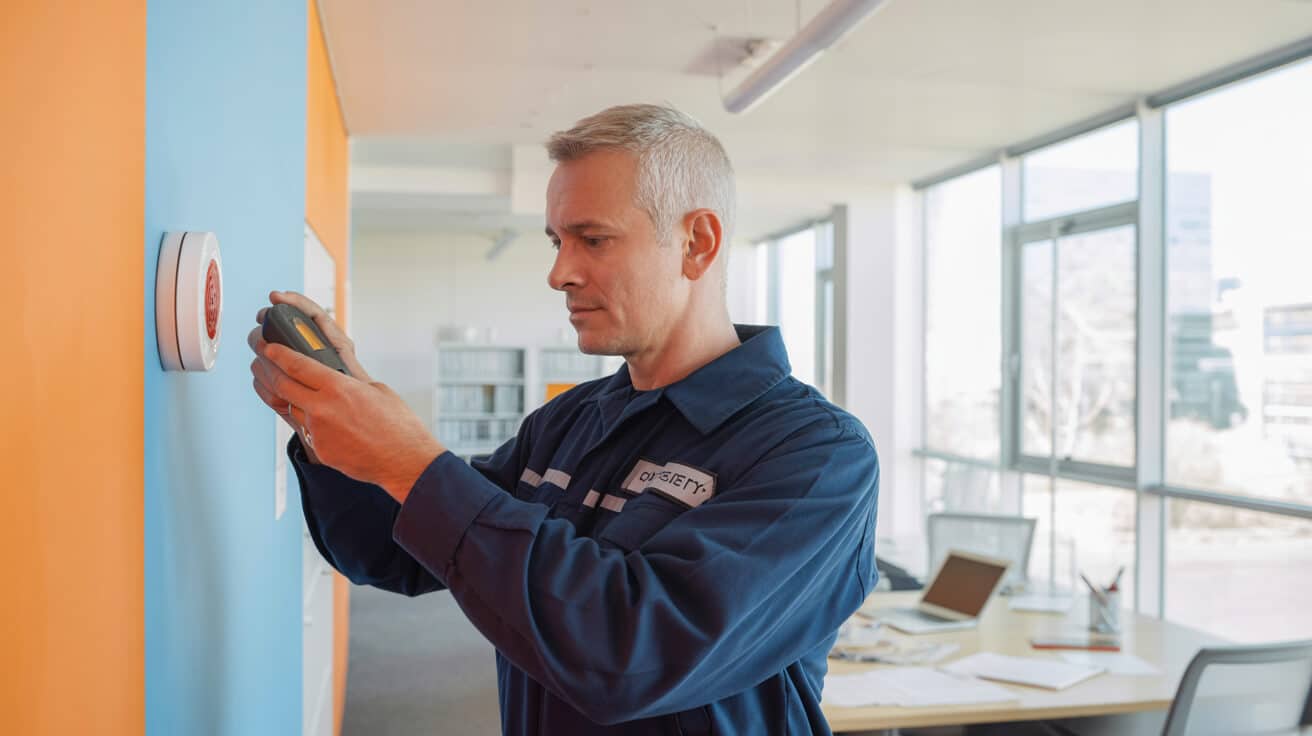
Why Planned Preventative Maintenance (Ppm) Saves Money And Ensures Compliance