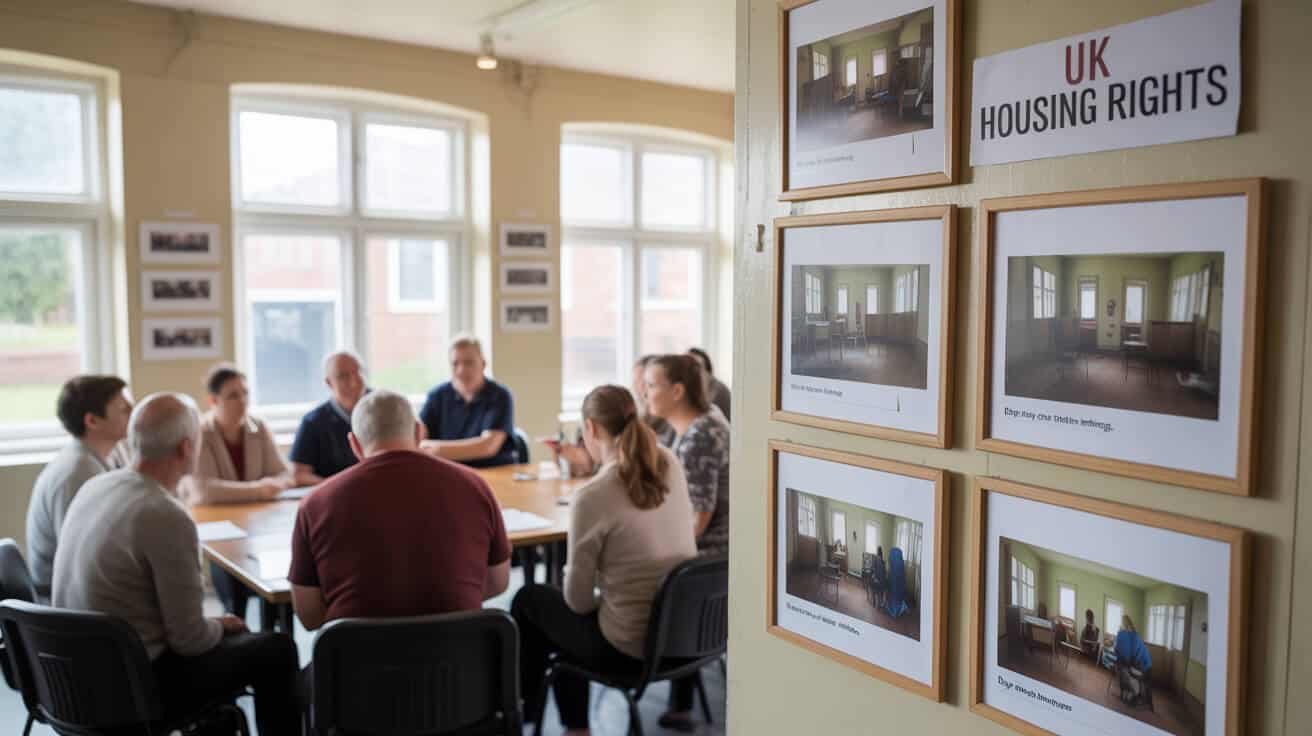
Safety Case PPM Services for HRB UK – Building Safety Act Compliance
Accountable Persons and Principal Accountable Persons for higher‑risk residential buildings need a Safety Case‑aligned PPM regime that keeps them defensible under the Building Safety Act. Safety Case PPM links your specific fire and structural hazards to defined inspection, testing and remedial tasks, with clear frequencies and evidence outputs, based on your situation. You end up with a live maintenance regime that reads as a structured, risk‑based argument backed by usable records when the Regulator asks for proof. It is a practical way to reduce enforcement, financial and reputational exposure while strengthening internal and resident confidence.



Author
Izzy Schulman

Why HRB owners need Safety Case-aligned PPM regimes
Accountable Persons and Principal Accountable Persons for higher‑risk residential buildings face a new standard under the Building Safety Act. It is no longer enough to keep certificates up to date; you must show how major fire and structural risks are understood, controlled and kept as low as reasonably practicable over time.

Safety Case PPM offers a structured way to join your safety case, risk assessments and day‑to‑day maintenance into one coherent regime. By linking hazards to specific systems, tasks, frequencies and evidence, it turns familiar FM activity into a defensible narrative the Regulator can follow and your Board can stand behind.
- Link hazards to clear, risk-based maintenance tasks
- Generate usable evidence instead of scattered contractor paperwork
- Reduce enforcement, financial and reputational exposure across your HRB portfolio
Need Help Fast?
Locked out, leak at home, or electrical issue? All Services 4 U provides 24/7 UK locksmith, plumbing, electrical.
Testimonial & Clients Who Trust Us
With 5 Star Google Reviews, Trusted Trader, Trust Pilot endorsements, and 25+ years of experience, we set industry standards for excellence. From Dominoes to Mears Group, our expertise is trusted by diverse sectors, earning us long-term partnerships and glowing testimonials.
Worcester Boilers

Glow Worm Boilers

Valliant Boilers

Baxi Boilers

Ideal Boilers

Safety Case PPM for HRBs: A De‑Risked Path to Building Safety Act Compliance
Safety Case PPM is the practical maintenance and evidence engine that keeps your higher‑risk buildings aligned with the Building Safety Act over time, not just “up to date on certificates”. It links the hazards in your safety case, and your statutory duties as an Accountable Person or Principal Accountable Person, to day‑to‑day inspection, testing and remedial activity, with clear tasks, frequencies and proofs so you can show that major fire and structural risks are identified, controlled and kept as low as reasonably practicable. Rather than sitting alongside your safety case, it is how your safety case stays live.
For higher‑risk buildings, the Building Safety Act expects more than “up‑to‑date certificates”. You must understand your major fire and structural hazards, decide what controls you rely on, and then demonstrate that those controls are being managed, maintained and periodically reviewed. That is what the safety case and Safety Case Report are for; the golden thread simply describes the digital record that holds this information together. A Safety Case PPM regime is how you keep all of this current and defensible, week by week.
Safety is only credible when it shows up in everyday patterns.
All Services 4U designs and delivers Safety Case PPM services specifically for higher‑risk residential buildings in England and Wales. Your fire doors, alarms, smoke control, lifts, water systems, structure and façade are treated as safety‑case‑critical barriers, not just assets on a generic SFG20‑style list. We map them against your risk assessment, align frequencies to recognised guidance, and make sure every visit leaves behind usable evidence, not just a job sheet.
As an information note, everything on this page is general guidance only and is not legal advice. You should always take your own professional advice on how the Building Safety Act applies to your organisation and buildings.
What does the Building Safety Act actually expect from you?
The Building Safety Act expects you to understand the major fire and structural risks in each higher‑risk building, choose suitable controls, and keep evidence that those controls work. In practice, that means having a safety case you can explain and a maintenance regime that proves those controls are being managed, maintained and reviewed over time. You must be able to explain what could go wrong, which controls you rely on, and how you know those controls are working and being kept effective.
A higher‑risk building in occupation is broadly a residential block of at least eighteen metres or seven stories with at least two residential units. For every such building there will be one or more Accountable Persons, and where there are several, a Principal Accountable Person who must lead on preparing the Safety Case Report and engaging with the Building Safety Regulator. When the Regulator asks for your report or undertakes a Building Assessment Certificate review, they will expect your arguments to be backed by hard evidence from your inspections, tests, remedials and change‑control processes. Safety Case PPM is the structured way to generate that evidence.
Why generic PPM is no longer enough
Generic PPM was designed to keep assets serviceable and legal, not to explain risk, controls and “as low as reasonably practicable” (ALARP) decisions to a regulator. It keeps assets ticking over, but it rarely tells a convincing storey about why you chose specific controls, at particular frequencies, for particular hazards in particular buildings. Under the new regime, a list of annual services for alarms, lifts and water tanks is not enough to justify how you are managing those hazards in each HRB.
Safety Case PPM starts with your hazards and control strategy, not with a blank spreadsheet. We link each major risk (such as fire spread via external walls, failure of smoke control, loss of compartmentation, Legionella in stored water, or loss of evacuation lift) to the systems you rely on and then to specific inspection, testing and maintenance tasks. Each task is defined with a purpose, frequency, competence requirement and evidence output. The result is a regime that feels familiar to FM teams but reads as a structured, risk‑based argument to the Regulator.
The Cost of Inaction for Accountable Persons and PAPs
Delaying a Safety Case‑aligned PPM regime leaves your organisation carrying significant enforcement, financial and reputational risk that often exceeds the cost of doing the work properly. A polished or narrative‑heavy Safety Case Report supported by thin, patchy or inconsistent maintenance evidence will not withstand detailed Building Safety Regulator scrutiny. Well before enforcement, it can also undermine internal confidence at Board level and erode trust with residents and leaseholders, especially where landlords or owners have inherited complex higher‑risk buildings and mixed contractor performance.
If your current regime is largely “business as usual compliance plus a new report”, it is worth pausing to consider what is at stake. The Regulator can withhold a Building Assessment Certificate, issue compliance notices, or in serious cases escalate to enforcement action. At the same time, the social consequences of an incident or near miss in an HRB are now very visible. Residents, the media and politicians all want to see credible, documented control of risk, not just reassurance.
Where the real financial and legal exposure sits
The main costs of inaction rarely show up as a single line in the budget. They surface over months and years as avoidable pressure, spend and distraction, and over a portfolio they can easily exceed the investment in a robust Safety Case PPM regime.
Typical financial exposures include:
- Extended temporary measures: – fire wardens, waking watch, extra security or decants after incidents.
- Emergency works at premium rates: – unplanned repairs and replacements carried out under time pressure.
- Insurance impacts: – higher premiums, exclusions or tougher conditions following insurer or broker surveys.
- Claims and disputes: – resident, leaseholder or third‑party claims that draw on internal and external resources.
- Management time: – hours and days senior people spend dealing with regulators, investigators and boards.
Taken together, these costs can far exceed the investment required to design and run a risk‑based Safety Case PPM regime.
From a legal and governance point of view, directors and councillors are expected to ask whether they have done enough to manage known building safety risks, not just whether statutory tests have been booked. A Safety Case PPM programme gives you a clearer cost–risk picture. You can see which buildings carry the highest exposure because of cladding, structural issues, complex smoke control, vulnerable residents or historic under‑investment, and where modest increases in planned works will most reduce future impact.
The hidden costs of fragmented records and “contractor‑handled” assumptions
Assuming that contractors’ certificates and service sheets automatically add up to a defensible safety case is a risky position. Many organisations still assume that because certificates exist somewhere in a contractor portal or inbox, the evidential problem is solved. Under the new regime, scattered paperwork and opaque decisions become a liability when you are under time pressure to answer detailed questions.
Paperwork stored in local emails, contractor portals or filing cabinets does not automatically turn into a coherent safety case you can stand behind. Typical symptoms of this include:
- High‑risk FRA actions left open with unclear ownership or ageing due dates.
- Fire door inspection regimes that vary without a clear risk‑based rationale.
- Water hygiene logs that are incomplete or lack a clear written scheme of control.
- Missing information on historic alterations to structure, façade or fire strategy.
In the event of a serious incident or a Regulator review, you may have to reconstruct years of decision‑making under time pressure. Investing in integrated Safety Case PPM now substantially reduces that scramble and demonstrates that you have taken your duties seriously, even where you inherited legacy issues and uneven contractor performance.
Our Safety Case PPM Service: From Fragmented Tasks to a Single Safety Narrative
![[ALTTOKEN]](https://allservices4u.co.uk/app/uploads/2026/01/00-Safety-Case-PPM-Services-for-HRB-UK-Building-Safety-Act-Compliance.png)
Our Safety Case PPM service helps you move from fragmented, contractor‑centred maintenance to a single, risk‑based regime that underpins your safety case. It is designed so every task supports a clear hazard–control storey and leaves behind reusable evidence. The core idea is simple: start from the hazards and the controls you rely on, then design inspection and maintenance so that every task supports that risk storey and leaves usable evidence behind. All Services 4U works alongside your teams and existing suppliers to do this in a way that is proportionate and operationally realistic.
We begin with the messy reality: multiple FRAs in different formats, condition surveys, lift and water reports, asset registers of varying quality, and contractor schedules that were not written with the Building Safety Act in mind. Our role is to turn all of that into an integrated plan that your teams can deliver and your Principal Accountable Person can explain confidently to the Building Safety Regulator.
How we turn siloed information into a risk‑based PPM matrix
To build a risk‑based PPM matrix, we take the information you already hold and reorganise it around hazards, controls and evidence rather than individual contracts. This exposes where you are over‑servicing low‑risk items, under‑servicing critical barriers or leaving gaps between trades and disciplines.
The first step is a structured diagnostic for one or more representative buildings. We map your key hazards and controls from FRA, structural, façade and water risk assessments; compare them with your current PPM; and identify where there are gaps, overlaps or unjustified frequencies. From there we create a Safety Case PPM matrix for each building that sets out, system by system, the tasks, frequencies and evidence required.
Step 1 – Map hazards and controls
We extract major fire and structural hazards and the control measures you rely on from FRAs, surveys and existing safety documentation.
Step 2 – Compare with current PPM
We align those hazards and controls with your current maintenance regime to find gaps, overlaps and unjustified or missing tasks.
Step 3 – Build the Safety Case PPM matrix
We build a matrix per building linking hazards → systems → tasks → frequencies → evidence requirements in a single view.
Step 4 – Load into your CAFM or CMMS
We configure tasks and tags so the matrix can run through your existing CAFM or CMMS, not sit in a static document.
This matrix is designed to be loaded into your CAFM or CMMS, not to live on paper. Each task is tagged to the relevant hazard and control, so you can report upwards in terms of “how we manage smoke spread in lobbies” rather than “how many fire damper tests we booked”. That same mapping supports ALARP arguments because you can demonstrate that you have thought about where risk is highest and where maintenance effort should be concentrated.
Roles, scope and change management
For Safety Case PPM to work in practice, everybody involved needs to know why it matters and what is expected of them. Safety Case PPM only works if roles, responsibilities and reasons are clear to everyone involved. When people understand why tasks matter and what evidence is required, delivery quality and assurance both improve, and clear role definition avoids gaps, duplication and weak handovers.
In most HRBs the roles include:
- Principal Accountable Person / Accountable Persons: – own the safety case and golden thread.
- Managing agent or in‑house FM leadership: – own delivery of the maintenance regime.
- Front‑line FM teams: – carry out routine tasks, inspections and first‑line responses.
- Specialist contractors and consultants: – deliver complex testing, surveys and remedials.
Safety Case PPM does not replace your FM team or your specialist contractors; it clarifies how their work fits into the safety narrative. We agree responsibilities between the PAP/AP, any managing agent, in‑house FM, and third‑party specialists, including how findings and non‑conformances are escalated. Where you already have a reasonably robust compliance regime, we overlay and rationalise it rather than starting from scratch.
Change management is built in. Operational teams are briefed on why certain tasks are changing, which assets are now treated as safety‑critical, and how evidence must be captured. Standard operating procedures are updated, contractor briefs are tightened, and new templates are introduced only where they add clear value. The goal is always the same: a regime that is technically sound enough for regulators and lawyers, but simple enough that your teams can run it at scale.
What We Deliver: Fire, Structural, Water, Lifts and Façade PPM Aligned to Your Safety Case
A credible Safety Case PPM programme must cover all of the systems that contribute to fire and structural safety, not just the obvious ones. All Services 4U builds a joined‑up regime across fire systems, structural and façade elements, water hygiene, lifts and smoke control, with clear links back to the hazards in your safety case. You end up with a single, coherent view of how your higher‑risk buildings are being maintained and what that means for resident safety.
For each discipline we define tasks, frequencies and evidential requirements, grounded in relevant British Standards and recognised guidance, but shaped by your specific building context. That means your eighteenth‑floor residential tower with complex smoke control and cladding issues does not get treated in exactly the same way as a simpler mid‑rise block, even if they share a generic SFG20 template.
Fire, structure and façade – making assumptions visible
Fire, structural and façade systems often sit at the heart of your safety case assumptions, yet those assumptions are rarely made explicit in maintenance contracts. Your safety case usually rests on a series of assumptions about how these systems will perform; we help you surface and document them, then tie them to specific PPM tasks and evidence requirements so the link between risk, control and maintenance is easy to see and explain.
To make this tangible, you can think of each system in terms of the main risk it manages and the evidence that proves your controls are working:
System | Main risk managed | Key evidence
—|—|—
Fire doors | Uncontrolled fire and smoke spread | Inspection records, defect logs, replacement history
Fire alarm | Failure to detect and warn | Test logs, service certificates, fault rectification records
Compartmentation | Fire/smoke breach between zones | Survey reports, penetration sealing records, remedial tracking
Structure / slabs | Structural failure or movement | Engineer reports, monitoring records, works documentation
Façade / cladding | External fire spread, falling elements | External wall assessments, inspection logs, remedial records
This level of traceability is the kind of clarity the Regulator increasingly expects to see.
For fire systems, we cover detection and alarm, emergency lighting, fire doors, compartmentation, risers, extinguishing systems, smoke control and allied equipment. We line up testing and inspection regimes with the evacuation and firefighting assumptions used in your safety case. For example, if your strategy relies on doors holding back fire and smoke for a defined period, your PPM must be able to show how those doors are inspected, maintained and replaced when defective.
Structural safety and façades are handled similarly. Routine visual inspections, targeted structural health monitoring and periodic intrusive surveys of key elements are planned in a way that reflects known vulnerabilities, such as balconies, transfer slabs or external wall systems. Findings are fed back into your risk register and, where they change the risk picture, into your Safety Case Report. This ensures that your façade strategy is not just a one‑off assessment but something that is kept under live review.
Water hygiene, lifts and smoke control – managing “hidden” critical systems
Water, lifts and smoke control systems are often out of sight until something goes wrong, yet they play a crucial role in resident safety. They are central to safe occupation of an HRB, but are frequently under‑represented in safety cases. Safety Case PPM makes their role visible by defining clear tasks, frequencies and escalation routes, and by ensuring their logs form part of your core evidence spine.
Key “hidden” critical systems typically include:
- Water systems: – risk of Legionella, scalding and water damage.
- Lifts: – safe evacuation, firefighter access and reliability for vulnerable residents.
- Smoke control / AOVs: – keeping escape routes tenable for evacuation and firefighting.
- Shared plant and car parks: – ventilation, fire detection and structural interfaces.
We build L8‑style written schemes of control and embed the required temperature checks, flushing, inspections, cleaning and sampling into your Safety Case PPM, so every log entry supports your argument that Legionella risks are being managed. For lifts, we bring together statutory thorough examinations, routine servicing and additional checks for evacuation and firefighting lifts into a narrative about safe egress and resilience.
Smoke control systems and automatic opening vents are treated explicitly as life‑safety systems. We set out how they will be functionally tested, what will be recorded, and how faults will be prioritised and escalated. Shared plant rooms, car parks, commercial units and other atypical spaces that could affect residential safety are included, so they do not become blind spots. Across all of these areas, the output is the same: a schedule and evidence trail that you can trace back to specific hazards and controls in your safety case.
Accreditations & Certifications






Integrating PPM with the Golden Thread and Your Safety Management System
![[ALTTOKEN]](https://allservices4u.co.uk/app/uploads/2026/01/04-Safety-Case-PPM-Services-for-HRB-UK-Building-Safety-Act-Compliance.jpg)
A Safety Case PPM regime is only as strong as the information that supports it. For the golden thread to be credible, your PPM and evidence have to live in structured, accessible systems, not scattered PDFs and email trails. You need structured, up‑to‑date records of your assets, inspections, tests, findings and decisions, and those records must interact with your wider safety management processes so that data becomes live management information rather than dead paperwork.
All Services 4U works with your chosen digital tools rather than forcing you into a specific platform. The focus is on making sure that every safety‑relevant maintenance task and every FRA or survey action is captured in a way that can be found, understood and trusted when you or the Regulator need it.
Making data work for you, not the other way round
Good golden thread data should be lean enough to maintain and rich enough to withstand scrutiny. Your golden thread should be clear enough to run the building and robust enough to support challenge, without turning into an unmanageable IT project. The key is to define a minimum, repeatable data set and then build that into everyday workflows, so your teams can actually sustain it.
A typical minimum data set for safety‑relevant tasks includes:
- Asset identifier and location: – so people know exactly what was worked on.
- Last and next due dates: – to manage compliance and backlog risk.
- Result and key readings: – pass/fail plus any critical measurements.
- Defects and follow‑up actions: – including priority and target dates.
- Links to underlying evidence: – such as photos, reports or certificates.
We help you decide which information should live in your CAFM or CMMS, which belongs in document management, and where BIM or model‑based tools genuinely add value. Workflows and tags are configured so that you can slice the data by building, system, risk type, contractor or programme.
At the same time, we are careful not to turn the golden thread into an IT vanity project. Over‑specifying fields or building sprawling data models that no one maintains is a fast route to distrust in the information. Our aim is always to keep the data model lean enough for your teams to sustain, but rich enough for your Accountable Persons, internal auditors and external regulators to understand what is happening in each building.
Tying maintenance into your wider safety management system
Maintenance is only one part of your safety management system. PPM should both inform and be informed by incidents, risk assessments and projects. When these processes talk to each other, your safety case becomes genuinely live rather than a static document, and the stronger those links, the easier it is to show that you are keeping pace with changing risks.
Common processes that should connect to Safety Case PPM include:
- Incident and near‑miss reports: – from residents, staff or contractors.
- FRA and other risk assessment updates: – new hazards or changed ratings.
- Project works and refurbishments: – especially on structure, façades or fire systems.
- Resident engagement and complaints: – patterns that point to control weaknesses.
We help you define how these processes talk to each other. For example, a recurring complaint about smoke in a stairwell might trigger a targeted inspection of smoke control and fire doors; a significant façade remedial project must prompt updates to your asset register, risk assessment and maintenance regime.
We also support you in defining governance routines: how often risks, PPM performance and open actions are reviewed; who must attend; and how decisions and rationales are recorded. These routines are key to demonstrating that your safety case is live and that the golden thread is a working management tool, not just an archive.
Evidence, Assurance and BSR Scrutiny: Why Our Model Stands Up
When the Building Safety Regulator examines your safety case, they will look past the narrative to the evidence. When they look at your building, they will test your storey about hazards and controls against what your records show. A well‑designed Safety Case PPM regime turns day‑to‑day work into an evidence spine that can withstand that scrutiny, showing hazards, risk evaluations, control measures, planned tasks, results, defects, remedials, changes and periodic reviews.
All Services 4U designs your PPM so that building this evidence spine is a natural by‑product of doing the work, rather than a separate administrative burden. You do not want to be hand‑assembling packs every time the Regulator asks for reassurance; you want to be able to extract a coherent storey from your live systems at any point.
Using PPM evidence to support an ALARP argument
To demonstrate that risks are “as low as reasonably practicable” (ALARP), you need more than statements of intent. Your ALARP case relies on patterns showing that you have selected appropriate controls, implemented them consistently and adjusted them when evidence changed. PPM evidence is how you demonstrate that this thinking is real, not theoretical, by showing repeated, structured activity and review.
Evidence that strengthens an ALARP case typically includes:
- Consistent maintenance to recognised standards: for safety‑critical systems.
- Prompt identification and closure of defects: , especially high‑risk ones.
- Periodic challenge and adjustment of the regime: in light of findings.
- Trend monitoring and internal audits: that drive targeted improvement.
These patterns help investigators, insurers and regulators see that you have taken risk control seriously and responded as circumstances changed.
We help you structure this reasoning in a way that makes sense to both engineers and lawyers. That includes setting explicit thresholds and tolerances: for example, what constitutes an unacceptable backlog of high‑risk FRA actions; what a tolerable level of missed visits might be before you escalate; and how you will respond if monitoring shows an increasing trend in certain types of defect. Dashboards and internal audits are then designed around those thresholds, so you can identify and act on problems before they become regulatory issues.
A mature Safety Case PPM regime also protects you if something goes badly wrong. If a serious incident occurs, you will be asked to show what you knew, what you did and why you thought it was enough. Inquests, investigations and tribunals will expect a clear record of your knowledge, actions and reasoning. Being able to show a disciplined pattern of maintenance, review and decision‑making makes those conversations easier, more honest and more credible.
We work with your legal and risk teams to ensure that the way you capture and store maintenance and inspection evidence supports that. That might include:
- Version‑controlled risk assessments and Safety Case Reports, with historic copies retained.
- Protected audit trails for changes to key records and decisions.
- Clear links between incidents, findings, remedials and updates to the safety case.
- Documented rationale where you have consciously accepted or reduced certain controls.
The goal is not to create a defensive culture, but to make sure that genuine efforts to keep residents safe can be seen and understood if they are ever scrutinised in detail. For landlords and owners, especially those who have inherited HRBs with complex histories, this level of visibility can be the difference between a manageable investigation and a prolonged, reputationally damaging process.
Delivery Model, Pricing and How We Work with Your FM and Compliance Teams
A Safety Case PPM programme must be deliverable within your real‑world budgets, people and systems. It only works if it fits your existing structures and pressures. Our delivery model is phased and transparent so you can start small, learn, and scale when you are ready. All Services 4U offers engagement options that recognise limited capacity and help you build capability as you go, rather than creating a permanent consultancy dependency.
Typically, clients begin with a focused diagnostic on one or two representative HRBs, then extend the approach to a sub‑portfolio or the full portfolio once the model has been tested and adapted. Throughout, the emphasis is on designing a regime that your teams and contractors can run, not on creating an elegant framework that sits unused.
Engagement options and working with existing providers
Most organisations are not ready to leap straight into a full portfolio re‑design, and you do not have to re‑procure everything at once to improve your Safety Case PPM. To reflect that, we offer three main entry points that can be adapted to your context and capacity, and in each case existing contractors are involved from day one so their knowledge and strengths are carried forward.
Typical engagement pathways include:
- Single‑building readiness review: – diagnostic, gap analysis and PPM design for one HRB.
- Pilot group of HRBs: – apply and refine the model across a small cluster of similar buildings.
- Portfolio‑wide framework: – agree common principles and templates, then roll out in phases.
In each case we clarify scope, timelines, inputs and expected outputs at the outset, so procurement and governance colleagues can see exactly what is being purchased.
Your existing providers remain central. We review their scopes of work, reports and competence records, and then agree how their activity will support the Safety Case PPM regime. In many cases we are helping you simplify and clarify contractors’ roles rather than replacing them. Where there are overlaps or gaps between suppliers, we highlight them and support you in adjusting contracts or tender specifications over time.
Commercial transparency, capability‑building and performance tracking
For Safety Case PPM to be sustainable, your teams need to understand what is being delivered, what it costs and how it will be measured. You need to understand what you are buying, how much it costs and what success will look like. We make commercial terms, deliverables and KPIs explicit from the outset so finance, procurement and governance can support and scrutinise the programme with confidence.
Our pricing is structured around clear deliverables, typically including:
- Diagnostics and gap analysis: for defined HRBs.
- Safety Case PPM design: and matrices for each building.
- Support with CAFM/CMMS configuration: and data set‑up.
- Training and coaching: for internal teams and managers.
- Optional ongoing support: with internal audits and periodic reviews.
Capability‑building runs alongside delivery. Templates, matrices, briefing materials and checklists are all designed to be handed over, so your own teams can run reviews, update regimes and explain them to boards and residents. To support internal assurance, we help you define KPIs and reporting cadences: for example, trends in overdue statutory tasks, FRA action closure rates, evidence completeness for a sample of buildings, and readiness scores against key Building Safety Regulator expectations. These metrics make it easier to demonstrate value from the programme and to target additional effort where it is needed most.
Reliable Property Maintenance You Can Trust
From routine upkeep to urgent repairs, our certified team delivers dependable property maintenance services 24/7 across the UK. Fast response, skilled professionals, and fully insured support to keep your property running smoothly.

Book Your Free Consultation With All Services 4U Today
All Services 4U offers a free, no‑obligation consultation to help you understand how Safety Case PPM could work for your higher‑risk buildings and where it would add the most value. The session is designed to give you clarity on gaps, options and priorities, not to push a pre‑packaged solution. You decide whether we look at a single HRB, compare two contrasting sites, or take a light‑touch, portfolio‑wide view.
To make the conversation useful, it helps if you can share key information in advance or on the call. Typical examples include:
- Recent fire risk assessments and any façade or structural reports.
- Current PPM schedules and compliance dashboards, if you have them.
- A list of critical systems and current contractors.
- Any draught or outline Safety Case Reports already in progress.
If you do not have everything to hand, we can still have a productive discussion; the consultation is designed to meet you where you are.
What we cover in the consultation and what happens next
The consultation is structured to give you clarity, not to trap you into a predefined solution. By the end of the call you should understand how well your current PPM supports your safety case, what your main gaps are, and have a small number of proportionate options for moving forward. You also gain material you can use internally with boards and residents.
During the session we usually explore three questions: how well your current PPM and evidence base line up with the emerging expectations for safety cases; where your highest exposures are in terms of systems, buildings or backlogs; and what a proportionate first phase might look like for your organisation. Depending on your preference, we can also talk through how to explain this agenda to boards, residents and other stakeholders in plain English.
Afterwards, you receive a short summary highlighting key observations, potential priority areas and suggested next steps. You can use that internally to support discussions with senior leaders, scrutiny committees, resident panels or client boards. If you decide to proceed, the next step is usually a scoped diagnostic on one building or a clearly defined group, agreed terms, and a simple data‑sharing plan. The process is designed to be transparent, paced to your budget cycle, and easy to explain.
Who typically benefits most from a first consultation
A first consultation is most valuable when you already suspect that your current compliance picture would be hard to defend under sustained scrutiny, but you are not yet sure where to start. It helps turn that concern into a concrete, phased plan that is realistic for your organisation to deliver.
That might be because FRAs are generating repeated high‑risk actions, golden thread preparations feel fragmented, or senior leaders are asking harder questions about Building Safety Act readiness. We regularly see Accountable Persons, Principal Accountable Persons, heads of compliance, managing agents, landlords and asset managers use this kind of session to frame an internal case for change and move conversations away from ad‑hoc remedials towards a structured Safety Case PPM programme, backed by realistic cost and resource implications.
If you are responsible for higher‑risk residential buildings and know that your current PPM and evidence picture would be hard to defend under scrutiny, this is a straightforward way to get clarity. You stay in control of scope and pace; we provide structured, technically grounded support to turn Building Safety Act duties into a practical, defensible programme.
Choose All Services 4U when you want a partner who can join the dots between law, risk and maintenance, work alongside your existing teams and suppliers, and leave you with a live safety case that is rooted in what really happens in your buildings every day.
Frequently Asked Questions
Explore our FAQs to find answers to planned preventative maintenance questions you may have.
How is a Safety Case PPM regime different from the “PPM” you’re already paying contractors to do?
A Safety Case PPM regime is built around your building’s actual life‑safety risks and proof duties, not just assets and service templates.
Why “normal” PPM breaks down under serious scrutiny
What you inherited as “PPM” was usually designed to keep plant running and invoices moving, not to help you sit in front of the Building Safety Regulator, an insurer, a lender or a tribunal and calmly show how risk is controlled in that specific building.
The pattern is depressingly familiar:
- Export every asset from CAFM.
- Drop SFG20/OEM templates on top.
- Recycle scopes and frequencies from the last contract.
- Park whatever certificates contractors upload in their own portals.
You stay very busy, but if you pick one higher‑risk building and one serious hazard, you can’t easily show:
For this hazard, here is the control we rely on, here is how we keep it effective, and here is the evidence trend over time.
Safety Case PPM flips that on its head:
- You start with how people could be seriously harmed in this building – single‑stair fire, smoke spread, structural weakness, Legionella, lift entrapment, overheating.
- You decide which controls you are genuinely betting your name, licence and balance sheet on.
- You design maintenance, testing, inspection and remedial tasks specifically to keep those controls effective at a risk‑based frequency, not a convenient one.
- You make every job leave usable, searchable evidence that feeds your golden thread, Safety Case and insurer/lender binders, instead of disappearing into contractor log‑ins.
That’s the difference between “we assume our contractors have it covered” and “we can show exactly how we control the real risks in this higher‑risk building, and here’s the proof.”
If you want a quick reality check, pick one HRB, choose three hazards, and see if you can show hazard → control → tasks → evidence in a single view. If you can’t, that’s exactly where a Safety Case PPM rebuild with a risk‑conscious partner like All Services 4U starts to earn its keep.
How does getting Safety Case PPM right actually change your legal, insurance and finance risk?
When PPM comes from your Safety Case instead of from a generic task library, you move from box‑ticking to being able to defend your decisions with facts when something goes wrong or a regulator, insurer or lender leans in.
What changes for you as AP, landlord, board or asset owner?
Once your regime is genuinely hazard‑led and Safety Case‑aligned, several things shift in your favour:
- You can explain your decisions in plain language.: For any major hazard you can answer “what are we relying on, why, and how do we keep it effective?” and point to standards, guidance and constraints rather than “that’s what the contract says.”
- You can produce evidence in hours, not weeks.: FRA actions, EICRs, CP12s, L8 logs, fire‑door surveys, roof inspections, façade and structural reports are indexed by building, hazard and control instead of being scattered across inboxes and supplier portals.
- You have a credible ALARP / ‘reasonably practicable’ storey.: Task scopes and frequencies track risk level, relevant BS/EN/ACoP/OEM guidance and your resource reality. When someone asks “why didn’t you…?”, you have a worked‑through answer rather than a shrug.
- You stabilise insurer and lender conversations.: Instead of lurching into pre‑renewal or refinance scrambles, you can show a pattern of risk control and proof. That directly affects cover, deductibles, pricing and mortgageability.
- You reduce personal and corporate exposure.: Directors, Accountable Persons and landlords can demonstrate that they identified key risks, chose sensible controls and ran a disciplined regime, rather than hoping the supply chain would “do the right thing.”
In the real world, the test is simple: can you prove that you saw the main risks, chose reasonable controls, and kept them in good order with a level of discipline another competent owner would recognise?
A Safety Case‑aligned PPM regime lets you answer “yes” with documents and data, not only with memories and good intentions. If you’re not comfortable that your current PPM and records could carry that weight for the buildings you worry about most, that’s the point where letting All Services 4U run a focused Safety Case PPM pilot stops being a “nice to have” and becomes self‑protection.
What should a Safety Case‑aligned PPM schedule actually include for a higher‑risk building?
A Safety Case‑aligned schedule is a single matrix that ties hazards, systems, standards, competence, scopes, frequencies and evidence together, instead of a loose bundle of unrelated service sheets.
Which systems almost always sit inside a Safety Case PPM for HRBs?
The exact detail will vary, but most higher‑risk residential and mixed‑use buildings need coherent control over at least:
- Fire detection and alarms: – weekly user checks, periodic engineer servicing, cause‑and‑effect testing to BS 5839, with real fault management.
- Emergency lighting: – monthly function checks and annual 3‑hour duration tests to BS 5266, with clear defect tracking and closure.
- Smoke control / AOV / pressurisation: – checks that show escape routes remain tenable and firefighting access remains viable under realistic conditions.
- Fire doors and compartmentation: – risk‑based inspection frequencies (often quarterly in common areas), tight pass/fail rules and prompt remedials to BS 8214 / EN 1634.
- Sprinklers, risers, hydrants and other suppression systems: – where they exist, aligned to BS EN 12845 and appropriate design guidance.
- Water hygiene: – L8 / HSG274‑aligned temperature checks, flushing, TMV servicing, tank and calorifier inspection, and sampling where risk justifies it.
- Lifts and vertical transport: – LOLER thorough examinations, routine service, and extra checks for firefighting and evacuation lifts.
- Structural and façade risk areas: – planned inspections and, where needed, intrusive checks on transfer structures, balconies, external wall systems and fixings that actually matter in a fire or structural scenario.
For every line in that schedule you should be able to answer, in one place:
- Which hazard is this activity managing?: For example, smoke in the only escape stair, scalding and Legionella in domestic hot water, falling elements from the façade.
- What exactly is done, and how often?: Clear task descriptions and risk‑based intervals, not “annual service” as a catch‑all.
- Who is competent to do it?: Internal technicians with defined training, or named specialists with the right accreditations and insurance.
- Which standard or guidance underpins it?: Specific BS/EN clauses, ACoPs, OEM instructions or BSR/RSH expectations.
- What is recorded and where does it live?: Readings, pass/fail results, photos, certificates, defect logs and follow‑ons, and how these flow into your golden thread and Safety Case documentation.
Once this is built into your CAFM/CMMS and document system, every visit becomes a clean line of Safety Case evidence. You stop hunting through random PDFs every time someone external asks “show me,” and you start trusting that your PPM is earning its keep as risk control, not just cost.
If that sounds like a big leap from “we have lots of certs somewhere,” the fastest route is usually to let All Services 4U help you design one live Safety Case PPM matrix for a single HRB and then copy the pattern, rather than trying to invent it from scratch across the estate.
How do you actually join up FRA, fire doors, alarms, emergency lighting and water hygiene into one regime instead of five silos?
You treat every survey, logbook and test as input to a single hazard‑and‑control picture per building, instead of letting each discipline spin off its own mini‑universe.
What does a genuinely joined‑up Safety Case PPM regime feel like operationally?
On a higher‑risk building that’s run well, you and your team should be able to log in on a Monday morning and see:
- One live action register per HRB.: FRA, L8, structural, façade, lift and other risk actions all live together, tagged by hazard, system, severity, owner and due date. Nothing important is trapped inside last year’s appendix.
- One PPM schedule per HRB.: Fire doors, alarms, emergency lighting, smoke control, risers, lifts and L8 checks share a single schema: hazard/control tags, competence, evidence rules, escalation logic.
- Direct links from findings to tasks.: When an FRA, L8 report or structural survey lands, each action is either turned into a one‑off job, used to alter a recurring task (scope/frequency), or escalated as a project. If an action doesn’t map to anything, someone has to justify that consciously.
- Defects that update both views.: When an engineer finds and fixes a problem, the PPM log, the risk/action register and, where relevant, the Safety Case pack all move together — so your golden thread reflects the reality on site, not just an historic snapshot.
That’s the closed loop you’re aiming for:
hazard identified → control chosen → tasks scheduled → evidence captured → action closed → Safety Case and golden thread updated.
If today you still have separate to‑do lists for FRA, fire doors, alarms, EL and water that don’t talk to each other, and actions regularly die in PDFs or people’s inboxes, you are working harder than you need to and carrying more risk than you can easily defend.
A practical next step is often to invite All Services 4U to sit alongside your team, pick one building, and design that joined‑up regime in your existing CAFM and document structure. No rip‑and‑replace, just making the pieces you already pay for finally work together.
How can you quickly test whether your current PPM and records would stand up to serious external scrutiny?
You don’t need a full audit to know whether you’re exposed. Pick one higher‑risk building you actually worry about and try to answer a handful of blunt questions using only your live systems and binders.
Four simple questions that expose most Safety Case PPM weaknesses
Take an HRB with history – cladding work, a single stair, complex smoke control or vocal residents – and run this test:
1. Can you clearly describe the major hazards and the controls you rely on?
In a short explanation for a non‑technical board member or regulator, can you set out:
- The top fire and structural hazards for that building?
- The specific controls you are relying on today (for example, protected stairs, detection, smoke control, compartmentation, active suppression, L8 regime, structural detailing)?
If the storey comes out vague, inconsistent or depends on one or two people being in the room, the Safety Case and PPM will be fragile.
2. Can you see how each critical control has actually been performing?
Choose one truly critical control — say the smoke control system, fire doors on the primary stair, or the domestic hot water L8 regime:
- Can you see the last run of tests, inspections and services, with dates, results and readings?
- Can you see what failed, how it was graded, and when it was fixed?
- Is that in one or two views, or spread over several portals and inboxes?
If you can’t see the pattern quickly, neither can anyone external — and that’s exactly what they will test.
3. Are all risk actions in a real register — or buried across PDFs and email?
For FRA, L8, structural, façade and lift actions:
- Do you have one live register per HRB with owners, due dates and status?
- Can you show which actions changed PPM scopes or frequencies, versus those that required one‑off remedials or capital projects?
- Or are you still relying on old reports and manual lists?
If your answer is “we’d have to go through the reports,” you already know what an enforcement team, claimant’s lawyer or broker is going to find.
4. How long would it take to produce a coherent evidence pack if someone asked tomorrow?
If the Building Safety Regulator, an insurer or a lender asked for “the storey” for that building, would you:
- Pull what you need from live systems and binders in hours, with some tidying, or
- Trigger a multi‑week scramble through emails, portals, file shares and people’s memories?
That gap — hours versus weeks — is the difference between scrutiny feeling like part of business‑as‑usual and feeling like an existential threat.
If this short test makes you uncomfortable, that’s not failure; it’s insight. All Services 4U’s Safety Case PPM readiness review is built to turn that discomfort into a concrete, prioritised set of fixes: start with the one building that keeps you awake, prove the model there, then scale at the pace your board, budget and residents can absorb.
What actually changes day‑to‑day when you partner with All Services 4U on Safety Case PPM?
Day‑to‑day, the shift is that PPM stops being a background cost and becomes the way you run risk, reassure boards and residents, and hold regulators, insurers and lenders’ questions without panic.
How a typical Safety Case PPM engagement runs from first conversation to “this is just how we work here”
You’re not buying another platform. You’re adding a Safety Case PPM function that works with your people, your CAFM and, where it makes sense, your existing contractors.
- Start with one or two high‑stakes buildings
You pick the buildings where the margin for error is smallest: tall HRBs, cladding sites, buildings with tough FRA findings, or assets where an insurer or lender has already pushed back. Together we:
- Gather FRAs, structural/façade reports, L8 assessments, EICRs/CP12s, lift data and current PPM schedules.
- Map hazards → controls → tasks → evidence into a visual that APs, board members, FM teams and resident‑facing staff can all understand.
- Separate quick wins (linking existing tasks, fixing obvious frequency mismatches, closing dead actions) from deeper rebuild work.
- Design and configure Safety Case‑aligned PPM for those buildings
With that shared picture, we then:
- Build a Safety Case PPM matrix per building that ties hazards, systems, BS/EN/ACoP/OEM references, competence and tasks into one schedule.
- Tune scopes and frequencies so they line up with guidance and your reality — no gold‑plating you can’t resource, no under‑cooking you can’t defend.
- Help you configure CAFM/CMMS so hazard tags, control tags, evidence fields, action linkages and reports work cleanly, instead of adding another off‑system spreadsheet.
- Embed behaviours and scale in a way your teams can sustain
Then we make it stick:
- Brief FM, compliance, resident‑facing and finance teams so they see how this helps their world — fewer nasty surprises, cleaner audits, clearer board conversations.
- Work with your core contractors so they understand the new evidence expectations and are measured on more than “job closed.”
- Set up regular reporting that shows FRA action closure, PPM adherence, evidence completeness and Safety Case readiness by building, so you can put attention and budget where it moves the needle.
You stay in control of pace and scope:
- You choose which buildings go first.
- You decide which existing contracts align and which need to change over time.
- You choose whether we operate quietly in the background or stand beside you when you’re in the room with regulators, insurers, lenders or residents.
If you can feel the temperature rising — from the Building Safety Regulator, from insurers and lenders, from residents or from your own board — the smartest move is often just to start. Take one higher‑risk building, let All Services 4U run a Safety Case PPM readiness review, and use that live, working example to set the standard for every other asset you’re responsible for.
- Why HRB owners need Safety Case-aligned PPM regimes
- Safety Case PPM for HRBs: A De‑Risked Path to Building Safety Act Compliance
- The Cost of Inaction for Accountable Persons and PAPs
- Our Safety Case PPM Service: From Fragmented Tasks to a Single Safety Narrative
- What We Deliver: Fire, Structural, Water, Lifts and Façade PPM Aligned to Your Safety Case
- Integrating PPM with the Golden Thread and Your Safety Management System
- Evidence, Assurance and BSR Scrutiny: Why Our Model Stands Up
- Delivery Model, Pricing and How We Work with Your FM and Compliance Teams
- Book Your Free Consultation With All Services 4U Today
- Frequently Asked Questions
- Related PPM Services
Case Studies


Related Articles

Your Guide To Identifying And Treating Minor Mould Outbreaks
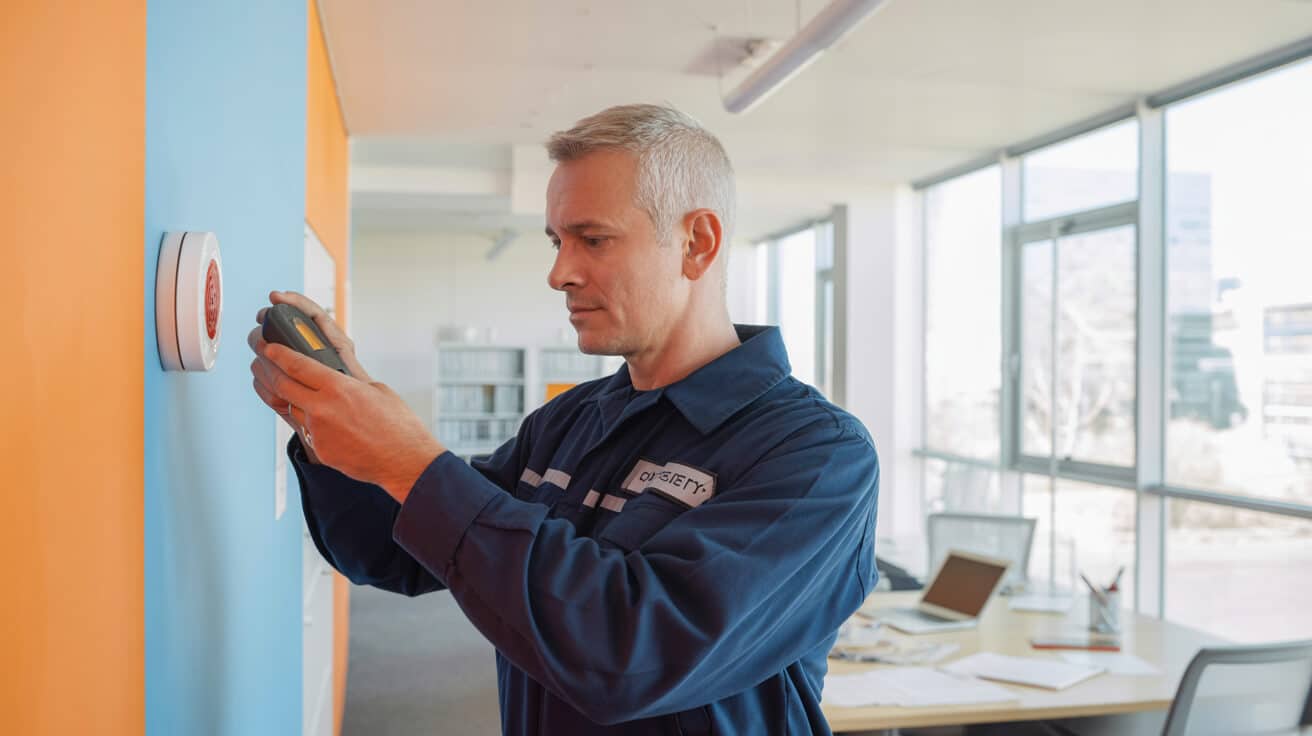
Why Planned Preventative Maintenance (Ppm) Saves Money And Ensures Compliance