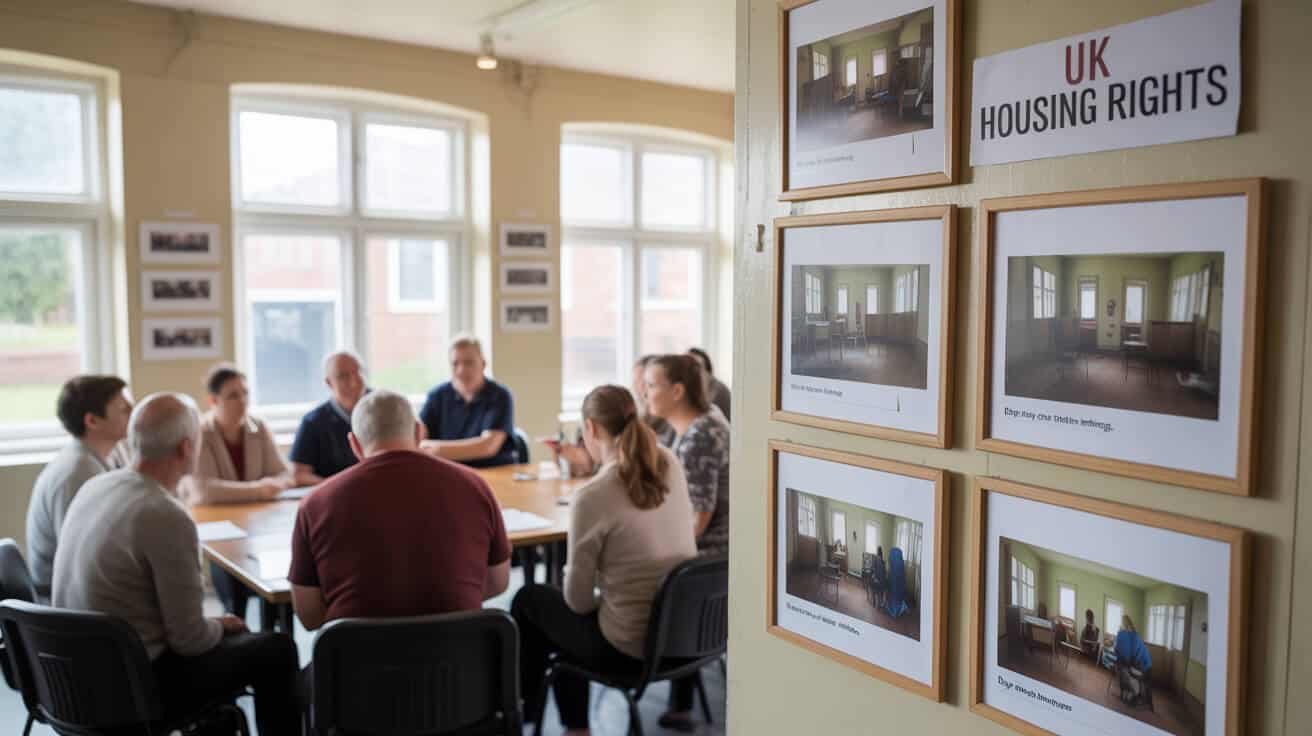
Water Hygiene PPM Services for Offices UK – L8 & Drinking Water
Facilities leaders, commercial landlords and managing agents need office water hygiene PPM that turns L8 and drinking water duties into clear, defensible routines. All Services 4U maps how water flows through your offices, then designs a proportionate planned maintenance regime with flushing, checks and records based on your situation. You finish with a building‑specific scheme of control, agreed responsibilities and evidence that stands up to regulators, insurers and internal scrutiny. It’s a straightforward way to move from uncertainty to a regime you can stand behind.


Author
Izzy Schulman

Turning office Legionella duties into workable PPM routines
For office landlords, property directors and facilities teams, water hygiene is a legal duty that quickly becomes complex. L8, HSG274 and workplace drinking water law set clear expectations, but they do not explain how to turn guidance into weekly tasks across real, occupied buildings.

This is where a structured, building‑specific PPM regime matters. By mapping your water systems, clarifying who controls which assets and defining practical checks, flushing and cleaning, you can reduce Legionella and drinking water risk while staying aligned with UK health and safety expectations.
- Clarify who owns each part of the office water system
- Turn L8 and drinking water duties into simple, repeatable tasks
- Create records that stand up to regulators, insurers and boards
Need Help Fast?
Locked out, leak at home, or electrical issue? All Services 4 U provides 24/7 UK locksmith, plumbing, electrical.
Testimonial & Clients Who Trust Us
With 5 Star Google Reviews, Trusted Trader, Trust Pilot endorsements, and 25+ years of experience, we set industry standards for excellence. From Dominoes to Mears Group, our expertise is trusted by diverse sectors, earning us long-term partnerships and glowing testimonials.
Worcester Boilers

Glow Worm Boilers

Valliant Boilers

Baxi Boilers

Ideal Boilers

Water hygiene PPM for UK offices, aligned to L8 and drinking water law
Water hygiene PPM for offices is about turning your legal duties on Legionella and drinking water into simple, repeatable tasks backed by hard evidence. In the UK that means taking ACoP L8, HSG274 and workplace drinking water law, working out how they apply to your systems, and then running a routine of flushing, temperature checks, inspections and cleaning that you can put in front of regulators, insurers and internal stakeholders without flinching.
The framework for that regime comes from health and safety legislation, the Legionella code of practice (ACoP L8), its detailed guidance HSG274, and the regulations that govern wholesome drinking water in workplaces. These documents set out what duty holders must achieve, but they still need translating into building‑specific tasks that busy teams can actually deliver, week in, week out.
This information is general in nature and is not legal advice; duty holders should always take competent professional advice on their specific situation.
All Services 4U works with commercial landlords, property directors, facilities managers and managing agents to turn those requirements into workable regimes for real office buildings. That means starting with your legal duties, mapping how water actually flows around your offices, and designing a planned preventative maintenance (PPM) schedule that is both proportionate and defensible.
In practice, responsibilities usually sit with several parties. A single‑occupier HQ may hold everything landlord‑side, while multi‑let offices often split duties between freeholder, managing agent and individual tenants. Part of the early work is spelling out who owns which parts of the water system – cores, risers, plant rooms, tenant fit‑out – so your regime lines up with contracts and with who really has control on the ground.
Clear responsibilities and simple routines turn complex water guidance into something that your teams can actually deliver.
What L8 and related guidance really expect in an office
L8 and HSG274 expect you to understand how your office water systems create Legionella risk, appoint a competent “responsible person”, and operate a written scheme of control you can prove is being followed. In an office setting that usually means controlling temperature, avoiding stagnation, keeping systems clean and maintaining a monitoring log that stands up to external scrutiny.
At a high level, the duty holder (usually the employer or person in control of the premises) must ensure that risks from water systems are assessed, that suitable measures are in place to prevent or control those risks, and that those measures are maintained and reviewed. A nominated “responsible person” is normally appointed to manage day‑to‑day implementation, even if specialist tasks are carried out by a contractor.
Alongside this sits the legal requirement to provide safe, wholesome drinking water at work. Public water companies are responsible for water quality at the point of supply, but once water enters your building you must ensure that your systems and fittings do not compromise that quality or create new microbiological risks.
For a typical office this often includes:
- Domestic‑type hot and cold water services feeding washrooms, kitchens and tea points
- Any cold water storage tanks and hot water calorifiers or cylinders
- Showers in changing rooms or end‑of‑trip facilities
- Point‑of‑use coolers, drinking fountains or integrated tap systems
All of these need to be considered in the risk assessment and scheme of control, even if the overall risk is judged low. Where landlord and tenant systems overlap, it helps to mark the boundary so every asset is clearly owned and maintained.
Turning duties into a practical office PPM regime
Turning duties into a working office PPM regime is about converting your written scheme into a calendar of tasks with clear owners, sensible frequencies and reliable records. For hot and cold water in offices, that usually means a mix of flushing, temperature checks, visual inspections and periodic cleaning or disinfection, all documented in a format that can be reviewed quickly.
A compliant PPM regime is simply your written scheme of control turned into planned tasks with clear responsibilities and evidence. For offices, that normally starts with a Legionella risk assessment carried out to an accepted code of practice, supported by up‑to‑date schematics of your water systems.
From there, the written scheme will typically define:
- Control strategy, usually temperature control for hot and cold water
- Target temperatures and acceptable ranges at key points
- How systems will be kept clean and in good condition
- Which outlets are “sentinel” points and which are “little‑used”
- What checks are done, by whom, and how often
- How non‑compliant results are escalated and closed
The PPM schedule then turns this into weekly, monthly, quarterly and annual tasks – such as flushing infrequently used outlets, checking temperatures at sentinel points, inspecting and periodically cleaning storage tanks and calorifiers where present, and reviewing the overall regime at agreed intervals.
All Services 4U takes these concepts and builds a building‑specific schedule that your teams and our engineers can actually follow. Tasks are designed to be realistic for your staffing, occupancy patterns and access constraints, while still aligning with the expectations in ACoP L8, HSG274 and the wider health and safety framework.
If you are unsure whether your current routines really match what L8 and drinking water law expect, this is often the right point to benchmark your regime against a clearer, building‑specific PPM plan.
Business impact when office water hygiene is under‑managed
When office water hygiene is under‑managed, you carry legal, financial and operational risks that usually only surface when something goes wrong. Under‑managing water hygiene does not just breach guidance – it creates exposure that becomes very visible when regulators, insurers or corporate governance take a closer look. Understanding those impacts helps you decide how seriously to treat Legionella and drinking water risk across your office estate and where to prioritise investment.
A single case of Legionnaires’ disease linked to one of your offices can trigger public health investigations, urgent disinfection work and temporary closure of showers or entire floors. Even where no illness occurs, discovering uncontrolled Legionella can require emergency works, retesting and communication with occupiers that disrupt business‑as‑usual.
From a cost perspective, that disruption can quickly outweigh the predictable expense of a well‑designed PPM regime. Temporary relocation of staff, project delays, reputational management and potential civil claims all add up. Insurers and brokers are increasingly focused on whether duty holders can demonstrate robust Legionella control and record‑keeping, and weak water hygiene can influence premiums, excesses or conditions.
If you are not sure how your current water hygiene regime would stand up to formal scrutiny, it is safer to test it now than after an incident forces the issue. In many cases, a structured review with a competent provider is the quickest way to turn concern into a practical risk‑reduction plan.
Operational disruption and financial exposure
Operational disruption and unplanned cost are usually the first consequences you feel when office water systems fail or test badly. Losing showers, washrooms or kitchen points – even for a short time – undermines staff confidence, derails meetings and forces you into hasty workarounds while remedial work is carried out.
In modern offices, hybrid working and dense meeting schedules mean that losing showers, washrooms or kitchen facilities can have disproportionate impact on staff and visitors. Where whole floors or buildings have to be taken out of use for chlorination or remedial works, the knock‑on effect on productivity and customer commitments can be significant.
Financially, you may face:
- Emergency contractor costs for investigation, cleaning and retesting
- Overtime for in‑house teams managing the response
- Costs to provide alternative facilities or relocate staff
- Potential rent concessions or service charge disputes
- Increased future insurance premiums where poor control is highlighted
You can avoid many of these outcomes if your regime is current, proportionate and properly recorded. They become much more likely where risk assessments are out of date, written schemes are generic, and monitoring tasks are not being done or logged consistently.
Legal, insurance and reputational consequences
Poor water hygiene is treated as a mainstream health and safety failing rather than a minor technical oversight. Regulators, insurers and tenants expect you to show how you control Legionella and protect drinking water quality across your office portfolio, not just state that you take safety seriously.
Legionella is now widely recognised as a mainstream health and safety risk. Where duty holders fail to control it, enforcing authorities can issue improvement notices, bring prosecutions and seek substantial fines. Individuals in senior or responsible positions may also be held to account where neglect is proven.
Insurers, lenders and investors routinely ask for evidence of Legionella risk management as part of their due diligence. A weak or missing PPM regime can complicate claims handling or become a point of challenge when insurers review terms.
Reputationally, being associated with a preventable health incident damages trust with staff, tenants and investors. Even if no one becomes seriously ill, public awareness that your building had a water hygiene issue can undermine wider messages about safety, ESG and duty of care.
A robust PPM regime, delivered and evidenced by a competent provider, is one of the most straightforward ways to reduce these risks to a level that stakeholders find acceptable. If you suspect your current arrangements would be difficult to defend in writing, that is usually the point to explore a more structured approach before regulators, insurers or residents force the issue.
Once you understand how fragile under‑managed arrangements can be, the next logical question is what a compliant, practical regime actually looks like for your offices.
Our compliant L8 and HSG274 PPM regime for office water systems
![[ALTTOKEN]](https://allservices4u.co.uk/app/uploads/2026/01/02-Water-Hygiene-PPM-Services-for-Offices-UK-L8-Drinking-Water.png)
A compliant L8 and HSG274 PPM regime for offices combines a competent Legionella risk assessment, a building‑specific written scheme of control and a task schedule that matches how your building is used. The real value lies in one coherent system that links duties, daily checks and evidence so you can answer HSE, insurer or internal audit questions quickly across simple and complex office sites alike.
Once you recognise the risks, the question becomes what a compliant, practical water hygiene PPM regime actually looks like in an office environment. As part of its wider Services for Office, All Services 4U has developed an approach specifically for commercial offices, from low-rise buildings with simple systems to complex multi-storey sites with storage, showers and variable occupancy.
At its core, this regime is built on three pillars: a competent risk assessment, a clear written scheme of control, and a repeatable schedule of tasks that match your building and risk profile.
All Services 4U acts as a single, accountable partner across those pillars. Instead of one company doing a desktop risk assessment, another doing odd‑job flushing and your team trying to patch the records together, we design the control regime, deliver the monitoring and package the evidence in a format your duty holders, auditors and insurers recognise.
For many office portfolios, working with a single, accountable partner is the simplest way to turn guidance into day‑to‑day control you can prove, rather than hoping informal routines are enough.
Risk assessment and written scheme that fit how your building works
Risk assessment and a realistic written scheme are the foundation of an office water hygiene regime you can defend. You need a clear, building‑specific picture of where risk sits, followed by a simple description of how you control it, not another generic template.
A good Legionella risk assessment in an office is more than a tick‑box survey. It should identify every part of the water system, highlight where Legionella could grow or be released, and evaluate existing controls. It will typically cover system design, water temperatures, areas of stagnation, plant condition, occupation patterns and any vulnerable building users.
To be defensible, the assessment should follow a recognised methodology and be carried out by someone with appropriate training and experience. It should feed directly into a written scheme of control that is specific to your building, not simply a generic document.
That written scheme then sets out:
- The control measures you will use, usually temperature control
- What “good” looks like in measurable terms such as temperatures and cleanliness
- The monitoring programme – which outlets and plant to check, how and how often
- Responsibilities – who does what, and who oversees them
- How non‑conformances are handled, escalated and closed out
All Services 4U can carry out or refresh your risk assessment to current best practice, or work from an existing assessment where it is still valid. We then build or refine the written scheme so it is clear, proportionate and implementable by your teams and our engineers, including explicit mapping to landlord, managing agent and occupier responsibilities.
Typical office PPM tasks and frequencies
Typical office water hygiene PPM tasks translate your written scheme into weekly, monthly and annual activities that control temperature, avoid stagnation and keep plant clean. In most buildings that means a steady pattern of flushing, checking and inspection tasks that become part of the normal FM rhythm rather than a separate “project”.
Using the written scheme as a blueprint, the PPM schedule converts control measures into calendar tasks. While specific frequencies must always follow the site risk assessment, most office regimes share some familiar components:
- Regular flushing of little‑used outlets, often weekly
- Routine temperature checks at sentinel hot and cold outlets, typically monthly
- Periodic inspection of hot water plant and any cold water storage
- Cleaning and disinfection of tanks and calorifiers where inspection indicates
- Inspection and maintenance of thermostatic mixing valves for safety and hygiene
- Review of water quality complaints or unusual odours or discolouration
For simple, mains‑fed offices without tanks or showers, the focus may be largely on flushing and temperature monitoring at representative outlets. For more complex buildings, the schedule will expand accordingly.
All Services 4U builds these tasks into a structured PPM programme, with routes, forms and digital records tailored for each site. Internal caretaking or engineering teams can retain tasks that are sensible for them, while our specialists pick up higher‑risk or more technical elements. The same design logic can be rolled out across a portfolio so every building is managed to a consistent standard while still respecting local differences.
If you want to see how your existing schedule compares to a fully L8‑aligned office programme, a focused review of one or two representative buildings is often enough to highlight strengths and gaps.
Why a managed service de‑risks compliance compared with DIY or low‑cost options
A managed water hygiene service de‑risks compliance by putting one accountable partner in charge of design, delivery and evidence, rather than relying on ad‑hoc in‑house routines or basic sample‑only contracts. That shift closes gaps between what your written scheme says, what is actually done on site and what you can prove when someone asks.
Many organisations start by handling water hygiene informally – ad‑hoc flushing by caretakers, occasional temperature checks, perhaps a historic risk assessment filed somewhere. Others rely on low‑cost contractors who do minimal monitoring and leave clients to interpret vague reports. Both approaches can leave significant gaps that only become visible under scrutiny.
A managed L8‑aligned service is about more than sending someone to take readings. It is about creating one coherent system of control that covers roles, tasks, evidence and review so that your regime runs consistently, even when staff, occupancy or plant change.
In multi‑party buildings this is even more important. Landlords, managing agents, single occupiers and serviced‑office providers all sit in the chain. A managed service helps clarify who is responsible for base‑build cores, plant, risers and common parts versus tenant‑installed showers, coolers or tea points, so nothing falls between the cracks.
Where DIY regimes and basic contracts usually fall short
DIY regimes and bare‑minimum water hygiene contracts tend to fail at the same points: unclear responsibilities, patchy asset coverage, inconsistent monitoring and weak records. These weaknesses may not matter day to day, but they become critical when a regulator, insurer or corporate risk team asks for a joined‑up picture of control.
In office portfolios, the most common weaknesses in DIY or minimal‑spec regimes include:
- Unclear allocation of duties between landlord, managing agent, occupier and contractors
- Incomplete asset registers that miss certain outlets, satellite offices or tenant‑installed equipment
- Flushing and temperature checks being done sporadically or without recorded evidence
- Risk assessments not being updated after refits, floor closures or changes in occupation
- No structured process for acting on non‑compliant readings or adverse findings
These gaps often stay hidden until an incident, audit or claim forces you to pull records together. At that point, trying to reconstruct who did what, where and when is slow and uncomfortable.
A managed service gives you a single system and a single set of expectations, so that local variations are controlled rather than guessed at.
How a managed service from All Services 4U changes your risk profile
A managed service from All Services 4U changes your risk profile by giving you a single, named provider who designs the regime, executes the PPM tasks and packages the evidence in a way duty holders can rely on. Instead of hoping that separate suppliers and internal teams stay aligned, you have one system that is reviewed, reported and adjusted as your buildings change.
With All Services 4U as your water hygiene partner, you gain a single point of contact responsible for designing, delivering and evidencing the PPM regime across your offices. We work with you to define which checks stay with your in‑house teams and which sit with us, so that every outlet and plant item is clearly owned.
Key advantages of a managed service include:
- Consistent application of current guidance across all sites
- Coordinated scheduling of tasks to minimise disruption and make efficient use of visits
- Clear escalation routes when readings fall outside agreed thresholds
- Regular summary reporting that highlights trends, gaps and recommended improvements
- Support for accountable persons and duty holders in demonstrating that they have taken reasonable steps to manage risk
Hybrid working and changing space use introduce new challenges – more intermittently used outlets, partial floor occupation, mothballed areas. A managed regime can be adjusted dynamically to reflect these patterns, instead of assuming full five‑day occupancy at every outlet.
The result is less reliance on individual knowledge, more assurance for senior leaders, and a higher level of confidence that you will be able to withstand external scrutiny if it comes. If you suspect your current mix of internal routines and basic contracts would be hard to defend, this is usually the natural point to explore a more structured partnership with a provider capable of owning design, delivery and evidence together.
From there, it becomes important to be precise about the technical scope of that partnership: which parts of your hot and cold water, and which drinking outlets, are actually in view.
Accreditations & Certifications



Technical scope: hot and cold water, drinking outlets and office PPM tasks
![[ALTTOKEN]](https://allservices4u.co.uk/app/uploads/2026/01/03-Water-Hygiene-PPM-Services-for-Offices-UK-L8-Drinking-Water.png)
Technical scope for office water hygiene PPM is about making sure every relevant asset is on the list – not just the obvious plant in plant rooms – and recognising that a strong regime must define both what you do and where you do it, especially in offices where responsibilities are shared and tenants may have installed their own equipment beyond the original design.
A strong water hygiene PPM regime does not just define “what we do”; it defines “where we do it”. For offices, scope can easily become muddled, especially where responsibilities are shared or where tenants have installed their own equipment outside the original design.
The first step is a complete, accurate register of every relevant water asset in each building. That means more than just “the tanks” and “the taps”. It includes risers and loops, hot water plant, showers, washbasins, kitchen sinks, tea points, accessible bathrooms, point‑of‑use coolers, fountains and ice machines.
Hot and cold water systems in office buildings
Hot and cold water systems in offices are usually controlled by temperature and turnover, backed by monitoring data that proves you stay within safe limits. You want hot water hot, cold water cold, and as little stagnation as possible, with plant and pipework designed and maintained to support that goal.
From a Legionella perspective, office hot and cold water systems are typically managed by temperature control. Hot water should be stored and distributed at temperatures that inhibit bacterial growth, and cold water should be kept and delivered low enough that Legionella remains dormant.
The practical details vary by building, but your PPM regime should ensure that:
- Storage tanks, where present, are appropriately sized, insulated, kept clean and inspected
- Hot water generators and calorifiers are maintained to avoid scale, sludge and dead zones
- Sentinel outlets – often the first and last taps on each circuit – are checked regularly
- Known problem areas with low turnover or dead legs are identified and managed or altered
Thermostatic mixing valves, widely used in offices to balance scald protection with comfort, introduce an additional piece of plant that must be inspected, cleaned and adjusted as part of the regime.
Drinking water, coolers and kitchen points
Drinking water, coolers and kitchen points need their own maintenance and hygiene routines so that staff and visitors trust what comes out of the tap or dispenser. Your regime should distinguish mains‑fed units from tanked or bottled systems, set cleaning and philtre‑change intervals, and check backflow protection so equipment cannot contaminate the wider system.
Safe, palatable drinking water is a basic expectation in offices. While the public supply is tightly regulated, internal fittings and equipment can compromise quality if they are poorly designed or maintained.
A thoughtful PPM regime will:
- Identify all sources of drinking water, including taps, fountains and coolers
- Distinguish mains‑fed units from bottled or tank‑based systems
- Define cleaning routines, philtre‑change intervals and descaling requirements
- Include checks that backflow prevention measures are in place and effective
All Services 4U includes these elements explicitly within scope, rather than treating them as an afterthought. Engineers record maintenance and hygiene checks for drinking water equipment alongside broader Legionella controls, giving you a single view of water system performance. This also makes it easier to answer tenant or staff questions about drinking water quality with factual, recent data rather than reassurance alone.
Evidence, standards and assurance you can show to HSE and insurers
Evidence, standards and assurance are what turn a water hygiene regime from “we think we are compliant” into “we can show how we manage this risk”: in offices that means being able to produce risk assessments, schemes, logs and closure records quickly, and from a risk and governance perspective the quality of those records is almost as important as the quality of the controls themselves.
From a risk and governance perspective, the quality of your records is almost as important as the quality of your controls. Regulators, auditors, insurers and internal risk committees all ask the same core questions: what is your plan, what have you actually done, what did you find, and how did you respond?
An office water hygiene regime that cannot answer those questions quickly and clearly is unlikely to be judged robust. Many organisations tried to manage this with paper logbooks and spreadsheets, but those tools usually struggle under portfolio‑wide or long‑term use.
The strongest reassurance you can give stakeholders is a simple storey backed by consistent records.
Building an auditable data trail
An auditable data trail for office water hygiene allows you to trace every check, reading and remedial action without hunting through paper files or scattered spreadsheets. For any outlet or plant item, you should be able to see when it was last checked, what was found and what was done if something was out of tolerance.
An auditable data trail means that for each monitored outlet or asset you can see, at a glance:
- The date and time of the last check
- Who carried it out
- The readings or observations recorded
- Any non‑compliance identified
- What remedial action was taken and when it was closed
Paper logbooks and ad‑hoc spreadsheets can work in a single building with a small team, but they tend to break down across multi‑site estates or when staff change.
All Services 4U uses structured, digital reporting to capture PPM tasks and results in a standard format. This makes it easier to demonstrate completion of planned tasks across your offices, prove that non‑conformances are being managed rather than ignored, generate summary reports for board packs, audits or insurance reviews, and maintain continuity when teams or service arrangements change.
The data remains accessible to duty holders and responsible persons, not locked away in proprietary systems.
Satisfying regulators, auditors and insurers
Regulators, auditors and insurers are primarily looking for alignment with recognised guidance and a pattern of control over time, not perfection. They want to see current risk assessments, a scheme that makes sense for your buildings, monitoring records that match that scheme and a clear storey about how you respond when things are not as they should be.
Beyond raw data, stakeholders look for alignment with recognised standards and good practice. That means being able to show:
- Current risk assessments and written schemes that reference the relevant guidance
- Schematics that match the building as it stands today, not as it was several refits ago
- Monitoring and inspection records that reflect the risk assessment’s recommendations
- Evidence that the regime is reviewed and updated periodically
- Where sampling has been carried out, clear interpretation and documented follow‑up
Insurers in particular want to see that your controls make an incident less likely and that your response would limit impact. A structured regime and clear records make those conversations much more straightforward.
By designing PPM programmes to mirror the expectations of health and safety regulators and insurers, and by packaging evidence in a way that is easy to review, All Services 4U helps you move from “we think we are compliant” to “we can show how we manage this risk” when it matters.
Pricing, contract models and low‑friction ways to get started
Pricing and contract models for water hygiene PPM should make it simple to move from recognising a gap to closing it across your office estate, matching scope and cost to how you budget and recover charges while allowing you to start with a single building and scale to a portfolio‑wide regime without starting again, even when internal processes are slow.
Even when the case for a stronger water hygiene regime is clear, budgets and procurement processes can slow decisions. A transparent, flexible commercial model makes it easier to move from intent to implementation and to explain those choices to boards, investors and service charge payers.
For some clients a simple per‑building price works best; for others, pricing per outlet or per system component gives clearer linkage to scope. Portfolio‑banded pricing can make sense where you manage many similar offices and want predictable spend over several years.
Transparent pricing and contract options
Transparent pricing for water hygiene PPM should make it obvious what is included, how extra work is handled and how charges relate to the size and complexity of your buildings. Whether you prefer a per‑building, per‑outlet or portfolio‑banded model, the important point is that you can see how scope, risk and price connect.
When you explore options with All Services 4U, the focus is on aligning scope and pricing with how you hold budgets and recover service charges. That includes discussing:
- Whether pricing should be per building, per outlet, per visit or on a portfolio banding
- How reactive call‑outs and remedial works will be handled alongside planned tasks
- How responsibilities between landlord, managing agent and occupier will be reflected contractually
- What reporting and KPI commitments you need written into the agreement
Clarity about exclusions and assumptions reduces the risk of later disagreement. The goal is a pricing model you can explain and defend to internal decision makers and external stakeholders.
Low‑risk engagement paths and pilots
Low‑risk engagement paths let you test a managed PPM regime on a small scale before you commit portfolio budget. The goal is to see how well the service fits your buildings, teams and governance expectations, using a single building or small group as a live proof of concept.
Many organisations prefer to prove the model on a small scale before committing more widely. To support that, All Services 4U can start with:
- A focused document and data review for one or two representative offices
- A pilot PPM programme across a limited number of buildings, with clearly defined success criteria
- A one‑off independent check of your existing arrangements, feeding into your next procurement cycle
These options give you real‑world evidence of service quality, communication and disruption levels without requiring an immediate portfolio‑wide contract. They also help you refine scope and expectations so that any subsequent tender or framework is anchored in experience, not theory.
If budgets are tight or your internal stakeholders are cautious, a well‑defined pilot is often the easiest way to build confidence and move the conversation from “should we?” to “how do we scale this?”.
Reliable Property Maintenance You Can Trust
From routine upkeep to urgent repairs, our certified team delivers dependable property maintenance services 24/7 across the UK. Fast response, skilled professionals, and fully insured support to keep your property running smoothly.

Book Your Free Consultation With All Services 4U Today
All Services 4U offers a free consultation so you can quickly benchmark your current office water hygiene regime against L8, HSG274 and workplace drinking water expectations. The outcome is clearer insight into your real risk position and a shortlist of practical next steps, whether you decide to work with us or not.
In a typical 30–45 minute call the discussion will focus on a small sample of your documentation – such as a recent Legionella risk assessment, your current PPM schedules and a set of temperature or flushing logs – and how they compare with current guidance and common office practice. The aim is not to criticise, but to give you a clear sense of where you are strong and where you may have blind spots.
What happens during your consultation
During your consultation we will focus on how your buildings work today and how your current water hygiene regime supports or exposes you. Both the paperwork and the practical realities of occupation, resourcing and existing contractor arrangements are considered so the advice fits your situation.
During the consultation we will usually:
- Clarify your role and responsibilities, for example landlord, managing agent, occupier or FM
- Discuss how your offices are occupied and used, including any hybrid working patterns
- Review how your current PPM tasks were set and how they are recorded
- Explore any recent audits, inspections or incidents that are driving concern
By the end of the session you will have a short list of practical options – which might include leaving some elements as they are, tightening specific tasks or records, or planning a more detailed review where needed.
Choosing the right first step for your estate
Choosing the right first step for your estate depends on your risk appetite, internal capacity and any immediate pressures from regulators, insurers or corporate governance. The consultation is designed to surface those factors so you can decide on a proportionate, defensible path rather than guessing.
After the call you can decide what, if anything, you want to do next. Common first steps include:
- Commissioning a refreshed risk assessment and written scheme for a priority building
- Piloting an All Services 4U PPM schedule in a small group of offices
- Asking us to work with your existing FM or managing agent to refine their current regime
You remain in control throughout. The value of the consultation is simply to replace uncertainty with clarity, so that any decision you make about water hygiene PPM – whether that is to change, to invest or to retain the status quo – is informed, proportionate and aligned with your responsibilities.
If you are responsible for office buildings in the UK and want confidence that your water systems are being managed in line with L8, HSG274 and drinking water expectations, a short conversation with All Services 4U is often the most efficient way to align this work with broader Services for Office buildings and turn “we hope we are compliant” into “we can show how we manage this risk”.
Frequently Asked Questions
Explore our FAQs to find answers to planned preventative maintenance questions you may have.
How should a UK landlord or owner really think about “fixing maintenance” when they’re fed up with contractors?
You fix maintenance by changing the operating model from “jobs and call‑outs” to “risk, law, evidence and asset value” – not by swapping one cheap firm for another.
What does “changing the model” look like for a landlord or owner?
Right now, a lot of landlords are still buying maintenance as:
- isolated jobs with no history,
- “mate’s rates” that look good until an insurer or tribunal asks questions,
- documents buried in inboxes that nobody can reconstruct a year later.
A healthier model starts from four landlord‑level questions:
What risk is this controlling?
Fire, damp and mould, electrical safety, water hygiene, structure, roof, security, access.Which duty sits under it?
Landlord & Tenant Act 1985 s.11, HFHH Act 2018/Awaab’s Law, Fire Safety Order, Gas Safety Regs, PRS EICR rules, ACoP L8, CAR 2012, plus relevant Building Regulations Parts (A, B, C/F, G/H, J, L, M, P, Q).Where does the proof live?
Time/geo‑stamped photos, certs (EICR, CP12, L8, FRA, asbestos, roof reports), logs, S20 file, claim dossier.How does this affect claims, mortgageability and value?
Will this be acceptable to an insurer, lender, valuer or tribunal if something goes wrong?
When you anchor every repair and every PPM task to those four questions, you stop thinking “Can I get this cheaper?” and start thinking “Is this defensible if someone puts my building under a microscope?”
That’s the gap a partner like All Services 4U is built to fill. Our teams are briefed in the language of risk, statute and Building Regs, not just “reactive jobs”. Every visit is scoped against a standard, recorded with minimal viable evidence, and filed in a structure you can actually use when an insurer, lender, RTM board or solicitor asks you to prove your storey.
If your instinct today is “this whole thing feels chaotic and risky,” you’re not being dramatic – you’re picking up exactly what insurers and regulators are already seeing in too many portfolios.
How do you recognise that existing Tier‑2 contractors are quietly putting your insurance and asset value at risk?
You recognise it when everyday annoyances – no‑shows, scrappy paperwork, inconsistent advice – line up with evidence gaps in the exact places insurers, valuers and solicitors look first.
What early warning signs should a landlord take very seriously?
There are patterns that almost always show up before a claim gets refused or a dispute snowballs:
- Evidence that doesn’t hang together:
- EICR, CP12, L8, FRA, roof surveys and fire‑door checks all exist “somewhere”, but not indexed by property, asset and job.
- Job sheets that say “fixed leak” with no location, photos, readings or part details.
- Compliance drifting out of date:
- FRAs older than 3 years with major building changes in between.
- FRA actions copied from report to report without closure evidence.
- EICRs and CP12s allowed to slip a year or two beyond recommended cycles “until we get around to it”.
- Insurance friction before anything actually breaks:
- Surveyors or brokers starting to talk about “concerns” with fire, roofs or water, but you can’t answer quickly with organised logs.
- Renewal questionnaires that feel harder to complete because you’re guessing, not reading from a live binder.
- Leaseholder and resident signals:
- Recurring complaints about the same issues – leaks, damp, failed doors, lift breakdowns, heating outages.
- Pushback on Section 20 because cost, scope and evidence don’t hang together.
- Contractor behaviour that doesn’t match the risk:
- Different engineers giving conflicting diagnoses for the same plant or defect.
- Quotes that can’t be tied back to a specific FRA action, law or Building Regs Part.
- No mention of insurer conditions precedent (like BS 3621 locks, roof inspections or weekly alarm logs).
If you search for phrases like “landlord insurance claim denied repairs” or “Section 20 tribunal landlord evidence”, you’ll find the same storey on repeat: the owner thought it was “just admin” until the day they had to defend their position.
A contractor upgrade is only real if the new partner can close those gaps by design, not as a favour. That’s why a lot of landlords start by giving All Services 4U one building as a live test rather than trying to force old‑school suppliers to behave differently for another year.
How can you turn repairs and PPM into tools that actually protect insurance claims and refinancing?
You do it by treating every job as a compliance and evidence event, not just a “fix”. The technical outcome is “asset restored to safe working order”; the landlord outcome is “asset restored, evidenced and filed in a way that stands up under scrutiny.”
What does “evidence‑first” maintenance look like in real life?
On a single visit – whether it’s a leak, a CP12, an alarm service or a fire‑door remedial – you want:
- Scope tied to duties, not just symptoms:
- “Roof ingress affecting Flat 3B: Part A (structure), LTA s.11, HFHH/Awaab, insurer escape‑of‑water clause x.y, HHSRS damp/mould hazard.”
- Minimal viable evidence captured every time:
- Before/after photos with time/geo stamps.
- Relevant readings: Zs/IR and test IDs for EICR, gas combustion figures for boilers, water temps for L8, moisture readings for damp.
- Job ID mapped to the exact asset (e.g. “Boiler B‑02, Block C”).
- Competence traceability:
- Named engineer with the correct card or registration: Gas Safe, NICEIC/NAPIT, BAFE, L8 training, IRATA for height, etc.
- This matters when an insurer or expert witness asks “Who did what and were they competent?”
- Structured filing by property and asset:
- Property → Asset → Job structure with clear tags:
- Risk type (fire, damp, electrical, water, structure, security).
- Law/standard (FSO, HFHH, LTA s.11, ACoP L8, BS 7671, relevant Parts A–Q).
- Downstream use (Insurer / Lender / Section 20 / Disrepair defence).
Over 12–24 months, that cadence gives you:
- an insurer dossier that shows conditions precedent are met and tested: fire alarm and EL logs, FRA actions, roof/gutter evidence, security hardware to BS 3621/TS 007/PAS 24, gas and electrical compliance, L8 regime;
- a lender dossier that supports mortgageability and refinancing: EWS1 where required, FRA action closure, up‑to‑date EICR/CP12, EPC/MEES pathway, structural reports;
- a tribunal and complaint defence pack for Section 20, disrepair and ombudsman cases: timelines, diagnoses, works completed, communications and rationale anchored to statute and best practice.
All Services 4U’s model is built around that. The same attendance that clears a leak, replaces a cylinder or adjusts an AOV is also populating your compliance and evidence binder – without you having to micromanage it.
If you want maintenance to start protecting your income and exit value instead of just eating into it, this “evidence‑first” lens is non‑negotiable.
What is the most practical way to reset your maintenance regime when you’ve inherited a mess of partial records and legacy contractors?
You reset it with a targeted evidence and risk audit on a small slice of the portfolio – not by trying to reconstruct every historical job or restarting from scratch.
How does a realistic 60–90‑day reset work for a landlord?
Pick two buildings:
- one “problem child” that already worries you (damp, FRA actions, leaks, complaints);
- one “typical” block that represents the majority of your portfolio.
Then walk them systematically through four passes:
- Compliance status snapshot
- FRA age and action tracker.
- EICR and CP12 currency.
- L8 risk assessment and log quality.
- Asbestos survey and register.
- Roof/gutter inspection cadence.
- Fire doors/compartmentation, lifts, MEES/EPC where relevant.
- HRB/Safety Case/Gateway requirements if applicable.
- Evidence completeness assessment
- For each area above, can you quickly produce:
- the latest cert/report,
- logs or test sheets,
- photos and diagrams,
- clear link between findings and remedials?
- Contractor and process performance review
- Who is meeting SLAs with usable evidence?
- Who is generating repeat faults, vague reports or missing documents?
- Where are scopes consistently light on law/Part references?
- Financial defensibility
- What have you actually spent in the last 12–24 months?
- Could you explain that spend to a valuer, insurer or tribunal and tie it to identifiable risks and duties?
From that single slice you can:
- identify and retire chronic underperformers;
- consolidate with one or two evidence-strong multi‑trade partners;
- plug the worst gaps (e.g. FRAs not updated post‑refurb, no recent roof evidence, EICR overdue);
- and lay out a phased route from “messy but survivable” to “audit‑ready and portfolio‑wide”.
All Services 4U can run that diagnostic as a bounded, fixed‑scope engagement, not an open‑ended consultancy project. You get a simple “safe / exposed / unknown” matrix with a stepped plan attached.
If you’ve been putting this off because it feels overwhelming, letting a specialist handle the first 20% of the work on two buildings is often enough to break the inertia and give you a pattern you can roll out.
How do you choose a maintenance partner who can actually operate at landlord level, not just do jobs on a workorder list?
You choose by asking, “Would I be comfortable putting this partner in front of my insurer, lender, regulator or tribunal as part of my defence?” If the honest answer is no, they’re not truly fit for landlord‑level work.
What should you test for beyond daily rate and response times?
You can philtre fast by checking five things:
- Regulation‑literate scoping:
- Do their proposals and reports talk fluently about LTA s.11, HFHH and Awaab’s Law, Fire Safety Order, Gas Safety Regs, PRS EICR rules, ACoP L8, CAR 2012, and the relevant Building Regulations Parts (A–Q)?
- Or do you just see “survey”, “general remedial” and “labour + materials” with no duty mapping?
- Evidence discipline as default, not extra:
- Can they show you anonymised examples where every job or programmed visit includes photos, readings, certs, asset IDs and law/standard references?
- Is their filing structure so clear that a solicitor, valuer or auditor could follow it without a phone call?
- Hybrid Tier‑1 / Tier‑2 capability:
- Can they design and maintain compliance and PPM calendars (FRA, EICR, CP12, L8, roofs, doors, lifts, MEES, HRB milestones), or do they need someone else to tell them what to do and when?
- Do they actually deliver multi‑trade works – fire, gas, electrics, water, envelope, fabric – or just one narrow slice?
- Portfolio‑level thinking:
- Are they comfortable talking in terms of portfolios – claims frequency, repeat fault patterns, insurer requirements, refinancing timelines – rather than just single repairs?
- Do they offer reporting and dashboards that summarise by site and by risk category for asset and finance teams?
- Behaviour with residents and boards:
- Are front‑line staff DBS‑checked and trained for resident interactions?
- Can they write board‑safe summaries and resident‑friendly notes so you aren’t rewriting everything yourself?
All Services 4U is designed to tick those boxes: engineers trained to capture evidence, planners who understand statutory and Regs overlays, and back‑office processes that organise everything by site and risk. That’s what it looks like when a contractor is genuinely safe to stand next to your name in front of an insurer or tribunal.
A useful practical test: ask any prospective partner for three anonymised packs – a fire door/FRA remedial file, a damp/mould case from report to closure, and a roof/escape‑of‑water claim bundle. If you wouldn’t be comfortable handing those straight to a broker or solicitor, you have your answer.
How can a landlord or owner move from one frustrated call at a time to a simple, repeatable, scalable maintenance system?
You move from reactive firefighting to a simple operating system that aligns partners, calendars, evidence and decisions around the risks that actually drive your income and valuation.
What are the essential components of a scalable property maintenance model?
Most landlords don’t need fancy theory; they need four solid pieces working together:
- A live, risk‑based compliance calendar:
- FRA (with action tracking), EICR cycles, CP12, L8, asbestos, roof and gutter inspections, fire doors, lifts, MEES/EPC, HRB Safety Case and Gateway events where needed.
- Nothing booked “ad hoc”; everything visible on one coherent view.
- A standard evidence architecture across the portfolio:
- The same simple indexing everywhere: Site → Asset → Job, with consistent tags for risk category, law/standard, and downstream use (Insurer, Lender, S20/Tribunal, Safety Case).
- No more guessing where a particular bit of proof lives.
- A clear division of roles and responsibilities:
- Landlord/owner: risk appetite, capital decisions, delegation and DoA, oversight.
- Managing agent/PM: day‑to‑day orchestration, resident and leaseholder communication.
- All Services 4U: design and execution of PPM and reactive works, statutory and Regs alignment, evidence capture and binder upkeep.
- Short feedback loops that drive decisions, not just reports:
- Monthly or quarterly sessions that don’t just show graphs, but explicitly cover:
- SLA delivery and problem categories;
- repeat faults and root causes;
- complaint trends and damp/mould hot spots;
- insurance interactions (surveys, claims, premium shifts);
- where to change cadence, scope or strategy.
Once these elements are in place, you’re no longer trapped in the pattern of “angry call → urgent job → new invoice”. You’re running a system that makes you look organised and credible to RTM boards, residents, insurers, lenders and regulators – even when things go wrong.
If that’s the level you want your portfolio to operate at, you don’t have to flip everything in one go. Many landlords start by picking one risk theme and one or two buildings – for example, fire and damp on the worst‑performing block and a typical block – and giving All Services 4U a 60–90‑day window to run this model.
When you can see, in black and white, how that changes your evidence position, your complaints, and your conversations with brokers or valuers, rolling it across the rest of your stock stops feeling like another headache and starts looking like the most straightforward way to defend your income and your asset value.
- Turning office Legionella duties into workable PPM routines
- Water hygiene PPM for UK offices, aligned to L8 and drinking water law
- Business impact when office water hygiene is under‑managed
- Our compliant L8 and HSG274 PPM regime for office water systems
- Why a managed service de‑risks compliance compared with DIY or low‑cost options
- Technical scope: hot and cold water, drinking outlets and office PPM tasks
- Evidence, standards and assurance you can show to HSE and insurers
- Pricing, contract models and low‑friction ways to get started
- Book Your Free Consultation With All Services 4U Today
- Frequently Asked Questions
- Related PPM Services
Case Studies


Related Articles

Your Guide To Identifying And Treating Minor Mould Outbreaks
Why Planned Preventative Maintenance (Ppm) Saves Money And Ensures Compliance