Mechanical PPM Services UK – Pumps, Motors & Plant Room
Facilities and property managers in the UK use mechanical PPM services to keep pumps, motors and plant rooms reliable, instead of firefighting failures and complaints. Clear asset registers, defined tasks, agreed frequencies and structured visit reports turn maintenance into a controlled process, depending on constraints. You end up with traceable readings, photos, defect priorities and explicit roles and exclusions, so risk, scope and next actions are visible and owned. It’s a practical way to cut unplanned downtime while knowing exactly what your provider is doing.



Author
Izzy Schulman

Mechanical PPM that makes plant room risk visible
For UK facilities and property managers, mechanical plant can appear fine right up to the week a booster, circulator or sump pump fails. The result is loss of water, heating or cooling, emergency call‑outs and complaints from occupiers and stakeholders.
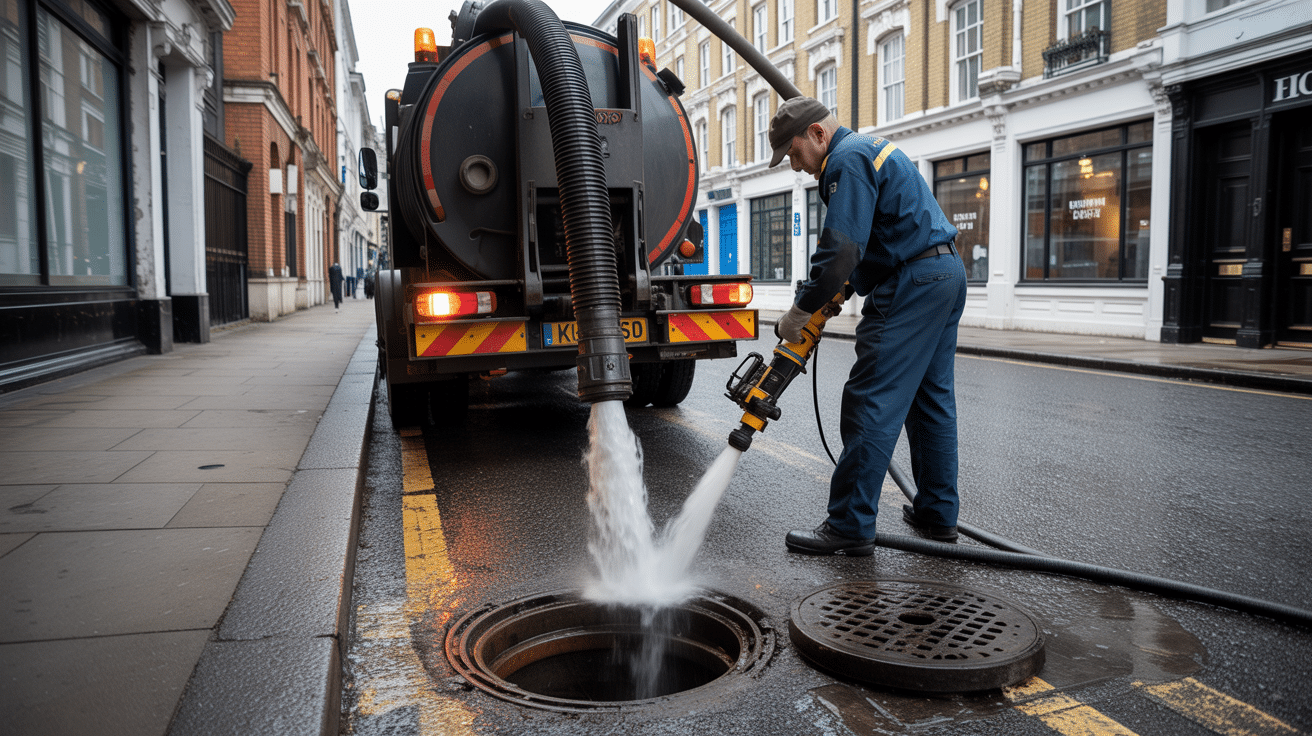
Structured mechanical PPM changes that by defining assets, tasks, frequencies and outputs before anyone prices the work. With each visit leaving readings, photos, defect priorities and clear boundaries, you can see how well your plant is protected and where your current regime leaves avoidable gaps.
- Cut unplanned plant failures, water damage and comfort loss
- See exactly what each visit checked and measured
- Buy PPM with clear scope, roles and exclusions upfront
Need Help Fast?
Locked out, leak at home, or electrical issue? All Services 4 U provides 24/7 UK locksmith, plumbing, electrical.
Testimonial & Clients Who Trust Us
With 5 Star Google Reviews, Trusted Trader, Trust Pilot endorsements, and 25+ years of experience, we set industry standards for excellence. From Dominoes to Mears Group, our expertise is trusted by diverse sectors, earning us long-term partnerships and glowing testimonials.
Worcester Boilers

Glow Worm Boilers

Valliant Boilers

Baxi Boilers

Ideal Boilers

Mechanical PPM for Pumps, Motors & Plant Rooms (UK): What It Is, Where It Stops, and What “Good” Looks Like
Mechanical PPM is the planned, scheduled work that keeps plant reliable, instead of waiting for it to fail in the worst possible week.
You line it up against a clear asset list, agree the tasks and frequencies, then run visits that follow a safe method, capture readings, and leave a clean trail of what was found and what was done. Reactive repairs and call‑outs still happen, but they become controlled exceptions, not the only way anything gets fixed.
In practice you are managing three layers:
- PPM: – planned inspections, servicing, functional tests and minor adjustments.
- Corrective remedials: – repairs or replacements that follow from defects found during PPM.
- Reactive: – unplanned response when something fails or a risk appears.
“Good” mechanical PPM in a plant room shows up in outcomes: pumps start and stop when they should, duty/standby rotation works, alarms operate and are acknowledged, isolations are usable, and access routes stay safe and clear. You are not relying on “we were told it was serviced”; you can see it in the records.
Every visit should leave you with at least:
- Clear asset identification and location.
- “As found / as left” notes for each asset.
- Key readings (for example, pressures, motor current, temperatures, run hours).
- Photos that show identity, condition and work done.
- Defects with a priority and recommended action, plus next‑due dates.
All Services 4U builds mechanical PPM for pumps, motors and plant rooms around that simple idea: you can see what was checked, what was measured, and what happens next, rather than a generic “service carried out” line. If you want an external view, you can ask for a review of your current schedules and reports, including motor maintenance, to make it clear where they protect you and where they leave avoidable gaps.
Risk and Cost Without Effective PPM: Breakdowns, Water Damage and Comfort Loss
Mechanical plant will often run for a while even with weak PPM, but the real costs arrive later in downtime, disruption and complaints.
When a booster set fails, you lose water pressure. When a heating pump fails, you lose heating in the coldest week. When a sump pump fails, you face a flooded basement or lift pit. Alongside direct repair costs you carry loss of service, overtime, awkward access and reputational damage with occupiers and stakeholders.
In a multi‑storey residential block, a booster failure on a Monday morning means hours arranging temporary supplies and fielding calls. A basic set of pump readings, taken and trended in advance, often shows you the developing problem long before you reach that point.
A quick way to spot “paper servicing” is to take a recent report and look for:
- No readings at all, or readings recorded only as “OK”.
- Vague comments that re‑appear each visit instead of unique defect IDs.
- No “as left” notes or closure evidence for previous defects.
Where PPM is weak, you also tend to see higher energy use and noise: pumps work harder against clogged strainers, misaligned sets chew through bearings and seals, and controls run everything at full speed because nobody has checked setpoints in months.
There is also a safety angle. Planned PPM lets you set up isolations, permits and access control in advance. Emergency work, done under time pressure in a cramped plant room, increases the chance that someone takes a shortcut with isolation, lifting or temporary pipework.
The decision you are really making is how much unplanned risk you are prepared to carry. Once you are honest about the consequence of losing heating, cooling, or water pressure in each building, it becomes much easier to justify task depth and frequency for the assets that matter.
Buying Mechanical PPM in UK FM: Scope, Roles, Frequencies and Boundaries
![[ALTTOKEN]](https://allservices4u.co.uk/app/uploads/2026/01/02-Mechanical-PPM-Services-UK-Pumps-Motors-Plant-Room.png)
Mechanical PPM contracts go wrong far less often when the scope is clear and written down before anyone prices it.
A useful pattern is:
- Asset register: – which pumps, motors, pressurisation sets, vessels, valves, strainers, AHUs and related plant are in scope.
- Tasks: – what is done to each asset type on each visit.
- Frequencies: – how often those tasks are carried out.
- Outputs: – what you receive after each visit and each reporting period.
If you simply buy “plant room maintenance” as a single line, you usually discover at the first failure that nobody agreed who owns isolations, permits or weekend attendance. A scoped register, task list and output definition removes that ambiguity before it starts.
You then make roles explicit: who will arrange access and book isolation windows, who issues and closes permits, who talks to residents or occupiers, and who signs off remedial quotes and completion.
Exclusions should be written in plain language so that nobody is surprised later. Typical exclusions are:
- Parts and major component replacements.
- Out‑of‑hours and emergency call‑outs.
- Statutory inspections done by a separately appointed competent person.
- Specialist services such as water hygiene sampling or detailed controls strategy re‑writes.
Frequencies should not be “because we have always done it that way”. In practice they are set by manufacturers’ guidance and then adjusted for criticality, environment, water quality and usage patterns. Highly critical plant running long hours in a harsh environment justifies more frequent checks than secondary plant on a light‑duty schedule.
You should also expect the provider to be explicit about competence: what training and experience their engineers have with rotating equipment, plant rooms and safe systems of work, and how they are supervised and audited.
When you can see assets, tasks, frequencies, outputs, roles and exclusions on one page, it becomes much easier to approve a proposal and know what you are actually buying.
Pump PPM: Circulators, Booster Sets and Sumps
Effective pump maintenance is about measurements and trends, not just looking for leaks and listening for noise.
What we check on each visit
For circulation pumps, booster sets and sump pumps, a typical visit will include:
- Visual condition: leaks at seals, glands and flanges; corrosion; unusual noise or vibration.
- Operating status: which pump is running, which is standby, whether duty/assist/standby logic is working.
- Mechanical checks: condition of couplings, guards and mountings; obvious misalignment or soft foot; strainers accessible and serviceable.
- Functional tests where safe: start/stop commands, duty changeover, level or pressure controls, and alarm signals.
What we measure and record
To make those checks useful over time, engineers should record key data points such as motor current on each phase, suction and discharge pressures where gauges or tappings exist, run hours where counters are available, and any installed temperature or vibration indicators. Notes on strainer condition and whether it was cleaned turn a simple “OK” into something you can trend.
These readings let you see patterns. Rising current can point to hydraulic or mechanical loading; falling pressure at the same speed can suggest wear or air; increasing noise can tie back to cavitation or misalignment.
Failure modes PPM should catch early
Good pump PPM is designed to intercept:
- Cavitation signs before impellers are badly damaged.
- Progressive seal leakage before it becomes a shaft or bearing failure and a slip hazard.
- Bearing issues before they seize and damage the shaft.
- Strainers clogging before they cause loss of flow or drive energy use up.
- Duty/standby not rotating, so the standby is not a surprise failure when finally called upon.
All Services 4U builds pump routines around those patterns so you see early warnings in the report, instead of finding out at two in the morning when a system has already stopped.
Accreditations & Certifications








Motor & Drive PPM: Alignment, Lubrication and Condition Checks
![[ALTTOKEN]](https://allservices4u.co.uk/app/uploads/2026/01/03-Mechanical-PPM-Services-UK-Pumps-Motors-Plant-Room.png)
Pump reliability depends heavily on how its motor and drive are treated from day one.
A solid motor and drive routine usually includes:
- Alignment and soft‑foot checks: so the motor and pump shafts are colinear and the base is stable.
- Bearing condition checks: using temperature, noise and feel, with lubrication adjusted to the manufacturer’s instructions.
- Basic condition indicators: , such as portable vibration readings or installed condition‑monitoring outputs where available.
- Drive checks: , confirming that variable‑speed drives or starters are set and operating as intended, and that alarms are working.
All of this, including motor maintenance, sits on top of safe electrical practice. Equipment should be isolated, locked off and proved dead before covers are removed or couplings disturbed. Live work around motor terminals and control panels is tightly controlled in UK legislation; it should be exceptional, justified, and done by people who are trained and authorised.
You should expect your PPM provider to describe how their mechanical and electrical teams interface: who owns which tests, how isolations and permits are handled, and how joint defects are raised and closed. That stops issues sitting “between scopes” where nobody feels responsible.
When the routine is described clearly in your scope and reflected in the visit reports, it becomes easier to see how a repeated pump fault connects back to a deeper motor, drive or alignment issue, and to fix the cause instead of chasing symptoms.
Plant Room PPM Scope: Pressurisation, Expansion, Valves, Strainers, AHUs and Controls
A plant room is more than just pumps and motors; the supporting plant often decides how reliable the whole system feels.
Pressurisation sets and expansion vessels need regular functional checks, alarm testing and, at appropriate intervals, verification that their settings and pre‑charge pressures are still correct. If they drift, you tend to see relief valves lifting, frequent top‑ups, air problems and noise throughout the system.
Valves and strainers are another common blind spot. Key isolating, non‑return and pressure‑control valves should be identified and, where justified by criticality, exercised and inspected. Strainers should be inspected and cleaned to a pattern that reflects both early life (after commissioning or dirty works) and steady state, using differential pressure or visual checks to avoid both clogging and unnecessary interventions.
Air handling units and associated plant sit partly in mechanical scope and partly in other disciplines, but basic mechanical tasks such as checking belts, pulleys, bearings, philtres, and condensate drainage have a clear impact on complaints and hygiene. Frequencies are set by environment and occupancy; a dirty, high‑load area needs more attention than a light‑use office.
Controls and building management system interfaces tie the whole plant together. A sensible mechanical PPM programme will at least verify that the main enable signals, interlocks, alarms and lead/lag logic behave as expected during its functional tests and will raise defects where they do not, even if detailed controls work is handled by a separate specialist.
Across all of these assets, reports should follow a common pattern: asset identity, checks performed, readings taken, any deviations from expected behaviour, and clear actions raised for anything that needs attention. That consistency is what lets you scan a stack of reports quickly and still trust what you are seeing.
Compliance Duties and Evidence: What PPM Supports and Where Statutory Regimes Sit
Mechanical PPM supports your duties under health and safety and work‑equipment law to maintain equipment, inspect it at sensible intervals and keep records you can stand behind.
Specific statutory regimes also sit over particular parts of the plant room. Examples include:
- Written Schemes of Examination for qualifying pressure systems, where an appointed competent person sets the nature and frequency of examinations for certain vessels, safety devices and pipework.
- Lifting regulations where hoists, chain blocks or cranes are used for pump or motor removal and replacement.
- Water hygiene controls where systems can support and spread legionella risk.
- F‑gas rules where chillers or heat pumps use refrigerants that fall in scope.
Your PPM provider should be clear about what their work supports and where they are coordinating with separate statutory inspections. You remain the dutyholder, but a good provider helps you keep a simple map: asset, applicable duty, task, record and retention period.
For evidence, you should look for version‑controlled method statements, named operatives on each job, dates and times, references back to permits where applicable, and a structure that lets you retrieve records by site, asset and time period quickly during audits, insurance queries or incident reviews.
Reliable Property Maintenance You Can Trust
From routine upkeep to urgent repairs, our certified team delivers dependable property maintenance services 24/7 across the UK. Fast response, skilled professionals, and fully insured support to keep your property running smoothly.

Book Your Free Consultation With All Services 4U Today
A short conversation is often enough for you to see whether your current mechanical PPM is really giving you the reliability and evidence you need.
In a free 30–45 minute call, you can walk through your asset list, the plant rooms that worry you most, recent failures, access constraints, and how PPM is currently reported. All Services 4U then outlines where your existing approach already works, where simple changes would have the biggest effect, and what a realistic mechanical PPM scope for your pumps, motors and plant rooms would look like.
After that call, you decide whether to proceed with a trial visit on a critical set, a written scope and reporting proposal you can take to tender, or a full mobilisation plan. The aim is to give you enough clarity to make a confident, defensible decision.
If you want plant rooms that are quieter, more predictable and easier to defend in an audit, book your free consultation with All Services 4U today and put a proper mechanical PPM spine under your pumps, motors and plant rooms.
Frequently Asked Questions
Explore our FAQs to find answers to planned preventative maintenance questions you may have.
How do mechanical PPM services for pumps and plant rooms actually stop failures, instead of just generating reports?
Mechanical planned preventive maintenance cuts failures when every visit produces comparable readings and clear decisions, not just a “serviced” stamp.
When you move from “it looks fine” to “we can see how it’s drifting”, you stop getting ambushed. On a good mechanical PPM visit you capture the same snapshot every time: which pump is running and which is on standby, current draw per phase, suction and discharge pressures, differential pressure across strainers, run hours, alarm states and any changeover behaviour. When those numbers start sliding – amps edging up at the same duty, discharge pressure dipping, strainers loading faster, seals weeping a little more each month – you’ve bought yourself a window to act on your terms.
Instead of a dead booster set at 7am on a Monday or a flooded basement on a bank holiday, you can plan seal changes, alignments or strainer works mid‑week, in daylight, when your residents and board barely notice. The paperwork is just how you see the pattern; the value is in the pattern driving timely action.
If you want to be the person in the room who never looks surprised when a pump fails, you need your mechanical PPM services to deliver that level of visibility every month, not once a year.
What makes mechanical planned preventive maintenance genuinely predictive, not just routine?
Predictive mechanical PPM turns small, repeatable changes into early warnings you can act on before anything breaks.
Because you’re capturing consistent readings at each visit, you can compare like with like: same pump, same speed, same duty point. A slow rise in motor current at constant duty usually means the pump is working harder than last year to push the same volume. A steady drop in discharge pressure at the same speed usually points to wear inside the pump or an internal bypass building up. Strainers that were “lightly soiled” six months ago but now clog every visit are telling you something upstream has changed.
Those micro‑shifts are where the real value sits. If your mechanical planned preventive maintenance regime never shows anything except “satisfactory” while your call‑outs climb, that regime isn’t predictive – it’s cosmetic. When you let All Services 4U trend those readings over a year and sit down with you once a quarter to talk about what is changing, you stop living on luck and start making calm, data‑led decisions.
What are the most useful early warning signs on pumps and sets?
Good plant room PPM should consistently pick up:
- Rising motor current: at the same duty point.
- Falling discharge pressure or flow: at the same speed.
- Recurring minor leaks: around seals, glands or flanges.
- Noticeable increases in heat, noise or vibration: at bearings and couplings.
- Strainers fouling more quickly: than in previous service cycles.
If your mechanical PPM services aren’t surfacing at least some of these signals over a year, either your kit is brand‑new and lightly used, or the regime is too shallow for the risk you carry. That’s usually the point where you bring in All Services 4U on one critical plant room, ask us to run our approach for six to twelve months, and compare failure rates and emergency spend against your existing contractor.
Which UK compliance duties really drive plant room and pump maintenance, and what proof do you need to stay out of trouble?
UK plant room maintenance sits under a simple rule: work equipment must be safe, maintained and backed by records that show you took that duty seriously.
Mechanically, you are inside the Health and Safety at Work etc. Act 1974 and the Provision and Use of Work Equipment Regulations (PUWER) every day a pump or pressurisation set runs in your building. Around that, specific regimes apply to different bits of plant: pressure systems legislation where you have pressurisation sets and vessels under a written scheme of examination, LOLER where chain blocks or lifting points are used, ACoP L8 / HSG 274 for hot and cold‑water services, BS 7671 for electrical safety and isolation, and often Building Regulations Parts B and L when fire and energy performance are affected. For high‑risk residential buildings you then layer in Building Safety Act 2022 expectations around the Safety Case and Golden Thread.
None of those frameworks are optional. When something goes wrong, regulators, insurers, lenders and tribunals will all land on the same question: “Show us what you knew, when you knew it, what you did, and who signed it.” If you can’t put that storey on the table in minutes for a given pump set, you are betting your own name on everyone’s memory.
All Services 4U builds that storey asset by asset, so when an HSE inspector, building safety regulator, insurer surveyor or lender asks an awkward question about your plant rooms, you can answer once and move on.
How should you map your assets to UK duties in a way a regulator will respect?
A simple way to think about compliance around mechanical plant is: asset → duty → task → record → retention.
For a pressurisation unit that might look like:
- Asset: “Heating pressurisation set – Block A, Basement.”
- Duty: Pressure systems, HSWA/PUWER, Building Safety Act in an HRB.
- Tasks: Routine mechanical PPM, written scheme examinations, alarm and cut‑out checks.
- Records: Risk assessments, RAMS, service reports with readings, statutory examination reports, remedial close‑out notes.
- Retention: Kept in a digital binder, indexed to that asset and building, for the period your legal and insurance teams expect.
For a lifting point you would hang your evidence on LOLER thorough examinations plus your own in‑service visual checks. For hot water or boosted sets feeding showers you line evidence up against ACoP L8 and HSG 274: risk assessments, temperature logs, flushing records, and any remedial work. For high‑rise or HRB assets you tie all of that into the Safety Case records so your building safety manager is never chasing ghosts.
When All Services 4U maintains that map for you, board questions and regulator visits stop feeling like cross‑examinations and start feeling like a quick show‑and‑tell.
What records make audits, insurer surveys and lender questions almost boring?
For mechanical plant rooms, you want to be able to pull, on demand:
- Written risk assessments and RAMS for plant rooms and rotating equipment.
- PPM reports that show readings, defects and “as found / as left” conditions.
- Statutory reports for in‑scope pressure systems and any lifting gear.
- Legionella risk assessments, temperature logs and flushing records where water risk exists.
- Evidence that recommended remedials were actually completed and signed off.
- For HRBs, Safety Case excerpts showing where each plant room sits in the Golden Thread.
If your current contractor can’t give you that view for a single booster set without trawling through old emails, that’s your signal to tighten the system before someone external forces the issue. Inviting All Services 4U to build that view for one representative block first lets you prove the approach internally before you scale it across the rest of your portfolio.
How often should pumps, pressurisation sets and other plant room equipment really be serviced in a UK block?
Service intervals should follow risk and duty, not guesswork, starting from OEM guidance and then tuned to how critical and hard‑run each asset is in your building.
In many residential and commercial portfolios you will see annual servicing as the base for circulation and booster pumps. That is usually the floor, not the ceiling. Plant feeding tall risers, vulnerable residents or critical commercial tenants often justifies more frequent mechanical planned preventive maintenance – for example additional visual and functional checks mid‑year, or quarterly visits on known “problem children”. Pressurisation sets and expansion vessels typically sit under a written scheme of examination for pressure systems, with their own calendar on top of your routine PPM.
You then layer in other regimes that your pumps sit inside. Hot‑water sets live on the same page as your ACoP L8 regime. Smoke extract and staircase pressurisation link into your fire strategy, which will often refer back to concepts in BS 9999 even if the building pre‑dates it. Electrical isolation and panel work must respect BS 7671 and your own safe‑systems‑of‑work. You are trying to avoid two bad patterns: plant being touched too rarely to pick up change, and plant being touched randomly by different trades with no coherent picture left behind.
If you feel like you are always in emergency mode on the same few sets, that’s your clue. Getting All Services 4U to overlay OEM instructions, SFG20, your incident history and your legal duties on a single pilot site is usually enough to reset the calendar into something you can actually defend to a regulator, an insurer and your own residents.
What simple rules of thumb help you build a defensible mechanical PPM schedule?
Four questions get you most of the way there for pumps, pressurisation sets and plant room equipment:
- How bad is the downside if this fails?: Loss of water to an HRB is not the same as a minor comfort complaint.
- How many hours does it run in anger?: Constant‑duty kit earns more attention than occasional‑use equipment.
- How harsh is the environment?: Damp basements and tight plant rooms near the coast eat gear faster than clean, dry risers.
- What are your readings and history telling you?: Trend data and incident logs should shift intervals up or down over time.
Mechanical planned preventive maintenance is not about hitting an arbitrary “once a year” box. It’s about being able to look your board, your insurer and your residents in the eye and explain why this particular set is on this particular calendar, and show that you adjust when reality proves you wrong.
What should be on a practical PPM checklist for booster sets and circulating pumps if you want fewer 3am call‑outs?
A practical checklist gives you consistent pictures of condition and performance every time, so you can act before pumps and sets let you down.
For booster sets and circulating pumps, think in three passes: visual, functional and measured.
On the visual side, your engineers should be looking for leaks, staining, corrosion, loose fixings, missing guards, insulation damage, signs of overheating, water ingress and any clutter or storage creeping into the plant room. Functionally, they should prove that duty/standby rotation works, changeover behaves as designed, pumps start and stop correctly from normal controls, respond properly to pressure or level sensors, and send alarms back to your BMS or panel.
Measured checks are where the long‑term value sits. That normally includes motor current per phase, suction and discharge pressures where gauges are fitted, differential pressure across strainers, run hours where available, and simple temperature or vibration notes on bearings and casings. When those readings are taken the same way each time, you can then see which assets are drifting and where you should put next quarter’s budget.
All Services 4U builds that approach into our mechanical PPM services by default, so you’re not relying on “engineer feel” – you’re relying on hard numbers you can show your board or building safety manager.
Which checklist items actually change how you manage your plant rooms?
The items that change how you run your plant rooms are the ones that translate into clear actions, not just “tick‑box” comments. For example:
- Repeated seal staining or slight leaks: → plan seal replacement on a controlled visit, not after failure.
- Rising motor amps at the same duty point: → investigate for fouling or internal wear before efficiency and reliability drop further.
- High or rising differential pressure across strainers: → clean strainers now and shorten the interval so you’re not starving downstream plant.
- Alarms that never seem to trigger on test: → fix signalling before you find out the hard way that the panel was lying.
If your current sheets don’t capture that level of detail, or your contractor can’t show you a simple trend over the last year for your worst‑behaved set, you’re not getting the full value of mechanical planned preventive maintenance. Letting All Services 4U run our checklist on one plant room and review the first year’s data with you is an easy way to show your leadership team what “useful” really looks like in your own buildings.
How do you design a plant room PPM schedule that works across a portfolio, instead of living in someone’s head?
A plant room PPM schedule works when it starts with what you actually own and the duties you actually sit under, then gets wired into the real constraints of your sites.
The first step is dull but essential: a physical walk‑through of each plant room. You list every meaningful asset: boosters, circulation pumps, pressurisation sets, expansion vessels, key strainers and valves, air‑handling units, smoke extract or staircase pressurisation plant, controls, panels and any local lifting points. Each one gets a unique ID and a location description that a new engineer can follow without a guided tour.
Then you attach tasks and intervals. For each asset, you decide the visual, functional and measured checks that make sense, pulling from SFG20, OEM manuals and your legal duties. You decide how often those checks land based on criticality, run hours and environment. You align hot‑water sets to ACoP L8, fire‑related plant to your FRA actions under the Fire Safety Order, any HRB assets to your Safety Case and Golden Thread, and electrical work to BS 7671 and your own permits‑to‑work. Only then do you wire the schedule into your CAFM or your contractor’s system with clear SLAs and evidence requirements.
The last mile is about honesty. You agree who can add or retire assets, who must reconcile the plan against reality with a physical walk‑round each year, and how FRA outcomes, insurer surveys and BSR correspondence trigger schedule changes instead of sitting unread in someone’s inbox.
When All Services 4U sits next to you for a single‑block pilot and does this end‑to‑end, you very quickly prove to yourself – and to your board – that a “grown‑up” plant room PPM schedule is a competitive advantage, not just a cost.
What keeps a plant room PPM schedule honest instead of decaying into fiction?
Three habits keep your plant room PPM schedule aligned with reality:
- Annual reconciliation walk‑rounds: to match the live asset list to the plan, with adds and retirements recorded.
- Simple change‑control rules: so FRA actions, insurer recommendations and Safety Case updates actually change the calendar.
- Dashboards that show overdue tasks and missing evidence: in plain terms your leadership team can understand.
- Regular reviews of incident and call‑out history: , so you increase or decrease intervals based on real‑world behaviour, not wishful thinking.
If your current mechanical planned preventive maintenance programme lives in a static PDF and nobody in your team could explain, in one slide, how often each type of plant is being touched and why, that’s a reputational risk waiting to surface. Fixing it on one flagship site with All Services 4U is often the fastest way to raise your internal stock as the person who quietly brought order to the plant rooms.
How can you tell if a mechanical PPM provider is genuinely competent with pumps, motors and plant rooms, instead of just selling time on site?
You usually spot a strong provider before they touch a spanner: they have a clear method, credible people and evidence they’re proud to show you.
On method, you’re looking for a written scope that names the mechanical assets in play, sets out specific tasks per type, and ties those tasks back to the UK framework you live inside: Health and Safety at Work, PUWER, pressure systems rules, LOLER where lifting points are built‑in, ACoP L8 where water risk overlaps, and electrical isolation in line with BS 7671 and your permits. Their sample reports for similar buildings should show asset IDs, historical readings, “as found / as left” notes, photos, graded defects and recommendations that make sense to a non‑engineer. If every line simply says “satisfactory” with no numbers, you know the regime is thin.
On people, you want to know exactly who is walking into your plant rooms and how they’re supervised. Trade cards and registrations are entry tickets, not the whole storey. For pumps and plant you need engineers who are comfortable with rotating equipment, isolation, confined spaces and basic lifting, and managers who are capable of rejecting poor‑quality evidence. A provider who is serious about plant room PPM will be very open about where they stop – for example, bringing in independent pressure‑system examiners, water‑hygiene specialists or fire engineers rather than claiming to do everything under one vague banner.
If you want your name associated with plant rooms that are boring in all the right ways, you are entitled to ask for that level of clarity up front.
What quick tests and red flags should you use before you commit?
A few simple tests tell you a lot about a mechanical PPM provider:
- Ask for anonymised reports: from two comparable sites. You should see readings, trends, defects and close‑out notes, not just “OK”.
- Walk one tough plant room together: and ask how their checklist would apply, asset by asset. Watch whether they talk specifics or hide behind jargon.
- Ask who supervises their engineers on your account: and how often job evidence is actually reviewed before invoices go out.
- Propose a low‑risk pilot: on one critical booster set or plant room and see if they welcome the comparison or try to rush you into a portfolio‑wide deal.
Red flags are simple: reports with no numbers, no link between tasks and UK duties or standards, slippery answers on supervision, and any resistance to being tested on a single site first. All Services 4U leans into those tests, because if you’re the board director, building safety manager or asset owner who insisted on that level of scrutiny, you deserve a partner who is as comfortable under the spotlight as you are.
- Mechanical PPM that makes plant room risk visible
- Mechanical PPM for Pumps, Motors & Plant Rooms (UK): What It Is, Where It Stops, and What “Good” Looks Like
- Risk and Cost Without Effective PPM: Breakdowns, Water Damage and Comfort Loss
- Buying Mechanical PPM in UK FM: Scope, Roles, Frequencies and Boundaries
- Pump PPM: Circulators, Booster Sets and Sumps
- Motor & Drive PPM: Alignment, Lubrication and Condition Checks
- Plant Room PPM Scope: Pressurisation, Expansion, Valves, Strainers, AHUs and Controls
- Compliance Duties and Evidence: What PPM Supports and Where Statutory Regimes Sit
- Book Your Free Consultation With All Services 4U Today
- Frequently Asked Questions
- Related PPM Services
Case Studies


Related Articles

Your Guide To Identifying And Treating Minor Mould Outbreaks

Why Planned Preventative Maintenance (Ppm) Saves Money And Ensures Compliance