Drainage Jetting PPM Services UK – High-Pressure Cleaning
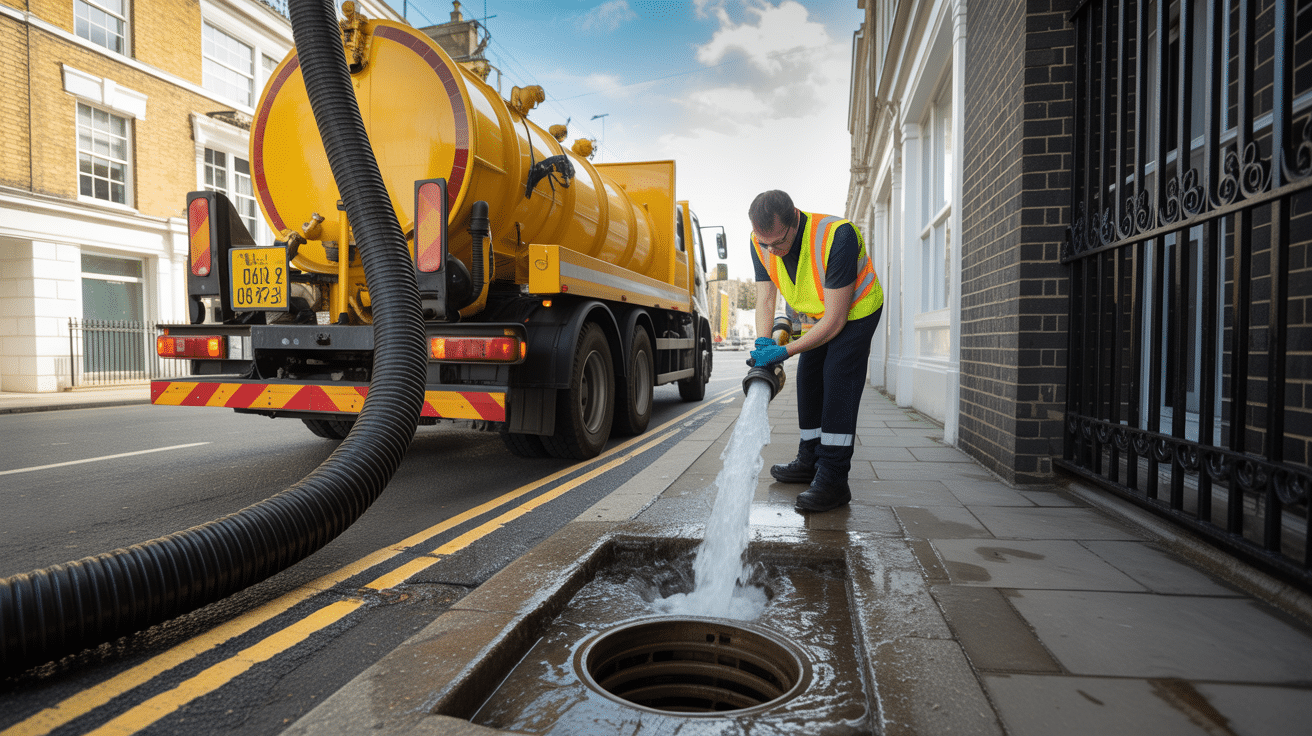
Facilities managers, landlords and managing agents across the UK use drainage jetting PPM to keep foul and surface water systems flowing and out of crisis. High-pressure cleaning is scheduled across agreed runs to strip fats, silt and debris before they harden, with scope, intervals and reporting tailored to each site based on your situation. After each visit you have clean, free-flowing lines, clear evidence packs and defined escalation rules when CCTV or repairs are needed, all against an agreed asset list. It’s a practical way to move from firefighting to controlled, documented drainage maintenance with All Services 4U.


Author
Izzy Schulman

Planned drainage jetting PPM for UK commercial properties
For UK landlords, managing agents and facilities teams, blocked drains mean complaints, disruption and uncomfortable conversations with insurers or boards. Drainage jetting PPM tackles that risk by cleaning key foul and surface water runs before they fail, rather than waiting for emergencies.
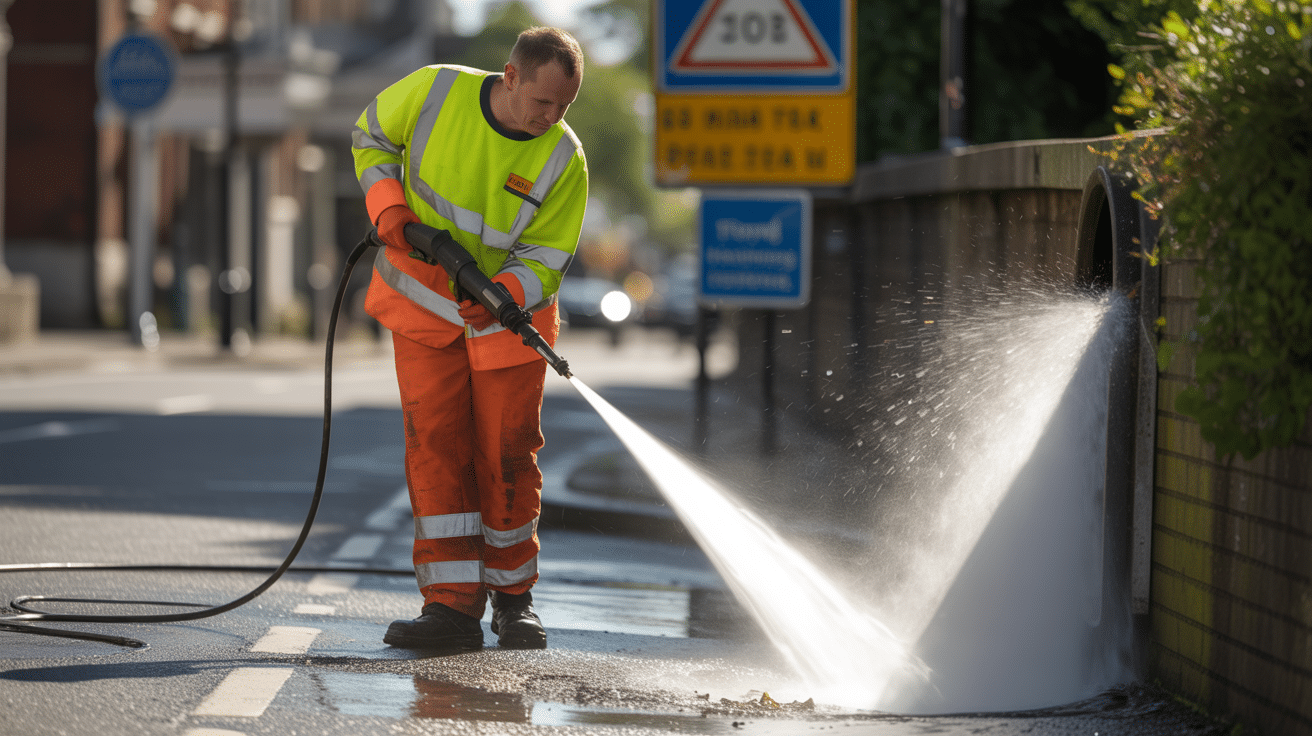
By scheduling high-pressure water jetting across defined assets at agreed intervals, you remove fats, silt and debris before they harden into full blockages. Each visit delivers predictable scope, on-site checks and evidence, so you can show reasonable steps were taken and plan any further investigation or repair with confidence.
- Cut repeat blockages and emergency call-out costs
- Build clear, defensible drainage maintenance records
- Understand which assets are cleaned, how often, and why
Need Help Fast?
Locked out, leak at home, or electrical issue? All Services 4 U provides 24/7 UK locksmith, plumbing, electrical.
Testimonial & Clients Who Trust Us
With 5 Star Google Reviews, Trusted Trader, Trust Pilot endorsements, and 25+ years of experience, we set industry standards for excellence. From Dominoes to Mears Group, our expertise is trusted by diverse sectors, earning us long-term partnerships and glowing testimonials.
Worcester Boilers

Glow Worm Boilers

Valliant Boilers

Baxi Boilers

Ideal Boilers

Drainage Jetting PPM Explained (UK): What It Is, Why It Exists
Drainage jetting PPM is a planned cleaning programme that keeps your drains flowing before they fail.
Instead of waiting for a blockage, you schedule high‑pressure water jetting across agreed foul and surface water runs at set intervals. The aim is simple: strip out fats, silt and debris before they harden into full blockages, cut emergency call‑outs, and build an audit trail that shows you took reasonable steps to manage risk. That reduces surprises, complaints and awkward conversations with insurers, lenders and boards.
With reactive‑only maintenance, you pay premium rates, disrupt residents or operations at the worst times, and still may not understand underlying pipe condition. With a jetting PPM plan, you know which assets are included, how often they are cleaned, and what evidence you will receive after every visit. All Services 4U designs that plan around your sites, not a generic template, so the schedule, scope and reporting actually reflect how your property drains work.
If you are tired of paying for the same problem twice, planned jetting is how you stop firefighting and move into controlled, documented maintenance.
How High-Pressure Drain Jetting Works (Equipment, Pressures, Nozzles, Access)
High‑pressure jetting cleans the full bore of the pipe, not just a small hole through a blockage.
A jetting unit uses an engine or motor‑driven pump, tank, hose and specialist nozzle. Water is pumped down the hose and exits the nozzle through rear‑facing jets that both pull the hose forward and scour the pipe wall. As the nozzle travels, it breaks up fats, wipes, scale and silt, then carries loosened material down to a chamber where it can be flushed away or removed. Done correctly, you are left with a clean, free‑flowing pipe rather than a temporary channel through remaining deposits.
How the equipment and settings affect the result
Pressures and flow rates are chosen to suit pipe size, material and condition, not simply turned up to maximum. Different nozzles do different jobs: penetrator tips open a path through tougher obstructions, flusher nozzles move silt and fines, and rotating heads help with scale and heavier build‑up. The engineer will usually work in passes from one chamber to another, adjusting hose length, nozzle and technique as conditions change.
Access is equally important. On most UK sites, jetting is carried out from manholes, inspection chambers, rodding eyes, gullies and interceptors. The number and position of these access points determine how much of the system can be cleaned in one visit and how long the work will take.
How Jetting Applies in UK Properties (Foul vs Surface, Private Drains vs Public Sewers)
![[ALTTOKEN]](https://allservices4u.co.uk/app/uploads/2026/01/02-Drainage-Jetting-PPM-Services-UK-High-Pressure-Cleaning.png)
You get the best value from jetting when you clean the right system and the right side of the boundary.
Most UK sites have separate foul drainage (toilets, basins, kitchens) and surface water drainage (rainwater from roofs, yards, car parks), with some older estates still using combined systems. Problems such as smells and slow toilets almost always sit on the foul side; yard ponding and car park flooding tend to be surface water issues. A quick map of which manholes serve which parts of the site stops you spending money cleaning lines unrelated to the symptoms you see.
Understanding responsibilities and interfaces
Responsibility also changes at the boundary between private drains, shared laterals and public sewers. As a landlord, managing agent or facilities lead, you are usually responsible up to the point where your private drains connect to the public network. Beyond that, the water company or sewerage undertaker typically takes over. For blocks, estates and mixed‑use sites, it is common to have shared sections that serve more than one building. A short ownership check at the proposal stage avoids disputes later about who should pay for what.
All Services 4U can help you sketch a simple drainage schematic during mobilisation: key chambers, main run directions, foul versus surface segregation, and public connection points. Once that picture is clear, it is easier to decide which assets belong in a jetting PPM, which should be handled as separate services (for example, grease traps or interceptors), and when the water company needs to be involved.
What a Typical Jetting PPM Visit Includes (Scope, Checks, Deliverables, Reporting)
A good jetting PPM visit follows a predictable pattern you can audit afterwards.
Before arrival, the visit is scoped against an asset list: which lines, gullies, channels, stacks, interceptors and manholes are in scope, which are out, and what access has been agreed. On the day, the crew confirm access, parking and water supply, walk the route, and complete basic safety checks around chambers and traffic. That preparation avoids wasted time, aborted visits and weak evidence.
What actually happens on site
During the visit, the team will typically:
- Set up safely at agreed access points.
- Jet the targeted runs using appropriate nozzles and passes.
- Check incoming and outgoing flows at key chambers.
- Note visible defects such as displaced joints, heavy root ingress or chronic silt build‑up.
On more complex sites, this may be paired with vacuum removal of heavy silt or interceptor contents where agreed in the contract. The aim is to leave identified runs clean and free‑flowing, not just partly improved.
The evidence and reporting you should expect
Afterwards, you should receive a concise report. A typical evidence pack from All Services 4U includes:
- Before and after photos from key chambers, gullies or channels.
- A simple record of which assets were cleaned, partially cleaned or not accessed (and why).
- Time and date of the visit, plus the engineers who attended.
- Short condition notes and practical recommendations, including where CCTV or repairs may be needed.
This is the documentation you rely on when answering board questions, responding to resident queries, or building a case with insurers.
Accreditations & Certifications






What Jetting Can and Cannot Solve (and When to Add CCTV, Root Cutting, Lining, Excavation)
![[ALTTOKEN]](https://allservices4u.co.uk/app/uploads/2026/01/03-Drainage-Jetting-PPM-Services-UK-High-Pressure-Cleaning.png)
Jetting is excellent at removing deposits; it is not a repair method for damaged pipes.
High‑pressure cleaning can deal very effectively with soft and medium obstructions such as fats, oils and grease, food residues, wipes, paper, uric scale and silt. It can also help expose and wash out lighter root ingress. What it cannot do is fix collapsed sections, significant deformation, badly laid falls, major offsets or broken joints. In those cases, jetting is the first step to restore some flow and clear the view, not the full solution.
When escalation beyond jetting makes sense
You should expect your contractor to recommend further investigation or repair when:
- Blockages return quickly in the same location despite thorough cleaning.
- Free‑flow cannot be achieved or water holds in the line after jetting.
- Roots, structural cracks, displaced joints or significant corrosion are visible.
- There is a history of flooding, surcharge or pollution at a particular run.
The usual escalation path is: jetting to clean and stabilise, CCTV survey to see what is really happening, then a repair plan using techniques such as targeted root cutting, local patching, lining or excavation. All Services 4U can build clear escalation rules into your PPM: when CCTV will be suggested, what kind of evidence will be provided to support it, and how quotes and approvals will be managed so you stay in control of spend.
Safety, Compliance & Waste Controls (UK): RAMS, Confined Spaces, Duty of Care, Paperwork
High‑pressure jetting and chamber work need to be safe, not just fast.
Opening manholes, working around deep chambers and handling foul waste all bring real risks. In the UK, that means risk assessments and method statements that are specific to the site and activity, trained operatives, and, where relevant, confined‑space classification, permits and rescue arrangements. For many properties, you may never need full confined‑space entry, but you still want reassurance this has been considered before covers are lifted.
How waste and duty of care are handled
Jetting often produces jetted arisings: a slurry of silt, rags, fats and other solids. That material must be contained, transported and disposed of through an appropriate route with a simple record of what was removed and where it went. For you, this typically shows up as waste transfer documentation held on file, along with the contractor’s waste carrier details.
All Services 4U operates within UK expectations on safe jetting and waste duty of care. You can review training records, insurance, risk assessments and sample waste paperwork at procurement or mobilisation. That way, your jetting programme supports your wider health, safety and environmental responsibilities rather than creating new blind spots.
How Often Should You Jet? Risk-Based Frequencies + Costs/Value (Planned vs Reactive)
You get the best value from jetting when frequency is set by risk, not guesswork.
A sensible starting point for many residential blocks and standard‑risk commercial sites is an annual clean of key foul and surface water runs, reviewed against blockage history and site changes. Higher‑risk assets, such as food service lines with high grease load, heavily trafficked gullies, tree‑lined car parks or low‑lying basements, often justify moving to six‑monthly or even quarterly visits on the relevant sections. Lower‑risk or newly installed systems with clean history may sit at the lighter end of that range.
Balancing plan, budget and outcomes
A risk‑based PPM schedule usually includes:
- A baseline frequency per asset type (for example, annual jetting of communal foul runs and key surface lines).
- Clear “step‑up” triggers, such as repeat incidents or high levels of deposits found at inspection.
- “Step‑down” rules when several cycles pass with clean findings and no issues, subject to your risk appetite.
On cost, planned jetting visits are typically cheaper per metre and far more predictable than repeated emergency call‑outs and out‑of‑hours attendance. When you add the hidden costs of disruption, damage remediation, tenant compensation and internal admin, a modest PPM budget often pays for itself over a year or two. All Services 4U can walk you through that comparison using your own incident history so you are not relying on generic claims.
If you would like to see how a risk‑based jetting schedule could look for your portfolio, you can start with a scoped “clean and report” on your worst‑performing block or site, then build the wider plan from there. Ask All Services 4U to build a risk‑based jetting plan for you.
Reliable Property Maintenance You Can Trust
From routine upkeep to urgent repairs, our certified team delivers dependable property maintenance services 24/7 across the UK. Fast response, skilled professionals, and fully insured support to keep your property running smoothly.

Book Your Free Consultation With All Services 4U Today
A short call with All Services 4U is usually enough to see whether planned jetting will genuinely help you.
In a free consultation, you outline your sites, recent incidents and known problem areas. We then explore which assets are likely to benefit from PPM, what access constraints exist, and whether a one‑off clean‑and‑report or a full schedule is the right first step.
By the end of that discussion, you have three practical things: a simple view of where you stand today, a suggested first visit or pilot scope, and clear options for how a jetting PPM could work across your sites. That gives you something concrete to share with colleagues and use in internal decisions.
To quote accurately, we usually ask for any available drainage plans or simple site sketches, notes of recent blockages or flooding, and any compliance drivers you are working to, such as insurer expectations or upcoming audits. From there, we can propose a scoped visit and, if appropriate, a draught annual schedule with clear inclusions, exclusions and reporting standards.
You can also see example service reports and evidence packs, along with a summary of our safety and waste controls, so your compliance and finance colleagues have what they need to sign off.
Book your consultation with All Services 4U today and start turning drainage risk into a controlled, evidence‑led maintenance plan.
Frequently Asked Questions
Explore our FAQs to find answers to planned preventative maintenance questions you may have.
What is drainage jetting PPM and why does it protect your reputation better than one‑off unblocks?
Drainage jetting PPM is planned high‑pressure cleaning that prevents repeat blockages and lets you prove you are in control. On a PPM visit your contractor works to an agreed asset list, cleans specified foul and surface runs, checks flows at key chambers and records what was found. A reactive unblock only appears after something has failed; the brief is usually “get it moving again”, and the work often stops the moment flow returns. That is how you end up authorising multiple emergency visits to the same line in a year and still have nothing you would be happy to put in front of an insurer, lender or tribunal.
How planned jetting turns “drain chaos” into something you can defend
With drainage PPM you deliberately remove fats, wipes, scale and silt before they harden into full blockages. Over a few cycles you start to see patterns: the chambers that always hold silt, the sections that misbehave every autumn, the lines serving food prep that load with grease faster than anything else. That gives you a simple, risk‑based storey if a board, building safety manager or risk surveyor asks how you are managing drainage across the estate.
For RTM and RMC boards, this is what backs up minutes and Section 20 packs when challenged. For accountable persons on higher‑risk buildings, it helps show there is a documented regime under the Building Safety Act, not a string of panicked call‑outs. And for institutional asset managers, it is the difference between a calm insurer renewal and an awkward conversation about “historic ingress issues”.
If your current plan for blocked drains is still “wait until it smells, then call whoever is cheapest”, you have a plan – it just is not one you will enjoy justifying in a risk committee. When you ask All Services 4U to structure jetting PPM around your blocks and estates, you get a clear schedule, asset lists and visit reports you can drop straight into your compliance binder instead of guessing from memory the next time someone asks, “What are we actually doing about drainage risk here?”
How does high‑pressure drain jetting actually clean pipe walls without damaging the system?
High‑pressure jetting cleans the full bore of a pipe by pulling a nozzle along the run and scouring the wall as it goes. Water from the pump travels down a hose and exits through rear‑facing jets; those jets both drag the hose forward and strip deposits off the pipe interior. As the nozzle advances from chamber to chamber it breaks up grease, wipes, silt and scale and carries loosened material to a point where it can be flushed or removed. Done correctly, the process restores the effective internal diameter of the pipe instead of just punching a narrow hole through a blockage.
Why nozzle choice, pressure and access points really matter on older stock
Your outcome depends on three linked decisions: nozzle type, settings and access. Penetrator heads open an initial path in heavy deposits, flusher heads move silt and lighter debris, and rotating nozzles work on stubborn build‑up on the pipe wall. Pressure and flow must be set to suit pipe size, material and condition; an ageing clay run under a Victorian terrace, or pitch fibre beneath a 1960s block, needs a different approach from short uPVC runs in a modern bin store. Access via manholes, rodding eyes, gullies or interceptors determines how far the hose can reach and which lengths can be fully cleaned from each point.
A competent contractor will also work within guidance from bodies such as the Water Jetting Association and follow risk assessments under the Health and Safety at Work etc. Act 1974 and the Confined Spaces Regulations, so you control both asset risk and workforce safety.
If you are the building safety manager, asset manager or FM signing off the work, you do not need to remember nozzle names or pump curves. You do need a partner who documents how they accessed the system, which runs were fully cleaned, what limitations remain and where the system is too fragile for heavy jetting. All Services 4U translates the technical choices into plain findings and next steps, so you can brief your board, insurer or residents without trying to speak drainage engineer – and you can still sleep at night knowing older pipework has been treated with respect, not guesswork.
Which drainage problems will jetting reliably solve – and when should you insist on CCTV or repairs instead?
Jetting is very good at stripping out soft and medium deposits; it will not fix structural failures. You should expect high‑pressure cleaning to deal well with fats, oils and grease, food residues, wipes, paper, uric scale, soap and silt, and to expose light root ingress. You should not expect it to cure collapsed sections, major deformation, badly laid falls, severe offsets, broken joints or aggressive root systems. In those situations jetting is the “clean and stabilise” step so that CCTV and repair planning can be done safely, not the final remedy.
The real risk is not cleaning too often – it is treating a failing pipe like it just has a bit of fat in it.
Escalation rules that keep you out of “we should have known” territory
It is usually time to move beyond jetting alone when:
- The same line gives you three or more confirmed incidents in a 12‑month period despite proper cleaning.
- Flow still holds in the line after a thorough jet, or chambers refill quickly with debris.
- You can see cracks, open joints, heavy roots or corrosion at chambers or rodding points.
- You are already handling claims, formal complaints, flooding or damp where pipe condition will end up in front of an ombudsman, regulator or court.
In mixed portfolios we regularly see sites without structured PPM spend a year sending crews back to the same covers, only for a CCTV survey to reveal a damaged section that was always going to keep failing. A simple rule set – for example, “third incident in a year triggers CCTV and a budget repair plan” – is usually enough to show you did not ignore emerging defects.
All Services 4U can wire those escalation triggers into your drainage maintenance plan so they fire automatically from your incident log. That way your property managers, RLOs and call handlers are not arguing on the day with engineers about “extras”; they are just following a playbook you can show to your compliance lead, safety case team or legal advisor. If you want to look like the director or AP who spots a pattern early and deals with it on your terms, not the emergency contractor’s, this is where you draw the line.
What should a UK drainage jetting PPM visit include if you want it to stand up to audit, regulator or insurer challenge?
A defensible jetting PPM visit has a defined scope, a safe method and an evidence pack you can file without editing. Before arrival you should have in writing which assets are in scope (for example, communal foul runs, key surface lines, yard gullies, linear channels, interceptors), which access points will be used and what is excluded. On site, the crew should confirm access and water supply, carry out safety checks around manholes, traffic and confined‑space risks, and work to recorded risk assessments under the Health and Safety at Work etc. Act 1974 and the Confined Spaces Regulations. Where arisings are removed, waste should be handled in line with the Environmental Protection Act 1990 and duty of care.
Evidence and paperwork that actually protects you when people start asking hard questions
After each visit you should expect, as standard:
- Before and after photos from key chambers, gullies or channels, time and date stamped.
- A clear list of assets cleaned, partially cleaned or not accessed, with reasons for any exceptions.
- Engineer names and competence (for example, CSCS, confined spaces, high‑pressure water jetting training).
- Short condition notes and recommendations, including when CCTV, patching or lining are advised.
- Waste handling records for removed material, aligned with your environmental and ISO 14001 commitments.
For a head of compliance, building safety manager or legal advisor this is what turns “we do some jetting” into evidence you are comfortable bundling into a fire risk assessment pack, safety case file, insurer renewal or tribunal submission. It also helps you show alignment with wider frameworks such as Water UK’s guidance on sewer misuse and local authority expectations around drainage maintenance.
All Services 4U structures drainage PPM around these expectations, so your risk, legal and finance colleagues see a tidy trail: scope, method, findings and proof, not a pile of vague invoices. If your goal is to be the person who can email a complete drainage folder to an insurer, regulator or lender in under a minute, this is the level of visit record you should be insisting on.
How often should residential blocks and commercial sites in the UK schedule jetting within their PPM?
There is no universal interval, but a risk‑based annual plan almost always outperforms “we jet when it blocks”. For many residential blocks and standard‑risk commercial sites, annual jetting of communal foul runs and key surface drainage is a solid baseline. Lines serving food preparation areas, heavily used washrooms, basements, tree‑lined car parks and low‑lying yards often justify moving to six‑monthly or even quarterly visits on those specific sections.
Turning vague intentions into a schedule you can explain in one slide
A schedule you can stand behind in a board pack or safety committee typically includes:
- A baseline frequency for each asset type (for example, annual for communal foul runs, six‑monthly for kitchen and food‑area lines).
- Step‑up rules – increase frequency on runs with repeat incidents, heavy deposits at inspection or high consequence of failure.
- Step‑down rules – consider easing back after several cycles with clean findings and no incidents, within your agreed risk appetite.
- Seasonal adjustments, such as extra attention around autumn leaf fall or winter storms for surface water assets.
Across mixed portfolios All Services 4U often sees that moving just 10–20 % of the network – the worst‑behaving lines – onto more frequent jetting can cut total drainage incidents by around a third over a couple of years. We flag that explicitly as “typical pattern across similar portfolios we maintain”, not a guarantee for every site, but it is usually enough to show your finance director or board that you are trading a bit more planned spend for a lot less chaos.
If you are the person who will be questioned when a car park floods or a basement backs up, it is worth having a one‑page drainage PPM schedule you can drop on the table and say, “Here is the plan, here is how we adjust when risk changes and here is who delivers it.” Our team can build that schedule straight from your incident log and asset data so you do not burn months trying to design it in a spreadsheet.
How do planned jetting costs compare to reactive call‑outs when you look at a full year’s drainage and reputational risk?
Planned drain jetting is usually cheaper per metre – and far less reputationally risky – than bouncing from one emergency unblock to the next. A PPM visit is priced against a known scope and time window, often at standard day rates. Reactive call‑outs tend to attract higher unit rates, shorter time allowances, out‑of‑hours premiums and repeat attendances to the same defect. When you add the real‑world cost of disruption (closed toilets, offline kitchens, flooded car parks, resident complaints, management time, potential disrepair claims), the “cheaper” emergency‑only strategy often turns out to be the most expensive line in your drainage budget.
Seeing a year’s pattern the way an insurer, lender or board will see it
One useful way to frame this for decision‑makers is to put a year’s pattern side by side:
| Approach | Spend pattern | How you look under scrutiny |
|---|---|---|
| No PPM, pure reactive | Multiple call‑outs, high out‑of‑hours cost | Looks like drift and weak oversight |
| Ad‑hoc “when it smells” jetting | Irregular, hard to predict, mixed results | Feels tactical, hard to explain in detail |
| Structured jetting PPM | Planned budget, fewer emergencies | Reads as risk‑based, proactive control |
In many portfolios we review, sites without a drainage maintenance plan rack up several blue‑light visits to the same problem stretches of pipe in a year. Once you price those attendances, add clean‑up, complaint handling and internal time, then compare the total to a modest jetting PPM budget for the same assets, the planned option often pays for itself within a cycle or two. More importantly, it stops you having to explain to residents, ombudsmen or journalists why the same toilets or car park keep failing.
If you are an RTM director, asset manager, finance lead or building safety manager, the real lever is not just cost – it is credibility. The leaders who keep their jobs in tough moments are the ones who can say, calmly, “Here is our drainage plan, here is the evidence and here is what we changed after the last incident.”
If you share last year’s incident log, rough drainage spend and site mix with All Services 4U, we can turn that into a drainage PPM map for your blocks and estates: runs to include, sensible frequencies, escalation rules and projected impact. It is a straightforward first step that lets you move from defending emergencies to presenting a plan – and that is exactly how a board‑safe director, AP or asset manager wants to be seen when the questions start coming.
- Planned drainage jetting PPM for UK commercial properties
- Drainage Jetting PPM Explained (UK): What It Is, Why It Exists
- How High-Pressure Drain Jetting Works (Equipment, Pressures, Nozzles, Access)
- How Jetting Applies in UK Properties (Foul vs Surface, Private Drains vs Public Sewers)
- What a Typical Jetting PPM Visit Includes (Scope, Checks, Deliverables, Reporting)
- What Jetting Can and Cannot Solve (and When to Add CCTV, Root Cutting, Lining, Excavation)
- Safety, Compliance & Waste Controls (UK): RAMS, Confined Spaces, Duty of Care, Paperwork
- How Often Should You Jet? Risk-Based Frequencies + Costs/Value (Planned vs Reactive)
- Book Your Free Consultation With All Services 4U Today
- Frequently Asked Questions
- Related PPM Services
Case Studies


Related Articles

Your Guide To Identifying And Treating Minor Mould Outbreaks
Why Planned Preventative Maintenance (Ppm) Saves Money And Ensures Compliance