Energy Efficiency PPM Services for Asset Directors – Part L, BMS Optimisation & MEES Compliance
Asset directors and estates leaders use energy-efficient PPM services to control energy drift, compliance exposure and service-charge pressure across commercial portfolios. Planned maintenance, BMS optimisation and evidence-led reporting are combined into one framework that supports Part L intent, MEES readiness and clearer board assurance, depending on constraints. You end up with earlier interventions, stronger records and a portfolio view that shows which buildings are under control, drifting or need capital work, with scope agreed upfront. A focused diagnostic on a priority asset can show how this works in practice.



Author
Izzy Schulman

Asset directors and estates teams face rising energy costs, tighter regulations and occupiers who expect better comfort and transparency. A standard maintenance calendar can keep plant running while buildings drift, waste energy and weaken your position on Part L, MEES and future leasing decisions.

Energy-efficient PPM reframes each visit as a chance to manage energy performance, protect EPC trajectories and build audit-ready records. By joining planned maintenance, BMS optimisation and compliance evidence into one portfolio view, you gain earlier warnings, clearer options and a safer basis for decisions across mixed commercial estates.
- Reduce hidden energy drift before it drives up service charges
- Build stronger, clearer evidence for Part L and MEES decisions
- Improve BMS performance with structured, portfolio-wide optimisation routines</p>
Need Help Fast?
Locked out, leak at home, or electrical issue? All Services 4 U provides 24/7 UK locksmith, plumbing, electrical.
Testimonial & Clients Who Trust Us
With 5 Star Google Reviews, Trusted Trader, Trust Pilot endorsements, and 25+ years of experience, we set industry standards for excellence. From Dominoes to Mears Group, our expertise is trusted by diverse sectors, earning us long-term partnerships and glowing testimonials.
Worcester Boilers

Glow Worm Boilers

Valliant Boilers

Baxi Boilers

Ideal Boilers

Energy-Efficient PPM as a Portfolio Control System, Not Just a Maintenance Calendar
You are under pressure to protect income, compliance and value across a mixed estate, not just keep plant running.
If planned maintenance is only measured as “visits delivered”, you lose the link between work orders and what matters to you: energy performance, service‑charge pressure, EPC trajectory and board assurance. An energy‑efficient PPM regime treats each visit as a chance to stop energy drift, keep Part L operating intent intact, and preserve your options on MEES and future standards.
With the right framework, you see which buildings are under control, which are drifting, and which need capital intervention. You move from reacting to complaints, inspection findings or leasing issues to steering the estate against clear thresholds, using one method across multi‑let offices, retail parks, mixed‑use schemes and single assets.
All Services 4U is set up to help you join maintenance, BMS optimisation and compliance evidence into one portfolio view so you can make earlier, more confident decisions. You work with a team that treats every intervention as both an engineering task and an evidence‑building step.
If you want to see this in practice before you scale it, start with a focused diagnostic on one priority building.
Where Traditional PPM Misses Energy Waste and Compliance Risk
You know that a “maintained” building can still waste energy and create awkward questions about compliance.
Hidden energy drift inside “maintained” buildings
In most estates, energy drift starts with small issues that never trigger a breakdown call:
- Time schedules left on winter hours after occupancy changes
- Sensors that read out but are never recalibrated
- Valves and dampers that stick partially open
- Simultaneous heating and cooling because deadbands are too tight
Individually, each fault looks minor. Across dozens of sites, those faults translate into longer runtimes, higher loads and avoidable carbon and cost.
Service-charge and comfort impacts before failures appear
You usually feel this drift through patterns rather than single events:
- Rising service charges that are hard to justify to occupiers
- Recurring hot/cold complaints in “fully maintained” buildings
- HVAC that runs long before and after occupancy “just to be safe”
On the balance sheet, this is energy and plant life being used to cover the fact that the estate is being controlled on stale assumptions rather than live data.
Compliance exposure buried in incomplete records
Traditional PPM reports confirm that visits took place but often fail to answer whether:
- Systems are operating in line with Part L‑related design intent
- Air‑conditioning and other inspected systems are being run efficiently in practice
- Evidence is strong enough to support MEES decisions, exemptions or future EPC challenges
That weakens your position with regulators, lenders, investors and ombudsman‑style scrutiny, even if no single regulation has technically been breached.
How Part L, BMS Optimisation and MEES Fit Together in Practice
Once a building is handed over, the same controls and routines drive energy, comfort and compliance outcomes.
Part L as an operational discipline, not just project paperwork
Part L expects building services to be controllable, sensibly zoned, commissioned and handed over with enough information for efficient operation. In use, that means:
- Control strategies and setpoints that still fit how spaces are used
- Logbooks and operating manuals that are updated, not left in a handover box
- Changes to plant or layouts reflected in settings and records
If those links break, you carry more risk that an inspection or incident will expose a gap between what was designed and how you are actually running the building.
BMS as the core lever for real energy performance
Your BMS is where Part L intent turns into day‑to‑day behaviour and where most waste creeps in. BMS optimisation goes beyond keeping the server up and networks talking. It covers:
- Time schedules, holidays and occupancy patterns
- Temperature and pressure setpoints, deadbands and resets
- Sequencing of boilers, chillers, pumps and fans
- Alarm rationalisation and trend reviews that lead to action
If there is no structured optimisation routine inside your PPM, the BMS will faithfully automate yesterday’s assumptions and lock in avoidable consumption.
MEES as the licence‑to‑let guardrail
MEES turns underperformance into a leasing and valuation question. Poorly controlled buildings are more likely to:
- Drift towards weaker EPC outcomes at renewal
- Need heavier interventions squeezed into awkward lease or funding windows
- Struggle to justify exemptions if evidence is thin
Energy‑efficient PPM does not promise a particular rating, but it keeps plant and controls closer to their intended performance and creates the evidence trail you need when MEES decisions are challenged.
What an Energy‑Efficiency PPM Strategy Should Include
You need maintenance that protects reliability and energy performance, backed by clear governance and evidence.
Governance and scope that match portfolio risk
An effective strategy starts with governance, not just task lists:
- A single policy that treats energy, comfort and compliance as explicit PPM objectives
- An asset register that identifies significant energy uses and critical systems per site
- Clear roles for Asset Management, Estates, FM, Energy and Compliance so defects do not fall between teams
This gives you a common language for deciding where to deploy budget and scrutiny first.
Controls and BMS routines built into the calendar
Energy outcomes sit on top of small, repeatable routines, for example:
- Seasonal commissioning to retune settings as weather and occupancy change
- Checks on sensors, actuators and valves for bias, drift and failures
- Periodic review of time schedules, setpoints and plant sequencing using trend data
- TM44 and similar inspection findings fed into PPM tasks, not filed away
These routines are scheduled in the same way as other statutory and OEM‑led tasks, but they are explicitly tied to energy performance.
Evidence and reporting that survive challenge
For each intervention, the regime should expect:
- Before/after readings or screenshots for key settings and parameters
- Notes on why changes were made and who approved them
- Updates to logbooks and digital records so future teams can see the trail
At portfolio level, you should be able to see which buildings have complete records, which have gaps and which are approaching key lease, funding or inspection triggers with weak evidence.
Which Assets and Failure Modes You Should Tackle First

You get more value when you focus on the systems that drive most of your energy and compliance risk.
High‑impact systems across a commercial estate
In most portfolios, the early focus should be on:
- Central heating and cooling plant (boilers, heat pumps, chillers, AHUs, FCUs)
- BMS‑controlled ventilation and air‑quality systems
- Lighting and lighting controls in common areas and large floorplates
- Domestic hot water generation in high‑use buildings
These systems account for a large share of consumption and are usually already within your PPM scope, but not yet managed for performance.
Quick operational wins before capital spend
You can often secure meaningful gains before you touch capital budgets by:
- Aligning time schedules with actual occupation, including weekends and holidays
- Fixing obvious overrides and conflicts between zones
- Cleaning and maintaining coils, filters and heat exchangers properly
- Reinstating or tightening control deadbands to stop systems fighting each other
This improves consumption, comfort and data quality, and makes any later business case for upgrades more credible.
When maintenance is no longer enough
There will be buildings where:
- Plant is beyond sensible life and energy performance is structurally constrained
- Fabric performance or glazing is the main driver of poor EPC outcomes
- Legacy systems cannot support the control strategies you now need
In those cases, energy‑efficient PPM still adds value by quantifying current performance, clarifying the operational constraint and showing whether a phased improvement is possible. That helps you argue for capital where it is truly needed, rather than as the default answer everywhere.
How All Services 4U Delivers Across Live Portfolios
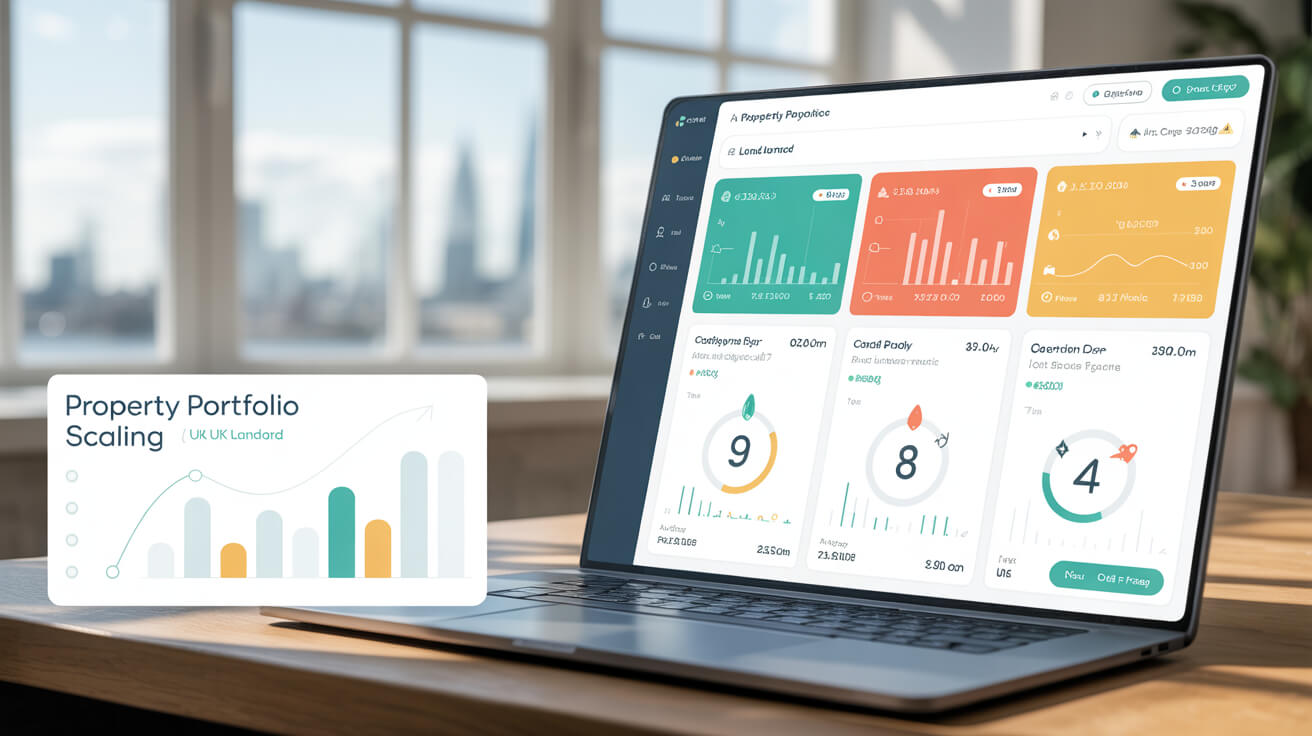
You need partners who can work with your incumbents, not replace everything overnight.
Discovery and baseline without paralysing the estate
All Services 4U can help you:
- Review your existing PPM scope, BMS arrangements and evidence position on a sample of priority sites
- Identify where standard maintenance is masking control drift or incomplete documentation
- Map significant energy uses and obvious high‑risk assets across the estate
In practice, this might mean taking one multi‑let office with rising service‑charge pressure and MEES risk, testing how it is actually being controlled, and turning that insight into a small set of changes your existing teams can implement. You see how the approach behaves on a live asset before you decide whether to extend it.
Tuned PPM and BMS optimisation alongside existing FM teams
You then reshape maintenance and controls routines so they work in practice:
- Updating task lists and visit briefs to include specific optimisation and verification checks
- Supporting your FM and controls contractors with clear checklists and escalation routes
- Introducing seasonal commissioning and structured trend reviews that work around occupier needs
You keep your existing relationships where they add value; All Services 4U strengthens the framework those teams are working within and helps them use it in a consistent, evidence‑first way.
Verification, reporting and handover you can take to the board
You also need proof that changes are real and sustainable. All Services 4U can:
- Set up reporting that shows actions, trends and open risks at asset level
- Package findings and progress into board‑ready summaries aligned with your risk and capex frameworks
- Hand back updated logbooks, settings records and PPM scopes that your teams can continue to use
Typical engagement outputs include a concise baseline diagnostic for one or more priority buildings, updated PPM scopes that embed energy and controls routines, a practical BMS tuning and seasonal commissioning plan, and a short, board‑ready summary that links actions to risk, capex and MEES position.
If you want to see what this looks like on one or two of your buildings, ask for a focused diagnostic before you commit to a wider programme.
Accreditations & Certifications








What ‘Good’ Looks Like to Boards, Lenders and Insurers
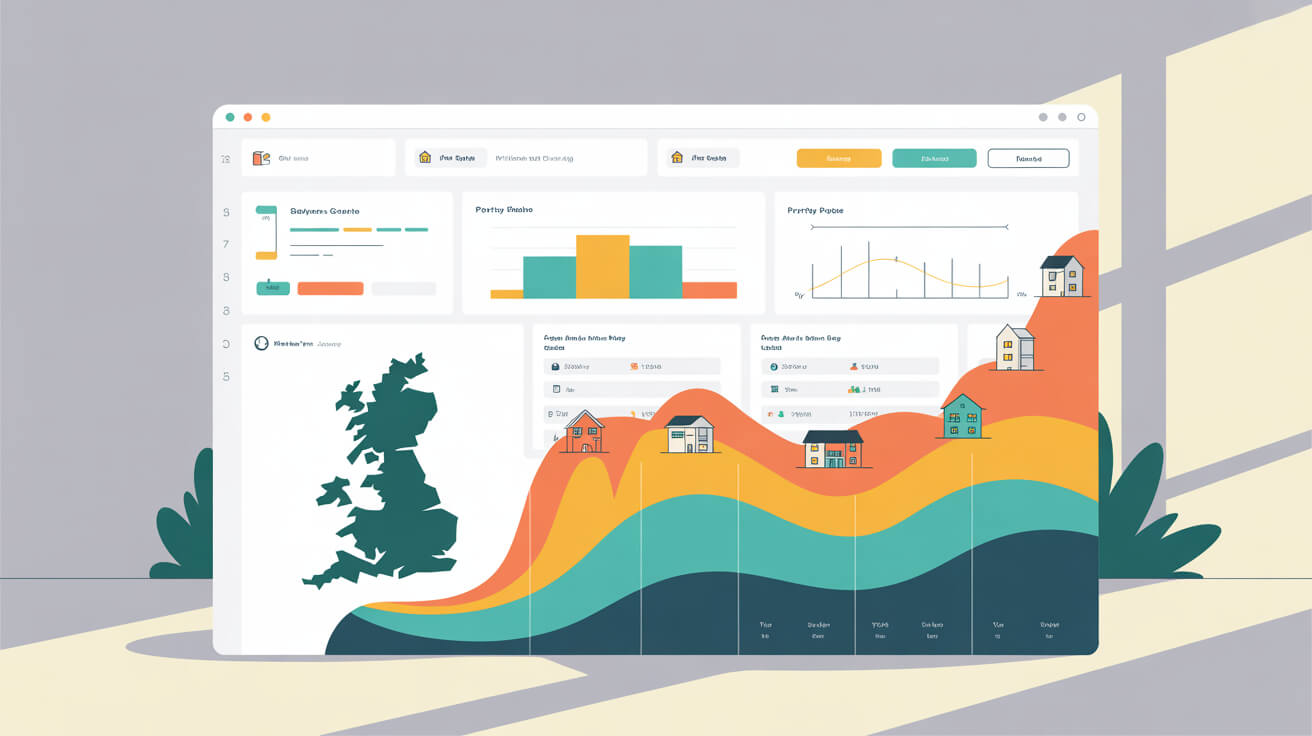
You gain most traction when different stakeholders can all see their priorities reflected in the same data.
Board and governance views
From a governance perspective, your leadership wants to see:
- Where risk is concentrated and whether it is moving in the right direction
- That there is a coherent, portfolio‑wide method for linking maintenance, energy and compliance
- That decisions about spend and timing are being taken on evidence, not anecdotes
An energy‑efficient PPM framework supports that by turning scattered site reports into structured portfolio intelligence that can sit alongside your existing risk and capex dashboards.
Finance, MEES and EPC views
From a finance and valuation angle, the focus is on:
- Whether MEES‑at‑risk assets are identified early and planned into sensible workstreams
- How operational changes and capital projects interact in your EPC improvement roadmap
- Whether any exemptions or “do nothing” decisions are supported by a proper evidence trail
Clear PPM and BMS data make it easier to defend decisions if rating methods or enforcement tighten. You can show that you understood the position, considered options and chose a route on more than instinct.
FM and site‑team views
For FM and site teams, “good” is simpler but just as important:
- Tasks that are realistic within access windows and resource constraints
- Faults and optimisation items that are prioritised by impact, not just ticket age
- Reporting that helps them explain what is happening on site, rather than adding admin with no benefit
When you get this right, you do not just improve compliance. You also make it easier for operational teams to deliver what you and your board are asking for, which in turn makes the framework more likely to endure.
Reliable Property Maintenance You Can Trust
From routine upkeep to urgent repairs, our certified team delivers dependable property maintenance services 24/7 across the UK. Fast response, skilled professionals, and fully insured support to keep your property running smoothly.

Book Your Free Consultation With All Services 4U Today
A short, structured conversation helps you test whether your current regime is protecting performance or just proving attendance. In a free consultation, you walk through one or two representative buildings, test where energy and comfort drift are most likely, assess how strong your current evidence position is and how well maintenance, controls and capital plans are joined up, then leave with a baseline view of how well your current regime supports energy, compliance and value, plus a shortlist of buildings or systems where a different approach would have most impact.
It is usually most effective if you include your asset or portfolio lead, someone from FM or estates operations, and whoever carries formal responsibility for compliance evidence. That way, strategy, delivery and risk are all represented in the same discussion without extra rounds of internal translation.
Ahead of the call, you gather a small pack: recent energy data for a sample of buildings, a snapshot of PPM scopes and reports, any recurring complaint themes, and key lease or inspection dates. You are not expected to have everything perfect; the value lies in seeing how these pieces fit together.
If you want that level of clarity before the next budget round or major lease event, book your free consultation with All Services 4U today and put your PPM programme to work for energy, compliance and asset value rather than just plant survival.
Frequently Asked Questions
What should an energy-efficiency planned preventive maintenance strategy include if your board wants control rather than routine?
Your energy-efficiency planned preventive maintenance strategy should connect asset data, controls assurance, risk ranking, and evidence in one board-usable system.
If building maintenance strategy, BMS reviews, EPC planning, and compliance evidence still sit in separate folders, your team can complete visits on time and still fail the first serious board question. The issue is not effort. It is visibility. A board does not just want proof that tasks happened. It wants proof that the right assets were prioritised, the right risks were reduced, and the next decisions are already visible.
A stronger planned preventive maintenance model starts with a reliable asset register, a shortlist of significant energy uses, and a simple rule for which buildings move to the front of the queue first. In most estates, that means HVAC plant, controls, ventilation, lighting controls, and hot water systems in buildings with high runtime, recurring comfort complaints, weak records, lease pressure, or poor energy performance.
Good estate control is not more maintenance. It is fewer unanswered questions.
ISO 55000 supports this value-based approach because asset management should link operational activity to business outcomes, not just attendance and spend.
What should sit inside the core strategy?
A board-ready strategy should include a current asset register, a controls review cycle, seasonal commissioning points, one evidence route, and a risk-ranking method.
That structure matters because generic servicing rarely tells you whether a building is drifting. A boiler can be serviced, an air handling unit can be checked, and a lighting control panel can be visited without anyone proving whether performance improved. Planned preventive maintenance only becomes useful at board level when it creates a clear line from condition to action to outcome.
A workable strategy usually includes:
- A current asset register linked to major energy loads
- A controls assurance cycle, not only reactive BMS support
- Seasonal commissioning and post-occupancy-change review points
- One reporting route for statutory and operational evidence
- A risk-ranking model for EPC, MEES, lease events, and record weakness
That gives your team a common operating language. It also helps your board compare buildings without translating every site into a different story.
Why does a routine-heavy regime still leave boards exposed?
A routine-heavy regime still leaves boards exposed when it records attendance but cannot explain performance, risk, or next decisions.
This is where many estates get caught out. The maintenance record looks busy. The contractor reports are in. The planned visits happened. Yet when someone asks why one building still runs long hours, why comfort complaints keep returning, or why the EPC path remains weak, the estate has no short answer. It has service history, but not management control.
CIBSE guidance on operational performance points in the same direction. Building maintenance should help explain how the building is operating, not just confirm that somebody visited it. If the records cannot show what changed, who approved it, and what happened afterwards, the regime is still too fragmented.
How should your board test whether the strategy is actually working?
Your board should test whether one underperforming building can be explained quickly, with current records, clear ownership, and a defined next step.
That test sounds simple because it is simple. If your board asks why a priority building is still underperforming, can your team show the recent control changes, current risk position, open actions, and commercial consequences without spending days building a defence file?
If the answer is no, the gap is structural. A sample-building review often exposes that faster than another round of generic contractor reporting. For a board, the gain is clearer oversight. For a managing agent, it means fewer reactive surprises. For a lender or insurer, it shows that the estate is being run deliberately rather than patched together. If your board expects sharper answers before the next renewal or budgeting cycle, a focused planned preventive maintenance review with All Services 4U can show whether your current system is protecting energy performance or simply recording visits.
When is building management system optimisation enough, and when should capital works begin?
Building management system optimisation is enough when better control still improves runtime, comfort, and energy performance without major hardware change.
This question matters because estates lose money in two opposite ways. Some replace plant too early because the building feels inefficient. Others keep paying to maintain ageing systems long after the practical savings ceiling has been reached. The real test is not whether a building has a BMS. It is whether sensible control changes still produce measurable improvement.
That means starting with the basics: schedules, overrides, sequencing, deadbands, sensor accuracy, actuator response, occupancy assumptions, and zoning logic. If the building settles after those changes, optimisation may still be the right move. If complaints stay high, energy performance stays poor, or plant still runs hard despite sensible control logic, the constraint is probably no longer just software or settings.
Approved Document L is relevant here because building performance depends on controllability, commissioning, and operational quality as much as installed hardware.
When does optimisation usually still make sense?
Optimisation usually still makes sense when the building responds positively to schedule, setpoint, sequencing, and sensor corrections.
These signs typically support an optimisation-first route:
| Indicator | What it often points to | Likely next move |
|---|---|---|
| Heavy out-of-hours runtime | Schedule drift | Reset and verify |
| Frequent manual overrides | Poor control logic | Re-tune sequences |
| Uneven comfort in isolated zones | Sensor or zoning fault | Calibrate and rebalance |
| Heating and cooling overlap | Deadband conflict | Optimise controls |
In cases like these, the building may still have useful life left. The problem is often weak operating discipline rather than failed plant. That distinction matters because optimisation can produce fast gains without forcing an early capital decision.
When should capital works move to the front of the queue?
Capital works should move forward when control improvements no longer shift performance, reliability, or commercial risk enough to matter.
Some warning signs are hard to ignore:
| Indicator | What it often points to | Likely next move |
|---|---|---|
| Weak performance after tuning | System limitation | Options appraisal |
| Plant beyond useful service life | Efficiency ceiling | Replacement planning |
| Weak EPC across several causes | Layered building constraint | Phased upgrade plan |
| Rising failures and rising energy use | Reliability and efficiency decline | Capex case |
At that point, more tuning can become an expensive delay. You keep funding service visits on assets that no longer support resilience, lettability, or cost control. That is not prudence. It is drift.
How should your board make that call without guessing?
Your board should separate quick operational fixes from evidence-backed capital planning, rather than letting every complaint become a replacement case.
That creates a cleaner service-charge story as well. Optimisation should buy clarity quickly. Capital should follow evidence, not frustration. RICS lifecycle planning principles are useful here because replacement timing should reflect condition, business need, and value impact, not just age.
If your estate is struggling to draw that line, a controls-and-capex diagnostic on one live building can show where building management system optimisation still has value and where a phased capital plan should begin. That gives your board something stronger than opinion: a clear basis for investment, timing, and resident or occupier communication.
Why does compliance evidence matter when boards, lenders, and insurers want proof that your estate is being governed well?
Compliance evidence matters because it shows what changed, why it changed, and whether the remaining risk is still acceptable.
Most stakeholders are not asking for a mountain of paperwork. They want confidence that the estate is being governed deliberately. For a board, that means seeing whether risk is reducing in a visible and defensible way. For a lender or valuer, it means understanding whether weak records, open actions, or unresolved defects could affect asset value, refinancing, or lettability. For an insurer or broker, it means checking whether the estate is being run with enough discipline to support underwriting confidence.
The strongest evidence does not just prove a visit happened. It proves the condition before the action, the action taken, the result afterwards, and the current status of the risk.
CIBSE TM31 is still useful here because the building logbook remains one of the clearest signs that operating knowledge is being retained rather than lost between contractors, handovers, and reporting cycles.
What evidence usually carries the most weight?
The evidence that carries the most weight is specific, current, and tied to decisions rather than appearance.
That usually includes:
- Current asset and system records, not stale handover files
- Trend data linked to actual optimisation work
- Before-and-after control, calibration, or sequencing records
- Updated logbooks after changes
- Inspection and maintenance records tied to risk
- A simple action register showing issue, owner, deadline, and closure
SFG20-style task discipline also helps here because it pushes maintenance records toward consistent, repeatable evidence rather than loose contractor commentary. A polished summary on its own will not survive scrutiny. A simple pack with a clear decision trail usually will.
How should you make that evidence useful across the portfolio?
You should make evidence useful across the portfolio by standardising naming, minimum proof requirements, open-risk flags, and closure rules.
This is where many estates weaken their own position. One building has good attachments. Another has vague contractor notes. A third has reports filed under names nobody can search. Then the board pack, lender pack, and insurer response all become separate admin exercises.
A stronger evidence model uses one naming logic, one minimum evidence set, and one route from defect to action to closure. That reduces duplication and makes reporting commercially persuasive. It also means the same core pack can serve multiple audiences with light tailoring instead of forcing your team to rebuild the story every time.
When should you tighten the evidence model rather than wait?
You should tighten the evidence model before a renewal, refinance, dispute, or board challenge forces the issue.
If your current records prove activity but not control, that is the warning sign. Reporting that looks polished but cannot answer hard questions becomes expensive very quickly when an insurer asks for conditions precedent evidence, a lender queries open issues, or a board wants a defensible explanation for weak energy performance.
For estates under pressure to show stronger compliance evidence, an evidence-pack review with All Services 4U can show where your records already support board, lender, and insurer scrutiny and where the gaps are still commercial risks.
Which systems should you prioritise first across a mixed portfolio: controls, HVAC, lighting, or fabric?
You should prioritise the systems with the highest combined effect on energy performance, weakest control, and nearest commercial risk.
In a mixed portfolio, every building can make a case for attention. That is why broad rules like “fabric first” or “plant first” often fail in practice. A better route is to rank systems and buildings against a small set of common tests: energy intensity, runtime patterns, comfort complaints, evidence quality, lease timing, EPC or MEES pressure, and ease of intervention.
That method changes the conversation. Instead of asking which problem feels loudest, your team asks which next move is most defensible. In many estates, controls and HVAC rise first because they shape large loads and can drift badly without obvious warning. Lighting often creates fast gains where hours are long and controls are weak. Fabric usually moves ahead when heat loss, overheating, or envelope defects are clearly dominating performance and operational tuning has already been exhausted.
Asset management guidance generally supports value-based prioritisation over age-only replacement thinking. Boards want rationale, not instinct.
When should controls come first?
Controls should come first when plant is still serviceable but the building is operating badly.
Typical triggers include:
- Excessive runtime on otherwise sound plant
- Complaints linked to poor zoning or sequencing
- Schedule drift or override culture
- Scope for quick gains with low disruption
In these cases, the building often has recoverable performance locked inside it. The problem is not the hardware alone. It is the way the building is being run.
When should HVAC, lighting, or fabric move ahead instead?
HVAC, lighting, or fabric should move ahead when the evidence shows they are now the main constraint on cost, comfort, or value.
A practical way to think about it is this:
| System type | Typical trigger | What that suggests |
|---|---|---|
| HVAC plant | Failures rise and tuning does little | Replacement planning |
| Lighting | Long hours and weak controls | Fast operational savings |
| Fabric | Heat loss or overheating dominates | Structural upgrade path |
MEES regulations matter here because some weak EPC outcomes cannot be solved through controls alone. Where the envelope or plant is the real drag on performance, delaying the right intervention only prolongs cost and risk.
How should your board use that prioritisation in practice?
Your board should use prioritisation to approve a sequence, not a wish list.
That matters because mixed estates often get pulled toward the noisiest complaint or the most persuasive contractor. A disciplined ranking process cuts through that. It lets your team explain why one building or one system now comes first and why another can wait.
It also makes investment discussions calmer. Instead of arguing in circles over whether controls, HVAC, lighting, or fabric is “the priority” across the whole estate, your board can approve a reasoned path for the buildings that matter most now. If your estate needs faster, more defensible decisions, a short prioritisation exercise on one or two representative assets with All Services 4U can give your board a sequence it can actually sign off.
Why do mixed estates struggle to standardise energy-focused planned preventive maintenance, and how do you fix that without starting over?
Mixed estates struggle to standardise planned preventive maintenance because each building develops its own records, contractors, control habits, and tolerance for drift.
That fragmentation is the real problem. The estate is not usually too complex to govern. It has simply accumulated different local habits over time. One building may have strong controls support and usable trend reviews. Another may rely on generic contractor notes that prove attendance but reveal almost nothing about energy performance. Add mixed occupancy, inherited contracts, weak naming rules, and uneven documentation, and standardisation starts to feel harder than it should.
The fix is not to force every building into one technical mould. It is to build one governance model that allows local delivery flexibility. ISO 50001 is useful here because it treats energy performance as a management system question, not only a site-by-site engineering problem.
What should be standardised across the estate?
You should standardise the rules for risk, evidence, reporting, and escalation before you standardise every technical detail.
A sensible common baseline usually includes:
- One risk-scoring method across relevant assets
- One minimum evidence set for key interventions
- Shared naming rules for systems, reports, and actions
- Common escalation triggers for drift, failure, and weak records
- Clear RACI across asset, FM, compliance, and specialist teams
That gives you comparability. It also gives your board one decision lens rather than six different reporting styles.
What should stay flexible at building level?
Building-level delivery should stay flexible around occupancy, access, asset type, and site-specific operating patterns.
That means:
- Visit timing can flex around occupier needs
- Control strategies can reflect building use
- Intervention mixes can vary by age and condition
- Sequencing can adapt where access is constrained
This is why restart programmes often disappoint. They chase uniformity and create disruption, but they do not solve the actual governance gap. A phased repair is usually better: set one evidence standard, one reporting rhythm, and one escalation rule first, then tighten local execution over time.
How do you fix the problem without creating more disruption?
You fix the problem by standardising the management model first, then improving site delivery in phases.
That is especially important in public, institutional, and mixed-use estates where procurement, compliance, operations, and resident-facing teams all move at different speeds. If they are working to different definitions of risk and proof, no amount of extra contractor activity will create consistency.
The first move does not need to be dramatic. It can be a pilot framework covering a small group of representative buildings. That usually shows whether the main weakness is technical inconsistency, organisational drift, or both. If your team wants a practical route to stronger planned preventive maintenance without a disruptive reset, All Services 4U can help test a common governance model on live buildings before you scale it across the estate.
How can one or two priority buildings show whether your current regime is protecting asset value?
One or two priority buildings can show whether your regime is protecting asset value by revealing if the estate is governing performance or merely recording activity.
This is often the most practical starting point because it creates evidence fast without forcing a full portfolio programme before you understand the real problem. Choose buildings that reflect current pressure points: a multi-let office with rising service charges, a mixed-use block with repeated comfort complaints, or a site approaching a lease event with weak records and uncertain energy performance. Then test the fundamentals properly.
Look at how the BMS is being used, whether settings reflect occupation, whether trend data exists and is reviewed, whether planned preventive maintenance links to measurable outcomes, and whether the records would satisfy a board, lender, valuer, or insurer. The purpose is not to produce another polished report. It is to find out whether the building is decision-ready.
RICS guidance on planned maintenance supports this disciplined approach because maintenance planning should inform asset strategy, not merely control reactive workload.
What should a priority-building review tell you?
A priority-building review should tell you the building’s real condition, the short list of high-value fixes, and the quality of your current evidence.
A useful pilot should produce:
- A realistic operating baseline
- A shortlist of high-value operational improvements
- Record gaps that weaken governance or finance readiness
- An early view on optimisation versus capital need
- A repeatable review method for the wider estate
That is what makes the exercise commercially useful. It converts suspicion into sequence. It gives your board a basis for action rather than another broad discussion about “improving energy performance”.
Why should this happen before the next pressure event?
You should do this before renewal, refinance, or budgeting pressure arrives, because once that clock starts your choices narrow fast.
If you wait until insurer renewal, lender queries, lease negotiation, or year-end budget pressure, the estate usually falls back on rushed packs, weak explanations, or costly short-term fixes. A small diagnostic done early keeps more choices open. It also gives your team time to decide whether the answer is controls tuning, compliance evidence repair, capital planning, or a staged mix of all three.
What is the lowest-friction next step for a board or managing agent?
The lowest-friction next step is a focused diagnostic, not a full portfolio reset.
That could be a discovery conversation, a sample-building review, or a targeted evidence check. The point is to test whether your current planned preventive maintenance regime is genuinely protecting asset value, energy performance, and finance readiness before the market asks tougher questions.
If your board expects defensible answers and your managing team wants fewer surprises, All Services 4U can review one or two priority buildings and show where your current regime is working, where it is drifting, and what the next sensible move should be.
- Energy-Efficient PPM as a Portfolio Control System, Not Just a Maintenance Calendar
- Where Traditional PPM Misses Energy Waste and Compliance Risk
- How Part L, BMS Optimisation and MEES Fit Together in Practice
- What an Energy‑Efficiency PPM Strategy Should Include
- Which Assets and Failure Modes You Should Tackle First
- How All Services 4U Delivers Across Live Portfolios
- What ‘Good’ Looks Like to Boards, Lenders and Insurers
- Book Your Free Consultation With All Services 4U Today
- Frequently Asked Questions
- Related PPM Services
Case Studies


Related Articles

Your Guide To Identifying And Treating Minor Mould Outbreaks

Why Planned Preventative Maintenance (Ppm) Saves Money And Ensures Compliance