Roof Inspection PPM Services UK – Bi-Annual Roof Surveys & Storm Damage Assessment – Part C
Commercial landlords, facilities managers and block managers use bi-annual roof inspections and storm damage assessments to keep UK roofs watertight and budgets predictable. A structured PPM survey checks key failure points, records defects clearly and separates urgent risks from planned works, based on your situation. You end up with location-tagged photos, priority-ranked actions and a repeatable inspection rhythm agreed in scope. A short scoping call can be the point where your roof maintenance moves from reaction to control.



Author
Izzy Schulman

For commercial buildings and managed blocks, roof problems rarely start with dramatic failures. They usually begin as small defects around outlets, flashings or plant that go unnoticed until leaks, disruption and unplanned costs appear. A clear inspection rhythm helps you see those issues before they dictate your budget.

A bi-annual roof survey, combined with targeted storm damage assessments, gives you dated evidence, structured defect priorities and a consistent basis for repair decisions. Instead of ad-hoc visits and vague notes, you gain a repeatable process that matches your roof type, exposure and risk tolerance, so maintenance becomes planned rather than reactive.
- Understand how often your specific roof needs inspection
- See what a structured bi-annual survey should include
- Know when to request a focused storm damage assessment</p>
Need Help Fast?
Locked out, leak at home, or electrical issue? All Services 4 U provides 24/7 UK locksmith, plumbing, electrical.
Testimonial & Clients Who Trust Us
With 5 Star Google Reviews, Trusted Trader, Trust Pilot endorsements, and 25+ years of experience, we set industry standards for excellence. From Dominoes to Mears Group, our expertise is trusted by diverse sectors, earning us long-term partnerships and glowing testimonials.
Worcester Boilers

Glow Worm Boilers

Valliant Boilers

Baxi Boilers

Ideal Boilers

How Often Should A Commercial Roof Be Inspected In The UK?
A twice-yearly inspection cycle is a sensible starting point for many UK roofs, with extra checks after severe weather or rooftop works. The usual baseline is spring and autumn: one review after winter pressure and one before colder, wetter conditions return.
Your building may need more than that if you have an older roof, a flat roof, heavy leaf fall, rooftop plant, frequent foot traffic, or a history of blocked outlets and repeat leaks. The real value is not only the visit. It is having a repeatable inspection rhythm within a wider building envelope PPM approach, a clear record of findings, and a reasoned basis for what happens next.
At All Services 4U, we help you set an inspection cadence that matches the roof you actually have, the exposure it faces, and the risk you are carrying. If you need clarity before the next wet season or budget review, book a scoping call and set the cycle before defects start dictating it for you.
What Does A Bi-Annual Roof Survey Include?
A proper roof survey checks failure points methodically and records them in a way you can act on. A useful roof inspection PPM service, and the wider building envelope PPM approach around it, is not just someone “having a look”. It is a structured review of the roof areas most likely to let moisture in or conceal early deterioration.
What we check
Your survey should cover the roof areas that affect weather resistance and drainage performance. That usually includes coverings or membranes, flashings, parapets, penetrations, edge details, gutters, outlets, upstands, and visible signs of movement or damage.
If your roof has plant, service penetrations, rooflights, or areas of repeated foot traffic, those points need specific attention because they are often where minor defects turn into bigger failures.
What sits outside the scope
Your report should make limitations clear. Concealed construction, unsafe access areas, and defects that need intrusive opening-up should be stated as limitations, not assumptions.
That matters because you need a report you can rely on. If something could not be seen safely or properly, you should know that immediately rather than finding out later when works are already being priced.
What you receive
You should come away from the inspection with a practical field record, not just a verbal opinion on the day. That means location-specific photographs, concise defect notes, and a clear priority split between urgent repair items, planned repair items, and monitor-only items.
That record helps you decide what needs quoting, what needs making safe, and what can wait for the next maintenance window. If you are appointing one provider across several buildings, consistent inspection logic and priority language also make roofs easier to compare and budgets easier to sequence.
When Is A Storm Damage Assessment Needed?
A storm damage assessment is for sudden change, immediate risk, and time-sensitive evidence.
Routine inspections track deterioration over time. A post-storm assessment does a different job. It helps you establish whether the roof has changed after a weather event, whether temporary action is needed, and whether the condition needs to be documented quickly for repair or insurance purposes.
When to act
If you have active leaking, visible displacement, puncture risk, sagging, or water entering near electrics, the right time is as soon as safe access is possible. Delay makes causation harder to judge and gives additional internal damage more time to build.
If you manage a residential block and water appears around a top-floor light fitting after overnight wind and rain, you need more than a contractor note saying the leak was attended. You need a dated record of what changed, what was made safe, and what still needs repair.
The goal is control. You want the condition captured while the evidence is still fresh and before the defect turns into a wider building problem.
What a storm visit should establish
A useful storm assessment should separate three things clearly: what looks like immediate hazard, what looks like urgent watertightness failure, and what appears to be older deterioration that still needs repair but does not belong in the same decision bucket.
That separation helps you avoid one of the most expensive mistakes after bad weather: treating every defect as equally urgent and buying in panic instead of buying in sequence.
Why ground-level assumptions are risky
A roof can look broadly intact from below and still have displaced flashings, compromised edges, blocked outlets, or punctured waterproofing that only becomes obvious once the roof is checked properly.
If you need dated evidence, a storm assessment is the point where you move from suspicion to record. If weather has already changed the building, request the assessment while the timeline still works in your favour.
What Defects Are Commonly Found On UK Commercial Roofs?
Most roof failures start as small defects in predictable places, not dramatic collapse. If you want fewer reactive calls, focus on the failure points that appear again and again. The pattern is usually repeated weakness around drainage, edges, penetrations, flashings, joints, and coverings that have slowly lost integrity.
The defects that show up most often
Typical findings include cracked or displaced tiles or slates, splits in membranes, failed laps, worn sealants, loose flashings, blocked gutters, blocked outlets, ponding indicators, edge deterioration, and defects around penetrations and roof-mounted equipment.
Individually, many of these look minor. In practice, they are the defects most likely to create water entry routes or stop the roof shedding rainfall properly.
Why internal symptoms mislead
Internal staining is often not directly below the defect. Water can travel laterally through underlay, structure, insulation, and service routes before it becomes visible inside.
That is why a leak report without external evidence often leads to repeat visits and patch repairs in the wrong place. A photo-evidenced roof inspection helps connect what you can see inside with where the roof is actually failing outside.
When defects become a wider moisture problem
Once moisture gets in repeatedly, the issue stops being “just a roof repair”. You can then end up dealing with damp finishes, insulation degradation, timber decay, mould growth, complaint escalation, and wider disruption to occupants or residents.
If a leak keeps returning, the cheapest next step is usually not another patch. It is a clearer diagnosis.
How Roof Inspections Support Part C Moisture-Resistance Objectives
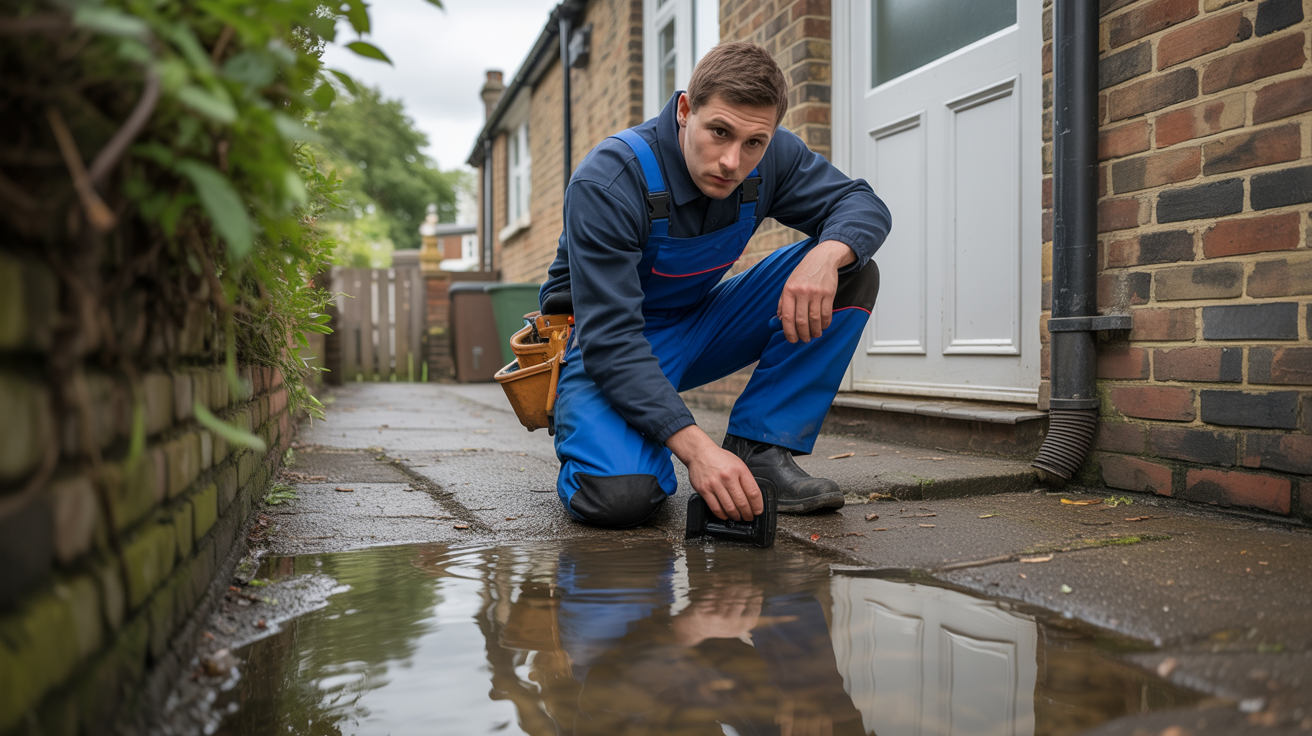
Roof inspections support moisture-risk management, but they do not create Part C compliance on their own. Approved Document Part C is about how the building is designed and constructed to resist contaminants and moisture. A roof survey does not certify that. What it does is help you preserve the roof’s moisture-resisting performance over time and show that you are managing deterioration sensibly.
What Part C is actually concerned with
Part C creates the compliance context for harmful moisture effects from precipitation, condensation, and other sources of dampness. In practical terms, the roof has to keep doing its moisture-resistance job.
That is why roof inspections matter. They help you identify where that performance may be weakening before moisture problems show up more widely in the building.
How inspections help without overclaiming
A defensible statement is simple: inspections help identify deterioration, record moisture-risk pathways, and inform repair priorities. They support ongoing maintenance and evidence. They do not replace correct design, correct construction, or proper remedial works.
That wording matters because it protects you from false reassurance and gives boards, compliance teams, and accountable persons a clearer basis for decision-making if the record is reviewed later.
Why this matters more in ageing stock
Older roofs, traditional materials, legacy details, and buildings with a history of ingress usually need closer attention because moisture vulnerability can develop long before the problem becomes obvious indoors.
If you manage that risk early, you preserve performance. If you wait for visible internal damage, you are already dealing with the consequence instead of the cause.
What Reporting Do You Receive After Inspection?

The report should tell you what is wrong, where it is, how urgent it is, and what you should do next. A weak report gives you photographs and opinion. A strong report gives you a usable decision document that your property team, contractor, board, insurer, or finance lead can work from without rewriting it.
What the report should contain
At minimum, you should expect the roof areas inspected, inspection date, weather conditions, access method, any limitations, observed defects, photo evidence, and recommended actions.
If the inspection relates to storm damage, the report should also help you understand whether the damage appears consistent with a recent event or whether it looks more like wear, deferred maintenance, or older failure.
What makes it useful for claims and governance
Insurers, boards, and legal reviewers usually need the same basic points answered clearly: what is damaged, what likely caused it, how recent it appears, and what works are needed.
That is why clarity matters more than length. A shorter report with location-specific photos, defect descriptions, and a clean priority ladder is often more useful than a longer report that mixes urgent and non-urgent items.
What makes follow-through easier
The strongest reporting format is usually a simple defect register that links each issue to its roof area, consequence, priority, and recommended next action.
That format is easier to pass into repair procurement, explain to stakeholders, and revisit at the next inspection so you can see whether the same issue is progressing or has been properly closed out.
Accreditations & Certifications








How Roof Inspections Support PPM Budgets And Repair Planning
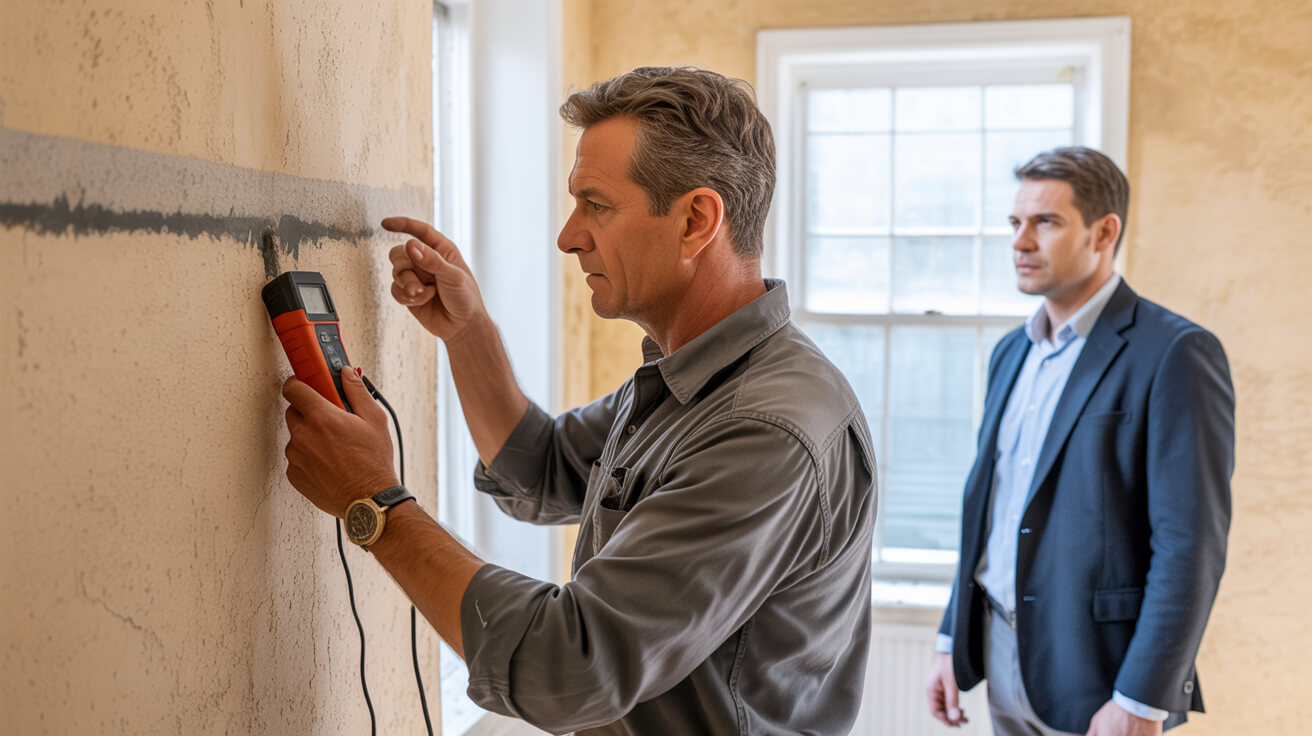
A good inspection helps you phase spend instead of letting the roof decide the timing for you. The real value of roof inspection PPM services UK is not only that defects are found. It is that they are sorted into now, soon, and monitor. That gives you a cleaner bridge between condition, cost, and timing.
From defects to priorities
Not every defect needs the same response window. Some items need immediate repair because they affect watertightness or safety. Some need scheduling within the next maintenance period. Others need watching so you can act before deterioration becomes more expensive.
That is where planned preventative maintenance stops being theory and starts becoming useful.
From priorities to budgets
Once findings are prioritised properly, you can link them to current budgets, reserve planning, procurement timing, and access planning instead of treating every roof issue as an emergency expense.
If one roof needs urgent outlet and flashing repairs now, while another only needs monitored edge wear reviewed at the next cycle, you can approve work with more control and less noise. That is how inspection evidence starts reducing rushed spend instead of merely recording defects.
We use that structure at All Services 4U to help you move from a survey result to a repair plan that makes commercial sense. You get a clearer basis for approvals, fewer rushed instructions, and a more defensible explanation of why work is needed now, later, or not yet.
From one-off surveys to a repeatable programme
If you manage several buildings, consistency matters as much as technical accuracy. Using the same survey logic, reporting format, and priority language across multiple roofs makes trends easier to spot and repair planning easier to standardise.
If you want a cleaner route from inspection to budget control, ask for a scope note and sample output before appointment. That usually removes more procurement friction than another round of vague pricing.
Reliable Property Maintenance You Can Trust
From routine upkeep to urgent repairs, our certified team delivers dependable property maintenance services 24/7 across the UK. Fast response, skilled professionals, and fully insured support to keep your property running smoothly.

Book Your Free Consultation With All Services 4U Today
You can turn roof uncertainty into a clear inspection plan before the next leak, storm, or budget meeting forces the issue.
If you need a six-monthly inspection cadence, a post-storm assessment process, or a report format that works for boards, contractors, residents, and insurers, we will help you define the scope first. That gives you a clearer brief, cleaner evidence, and a more useful result.
You do not need to commit to repairs during the first conversation. You only need to define what your roofs need, how often they should be checked, and what a usable output should look like for your organisation.
Book your free consultation with All Services 4U today.
Frequently Asked Questions
What minimum standard should your UK roof inspection PPM service actually meet?
A UK roof inspection PPM service should give you clear condition evidence, repair priority, and a usable maintenance record.
PPM means planned preventative maintenance. In practice, that means you are not paying for somebody to glance at the roof and leave a vague attendance note. You are paying for a repeatable inspection process that helps your team control risk, sequence repairs, and explain decisions later if a leak, complaint, or insurance query lands on your desk.
That distinction matters. A weak roof inspection report usually says the roof was checked and some repairs may be required. A stronger one tells you which roof areas were inspected, how access was achieved, what could not be seen, what defects were found, how those defects should be prioritised, and what should happen next. That is the difference between a site visit and a maintenance control document.
For a property manager, RTM chair, landlord, or facilities lead, the quickest test is practical. Can a contractor price from the report without another visit? Can your board understand the risk without translation? Can you rely on the file later if somebody asks why the defect was not addressed earlier? If the answer is no, the inspection has fallen below the standard your building needs.
RICS guidance on planned maintenance supports a structured approach to inspection and lifecycle planning rather than vague commentary. That is why a credible roof inspection service should deal in usable findings, not broad impressions. On most residential roofs, that means the report should address drainage points, flashings, parapet details, coverings or membranes, penetrations, edge trims, and visible signs of movement or water retention.
If you are trying to reduce repeat callouts and stop avoidable roof failures from dictating your budget, it makes sense to start with an inspection standard that can support action, not just attendance. That first step is often where wasted spend either starts or stops.
What should a decision-ready roof inspection report include?
A decision-ready roof inspection report should show area, condition, urgency, and the likely consequence of delay.
At minimum, your report should normally include:
- roof areas or elevations inspected
- access method used and any inspection limits
- dated photographs
- defect descriptions in plain English
- repair priority or risk band
- likely effect of delay
- recommended next step
- review date or trigger point
That structure is not administrative overkill. It is what allows different people to use the same report for different decisions. Your contractor needs scope clarity. Your board needs risk clarity. Your managing agent needs enough detail to move from observation to instruction.
Without that structure, the same defect often gets described three times by three people before anyone fixes it.
Why does repeatable reporting matter more than extra commentary?
Repeatable reporting matters because it lets you measure deterioration instead of rediscovering the same weakness each visit.
One detailed inspection can help once. A consistent inspection method helps over years. If each report covers the same roof zones and defect categories in the same way, you can compare outlet condition, flashing integrity, membrane stress points, and parapet movement from one cycle to the next. That turns roof maintenance into something you can manage, rather than something you react to.
For a board under service charge pressure, that means better justification for planned spend. For a property team, it means fewer speculative quotes. For a landlord trying to reduce avoidable ingress, it means fewer arguments about whether the issue is new, worsening, or simply undocumented.
If you are reviewing providers now, asking for a sample roof inspection report is still one of the cleanest ways to see whether you are buying a proper maintenance control process or just another short visit note.
When does a low-standard inspection become expensive?
A low-standard inspection becomes expensive when your team has to repeat diagnosis before it can authorise repair.
That cost shows up in several ways:
- a second visit to scope the same defect
- a delayed quote because the first report was too vague
- internal time spent interpreting unclear findings
- weaker defence if a complaint or insurer query follows
- reactive repairs that should have been planned sooner
If you want a safer next step, ask for an inspection format that produces scope certainty, visible priority, and a record your stakeholders can actually use. That is usually where better roof maintenance starts.
When should you go beyond a twice-yearly roof inspection schedule?
You should go beyond twice-yearly roof inspections when your roof carries higher exposure, complexity, or failure consequence.
A spring-and-autumn inspection cycle is a sound baseline for many buildings. It catches common weather-related wear either side of harsher seasonal conditions. The problem is that baseline and best-fit are not the same thing. Some roofs deteriorate faster, some are harder to inspect properly, and some become operationally expensive the moment they fail.
A cheap inspection cycle stops being cheap when the roof starts setting your timetable.
That is why a rigid six-month pattern can under-serve certain buildings. SFG20 is useful here because it supports maintenance planning based on asset criticality, condition, and risk rather than a one-size-fits-all calendar. In plain terms, if your roof has more weak points, more foot traffic, more plant, more exposure, or more complaint history, you may need more than two visits a year.
For residential property maintenance, the cost of under-inspection rarely stops at the roof surface. It can spread into resident disruption, internal damage, contractor reattendance, insurance friction, and urgent board reporting. That is why the real question is not whether twice-yearly sounds reasonable. It is whether that cadence matches the building’s exposure and the cost of failure.
For a portfolio owner or managing agent, the stronger move is usually not more inspections everywhere. It is sharper targeting. Some roofs should stay on a six-month cycle. Others need event-led checks, quarterly attention, or focused reviews around known weak zones. That is how a roof inspection PPM programme becomes commercially disciplined rather than simply frequent.
Which roofs usually justify more frequent inspections?
Roofs with more failure points, more exposure, or less tolerance for disruption usually justify more frequent inspection.
That often includes:
- flat roofs with a ponding history
- roofs with regular foot traffic
- roofs carrying plant or service penetrations
- exposed sites with wind-driven rain
- buildings under heavy leaf fall
- blocks with repeated top-floor leak complaints
- buildings housing vulnerable residents
- assets with high-value interiors or sensitive operations
The reason is straightforward. If the roof is easier to damage, harder to assess, or more expensive to fail, the inspection frequency should reflect that reality.
How does a risk-based schedule work in practice?
A risk-based schedule changes the inspection interval to suit defect history, roof complexity, and business impact.
A simple framework helps:
| Roof profile | Usual approach | Why it changes |
|---|---|---|
| Low-risk standard roof | Spring and autumn | Baseline weather-cycle control |
| Older or exposed roof | Additional seasonal review | Faster deterioration risk |
| Roof with plant or heavy access | Extra targeted checks | More wear and more penetrations |
| Roof after severe weather | Immediate post-event assessment | Triage and condition evidence |
That approach gives you a defensible reason for spending more where the asset needs it and holding the line where it does not. It also gives your board or client a better answer than “this is what we usually do”.
When is sticking to twice-yearly the wrong decision?
Twice-yearly becomes the wrong decision when known risk is already outgrowing the inspection interval.
Warning signs include:
- recurring leaks between scheduled visits
- growing drainage defects
- repeated storm-related damage
- unresolved defects from previous reports
- rising complaint volume from top-floor occupiers
If that sounds familiar, the next move is usually not another generic inspection. It is a review of cadence, scope, and weak-point targeting so your roof inspection service reflects the building you actually manage.
How can a roof survey report support insurance, budgeting, and contractor control without doing three separate jobs?
A strong roof survey report supports all three by showing condition, cause, urgency, and scope in one usable format.
This is where many reports underperform. They may contain technical observations, but they do not organise the information in a way that helps different stakeholders act quickly. Your finance lead wants to know what belongs in immediate spend and what can sit in a planned cycle. Your contractor wants enough detail to quote accurately. Your broker or insurer wants a dated record that distinguishes progressive deterioration from a sudden event. If all three have to reinterpret the report from scratch, it is not working hard enough.
The Financial Ombudsman approach to storm-related disputes makes one thing especially relevant here: causation matters. Sudden damage is not the same as long-term wear, and a report that blurs those lines can create avoidable claims friction. A better survey record makes that distinction clearer. It states what was observed, what appears long-standing, what may be event-related, what access restrictions applied, and what scope should follow.
That kind of clarity also improves budgeting. Instead of one blurred list of defects, you get a cleaner separation between immediate repairs, planned remedials, and monitor-only items. That helps you sequence cost more intelligently and reduces the chance of reactive overspend. It also improves contractor control because it removes the ambiguity that leads to padded quotes, return visits, and arguments about whether the first survey actually defined the job.
For a managing agent or asset manager, that means fewer moving parts. For a finance director, it means cleaner cost sequencing. For an insurer-facing file, it means a stronger causation record. One report can support all three outcomes if it is structured for decisions, not just observations.
What should the report answer quickly for different stakeholders?
The report should answer what is wrong, where it is, how urgent it is, and what kind of follow-on work is needed.
Those are the core questions that matter across teams:
- what defect has been identified
- where it sits on the roof
- whether it is urgent, planned, or monitor-only
- what the likely consequence of delay is
- whether the issue looks progressive or event-related
- what scope should follow next
That is enough for your contractor to quote, your board to understand exposure, and your finance team to decide whether the spend belongs in current works or planned maintenance.
How does this improve cost planning rather than just technical clarity?
It improves cost planning by separating immediate risk from deferred work and by reducing rescope waste.
Useful survey features include:
- priority bands
- likely repair sequence
- access constraints
- comments on repeat defects
- indication of deterioration trend
- distinction between defect and symptom
That is how you stop one roof report from becoming three internal debates. It gives your team a shared basis for action.
Why does this also tighten contractor control?
It tightens contractor control because a defined survey gives less room for vague pricing and more room for accountable delivery.
When scope is weak, contractors often have to revisit before pricing properly. When scope is stronger, you get cleaner quotes, clearer comparisons, and less room for drift between inspection and remedial work.
If your current reports create administration instead of direction, that is usually the signal that your survey format needs to do more than describe the roof. It needs to support decisions across cost, claims, and delivery.
Why do photo-evidenced roof inspections matter so much when damp, mould, and complaints are involved?
Photo-evidenced roof inspections matter because they turn a disputed defect trail into a visible record.
By the time a resident reports damp staining or mould growth on an upper floor, the visible symptom is often the end of the story, not the start. Water may have entered through a failed flashing, membrane split, parapet junction, outlet restriction, or penetration defect long before it appears indoors. If your roof inspection record does not include dated photographs tied to clear location notes, your team is left trying to explain a building fabric problem through inference.
That is where complaint handling often starts to slide. A resident reports mould. The internal symptom is treated as the whole issue. Condensation gets assumed too early. The roof is not properly ruled in or ruled out. Time passes. Positions harden. The file gets heavier without becoming clearer.
The Housing Ombudsman has repeatedly pointed to the importance of good records in complaint resolution. In practical terms, that means showing what was inspected, what was found, what action followed, and how your conclusion was reached. Photo-evidenced roof inspections strengthen that chain because they give your teams something more reliable than memory or generic notes. They support better diagnosis, clearer resident updates, and a more defensible chronology if the issue escalates.
For resident services managers, this is not only a technical matter. It is also about trust. When you can show that the roof area was inspected on a named date, with visible evidence and a recorded outcome, you reduce the sense that the organisation is guessing or delaying. That can materially improve complaint handling even before the final repair is complete.
What can roof photos prove that written notes often cannot?
Roof photos can prove visible condition, exact location, progression over time, and whether a repair changed the defect area.
They help you show:
- where the defect sat on the roof
- what it looked like on that date
- whether deterioration appears to be progressing
- whether earlier repair work is still holding
- whether drainage, trims, or seals changed between visits
That does not replace technical judgment. It strengthens it.
When does photo evidence become especially valuable?
Photo evidence becomes especially valuable when the issue may spill into a complaint file, insurance question, or resident challenge.
That usually includes:
- repeated top-floor damp reports
- disagreement about repair delay
- uncertainty over whether earlier works worked
- challenge on whether roof works were necessary
- ombudsman-facing complaint handling
In those cases, a short written note rarely settles much. A dated image set tied to defect notes usually does more useful work.
How should this change your buying decision?
It should push you toward a provider that treats visual evidence as central to the service, not an optional add-on.
If your current roof inspection output still leaves your team arguing about source, timing, or accountability, it is worth reviewing whether the service is producing complaint-ready evidence as well as technical observations. That is often the point where better maintenance and better resident handling begin to overlap.
What failure modes are most often missed between routine roof inspections?
The roof failure modes most often missed are the small drainage and weathering defects that worsen quietly between visits.
That is one of the reasons reactive-only roof management becomes so expensive. The issue that finally appears inside the building usually did not begin as a dramatic defect. It often started as a partially blocked outlet, a lifted edge detail, a weak seal at a penetration, a minor membrane split, a failed flashing, or a low-level ponding area that kept holding water slightly longer than it should.
Those are the defects that do not always announce themselves on the day. They need the right rain pattern, enough time, and a bit of neglect before they become visible internally. That is why routine roof inspections need to focus on the quiet failure points, not just the obvious ones.
NHBC guidance on moisture risk and envelope performance reinforces the practical importance of catching minor defects before they develop into wider damage. In plain terms, moisture control is cheaper when you deal with the path early. That is exactly where planned roof maintenance earns its keep. It does not only find major failures. It catches the normal, low-drama defects that become expensive once weather and time start working together.
For a property team under pressure, that is a useful reset. You are not trying to predict every future leak. You are trying to identify the small weakness patterns that most often create the next leak if they go unchecked.
Which quiet defects deserve the most attention?
The quiet defects that deserve the most attention are usually linked to drainage, movement, and edge conditions.
Common examples include:
- outlet restriction from silt or debris
- local ponding that lasts too long
- edge trim movement
- cracked seals at penetrations
- failed flashings
- minor membrane splits
- weakness at upstands
- slipped coverings after weather exposure
None of those needs to look severe to become costly. They only need enough time and the wrong weather conditions.
Why are these defects so often overlooked?
They are often overlooked because they sit between obvious categories: not urgent enough to alarm, not minor enough to ignore.
That makes them easy to underspecify in a weak inspection. A short report may mention them without explaining whether they affect drainage, watertightness, or likely progression. That creates drift, and drift is where preventable roof costs tend to grow.
When should monitoring stop and repair start?
Monitoring should stop when the defect affects drainage, waterproofing, safe access, or a roof area with repeat complaint history.
That is where inspection quality starts to matter commercially. A provider who only records appearance leaves your team to debate consequence later. A provider who comments on likely progression gives you a route to action.
If your current roof regime tends to move only after water appears inside, the asset is effectively setting the timetable. A tighter inspection focus on these quieter defect modes is often the more controlled response.
How should you choose between a one-off roof inspection, a post-storm assessment, and an ongoing PPM programme?
You should choose by the decision you need next: baseline diagnosis, event evidence, or long-term control.
These services are related, but they are not interchangeable. A one-off roof inspection helps when current condition is unclear and you need a baseline. A post-storm assessment helps when severe weather may have changed the roof quickly and you need immediate evidence, triage, and repair direction. An ongoing PPM programme helps when your real problem is recurring uncertainty, repeat defects, or reactive spend over time.
That distinction matters because many buyers start with the visible issue rather than the decision they actually need to make. If your board has no reliable recent roof history, a one-off inspection is often the logical first move. If a storm has just passed and you need to establish whether damage is new, a post-storm assessment is the better fit. If you are stuck in a cycle of recurring leaks or unclear repair timing, an ongoing roof inspection PPM programme is usually the safer commercial choice because it creates trend data, cadence, and accountability.
SFG20-style maintenance planning helps here because it shifts the question from “who can inspect this roof?” to “which service reduces uncertainty for the least wasted spend?” That is often the turning point for buyers who are close to decision and want a de-risked path rather than another disconnected site visit.
Which service usually fits which situation?
Each service suits a different operational need, and choosing the wrong one often creates extra cost.
| Situation | Best-fit service | Main outcome |
|---|---|---|
| No reliable recent roof history | One-off roof inspection | Baseline condition clarity |
| Severe weather event | Post-storm assessment | Fast triage and dated evidence |
| Recurring leaks or repeated defects | Ongoing PPM programme | Trend control and planned repairs |
| Portfolio budget planning | Scheduled bi-annual review | Risk and spend visibility |
That makes the buying decision cleaner. You are choosing the reporting logic you need, not just the visit type.
What questions should you ask before you buy?
You should define the next decision before you define the service.
A useful shortlist looks like this:
- do you need a baseline condition record
- do you need storm-related evidence quickly
- do you need reports contractors can quote from
- do you need a recurring inspection cadence
- do you need evidence suitable for boards, insurers, or lenders
Those questions usually expose whether you need a one-off diagnostic, an event-led response, or a proper planned programme.
What is the safer next step if you are still unsure?
The safer next step is a scoped conversation tied to your risk profile, reporting requirement, and stakeholder pressure.
If your concern is cost control over time, ask about an ongoing PPM structure. If your concern is proof after a weather event, ask for a post-storm assessment. If your concern is basic condition clarity, start with a one-off inspection and use that output to decide what comes next.
That is often the more disciplined route for owners, RTM boards, and managing agents who want fewer reactive surprises and better records to support the decisions that follow.
- How Often Should A Commercial Roof Be Inspected In The UK?
- What Does A Bi-Annual Roof Survey Include?
- When Is A Storm Damage Assessment Needed?
- What Defects Are Commonly Found On UK Commercial Roofs?
- How Roof Inspections Support Part C Moisture-Resistance Objectives
- What Reporting Do You Receive After Inspection?
- How Roof Inspections Support PPM Budgets And Repair Planning
- Book Your Free Consultation With All Services 4U Today
- Frequently Asked Questions
- Related PPM Services
Case Studies


Related Articles

Your Guide To Identifying And Treating Minor Mould Outbreaks

Why Planned Preventative Maintenance (Ppm) Saves Money And Ensures Compliance