Fire Door Maintenance PPM Services for BSMs – BS 8214 Inspections, Gap Surveys & FRA Actions
For BSMs, accountable persons and housing teams, this fire door PPM service links BS 8214-aligned inspections, gap surveys and FRA actions into one controlled maintenance flow. Defects are measured, prioritised and closed with compatible remedials and photo-backed evidence, depending on constraints. You finish with a live door register, clear defect ageing, and records built for boards, auditors and insurers, with verification before actions are marked complete. It’s a practical way to tighten control of communal fire doors and review your current position with specialists.



Author
Izzy Schulman

If you manage fire safety in occupied residential blocks, open fire door defects, scattered reports and unclear remedials can leave accountable persons exposed. Inspections alone do not reduce risk unless findings, priorities and evidence are controlled from first visit to final sign-off.

A structured fire door PPM programme links BS 8214-aligned inspections, measured gaps, compatible remedials and evidence-backed closure into one repeatable system. This gives BSMs and housing teams clearer control of communal doors, audit-ready records and a defensible route from open FRA actions to verified close-out.
- Shorten time at risk between defect discovery and closure
- Maintain live, evidence-backed records for boards and auditors
- Reduce repeat faults with compatible, doorset-appropriate remedials</p>
Need Help Fast?
Locked out, leak at home, or electrical issue? All Services 4 U provides 24/7 UK locksmith, plumbing, electrical.
Testimonial & Clients Who Trust Us
With 5 Star Google Reviews, Trusted Trader, Trust Pilot endorsements, and 25+ years of experience, we set industry standards for excellence. From Dominoes to Mears Group, our expertise is trusted by diverse sectors, earning us long-term partnerships and glowing testimonials.
Worcester Boilers

Glow Worm Boilers

Valliant Boilers

Baxi Boilers

Ideal Boilers

You need a fire door programme that closes actions with evidence, not a contractor trail you have to reconstruct later.
If you coordinate fire safety in occupied residential buildings, the pressure rarely sits in the inspection itself. It sits in what follows: whether defects are prioritised properly, whether remedials stay compatible with the doorset, whether records stand up for accountable persons and auditors, and whether open FRA actions move to verified closure. That is where a fire door PPM service proves its value.
We build fire door maintenance around the live performance of each common-parts doorset in use. We inspect, measure, record, prioritise, remediate where appropriate, and verify before anything is marked complete. You get clearer control of communal doors, cleaner reporting, and a record you can use in governance packs, golden thread files, and insurer discussions.
If you need a practical route from open actions to defensible close-out, you can review your current position with us and see exactly where your evidence standard needs tightening.
Why reactive fire door repairs leave you exposed between inspections
You carry more risk when defects are found ad hoc than when they sit inside a repeatable maintenance regime.
Inspection-only creates backlog, not assurance
A report on its own does not reduce risk. If one contractor finds the defect, another prices it later, and a third returns to verify, delay builds between discovery and closure. During that gap, the door stays in service, the FRA action stays open, and your records end up scattered across emails, PDFs, and quotations.
Small faults turn into persistent failures
A closer that drifts, a latch that catches inconsistently, or a damaged seal can look minor at first. In reality, those issues repeat because the root cause has not been resolved, whether that is alignment, hardware compatibility, or the way the door is actually used. You then pay twice: once for the inspection and again for repeated attendance, resident coordination, and avoidable rework.
Time at risk matters more than visit count
The management question that matters is not how many times someone attended site. It is how long a known defect remained live on a stair, lobby, cross-corridor route, riser, or plant area. A planned programme shortens that exposure by linking inspection, remedial decision, evidence capture, and reinspection inside one controlled flow.
If you want fewer repeat faults and less administrative drag, the next step is to define what good evidence looks like before works start.
What you need to evidence for accountable persons, boards and auditors
You need records that show what was found, what was done, who did it, when it changed, and why the action is genuinely closed.
The duty map has to be clear
In England, the day-to-day building safety function often sits with a BSM-style role, but the legal duties sit with the Responsible Person under fire safety law and, in higher-risk buildings, the Accountable Person or Principal Accountable Person under the building safety regime. Your fire door records therefore need to support operational coordination and higher-level assurance at the same time.
Board-safe reporting is specific, not vague
A useful assurance pack is not a red, amber, and green headline with no source trail behind it. It is a live door register, ageing of open defects, priority bands, evidence-backed closure status, and a clear record of what still needs escalation. That is what lets you answer hard questions quickly without rebuilding the story from scratch.
Weak records create repeat work
When labels are missing, historic repairs are unclear, or earlier reports did not capture measured values and location-specific evidence, your team pays to rediscover the same problem. A stronger evidence standard cuts that waste. It also gives you a cleaner route into golden thread records and a more credible safety case narrative.
This is why fire door PPM should be specified as a delivery system, not just an inspection visit.
What a BS 8214-aligned fire door PPM service should include
You need a scope that defines inspection, maintenance, remedials, escalation points, and outputs before anyone steps on site.
Core inspection scope
A workable service covers more than a visual glance. It should include asset identification, location confirmation, door-by-door inspection, measured gaps and clearances, checks to seals, hinges, glazing, ironmongery, self-closing and latching, defect grading, and a clear recommendation for repair, adjustment, monitoring, or replacement review.
Compatible remedials and escalation rules
Not every defect should be solved with a quick adjustment. Some issues need like-for-like compatible components, some need technical review against the doorset’s test or certification basis, and some should be escalated because the uncertainty is too high for routine maintenance. That line matters. It protects you from false assurance and stops low-cost fixes from undermining the assembly.
Reporting outputs you can actually use
When you see BS 8214 referenced in procurement or maintenance discussions, treat it as the established inspection-and-maintenance logic for timber-based fire door assemblies, not as a licence to ignore current product information or the building’s fire strategy. Your programme still needs to follow the FRA, the doorset evidence you hold, manufacturer information, and current guidance.
You should expect outputs like these:
- A unique ID and location for each relevant door
- Measured findings, not generic pass-or-fail notes
- Photos that show the defect and the completed action
- Priority grading linked to route and consequence
- Clear replacement or escalation triggers
Those outputs make the programme manageable for you instead of turning it into interpretive admin after the event.
If you want to compare suppliers properly, ask to see the reporting format before you compare the headline price.
What gets checked door by door during inspections and gap surveys

You need inspection detail that proves the whole assembly is being assessed, not just the leaf.
Gaps and alignment
A gap survey measures the clearances between the leaf and frame, and the threshold condition, to judge whether the door is likely to perform as intended. In practice, consistent side and head gaps are usually expected to sit within a narrow range unless the doorset evidence says otherwise. What matters for you is not the number in isolation, but whether the geometry is consistent, recorded, and judged against the right basis.
Seals, closers and latching
A compliant-looking door is not enough if it does not close and latch reliably in real use. Routine checks should cover intumescent and smoke seals, closer function, closing speed, latch engagement, and signs of drift or interference. In higher-risk residential settings, closer checks belong inside the routine programme, not as an optional extra.
Ironmongery, glazing and signs of alteration
Hinges, locks, coordinators, glazing systems, and other ironmongery all affect performance. So do undocumented alterations. If previous works introduced non-matching hardware, seal substitutions, trimming, or glazing changes without a clear evidence trail, that should be recorded as a technical risk, not softened into a maintenance note.
A good survey also shows you patterns. If the same route keeps producing similar defects, you may be looking at a usage issue, an environmental issue, or a design choice that is driving repeat failure.
How often checks should be scheduled in a risk-based programme
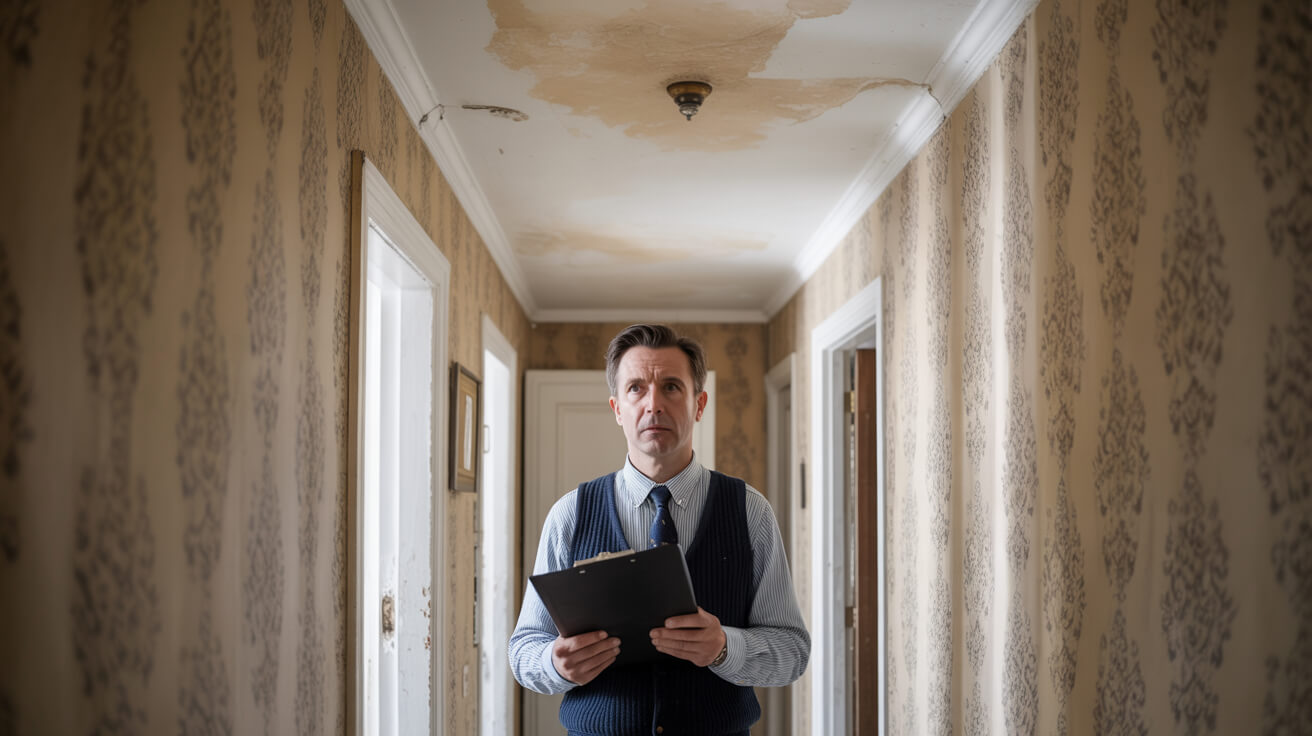
The legal minimum is the floor, not the whole programme.
The legal baseline in England
For relevant multi-occupied residential buildings over 11 metres in England, communal fire doors should be checked at least every three months. That gives you a clear starting point for common-parts PPM. It does not mean every door should receive identical treatment forever, and it does not turn a basic check into a full closure workflow on its own.
When you should inspect more often
Some doors justify tighter control. That usually includes high-traffic routes, doors with repeat defects, doors in locations where failure carries higher consequence, buildings with vulnerable residents, and routes where misuse or impact damage is common. The more likely the defect and the greater the consequence, the shorter the review cycle should become.
How to set a defensible schedule
A practical programme uses a simple matrix: route criticality, usage intensity, resident vulnerability, defect history, current condition, and access complexity. That gives you a rational basis for seeing some doors more often than others. It also makes the schedule easier to explain to boards, auditors, and residents.
Where relevant, six-monthly practice may still appear in broader fire door maintenance guidance, but for common parts in the residential buildings this page is aimed at, the quarterly baseline is the anchor point. From there, risk should drive uplift, and post-remedial verification should sit inside the cycle so closure means restored performance was actually checked.
Accreditations & Certifications








How we deliver inspections, remedials and FRA action closure
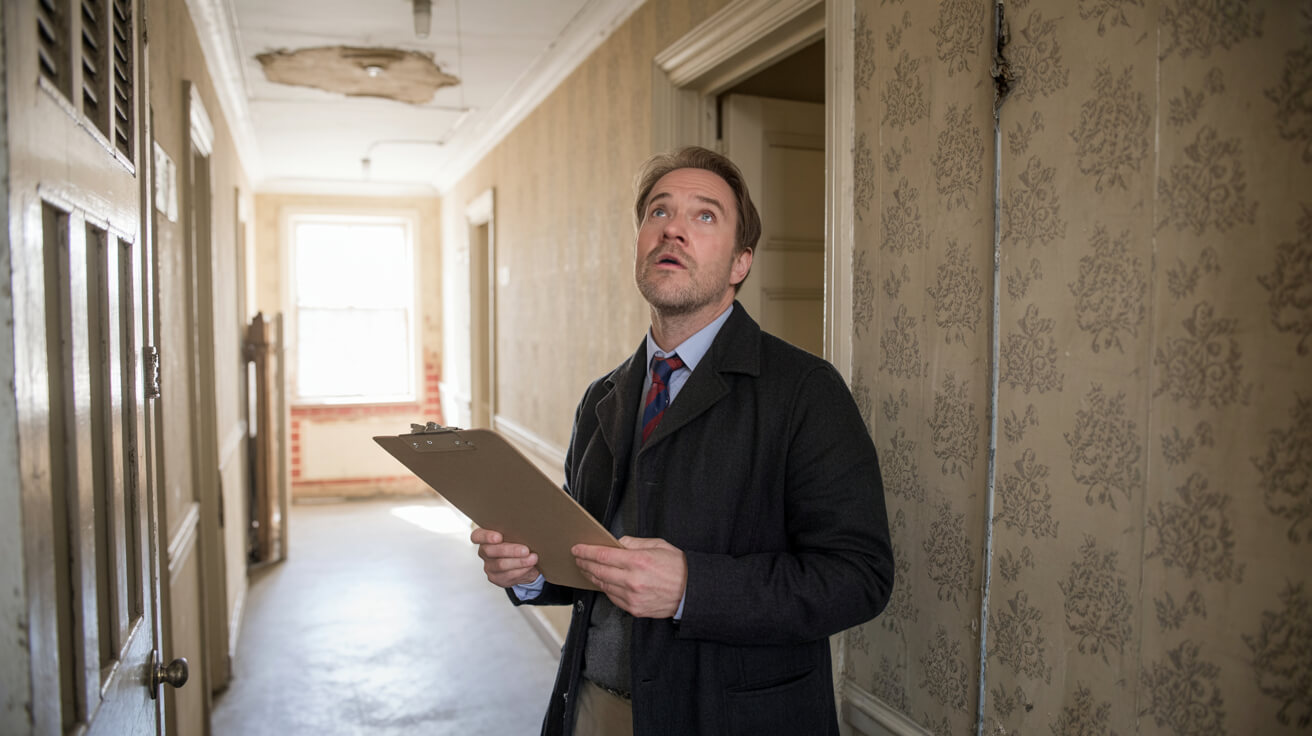
You need a closed-loop service that starts with the door, follows the action, and ends with verified evidence, with fewer hand-offs, clearer ownership, and stronger records.
We survey and tag every relevant door
We begin with the door register, location logic, and site reality. We confirm what is there, identify each relevant common-parts doorset, inspect it against a repeatable checklist, and tie findings to a unique reference you can keep using across quarters. That gives you one controlled record instead of disconnected contractor notes.
We raise remedials with clear priorities
We do not treat every defect as equal. We grade issues by practical life-safety impact, route importance, and certainty of the finding. Straightforward maintenance items move quickly. Items that need compatibility review, replacement consideration, or deeper technical input are separated out clearly so you are not forced into guesswork.
We close actions only when the evidence is complete
Our rule is simple: no evidence, no completion. We document what was found, what was done, which components or methods were used, who completed the work, and how the close-out was verified. Before-and-after photographs, updated status records, and door-specific notes then feed the pack you use for FRA closure, golden thread information, and insurer scrutiny, giving you a cleaner route from inspection to verified closure.
If you need to test that workflow against your current backlog, a scoped review is the fastest place to start.
Reliable Property Maintenance You Can Trust
From routine upkeep to urgent repairs, our certified team delivers dependable property maintenance services 24/7 across the UK. Fast response, skilled professionals, and fully insured support to keep your property running smoothly.

Book Your Free Consultation With All Services 4U Today
You do not need a perfect estate file before you start. You need a clear view of where your fire door records are strong, where open actions are ageing, and where your current programme is creating uncertainty instead of reducing it. That is the point of the first conversation.
We will look at your building type, your communal door estate, your open FRA actions, your current inspection cadence, and the evidence gaps that would matter most if your records were challenged. If you are dealing with missing labels, mixed portfolios, inherited spreadsheets, or resident-sensitive access arrangements, we will factor that in rather than pretend the job starts from a clean slate.
You then leave with a clearer route: what should stay in planned maintenance, what needs urgent remedial attention, what needs escalation, and what evidence standard will make your programme easier to govern. If you need board-ready reporting, we will frame the next step around risk, closure quality, and operational practicality.
Book your fire door PPM review now.
Frequently Asked Questions
What should a Building Safety Manager expect from communal fire door maintenance if the goal is real FRA action closure?
A proper communal fire door maintenance service should take you from defect finding to verified closure with usable evidence. That means clear door IDs, measured findings, remedial decisions you can justify, and records that still make sense months later when someone else reviews them. If the service stops at inspection, your team usually ends up carrying the real coordination burden.
In many higher-risk residential buildings, that is where the programme starts to drift. You commission communal fire door inspections, receive a report, and still have to translate findings, chase remedial works, sort priorities, explain delay to the accountable person, and then prove FRA action closure later. The inspection happened. The risk may still be sitting with you.
A stronger fire door maintenance contractor starts with the doorset as an asset, not a one-off task. In practice, that means a stable fire door register, clear location references, door IDs that carry through each visit, and inspection logic that treats the leaf, frame, seals, glazing, hinges, closer, latch, signage and condition in use as one system. That is what turns communal fire door maintenance into something you can govern, not just something you can file.
A report only helps when it reduces risk faster than it creates admin.
What good communal fire door maintenance looks like
A strong workflow usually runs in five linked stages.
- Validate or rebuild the fire door asset register
- Inspect each doorset with measured findings
- Route defects into adjust, repair, replace, or escalate
- Complete remedial works with compatible parts
- Verify the result before the FRA item is marked closed
That sequence matters because most portfolios do not fail at inspection. They fail in the gaps between inspection, remedial work, and proof. One contractor notes a closer fault. Another adjusts it. Someone else updates the spreadsheet. Weeks later, nobody can show whether that same door now closes consistently, latches properly, or still has an unresolved seal issue.
Under the Fire Safety Order 2005, fire precautions must be maintained in efficient working order and good repair. Under Approved Document B and BS 8214 maintenance logic, the practical question is not whether somebody attended. It is whether the door is now more reliable in use, and whether the record proves that clearly enough for later scrutiny.
A useful close-out trail should show:
- Door ID and exact location
- Inspection date and remedial date
- Specific defect description
- Measured findings where relevant
- Action taken
- Before-and-after photos
- Verification status
- Final outcome: closed, monitor, escalate, or replacement review
If your current fire door compliance evidence ends at phrases like adjusted, repaired, or complete, your team is still relying too much on wording and not enough on proof.
Where communal fire door maintenance programmes usually fail
Weak programmes often look organised on the surface. The spreadsheet is updated. The visit happened. The contractor marked the line item complete. The problem is that the route from defect to closure is still too loose.
The common warning signs are familiar:
| Weak output | What it means in practice |
|---|---|
| Generic pass-or-fail wording | Your team still has to interpret the risk |
| No stable door ID | Trend tracking breaks down |
| No measured findings | Improvement is hard to judge |
| No photo-backed verification | Board and insurer confidence stays limited |
| No separate closure check | FRA action closure becomes administrative |
That creates extra assurance workload later. A board member asks why a high-priority action was closed. A broker asks whether precautions are being maintained in practice. A Building Safety Regulator review tests whether records are current and usable. The programme then depends on your team reconstructing the story from several places. That is avoidable.
Most portfolios do not need a dramatic reset to improve this. They need a service model that links communal fire door inspections, fire door remedial works, and closure evidence in one track.
What should you ask for before you appoint?
If you want to test whether a contractor can really support FRA action closure, ask for one complete anonymised trail for a single door. Not a polished sample report. Not a summary slide. One door from finding through remedial work to verified close-out.
That tells you more than a credentials sheet ever will. It shows whether the contractor can keep continuity across the whole process and whether the output would stand up in front of a board, insurer surveyor, or accountable person without your team adding hours of explanation.
For a Building Safety Manager, a practical next step is simple: take one repeat-fault stair core and compare your current workflow against one integrated contractor close-out trail. If the second route gives you less report-chasing and cleaner proof, you already know where the safer decision sits. That is where All Services 4U tends to make the biggest difference: not by adding another inspection layer, but by giving you a clearer route from finding to closure.
How often should communal fire doors be checked in a higher-risk residential building?
The legal minimum is only the floor. In a higher-risk residential building, communal fire doors should be checked often enough to reflect route importance, usage, repeat defects, and recent remedial history. Quarterly inspection of common-parts fire doors may satisfy the baseline in relevant buildings, but a stronger programme adds risk-led reviews where doors are heavily used, repeatedly defective, or recently repaired.
The Fire Safety (England) Regulations 2022 set a clear minimum for common-parts fire doors in relevant multi-occupied residential buildings over 11 metres in England. That is important, but it does not remove the need for judgement. If every communal fire door sits on the same schedule regardless of use, route importance, or defect recurrence, the programme may be compliant on paper while still under-controlling the doors that matter most.
That is because a hard-used stair core door and a low-use cupboard door do not create the same operational risk. A route protecting sleeping accommodation, a cross-corridor door with repeat latch faults, or a communal door serving residents who may need support during evacuation needs closer attention than a door with stable history and low traffic.
Why a flat schedule usually weakens control
Blanket scheduling tends to fail in predictable ways.
First, it ignores recurrence. If the same communal fire door keeps drifting out of tolerance or failing to latch properly, waiting for the next default cycle does not look proportionate.
Second, it underplays route importance. Some doors matter more because of how they protect escape or compartmentation.
Third, it creates long evidential gaps after remedial work. A high-risk door may be repaired today, but if nobody verifies performance until the next default round, the closure record is weak.
Fourth, it gives adjacent stakeholders thin governance language. Saying it was on the quarterly plan is not always enough when someone asks why a known repeat-fault door was left until the next cycle.
The Building Safety Act 2022 and wider Building Safety Regulator expectations make this more visible. You need to show not just that a schedule exists, but that it is proportionate, current, and explainable.
What a risk-led inspection schedule looks like
A more useful communal fire door maintenance schedule usually looks something like this:
| Door profile | Typical approach | Why it works |
|---|---|---|
| Stable, low-use, clean history | Baseline quarterly check | Meets the legal floor without overservicing |
| High-use communal route | Quarterly plus interim review | Wear and misuse are more likely |
| Repeat fault history | Short-cycle revisit until stable | Recurrence needs active control |
| Post-remedial high-risk door | Verification before final closure | Confirms the fix properly |
| Vulnerable resident route | Enhanced review frequency | The consequence of failure is higher |
That does not mean every building needs a complicated matrix. It means your fire door maintenance contractor should be able to explain why one door stays on baseline while another moves onto a tighter cycle. That explanation is part of the service quality.
What should you ask to see?
If you are reviewing a live programme, ask for four things.
- A list of communal doors grouped by route importance
- A fault history view by individual door
- A rule for when post-remedial verification becomes mandatory
- A trigger for moving a door back to baseline once stable
This gives you something more defensible than a static list of dates. It also makes life easier for the accountable person, the managing agent, and the insurer surveyor because the rationale becomes visible rather than implied.
A weak programme often shows these signs:
- Every communal fire door sits on the same interval
- Repeat defects do not trigger shorter review
- Post-remedial checks are assumed, not scheduled
- The register cannot show trend by door
- Scheduling follows contractor habit, not route logic
How should you test the schedule before changing everything?
Most portfolios do not need a full reset on day one. A calmer approach is usually better. Start with one block, one stair core, or one cluster of repeat-fault doors. Reframe the schedule around route criticality, recurrence, and resident vulnerability. Then compare the workload and results against the old model.
For a managing agent, that is a useful test because it shows whether the revised schedule actually reduces report-chasing and repeat attendance. For a Building Safety Manager, it shows whether the programme is improving real control or simply moving dates around a calendar.
If you want a practical next step, ask All Services 4U to review one communal route with repeat faults and show where a risk-led schedule would differ from your current one. That gives you a defensible adjustment without forcing a portfolio-wide redesign before you have proof it works.
Which fire door defects usually stay repairable, and when do they justify replacement review?
Most fire door defects begin as repairable maintenance items, but they justify replacement review when recurrence, poor condition, or uncertain component compatibility makes a simple fix less credible. The decision point is not whether a defect exists. It is whether repair still gives you stable performance and defensible assurance.
In occupied residential buildings, the common defects are familiar. You see inconsistent gaps, damaged or missing seals, closers that fail to control the door properly, latches that do not engage consistently, hinge wear, frame damage, glazing concerns, mixed hardware, and signs of past alteration. On their own, many of these are manageable. The challenge is that portfolios often treat them as isolated faults when they are really part of a performance pattern.
A closer that needs adjustment may still sit firmly in routine communal fire door maintenance. A worn seal may be a straightforward remedial item. But once the same door keeps dropping out of alignment, the closer keeps failing, or the assembly shows mixed components of uncertain certification or compatibility, the maintenance case begins to weaken.
Certifire-style compatibility expectations, BS 8214 maintenance logic, and EN 1634 performance thinking all point in the same direction. The key question is not just whether a part can be changed. It is whether the doorset still remains a coherent, defensible assembly afterwards.
Which defects are usually still repairable?
A defect often stays in maintenance territory where the issue is isolated, the doorset history is stable, and the intervention is clear.
Examples usually include:
- One failing closer on an otherwise stable doorset
- Local seal damage where compatible replacement is straightforward
- Minor latch adjustment
- Isolated hinge tightening or replacement
- Limited hardware wear with no sign of wider movement
In those cases, a competent fire door maintenance contractor should be able to explain the remedial method, confirm compatibility, complete the work, and verify the result without overcomplicating the decision.
When does repair stop being enough?
Replacement review becomes more appropriate when the evidence starts to show instability rather than a one-off defect.
| Trigger | Why it points toward replacement review |
|---|---|
| The same fault keeps coming back | Repair is not restoring stable performance |
| Components are mixed or undocumented | Compatibility confidence drops |
| Leaf, frame, or glazing condition is poor | Core doorset performance is less certain |
| Historic alterations cannot be verified | Assurance becomes weaker |
| Several defects stack together | Overall performance confidence falls |
| Repeated repair spend keeps rising | Lifecycle value worsens |
That is often the clearest way to explain the threshold to a board or asset manager. The issue is not that replacement is always technically superior. It is that repeat repair can become a false economy when the same weaknesses keep returning.
A practical three-question test helps.
- Is the defect recurring?
- Is the remedial method clearly compatible and traceable?
- Would an independent reviewer still feel confident in this doorset after repair?
If those answers start to weaken, you are usually beyond routine maintenance and into replacement review territory.
Why this matters to buyers and budget holders
This is where procurement quality shows up. A weaker contractor tends to default to the cheapest short-term intervention. A stronger one explains why a defect remains repairable, what evidence supports that view, and when the pattern now points toward replacement.
That helps several stakeholders at once. The Building Safety Manager gets a rational escalation path. The managing agent gets fewer repeat attendances. The finance lead gets a cleaner spend narrative. The asset manager gets more confidence that risk is being reduced rather than cosmetically managed.
This does not need to become dramatic. Most portfolios can manage it with a sensible review rule and a good evidence trail. One useful next step is to review ten repeat-fault doors across one block and classify them by recurrence, compatibility confidence, and condition. That usually shows very quickly whether your current programme is maintaining doors effectively or just delaying replacement decisions. If you want that review to lead somewhere practical, All Services 4U can map those doors into repair, monitor, and replacement-review categories with evidence that is easier to defend later.
What fire door compliance evidence should you insist on after inspection and remedial work?
You should insist on door-specific records that show what was wrong, what was done, what changed, and whether closure was verified. Good fire door compliance evidence should let a third party understand the status of one door without needing verbal explanation from the operative or the contractor.
That is where many residential programmes become harder to govern than they need to be. Weak records rarely fail on the day they are written. They fail later, when a board member asks why an FRA item was closed, when a broker tests whether precautions are really maintained, when the Building Safety Regulator expects current and usable information, or when a lender-facing adviser wants to know whether unresolved fire risk still sits behind the file.
The same principle runs through the Fire Safety Order 2005 and the wider building safety regime. It is not enough to show activity. You need to show usable control. Under the Building Safety Act 2022, that is very close to golden thread thinking: records should remain attributable, current, and useful for decision-making.
What the minimum evidence set should contain
At a practical level, every closed item should show:
- Door ID and precise location
- Inspection or remedial date
- Operative and verifier details
- Defect description
- Measured findings where relevant
- Clear description of the work done
- Before-and-after photos
- Hardware or component detail where parts changed
- Closure status and any remaining action
- Next review step where the item stays open or monitored
That is not excessive. It is a workable minimum if you expect the record to survive insurer, board, or regulator scrutiny later.
Why the same record matters to different people
A single communal fire door record can serve several different purposes.
| Stakeholder | What they are testing |
|---|---|
| Board or NED | Is the risk being controlled credibly? |
| Insurer or broker surveyor | Are precautions maintained in practice? |
| Regulator or auditor | Is the information current and usable? |
| Managing agent | Can the team prove closure without report-chasing? |
| Lender or valuer | Is unresolved fire risk still visible in the background? |
That is why vague wording creates so much extra work. A phrase like adjusted closer or action complete may be enough for a hurried internal note. It is not enough if the record has to stand on its own later.
What weak evidence looks like
The warning signs are usually easy to spot.
- Generic wording with no specific defect detail
- No measurements
- Photos not clearly tied to a door ID
- No distinction between remedial work and verification
- No explanation of what remains open
- No traceability where hardware changed
The same problem appears with phrases like monitor condition. That may be sensible, but only if the record says why the item is being monitored, until when, and what trigger would move it into escalation.
A better record answers five practical questions fast:
- Which door was it?
- What was wrong?
- What changed?
- How was the result checked?
- Is the issue now closed, monitored, or escalated?
That structure reduces board challenge, shortens insurer queries, and cuts the time your team spends rebuilding basic facts from multiple PDFs and email trails.
How should evidence quality affect buying decisions?
This is not just an admin detail after the visit. Evidence design is part of the service you are buying. If a fire door maintenance contractor cannot show a credible closure trail before appointment, there is little reason to assume they will produce one consistently across a live residential portfolio.
A useful low-friction buying test is simple. Ask for one anonymised record set covering a single door from inspection to remedial work to verified close-out. If the trail is hard to follow, if closure is asserted rather than shown, or if the photos and notes feel detached from the actual action, your team will probably end up carrying the missing assurance work later.
For a board or accountable person, the right next step is to ask whether one closed action in your current file could survive independent review without extra explanation. If not, the first improvement should be evidence structure, not another dashboard. That is where All Services 4U can help most usefully: by linking inspection, remedial work, and closure evidence in a format that supports board packs, insurer dossiers, and regulator-ready assurance without unnecessary reconstruction by your internal team.
Why do gap checks and documented maintenance matter so much under the Fire Safety Order and building safety regime?
They matter because they show whether a fire door still performs in use, not just whether someone visited it. Gap checks and documented maintenance turn assumption into evidence. That is what separates nominal compliance from practical control in a higher-risk residential building.
A communal fire door may be on the register, appear in the quarterly report, and still not be performing reliably in real use. That is the underlying problem. A statement such as doors inspected this quarter describes activity. It does not tell you whether a specific doorset closes fully, latches consistently, maintains seal integrity, or remains part of a credible compartmentation strategy.
The Fire Safety Order 2005 requires fire precautions to be maintained in an efficient state, in efficient working order, and in good repair. That wording points away from one-off reporting and toward repeatable maintenance supported by usable records. In higher-risk stock, the building safety regime reinforces the same point. Under the Building Safety Act 2022, the accountable person and related governance functions depend on records that support decisions over time, not just records that prove somebody attended once.
How do gap checks support practical control?
A gap check is not just a measurement exercise. It supports a wider chain of decisions.
- It shows whether the doorset is likely to perform as intended
- It helps separate routine maintenance from escalation
- It creates a baseline for trend review
- It supports the FRA action tracker
- It improves the quality of assurance reporting later
That is why BS 8214 and Approved Document B remain so relevant here. They support a maintenance view of fire doors, not just a survey view. Certifire-style thinking also matters when component changes are involved, because compatibility is part of confidence.
Quarterly summaries help with oversight, but they are not enough on their own. A dashboard saying 95 per cent complete is useful for governance. It is not a substitute for door-level source records.
Programmes usually fail at the detail level, not the summary level. One communal route keeps producing the same latch issue. One door is marked closed before anyone verifies the closer properly. One defect moves from note to note with slightly different wording each quarter. Without a documented maintenance trail, those weaknesses disappear into a neat summary narrative.
That is where building safety governance starts to feel heavier than it should. The summary looks fine, but the supporting detail cannot easily answer the obvious follow-up questions.
What does good documented maintenance help you prove?
| Control question | What good records let you show |
|---|---|
| Was the door inspected properly? | The doorset was checked in a usable way |
| Was the defect understood? | Findings were measured and described clearly |
| Was the chosen action sensible? | The remedial path is visible and proportionate |
| Was closure justified? | Verification exists, not just completion wording |
| Can the issue be tracked over time? | Door-level history is available |
That benefits more than one audience. The accountable person gets clearer oversight. The board gets stronger assurance language. The managing agent gets fewer hand-off gaps. The insurer sees maintained precautions, not vague intent. Residents are more likely to see lasting fixes instead of the same problem returning under a new description.
Most portfolios do not need a full reset. A calmer first step is to take one FRA action category and test whether every closed item can be traced back to source evidence without extra explanation from the contractor. If the answer is no, your first fix is not another layer of reporting. It is better structure at the source.
For a Building Safety Manager, that is a manageable test. For a board, it is a sensible assurance question. For a managing agent, it usually reveals where the real report-chasing sits. If you want to improve that without overcomplicating the programme, All Services 4U can link communal fire door inspections, remedial works, and evidence-backed closure into one record trail that is easier to use across compliance, governance, and resident-facing reassurance.
Which questions should you ask before appointing a fire door maintenance contractor for a live residential portfolio?
You should ask how the contractor inspects, remediates, verifies, and reports, and how much assurance work they leave with your team. The real buying decision is not just whether they can inspect communal fire doors. It is whether they can run a fire door maintenance programme that reduces risk without creating extra internal admin.
That distinction matters in a live residential portfolio. Mixed stock, historic alterations, inconsistent old records, access limits, and pressure from several stakeholders all make the wrong appointment expensive. The risk is not just poor workmanship. It is appointing a contractor whose process still leaves your team translating reports, chasing follow-on works, and rebuilding proof later.
A strong fire door maintenance contractor should be able to maintain the asset register, produce measured findings, separate straightforward repairs from replacement review, deal honestly with undocumented doorsets, and show how closure evidence will work in practice. If they cannot explain that clearly before appointment, the burden usually reappears after the first inspection cycle.
Which questions reveal whether the operating model is real?
These are usually the most revealing first-call questions.
- How do you build and maintain the fire door asset register?
- What findings do you measure and record?
- How do you grade defects and set priorities?
- When does a maintenance issue become a replacement review?
- What does a closure record include?
- How do you handle legacy or undocumented doorsets?
- What happens when access or phased delivery delays closure?
- Can you show one anonymised door trail from finding to verified close-out?
Those questions work because they test whether the contractor has a complete workflow or just a survey process.
Which warning signs should make you pause?
The red flags are often subtle.
| Red flag | Why it matters |
|---|---|
| The conversation stays on day rates and attendance | Workflow quality may be weak |
| Reports rely on vague pass-or-fail wording | Your team will still interpret the risk |
| Repeat-fault escalation is unclear | Replacement decisions may drift |
| Legacy doorsets are discussed vaguely | Technical uncertainty may be hidden |
| No closure trail is available | You may be buying inspections, not assurance |
| Every door sits on one schedule | Risk-led control may be missing |
A polished presentation does not tell you whether the service reduces your assurance workload. A practical output sample does.
What should you ask to see before deciding?
Do not stop at a sample survey sheet. Ask for three linked items.
- One anonymised inspection page with measured findings
- One remedial record for the same door
- One closure record with verification and final status
That gives you a much clearer buying signal. You can see whether continuity holds from finding to action to proof and whether the output would make sense to a board, an insurer surveyor, or a lender-facing asset manager without your team adding layers of interpretation.
Different people will judge the contractor from different angles. The accountable person will look for control and traceability. The managing agent will look for smoother hand-offs. The board will look for defensibility. The insurer will look for maintained precautions. The lender-facing side will look for signs of unresolved risk. A contractor who understands those lenses usually speaks more clearly about evidence, prioritisation, and reporting.
What is the safest low-friction next step?
You do not need to commit a full portfolio on the first move. A practical test is usually better. Start with one block, one stair core, or one closure audit. Ask the contractor to review your current register, inspect a defined sample, and show exactly how they would take one defect set through to verified close-out.
For a managing agent, that reveals whether the process actually cuts admin. For a Building Safety Manager, it shows whether the service improves control. For a board or accountable person, it shows whether the evidence can stand on its own.
If the aim is lower risk, cleaner records, and fewer hand-off gaps, that sort of controlled pilot is often the safest route. It also happens to be the most useful way to assess All Services 4U: one joined-up workflow, one clear closure trail, and one practical test of whether the programme is easier to govern once the right contractor is in place.
- You need a fire door programme that closes actions with evidence, not a contractor trail you have to reconstruct later.
- Why reactive fire door repairs leave you exposed between inspections
- What you need to evidence for accountable persons, boards and auditors
- What a BS 8214-aligned fire door PPM service should include
- What gets checked door by door during inspections and gap surveys
- How often checks should be scheduled in a risk-based programme
- How we deliver inspections, remedials and FRA action closure
- Book Your Free Consultation With All Services 4U Today
- Frequently Asked Questions
- Related PPM Services
Related PPM Services
Case Studies


Related Articles

Your Guide To Identifying And Treating Minor Mould Outbreaks
Why Planned Preventative Maintenance (Ppm) Saves Money And Ensures Compliance