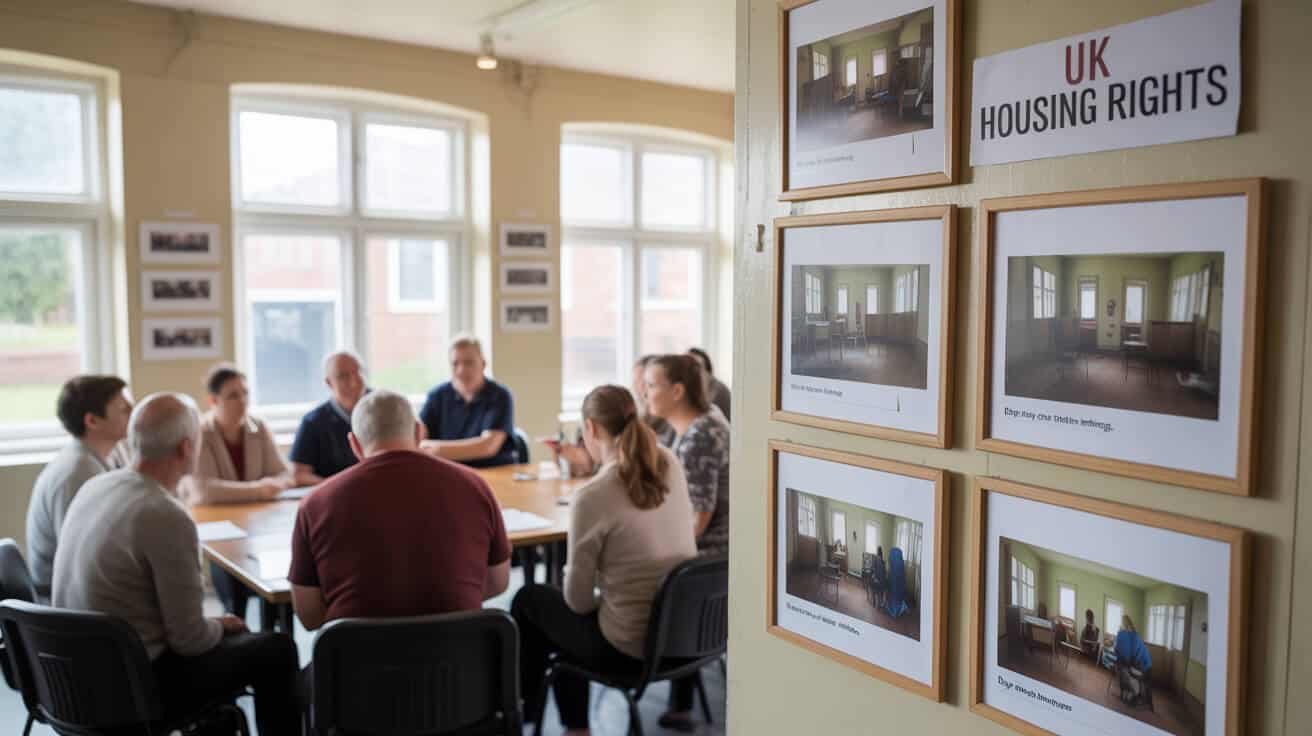
Gas Safety Expert Witness Services UK – CP12 & Landlord Liability
Landlords, housing providers, insurers and solicitors use gas safety expert witness support to untangle CP12 disputes and landlord liability risk across UK rented property. The file is scoped through Regulation 36, technical adequacy, maintenance history and notice, depending on constraints. By the end you have a clear chronology, defined failure points and a reasoned view on compliance, breach and causation with scope agreed in writing. Next steps become easier when liability questions are grounded in documented evidence instead of assumptions.



Author
Izzy Schulman

When a gas safety dispute turns on a CP12, the real issue is rarely just whether a certificate exists. Landlords, agents, housing providers and insurers need to understand what the Landlord Gas Safety Record actually proves, what it does not, and how that affects liability.
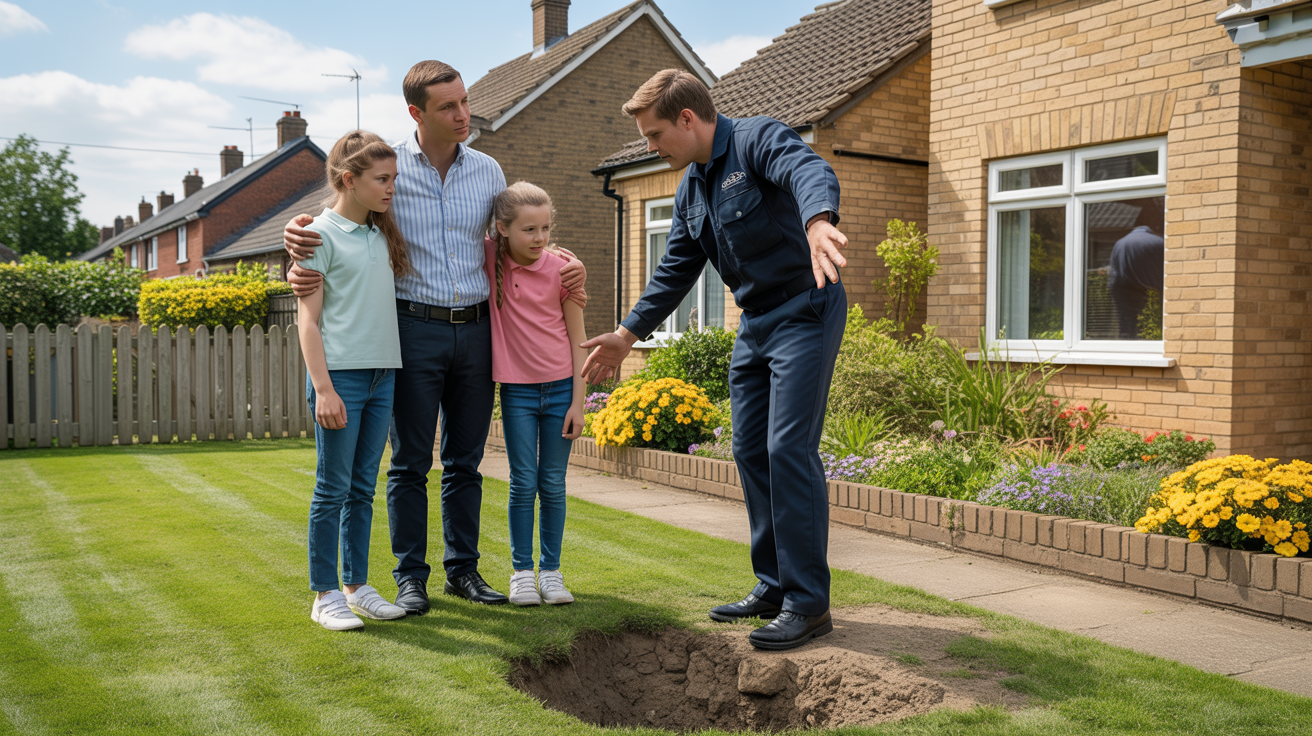
Liability usually depends on the wider duties under Regulation 36, the quality of the inspection, the maintenance trail and how notice and response were handled over time. A structured technical review and clear chronology give you a defensible basis to assess exposure, challenge allegations or support a claim.
- Separate paperwork issues from technical and maintenance failures
- Build a clear, dated chronology of notice and response
- Test compliance, breach and causation against Regulation 36 duties</p>
Need Help Fast?
Locked out, leak at home, or electrical issue? All Services 4 U provides 24/7 UK locksmith, plumbing, electrical.
Testimonial & Clients Who Trust Us
With 5 Star Google Reviews, Trusted Trader, Trust Pilot endorsements, and 25+ years of experience, we set industry standards for excellence. From Dominoes to Mears Group, our expertise is trusted by diverse sectors, earning us long-term partnerships and glowing testimonials.
Worcester Boilers

Glow Worm Boilers

Valliant Boilers

Baxi Boilers

Ideal Boilers

What a Gas Safety Expert Witness Does in CP12 and Landlord Liability Cases
You need to separate certificate issues, maintenance failures, and causation before assumptions start running the case. When a dispute turns on a CP12, the real problem is rarely the label on the form. What matters is whether the Landlord Gas Safety Record reflects a competent safety check, whether the wider duties under the Gas Safety (Installation and Use) Regulations 1998 were actually met, and whether any defect, delay, or warning can be tied to the loss being alleged. We support solicitors, landlords, agents, housing providers, insurers, and claimants with independent technical review grounded in Regulation 36, practical compliance analysis, and the real chronology of the property, so you can see whether the dispute is about paperwork, technical adequacy, ongoing maintenance, notice, or incident reconstruction.
If you need the file scoped properly before positions harden, start with a focused review of the records, the timeline, and the live technical questions.
CP12, Gas Safety Records and Regulation 36: What the Duties Actually Require
You need more than a current CP12 if you want a defensible gas safety position. The common phrase “CP12” usually refers to the Landlord Gas Safety Record created after the annual check of relevant gas appliances and flues in a rented property, but the legal question is wider than whether a record exists. The real issue is whether the annual check, record keeping, record service, and ongoing maintenance duties were all handled properly.
What the record proves
A Landlord Gas Safety Record can show that an annual check was arranged and completed, who carried it out, which appliances and flues were covered, and whether defects were recorded. That gives you strong evidence of one important compliance step.
What the record does not prove
The record does not automatically prove that the inspection was technically adequate, that every relevant appliance was included, or that later warnings and defect reports were handled properly. A form can look compliant and still sit beside poor follow-up, missed remedials, or an incomplete appliance history.
Why wider landlord duties still matter
If you rely on the annual check alone, you can miss the part of the case that actually drives liability. The harder question is what happened between checks, after warnings, and once defects were raised. That is usually where the dispute moves from administrative compliance into breach, response, and causation.
When Liability Is Disputed: Failure Points Beyond the Certificate
You strengthen your position when you identify the exact failure point instead of treating every issue as a generic CP12 breach. In most landlord liability disputes, the core questions are what you knew, what you did, and what you left unresolved. The certificate is usually the starting point, not the finish line.
Notice and response
Many cases turn on notice. If you were told about a gas smell, repeated boiler faults, carbon monoxide concerns, shutdown warnings, or missed appointments, the next question is whether your response was prompt, reasonable, and properly documented.
Maintenance and follow-up
You can still face exposure where the annual check was completed on time but maintenance drifted afterwards. The same applies where defects were noted, but the repair trail is thin, unclear, or delayed.
Contractor competence and oversight
Using a contractor does not always end the enquiry. Your file may still need to show that the engineer was appropriate for the task, that warnings were acted on, and that your management systems did not let known risks sit unresolved.
Documents and Chronology We Review in Gas Safety Disputes
You are in a stronger position when your file reads as a dated sequence rather than a stack of disconnected papers. Chronology is often decisive when courts, insurers, and regulators reconstruct what happened and when. A clean timeline makes it easier to test notice, breach, causation, and the reasonableness of the response.
The core documents that usually matter
The most useful records usually include:
- Landlord Gas Safety Records
- service and repair history
- fault reports and call logs
- tenant communications and access records
- post-incident attendance notes
Those documents carry more weight when they can be read together rather than in isolation.
Why tenant communications carry real weight
Emails, texts, portal reports, complaint logs, appointment records, warning notices, and no-access letters often become the main evidence trail for notice and response. They show when the issue was first raised, how it escalated, and whether anyone treated it as urgent.
If you manage a rented flat where a tenant reports repeated boiler shutdowns in January, refuses one appointment in February, and then reports a gas smell in March, the chronology matters more than any single document. You need to see whether the records show a reasonable response to each event, whether the risk profile changed over time, and whether the later incident was genuinely unforeseeable.
Where weak files usually break down
Your file becomes vulnerable when the records do not align. Appliance lists may change without explanation, service dates may conflict, defect notes may appear without close-out evidence, or communication logs may not match the repairs history. If your records are spread across contractors, portals, inboxes, and housing systems, an early document review can turn them into a usable chronology before the dispute narrows around the wrong narrative.
If your file is fragmented across certificates, job logs, and messages, a preliminary review can turn it into a clear evidential sequence.
Causation, Carbon Monoxide and Incident Reconstruction

You need more than a confirmed incident if you want to prove or defend causation. Gas-related injury claims usually succeed or fail on mechanism, timing, and evidence quality. The job is not to restate that something happened. The job is to test whether the engineering evidence supports the alleged mechanism of harm and whether the timeline supports a link between breach and loss.
What has to be reconstructed
In carbon monoxide exposure, gas leak, fire, or fatality cases, the review usually considers appliance condition, flueing, ventilation, occupancy pattern, alarm history, reported symptoms, and emergency attendance records. The aim is to establish what was physically capable of causing the event alleged.
Why later testing has limits
Post-incident testing can help, but it does not always prove the exact condition of the installation on the material date. Appliances may have been shut down, altered, removed, or disturbed after the event. That means the chronology, the earlier records, and the incident response notes often matter just as much as the later inspection.
Why alternative explanations still need testing
A credible expert opinion also has to test competing explanations. Intermittent faults, user behaviour, incomplete access, unrelated medical issues, or later interventions can all affect how confidently causation can be expressed. That balance matters because a report that overstates certainty is easier to attack than one that explains clearly what the evidence does and does not support.
Who We Act For and How the Questions Differ by Instruction Type

You get more value from expert evidence when the instruction matches the decision you actually need to make. The technical core may be similar across cases, but the purpose of the review changes depending on who instructs us and what needs to happen next.
Solicitors and counsel
If you are acting in litigation or pre-action correspondence, you usually need a report that helps define breach, chronology, causation, and proportionality. The immediate value is often in narrowing the real issues before pleadings, settlement decisions, or joint expert discussions lock the case into the wrong shape.
Landlords and managing agents
If you are defending a complaint, claim, or insurer enquiry, you usually need exposure clarity. That means understanding whether the problem is a record issue, a maintenance issue, an access issue, a contractor issue, or a genuine technical safety failure.
Housing providers, insurers, and boards
If you are reviewing a serious incident or a pattern across stock, the question is often wider than one property. You may need to know whether the file shows a one-off defect or a systems problem involving servicing regimes, audit trails, escalation practice, or contractor oversight.
Accreditations & Certifications






CPR Part 35 Reporting, Joint Statements and Court Attendance
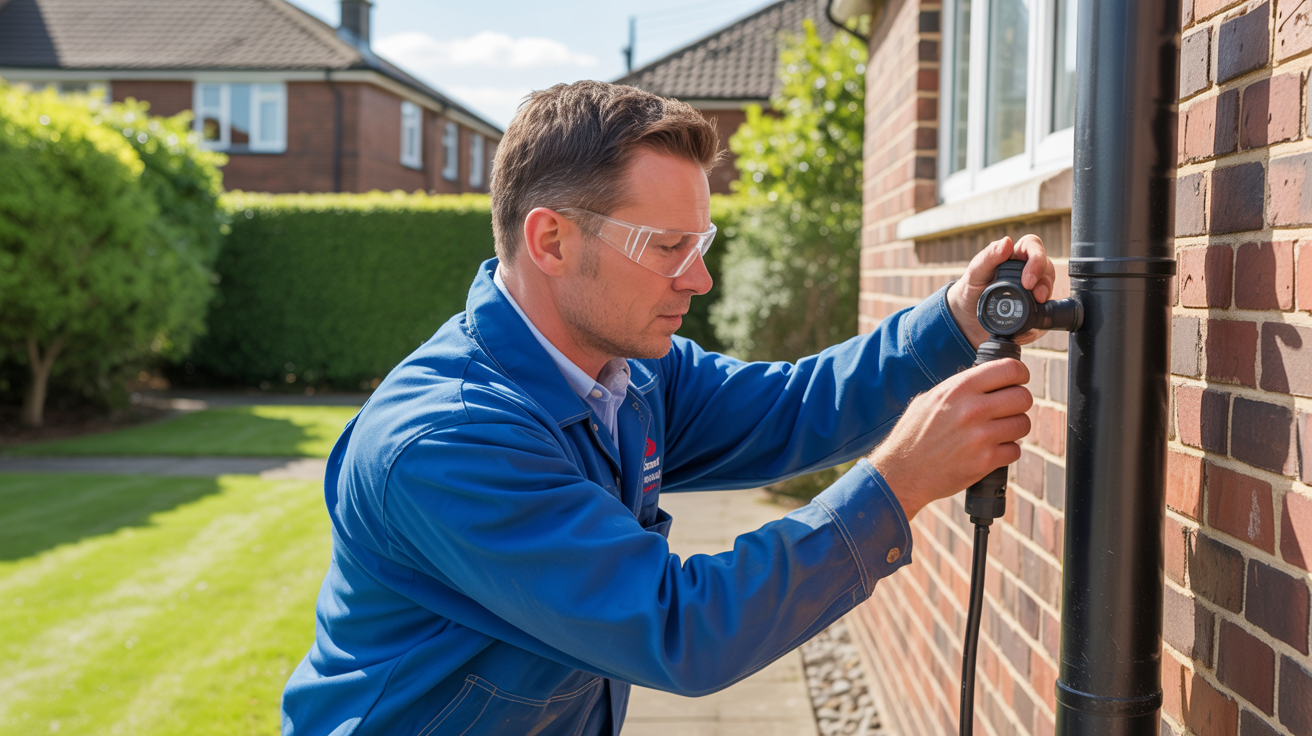
You cut wasted cost and weak evidence when the instruction is tight from the start. In civil cases, expert evidence is expected to be necessary, proportionate, and independent, so process matters just as much as opinion. A weak instruction can produce a report that is too broad to defend or too narrow to help.
How scope is agreed
The first step is to define the real questions. Is the issue record validity, technical adequacy, notice, maintenance, causation, or a mix of them. Once that is clear, the review can be scoped as a desktop opinion, a site-based investigation, a full report, or a narrower preliminary view.
What we need at the start
A useful first bundle usually includes the gas safety records, appliance history, tenancy dates, repair records, communications trail, incident documents, and any insurer or regulator correspondence. If site layout, ventilation path, or flue route is material, inspection can then be considered on a proportionate basis.
How the report supports later stages
Where the matter proceeds, we can structure the report to support pre-action discussions, formal litigation, joint statements with another expert, and court attendance if required. The key is that the opinion stays independent, issue-led, and clear about assumptions, limits, and matters outside scope.
Reliable Property Maintenance You Can Trust
From routine upkeep to urgent repairs, our certified team delivers dependable property maintenance services 24/7 across the UK. Fast response, skilled professionals, and fully insured support to keep your property running smoothly.

Book Your Free Consultation With All Services 4U Today
You need clarity early if a CP12 dispute is already affecting your legal, insurance, or management decisions.
You do not need a perfect bundle before making contact. We can still help you identify the missing documents, the likely standards in issue, and whether the real problem sits in the certificate, the maintenance trail, the access history, or the incident evidence.
If you are a solicitor, that early review can help you decide whether formal expert evidence is necessary and proportionate. If you are a landlord, agent, or housing provider, it can show you where your exposure is actually coming from and what needs to be preserved or addressed next.
Your first conversation should leave you with a clearer scope, a cleaner chronology, and a more defensible next step.
Book your free consultation with All Services 4U today.
Frequently Asked Questions
When do you actually need a gas safety expert witness rather than just relying on the CP12 paperwork?
You need a gas safety expert witness when the dispute turns on technical judgment, not just whether a certificate exists.
A CP12 shows that an annual gas safety check was recorded. It does not answer every question that decides a claim, defence, complaint, or inquest. Once the live issue becomes whether the inspection was competent, whether the right appliance or flue was checked, whether warning signs should have been identified, or whether any failure caused the loss alleged, the matter has moved beyond document presence.
That shift matters early. A landlord or agent may hold a valid-looking certificate and still face serious scrutiny if the repair trail is thin, the appliance history is inconsistent, or tenant reports suggest earlier warning signs. For solicitors, the pressure point often appears when the theory of the case starts to depend on breach, scope, or causation rather than simple compliance. Under the Civil Procedure Rules, expert evidence is usually justified where specialist issues cannot be resolved fairly without it.
A certificate can prove attendance. It cannot prove sound judgment.
Which situations usually justify expert input?
- A CP12 is challenged after injury, death, carbon monoxide exposure, or property damage.
- The appliance list does not match the tenancy, layout, or later repair history.
- Flueing, ventilation, warning notices, or inspection scope are disputed.
- Contractor notes and tenant accounts point in different directions.
- An insurer, coroner, solicitor, or regulator needs an independent technical opinion.
Which warning signs are easiest to miss?
A neat certificate can create false confidence. The real question is whether the wider file supports it.
| Signal | What it often points to | Why it matters |
|---|---|---|
| Thin engineer notes | Weak inspection detail | Opens competence issues |
| Appliance history changes | Unclear scope | Undermines reliability |
| Repeated tenant complaints | Earlier notice of risk | Broadens exposure |
| Fast post-incident repairs | Evidence already shifting | Raises urgency |
HSE landlord guidance is useful here because it focuses on safe management, not just annual formality. If the file already shows dispute around scope, competence, notice, or causation, that is usually the point to test the evidence properly rather than relying on the certificate as a shield.
If your team needs to know whether the file is genuinely in Expert Witness Services territory or simply poor record management, All Services 4U can start with a focused merits review that separates technical breach from administrative noise before positions harden.
Why can a landlord still face liability even if a valid CP12 certificate exists?
A valid CP12 helps, but it does not prove that gas safety duties were met throughout the year.
That is the point many defendants discover too late. The Landlord Gas Safety Record is important evidence, but it is only one part of the chronology. Courts, insurers, and investigators usually want to know what was reported, what action followed, how quickly it happened, whether defects were closed out, and whether the safety system functioned between annual checks. HSE guidance reflects that broader obligation.
The liability question often sharpens around notice. If a tenant reported gas smells, boiler shutdowns, soot marks, pilot failure, or symptoms later linked to carbon monoxide, the issue quickly moves away from annual paperwork and toward day-to-day response. The question becomes whether the warning was handled reasonably, competently, and in time.
For landlords and managing agents, that is where a file that looks compliant on paper can start to look exposed in practice. For housing providers and boards, one property incident can quickly become a systems issue involving supervision, contractor management, and governance oversight.
Which failures usually weaken reliance on the certificate?
| Failure point | Why it matters | Typical effect |
|---|---|---|
| Repeated tenant warnings | Suggests prior notice | Expands liability arguments |
| Defects not clearly closed out | Weak follow-up trail | Damages defence credibility |
| Appliance records drift over time | Scope becomes uncertain | Weakens document weight |
| No clear no-access history | Missed attendance hard to prove | Leaves duty exposed |
| Long repair gaps after warnings | Response appears slow | Draws closer scrutiny |
Which belief usually needs correcting?
The certificate proves a check happened. It does not prove the property was managed safely in the months around it.
That distinction is often decisive. Housing Ombudsman expectations on complaint handling reward clear action trails, not isolated documents. If your records cannot show who knew what, when they knew it, and what happened next, the CP12 may carry less weight than you expect.
This is also where costs rise. Once the dispute shifts from the certificate itself to the management behind it, the file usually widens into call logs, work orders, emails, messages, complaint notes, and follow-up evidence. If those records sit across separate systems and inboxes, the argument about safety quickly becomes an argument about control.
If your file looks compliant at first glance but weak in sequence, All Services 4U can review the chronology and show where the real exposure sits before the other side builds the story for you.
How does an expert witness test whether a CP12 or Gas Safety Record is actually persuasive?
An expert tests whether the record is compliant, technically credible, and consistent with the property history.
That process is more demanding than checking whether the form looks complete. The first step is formal review: date, engineer details, appliance description, defect entries, and service of the record. The second step is comparison. The document is tested against the installation layout, tenancy timeline, servicing history, work orders, complaint notes, warning notices, and any later incident evidence.
If the paperwork says one thing but the wider history says another, that conflict matters. A certificate may appear tidy and still carry limited weight if the wrong appliance was listed, the flue route was not realistically covered, the description of defects was vague, or later attendances suggest something material was missed. Gas Safe Register expectations help frame that practical question: not whether the form exists, but whether the inspection described makes sense in the real-world setting.
Which comparisons matter most?
- Gas safety records against the appliance inventory
- Appliance descriptions against tenancy and occupancy history
- Complaint reports against attendance notes
- Defect entries against remedial proof
- Claimed inspection scope against the actual layout and flue routes
What usually makes a record look stronger than it is?
A clean form paired with weak surrounding evidence. That is often the exact pattern that collapses under scrutiny.
| Test area | Strong sign | Weak sign |
|---|---|---|
| Appliance match | Matches inventory and tenancy record | Appliance history drifts |
| Defect trail | Defect noted and closed out | Defect appears, then disappears |
| Attendance pattern | Visits fit complaints and repairs | Visits do not match the history |
| Inspection scope | Layout supports what was checked | Practical scope looks doubtful |
The persuasive question is not whether the record exists. It is whether the record still holds together once tested against the facts around it. That is where expert analysis starts to matter.
For solicitors, this helps narrow whether the real dispute is breach, causation, credibility, or all three. For landlords and agents, it shows whether the gas safety record supports the wider story or quietly undermines it. If your records, appliance history, and property layout do not align cleanly, All Services 4U can test the technical strength of the file before you commit to a larger litigation step.
Which evidence matters most when a landlord gas safety dispute reaches a claim or serious complaint?
The most important evidence is usually the dated sequence showing notice, action, follow-up, and outcome.
Most serious gas safety disputes are not decided by one perfect document. They are decided by chronology. A court, insurer, ombudsman, or legal team wants to know what happened from first report to final repair or incident. That means the strongest evidence is rarely the CP12 on its own. It is the way the CP12 fits with job records, attendance notes, complaint logs, access attempts, service sheets, and later remedial proof.
That is where fragmented files create avoidable risk. If a tenant reported a gas smell on Tuesday, but the contractor attendance note only appears on Thursday with no clear safety advice in between, the gap becomes live. If no-access is raised as a defence but there are no letters, messages, or contractor records to prove it, that argument may fail under pressure. The Pre-Action Protocol for Housing Conditions Claims makes early document discipline especially important because weak chronology can shape the case before any expert report is finalised.
Weak chronology lets the loudest version of events take control.
What should you preserve first?
| Evidence type | Why it matters early | Common mistake |
|---|---|---|
| CP12 and service history | Fixes dates, scope, and sequence | Assuming later copies are identical |
| Job logs and call notes | Shows real-time response | Relying only on summary exports |
| Tenant emails, texts, portal reports | Proves notice and escalation | Treating them as background |
| Photos and attendance records | Supports timing and condition | Losing metadata |
| Post-incident testing | Assists reconstruction | Overstating what later tests prove |
Which records often matter more than teams expect?
Tenant communications often carry more weight than polished internal summaries. They capture notice in real time, before the file has been shortened, standardised, or rewritten. Housing Ombudsman complaint-handling expectations make that especially important in landlord and housing provider disputes.
A workable file usually starts with disciplined ordering. Once the documents are arranged by date and linked to each appliance, address, and complaint stream, the case becomes easier to read and much easier to challenge. Missing evidence becomes visible. Duplicates stop distracting from the live issues. Pressure points show themselves faster.
If your records are spread across contractor portals, inboxes, compliance trackers, and paper files, All Services 4U can turn them into a usable chronology that gives your legal, insurance, or board team a cleaner basis for the next decision.
How are carbon monoxide incidents, gas leaks, and serious defects reconstructed in a legal context?
They are reconstructed by testing mechanism, timing, and alternative explanations against the evidence.
Serious gas incidents rarely explain themselves. A carbon monoxide case may involve appliance defects, blocked flues, failed ventilation, altered room use, intermittent combustion problems, or later interference with the installation. A gas leak may point to pipework condition, joint failure, emergency attendance, prior warning signs, or previous work in the same area. The paperwork alone seldom answers those questions.
That is why reconstruction has to stay evidence-led. First comes mechanism: what physical process could realistically have caused the event? Then timing: was the defect likely present on the relevant date, or did later work alter the picture? Then balance: are there competing explanations that need to be tested before any opinion is safe to rely on?
NHS guidance can support understanding of likely carbon monoxide symptoms and exposure patterns, but it does not establish engineering source. That still depends on the appliance, flue route, ventilation path, occupancy pattern, and technical findings. The same applies to gas leaks. Smell reports, emergency attendance, and later repairs matter, but causation still has to be handled carefully.
Why does later testing have limits?
Later testing may show what the installation looked like after the event, not what its condition was at the key time.
That distinction matters in legal settings because serious incidents often trigger emergency attendance, shutdowns, removals, or remedial works before anyone defines the live evidential questions. Once that happens, the scene may already be altered.
- The appliance was removed after emergency attendance
- Repairs happened before evidence was preserved
- The tenant moved out before inspection
- The alleged fault was intermittent, not constant
- Medical symptoms could fit more than one explanation
| Reconstruction issue | What needs testing | Why it matters |
|---|---|---|
| Mechanism | Could this defect physically cause the event? | Prevents speculation |
| Timing | Was it present on the material date? | Protects causation analysis |
| Alternative causes | Is another explanation plausible? | Strengthens independence |
| Evidence drift | Did later work change the picture? | Limits overstatement |
For legal teams, the danger is overstatement. For landlords and agents, the danger is poor preservation. For families and claimants, delay often means the best evidence disappears before anyone secures it properly. If the case involves carbon monoxide exposure, a gas leak, or a serious safety event, All Services 4U can help identify what can be said with confidence, what remains uncertain, and what still needs to be preserved before the file loses shape.
Who should instruct the expert, and what is the most practical first step if you are still unsure whether a full report is needed?
The right first step is usually a preliminary desktop review, and the right instructing party depends on the dispute stage.
Not every file needs a full expert report at the outset. Some cases do. If proceedings are active, the incident is severe, or the timetable is already fixed, formal expert evidence may be unavoidable. In many other files, the better first move is narrower: review the current documents, identify the true technical questions, and expose the evidence gaps before costs increase.
Who instructs depends on the purpose. A solicitor may instruct to test breach, causation, and case theory. A landlord, managing agent, or housing provider may instruct to understand exposure before positions harden. An insurer may need an early view on liability, reserve, and recovery. A board, compliance lead, or Accountable Person team may need to know whether one incident points to a wider systems problem.
Who usually instructs at each stage?
| Stage | Common instructing party | Main purpose |
|---|---|---|
| Early incident or complaint | Landlord, agent, housing provider | Understand exposure and missing evidence |
| Pre-action dispute | Solicitor or insurer | Test breach, causation, and strategy |
| Active proceedings | Solicitor under CPR framework | Obtain formal expert evidence |
| Governance review | Board, compliance lead, AP team | Check for systemic weakness |
What should usually be sent first?
- Gas safety records and service history
- Appliance list and tenancy dates
- Fault reports, emails, and text chains
- Emergency attendance or post-incident notes
- Any regulator, insurer, coroner, or solicitor correspondence
A useful first review should leave you with three things: a clearer issue list, a workable chronology, and a view on what still needs to be obtained. It should also tell you whether the dispute is really about technical breach, causation, evidence quality, or governance failure. That is often the difference between reacting under pressure and controlling the file.
The Civil Procedure Rules matter once proceedings are live, but proportionality matters before then as well. Not every serious issue needs the largest possible report on day one. What matters is that the next step is justified, properly scoped, and tied to the questions that actually decide the dispute.
If you are a solicitor, that may mean an early merits review before statements lock in the wrong case theory. If you are a landlord or managing agent, it may mean a chronology review before a complaint turns into a pleaded claim. If you sit on a board or lead compliance, it may mean checking whether one event reflects a broader systems weakness before renewal, audit, or regulator scrutiny. All Services 4U can begin with that first-stage review and help you choose the safest next move with more control and less guesswork.
- What a Gas Safety Expert Witness Does in CP12 and Landlord Liability Cases
- CP12, Gas Safety Records and Regulation 36: What the Duties Actually Require
- When Liability Is Disputed: Failure Points Beyond the Certificate
- Documents and Chronology We Review in Gas Safety Disputes
- Causation, Carbon Monoxide and Incident Reconstruction
- Who We Act For and How the Questions Differ by Instruction Type
- CPR Part 35 Reporting, Joint Statements and Court Attendance
- Book Your Free Consultation With All Services 4U Today
- Frequently Asked Questions
- Related PPM Services
Related PPM Services
- Expert Witness
- Book an Expert Witness Consultation
- Building Regulations Expert Witness
- Expert Witness Case Studies
- Expert Witness CV & Qualifications
- Damp & Mould Expert Witness
- Electrical Safety Expert Witness
- Fire Safety Expert Witness
- Legionella Expert Witness
- Free Tribunal Expert Report Template
- Section 20 Expert Witness
Case Studies


Related Articles
Your Guide To Identifying And Treating Minor Mould Outbreaks
Why Planned Preventative Maintenance (Ppm) Saves Money And Ensures Compliance