Water Hygiene PPM Services for Insurers – L8 Temperature Monitoring & Risk Control Evidence
Insurers, underwriters and portfolio owners need water hygiene PPM that turns L8 temperature checks into clear, defensible Legionella risk control evidence. All Services 4U designs governance, monitoring and remedial records that show who owns the duty, what was checked and how exceptions were closed, based on your situation. By the end, you hold dated, attributable temperature logs and supporting documents that can be lifted straight into renewal packs, survey responses or claim files, with gaps identified and tidied. A short consultation can be used to see how your current records read to insurers and where to strengthen them.



Author
Izzy Schulman

When Legionella risk becomes an insurance issue, underwriters look beyond policy wording and certificates. They want to see how hot and cold water risks are controlled in practice through clear, continuous records that prove you monitored temperatures, spotted drift and acted before people were exposed.
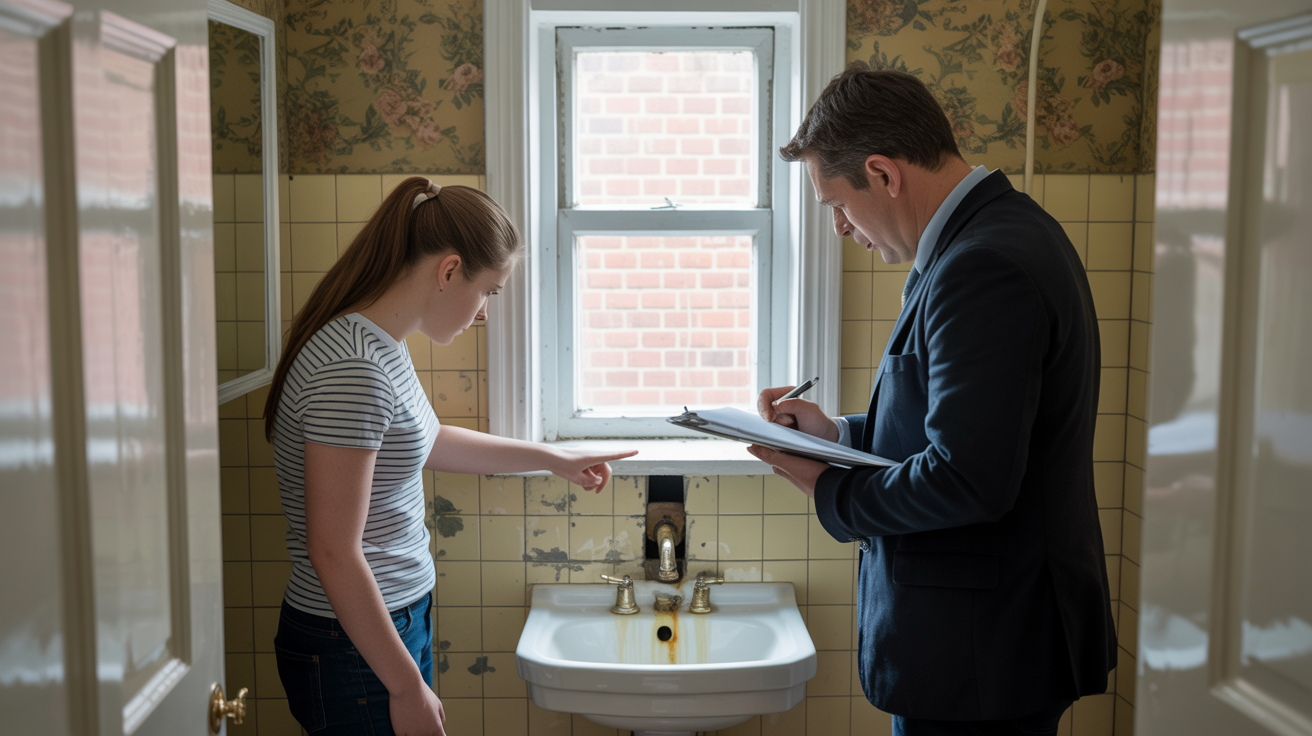
Without that evidence, renewals become harder, surveys more intrusive and claims more difficult to defend. All Services 4U structures water hygiene PPM, temperature monitoring and governance documents so they form a coherent control story insurers recognise, with traceable logs, clear responsibilities and remedial trails that match what happens on site.
- Evidence your Legionella controls with complete, traceable temperature records
- Align governance, monitoring and remedial actions with insurer expectations
- Reduce claim likelihood and severity with early, documented intervention</p>
Need Help Fast?
Locked out, leak at home, or electrical issue? All Services 4 U provides 24/7 UK locksmith, plumbing, electrical.
Testimonial & Clients Who Trust Us
With 5 Star Google Reviews, Trusted Trader, Trust Pilot endorsements, and 25+ years of experience, we set industry standards for excellence. From Dominoes to Mears Group, our expertise is trusted by diverse sectors, earning us long-term partnerships and glowing testimonials.
Worcester Boilers

Glow Worm Boilers

Valliant Boilers

Baxi Boilers

Ideal Boilers

Why Legionella Risk Becomes an Insurance Problem
Legionella becomes an insurance problem when you cannot evidence how you controlled it over time.
You are expected to know where hot and cold water can support bacterial growth, decide on controls, and show that those controls were maintained. At renewal, survey or claim stage, insurer PPM support is judged less on policies and more on dated, attributable records that prove you monitored risks and acted when something drifted.
A simple line saying you “comply with ACOP L8” rarely satisfies that test. Underwriters and risk engineers want to see who owns the duty, what was checked, when exceptions appeared, and how they were closed.
When you work with All Services 4U, water hygiene and L8 temperature monitoring are set up as a clear, insurer‑facing control story, not just a technical task list. Our team is used to preparing evidence for renewals, surveys and claim discussions across residential and mixed‑use portfolios.
Book a short consultation to see how your current records read to underwriters and where you may need to tighten them before renewal.
What L8 Temperature Monitoring Records Actually Prove
Good temperature records prove that your control scheme is working in practice, not just in design.
The control these checks are designed to show
For domestic systems, the principle is straightforward. Hot water must be stored and distributed hot enough, and cold water kept cold enough, to make Legionella growth unlikely. Temperature checks at key outlets, calorifiers and tanks demonstrate that this principle is being met on real days in real conditions.
Over time, the log should show that your system has been kept out of the temperature ranges where Legionella is more likely to multiply, rather than simply that “a weekly task” was ticked.
What a good temperature log contains
A temperature log only becomes strong evidence when it is complete and traceable. At minimum, each entry should show:
- the outlet or item of plant checked
- the date and time of the reading
- the temperature measured
- who took the reading
- the action to take if the temperature is out of range
Logs that lack locations, names or clear actions are hard to trust. When you can see this basic detail consistently, you can show that the written scheme is being followed.
Our monitoring templates and digital records are built around the question paths insurers and risk engineers usually use, so your logs can be lifted straight into renewal packs, survey responses or claim files.
How records reduce claim likelihood and severity
Consistent records reduce incident likelihood by flagging loss of temperature control early, so you can investigate and correct issues before people are exposed. They reduce severity by supporting quick, documented responses when a part of the system drifts, and they improve defensibility if a claim arises.
If a calorifier fell out of range for two weeks, the log should show the first exception, investigation, remedial action and confirmation reading. We help you surface and tidy this kind of pattern before you sit in front of an underwriter or loss adjuster.
What Insurers Expect to See Beyond a Certificate
Insurers care less about isolated certificates and more about a working control regime that stands up on file.
You need to be able to show the governance, monitoring and remedial trails that let an external reviewer understand who owns the risk, how you watch it, and how you respond when something is not right.
Governance and management evidence
You are likely to be asked first for core governance documents: a current Legionella risk assessment, a written scheme of control for hot and cold water systems, and a clear statement of the dutyholder and responsible person. Insurers want to see that responsibility is explicit, risks have been described, and there is a realistic plan for control.
They will also look at how often these documents are reviewed and how changes in building layout, occupancy or plant are captured. We usually start by making sure this layer is up to date and that it matches what actually happens on site.
Operational monitoring and maintenance evidence
The next layer is routine monitoring and maintenance. Insurers expect to see temperature records at sentinel outlets, calorifier flow and return, and relevant tanks, together with flushing logs for little‑used outlets where the risk assessment calls for them. They will often ask for tank and plant inspection records, cleaning and disinfection certificates, and sampling results where your scheme requires them.
What matters is that these records are dated, attributable and continuous rather than sporadic or obviously back‑filled. Our planned maintenance schedules and logging formats are laid out so trends and gaps are immediately visible to an external reviewer, which reduces follow‑up questions.
Remedial, competence and incident evidence
Insurers also want to know how you deal with issues and who is competent to do the work. They may ask for:
- remedial action logs showing defects, actions and completion dates
- service reports for corrective works
- training and competence records for in‑house staff
- accreditations and insurance details for specialist contractors
- brief records of any previous incidents or near‑misses
When you can show the full chain – policy, monitoring, remedial action and review – you move from “claims exposure” to a position that is much easier to defend. Our role is to help you build and maintain that chain in a way that stays current and easy to follow.
How a Compliant Water Hygiene PPM Programme Should Run
A good planned preventative maintenance programme turns duties and guidance into consistent actions across your estate and into evidence an insurer can understand.
Core building blocks
You need a small set of core elements in place:
- an asset register for outlets, tanks, calorifiers and key pipework
- a current Legionella risk assessment for each relevant building
- a written scheme that sets out what is monitored, how often and by whom
- a PPM schedule aligned to that scheme
- a way of capturing readings, exceptions and remedials in one place
Each block or site needs its own asset list, risk assessment and task schedule, even if you standardise templates. When we onboard you, we build or validate these elements so temperature checks and other tasks are tied to the right outlets and feed directly into your records.
Risk‑based frequencies and scope
Your regime should be risk‑based, not simply copied from generic checklists. A small residential block may justify different monitoring frequencies and tasks from a large, complex mixed‑use building with tanks, boosted systems and vulnerable occupants.
Your risk assessment should drive the scope and frequency of:
- temperature monitoring
- tank and calorifier inspections
- flushing of little‑used outlets
- thermostatic mixing valve servicing
- cleaning, disinfection and sampling where indicated
We map risk assessment outputs into site‑specific schedules, so you can explain to an underwriter why your regime is proportionate to the risk rather than over‑ or under‑engineered.
Clear roles and contractor control
You should be able to state who holds the duty as landlord or controlling party, what your managing agents are responsible for, and what is delegated to specialist contractors. For each monitoring or maintenance task, it should be obvious who is assigned, how they are instructed, and how their work is checked.
Contractor work needs to return into your central records, not sit only on their systems. Our reporting is delivered in a standardised format and, where needed, into a simple dashboard or logbook view so you keep a single picture of control and evidence across all contractors and sites.
Ask for a short PPM review if you want to check whether your current programme aligns with what underwriters expect to see.
How Failed Readings, Remedials and Reviews Should Be Evidenced

Most external scrutiny focuses on what you did when controls were out of limits, not on long runs of normal readings.
From exception to action
When a reading is outside the expected range, the record should make the route from exception to action easy to follow. At a minimum you should note:
- when and where the failure occurred
- who identified it
- any interim control you put in place
- what remedial work was instructed
- when that work was completed
If additional sampling, disinfection or engineering work was required, those steps and dates should be visible in the same trail. Our templates and case records are structured so an insurer, regulator or adviser can follow a single incident end‑to‑end without guesswork.
Closing the loop and showing effectiveness
Closing the loop means showing how effectiveness was confirmed, not just that a work order was closed. That might be a follow‑up temperature reading, an inspection or a sample result, recorded against the original issue.
Periodic management review should sit above this. You, or a nominated manager, should look at trends, repeated failures, slow actions and whether the control scheme still matches how the building is used. We build this oversight into scheduled reviews and exception reports, which is often what separates a robust, defended position from a weak one if someone outside your organisation examines the file.
Residential vs Mixed‑Use: What Changes for Evidence
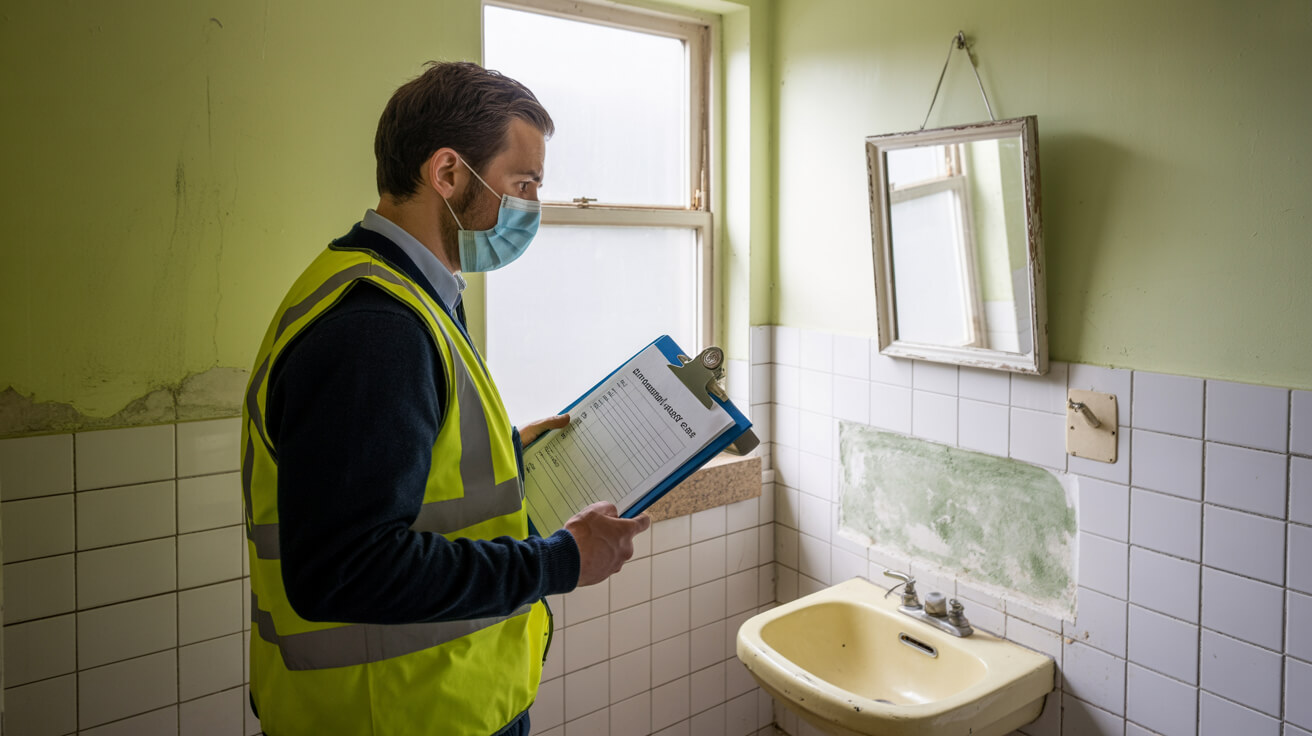
The core control principles are the same, but mixed‑use buildings put more pressure on boundaries, shared systems and clarity of responsibility.
Pure residential blocks
In a purely residential block with straightforward landlord services, the main focus is on ensuring that communal systems are assessed, monitored and recorded properly. You need clear evidence for tanks, risers, plant rooms and communal outlets, together with a sensible approach to flats where the landlord retains responsibility for any part of the water system.
Insurers still expect to see the same control chain, but the governance picture is usually simpler and the question set shorter.
Mixed‑use and shared plant
In mixed‑use buildings, questions multiply. You may have shared risers serving homes and commercial units, landlord tanks feeding tenant plant, or demised areas that rely on landlord infrastructure. In those situations you need clear mapping of:
- what plant and pipework sits within landlord control
- what belongs to each tenant
- who monitors which points
- how exceptions in shared systems are communicated and acted on
Insurers and risk engineers will often probe this area because liability is more complex. A simple schematic of risers and tanks, supported by clear roles and logs, can remove a lot of friction at renewal or claim stage.
Portfolio‑wide view
If you manage a portfolio of mixed asset types, it helps to stratify sites by complexity and evidence maturity. You can then focus first on buildings where shared systems, older plant or unclear boundaries create the greatest potential for insurer challenge.
We typically include this kind of portfolio triage in an initial review, so you concentrate effort where it gives you the largest reduction in insurance and compliance risk.
Accreditations & Certifications








What an Insurer‑Ready Water Hygiene Evidence Pack Includes
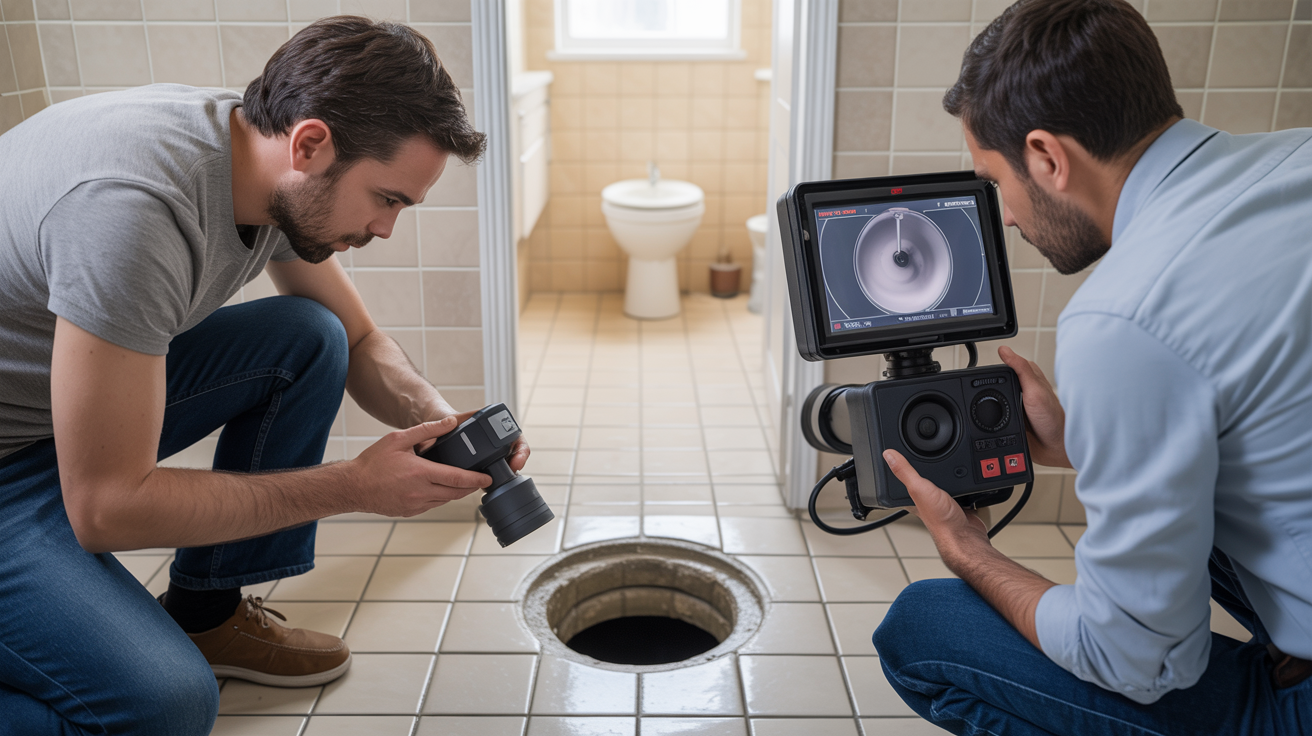
An insurer‑ready pack organises your water hygiene evidence so an underwriter, surveyor or adjuster can understand your control regime quickly and trace any issue without digging through unstructured folders.
Top‑sheet overview
Start with a short overview that sets out:
- which sites or systems the pack covers
- who the dutyholder and responsible person are
- when the latest risk assessment and written scheme were completed or reviewed
- any significant changes since then
This helps an external reviewer orientate themselves before they dive into detail. We prepare this in clear, insurer‑friendly language so underwriters and surveyors can understand the position quickly instead of asking basic scoping questions.
Logbook and monitoring records
Next, include the core logbook material:
- temperature records for sentinel outlets, calorifiers and tanks
- flushing logs for little‑used outlets where relevant
- inspection reports for tanks, plant and visible parts of the system
- sampling results, cleaning and disinfection certificates where your scheme requires them
These records should be dated, attributable and arranged so trends and gaps are easy to see. That might mean chronological runs with exceptions marked, or simple summary views that flag missing periods. All Services 4U can structure and, where appropriate, digitise these records so an underwriter can scan patterns and anomalies at a glance while you retain formats that already work on site.
Corrective‑action and competence files
Finally, provide the remedial and competence evidence that completes the picture:
- defect and corrective‑action registers, with status and close‑out dates
- service reports for remedial works
- training and competence records for in‑house staff
- accreditations and insurance details for specialist contractors
Combined, these layers give insurers what they need: comfort that risks were identified, monitored, escalated and addressed by people who knew what they were doing. We use this structure when we help you assemble evidence packs ahead of renewals, surveys or claim negotiations.
Ask for an evidence‑pack review if you prefer this assembled for you rather than pieced together from scattered files.
Reliable Property Maintenance You Can Trust
From routine upkeep to urgent repairs, our certified team delivers dependable property maintenance services 24/7 across the UK. Fast response, skilled professionals, and fully insured support to keep your property running smoothly.

Book Your Free Consultation With All Services 4U Today
You may feel confident in your water hygiene, yet still be unsure how strong your records look to an underwriter. A focused review shows where you are already robust and where there are gaps before those questions arrive at short notice.
In a free consultation, you bring a sample of your risk assessments, written schemes, temperature logs and remedial records. You walk through them with a specialist and see how they map to a clear control story, where ownership is ambiguous, and where chronology or exception handling may need tightening.
You leave with a concise gap list, a prioritised action plan that focuses first on live risks and missing records, and a simple outline for an insurer‑ready water hygiene evidence pack you can build or refine at your pace.
If you already work with another contractor, you can still use this review to test whether the current programme is generating the level of evidence you need, rather than deciding to replace suppliers straight away.
Book your consultation today and get your water hygiene evidence into the shape insurers expect to see.
Frequently Asked Questions
What do water hygiene PPM services need to prove to insurers?
Water hygiene PPM services need to prove that your building controls risk consistently, not that someone visited occasionally.
That distinction drives far more insurer scrutiny than many property teams expect. A Legionella risk assessment is the starting point. It identifies exposure points, system weaknesses, and control requirements. It does not, on its own, prove that your team kept the system under control three months later, six months later, or the week before renewal. Insurers usually want to see whether your water hygiene compliance records show an active management regime that continued after the assessment was issued.
For a residential landlord, that is about demonstrating competent oversight. For an RTM chair or RMC director, it is about showing that communal risk was not left to assumption. For a managing agent, it is about proving that contractors, site teams, and review points actually joined up. For a broker or surveyor, it is a test of whether reasonable precautions exist in practice rather than only on paper. Water hygiene PPM services become commercially important at that point because they affect how underwriters interpret operational discipline across the wider block.
A clean report matters less than a clean trail from risk to action to closure.
Insurers tend to read a water hygiene file in the same way a board reads a risk register. They want to know what the issue was, what control regime you adopted, what was monitored, what drifted, who reviewed the exception, and when the issue visibly closed. If that chain is present, the file feels mature. If the file holds only isolated attendance sheets, a few temperatures, and an old risk assessment, confidence drops quickly under underwriter scrutiny.
The Health and Safety Executive and ACoP L8 both treat control as an ongoing management duty. HSG274 reinforces the operational side by expecting monitoring, review, and corrective action to reflect the actual water system in use. That matters because insurers often look for the same management logic. They are not auditing for academic completeness. They are testing whether your team could explain how Legionella risk was controlled at site level if a claim, complaint, or survey question forced the issue tomorrow morning.
Which core records usually separate a controlled file from an exposed one?
A controlled file usually contains a current assessment, a live written scheme, current logs, exception handling, and visible remedial closure.
Those five elements sound simple, but the real test is whether they connect. An insurer does not gain much comfort from seeing a current Legionella risk assessment if the written scheme is dated, the outlet descriptions are vague, the monitoring logs are inconsistent, and failed readings disappear into silence. The strength lies in the chronology.
A credible file usually lets a reviewer answer these questions quickly:
- who holds day-to-day responsibility for water hygiene controls
- which assets, outlets, tanks, and plant are in scope
- what is checked, flushed, inspected, or serviced
- how often those tasks happen
- what happens when readings miss expected parameters
- how remedial works are verified and signed off
If one of those answers is missing, the whole pack starts to feel thinner than it looked at first pass. That is why insurer-facing water hygiene PPM services should be built around proof discipline, not just service attendance. If your team is carrying out the work but storing the evidence across inboxes, contractor portals, and disconnected spreadsheets, the operational weakness becomes a financial weakness when renewal season arrives.
A practical mid-cycle review often helps here. It shows whether your records present active control or just activity. If you want the answer before a broker, board member, or underwriter starts sampling the file, a focused records review is often the lowest-friction next step.
Why does insurer sampling logic go beyond simple task completion?
Insurers usually sample for management quality, not just task frequency.
A log can show that a technician attended. That does not automatically show the building was controlled well. Underwriters often look for something more revealing: whether responsibility is clear, whether exceptions triggered action, and whether management review is visible. That is where many otherwise decent files start to wobble.
Consider a simple example. A communal hot water system serves a medium-rise residential block. The risk assessment is current. Temperature checks are being completed. During a renewal review, the underwriter samples three months of records and sees two failed sentinel readings, both marked for follow-up. No close-out evidence appears. No remedial work order sits behind the file. No verification reading is attached. That single gap changes the tone of the whole pack because it suggests review latency rather than controlled risk.
The point is not that every anomaly creates an insurance problem. The point is that open exceptions without visible closure make the regime harder to trust. That can affect how your renewal discussion feels, how many questions the broker has to answer, and how much confidence the insurer places in your wider property maintenance controls.
For boards and managing agents, this is where good water hygiene PPM services and insurer PPM support underpin reputation as well as compliance. Stakeholders want to see that your building is managed by people who understand what matters and can evidence it calmly. If your current file would need explanation before it could provide reassurance, it is worth tightening the structure before external scrutiny does it for you. All Services 4U can help you assess whether the evidence reads like control, because that is the standard insurers usually care about most.
How do L8 temperature monitoring records reduce legionella claim risk?
L8 temperature monitoring records reduce claim risk by proving that your team saw drift, responded, and confirmed control.
That single sequence matters more than many teams realise. A temperature log is not persuasive because it contains numbers. It becomes persuasive because it creates a site-level chronology. It shows whether the system stayed within expected performance, whether anyone noticed when it did not, and whether corrective action actually changed the outcome. For insurers, brokers, and legal reviewers, that chronology can be as important as the mechanical issue itself.
ACoP L8 and HSG274 make that logic plain in operational terms. Monitoring is there to support control, not to generate paperwork. If hot water temperatures fall short, if cold water temperatures rise, or if little-used outlets start showing inconsistent performance, the real question becomes what happened next. Was the finding investigated? Was the plant checked? Were flushing routines reviewed? Were valves, calorifiers, or blending controls serviced? Was a post-remedial reading taken and recorded? If those answers are visible, the file starts to defend itself.
For a head of compliance, this is about record quality as risk quality. For a managing agent, it is about reducing avoidable renewal friction. For an insurance broker, it is about having a pack that answers likely underwriter questions before they become objections. For a lender or valuer, strong temperature chronology supports a broader impression that building systems are being managed competently rather than reactively.
A failed reading is not the problem. A failed reading with no visible next step is.
That is why L8 temperature monitoring records should never sit in isolation. They need to connect to exception notes, engineer attendance, remedial actions, and verification checks. A stack of forms can look busy while still leaving claim risk exposed. A joined-up chronology gives a very different impression under pressure.
What should strong temperature monitoring records show in practice?
Strong records should show precise location, dated reading, named operative, exception logic, and post-action verification.
That level of detail matters because third parties do not review your file with insider context. They review it cold. If an underwriter or surveyor cannot tell exactly which outlet was checked, when it was checked, who took the reading, and what happened after an exception, the evidential value drops quickly.
A strong L8 record set usually includes:
- a precise outlet, tank, or plant reference
- the date and time of each reading
- the actual recorded temperature
- the name of the operative or contractor
- any tolerance breach or exception note
- the remedial action raised
- the recheck or verification outcome
The better files also make trend review possible. They let you see whether a low hot water reading was isolated, seasonal, recurring, or left to linger. That trend logic matters because repeated identical readings or unexplained consistency can raise quiet concerns about data quality. Underwriter scrutiny often picks up those signals faster than internal teams expect.
A practical example makes the point. A sentinel outlet in a communal riser repeatedly fails to reach expected temperature on Monday rounds. A weak file records the failed temperature and nothing else. A stronger file links that reading to a work order, identifies a balancing issue at the plant, records the remedial attendance, and adds a confirmation reading two days later. The fault itself may be the same in both scenarios. The claim risk is not.
If your water hygiene PPM services already generate this information but the records are hard to follow, that is usually a filing problem rather than a control problem. A records-readiness review can often solve that quickly without forcing a full programme rebuild.
Which record gaps usually make insurers uneasy?
Insurers usually react badly to broken chronology, repeated identical readings, vague outlet labels, and no visible corrective trail.
These weaknesses do not always mean the site was unmanaged. Sometimes they simply mean the evidence was assembled badly. The difficulty is that insurers and claim reviewers can only judge what the file actually demonstrates. Good intentions do not survive evidence gaps very well.
A weak temperature record set often shows one or more of the following:
| Weak signal | Why it matters | What a stronger file shows |
|---|---|---|
| Vague outlet wording | Scope is hard to verify | Precise outlet or asset ID |
| Identical repeated readings | Data quality looks doubtful | Credible variation over time |
| No named operative | Accountability is blurred | Named operative or contractor |
| Failed reading with no next step | Response is unproven | Investigation, remedial, recheck |
| Detached forms | Timeline is difficult to follow | Linked chronology across records |
That table matters to more than insurers. A board member wants confidence that issues are managed. A broker wants renewal conversations to stay efficient. A resident services lead wants fewer surprises if a concern escalates. Good temperature monitoring records support all three.
If your team cannot explain twelve months of L8 chronology without digging through three systems and two email trails, that is a warning sign worth fixing now. All Services 4U can help you organise temperature monitoring evidence so it reads clearly to the people who are most likely to test it when timing is least convenient.
How should landlords, managing agents, and RTM companies structure a water hygiene PPM programme?
Landlords, managing agents, and RTM companies should structure a water hygiene PPM programme around assets, owners, frequency, exceptions, and closure.
The most reliable programmes begin with the system itself rather than the paperwork. You need to know what plant exists, how water moves through the building, where little-used outlets sit, where hot and cold control points matter most, and where higher-risk pinch points are likely to develop. Once that map is clear, the written scheme can translate assessment findings into tasks that someone owns, performs, reviews, and closes.
This matters because water hygiene PPM services often fail through blurred accountability rather than lack of effort. The contractor assumes the managing agent reviews failed readings. The managing agent assumes the contractor will escalate anything important. The RTM board assumes both are happening. Then a failed reading lands on Friday afternoon, the issue drifts through the weekend, and no one can explain who was meant to act first. That is not a technical problem. It is an operating model problem.
The Health and Safety at Work etc. Act 1974 supports the wider duty to manage risk in a structured way. ACoP L8 and HSG274 then bring that principle closer to day-to-day operation by expecting responsibility, monitoring, and control measures to be applied in practice. In mixed-use or higher-risk residential buildings, the Building Safety Act 2022 also makes governance language more relevant, especially when wider assurance culture is under review.
For a landlord, the question is whether the programme protects the asset without creating avoidable cost. For a managing agent, it is whether the programme can survive staff changes, leave periods, and contractor turnover. For an RTM board, it is whether the building can demonstrate sensible control without forcing volunteer directors to improvise technical oversight.
What are the core building blocks of a workable programme?
A workable programme usually rests on five linked building blocks that can be audited and defended.
Those building blocks are:
- a current Legionella risk assessment
- a written scheme of control
- an asset register or system map
- a task schedule with clear frequencies
- an exception and remedial closure process
The written scheme matters especially because it turns assessment findings into repeatable operational behaviour. Without that bridge, the assessment becomes a static document rather than a live control tool. The asset register matters because vague scope always weakens monitoring quality. The exception process matters because the real credibility of water hygiene PPM services often appears only when something goes wrong.
A smaller residential block may need a lighter operational regime than a mixed-use building with shared plant and multiple risers. That is why risk-based scheduling usually works better than copy-and-paste servicing patterns. It protects cost control as well as compliance by avoiding both under-management and over-servicing.
If your current arrangement still depends on unwritten assumptions, that is usually the point to intervene. A structured programme should make responsibilities obvious even on a difficult Monday morning when the usual contact is offsite, a resident is complaining, and a broker wants confirmation that controls are active.
Who should know what when a reading fails?
A failed reading should trigger a clear chain of awareness, action, approval, and verification within defined timescales.
This is where governance either proves itself or falls apart. If a temperature falls outside expected range, the programme should already show who records the failure, who reviews urgency, who authorises remedial work if needed, and who signs off the verification result. Delay often grows when that route is left to habit rather than structure.
A practical operating model often looks like this:
| Event | Typical owner | Expected response |
|---|---|---|
| Failed reading logged | Operative or contractor | Record exception immediately |
| Exception reviewed | Responsible person or managing agent | Decide urgency and next step |
| Remedial raised | Agent, landlord, or dutyholder | Approve and track action |
| Verification completed | Contractor and reviewer | Record confirmation result |
A short scenario shows why this matters. An operative records a failed hot water reading at a communal sentinel point on Friday. In a weak programme, the note sits in a contractor portal until Monday, the managing agent does not see it, and the board remains unaware. In a stronger programme, the exception triggers same-day review, plant checks are scheduled, and a verification reading is logged after the remedial. The fault is the same. The control quality is not.
For RTM companies and landlords, this is one of the easiest ways to reduce renewal and complaint risk at the same time. Clear ownership protects the building and protects the people responsible for explaining what happened later. If your current programme still relies on “the contractor usually handles that,” it is worth tightening now. All Services 4U can help map ownership, escalation, and evidence flow so the programme makes sense to your team before anyone external tests it.
Where does water hygiene evidence differ between residential and mixed-use buildings?
Water hygiene evidence differs most where mixed-use buildings need clearer responsibility boundaries than straightforward residential blocks.
The underlying controls may look similar at first glance. Both building types still need a current Legionella risk assessment, a written scheme, temperature monitoring, and corrective action records. The difference appears when a reviewer asks who controls what. In a simpler residential block, that answer is often relatively clear. In a mixed-use asset, landlord plant, shared risers, tenant demises, retail units, and communal services can blur accountability quickly.
That matters because insurers, lenders, and valuers do not just want to know whether monitoring happened. They want to know whether the evidence matches the operating boundary. If a communal calorifier serves several occupancies, if tenant demised areas connect to shared infrastructure, or if landlord systems stop and tenant responsibilities begin at unclear points, the file can feel fragile even when the documents technically exist.
For a managing agent, that means mixed-use water hygiene PPM services need stronger system mapping. For a board, it means clearer language around what sits within landlord control. For a broker or surveyor, it means confidence rises when responsibility lines are visible rather than implied. For a lender or valuer, weak boundary evidence can feed wider concern about management maturity, especially where the property is already under scrutiny for building safety, refinance timing, or operational complexity.
RICS-style reasoning often comes into play here even if the file is not being prepared strictly as a valuation document. When a property presents uncertain management boundaries, the impression of operational risk rises. That does not automatically derail a transaction or renewal, but it can slow decisions and invite more questions than necessary.
What evidence is usually expected in any building type?
Most buildings need a core evidence set that shows the control regime over time.
That usually includes:
- a current Legionella risk assessment
- a written scheme of control
- monitoring and flushing records where relevant
- plant inspection or service reports
- remedial action records
- contractor competence information
- review notes or visible management oversight
The point is not to collect documents for their own sake. The point is to create an intelligible chain from risk to control to exception to closure. Residential and mixed-use buildings both need that foundation. Mixed-use assets simply need an extra layer that explains system boundaries.
Why do mixed-use buildings need an extra evidence layer?
Mixed-use buildings need boundary evidence because unclear ownership quickly weakens trust in the control regime.
A short comparison makes that visible:
| Question | Residential block | Mixed-use building |
|---|---|---|
| Main insurer focus | Communal control quality | Control quality plus boundaries |
| Key weakness | Patchy routine records | Patchy records and blurred ownership |
| Extra evidence need | Consistent logs and review | Responsibility map and system logic |
Consider a mixed-use building with retail at ground floor and residential units above. Communal plant serves part of the domestic hot water distribution, while some tenant areas hold their own internal systems. A weak file contains good monitoring logs but no clear map of what the landlord controls and what sits inside tenant responsibility. An insurer or valuer sampling that pack may struggle to judge whether the control regime is complete. A stronger file includes a simple responsibility map, identifies shared infrastructure, and explains where landlord obligations stop. That single addition often improves confidence disproportionately.
This matters because mixed-use properties are more likely to face questions from several directions at once: insurers looking at risk control, lenders considering management quality, boards looking at liability, and tenants expecting accountability. A responsibility map is not glamorous, but it often turns a difficult pack into a readable one.
If your building is mixed-use and the current records assume everyone already understands the plumbing boundaries, that is a quiet risk. All Services 4U can help turn existing water hygiene compliance records into a clearer insurer-ready and lender-ready evidence pack without forcing a full restart of the regime.
How should an insurer-ready water hygiene evidence pack be assembled?
An insurer-ready water hygiene evidence pack should be assembled in the order a reviewer naturally thinks: risk, control, monitoring, exception, closure.
That sequence sounds obvious, yet many packs still fail on structure rather than substance. Teams often have the right underlying records, but they sit across email chains, contractor portals, PDF folders, and old renewal packs. Under review, the problem becomes review friction. The insurer cannot tell what is current, which records belong to which asset, whether failed readings were resolved, or who reviewed the outcome. Volume is not the same thing as clarity.
The strongest evidence packs start with orientation. They identify the building, outline the system scope, name the responsible contact, and confirm the latest risk assessment and written scheme dates. That helps the reviewer understand what they are looking at before they meet the detailed logs. After that, the pack should move through current control evidence in a sequence that mirrors real site management: monitoring records, flushing records where relevant, plant inspections, exception notes, remedial actions, and close-out confirmation.
This structure matters commercially because a disordered pack tends to create avoidable questions. Those questions cost time during renewal, make brokers work harder, and can leave boards or managing agents answering for what is often a filing weakness rather than an operational failure. If the same building later needs a lender-ready file, the benefits multiply because evidence order becomes even more valuable when several stakeholders are reading the same material for different reasons.
Underwriter confidence usually rises when the file feels easy to follow before it feels complete.
A tidy pack also signals management culture. It suggests that someone is reviewing, not merely storing. That matters to insurers because well-run files often correlate with better control quality more broadly. It matters to lenders because clean evidence handling supports confidence in governance. It matters to resident-facing teams because the same structure makes complaint response easier when service quality comes under pressure.
What document order usually works best?
A practical pack usually starts broad, then narrows into live control evidence and close-out.
A strong working order looks like this:
- site summary and system scope
- responsible person and key review contacts
- current Legionella risk assessment
- current written scheme of control
- asset list or schematic references
- monitoring and flushing logs
- exception notes and remedial records
- close-out verification evidence
- contractor competence support
This order works because it prevents the reviewer from meeting detail before context. If someone sees a failed outlet reading before they understand the site or the control regime, the file becomes harder to trust. If they understand the risk basis first, the detail lands differently.
What makes a pack feel credible rather than hurried?
A credible pack feels current, indexed, and visibly reviewed.
One of the simplest improvements is an index page that tells the reviewer exactly where to find the current risk assessment, current scheme, current logs, last exception, and most recent close-out evidence. That small addition reduces review latency immediately. A hurried pack usually lacks that discipline. It contains the right ingredients, but no one has arranged them for fast understanding.
Another credibility marker is visible oversight. Good packs show more than contractor attendance. They show that failed readings were reviewed, remedials were checked, recurring issues were recognised, and the management layer did not disappear after the initial instruction. That distinction often separates a merely compliant file from a strong insurer-ready compliance pack.
A quick credibility test can help:
| Pack feature | Why it matters |
|---|---|
| Current summary page | Shows what is live now |
| Clear index | Reduces review friction |
| Linked exception trail | Proves response, not attendance |
| Review note or oversight record | Shows management control |
If your team is approaching renewal, refinance, acquisition, or board scrutiny, this is usually the moment to tighten the evidence pack before the questions arrive. A pack-readiness review is often faster than people expect, especially where the controls exist but the sequence is weak. All Services 4U can help shape water hygiene records into a pack that reads clearly to insurers, lenders, boards, and operational stakeholders without turning the exercise into an administrative marathon.
Which mistakes weaken water hygiene evidence most before renewal or a claim?
The mistakes that weaken water hygiene evidence most are broken chronology, unclear ownership, and open exceptions with no visible closure.
Those weaknesses are dangerous precisely because they often sit inside files that look acceptable at first glance. The report exists. The contractor attended. The spreadsheet has entries. Everyone assumes the regime is under control. Then a renewal review, a claim query, or a lender request asks for twelve months of evidence, and the gaps stop looking small.
One common mistake is leaning too heavily on the Legionella risk assessment as if it proves ongoing control by itself. It does not. Another is carrying tidy-looking logs with vague outlet references, repeated identical readings, or no named operative. A third is blurred responsibility. The landlord assumes the managing agent is reviewing issues. The managing agent assumes the contractor is escalating them. The board assumes both are doing so. That kind of operating ambiguity is precisely what turns routine evidence gaps into reputational and financial pressure.
For insurers, those mistakes weaken confidence in the control regime. For lenders and valuers, they can suggest broader management weakness. For legal and tribunal advisers, they can make a file harder to defend because chronology and accountability are exactly what decision-makers look for when they test whether action was timely and reasonable.
Building Safety Act 2022 language also sharpened expectations around evidence culture in many portfolios, especially where the wider governance environment is already under review. Even where water hygiene is not the headline regulatory issue, a weak file can still colour how stakeholders see your overall standards.
Which warning signs usually show up first?
The earliest warning signs are usually small, but they often point to deeper control weaknesses.
Look for:
- an outdated written scheme
- incomplete temperature chronology
- failed readings with no close-out evidence
- vague asset or outlet descriptions
- records split across several systems
- recurring issues with no visible management sign-off
These warning signs matter because they show the regime may be operating in fragments rather than as a managed whole. That is exactly the sort of pattern that turns renewal preparation into document reconstruction.
A realistic scenario illustrates the cost. A broker asks for a twelve-month water hygiene pack before renewal. The team finds the current risk assessment quickly. The monitoring logs sit in one folder, flushing records in another, remedial notes in email, and verification readings in a contractor portal. The work may all have happened. The pack still looks hurried. Underwriter scrutiny then expands because retrieval itself signals weak control discipline.
How can you spot renewal risk before someone else does?
You can usually spot renewal risk by asking whether your team could produce a clear twelve-month evidence trail within an hour.
That question is more revealing than most compliance checklists. If the answer is yes, the regime is probably maturing well. If the answer is no, the risk is not just administrative. It is commercial. It affects how calmly your broker can answer underwriter questions, how confidently a board can sign off oversight, and how convincingly a lender can be shown that management standards are holding.
A useful pre-renewal check can focus on three areas:
| Area | Healthy position | Risk signal |
|---|---|---|
| Chronology | Clear trail from reading to closure | Gaps and unexplained jumps |
| Ownership | Named reviewer and approval path | Assumed responsibilities |
| Accessibility | Fast file retrieval | Multiple disconnected locations |
For RTM boards, managing agents, asset managers, and compliance leads, this is where a quiet internal review often pays back quickly. Strong renewal readiness is less about producing more documents and more about proving that the existing ones tell a coherent story. If your current water hygiene compliance records would trigger apologies before answers, now is the right time to tighten the file while you still control the timetable. All Services 4U can help you identify what is already defensible, what needs reordering, and what needs urgent follow-up so your next review reads like management strength rather than damage control.
- Why Legionella Risk Becomes an Insurance Problem
- What L8 Temperature Monitoring Records Actually Prove
- What Insurers Expect to See Beyond a Certificate
- How a Compliant Water Hygiene PPM Programme Should Run
- How Failed Readings, Remedials and Reviews Should Be Evidenced
- Residential vs Mixed‑Use: What Changes for Evidence
- What an Insurer‑Ready Water Hygiene Evidence Pack Includes
- Book Your Free Consultation With All Services 4U Today
- Frequently Asked Questions
- Related PPM Services
Case Studies


Related Articles

Your Guide To Identifying And Treating Minor Mould Outbreaks

Why Planned Preventative Maintenance (Ppm) Saves Money And Ensures Compliance