Fire Safety PPM Services for Property Managers – Alarms, EL, Fire Doors & FRA Actions
Property managers and managing agents need fire safety PPM that closes actions, not just books visits, across alarms, emergency lighting, fire doors and FRA actions. A managed programme links testing, remedials, defect tracking and evidence into one structure, depending on constraints. You gain a single view of due work, open defects and verified closures, with records and reporting built to stand up to scrutiny. Next steps become clearer when you explore how a joined-up programme would work across your buildings.


Author
Izzy Schulman

Property managers often inherit fire safety programmes built around isolated visits for alarms, emergency lighting, fire doors and FRA actions. Defects stay open, records drift and reporting becomes harder to defend, even when money is being spent on inspections and remedials across the portfolio.

A managed fire safety PPM structure brings these duties into one coordinated programme for testing, defect tracking, remedials and evidence. With clearer ownership and reporting designed for scrutiny, you can see what is due, what is defective and what is genuinely closed, instead of stitching together updates from multiple suppliers.
- One coordinated programme across alarms, EL, fire doors and FRA
- Clearer tracking from defect identification through to verified closure
- Stronger, faster reporting for boards, residents, insurers and lenders</p>
Need Help Fast?
Locked out, leak at home, or electrical issue? All Services 4 U provides 24/7 UK locksmith, plumbing, electrical.
Testimonial & Clients Who Trust Us
With 5 Star Google Reviews, Trusted Trader, Trust Pilot endorsements, and 25+ years of experience, we set industry standards for excellence. From Dominoes to Mears Group, our expertise is trusted by diverse sectors, earning us long-term partnerships and glowing testimonials.
Worcester Boilers

Glow Worm Boilers

Valliant Boilers

Baxi Boilers

Ideal Boilers

Why a Managed Fire Safety Programme Gives You Better Control
You need one clear view of what is due, what is defective, what is genuinely closed, and how your building risk is being controlled in a way that stands up to scrutiny.
Fire safety PPM works properly when you run it as a managed control system, not a loose chain of separate visits. Alarms, emergency lighting, fire doors and FRA actions should sit inside one service structure, with dates, asset records, defects, remedials and evidence linked from the start. We coordinate planned visits, defect tracking, remedial follow-through and completion evidence so you can see what happened, what still matters, and what needs a decision from you.
That gives you firmer control at the point where most programmes start to slip. You can review due work, open defects, ageing actions and verified closures without pulling information from separate contractors, spreadsheets and inboxes. You also get a cleaner basis for reporting to boards, residents, insurers or lenders when you need to explain status quickly and clearly.
Your team deals with fewer moving parts. Your records are easier to retrieve. Your reporting is easier to defend.
If you need a fire safety programme that cuts administrative drag as well as risk, start with a review of your current alarms, emergency lighting, fire doors and FRA action workflow.
What a Joined-Up Scope Should Cover
A proper scope covers testing, maintenance, remedials and evidence, not just attendance.
Fire alarms and emergency lighting
For alarms and emergency lighting, the real test is whether the service regime is consistent enough to catch faults, move them forward and prove what was done.
For fire alarms, that usually means weekly user testing on site alongside periodic inspection and servicing by a competent fire alarm maintainer, aligned to the system type and the building’s fire risk profile. For emergency lighting, it usually means monthly functional testing, an annual full-duration test, defect logging and clear maintenance records. If your site has recurring faults, access issues or central battery arrangements, you may need tighter control than the bare minimum.
What matters to you is not only whether the test happened. It is whether faults were identified, escalated, rectified and recorded against the right asset and the right date.
Fire doors and passive protection
Passive fire protection only helps you when inspections lead to the right repairs, the right sign-off and a clear record of what changed.
A fire door programme should cover door leaves, frames, gaps, seals, glazing, hinges, closers, ironmongery and visible damage, followed by the right remedial decision. In relevant residential buildings in England, legal fire door checking duties may apply, including more frequent communal door checks and periodic flat entrance door checks in taller blocks. Even where the law sets a baseline, heavy use, repeated damage or recent defects may justify more frequent review.
You do not gain much from a report that lists defects without a route to repair, sign-off and reinspection.
FRA actions and verified close-out
Your FRA action plan needs ownership, deadlines and proof, not a growing list of open recommendations.
Managing FRA actions properly means turning each recommendation into a tracked item with a priority, a scope, an owner and a closure standard. Some items are management actions. Others need technical fire safety works, access planning, contractor coordination or budget approval. Each action should move through a clear path from identification to completion and verification.
That is the difference between a document that records risk and a service that actually reduces it.
Where Fragmented Delivery Creates Risk
Fragmented delivery usually fails in the handover between inspection, remedials and proof.
Handoffs between suppliers
When alarms, emergency lighting, fire doors and FRA follow-up sit with different suppliers, your team usually becomes the integration layer by default.
One contractor identifies a fault. Another prices the repair. A third attends site. Someone then has to match the completed work back to the original finding and update the tracker. When that handoff is weak, actions stay open, records drift, and your monthly reporting starts to depend on interpretation instead of evidence.
A common example is a communal fire door inspection that identifies closer defects across several risers. The survey sits in one report. The remedial quote arrives separately. The completed works sit in another email chain. If those records are never tied back to the original action list, you still carry open-risk uncertainty even after money has been spent.
Records that do not join up
A stack of certificates is not the same as a controlled maintenance regime.
If your asset names vary between suppliers, your action statuses mean different things on different reports, or your remedials sit separately from the original inspection, your team cannot see the true position quickly. That weakens audit readiness, slows board reporting and makes insurer or lender queries harder to answer.
You need one reporting spine that connects visit, finding, action, evidence and verification.
Resident and client pressure
Visible defects and vague updates damage trust faster than missed technical detail.
When a resident sees a damaged fire door still in place after an inspection, or your client hears that a system was serviced but an action is still “in progress” weeks later, confidence drops. The issue is rarely the report itself. The issue is whether your service model can carry a defect through to a clear outcome.
A joined-up programme reduces that friction because responsibility does not disappear between visits.
How Often Fire Safety PPM Should Be Scheduled
Your schedule should follow standards, building risk and actual defect patterns.
Fire alarm and emergency lighting frequency
Your active systems need a rhythm that is disciplined enough to stay compliant and practical enough to stay controlled.
For many communal fire alarm systems, an audit-ready baseline means weekly user tests supported by periodic inspection and servicing from a competent engineer. For emergency lighting, a common baseline is monthly functional testing and an annual full-duration test, backed by good logbook discipline and timely fault rectification. Those routines are widely recognised as the backbone of a compliant programme.
What you should avoid is the lazy assumption that one calendar date solves everything. If faults recur, site conditions change or the FRA raises new concerns, the schedule may need to tighten.
Fire door review frequency
Your fire door regime should reflect both legal duties and the way the building is actually used.
In taller residential buildings in England, the Fire Safety (England) Regulations 2022 introduced specific checking duties for communal fire doors and flat entrance doors. Even outside those cases, a risk-based programme still matters. High traffic, frequent impact damage, poor closer performance or recurring seal failures are all reasons to increase review frequency.
Your schedule should follow the building, not just the diary.
Reset points and management triggers
Your maintenance plan should change when the building changes.
A good programme gets reviewed after material layout changes, major works, new vulnerabilities, repeated resident concerns, significant defects or revised FRA findings. That gives you a schedule that responds to real exposure instead of drifting into habit.
If you want fewer overdue tasks and fewer repeat faults, a mid-year review of frequencies and open actions is often the smartest next step.
How FRA Actions Should Be Closed With Defensible Evidence
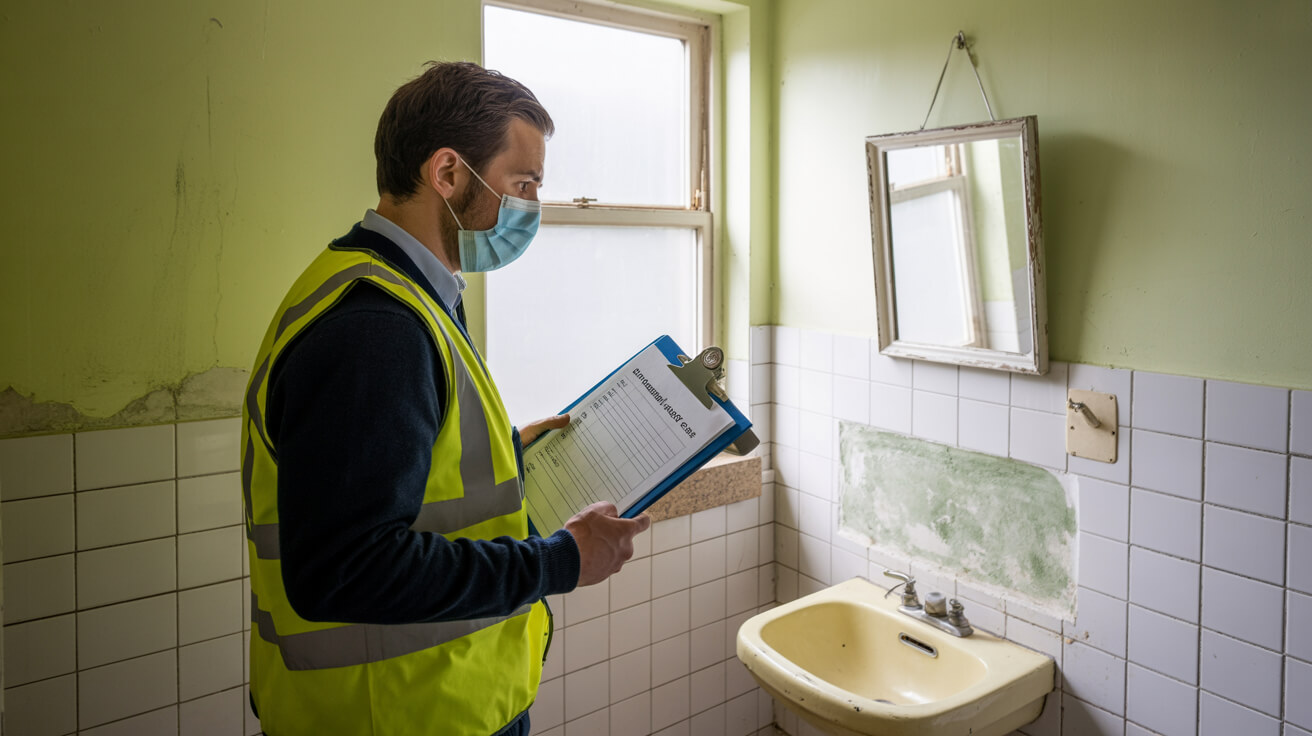
An FRA action is only closed when the work, the proof and the verification all line up.
What counts as completion
Attendance is not closure.
A contractor visit, a quotation or a verbal update should not move an FRA item into a closed category on its own. A closed action should show a clear link between the original recommendation, the completed scope, the evidence captured on site and the person who verified that the intended control is now in place.
That protects you from the most common reporting failure: actions marked complete without proof.
What evidence you should expect
Your evidence standard should be simple, repeatable and easy to retrieve.
For many fire safety actions, the evidence pack should include:
- the original finding and action reference
- dated photos or inspection records
- certificates or service records where relevant
- a note of the remedial work completed
- a verification record showing who checked closure
That gives you a defensible trail from risk to resolution.
Why insurers, lenders and boards read it differently
Your evidence does not change, but the question behind it does.
Insurers want to see implemented risk reduction and policy-condition discipline. Lenders want to understand asset risk, building condition and whether unresolved fire issues could affect lending decisions. Boards want clear status, ageing and accountability so they can see whether risk is being controlled within appetite.
That is why your reporting should distinguish between open, in progress, completed and verified closed. If every outcome is labelled closed, your governance picture becomes misleading.
How the Service Should Be Coordinated and Reported

You need one reporting structure that shows status clearly across a building or a portfolio.
One scheduling and asset spine
Your programme should begin with a reliable asset register and a service matrix.
That means mapping the relevant systems, their locations, their maintenance frequencies and their open actions into one controlled schedule. Each system still keeps its own technical rules, but your management view stays consistent. You can see due visits, missed tasks, outstanding defects and recent closures without comparing multiple spreadsheets and supplier formats.
That is how planned maintenance becomes manageable at portfolio level instead of becoming another admin burden.
What your monthly pack should show
Your reporting should help you decide, not just confirm that work happened.
When All Services 4U supports your programme, we build reporting around decisions rather than raw job volume. You can see where delay sits, what is waiting on approval, and which actions are genuinely ready to move.
A useful monthly view normally includes due and completed visits, open defects, overdue actions, verified closures, access failures and any items waiting on budget or client approval. That makes it easier for you to prioritise the next decision, whether that means approving remedials, escalating access or explaining status to a board or resident group.
A short review of your current reporting format can show you quickly whether the real problem is scheduling, evidence capture, remedial follow-through or all three.
Accreditations & Certifications







What to Check Before Appointing a Fire Safety PPM Contractor

The right contractor should reduce coordination risk without diluting specialist competence.
Scope-specific competence
Competence needs to match each fire safety element, not hide behind a broad headline claim.
For fire alarms, recognised third-party company certification matters, especially where design, installation, commissioning or maintenance scope is involved. For emergency lighting, you should look for relevant technical competence, inspection quality and record discipline. For fire doors, you should look for inspectors and remedial capability that can evidence skill, knowledge and compatible repair decisions in practice.
If scope is unclear, risk lands straight back on your team.
Documentation and handover discipline
Paperwork is part of the control system, not an administrative extra.
A credible provider should be able to show due diligence before appointment, safe systems of work before start, and a clean handover trail after completion. That means insurances, RAMS, competency records, site notes, certificates, photos and clear close-out records that can be retrieved later without rework.
If the handover is weak, your compliance position is weak even when the job itself looked fine.
Operational fit for your buildings
Delivery has to work in the conditions you manage every day.
That includes resident coordination, access failures, repeat visits, communication routes, escalation points and the way defects move from identification to verified close-out. It also includes whether the provider can support a single block, a mixed-use estate or a wider housing portfolio without losing consistency in reports and evidence.
Sample reports usually tell you more than promises do. If the output would not help you answer a board, insurer or resident question, it is not decision-ready.
Reliable Property Maintenance You Can Trust
From routine upkeep to urgent repairs, our certified team delivers dependable property maintenance services 24/7 across the UK. Fast response, skilled professionals, and fully insured support to keep your property running smoothly.

Book Your Free Consultation With All Services 4U Today
You can turn a messy fire safety workload into a managed programme with clearer ownership and stronger evidence.
Bring the issues you already know are costing you time: overdue visits, open defects, unclear statuses, fragmented suppliers or FRA actions that nobody is ready to call closed. We will review how your alarms, emergency lighting, fire doors and follow-up actions are currently being scheduled, reported and verified. You leave with a clearer picture of what is working, where control is breaking down, and what should happen next.
If you want a lower-friction starting point, begin with one building or one cluster. That gives you a practical baseline for comparing action ageing, evidence completeness and reporting clarity before you scale any wider.
Book your free consultation with All Services 4U today.
Frequently Asked Questions
What does a fire safety PPM service for property managers need to include to reduce real building risk?
A fire safety PPM service must connect inspections, testing, remedials, records and verified close-out in one controlled workflow.
That matters because many fire safety maintenance programmes still reward attendance more than outcomes. A contractor visits. A certificate arrives. A defect is noted. Then the trail weakens. For your team, that is where reassurance starts to slip. A site visit does not reduce building risk on its own. A closed loop does.
A practical fire safety PPM service should cover fire alarm servicing, emergency lighting checks, fire door inspections, defect logging, remedial coordination, FRA action tracking and evidence capture. The weak point is rarely the first inspection. It is the gap between identifying a fault and proving it was corrected properly. Under the Regulatory Reform (Fire Safety) Order 2005, fire precautions must be maintained in efficient working order and kept fit for purpose. That pushes the standard far beyond isolated attendance.
A certificate without follow-through is admin, not assurance.
For your property managers, RTM directors and compliance leads, that means every task should link to a building, location, asset, finding, owner, target date and closure status. If a communal fire door closer fails, your record should not just show that somebody attended. It should show when the defect was identified, who owned the repair, what was installed, when it was rechecked and whether the action is now verified closed.
That is what changes the value of the service. For a board, it creates defensible oversight. For an insurer, it shows that a recommendation turned into a functioning control. For a resident-facing team, it cuts repeated complaints about the same visible issue. For a managing agent, it reduces hours lost chasing updates across separate suppliers and mismatched reports.
A stronger programme also distinguishes service activity from risk reduction. If alarms are serviced but fault history keeps returning, the control is unstable. If fire doors are inspected but compatible repairs are not verified, the control is incomplete. If FRA actions are marked closed because someone attended rather than because the intended outcome was achieved, the building has not genuinely moved forward.
Which elements should sit inside the service scope?
A complete scope should cover both technical delivery and proof of outcome.
- Fire alarms: testing, servicing, fault diagnosis and clear records
- Emergency lighting: function tests, duration tests and defect follow-up
- Fire doors: inspections, compatible repairs and rechecks
- FRA actions: ownership, evidence capture and verified close-out
- Resident access handling where live-site coordination affects delivery
- Reporting that separates due work, open defects and verified closures
BS 5839 supports structured fire alarm inspection and maintenance. BS 5266 does the same for emergency lighting. BS 8214 and EN 1634 matter where fire door inspection and remedial standards need to hold up under scrutiny. Those references do not replace management discipline, but they make it much easier to tell whether your provider is working to a recognised standard or simply describing tasks in broad terms.
How does a well-run service behave on a live building?
A well-run service gives you one usable building view: what was due, what failed, what was fixed and what is still open.
That sounds basic. It is also where weaker providers tend to fall over. If your team still has to reconcile PDFs, chase photographs and manually rebuild action lists before a board meeting, the service is creating workload rather than reducing it. If the report says “complete” but nobody can show the verified close-out evidence, the tracker is flattering the programme.
A lower-risk way to test your current model is to review one live building in detail. That usually reveals the same operational weaknesses: repeated site visits for one issue, unclear ownership of remedials, action ageing, and records that do not match the reality on site. If that review shows your current provider is delivering visits rather than control, the next sensible step is not another isolated appointment. It is a more joined-up maintenance model. All Services 4U is strongest where your team needs one service line that can move from finding to verified closure without leaving you to stitch the evidence together yourself.
How should fire alarms, emergency lighting and fire doors be scheduled across a managed portfolio?
They should be scheduled to meet statutory duties first, then tightened where building use, defect history or access risk demands it.
A portfolio can look compliant from a distance and still drift badly in practice. Weekly alarm checks are booked. Emergency lighting appears on a monthly and annual cycle. Fire doors are inspected at intervals. On paper, it seems orderly. On site, the pattern is often messier. Closers fail repeatedly. Alarm faults reappear. Access failures delay routine work. Doors take damage between inspections. That is when a tidy calendar stops being a control and starts becoming a comfort blanket.
The baseline for many residential and mixed-use buildings is familiar. Fire alarms need regular user checks and periodic professional servicing under BS 5839. Emergency lighting needs monthly function checks and annual duration testing under BS 5266. Fire doors require a separate inspection rhythm, and the Fire Safety (England) Regulations 2022 place specific checking duties on certain residential buildings in England, particularly around communal doors and flat entrance doors. Those duties matter because they turn door checking into a visible governance issue, not just a maintenance preference.
The mistake is treating baseline frequency as the finished answer. It is only the starting point. A sound schedule needs to reflect how the building behaves. Heavy traffic through communal doors, repeated vandalism, layout changes, high turnover, false alarm patterns, major works and new FRA findings can all justify tighter review cycles. The wider principle is stable: fire precautions must be maintained and reviewed, not simply listed in a planner and assumed safe.
For a compliance lead, the real test is whether your schedule reduces action ageing and repeat defects. For a property manager, the question is whether the programme survives missed access, contractor handovers and occupied-site disruption. For a board, the question is whether the calendar gives confidence or just produces paperwork. For an insurer or lender, the issue is whether the maintenance rhythm looks credible against the actual condition of the building.
Which timing problems usually create drift first?
The first signs of drift usually show up where routine checks keep colliding with repeat faults or access failures.
| System | Common baseline | What usually forces review |
|---|---|---|
| Fire alarms | Weekly user tests plus periodic servicing | Repeat faults, false alarms, layout changes |
| Emergency lighting | Monthly function and annual duration tests | Defective fittings, occupancy risk, access failures |
| Fire doors | Risk-based inspections | Heavy use, damage, failed closers, legal duties |
This matters because the pressure signals tell you more than the calendar does. If your team keeps treating recurring issues as isolated exceptions, the programme gradually loses control without ever looking obviously broken.
When should a schedule be reset rather than patched?
You should reset the schedule after major works, repeated failures, persistent access problems or updated FRA findings.
That is especially true when the same issue survives more than one cycle. If the same closer appears twice, if emergency lighting defects remain unresolved for months, or if alarm testing continues while fault management stays weak, the problem is no longer just frequency. It is coordination.
A competent contractor should be able to explain both the statutory baseline and the risk-based uplift. If they only repeat a standard interval chart, they are giving you a timetable, not a maintenance strategy. A useful next step is a scheduling review on one building or one block. That lets your team test whether the current pattern is cutting repeat defects, improving evidence quality and reducing overdue actions. If it is not, All Services 4U can help restructure the programme around what the building actually needs rather than what the old diary happened to contain.
How can you close FRA actions in a way that stands up to board, insurer and lender scrutiny?
You close FRA actions properly by linking the original finding, the remedial work, the evidence and the verification step into one traceable record.
That sounds procedural until somebody asks for proof. Then it becomes the difference between a credible fire safety programme and a tracker full of optimistic status labels. In too many buildings, the status changes faster than the risk. A contractor attends. Notes are added. A few photographs appear. Then the item gets marked closed because everyone wants the action list to move on. Later, when a board, broker or lender asks what changed, the team has to rebuild the story from emails and PDFs.
PAS 79 remains a recognised framework for recording and managing fire risk assessment findings, and its practical value is straightforward: actions need to be traceable, reviewable and capable of follow-up. That is why “completed” and “verified closed” are not interchangeable. Completed means work took place. Verified closed means the fire safety outcome can be shown.
A reliable closure process normally has four stages. First, capture the original action exactly as written. Second, assign ownership and a target date. Third, complete the remedial work. Fourth, verify closure against the original risk. That final stage is where weak programmes usually drift. If the FRA action required smoke seals to be replaced and the closer adjusted so the door self-closes fully, then “attended door” is not a close-out. The verification step should confirm the seals are present, the closer works properly, the door performs as intended and the evidence is filed against the action reference.
The Building Safety Act 2022 raises the stakes further in higher-risk settings because it reinforces the need for traceable, defensible building safety information. Even where your building does not sit within the higher-risk regime, the discipline is still useful. It gives your board clearer oversight, your insurer clearer evidence of risk improvement and your lender a more credible fire safety position.
Which evidence should sit behind a closed FRA action?
A closed FRA action should show both what was done and why the original risk has been removed or reduced.
- Original action reference and risk description
- Dated photographs or inspection records
- Certificates or service records where relevant
- A concise note describing the completed work
- Verification by the right competent reviewer
- A final status showing completed or verified closed
A practical example makes this easier to judge. If a communal riser door has excessive gaps and a failed closer, the action is not simply “repair door.” The action is to restore the fire-resisting function of the door set. A defensible closure trail should show the original finding, the work order, the before-and-after photographs, the closer repair or replacement, and a reinspection confirming acceptable operation. Without that chain, you have recorded movement rather than verified control.
Why does status language need to be exact?
Labels such as open, in progress, completed and verified closed stop different audiences reading the same action differently.
That sounds administrative, but it directly affects governance. A board may read “complete” as resolved. An insurer may read it as work done but proof outstanding. A lender may read it as unresolved until evidence is available. If your tracker blurs those categories, you create confusion in every report that follows.
A useful test for your team is simple: can somebody unfamiliar with the building understand what the risk was, what changed and why the item is now safe to close? If not, the action is not really finished.
One practical way to test a provider is to ask them to walk you through one live FRA closure from start to finish. If the evidence is fragmented, the asset references are vague or the verification step is implied rather than shown, the workflow will almost certainly create drag later. A targeted action-tracker audit is often the cleanest first move. All Services 4U can review how your current tracker handles ownership, closure language and evidence links before you commit to a wider change in contractor structure.
Why do fragmented contractor arrangements create hidden fire safety compliance failures?
Because the breakdown usually happens in the handover between suppliers, not in the inspection itself.
A fragmented model can look sensible when it is procured. One contractor handles alarms. Another does emergency lighting. A third inspects fire doors. A fourth prices remedials. On paper, that sounds specialist and efficient. In practice, your internal team often becomes the person joining it all together. The more live buildings you manage, the more that arrangement starts to leak time, clarity and control.
The first problem is ownership. One supplier identifies the defect. Another is expected to repair it. A third may be needed to verify it. Each party can claim they completed their piece while the actual action remains open. The second problem is data mismatch. Asset names differ. Status labels differ. Reporting formats differ. That makes it harder to produce a clean building position quickly. The third problem is mobilisation drag. Separate visits for inspection, quotation, remedial work and reinspection increase delay, cost and disruption for residents.
Most compliance failures begin with blurred ownership, not bad intent.
That is why the same symptoms appear again and again. Inspections happen but remedials stall. Reports arrive but references do not match. Visible defects stay visible. Board packs depend on interpretation rather than proof. The building can look busy while remaining poorly controlled.
This is not mainly a procurement problem. It is a coordination problem. A fragmented arrangement can work if somebody genuinely owns the line from finding to verified closure, if the data structure is consistent and if action ageing is monitored tightly. Many portfolios do not have that discipline in place. The result is hidden delay that only becomes visible when scrutiny increases.
For a managing agent, that often means repeated chasing and slower reporting. For a resident services team, it means complaints about issues that appear to have been fixed more than once. For a board, it weakens confidence in status updates. For a compliance lead, it creates ageing actions and a thinner audit trail than anyone is comfortable admitting.
Which failure modes usually surface first?
The first warning signs are usually operational rather than technical.
- Inspections happen but remedials stall between suppliers
- Asset references do not match across reports
- Open actions age because nobody owns the whole journey
- Mobilisations repeat because every stage is split
- Residents experience repeat disruption for one unresolved issue
These are practical indicators that your maintenance model is arranged around contracts rather than outcomes.
How can you test whether the model is still working?
The quickest test is to trace one defect from initial finding to verified closure without rebuilding the story by hand.
If your team cannot do that quickly, the issue is no longer just reporting. It is how the service model is structured. A lower-risk next step is a workflow trace test on one building, one defect type or one month of activity. That reveals whether your current arrangement is giving you specialist input with good control, or specialist input with hidden coordination cost.
If your staff are spending more time reconciling contractor outputs than reducing building risk, the model is already costing more than it appears. That is usually the point where an integrated provider starts to make operational sense. All Services 4U can begin with a contractor handover review, so you can see where ownership, reporting and remedial movement are breaking down before you change the whole portfolio structure.
Which fire safety PPM contractor checks matter most before you appoint a provider?
The checks that matter most are competence, reporting discipline, remedial ownership and mobilisation control.
Price matters. It just should not be the first filter. In fire safety PPM, a cheaper day rate often becomes the more expensive option if your team still has to translate reports, chase evidence, coordinate follow-on works and defend weak status updates to boards or clients. The real buying question is not simply whether a contractor can test a system. It is whether they can help you control the whole chain from inspection to verified close-out.
Competence comes first, but it needs to be system-specific. Fire alarms, emergency lighting and fire doors are not interchangeable skill sets. BAFE-backed competence carries weight in fire detection and alarm work because it points to a more robust maintenance framework. For emergency lighting, look for reporting that is clear enough to act on without translation. For fire doors, you need more than somebody who can spot visible damage. You need confidence that they understand compatible repairs, reinspection and evidence quality. BS 5839, BS 5266, BS 8214 and EN 1634 are useful reference points here because they reveal whether the provider is grounded in the right technical language.
The second check is reporting quality. Ask for sample reports before appointment. A good report should show the asset, location, finding, severity, recommendation, status and evidence trail in a format your team can use immediately. If the report sounds technical but leaves your managers guessing what to do next, the contractor is handing you admin.
The third check is remedial ownership. Many providers explain servicing clearly and then become vague when the conversation moves to follow-up, verification or repeated access failures. That vagueness is not a small detail. It is often the best indicator of how the relationship will feel after month two.
The fourth check is mobilisation logic. Ask what happens when a resident does not provide access, when an FRA action needs another trade, when defects repeat or when a job cannot be closed on the first visit. These are ordinary realities in occupied buildings. A provider who cannot answer them cleanly will usually create delay later.
Which checks deserve a place on your shortlist?
A useful shortlist should test delivery discipline, not just technical credentials.
| Area | What to check | Why it matters |
|---|---|---|
| Competence | System-specific qualifications and recognised certifications | Stops generic experience claims masking weak delivery |
| Reporting | Sample reports, status language and closure evidence | Shows whether outputs are decision-ready |
| Remedials | Who owns follow-up, reinspection and verification | Reveals whether defects will truly move |
| Mobilisation | Access process, escalation routes and resident liaison | Reduces occupied-site friction |
| Governance | RAMS, evidence standards and audit trail structure | Protects board, insurer and lender reporting |
A provider who passes these checks is already reducing your future management burden before the first job is raised.
How should you test a provider before full appointment?
Ask them to walk you through one sample asset from due service to verified close-out.
That single exercise exposes most of what matters. You will see whether they can keep asset references clean, move defects without handoff confusion, manage access properly and return evidence in a usable format. It also shows whether they understand the difference between technical attendance and portfolio control.
For an RTM chair or freeholder representative, the safer decision is usually the one that produces cleaner oversight and fewer resident escalations. For a compliance lead, it is the one that cuts action ageing and improves traceability. For a property manager, it is the one that reduces coordination effort without creating uncertainty around responsibility.
A good pre-appointment step does not need to be heavy. It can be a sample reporting-pack review, a pilot-building assessment or a live close-out walk-through. All Services 4U can support that staged approach, so your team tests the evidence chain before making a wider commitment.
Which reports and records make a fire safety maintenance programme genuinely audit-ready?
The records that matter are the ones that show what was due, what was found, what was fixed and what was verified, without reconstruction.
That is the simplest working definition of audit readiness. If your team can answer those four questions quickly, the programme is probably under control. If the answer sits across inboxes, PDFs and spreadsheets that need manual reconciliation, you may have activity records but not a dependable assurance system.
A useful monthly pack should do more than confirm that visits took place. It should show due work by system and building, completed work, open defects, ageing actions, access failures, repeat issues, items awaiting approval and verified closures within the period. Just as importantly, those categories need to stay consistent month to month so trend lines remain believable. Stable labels matter as much as complete records.
The Fire Industry Association has long supported the practical use of digital records where they are complete, accessible and dependable. The point is not whether your system is digital. The point is whether retrieval is fast, reliable and understandable. If a board asks about overdue fire door actions, an insurer asks about maintenance history after an incident, or a lender tests building risk before refinance, the speed and clarity of retrieval become part of your control environment.
Different audiences use the same records differently. A board wants to know where risk is ageing and what decisions are needed. An insurer wants to know whether precautions were maintained and whether conditions precedent can be evidenced. A lender or valuer wants to know whether unresolved fire safety issues could affect value or refinance. One clean reporting spine should support all three without forcing your team to rebuild the pack from scratch each time.
Which records should appear in a monthly compliance pack?
A monthly pack should help the next decision happen faster, not simply prove that somebody attended.
- Due and completed visits by system and building
- Open defects with ageing and ownership
- Verified closures completed in the period
- Access failures and repeated no-entry issues
- Items awaiting approval, budget or specialist input
- Trend view for recurring faults or delayed close-out
Those categories make reporting useful because they separate activity from movement. A board can see what is genuinely progressing. A compliance lead can spot what is ageing. A managing agent can see where the programme is creating delay rather than control.
Which records matter most to different audiences?
The same reporting pack should answer different questions for different readers.
| Audience | Record they care about most | Why it matters |
|---|---|---|
| Board or RTM directors | Ageing actions, verified closures and decision log | Supports defensible oversight |
| Insurer or broker | Maintenance history, logs and closure evidence | Supports claims and renewal confidence |
| Lender or valuer | Closed actions, fire risk position and linked evidence | Supports value and refinance confidence |
That split is useful because it keeps “audit-ready” grounded. It does not mean having more files. It means the right person can retrieve the right record, understand it quickly and trust it.
Three warning signs usually show up first. Reports confirm completed visits but cannot show the live action position. Asset names drift between suppliers or months. And different statuses get collapsed into one tidy “done” label. That may look cleaner in a spreadsheet, but it weakens every decision that follows.
A better model keeps one reporting spine across alarms, emergency lighting, fire doors and FRA follow-up, with consistent language and a clear route back to source evidence. If your current reporting still feels like a monthly exercise in assembling evidence rather than reading it, the practical next step is a records review. That can start small: one building, one month, one system. All Services 4U can help tighten that reporting structure so the same records work harder for your board, insurer, lender and operational team without creating another layer of administration.
- Why a Managed Fire Safety Programme Gives You Better Control
- What a Joined-Up Scope Should Cover
- Where Fragmented Delivery Creates Risk
- How Often Fire Safety PPM Should Be Scheduled
- How FRA Actions Should Be Closed With Defensible Evidence
- How the Service Should Be Coordinated and Reported
- What to Check Before Appointing a Fire Safety PPM Contractor
- Book Your Free Consultation With All Services 4U Today
- Frequently Asked Questions
- Related PPM Services
Case Studies


Related Articles

Your Guide To Identifying And Treating Minor Mould Outbreaks
Why Planned Preventative Maintenance (Ppm) Saves Money And Ensures Compliance