Gas Safety PPM Services for RTM Boards – Annual CP12, Boiler Service & Flue Testing
RTM directors and managing agents with communal gas assets need a planned PPM programme that goes beyond chasing annual certificates. A structured service defines in-scope assets, coordinates CP12 checks, boiler servicing and flue testing, and records findings clearly where applicable. By the end, your board has a verified asset list, a repeatable annual cycle and evidence that supports decisions, handovers and insurer or auditor scrutiny with responsibilities agreed. It makes sense to explore whether your current arrangement gives you that level of control.


Author
Izzy Schulman

RTM directors and managing agents often inherit communal gas systems without a clear view of what is in scope, who is responsible and whether annual checks give real control. That matters when residents, insurers or auditors ask what was checked, what was found and what happened next.

A planned gas safety PPM programme helps you move from reactive certificate chasing to structured oversight of communal boilers, plant rooms, shared flues and landlord-controlled pipework. By defining assets, coordinating competent engineers and capturing usable records, you gain a management system that supports decisions instead of a loose set of activities.
- Clear scope for communal and landlord-controlled gas assets
- One managed cycle for checks, servicing, testing and follow-up
- Board-ready records that stand up to external scrutiny</p>
Need Help Fast?
Locked out, leak at home, or electrical issue? All Services 4 U provides 24/7 UK locksmith, plumbing, electrical.
Testimonial & Clients Who Trust Us
With 5 Star Google Reviews, Trusted Trader, Trust Pilot endorsements, and 25+ years of experience, we set industry standards for excellence. From Dominoes to Mears Group, our expertise is trusted by diverse sectors, earning us long-term partnerships and glowing testimonials.
Worcester Boilers

Glow Worm Boilers

Valliant Boilers

Baxi Boilers

Ideal Boilers

What RTM Directors Are Actually Buying When They Approve Gas Safety PPM
You are not approving a year-end certificate chase. You are approving control over a safety-critical system.
When your board signs off gas safety PPM, you are buying one managed programme for annual safety checks, servicing work, flue testing where required, and the evidence trail behind it. That gives you clearer duty mapping, fewer gaps between visits, better visibility on plant condition, and a record that stands up when residents, insurers or auditors ask what was checked, what was found, and what happened next.
If your block includes communal boilers, landlord-controlled gas pipework, plant-room equipment, or shared flues, your annual arrangement needs to do more than land paperwork on the due date. You need a planned cycle that identifies the assets under your control, books competent engineers, completes the right checks, records findings properly, and pushes remedials through to closure without leaving your board to rebuild the story later.
A sound annual programme should leave you with:
- a clear list of in-scope communal and landlord-controlled gas assets
- one planned cycle for checks, servicing, testing, and follow-up
- usable records that support board decisions and future handovers
That is the shift. You move from reactive chasing to controlled oversight. If you want a cleaner route through annual gas compliance, we can review your current setup and show you where scope, evidence, or responsibility still looks weak.
Where RTM Responsibility Starts, Stops and Gets Confused in Real Blocks
Your legal exposure usually follows control of the relevant gas installation, not the label people use in conversation.
What the RTM usually controls
In most RTM buildings, your board or managing agent is dealing with communal gas plant and other landlord-controlled systems in common parts. That can include shared boilers, plant-room appliances, common-part pipework, associated flues, ventilation routes, and supporting controls.
Where those assets sit under your control, your board needs to make sure maintenance, checking, competence, and record-keeping are handled properly. That is the real starting point for a compliant annual programme.
What the RTM usually does not control
RTM does not automatically make your company responsible for every gas appliance inside every flat. Where an individual leaseholder lets out a flat, that leaseholder will usually remain responsible for landlord gas duties inside that demise.
That distinction matters. Boards often drift into loose assumptions. You can end up overreaching into privately controlled systems, or worse, under-managing communal assets because everyone assumes somebody else is covering them.
What good board oversight looks like
You need more than a contractor turning up and booking off a visit. Your records should show what assets were in scope, why they were in scope, who attended, what competence they held, what they found, and how defects were handled.
If your current arrangement cannot answer those points quickly, you do not have a reliable management system yet. You have a set of disconnected activities.
What Commonly Gets Missed in Communal Gas Systems Before a Problem Reaches the Board
The biggest gas safety risks are often hidden in the most ordinary parts of the building.
The assets that fall out of scope first
Shared flue routes, ventilation provision, risers, plant-room valves, concealed sections of pipework, and older alterations are the items most likely to drop out of a contractor’s working scope when the asset register is weak. A building can seem stable for years while the true inspection boundary quietly shrinks.
That is why “nothing has gone wrong so far” is not a control measure. Normal operation does not prove full oversight.
The warnings that get treated as noise
Repeated lockouts, reports of smells, unexplained boiler faults, plant-room alarms, uneven heating performance, and access problems are all useful signals. If those signals sit in caretaker notes, complaint emails, or separate callout records without feeding back into the PPM plan, your board loses the chance to act early.
You need a system that pulls those signals into the annual review, not one that treats them as unrelated events.
The operational cost of missing the whole picture
When the asset picture is incomplete, your board usually pays twice. You pay once through disrupted servicing, repeat visits, wasted admin, and unclear remedial scopes. Then you pay again when an insurer, solicitor, or surveyor asks for a clean condition history that no one can produce quickly.
If your communal gas assets have never been pulled into one verified list, that is usually the first gap to close.
What a Quote Request Should Include if You Want Useful Tenders Instead of Gaps
A useful quote starts with a defined scope, not a loose request for “annual gas checks”.
Start with the asset schedule
Your tender should identify each communal or landlord-controlled gas asset that needs attention. That means naming the boilers, plant-room equipment, relevant pipework, flues, ventilation provisions, and any supporting controls that affect safe operation.
Without that schedule, contractors price assumptions. That is where scope gaps start.
Define what you want the contractor to do
Your request should make clear that you want the annual statutory safety checks where applicable, the servicing work needed to keep the plant in good order, and the relevant flue and combustion checks for the installation type. It should also state that engineer competence must match the plant being worked on.
If you want reports your board can actually use, say so. If you want defect grading, remedial recommendations, close-out evidence, and document retention support, say that too.
Ask how the file will look at the end
Price alone tells you very little. You also need to know what records you will receive, how defects will be prioritised, how quotes will be raised, and how closed work will be evidenced.
Costs vary because every block has a different asset mix, access profile, plant type, and remedial picture. The simplest way to control spend is not to strip the brief back to the bare minimum. It is to define the brief well enough that you are comparing like with like.
A well-built scope usually saves more money than a cheap but incomplete annual visit. If you want a second pair of eyes on your current contractor brief, we can turn it into a tighter, board-ready scope before you retender or renew.
How CP12, Boiler Servicing and Flue Testing Differ—and Why RTM Boards Often Need More Than One
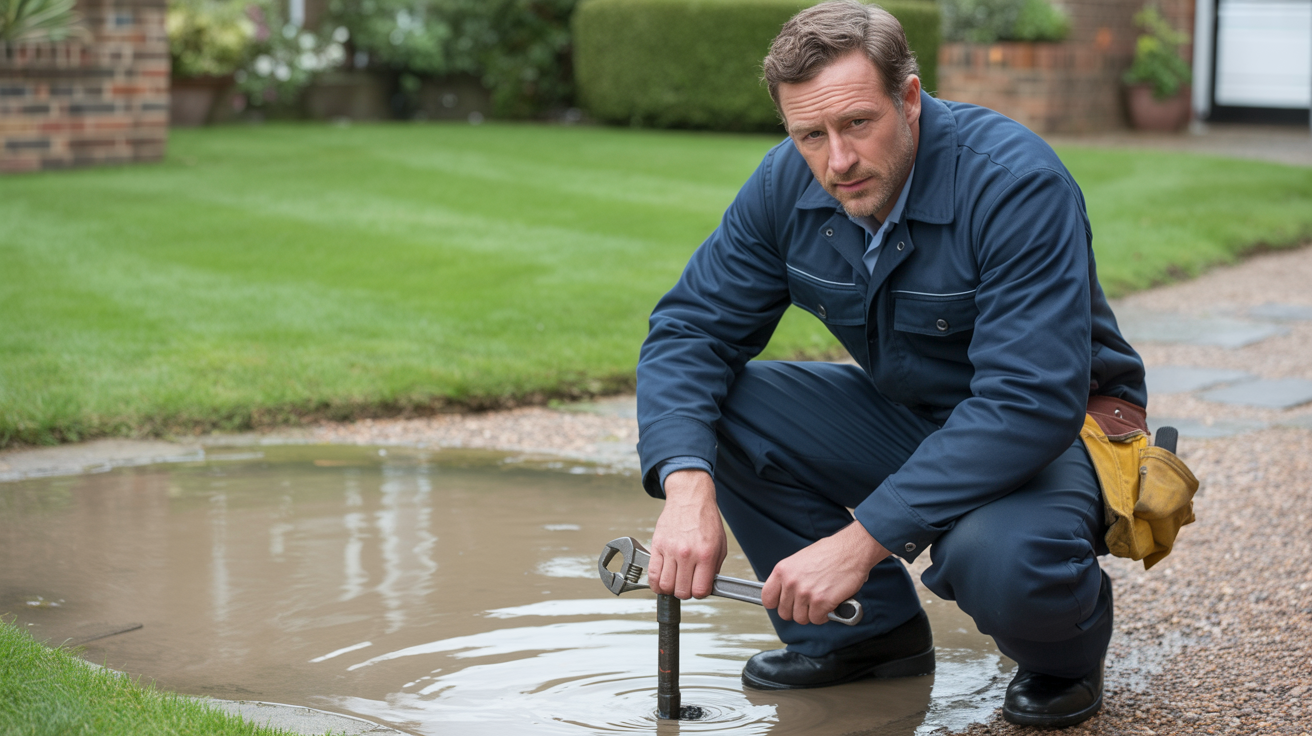
These tasks sit close together, but they do not answer the same question.
What the annual CP12 actually does
CP12 is the term most people use for the Landlord Gas Safety Record. It records the outcome of the annual gas safety check required for relevant in-scope installations. In practical terms, it confirms whether the appliance or flue was found safe at the time of the check and captures the required record details.
That makes it essential. It does not replace broader maintenance.
What a boiler service adds
A boiler service is the planned maintenance work that keeps the appliance reliable and supports safe operation over time. This is where wear, condition, adjustment, servicing history, and manufacturer expectations matter.
That is why a communal boiler can pass a safety check and still need servicing attention if you want to reduce faults, improve efficiency, and avoid preventable outages.
The simplest way to separate the three workstreams is this:
| Item | Main purpose | Board outcome |
|---|---|---|
| CP12 / Gas Safety Record | Confirm safety status at the annual check | Statutory compliance record |
| Boiler service | Maintain condition and support reliable performance | Better plant resilience |
| Flue and combustion testing | Evidence safe discharge and combustion performance | Stronger technical assurance |
What flue testing contributes
Flues remove combustion products from the building. If a flue is defective, disturbed, or underperforming, the system can create life-safety and governance risk even when the wider plant still appears to be operating normally. That is why flue integrity, ventilation checks, and combustion analysis matter.
For your board, the practical point is simple. A certificate tells you one thing. A service tells you another. Flue testing tells you something else again. A defensible annual programme brings those strands together where your asset profile requires it.
How to Run the Year So Access, Remedials and Evidence Do Not Drift

The annual visit is only one part of the control system.
Build the calendar backwards
Start from the due date and work backwards. You need time for access notices, site coordination, resident communications, plant-room access, engineer attendance windows, review of findings, and approval of remedial work.
That matters because missed access and slow approvals usually create the pressure long before engineer availability becomes the problem.
Give every defect an owner and a deadline
A recommendation without an owner is not a plan. Once the visit is complete, every defect should move into a simple workflow: what was found, how it was graded, who is responsible for next action, when the board needs to decide, and what evidence will prove closure.
That stops urgent safety work, reliability work, and longer-term lifecycle work from collapsing into one unstructured queue.
Keep the board, agent and contractor on the same line
Your board needs visibility without getting buried in technical paperwork. You need reporting that tells you what was checked, what passed, what failed, what needs approval, and what changes your risk picture now.
We keep that chain clear. We schedule the work, complete the right attendance, document the findings, and organise the follow-through so you are not left stitching the story together from scattered emails after the fact.
Accreditations & Certifications





What Evidence the Board Should Be Able to Retrieve After Every Visit

A strong record set should let an independent reviewer understand the asset story without relying on your memory.
The core visit pack
After each visit, you should be able to retrieve the annual gas safety record where applicable, the boiler service sheet, relevant test readings, flue and combustion evidence where carried out, engineer identity and Gas Safe details, access notes, defect notices, quotations, approvals, and proof of completed remedials.
For statutory gas safety records, the baseline retention period is at least two years. In practice, many boards keep a longer running history because it supports insurance queries, trend review, and director handovers.
Why insurers, auditors and residents care
Insurers usually want to see that the issue happened as described, that the condition of the asset can be evidenced, and that your response was reasonable. Auditors and governance reviewers want traceability. Residents want confidence that your board acted properly and did not ignore a known risk.
Those pressures all point to the same answer: a clean, retrievable, chronological file.
What “good enough” looks like in practice
An inbox full of PDFs is rarely enough. Your records should be organised by asset as well as by date, linked to decisions, and easy to retrieve when a query lands months later.
Your board should be able to answer four questions quickly: what was in scope, what was found, what was approved, and what was closed. If your current records cannot do that, your compliance story is weaker than it looks.
Reliable Property Maintenance You Can Trust
From routine upkeep to urgent repairs, our certified team delivers dependable property maintenance services 24/7 across the UK. Fast response, skilled professionals, and fully insured support to keep your property running smoothly.

Book Your Free Consultation With All Services 4U Today
You need a gas safety plan that works in the real building you manage.
We will review your current asset picture, due dates, contractor scope, and existing records. We will show you where your annual gas safety PPM is clear, where it is incomplete, and what a stronger managed programme would look like for your block.
Bring the documents you already have, including past CP12s, service sheets, plant lists, board minutes, or insurer queries. We will turn that starting point into a clearer scope, cleaner responsibilities, and a more defensible evidence trail.
Book your free consultation today, and leave with a clearer route to annual gas compliance.
Frequently Asked Questions
What should your RTM board include in annual gas safety PPM for communal systems?
Your annual gas safety PPM should cover every landlord-controlled gas asset, the right inspection and service tasks, and a clear follow-up trail for defects.
For most RTM companies, and particularly RTM RMC boards, that means starting with the assets your board actually controls and matching each one to the right annual activity. In many blocks, that includes communal boilers, plant-room gas pipework, isolation valves, shared flues, ventilation-related checks, safety controls, and any associated landlord-controlled appliance. The aim is not simply to obtain a document. It is to create a repeatable control cycle that reduces risk, supports reliability, and gives future directors a clean record.
A certificate on its own can confirm a point in time. It does not automatically show plant condition across the year, whether servicing was carried out properly, or whether remedial work was closed out.
A neat certificate can still hide a messy risk picture.
That is why a stronger annual scope separates the core elements rather than blending them into one vague visit. Gas Safe Register guidance is useful here because it reinforces a basic governance point: the engineer must be competent for the appliance and work type involved. In practice, your board needs to know not only that somebody attended, but that the right person checked the right equipment in the right way.
Which assets usually belong in scope?
For many residential blocks, the annual scope will usually include:
- communal boilers and landlord-controlled gas appliances
- plant-room gas pipework, valves, and isolation arrangements
- flues and combustion-related checks where required
- ventilation checks linked to safe appliance operation
- safety controls and shutdown functions
- reports, defect lists, and remedial recommendations
That structure gives your RTM board something it can govern. It also makes contractor quotations easier to compare because you are testing like against like.
Which parts of the annual scope do different jobs?
A useful proposal should distinguish the main components of the annual programme.
| Element | What it confirms | Why it matters |
|---|---|---|
| Safety check | Whether the installation was safe when inspected | Supports statutory and governance duties |
| Service work | How the plant is performing and wearing over time | Supports reliability and lifecycle control |
| Flue or combustion testing | Whether discharge and measured operation are acceptable where required | Adds technical assurance |
That distinction matters because many RTM RMC boards buy the most visible line item and assume it covers the rest. It often does not. BS 7967 is commonly relevant where combustion analysis forms part of the technical evidence. For a non-technical director, the simple translation is this: the record, the service, and the test are related, but they are not interchangeable.
Why does under-scoping create problems later?
Under-scoping usually shows up after the visit, not during it. A report may be filed, but defects remain unowned. The next attendance date approaches, but no one can tell whether the plant was merely checked or properly maintained. An insurer query arrives, and the board has one headline document but no supporting trail.
That is why communal boiler gas safety works better as a managed annual programme than as a once-a-year attendance. If your current arrangement still leaves room for “we thought that was included,” the next sensible step is a scope review against your asset list before the next due date starts dictating the agenda. That gives your board a cleaner baseline and makes it much easier to buy with confidence.
- What RTM Directors Are Actually Buying When They Approve Gas Safety PPM
- Where RTM Responsibility Starts, Stops and Gets Confused in Real Blocks
- What Commonly Gets Missed in Communal Gas Systems Before a Problem Reaches the Board
- What a Quote Request Should Include if You Want Useful Tenders Instead of Gaps
- How CP12, Boiler Servicing and Flue Testing Differ—and Why RTM Boards Often Need More Than One
- How to Run the Year So Access, Remedials and Evidence Do Not Drift
- What Evidence the Board Should Be Able to Retrieve After Every Visit
- Book Your Free Consultation With All Services 4U Today
- Frequently Asked Questions
- Related PPM Services
Case Studies


Related Articles

Your Guide To Identifying And Treating Minor Mould Outbreaks
Why Planned Preventative Maintenance (Ppm) Saves Money And Ensures Compliance